How metabolic syndrome may increase the risk of Gout?

How metabolic syndrome may increase the risk of Gout?

Obesity, type 2 diabetes, high cholesterol, and cardiovascular disease all seem to be more common in people with metabolic syndrome(MetS). This may make them more likely to develop in tandem.

The syndrome is a group of risk factors that have been linked to an elevated risk of acquiring additional disorders rather than a single, separate disease.
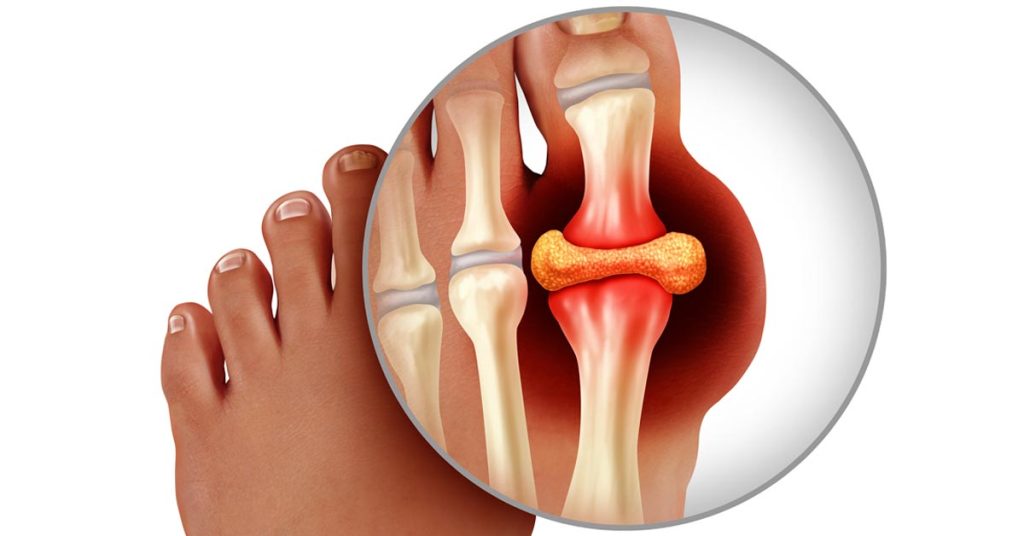
Metabolic syndrome have a higher risk of developing gout, according to research from the Sungkyunkwan University School of Medicine in South Korea. Its a kind of arthritis that causes pain and swelling in the joints.

A recent study as per the journal Arthritis & Rheumatology, examined over 1.3 million men between the ages of 20 and 39 who had health examinations. The relationship between modifications in the participants’ METs and the onset of gout was examined.

They identified those who had gout using a database of diagnoses. Also, they utilised a statistical model to examine the connection between changes in metabolic syndrome and the onset of gout.

They found that males with metabolic syndrome or those who developed MetS had a higher risk of developing gout. Men who had high triglyceride levels and abdominal obesity—two factors associated with MetS—were at a substantially higher risk.

What is metabolic syndrome (MetS)?

A clinician may suspect metabolic syndrome if a patient displays at least three of the following five signs and symptoms:

  • Specifically, a waist size of more than 40 inches for men and more than 35 inches for women is considered central, visceral, abdominal obesity.
  • 100 mg/dL or more for fasting blood sugar.
  • values of 130/85 mm/Hg or above for blood pressure.
  • Blood triglyceride values of 150 mg/dL or higher.
  • levels of high-density lipoprotein (HDL) cholesterol at or below 50 mg/dL for women and 40 mg/dL or less for men.

What is gout?

An extremely painful, inflammatory, and inflexible form of arthritis known as gout causes the joints to become stiff.

The metatarsophalangeal joint, which is situated at the base of the big toe, is typically affected. An excessive buildup of uric acid in the body is the source of the disorder.

Researchers find

18,473 males in the recent study experienced gout. Compared to people having MetS, people having metabolic syndrome had a nearly four-fold increased risk of developing gout.

The researchers also noted that a participant’s probability of developing gout quadrupled if they had MetS. Yet, the likelihood of developing gout was practically cut in half for those who recovered from MetS.

High triglyceride levels and abdominal obesity were found to have the highest associations with gout risk. This is as per reports of metS factors.

Comparison was made for those in their 20s, 30s, and those who were underweight or had a normal weight. People with underweight were more likely to experience a connection between changes in MetS and gout.

This is the first extensive study to look at the relationship between alterations in the metabolic syndrome and the risk of gout. According to the study, young persons’ chance of developing gout can be greatly decreased by avoiding MetS or recovering from it.

Reports as per studies

Recent epidemiologic studies have revealed that, when compared to controls, those with hyperuricemia and gout had a higher prevalence of the metabolic syndrome.

In a cross-sectional research of 21,544 participants who completed work-related health examinations, those with serum urate levels 9 mg/dL had about a five-fold greater chance of developing metabolic syndrome. This is compared to those with serum urate levels 7 mg/dL.

Ford et al used data from the National Health and Nutrition Examination Surveys (NHANES) from 1999 to 2002. They conducted a cross-sectional analysis of 1370 children and adolescents to ascertain the relationship between serum urate and metabolic syndrome.

In the lowest to highest quartiles of serum urate, risk of metabolic syndrome was 1.0%, 3.7%, 10.3%, and 21.1%, respectively. The top quartile of urate had a roughly 15-fold higher risk of metabolic syndrome than the lowest two quartiles.

When comparing data from 1988-1994 to 1999-2006, NHANES also revealed that the prevalence of gout and metabolic syndrome were rising continuously and at comparable rates.

Rashad Barsoum, MD, FRCP, FRCPE, emeritus professor of medicine at Cairo University, and Rheumatology Advisor talked about the epidemiologic link between gout and metabolic syndrome. It is still disputed whether hyperuricemia is a surrogate marker or a confounding risk factor, but the statistical correlation does not suggest causality, he says, despite the significant evidence linking it to the metabolic syndrome.

Action to reduce risks

The findings of this study, according to Mitchell, “should at the very least act as a wake-up call for the children. Diabetes and hypertension are no longer considered “diseases of the elderly.”

“Gout is merely one of the numerous additional hazards that come with these chronic illnesses. In addition to lowering quality of life, early onset of these diseases may also shorten lifespans. This is over the next few decades, according to the expert.

To “promote the findings of this study to the general public and build a gout prevention programme,” Trinh made a number of recommendations, stating that the following actions may be taken:

Make educational materials that describe the connection between MetS and gout, such as pamphlets, posters, and infographics. Also, the information in these materials must to cover lifestyle modifications for managing MetS.

Join up with medical professionals including primary care doctors and endocrinologists to promote gout prevention strategies and share information about the study’s findings.

Use social media: Share information about the study’s findings and encourage healthy lifestyle choices. By using social media sites like Facebook, Twitter, and Instagram, this can be done.

To inform those who have MetS about the connection between the condition and gout and to offer advice on how to treat it with lifestyle changes, hold workshops or webinars for them.

To promote gout prevention practises to a larger audience, work with neighbourhood organisations like wellness centres or municipal health agencies.

REFERENCES:

  • https://www.medicalnewstoday.com/articles/gout-combining-2-existing-drugs-doubles-treatment-success-in-new-study
  • https://www.rheumatologynetwork.com/view/rheumatoid-arthritis-year-in-review-2022
  • https://www.rheumatologyadvisor.com/home/topics/gout/examining-the-connection-between-gout-and-metabolic-syndrome/
  • https://rheumatology.medicinematters.com/gout/cardiovascular-disease/metabolic-syndrome-gout-risk/23767656

For more details, kindly visit below.
Can Insomnia Increases the Risk of Heart Attack?

Can Insomnia Increases the Risk of Heart Attack?

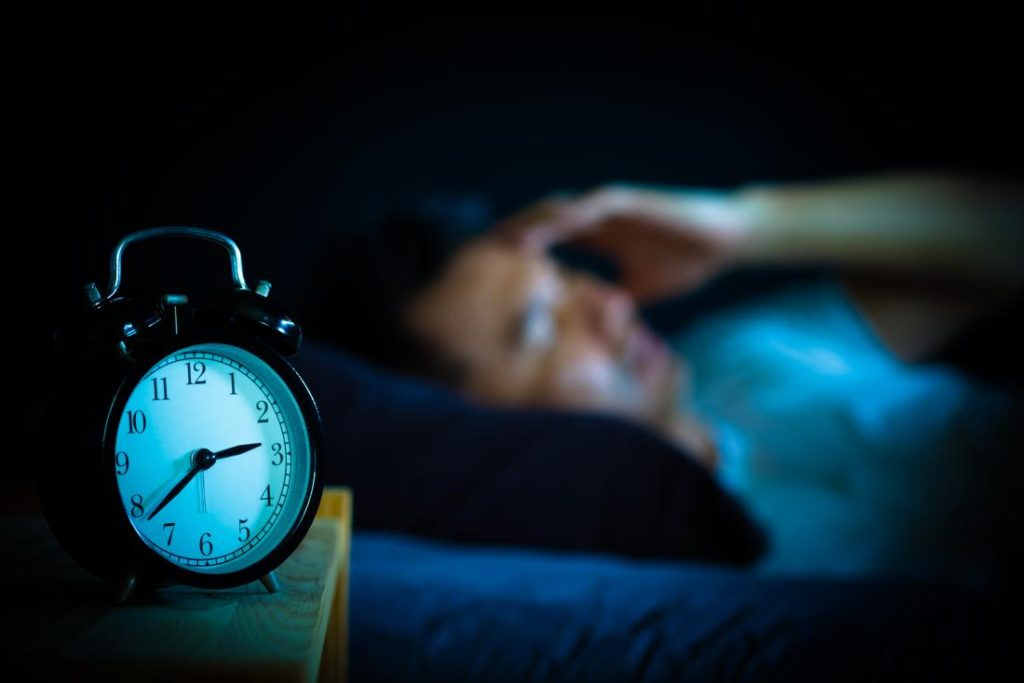
Not only is getting enough sleep crucial for your energy levels, but also for the health of your heart. Discover the link between heart health and sleep.

Sleep is not an indulgence. It is essential for health. Your body can mend itself while you sleep. Also, getting adequate restful sleep enables you to go about your day properly.

Sleep gives the body the chance to recover and replenish, and it is crucial for almost every element of physical health. Insufficient or interrupted sleep can increase the risk of cardiovascular conditions such heart disease, heart attacks, diabetes, and stroke. It can also affect blood pressure and increase the likelihood of heart attacks.

As a result, getting enough sleep can contribute to living a heart-healthy lifestyle. Also, for those with heart issues and may help prevent harm to the cardiovascular system in healthy individuals.

How much sleep do I need?

Adults typically require at least 7 hours of sleep per night. 1 The majority of American adults—more than 1 in 3—state that they don’t receive the necessary amount of sleep. 2 While this could be alright for a day or two, chronic sleep deprivation can cause serious health issues and exacerbate some already existing conditions.

Health conditions linked to lack of sleep

People who sleep for fewer than 7 hours a night are more likely to report having health issues, such as asthma attacks, heart attacks, and depression. The risk of heart disease, heart attacks, and stroke is increased by certain of these medical conditions. These health issues consist of:

  • Elevated blood pressure. Your blood pressure lowers when you are sleeping normally. Your blood pressure will be higher for a longer time if you have sleep issues. One of the major dangers for heart disease and stroke is high blood pressure. One in three individuals in America, or 75 million people, have excessive blood pressure.
  • Diabetes type 2. Diabetes is a condition that can harm your blood vessels because it causes blood sugar levels to rise. According to several research, having adequate restful sleep may enhance people’s ability to control their blood sugar.
  • Obesity. Unhealthy weight gain might be a result of sleep deprivation. Children and teenagers need more sleep than adults do, therefore this is particularly true for them. Lack of sleep may have an impact on the area of the brain that manages hunger.

How Sleep Deprivation Affect Heart Health?

There is strong evidence that sleep disorders, such as sleep deprivation and fragmented sleep, are harmful to heart health.

The body needs time to rest in order to heal itself. The non-rapid eye movement (NREM) sleep stages are characterised by a slowed heart rate, decreased blood pressure, and stable breathing. These modifications lessen the heart’s workload, allowing it to recover from the strain it experiences while awake.

Without enough sleep each night, a person doesn’t spend enough time in the deep NREM sleep stages that are good for the heart. Those who experience frequent interruptions to their sleep may experience the same issue.

Chronic sleep loss has been associated with a variety of cardiac issues, including high blood pressure, high cholesterol, heart attacks, obesity, diabetes, and stroke.

Blood pressure during sleep

Blood pressure decreases by about 10% to 20% when you sleep normally and healthily. Research has shown that this practise, known as nocturnal dipping, is important for cardiovascular health.

Poor sleep is linked to non-dipping, which is when a person’s blood pressure doesn’t drop at night due to lack of sleep or sleep interruptions. According to studies, having high nocturnal blood pressure is associated with generalised hypertension (high blood pressure).

In fact, studies have shown that high blood pressure during the night is much more indicative of heart issues than high blood pressure during the day. Non-dipping has been linked to an increased risk of heart attack and stroke. Reduced blood supply to the brain and kidney issues have also been connected to it.

Many studies have shown that sleep loss has the effect of raising daytime blood pressure, however not everyone is affected equally. In middle-aged people, the connection between sleep deprivation and high blood pressure is strongest. Individuals who have other hypertension risk factors, work long hours in stressful occupations, or have chronically poor sleep patterns are more likely to have elevated blood pressure.

Coronary Heart Disease and Sleep

The most common cause of death in the US is coronary heart disease. It is sometimes referred to as coronary artery disease and occurs when atherosclerotic atherosclerosis, or plaque buildup in the arteries, causes them to harden and narrow. The heart’s capacity to receive enough blood and oxygen is decreased as a result.

Lack of sleep has been linked to atherosclerosis, according to research. White blood cells, which are produced by the immune system and accumulate in the arteries as a result of inflammation, lead to the formation of plaque. Chronic inflammation is sparked by a lack of sleep, and this chronic inflammation makes the arteries harder and leads to plaque buildup.

It is also thought that the effects of sleep on blood pressure affect how sleep loss affects coronary heart disease. The arteries are strained by hypertension, which reduces their ability to carry blood to the heart and makes heart disease more likely.

Heart failure and sleep

Heart failure occurs when there is insufficient blood flow from the heart to provide the body with the oxygen and blood it requires to function. Strong correlations between sleep issues and heart failure were observed in an observational research including more than 400,000 persons.

People in that study had a higher chance of developing heart failure if they slept for fewer than seven hours per night. Heart failure was also more prevalent in individuals who had other signs of poor sleep, such as symptoms of insomnia, daytime sleepiness, snoring, and an evening personality. One’s risk of developing heart failure increases with the number of these symptoms of poor sleep they experience.

A Heart Attack and Sleep

When the blood supply to the heart is cut off, a heart attack—also referred to as a myocardial infarction—occurs. Due to the harm that results from the heart not receiving enough oxygen, heart attacks are sometimes fatal.

Lack of sleep increases the risk of heart attacks. According to one study, those who slept for fewer than six hours per night had a 20% increased risk of having a heart attack. NREM sleep aids the heart in slowing down and recovering, whereas REM sleep is more stressful and active. The balance of these stages can get off if you don’t get enough sleep, which raises your risk of having a heart attack.

Heart attacks may occur if sleep disturbances occur, according to some research. Frequent sleep disturbances can create cardiac stress and may result in a heart attack because both heart rate and blood pressure might suddenly jump upon awakening.

Stroke and sleep

A stroke occurs when the brain’s blood supply is interrupted, depriving brain cells of oxygen and resulting in cell death. Ischemic strokes happen when an artery is blocked by a blood clot or plaque. A mini-stroke, also known as a transient ischemic attack (TIA), merely includes a momentary blockage.

Lack of sleep has been linked in studies to a higher chance of suffering a stroke. Lack of sleep raises blood pressure, and high blood pressure is thought to be the main contributor to stroke risk. Insufficient sleep may also make it simpler for blockages to happen and result in mini-strokes or strokes by promoting the building of plaque in the arteries.

Sleep and Heart Rate

The heart rate normally decreases throughout NREM sleep stages and then increases as you get ready to wake up.

A poor night’s sleep, particularly sudden awakenings, can cause a sudden increase in heart rate. According to research, those who have trouble sleeping are more prone to experience irregular heartbeats. These factors suggest that sleep deprivation and heart palpitations may be related.

Also, a research of senior citizens revealed that those who frequently experience nightmares are far more likely to report having an abnormal pulse. When a person’s sleep is disrupted by a nightmare, their heart rate may rise, and they may awaken feeling as though their heart is racing.

Chest Pain and Sleep

There are several causes of chest pain. Angina is a type of chest pain brought on by inadequate blood flow via blood arteries. Heart problems are unrelated to non-cardiac chest pain, such as heartburn or a muscle injury.

Studies have found a link between sleep deprivation and chest discomfort, and they also show that when sleep is disrupted, a fast rise in blood pressure and heart rate can result in angina.

Even non-cardiac chest pain may be related to sleep. Sleep disturbances are a common symptom of heartburn and acid reflux, which may increase the likelihood that these people will experience chest pain in the middle of the night.

Undiagnosed chest discomfort and poor sleep have also been linked in numerous studies. High incidence of symptoms like sleeplessness are present in those with persistent, unexplained chest discomfort. This connection may be related to stress and anxiety, including panic attacks, which are emotional responses that may be more frequent in persons with poor sleep, however its exact nature is unknown.

REFERENCES:

For more details, kindly isit below.

Best ways to treat and relieve your tired eyes.

Best ways to treat and relieve your tired eyes.

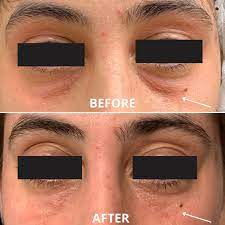
Eyes that are tired may appear bloodshot, bloated, or puffy. What causes eye fatigue? A multitude of factors, such as allergies, lack of sleep, nutrition, and digital eye strain, can make your eyes look and feel tired.

Making adjustments to your daily routine or environment is the typical course of treatment for eyestrain. Some individuals might require care for an underlying eye issue.

For some people, wearing glasses that are prescribed for specific activities, such as for computer use or for reading, helps reduce eyestrain. Your eye specialist may suggest that you take regular eye breaks to help your eyes focus at different distances.

Get a few of your tea bags.

Black or green tea’s caffeine may help with dark circles by constricting blood vessels and lowering blue colouring. Moreover, these caffeinated teas can eliminate bloating by pulling out fluid.

But use rooibos (red tea) or chamomile if you want a more calming effect for itchy skin.

Instructions:

  • For two to four minutes, steep two tea bags in a mug of hot water.
  • After removing the tea bags, squeeze any remaining water out of them.
  • The tea bags can be chilled for ten minutes in the refrigerator or allowed to slowly cool at room temperature.
  • Spend 15 minutes with the bags resting over your closed eyes.
  • Never leave them on for more than 30 minutes at once.

Reach into the coffee maker

While a caffeine fix for the skin might also assist reduce blotchiness or puffiness, your cold brew might provide you a refreshing jolt. With an ice cube tray, start by freezing some freshly made coffee. When the coffee ice is ready, rub one ice cube for a few seconds:

  • beneath your eyes
  • between your brows
  • across your nose’s bridge.
  • from your eye’s outer corners to your temples

Try the 100% Pure Coffee Bean Caffeine Eye Cream as well. Reviewers give this product 4.5 stars and claim it can help alleviate crow’s feet and keep eyes hydrated.

Get a cucumber from your crisper.

Vitamin C and folic acid, which are both abundant in cucumbers, aid to promote cell growth and protect against environmental damage. The final outcome? Reduced puffiness, inflammation, and discolouration under your eyes.

Instructions:

  • Cut a cucumber into two half-inch-thick slices.
  • For about 15 minutes, place the slices over your closed eyes.
  • Instead, try using cold spoons. They can aid in blood vessel constriction and lessen dark circles beneath the eyes.

Try the Yes to Cucumbers Soothing Eye Gel as well. Reviewers indicate that while this gel may be too harsh for people with sensitive skin, it nevertheless performs better than more expensive creams.

Massage your eyes with a tap.

You can improve lymph outflow by gently tapping your brows, cheekbones, and eye sockets with your index and middle fingers in a circle. This might lessen inflammation and even out skin tone.

Instructions:

  • Spend at least 30 seconds massaging your eyes while using an eye cream.
  • Embrace the pressure, but don’t rub or push too hard.

Think about eye cream

Must you shell out a lot of money for a nice balm? The simplest response is no about dark circles.

However, you might experiment with more reasonably priced moisturising salves that contain tea, coffee, or cucumber extract; some of these treatments may also assist to lessen the visibility of fine lines and wrinkles.

For a boost, apply under-eye patches.

A more recent fad for treating the skin around your eyes is under-eye patches. They are adorable and perfect for Instagram, but many people also find them to be useful. Just be aware that they provide more of a short fix—if you will, a helping hand after a wild night out.

Unsure on how to choose your patch? Use components like retinol and hyaluronic acid that are gentle on the eyes. Check out our list of the top choices to pack your suitcases as well.

Pick up the concealer that corrects colours.

Marcus clarifies that concealers merely assist in hiding dark circles. In other words, they won’t contribute to the reduction of puffiness. She advises combining an eye cream with concealer because of this: Use an eye cream to help with both the symptoms and the cause, and then cover up any remaining darkness with concealer.

On moisturised skin, concealer will go on more smoothly, she says. Hence, using a moisturising eye cream before applying concealer helps prepare the skin.

Concealer by itself can still be effective in an emergency. So, grab a tiny amount of color-correcting concealer the next time an important meeting or function sneaks up on you.

Try:

  • if you have a darker skin tone, orange.
  • you might have lighter skin, wear pink.
  • If your circles often appear overly purple, use yellow.

Why do we get dark circles or puffiness?

Genetics is the biggest explanation for this, especially for those of you who have exhausted all other options.

If you have periorbital hyperpigmentation, often known as dark circles under the eyes or sunken eyes, you may be genetically predisposed to the condition. Similar to hereditary face features, you can also have permanent under-eye pouches.

Here’s why certain qualities are highlighted.

Eyes under bags

When the tissue there fills with water, the lower lids and bags become puffy. An increase in fluid retention in that region can be brought on by the fatty tissue retained within the socket and upper lid thinning out with age.

While looking in the mirror first thing in the morning, puffiness is frequently the most noticeable. That’s because during sleep, fluid has an opportunity to collect. Once you’ve been vertical for a while, bags usually start to disappear.

Shady circles

Despite the fact that there are numerous causes for dark circles, those around the eyes often have a somewhat darker complexion simply because the area’s thinner skin is stretched over a collection of purple blood vessels and muscle.

Prevent tired eyes

Extend your time in bed

Cut your late-night Netflix session short, or try to get as much rest as you can. Prop your head up a little bit while you sleep if you continue to experience morning eye puffiness or blue colouring.

Marcus notes that sleeping with your head slightly elevated can aid in avoiding fluid buildup in the periorbital region. Before going to bed, take off any makeup to prevent smearing it in your eyes and aggravating the skin around them.

Apply a cool towel.

To help with the “I just woke up” look, Marcus advises placing a cool washcloth over your eyes. She claims that this reduces puffiness and skin discolouration by generating vasoconstriction (constriction of blood vessels).

Also, it can have a calming impact all around, and you won’t need to search your refrigerator for fresh cucumbers.

Do some eye exercises.

Marcus claims that eye strain can make eyes fatigued by reducing the flow of naturally lubricating tears and causing dry eyes.

“Taking regular breaks from screen time and completing eye exercises may help minimise eye strain and, as a result, help eyes function normally by releasing lubricating tears, lowering dryness, redness, and bloodshot eyes,” she explains.

Exercise for the eyes can be rather easy. In instance, one exercise merely requires you to change your focus while sitting. Here, pick up a handful of these basic techniques. Moreover, face yoga (yes, it exists) can help lessen eye strain.

Adapt the lighting and gadget displays.

According to Marcus, taking breaks from screen time to prevent eye strain can also be beneficial.

Keeping your phone or tablet in night mode reduces exposure to blue light, which can enhance the quality of your sleep, the expert continues.

Put on your blue light spectacles.

Blue light glasses may reduce the strain if night mode isn’t effective in preventing your tablet or device from gleaming brightly like a diamond.

Breaks from the screen

According to Marcus, prolonged screen usage might strain the eyes. This occurs in part as a result of the blood vessels around your eyes enlarging, which can cause dark circles, as you would have imagined.

Let your eyes to take little breaks for a much-needed vacation:

  • Give the 20/20/20 rule a try. Every 20 minutes, look away from your screen. Focus for 20 seconds on a distant object that is at least 20 feet away.
  • Move and stand up. Spend at least five minutes standing up, stretching, and moving about after each hour of screen usage.

REFERENCES:

  • https://www.healthline.com/health/beauty-skin-care/make-eyes-look-more-awake
  • https://www.webmd.com/eye-health/ss/slideshow-relieve-tired-eyes
  • https://www.mayoclinic.org/diseases-conditions/eyestrain/diagnosis-treatment/drc-20372403
  • https://www.healthshots.com/preventive-care/self-care/eye-fatigue-how-to-prevent-relieve-tired-eyes/
  • https://www.allaboutvision.com/conditions/ways-relieve-tired-eyes/

For more details, kindly visit below.
Extra 20 Minutes of Exercise Cuts Hospitalization Risk.

Extra 20 Minutes of Exercise Cuts Hospitalization Risk.

Middle-aged and older persons who exercise for an additional 20 minutes each day are less likely to end up in the hospital with significant medical issues. This is concluded by a study published in JAMA Open Network.

Between June 1, 2013, and December 23, 2015, about 82,000 study participants in the UK between the ages of 42 and 78 wore accelerometers, a type of fitness tracker, for a week. Throughout the course of a 7-year follow-up, the researchers discovered that about 48,000 study participants needed hospitalisation for a variety of causes.

The study’s findings revealed that those who were physically active had a lower risk of being admitted to the hospital. Particularly for nine illnesses: gallbladder disease, urinary tract infections, diabetes (both type 1 and type 2), deep vein thrombosis, pneumonia, ischemic stroke, iron deficiency anaemia, diverticular disease, and colon disease.

According to the study, the risk decrease for hospitalisation varied from 3.8% for colon polyps to 23% for diabetes.

The study stated, “Our results show that increasing moderate to vigorous physical activity by 20 minutes per day may be a helpful nonpharmaceutical strategy to minimise hospital admissions for many common medical disorders, which could lower hospital burdens and enhance quality of life.

The study had limitations, according to lead researcher Eleanor Watts of the US National Cancer Institute in Rockville, Maryland, who spoke to Today. She clarified that the study only showed that people weren’t admitted to the hospital due to medical concerns, not that exercise prevented their growth. Also, the majority of participants were Caucasian.

Overall, the study supports earlier findings that physical activity improves health and that this advantage can be obtained even from less-demanding or intense forms of exercise.

Types of exercise

Aim for at least 45 minutes of activity each day if you want to boost the ante and achieve your fitness, health, or weight loss goals. Include a high-intensity exercise, such as:

  • running
  • jumping exercises
  • scaling hills

Take a day off in between workouts if you’re performing severe cardio or weightlifting, or alternate days where you work out different parts of your body. Alternately, just change up your routine to avoid engaging in strenuous exercise every day.

Shorter versus longer

Doing a quick workout every day is preferable to doing one or two lengthy workouts every week.

When you don’t have time for a lengthy workout, it’s preferable to squeeze in little bursts of action throughout the day rather than forgoing it altogether.

Exercises you should do on a regular basis

Use each of the following four types of exercise in your regimen to get the most benefits, including a lower risk of injury:

To increase general fitness, use endurance workouts that increase your breathing and heart rate. Jogging, swimming, and dancing are among examples.
Strength training helps you control your weight while also building muscle and strengthening your bones. Exercises with resistance bands, bodyweight training, and weightlifting are a few examples.

Exercises that improve balance can help prevent falls and make regular activities easier. Tai chi, balance drills, and standing yoga positions are a few examples.

Exercises that increase flexibility reduce physical pain and enhance posture, mobility, and range of motion. Stretches, yoga, and Pilates are among examples.

Regular exercise

One of the best things you can do for your health is to exercise regularly. But one of the biggest potential advantages can be obtained without spending hours at the gym.

According to recent research, merely increasing your daily physical activity by 20 minutes can considerably lower your risk of being hospitalised for a number of serious medical illnesses.

The study, which was just published in JAMA Network Open, examined information from the ongoing U.K. Biobank project for more than 81,000 individuals between the ages of 42 and 78. For seven days, each participant wore an activity monitor. The researchers next classified the various activities the subjects engaged in and the length of time they spent engaging in them using a statistical model.

According to their findings, people who engaged in more physical activity overall were at a decreased chance of being admitted to the hospital for nine different ailments, such as diabetes, gallbladder disease, blood clots, urinary tract infections, and more.

The researchers discovered a large potential decrease in hospitalisations when they employed modelling tools to replace sedentary behaviour with 20 minutes of moderate-to-vigorous physical activity. Hospitalizations for conditions like diabetes, gallbladder disease, pneumonia, gastroesophageal reflux disease, and iron deficiency anaemia were notably affected by this.

Effects of exercise on daily health

It’s crucial to remember that the study’s definition of moderate-to-vigorous physical activity didn’t necessarily refer to high-impact activities; it could have been anything from walking the dog to jogging to cycling to swimming. Future studies should concentrate on determining the effects of various forms of exercise, according to the study’s authors (high-intensity cardio versus strength training, for instance).

The study does have some constraints. For instance, 97% of the participants declared themselves to be white, making it difficult to determine how much the findings might apply to other ethnicities. But, other studies have revealed that physical activity “under the advice of a physician, tends to be actually generally helpful” regardless of race, ethnicity, or age, according to Watts.

However, according to Watts, the accelerometers used in this study to detect activity “aren’t effective at picking up things like weightlifting.” As a result, it’s possible that the data overlooked readings of persons who participated in those activities.

Benefits

Regular exercise has positive effects on many facets of your life as well as your general wellbeing. See the following advantages of exercise:

Mood enhancer

You might increase your energy, drive, and mood. You’ll probably accomplish more in every area of your life, which will make you feel good about yourself.

Relaxation

Overall stress reduction can result in emotions of relaxation, restful sleep, and boosted confidence.

Sociable hour

The social aspect of group exercise allows you to meet up with friends or make new ones in a cheap and healthy way. Consider working out with a friend in the outdoors, which has its own advantages.

cognitive process

Exercise improves mental clarity and cognitive performance. It can help you cultivate mindfulness and make room for novel thoughts and ideas.

Condition control

Frequent exercise aids in the prevention or treatment of a number of health issues, including:

  • a cardiovascular condition
  • diabetes type 2
  • blood pressure is high.
  • the metabolic syndrome
  • certain cancer types
  • arthritis
  • falls
  • depression
  • anxiety

Regular exercise supports weight loss and helps prevent regaining lost weight if you’re trying to reduce weight.

REFERENCES:

For more details, kindly visit below.

Air pollutant may increases asthma attack in urban children

Air pollutant may increases asthma attack in urban children

Viral respiratory infections are a typical cause of asthma attacks. Thisinvolve a worsening of the inflammation and a narrowing of the bronchial airways. Nevertheless, non-viral causes of asthma attacks are also possible.

Asthma attacks are more likely to occur when people are exposed to more air pollutants. However, the molecular mechanisms by which air pollutants might cause asthma attacks are poorly understood.

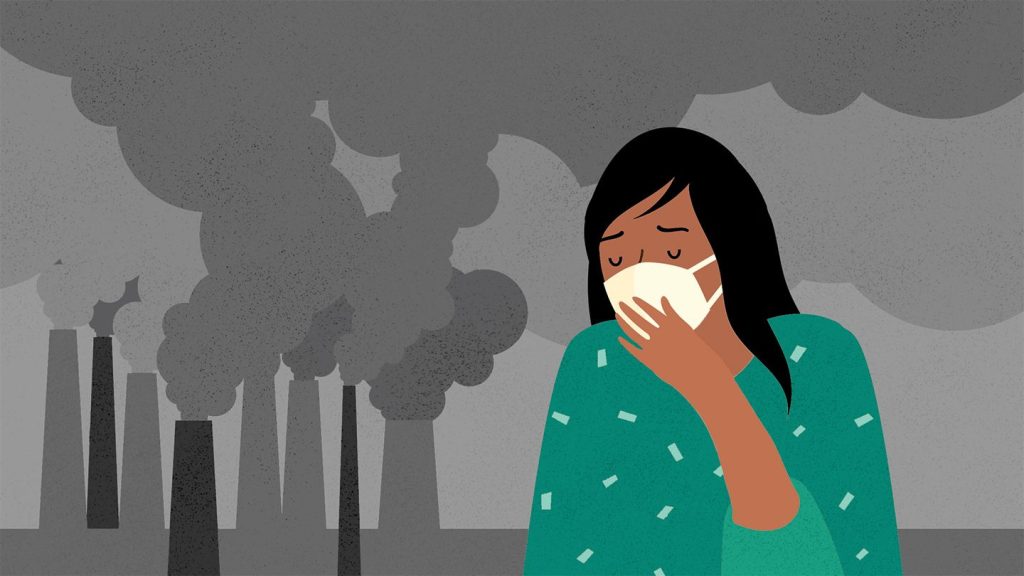
A recent study found that children living in metropolitan areas were more likely to experience asthma attacks. Due to exposure to greater levels of air pollutants, specifically ozone and fine particle matter. The most frequent cause of asthma attacks is viral respiratory infections. However nonviral variables including air pollution can also contribute to an asthma attack’s onset.

According to a recent study, children who live in urban areas are more likely to experience asthma episodes. Also, their lung function declines when air pollution levels are higher. Particularly when ozone and fine particulate matter concentrations are high.

Researchers found that these air pollutants could cause asthma attacks. Even when their concentrations were below the threshold set by the federal government for air quality.

The researchers also found that elevated ozone and fine particulate matter were linked to particular inflammatory pathways in the airways. Providing further insight into how elevated levels of pollutants may raise the likelihood of asthma episodes in urban children.

Asthma attacks: What to know

The primary airways in the lungs, the bronchi, and their branching, become inflamed and constricted in people with asthma. Chest constriction, shortness of breath, coughing, and wheezing are among asthmatic symptoms. They tend to get worse while the condition is exacerbating.

The lung airways are further constricted during an asthma exacerbation. Sometimes referred to as an asthma attack, as a result of the airway cells’ inflammation and the bronchial muscles’ spasm. Moreover, there is an increase in mucus production at the same time, which obstructs the airways.

One of the most frequent reasons for asthma flare-ups in both children and adults is respiratory tract viral infections. However, non-viral factors including allergens, pollen, and pet hair, as well as non-viral diseases, can also contribute to an asthma exacerbation.

Also, a number of epidemiological studies have linked the frequency of asthma attacks and air pollution levels. Asthma attacks have been connected to higher concentrations of a number of air pollutants. This including fine particulate matter, ozone, nitrogen dioxide, and sulphur dioxide.

One of the most prevalent chronic diseases in children is asthma. Also, research indicates that children who live in low socioeconomic and urban neighbourhoods have greater asthma prevalence and morbidity rates. These communities typically have higher air pollution levels. This may help to explain why asthma is more common and severe in children living in low-income metropolitan regions.

Yet, particularly in sensitive populations like children with severe asthma, the molecular pathways behind asthma exacerbation during non-viral respiratory infections are poorly known. Also, the variations in the mechanisms behind asthma flare-ups brought on by viral infections and airborne contaminants have not been defined.

Impact of air pollutants on asthma

In the current study, the researchers first looked at the relationship between air pollution levels and asthma flare-ups in kids and teenagers living in metropolitan areas. Data from an earlier observational trial titled “Mechanisms Behind Asthma Exacerbations Prevented and Sustained with Immune-based Treatment Part 1” was analysed by the researchers.

The current study’s objective was to particularly comprehend the molecular basis of non-viral asthma exacerbations brought on by air pollution using the MUPPITS1 data.

208 children with asthma who were prone to exacerbations and lived in low-income areas of nine American cities were enrolled in the MUPPITS1 study. Following the onset of respiratory illness symptoms in these subjects, the study took measurements of lung function and nose swabs.

The nasal samples were utilised by the researchers to identify whether non-viral or viral infections were to blame for the respiratory ailment. They further divided the subjects into groups according to whether or not an asthma exacerbation occurred when they were unwell.

The Environmental Protection Agency (EPA) collected data on specific pollutant concentrations and the Air Quality Index for each study region. The researchers then used this information.

The researchers reported that the Air Quality Index values were higher nine days before and after the beginning of symptoms in participants with a non-viral asthma exacerbation than those with a viral asthma exacerbation. The participants who had non-viral asthma exacerbations also showed a negative correlation between the Air Quality Index values and lung function.

Profile of gene expression

The nasal samples from the MUPPITS1 investigation were then used by the researchers to analyse variations in gene expression.

In both viral and non-viral asthma exacerbations, the Air Quality Index was associated with common gene expression patterns. Pointing to the existence of fundamental processes underlying asthma attacks. Moreover, changes in the gene expression profile that were unique to non-viral asthma exacerbations were linked to Air Quality Index levels.

It was found that fine particulate matter concentrations were directly correlated with an increase in genes. It is linked to excessive mucus secretion and proinflammatory cytokines, a class of signalling proteins, in non-viral asthma exacerbations.

The expression of tissue kallikreins, a class of enzymes involved in inflammation and increased in asthma, was positively linked with fine particulate matter concentrations.

The majority of the respiratory tract is lined by epithelial cells. They shield the respiratory system from allergens, pathogenic agents, and debris that can injure it when inhaled. The expression of genes related to epithelial cell barrier function was also correlated with the amounts of fine particulate matte

According to researchers, the greater asthma prevalence and morbidity in children living in urban centres may be explained. Due to the molecular pathways implicated in asthma exacerbations linked to certain air contaminants.

Identifying the molecular pathways that are unique to asthma flare-ups brought on by increased levels of air pollution may potentially aid in the development of therapies that target these pathways.

Moreover, using air filters during periods of high air pollution and using personal air quality monitoring equipment may help reduce the risk of asthma flare-ups related to air pollution. The study was observational in nature, and the authors noted that it did not prove a connection between air pollution and the frequency of asthma attacks.

Facts

To better prevent and treat asthma in these patients, it is concluded that more research is required to understand the underlying processes of the connection.

Although initiatives like selective planting around school playgrounds could help limit exposure among this vulnerable demographic, air pollution in underdeveloped areas has also been linked to impaired cognitive capacities in youngsters.

REFERENCES:

For more details, kindly visit below.
Lets Understand Why You Have Migraine During Your Period.

Lets Understand Why You Have Migraine During Your Period.

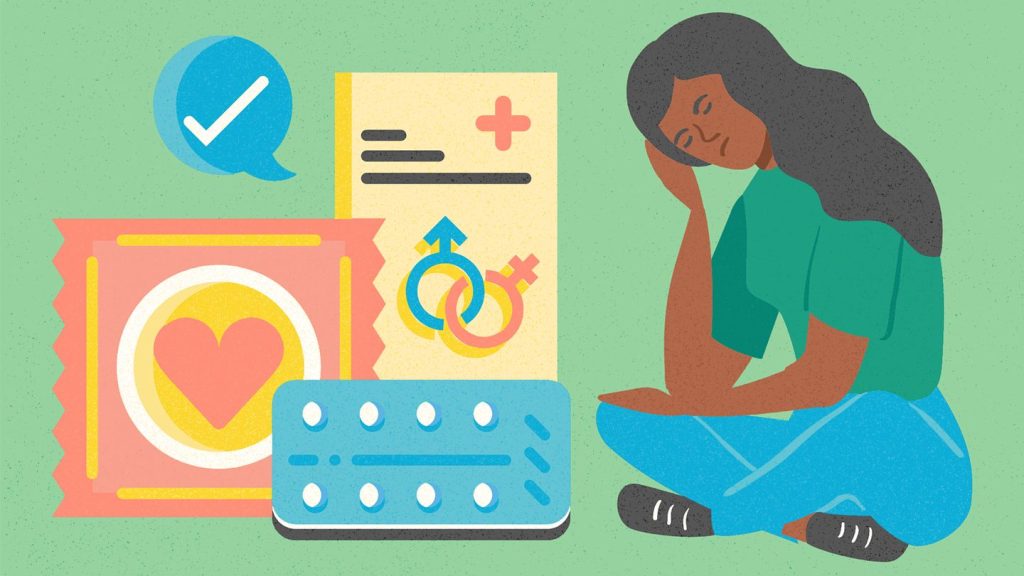
According to a recent study, migraine attacks in cisgender women who are menstruating may be brought on by an increase in the peptide CGRP, which has been associated with migraines. The study found that this increase correlated with a drop in oestrogen that happens after menstruation.

In spite of the fact that these individuals may still experience migraine attacks, the study did not detect an increase in CGRP in those who used contraceptives or had undergone menopause.

Since many years ago, experts have recognised a link between the beginning of menstruation-related migraine episodes and a decline in oestrogen levels. The exact workings of this relationship, nevertheless, are still unknown.

A recent study discovered that levels of a peptide linked to migraines fluctuate along with hormonal levels during the menstrual cycle. The calcitonin gene-related peptide, or CGRP, is present in greater amounts during the decline in oestrogen that happens at the start of menstruation.

If you get migraine attacks, you might have observed a rise in frequency around the time of your period. This is not rare, and it might also be related to the oestrogen levels dropping prior to menstruation. Hormones can cause migraine during pregnancy, perimenopause, and menopause.

Menstrual migraine symptoms

The symptoms of a menstrual migraine are comparable to those of other migraine types without an aura or other sensory abnormalities. They typically start 1 or 2 days after your menstruation starts.

Menstrual migraines are frequently divided into two types:

  • Menstrual migraine: This more frequent type can have vision abnormalities as one or more of the aura symptoms. Other periods of the month may have episodes of the migraine.
  • Pure menstrual migraines: They only happen before or after your menstruation starts.

Typical menstrual migraine signs include the following:

  • one side of the head typically experiences excruciating head ache.
  • nausea
  • vomiting
  • sensitivity to loud noises and light

Menstrual migraine attacks may be accompanied with premenstrual syndrome (PMS) symptoms as bloating, breast tenderness, nausea, and mood swings.

How do hormone levels affect migraine?

Hormone fluctuations can cause migraine episodes. Certain drugs, such as birth control pills, can also contribute to them.

Menstruation

The National Headache Foundation estimates that 60 percent of women who suffer from migraines also experience menstrual migraine attacks. This can occur anywhere from two days before and three days following the conclusion of the menstrual cycle.

When a person starts menstruating, migraines may start, although they can start at any moment. Through menopause and the reproductive years, your attacks may remain.

Menopause and the perimenopause

During perimenopause, decreasing levels of oestrogen and other hormones, such as progesterone, might result in migraine headaches.

Perimenopause typically begins 4 years before to menopause, however it can start as early as 8 to 10 years prior to menopause. Moreover, migraines can occur in those taking hormone replacement therapy.

Pregnancy

The first trimester of pregnancy is when pregnancy hormone headaches are most prevalent. This is brought on by an increase in blood volume and hormone levels.

Common headaches are another condition that might affect pregnant ladies. These can be caused by a variety of factors, such as caffeine withdrawal, dehydration, and bad posture.

Is it migraine or a headache?

A migraine episode is distinct from a regular headache. They commonly affect one side of the brain and create intense, throbbing pain. There are two types of migraines: “with aura” and “without aura.”

In the 30 minutes prior to your attack, you might experience one or more of the following signs and symptoms if you have migraine with aura:

  • observing light-flashes
  • noticing odd lines or patches
  • a momentary blindness
  • Hands or face numbness
  • tingling feelings in the face or hands
  • alterations in speech
  • weakness
  • unexpected alterations in flavour, smell, or touch

Aura-related migraine symptoms might also include the following:

  • nausea
  • vomiting
  • intolerance to sound or light
  • discomfort behind one or both ears.
  • one or both temples are hurting

Typical headaches never start with an aura and usually hurt less than migraines. There are numerous types of headaches, such as:

  • Tension headaches. Tension headaches can be brought on by high amounts of stress and worry. They might also be brought on by strained or tense muscles.
  • Clusters headaches. These headaches are frequently confused with migraines. Usually affecting one side of the head, they can also involve other signs and symptoms like runny nose, watery eyes, and nasal congestion.

Other causes of migraine attacks

Depending on your age and family history, you may experience menstrual migraines or migraines without a clear cause. You are more vulnerable just because you are a woman.

Obviously, you have little control over your gender, age, or family history, but keeping a migraine diary can be beneficial. This can assist you in locating and averting triggers.

Possible triggers include:

  • bad sleep patterns
  • drinking alcohol
  • consuming tyramine-rich foods like smoked fish, cured or smoked meat and cheese, avocado, dried fruit, bananas, aged food of any type, and chocolate
  • consuming a lot of caffeine-containing beverages
  • exposure to unusual weather patterns or situations
  • stress
  • fatigue
  • fasting
  • exposure to extremely high, intense light levels or noise
  • smelling harsh aromas from chemicals, cleaning supplies, perfume, and automobile exhaust
  • using artificial sweeteners as food
  • ingesting artificial flavours and colours like monosodium glutamate (MSG)

How is migraine diagnosed?

If you have migraine symptoms, your doctor will frequently begin by performing a physical examination and asking you about your family’s medical history to rule out any potential underlying illnesses.

Your doctor may suggest additional testing, such as the following if they believe anything other than hormones is causing your migraine attacks:

  • test of blood
  • an MRI
  • CT scan
  • Spinal tap, lumbar puncture

REFERENCES:

For more details, kindly visit below.
Faster cognitive decline linked with food insufficiency

Faster cognitive decline linked with food insufficiency

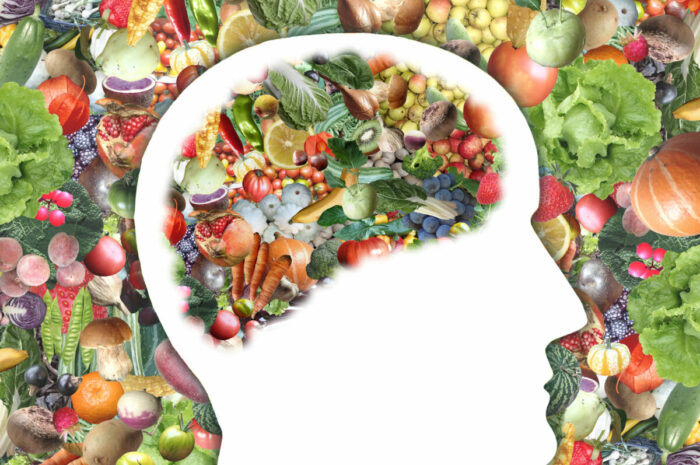
A recent study discovered that a lack of meals is linked to a quicker deterioration in cognitive function. Researchers examined information on thousands of people’s levels of food insecurity, cognitive health. Also, participation in the Supplemental Nutrition Assistance Program of the US federal government.

Those who don’t eat enough may have cognitive impairment due to poor nutrition or stress by significant financial difficulty. It prevents them from purchasing the food they require. Over the ten-year period from 2007 to 2016, the percentage of older persons in the United States who go without meals, frequently due to a lack of financial resources, more than doubled from 5.5% to 12.4%.

Number of young people going hungry has decreased because to initiatives like the U.S. Supplemental Nutrition Assistance Program (SNAP). According to study, older women who live alone in particular have had less success with their efforts than other senior people.

Age-related physical limitations and the risk of malnutrition and depression are more prevalent. This is among older adults who are food insecure. According to a recent review of SNAP data, there is also a link between older adults who are food insecure and cognitive impairment that happens more quickly.

A quicker rate of cognitive deterioration was observed in those who were SNAP qualified. It based on their income but did not take use of the programme. This pace was comparable to what would be anticipated if a person were 4.5 years older than they actually were.

Four years of brain ageing can be substantial for an older individual. When compared to individuals who had enough nourishment, those who did not showed a larger cognitive deterioration. This is equivalent to ageing by 3.8 years. The rate of mental decline was lowest in those who received enough meals.

Tying a lack of food to cognitive function

Data from 4,578 Medicare beneficiaries who were 65 years of age or older and took part in the National Health and Aging Trends Study (NHATS) from 2012 to 2020 were examined by the study’s authors.

As part of its yearly follow-up with participants, NHATS gathered data. Based on sociodemographic situation, social, physical, and technological settings, medical comorbidities, and cognitive function.

People’s responses to questionnaires about food insecurity were used as the basis for categorising them. As having enough food or not having enough, and their SNAP status was noted as part of NHATS. Participants in the new study were evaluated according to which of three groups they belonged to:

  • SNAP recipients
  • Non-participants who were SNAP-eligible, that is, non-participants who were making up to or less than 200% of the federal poverty threshold.
  • Non-participants who are SNAP-ineligible and make more over 200% of the federal poverty level.

Dr. Daniel P. Miller of Boston University, an expert on poverty and food insecurity who was not engaged in this study, clarified the critical distinction between “food insecurity” and “food insufficiency”.

Food insufficiency is just a statement about not having enough food to eat, as opposed to food insecurity, which is a condition of hardship where families struggle to put the correct kinds of food on the table due to a lack of money or other financial means.

He pointed out that, as opposed to food insecurity in the traditional sense, the focus of the current study was on food insufficiency.

Causes of food insecurity

According to Dr. Miller, economic hardship is mostly to blame for food insecurity. At an era of rising expenses for everything from food to health, he noted that older persons on fixed incomes are most at danger.

The definition of food insecurity according to the NHATS also included “non-financial constraints such as poor functional status, lack of social supports, and lack of access to food,” according to Dr. Colleen M. Heflin of Syracuse University, who was not engaged in this study.

Dr. Heflin stated that these access measures “are likely to be particularly significant for older persons who may need assistance acquiring food due to health restrictions, poor driving ability, and geographic isolation.”

Possible connection

Although the study found a link between dietary insufficiency and cognitive decline, because it was conducted over time, it was unable to determine whether a shortage of food causes cognitive impairment or the other way around.

Due to the challenging administrative procedures involved in proving programme eligibility, Dr. Heflin lamented that “my own data implies that cognitive impairment can function as a barrier to SNAP participation among older persons eligible for the programme.”

There are two likely causal mechanisms connecting food inadequacy to cognitive impairment, according to Drs. Heflin and Miller.

The first is a deficiency in crucial minerals and vitamins that support overall health, including brain function. Dr. Miller suggested that we should anticipate slower overall cognitive decline in elderly persons who are food insecure but instead expect greater reductions.

He did add, however, that research looking at the relationship between nutrition and cognitive decline have come to inconsistent results. Both experts agreed that long-term financial stress could be the second most likely causative mechanism. Dr. Heflin added that “stress exposure is linked to a higher rate of cognitive impairment.”

The importance of SNAP

A “electronic benefits transfer” card from SNAP allows users to make food purchases at approved retailers while also providing financial assistance. Dr. Heflin stated that SNAP participants consume more food at home and food of a higher quality than non-participants.

SNAP non-participation, according to Dr. Miller, is a “particularly important” indicator of future food insecurity. However, he continued, participation in the programme is lower than it could be, particularly among the elderly.

Dr. Miller pointed out that in 2020, just 47% of eligible older persons over the age of 60 joined in the programme, despite the fact that 78% of people of all ages who were eligible for SNAP did so.

A looming crisis?

Over 6 million Americans, according to the Centers for Disease Control and Prevention, suffer from Alzheimer’s and associated dementias. An estimated 14 million people will have Alzheimer’s by 2060, according to predictions.

The most vulnerable communities could be those of race. The number of cases among Latinos might rise seven times over current projections. There may be four times as many instances among African Americans as now anticipated.

In order to help prevent dementia, a new community-based programme in San Francisco will concentrate on established risk factors that may be changed. A model “Brain Health Program” being launched by Posit Science and the YMCA with funding from the National Institutes of Health.

Adults who are at risk for crime will be able to take classes through the initiative, which will launch in six months. The fundamentals of diet and nutrition the YMCA has been utilising in its Diabetes Prevention Program will be covered in some of the training.

REFERENCES:

  • https://www.healthline.com/health-news/how-ultra-processed-foods-hasten-cognitive-decline
  • https://www.medicalnewstoday.com/articles/dementia-and-diet-is-there-a-link
  • https://foodmatterslive.com/article/food-insufficiency-linked-to-faster-cognitive-decline-study-shows/
  • https://neurosciencenews.com/food-insecurity-cognition-aging-22532/

For more details, kindly isit below.

Innovative remedies to when you feel facial swollen.

Innovative remedies to when you feel facial swollen.

You might be able to minimise facial swelling with dietary adjustments, ice, or other natural therapies depending on the cause. It is not unusual for people to experience facial swelling due to an injury, allergy, medicine, illness, or other medical condition.

the positive news You can employ a variety of conventional and alternative treatments to lessen the swelling or inflammation you’re experiencing.

How come my face is swollen? The body’s reaction to an injury or insult, according to Dr. Janette Nesheiwat, MD, is facial edoema. She continues, “It’s our body’s response to defending or fending off an illness or exposure to an allergy, toxin, or shock.”

She says that while inflammatory cells are activated by trauma or after surgery, which results in the swelling, numerous body cells produce chemicals in reaction to an insult to the face or another body area.

How to lessen facial edoema after sleeping

For many people, waking up with puffy lips or a face is pretty common.

According to Nesheiwat, “this can be brought on by eating too much salt the night before, drinking too much alcohol, not drinking enough water, allergies, mould, dust, pollen, hormone changes, how you sleep with your face on the pillow, and good ole stress can increase inflammation which causes swelling.”

Try one of Nesheiwat’s suggestions to lessen morning facial swelling:

  • Washing your face in cool water when you wake up will help to minimise puffiness.
  • Prior to going to bed, stay away from processed foods and foods high in salt (and in general).
  • Avoid going to bed wearing makeup since it can create skin inflammation, which can lead to the morning puffiness of the face.
  • Remain hydrated. Make sure you’re getting lots of water throughout the day.
  • Avoid drinking too much.
  • Avoid sleeping on your stomach.
  • Apply cold cucumbers to the swelling regions. Antioxidants found in cucumbers aid to reduce swollen eyes.

Reduce facial swelling due to allergic reactions

Allergic responses that result in face edoema can be brought on by food, medicines, insect or bee stings, or even infections.

If the airway swells up, facial swelling brought on by a severe allergic reaction may be harmful. This situation is the most hazardous since it occasionally involves the tongue, throat, or airway. According to Nesheiwat, this can be fatal and is often treated with an EpiPen.

She advises calling 911 or rushing to the hospital as soon as you see any swelling or closing down of your lips, tongue, or throat. However, Nesheiwat advises using a cold pack and an antihistamine if you have a slight rash or swelling.

She does caution you to contact a doctor right away if the edoema worsens or you notice little to no change. Your doctor could advise you to take steroids depending on what caused the allergic response and edoema.

Minimise bruising and swelling in the face

In the event that you have a facial injury, there may be some swelling there. You can also have swelling in other locations, depending on the nature and extent of the injury. These considerations will affect the technique you use to minimise the swelling.

“Icing the region of injury as soon as possible is the greatest thing to do to reduce swelling due to an injury,” advises Nesheiwat. Your next course of action will depend on the severity of the injury. Nesheiwat advises seeking medical attention right away if you experience any headaches, bleeding, or bruises.

An internal facial or head injury can also show external symptoms like bleeding or bruising.

Reduce facial swelling and bruising on the face

Make careful to continue the at-home treatments because it can take one to two weeks for bruises to go away. Nesheiwat advises using ice, water, arnica, and bromelain to lessen minor facial swelling and bruising (pineapple enzyme).

You may also want to avoid lying flat when sleeping, and attempt to keep your head slightly elevated. These recommendations also apply following surgery.

A doctor should always be consulted before taking any medication, even over-the-counter ones, according to Nesheiwat. “Anti-inflammatory drugs can sometimes assist with pain and symptoms, but you should always check with your doctor first before taking any medication,” she adds.

The secret is to be patient if you want to reduce swelling in your face after an injury (and lots of it).

Reduce facial swelling after surgery

Surgery-related edoema, in contrast to other sources of inflammation, can take at least a few days to subside (often five to seven days). You can apply a few of the suggestions for bruises when it comes to the best ways to reduce facial edoema following surgery. One of the best things you can do is to apply an ice or cold pack to your face.

You should apply ice to the swollen area for 10 to 20 minutes at a time, but your doctor probably has a specific procedure for you to follow. Most doctors would advise you to do this at least three times per day, depending on your tolerance.

Generalized facial swelling might endure for a variety of durations, depending on the type and amount of any jaw surgery you’re recovering from. Once you know what you’re dealing with, you can come up with a plan of attack.

Some of the more common ways to reduce facial swelling include:

  • obtaining more sleep. Sleep is a crucial component of physical health and recovery, according to the National Heart, Lung, and Blood Institute.
  • You should drink more water and other liquids.
  • putting a cold compress on the area that is swollen.
  • using a heated compress to encourage the flow of fluid accumulation
  • If you do so near your eyes, use caution because this region’s skin is more delicate.
  • Using the right antihistamine or allergy medication (over-the-counter medication or prescription).
  • using an NSAID (nonsteroidal anti-inflammatory drug).
  • employing home treatments for a tooth abscess in addition to taking antibiotics.
  • If the edema is only slight, try rubbing the region to encourage blood flow or applying cucumber slices or tea bags to the affected area.

A common reaction to everything, from consuming a lot of salt to having a serious medical emergency, is facial swelling. As long as your swelling does not require immediate medical attention, the at-home treatments and therapies that are available are fantastic.

REFERENCES:

  • https://www.healthline.com/health/how-to-reduce-swelling-in-face
  • https://www.webmd.com/a-to-z-guides/ss/slideshow-puffy-face-home-remedies

For more details, kindly visit below.
Can Cinnamon actually improve memory and learning ability?

Can Cinnamon actually improve memory and learning ability?

Researchers examined 40 research that looked at the impact of cinnamon on cognition. They discovered that taking cinnamon supplements may enhance learning and memory. Before conclusions can be drawn, additional research is required.

Cinnamon has a long history of usage in herbal medicine, as well as in cooking and as an aroma. According to studies, cinnamon has anti-inflammatory, anti-cancer, and immunomodulatory qualities in addition to providing benefits to cognition.

Cinnamon may have neuroprotective properties, including those against Alzheimer’s disease, according to some research.

Cinnamaldehyde, a component of cinnamon, has been demonstrated to prevent the formation of amyloid-beta plaques in the brain, which are a crucial indicator of Alzheimer’s disease. The development of preventative measures for cognitive decline may be aided by more research into cinnamon’s possible cognitive advantages.

A recent meta-analysis of 40 studies looking into cinnamon’s impact on cognitive performance was done by researchers. Scientists discovered that cinnamon greatly enhances cognition, often known as learning and memory.

Cinnamon and cognitive function

The researchers examined 40 studies that examined the connection between cinnamon and cognitive function for the study.

They used two clinical trials, five in vitro studies, and 33 in vivo studies for the study. Of these, 17 studies used rats, 15 used mice, and one used a common fruit fly. The researchers started by reviewing studies that used cinnamon extract or powder.

Researchers discovered that adolescents’ memories improved after eating cinnamon gum for 40 days in one clinical investigation. However, the other clinical research found no appreciable differences in memory when administered orally.

The majority of in vivo research discovered that cinnamon improved learning and memory. But according to one study, cinnamon reduced learning and short-term memory.

Meanwhile, an in-vivo investigation discovered that a methanol extract from cinnamon bark can reduce the development of amyloid-beta. The scientists then looked into the compounds found in cinnamon, including eugenol, cinnamic acid, and cinnamaldehyde.

They discovered that eugenol’s antioxidant qualities and capacity to prevent amyloid plaques have cognitive beneficial effects. They also discovered that the chemicals cinnamaldehyde and trans-cinnamaldehyde have anti-cell death and anti-inflammatory properties that shield against cognitive decline in animal models.

While both low and high doses of cinnamon had beneficial benefits, the researchers emphasised that their findings were not dose-dependent.

Limited clinical data

Molly Rapozo, RDN, Registered Dietician Nutritionist & Senior Nutrition and Health Educator at Pacific Neuroscience Institute in Santa Monica, CA, who was not involved in the study, responded as follows when asked about the study’s limitations:

Just 2 clinical studies—one of which did not demonstrate a beneficial effect were included in this review. Rodent models made up the majority of the included literature. Further clinical research is therefore required. The length, dosage, and components of the cinnamon utilised in the experiments varied widely as well.

She speculated as to why one of the two clinical trials with reported positive effects included cinnamon’s lack of efficacy, saying: “Perhaps cinnamon didn’t show a positive effect in one of the clinical studies because the dosage, duration, or cinnamon used wasn’t as impactful as the combination used in the positive study.”

I CARE FOR YOUR BRAIN inventor and board-certified neuropsychologist Dr. Karen D. Sullivan, who was not engaged in the study, added:

The majority of the included studies are of poor quality, and even the authors call them “imprecise,” which is one of the key weaknesses. There were several poorly specified variables, such as the cognitive abilities assessed, the usage of various cinnamon components, and different exposures to the chemicals.

She went on to say that the evidence for cinnamon’s ability to block the pathophysiological processes involved in Alzheimer’s disease was extremely weak and limited to very tiny sample sizes in laboratory samples.

While not engaged in the study, Dr. Jonathan J. Rasouli, Director of Complicated and Adult Spinal Deformity Surgery at Staten Island University Hospital, told that the human trials lacked sufficient control groups. Dr. Rasouli stated that We will need a prospective, randomised controlled trial, and that is still pending, in order to conclusively claim there is a benefit.

Including cinnamon in diet 

There are two varieties of cinnamon: cassia and ceylon. Both can be beneficial additions to a person’s diet, however cassia cinnamon has a toxin that can be detrimental if consumed in excess.

“High intakes of cassia cinnamon can impair liver function, raise the risk of lung, liver, and kidney cancer, cause drug interactions, and do so because of the high coumarin content. However, consuming too much ground cinnamon—of any variety—at once can make you cough and have trouble breathing because of the spice’s extremely fine texture, which can get stuck in your lungs’ vacuoles. For those who have asthma, this is extremely troubling, Dr. Sullivan advised.

Rapozo pointed out, however, that cinnamon is regarded as a safe natural remedy and has a lengthy cultural history. This implies that it might be easily incorporated as a component of a whole foods diet that is accessible to a wide range of people.

‘I advise using culinary herbs and spices as a part of an anti-inflammatory diet for brain health. In addition to being an excellent addition to hot or cold tea, whole grains, and fruit, cinnamon is also a crucial component of many savoury spice blends around the world’, she said.

REFERENCES:

  • https://www.medicalnewstoday.com/articles/cognitive-decline-predictors-besides-dementia
  • https://neurosciencenews.com/cinnamon-learning-memory-22444/
  • https://www.forbes.com/sites/grrlscientist/2023/02/04/cinnamon-improves-your-memory-and-cognition/
  • https://medicalxpress.com/news/2023-02-effects-cinnamon-memory.html

For more details, kindy visit below.

Do we actually need more sleep in the winter?

Do we actually need more sleep in the winter?

A vital part of wellbeing is sleep, and getting enough of it helps the body heal and function normally. According to a recent study, people get more REM sleep in the winter, which is an essential part of the regular sleep cycle.

To corroborate the results of this study in the broader population, more data is required. Yet, people can make efforts to encourage sound sleep during the winter, a season in which doing so may be particularly important.

Everyone requires sleep, yet everyone’s demands are different. Research is ongoing to determine what influences sleep requirements and the most effective course of action.

A recent study examined how seasonal changes in sleep patterns. The researchers discovered that REM sleep is more prevalent during the months of winter.

Human sleep study

The research team enlisted 292 patients to take part in sleep studies termed polysomnographies, which are conducted on individuals who have trouble falling or staying asleep.

The volunteers visited a specialised lab where they were instructed to go to sleep naturally, without setting an alarm, so that the duration, kind, and quality of their sleep could be observed.

Although sleep issues may have affected the results, the study’s design allowed for a sizable group to be evenly distributed throughout the year, which helped to better show variations from month to month.

Those who took sleep-related medications, those who experienced technical difficulties during the polysomnography, and participants whose REM sleep latency was greater than 120 minutes—which suggested that the initial REM sleep episode had been skipped—were excluded from the study.

There were 188 subjects left after the exclusions. The majority of their diagnoses exhibited little seasonal variation, while sleeplessness was more frequently identified as the year’s end approached.

Importance of REM sleep

Several facets of life, including physical, emotional, and mental health, are impacted by sleep. Sleep duration and quality have an impact on bodily functions like immune system, metabolism, heart health, and memory.

The several stages of sleep that people go through are all necessary for a restful night’s sleep.

Rapid eye movement (REM) sleep is one type of sleep. The brain is more active during REM sleep, and dreams are experienced. REM sleep is beneficial for controlling mood. Moreover, it enhances immunological performance, focus, and memory.

According to the results of this latest study, there may be seasons of the year when people experience more REM sleep.

M​ore REM sleep in the winter

This specific study focused on variations in seasonal sleep patterns. All through the year, researchers examined the subjects’ sleep patterns. The individuals were already dealing with some sleep abnormalities, such as insomnia and sleep-related respiratory issues.

When conducting their analysis, the researchers used 188 participants. Participants were monitored while they slept using a method known as polysomnography.

Participants were encouraged by the researchers to stick to their usual bedtime routines. Alarm clocks were not allowed to be used by participants. Participants were disqualified from the study based on a few important factors, such as the usage of sleep-interfering drugs.

To Medical News Today, research author Dieter Kunz provided the following significant findings:

“In our work, we demonstrate that, in an adult population residing in an urban environment, human sleep architecture differs significantly across seasons. In a sizable population with neuropsychiatric sleep disorders, we employed polysomnography to record the various stages of sleep over the course of a full year.

According to Kunz, they discovered three intriguing findings:

  • In comparison to summer, people slept an hour more during the winter.
  • I had about 30 minutes more of REM sleep in the winter than the spring.
  • Got 40 minutes fewer of deep sleep in the fall than the other months.

Researchers found no statistical significance in the one-hour sleep gap between the winter and summer seasons. Instead, one of their key areas of interest was the seasonal variations in REM sleep.

Get better sleep in the winter

The American Board of Sleep Medicine-certified sleep specialist Nicole Eichelberger focuses on abnormalities of the circadian rhythm, apnea, and insomnia. Eichelberger gave us some advice for getting a good night’s sleep, which included maintaining a consistent sleep routine.

Even on weekends, try to go to bed and wake up at the same time every day, she advised.

Making a sleep-friendly environment is also beneficial.

Ensure that your bedroom is cold, quiet, and dark. Utilize supportive bedding and soft pillows, advised Eichelberger.

Restrict your screen time before bed.

It can be more difficult to fall asleep due to the blue light emitted by electronic gadgets, according to her. Melatonin is a hormone that promotes sleep.

Avoid alcohol and caffeine.

Both can interfere with your sleep and make it more difficult to get enough rest, she explained.

Develop your relaxing skills.

You can relax and be ready for sleep by engaging in activities like yoga, deep breathing, or meditation, according to Eichelberger.

She continued by saying that sleep is essential for both our physical and mental health because it aids in both memory consolidation and learning as well as body recovery and repair.

Persistent sleep loss has been connected to a number of health problems, including as obesity, diabetes, and heart disease, she said. “On the other side, it has been demonstrated that getting adequate sleep strengthens our immune system, lifts our mood, and improves our cognitive performance. Simply put, having enough good sleep is crucial for our overall health.

REFERENCES:

  • https://www.medicalnewstoday.com/articles/do-we-actually-need-more-sleep-in-the-winter
  • https://www.healthline.com/health-news/seasonal-sleeping-why-we-need-more-rest-in-the-winter
  • https://www.aprilaire.com/blog/more-sleep-winter/
  • https://patient.info/news-and-features/do-you-need-more-sleep-when-its-cold

For more details, kindly visit below.