Browsed by
Category: Blood Pressure

Healthy Heart, Happy Life: Proven Ways to Improve Cardiovascular Fitness

Healthy Heart, Happy Life: Proven Ways to Improve Cardiovascular Fitness

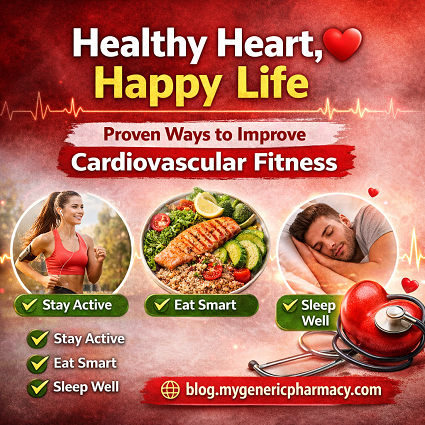
Your heart works nonstop to keep you alive, yet it’s often overlooked until problems arise. Cardiovascular fitness isn’t just for athletes—it’s essential for everyone who wants to live a longer, healthier, and more energetic life. The good news is that improving your heart health doesn’t require extreme changes. Instead, small, consistent habits can make a big difference.


❤️ What Is Cardiovascular Fitness?

Cardiovascular fitness refers to how efficiently your heart, lungs, and blood vessels supply oxygen to your body during physical activity. In simple terms, it measures how well your heart performs under stress. When your cardiovascular system is strong, you feel more energetic, recover faster, and reduce your risk of serious health conditions like heart disease, stroke, and high blood pressure.


🏃‍♂️ 1. Move Your Body Regularly

Physical activity is the foundation of a healthy heart. Regular exercise strengthens your heart muscle and improves blood circulation.

Best activities for cardiovascular fitness:

  • Brisk walking
  • Cycling
  • Swimming
  • Jogging
  • Dancing

👉 Aim for at least 30 minutes of moderate exercise, 5 days a week.

Additionally, consistency matters more than intensity. Even light activities, when done daily, can significantly improve heart health.


🥗 2. Eat a Heart-Healthy Diet

Your diet directly impacts your cardiovascular system. Therefore, choosing the right foods can help lower cholesterol, control blood pressure, and maintain a healthy weight.

Include more of:

  • Fruits and vegetables
  • Whole grains
  • Lean proteins (fish, chicken, legumes)
  • Healthy fats (nuts, olive oil)

Avoid or limit:

  • Processed foods
  • Sugary drinks
  • Excess salt
  • Trans fats

🍎 A balanced diet not only fuels your body but also protects your heart from long-term damage.


😌 3. Manage Stress Effectively

Chronic stress can harm your heart over time. It raises blood pressure and may lead to unhealthy habits like overeating or smoking.

Simple stress-management techniques:

  • Meditation
  • Deep breathing exercises
  • Yoga
  • Spending time with loved ones

Moreover, taking even 10 minutes a day to relax can improve your overall cardiovascular health.


🚭 4. Avoid Smoking and Limit Alcohol

Smoking is one of the biggest risk factors for heart disease. It damages blood vessels and reduces oxygen in your blood. Similarly, excessive alcohol consumption can raise blood pressure and contribute to heart problems.

👉 If you smoke, quitting is the single best step you can take for your heart.
👉 If you drink, do so in moderation.


😴 5. Prioritize Quality Sleep

Sleep plays a crucial role in maintaining cardiovascular health. Poor sleep can increase your risk of high blood pressure, obesity, and heart disease.

Tips for better sleep:

  • Maintain a consistent sleep schedule
  • Avoid screens before bedtime
  • Create a calm sleeping environment

💤 Aim for 7–8 hours of quality sleep each night.


⚖️ 6. Maintain a Healthy Weight

Excess weight puts extra strain on your heart. However, even a small weight loss can improve cardiovascular fitness.

  • Balanced eating
  • Regular exercise
  • Portion control

As a result, your heart will work more efficiently, and your overall health will improve.


🩺 7. Monitor Your Health Regularly

Regular health check-ups help detect problems early. Keep track of:

  • Blood pressure
  • Cholesterol levels
  • Blood sugar

Early detection allows timely action, which can prevent serious complications.


🎥 Watch: Simple Cardio Exercises at Home

(Embed a short YouTube video like “10-Minute Cardio Workout for Beginners” here for better engagement and SEO)


🌟 Final Thoughts

Improving cardiovascular fitness doesn’t require drastic changes. Instead, it’s about building sustainable habits. By staying active, eating well, managing stress, and getting enough sleep, you can significantly boost your heart health. In conclusion, a healthy heart leads to a happier and more fulfilling life. Start small, stay consistent, and your heart will thank you for years to come.


References:

How Exercise Helps Your Heart – Cleveland Clinic Health Essentials
Exercise and the Heart – Johns Hopkins Medicine
Lifestyle Changes for a Stronger Heart: A Comprehensive Guide

Medications that have been suggested by doctors worldwide are available on the link below
https://mygenericpharmacy.com/category/blood-pressure

Can Anxiety Cause High Blood Pressure? The Truth About Panic Disorder

Can Anxiety Cause High Blood Pressure? The Truth About Panic Disorder

Many people experience sudden spikes in blood pressure and wonder if anxiety is the cause. If you have always had normal readings, this change can feel alarming. Understanding the link between anxiety and high blood pressure is important for both mental and physical health.

The good news is that anxiety-related blood pressure changes are often manageable. Therefore, learning about panic disorder and blood pressure can help you take control of your health.


What Is Panic Disorder?

Panic disorder is a type of anxiety disorder characterized by sudden and intense episodes of fear, known as panic attacks. These attacks can occur without warning and may feel overwhelming.

Common symptoms of panic attacks include:

  • Rapid heartbeat
  • Shortness of breath
  • Dizziness
  • Chest discomfort
  • Sweating

Moreover, these symptoms can mimic serious health conditions. As a result, many people worry about their heart health.


Can Anxiety Cause High Blood Pressure?

Yes, anxiety can temporarily raise blood pressure. During a panic attack, the body releases stress hormones like adrenaline. These hormones increase heart rate and tighten blood vessels.

As a result, blood pressure may rise suddenly. However, this increase is usually temporary and returns to normal once the anxiety subsides. In contrast, chronic stress and anxiety may contribute to long-term blood pressure issues if left unmanaged.


Why Does Blood Pressure Rise During Anxiety?

The body reacts to anxiety through the “fight or flight” response. This natural reaction prepares the body to handle danger.

During this process:

  • Heart rate increases
  • Blood vessels constrict
  • Breathing becomes faster

Therefore, blood pressure rises as part of the body’s defense mechanism. Although this response is normal, frequent episodes can strain the body over time.


Symptoms of Anxiety-Related Blood Pressure Spikes

It is important to recognize when anxiety is affecting your blood pressure. Common signs include:

  • Sudden increase in heart rate
  • Feeling of panic or fear
  • Headaches
  • Chest tightness
  • Dizziness

Moreover, these symptoms often appear during stressful situations or panic attacks.


How to Manage Anxiety and Blood Pressure

Managing anxiety can help control blood pressure levels. Fortunately, several effective strategies are available.

1. Practice Relaxation Techniques

Deep breathing, meditation, and yoga can calm the mind and body.

2. Stay Physically Active

Regular exercise helps reduce stress and improve heart health.

3. Maintain a Healthy Diet

Eating balanced meals supports overall well-being.

4. Limit Caffeine and Alcohol

These substances can increase anxiety and affect blood pressure.

5. Seek Professional Help

Therapy and counseling can help manage panic disorder effectively.


You should consult a doctor if you experience frequent blood pressure spikes or severe anxiety symptoms. Medical evaluation helps rule out other conditions. Early diagnosis ensures proper treatment and peace of mind.


Conclusion

Anxiety can cause temporary increases in blood pressure, especially during panic attacks. However, these changes are usually not permanent.

By understanding the connection between anxiety and high blood pressure, you can take steps to manage your symptoms effectively. Ultimately, proper care, lifestyle changes, and professional support can help you maintain both mental and physical health.


References:

https://pubmed.ncbi.nlm.nih.gov/9350581/
https://www.healthcentral.com/condition/hypertension/panic-attack-blood-pressure
https://pmc.ncbi.nlm.nih.gov/articles/PMC8101888/
https://www.healthline.com/health/anxiety/can-anxiety-cause-high-blood-pressure

Medications that have been suggested by doctors worldwide are available on the link below
https://mygenericpharmacy.com/category/blood-pressure

New Evidence, Stronger Protection: Lower LDL for a Healthier Heart and Brain

New Evidence, Stronger Protection: Lower LDL for a Healthier Heart and Brain

Let’s explore what this means for your health and how you can take action.


What Is LDL Cholesterol?

This condition narrows blood vessels and increases the risk of:

Managing LDL is essential for long-term cardiovascular health.


Traditional guidelines recommend:

  • <70 mg/dL for high-risk patients
  • <55 mg/dL for very high-risk individuals

However, new studies suggest that lowering LDL even further can lead to greater reductions in cardiovascular events.


Clinical evidence supported by the American Heart Association and the European Society of Cardiology highlights:

  • A direct relationship between lower LDL levels and reduced risk of heart attack and stroke
  • No clear threshold where lowering LDL stops being beneficial
  • Intensive lipid-lowering therapy significantly reduces major cardiovascular events

Research from the National Institutes of Health further supports the “lower is better” approach, especially for high-risk patients.


1. Reduces Plaque Formation

Lower LDL means less cholesterol buildup in arteries, slowing the progression of Atherosclerosis.

2. Stabilizes Existing Plaques

Lower cholesterol levels reduce inflammation, making plaques less likely to rupture.

3. Improves Blood Flow

Healthier arteries ensure better circulation to vital organs like the heart and brain.

4. Lowers Stroke Risk

By preventing blockages in brain arteries, lower LDL reduces the chances of stroke.


1. Adopt a Heart-Healthy Diet

  • Reduce saturated and trans fats
  • Increase fiber intake (fruits, vegetables, whole grains)
  • Include healthy fats like omega-3 fatty acids

2. Exercise Regularly

Engage in at least 150 minutes of moderate physical activity weekly.

3. Maintain a Healthy Weight

Weight loss can significantly improve cholesterol levels.

4. Quit Smoking

Smoking damages blood vessels and accelerates the buildup of plaque.


For many individuals—especially those at high risk—lifestyle changes alone may not be enough.

Common cholesterol-lowering medications include:

These drugs work by reducing cholesterol production in the liver and improving the body’s ability to remove LDL from the blood.

In some cases, advanced therapies like PCSK9 inhibitors may be prescribed for more aggressive LDL reduction.


While current research supports lower LDL levels, treatment should be individualized. Extremely low LDL levels may not be necessary for everyone.

Factors to consider include:

Always consult a healthcare provider before making significant changes to your treatment plan.


The future of cardiovascular care is shifting toward personalized medicine. Innovations include:

  • Genetic testing for cholesterol risk
  • AI-driven treatment plans
  • New classes of lipid-lowering drugs

These advancements aim to further reduce the global burden of heart disease.


The latest scientific evidence is clear: lowering LDL cholesterol beyond traditional targets can significantly reduce the risk of heart attack and stroke.

By combining healthy lifestyle choices with appropriate medical treatment—including medications like Atorvastatin—you can take powerful steps toward protecting your heart and brain. The takeaway? Don’t just aim for average—optimize your LDL levels for maximum protection and long-term health.


  1. American Heart Association – Cholesterol guidelines and cardiovascular risk
  2. European Society of Cardiology – Lipid management recommendations
  3. National Institutes of Health – Research on LDL and cardiovascular outcomes
  4. Mayo Clinic – Cholesterol management and treatment

Medications that have been suggested by doctors worldwide are available on the link below
https://mygenericpharmacy.com/category/products/blood-pressure

High Blood Pressure (Hypertension): Signs, Risks & How to Stay Safe

High Blood Pressure (Hypertension): Signs, Risks & How to Stay Safe

High blood pressure—medically known as Hypertension—is often called the “silent killer” for a reason. It can quietly damage your body for years without noticeable symptoms, increasing your risk of life-threatening conditions like Heart Attack, Stroke, and Kidney Disease. Understanding its signs, risks, and prevention strategies is crucial for maintaining long-term health.

What Is High Blood Pressure?

Blood pressure measures the force of blood pushing against your artery walls. It’s recorded as two numbers:

  • Systolic pressure (top number): Pressure when the heart beats
  • Diastolic pressure (bottom number): Pressure when the heart rests

A normal reading is typically around 120/80 mmHg. Consistent readings above 130/80 mmHg may indicate hypertension.


Why High Blood Pressure Matters

Uncontrolled high blood pressure damages your body in multiple ways over time:

Heart

  • Coronary artery disease: Reduced blood flow to the heart muscle
  • Heart attack: Blocked arteries leading to heart damage
  • Heart failure: A weakened heart can’t pump enough blood
  • Left ventricular hypertrophy: Thickened heart muscle from working too hard

Brain

  • Stroke: Leading cause—from blocked or burst blood vessels
  • Vascular dementia: Damaged small vessels affect thinking and memory

Kidneys

  • Chronic kidney disease: Damaged vessels can’t filter waste effectively
  • Kidney failure: May require dialysis or transplant

Eyes

  • Retinopathy: Damaged retinal vessels cause vision loss

Sexual Function

  • Erectile dysfunction in men
  • Decreased libido in both men and women

Common Signs & Symptoms

https://images.openai.com/static-rsc-4/6YZfc05ieFJEP8mOlV98bRjLyJGHleQPwTRvU2gUHxSHb2VzYXmqofUcd-NN_O9JDgFs0OQCFdNS-hv2jZhmUsRgjaZgplkqgjswiyKxkmbYOrCSt5c3baMwJXnNER5Zb8HVvOjCdZ3AINl41uXX6phbbsLs8sINRsqbpuGZc1tYZsZiA1-kXS4Bq_TshsCi?purpose=fullsize

One of the most dangerous aspects of hypertension is that it often has no obvious symptoms. However, in some cases, people may experience:

  • Frequent headaches
  • Dizziness or lightheadedness
  • Blurred vision
  • Nosebleeds
  • Shortness of breath
  • Fatigue or confusion

⚠️ Important: These symptoms usually appear only when blood pressure reaches dangerously high levels.


Major Risk Factors

https://images.openai.com/static-rsc-4/4keV8bjqL_7k47Onv3vdNzF2a-W27csYwnbh5jd7P0L4wNXcUusml7sYrNmKknEPLnfl5wguxc55MecvtE4J1_RBfZKPkOU_gjzsBXpfHOHOVi3gVcN9FcRLNagj5MDbPPaXQkuZkGIV--n_ivU2-Vd1u9WW9SlVdUqEONSpC2fHS5RnL_XHyLH9aHyT-ybH?purpose=fullsize

Several lifestyle and genetic factors can increase your risk of developing hypertension:

  • Unhealthy diet (high salt, processed foods)
  • Obesity or being overweight
  • Lack of physical activity
  • Chronic stress
  • Smoking and excessive alcohol consumption
  • Family history of high blood pressure
  • Aging

Health Risks of Uncontrolled Hypertension

https://images.openai.com/static-rsc-4/T4-eLkHzxkiWVCeHOz-ljPw8vLWzFH4DEsQ-JY6AU_mV4Aw-jqGSaiswLZq9VzIFesG-zZhqD6AFhs7XK7I-ojHyifdfn0Gx9iMWAtsy-zYni-cZz6F-vPwB3l5h12DjbKY_bviruNsWM9mntzBXzcYeG4BDspkBRa6BWn8KZd1TvMtoUWICqSF89yB87gDL?purpose=fullsize
https://images.openai.com/static-rsc-4/8wV422uJj28q03At1RJrv-BWDXV_X2QfQgyKgGAIfAIZ6XV3SI-oy1vP4YR6pLoBubK6a4t3T64ypYR138mDjHESs1gNN-HBF8X6hESRTSxtGQ-8alcgoZzjSeRDEDiKxvIH4oH31LdDum2ijI0lVt4hczJn9ULziHMSTROnXEqi-pnP-gDa04uHC_IBOBxT?purpose=fullsize

If left untreated, hypertension can lead to serious complications:

  • Heart disease: Increased risk of Heart Failure and heart attacks
  • Stroke: Damage or blockage of blood vessels in the brain
  • Kidney damage: Leading to chronic kidney disease or failure
  • Vision loss: Damage to blood vessels in the eyes
  • Metabolic issues: Increased risk of diabetes and other conditions

How to Stay Safe: Prevention & Control

https://images.openai.com/static-rsc-4/L6U50W6a4oqOZv6WMz_mjBns3O67IjYZqyd36zNyLvlZPSgglskEi8OdGkGaByV--lWy2zL760kUaJ1EKJlTp_4qmuJ5iwGWkLH6DG1CHt9lQvwXqKIYdeK7x4brqVmr2Ja9kn0eGg17sijFcM2w8enZw8dLE3LiR_p_WLN_e3NTXajC3CqnBGazcIz9F2do?purpose=fullsize

Managing blood pressure doesn’t always require medication—lifestyle changes can make a huge difference:

✅ 1. Eat a Heart-Healthy Diet

  • Reduce salt (sodium) intake
  • Eat more fruits, vegetables, and whole grains
  • Limit processed and fried foods

✅ 2. Stay Physically Active

  • Aim for at least 30 minutes of exercise daily
  • Walking, jogging, cycling, or yoga can help

✅ 3. Maintain a Healthy Weight

Even a small weight loss can significantly reduce blood pressure.

✅ 4. Manage Stress

Practice relaxation techniques like meditation, deep breathing, or yoga.

✅ 5. Avoid Smoking & Limit Alcohol

Both can raise blood pressure and damage blood vessels.

✅ 6. Monitor Your Blood Pressure Regularly

Regular check-ups help detect issues early and prevent complications.


If your blood pressure readings are consistently high or you experience symptoms like severe headaches, chest pain, or vision problems, seek medical attention immediately. Early diagnosis and treatment can prevent serious health issues.


Final Thoughts

High blood pressure may be silent, but its impact is loud and dangerous. The good news? It’s preventable and manageable with the right lifestyle choices and regular monitoring. Taking control today can protect your heart, brain, and overall well-being for years to come.

References:

  1. American Heart Association. Understanding Blood Pressure Readings.
  2. Mayo Clinic. High Blood Pressure (Hypertension): Symptoms and Causes.
  3. National Heart, Lung, and Blood Institute. DASH Eating Plan.

Medications that have been suggested by doctors worldwide are available on the link below
https://mygenericpharmacy.com/category/blood-pressure


Disclaimer: This article is for educational purposes only. Consult your healthcare provider for personalized medical advice and treatment. If you have a hypertensive emergency, seek immediate medical care.

Hypertension Alert: Early Warning Signs & How to Protect Your Heart

Hypertension Alert: Early Warning Signs & How to Protect Your Heart

High Blood Pressure: Symptoms, Causes & Control Guide

Learn about high blood pressure (hypertension), including its causes, symptoms, risks, and effective ways to manage it for better heart health and long-term wellness.

Introduction: The Silent Killer

Hypertension, commonly known as high blood pressure, earned its nickname “the silent killer” for a chilling reason: it typically has no noticeable symptoms while quietly damaging your arteries, heart, brain, and kidneys for years. By the time signs appear, significant damage may already be done. An estimated 1.28 billion adults worldwide have hypertension, yet nearly half are unaware of their condition.

The good news? Hypertension is highly manageable—and often preventable—with the right knowledge and lifestyle choices. This guide will help you recognize warning signs, understand risk factors, and take action to protect your most vital organ: your heart.

What Is Blood Pressure, Really?

Blood pressure measures the force of blood pushing against your artery walls as your heart pumps. It’s recorded with two numbers:

  • Systolic (top number): Pressure when your heart beats and pumps blood
  • Diastolic (bottom number): Pressure when your heart rests between beats

Understanding the Numbers

CategorySystolic (mm Hg)Diastolic (mm Hg)
NormalLess than 120ANDLess than 80
Elevated120-129ANDLess than 80
Stage 1 Hypertension130-139OR80-89
Stage 2 Hypertension140 or higherOR90 or higher
Hypertensive CrisisHigher than 180AND/ORHigher than 120

Note: If your systolic and diastolic numbers fall into different categories, the correct category is the higher one.

The Deceptive Nature: Early Warning Signs

While hypertension is often called “silent,” some people do experience subtle warning signs. Pay attention to:

Physical Symptoms

  • Morning headaches (typically at the back of the head, dull and throbbing)
  • Nosebleeds (unexplained and recurrent)
  • Irregular heartbeat or palpitations
  • Vision changes (blurred or double vision)
  • Tinnitus (ringing in the ears)
  • Fatigue and confusion
  • Chest pain or discomfort
  • Blood spots in eyes (visible to the doctor during exam)

Severe Symptoms (Hypertensive Crisis)

If you experience these, seek emergency care immediately:

  • Severe headache with confusion
  • Shortness of breath
  • Nosebleeds that won’t stop
  • Severe anxiety or a feeling of doom
  • Numbness or weakness on one side of the body
  • Difficulty speaking

Important: Many people with hypertension have zero symptoms until it’s too late. That’s why regular screening is essential.

Why Hypertension Matters: The Damage It Does

Uncontrolled high blood pressure damages your body in multiple ways:

Heart

  • Coronary artery disease: Increased workload thickens the heart muscle, leading to oxygen demand that the arteries can’t meet
  • Heart failure: Overworked heart eventually weakens and fails
  • Aortic aneurysm: Weakened artery walls bulge and may rupture

Brain

  • Stroke: Leading cause—either from blocked or burst blood vessels
  • Dementia: Damaged small vessels affect thinking and memory

Kidneys

  • Chronic kidney disease: Damaged vessels can’t filter waste effectively
  • Kidney failure: May require dialysis or transplant

Eyes

  • Retinopathy: Damaged retinal vessels cause vision loss
  • Hypertensive choroidopathy: Fluid buildup under the retina

Sexual Function

  • Erectile dysfunction: Impaired blood flow
  • Decreased libido: Affects both men and women

Risk Factors: Know Your Vulnerability

Non-Modifiable Risk Factors

  • Age: Risk increases with age
  • Family history: Genetics play significant role
  • Race: More common in African Americans
  • Gender: Men are at higher risk until women reach menopause

Modifiable Risk Factors (You Can Change These!)

  • Diet: High sodium, low potassium
  • Weight: Excess body fat increases workload
  • Physical inactivity: Weakens the cardiovascular system
  • Alcohol: Excessive intake raises pressure
  • Tobacco use: Damages artery walls
  • Stress: Chronic stress contributes
  • Sleep apnea: Interrupted breathing strains the heart

Prevention: Stop It Before It Starts

The DASH Diet

The Dietary Approaches to Stop Hypertension (DASH) eating plan is clinically proven to lower blood pressure :

Emphasize:

  • Vegetables, fruits, whole grains
  • Fat-free or low-fat dairy
  • Fish, poultry, beans, nuts
  • Healthy oils (olive, canola)

Limit:

  • Saturated fats, trans fats
  • Sodium (aim for 1,500-2,300 mg daily)
  • Red meat, sweets, sugary beverages

Salt Sensitivity

Some people are “salt sensitive”—their blood pressure rises significantly with sodium intake. If you’re in this group, reducing salt is particularly effective.

Physical Activity

  • Aim for: 150 minutes weekly moderate activity
  • Examples: Brisk walking, cycling, swimming
  • Benefits: Lowers pressure 5-8 mm Hg on average

Weight Management

Losing even 5-10 pounds can reduce pressure significantly. Each kilogram lost drops pressure by about 1 mm Hg.

Limit Alcohol

  • Men: ≤2 drinks daily
  • Women: ≤1 drink daily

Quit Smoking

Every cigarette causes temporary pressure spikes. Long-term, smoking damages the arteries throughout the body.

Stress Management

Chronic stress contributes through hormone release and unhealthy coping behaviors. Try meditation, deep breathing, adequate sleep, and connecting with loved ones.

Monitoring: Know Your Numbers

Home Monitoring Tips

  1. Use a validated device with the proper cuff size
  2. Empty bladder first (full bladder raises reading)
  3. Sit quietly for 5 minutes before measuring
  4. Keep feet flat, back supported, arm at heart level
  5. Take readings at the same time daily
  6. Record results to share with the doctor

When to Measure

  • Morning before medication
  • The evening before dinner
  • Avoid caffeine, exercise, and smoking 30 minutes prior

Treatment Options

Lifestyle First

For elevated or Stage 1 hypertension without other risk factors, lifestyle changes may be sufficient.

Medications

When lifestyle isn’t enough, several medication classes exist :

ClassExamplesHow It Works
Thiazide diureticsHydrochlorothiazideHelp kidneys eliminate sodium and water
ACE inhibitorsLisinopril, enalaprilRelax blood vessels
ARBsLosartan, valsartanBlock narrowing hormone
Calcium channel blockersAmlodipine, diltiazemRelax blood vessel muscles
Beta-blockersMetoprolol, atenololReduce heart rate and output

Most people need two or more medications to reach the target pressure.

Treatment Goals

  • General population: Below 130/80 mm Hg
  • Older adults: Individualized based on health status

Special Considerations

Pregnancy

Hypertension during pregnancy requires careful management to protect the mother and baby. Some medications are unsafe.

Children and Teens

Rising obesity rates mean more young people develop hypertension. Screening should start at age 3.

Older Adults

Treatment reduces heart attack, stroke, and mortality even in those over 80. But medications started slowly with careful monitoring.

When to Seek Emergency Care

Call emergency services immediately if:

  • Blood pressure suddenly exceeds 180/120
  • Severe headache with confusion
  • Chest pain or shortness of breath
  • Vision changes
  • Difficulty speaking or weakness on one side
  • Severe nosebleed that won’t stop

These could indicate a hypertensive crisis requiring immediate intervention.

Conclusion: Take Control Today

Hypertension is a formidable opponent—silent, persistent, and potentially devastating. But you have the power to fight back. Regular monitoring, healthy lifestyle choices, and proper medical care can keep your numbers in check and your heart beating strong for years to come.

Remember:

  1. Know your numbers through regular screening
  2. Act early with lifestyle changes
  3. Take medications as prescribed
  4. Monitor consistently at home
  5. Never ignore severe symptoms

Your heart works tirelessly for you every moment. Return the favor by giving it the care it deserves.


References:

  1. World Health Organization. Hypertension fact sheet.
  2. American Heart Association. Understanding Blood Pressure Readings.
  3. Mayo Clinic. High blood pressure (hypertension) – Symptoms and causes.
  4. National Heart, Lung, and Blood Institute. DASH Eating Plan.
  5. Centers for Disease Control and Prevention. High Blood Pressure Symptoms and Causes.
  6. American College of Cardiology. 2017 Hypertension Guidelines.

Medications that have been suggested by doctors worldwide are available on the link below
http://mygenericpharmacy.com/category/products/blood-pressure


Disclaimer: This article is for educational purposes only. Consult your healthcare provider for personalized medical advice and treatment.

The Vasodilator Handbook: Opening Pathways to Better Cardiovascular Health

The Vasodilator Handbook: Opening Pathways to Better Cardiovascular Health

Introduction: Giving Your Blood Vessels Room to Breathe

Imagine your circulatory system as a network of garden hoses. When the water pressure is too high, the hose stiffens and strains—but when you open the nozzle wider, the water flows freely with less resistance. Vasodilators work much the same way: these medications relax and widen blood vessels, allowing blood to flow more easily and reducing the workload on your heart.

Used to treat a variety of conditions from high blood pressure to heart failure, vasodilators represent a cornerstone of cardiovascular therapy. Understanding how they work, when they’re used, and what to expect can help you partner effectively with your healthcare team in managing your health.

What Are Vasodilators?

Vasodilators are medications that open (dilate) blood vessels by relaxing the smooth muscle cells within the artery and vein walls. This relaxation prevents the muscles from tightening and the vessel walls from narrowing. The result? Blood flows more freely, pressure decreases, and the heart doesn’t have to pump as hard. 

Some vasodilators work directly on the vessel walls themselves, while others act through various signaling pathways in the body. The net effect is the same: wider vessels, improved blood flow, and reduced cardiovascular strain.

Conditions Treated with Vasodilators

Vasodilators are prescribed for a wide range of cardiovascular conditions :

Primary Indications

  • High blood pressure (hypertension) – The most common use is helping to lower elevated pressure to safer levels 
  • Heart failure – Reduces the workload on a weakened heart, improving symptoms and outcomes. 
  • Pulmonary hypertension – High blood pressure affecting the arteries in the lungs 
  • Angina (chest pain) – Improves blood flow to the heart muscle, reducing pain episodes.s 

Emergency Situations

Vasodilators are also used in hypertensive emergencies—dangerously high blood pressure with evidence of acute organ damage—where rapid blood pressure reduction is essential :

  • Aortic dissection (tear in the inner layer of the aorta)
  • Acute pulmonary edema (fluid in the lungs)
  • Acute myocardial infarction (heart attack)
  • Preeclampsia/eclampsia (severe hypertension during pregnancy) 

Other Applications

  • Chronic kidney disease – Protecting kidney function through pressure reduction 
  • Raynaud’s disease – Improving blood flow to fingers and toes 
  • Erectile dysfunction – Specific vasodilators (like sildenafil) work by increasing blood flow 

Types of Vasodilators: A Medication Family Tree

Vasodilators come in several classes, each working through different mechanisms :

1. Direct-Acting Vasodilators

These work directly on vascular smooth muscle:

  • Hydralazine (Apresoline) – Acts directly on arterioles; the exact mechanism is still unknown. 
  • Minoxidil (Loniten) – Opens potassium channels in smooth muscle, causing relaxation.n 
  • Nitroglycerin and Nitrates – Convert to nitric oxide, increasing cGMP and causing venodilation (more effect on veins than arteries) 

2. Calcium Channel Blockers (CCBs)

Block calcium from entering heart and blood vessel muscle cells :

  • Dihydropyridines: Amlodipine (Norvasc), nifedipine (Procardia), nicardipine – act primarily on vascular smooth muscle
  • Non-dihydropyridines: Verapamil, diltiazem – affect both the heart and the vessels

3. Renin-Angiotensin System Blockers

  • ACE Inhibitors: Lisinopril, enalapril, ramipril – prevent conversion of angiotensin I to angiotensin II (a potent vasoconstrictor) 
  • Angiotensin Receptor Blockers (ARBs): Losartan, valsartan, candesartan – block angiotensin II from binding to its receptors 

4. Other Classes

  • Alpha-blockers: Prazosin, doxazosin – block alpha receptors, causing vasodilation 
  • Endothelin receptor antagonists: Bosentan, ambrisentan – used primarily for pulmonary hypertension 
  • Phosphodiesterase inhibitors: Sildenafil, tadalafil – increase cGMP, causing vasodilation 
  • Beta-blockers with vasodilating properties: Nebivolol, carvedilol 

How Vasodilators Work: The Cellular Dance

The mechanism varies by class, but the endpoint is the same: relaxed vascular smooth muscle.

Calcium Channel Blockers prevent calcium from entering cells. Since calcium is needed for muscle contraction, blocking it causes relaxation 

Nitrates and Nitroprusside increase nitric oxide (NO) in vessel walls. NO activates guanylyl cyclase, increasing cGMP, which ultimately dephosphorylates myosin light chains—the “off switch” for contraction.

ACE Inhibitors and ARBs interrupt the powerful vasoconstrictor effects of angiotensin II, allowing vessels to widen.

Direct vasodilators like minoxidil may work through cyclic AMP pathways or potassium channel activation. 

Administration: Matching Route to Need

Vasodilators can be given in several ways depending on urgency and situation :

Oral: For chronic management of hypertension and heart failure (most ACE inhibitors, ARBs, CCBs, hydralazine) 

Sublingual (under the tongue): For rapid relief of angina (nitroglycerin) 

Intravenous: For hypertensive emergencies, acute heart failure, or hospital settings where a rapid, titratable effect is needed (nitroprusside, nitroglycerin, nicardipine, clevidipine) 

Topical: Nitroglycerin ointment for angina prevention

Side Effects: What to Watch For

Vasodilators are powerful medications with potential side effects that vary by class :

Common Side Effects (Across Classes)

  • Dizziness or lightheadedness – Often from blood pressure lowering, especially when standing quickly 
  • Headache – Very common with nitrates and some CCBs due to vessel widening in the brain 
  • Flushing – Warmth, especially in the face and neck 
  • Nausea 
  • Palpitations or rapid heartbeat – Reflex tachycardia as the heart compensates for lowered pressure 

Class-Specific Side Effects

ACE Inhibitors:

  • Dry cough (due to increased bradykinin) – occurs in 5-20% of patients 
  • Angioedema (rare but serious swelling of face/lips/throat) 
  • Hyperkalemia (high potassium) 
  • Teratogenicity – NOT safe in pregnancy 

ARBs:

  • Similar to ACE inhibitors but without the cough 
  • Also teratogenic – avoid in pregnancy 

Calcium Channel Blockers:

  • Peripheral edema (swelling of ankles/feet) – especially with dihydropyridines like amlodipine 
  • Constipation (verapamil) 
  • Gingival hyperplasia (gum overgrowth) 
  • AV block (non-dihydropyridines) – can slow heart conduction 

Nitrates:

  • Headache, flushing, orthostatic hypotension 
  • Reflex tachycardia 
  • Tolerance with continuous use (needs nitrate-free interval) 

Hydralazine:

  • Compensatory tachycardia, headache, fluid retention 
  • Lupus-like syndrome (especially in slow acetylators) – reversible with停药 

Minoxidil:

  • Hypertrichosis (excessive hair growth) – actually used therapeutically as a topical hair loss treatment 
  • Fluid retention, pericardial effusion 

Nitroprusside:

  • Cyanide toxicity with prolonged use or high doses (especially in renal impairment) 
  • Requires intensive monitoring 

Important Precautions and Contraindications

Pregnancy Considerations

  • ACE Inhibitors and ARBs are teratogenic and contraindicated throughout pregnancy 
  • Calcium channel blockers and hydralazine may be used for conditions like preeclampsia. 

Specific Contraindications 

  • Nitrates: Avoid with phosphodiesterase inhibitors (sildenafil, tadalafil, vardenafil) – can cause dangerous blood pressure drops 
  • Calcium channel blockers: Caution in severe aortic stenosis, advanced heart failure 
  • Hydralazine: Caution in coronary artery disease (may cause reflex tachycardia) 
  • Beta-blockers: Avoid in severe bradycardia, advanced heart block 

Drug Interactions

Many vasodilators interact with other medications. Always provide your healthcare provider with a complete medication list, including over-the-counter drugs and supplements.

Monitoring While on Vasodilators

Regular monitoring ensures safety and effectiveness :

  • Blood pressure – Both sitting/standing to check for orthostatic changes
  • Heart rate – Watch for reflex tachycardia
  • Kidney function – Especially with ACE inhibitors and ARBs (check 2-3 weeks after starting)
  • Potassium levels – With ACE inhibitors and ARBs
  • Weight – Monitor for fluid retention (can indicate need for diuretic)
  • Symptoms – Report any new or worsening symptoms promptly

Practical Tips for Patients

Taking Your Medication

  • Take exactly as prescribed – don’t skip doses or adjust without talking to your doctor. 
  • If you miss a dose, take it as soon as remembered unless near the next dose—never double up.
  • Follow any special instructions (ACE inhibitors/ARBs can be taken with or without food; some CCBs should be taken consistently the same way) 

Lifestyle Considerations

  • Avoid alcohol – Can enhance blood pressure-lowering effects and cause dizziness. 
  • Rise slowly from sitting or lying positions to prevent fallsdue tom dizziness. 
  • Stay hydrated,d but follow fluid recommendations if you have heart failure
  • Inform all healthcare providers (including dentists) that you take vasodilators 
  • Don’t drive or operate machinery until you know how these medicines affect you 

Dietary Notes

  • With ACE inhibitors/ARBs, avoid potassium supplements and salt substitutes unless approved .ed
  • With CCBs, grapefruit juice can increase medication levels—check with your pharmacist.ist.
  • With nitrates, alcohol can dangerously lower blood pressure 

Special Populations

Children

Vasodilators like hydralazine and minoxidil are used in children with hypertension but require careful dosing adjustments for weight and kidney function.

Older Adults

Start with lower doses and go slowly—older patients are more sensitive to blood pressure drops and side effects.

Kidney Disease

Some vasodilators require dose adjustment (hydralazine, nitroprusside) while others are safe (most CCBs, some ACE inhibitors/ARBs with mmonitrin.

Emerging Frontiers

Research continues to expand vasodilator applications:

  • Newer agents for pulmonary hypertension 
  • Targeted delivery systems
  • Combination therapies for resistant hypertension
  • Personalized medicine approaches based on genetic profiles

Conclusion: Partners in Cardiovascular Health

Vasodilators represent a powerful tool in managing cardiovascular disease, from the common patient with hypertension to the critically ill person in a hypertensive emergency. By understanding how these medications work, their potential side effects, and the importance of proper monitoring, patients can become active partners in their care rather than passive recipients of prescriptions.

The key messages to remember:

  1. Vasodilators save lives by reducing cardiac workload and improving blood flow
  2. Different classes work differently – your doctor chooses based on your specific condition
  3. Side effects are manageable – report them rather than stopping medication
  4. Monitoring is essential – keep all appointments and tests
  5. Never adjust doses without consulting your healthcare team

With proper use and knowledgeable oversight, vasodilators help millions of people live longer, healthier lives with better-controlled cardiovascular disease.

References:

https://pmc.ncbi.nlm.nih.gov/articles/PMC10341634/figure/ijms-24-10850-f002/
https://www.statpearls.com/point-of-care/43010
https://kcms-prod-mcorg.mayo.edu/diseases-conditions/high-blood-pressure/in-depth/high-blood-pressure-medication/art-20048154?p=1
https://www.msdmanuals.com/professional/multimedia/table/oral-direct-vasodilators-for-hypertension-in-children
https://www.everydayhealth.com/vasodilators/guide/
https://www.drugs.com/drug-class/vasodilators.html
https://go.drugbank.com/categories/DBCAT003665
https://www.mayoclinic.org/diseases-conditions/high-blood-pressure/in-depth/high-blood-pressure-medication/art-20048154
https://pubmed.ncbi.nlm.nih.gov/3280489/

Medications that have been suggested by doctors worldwide are available on the link below
https://mygenericpharmacy.com/category/disease/vasodilator
Blood Thinners: A Comprehensive Guide for Patients and Caregivers

Blood Thinners: A Comprehensive Guide for Patients and Caregivers

Understanding Anticoagulants and Antiplatelets

Blood thinners, medically known as anticoagulants and antiplatelets, are medications that prevent blood clots from forming or growing larger. These life-saving medications are prescribed for various conditions, including atrial fibrillation, deep vein thrombosis (DVT), pulmonary embolism, and after certain surgeries like heart valve replacements.

Types of Blood Thinners

Traditional Anticoagulants:

  • Warfarin (Coumadin) – Requires regular blood monitoring (INR tests)
  • Heparin – Usually administered in hospital settings

Direct Oral Anticoagulants (DOACs):

  • Apixaban (Eliquis)
  • Rivaroxaban (Xarelto)
  • Dabigatran (Pradaxa)
  • Edoxaban (Savaysa)

Antiplatelet Medications:

Living Well While on Blood Thinners

Dietary Considerations

If you’re on warfarin, maintaining consistent vitamin K intake is crucial. Sudden increases or decreases in vitamin K-rich foods (leafy greens, broccoli, Brussels sprouts) can affect your medication’s effectiveness. With newer DOACs, dietary restrictions are less stringent, but maintaining a balanced diet supports overall health.

Safety First: Bleeding Precautions

  • Use soft-bristled toothbrushes and electric razors
  • Wear gloves for gardening and household chores
  • Be cautious with sharp objects
  • Install safety rails in bathrooms
  • Always wear a medical alert bracelet or carry an alert card

Medication Management

  • Take medications at the same time each day
  • Never skip or double up on doses
  • Keep a medication log
  • Inform all healthcare providers about your blood thinners before any procedure
  • Avoid over-the-counter medications without consulting your doctor (especially NSAIDs like ibuprofen)

Recognizing Emergency Situations

Signs of Excessive Bleeding

Signs of Stroke or Clot

If you experience any of these symptoms, seek immediate medical attention.

Recent Advances and Research

The field of anticoagulation therapy continues to evolve with:

  • Reversal agents for DOACs in emergency situations
  • Left atrial appendage closure devices as alternatives for some AFib patients
  • Personalized dosing approaches based on genetic testing
  • Wearable monitoring devices for real-time tracking

Patient Stories and Community

Coming next week: “John’s Journey with AFib: From Diagnosis to Active Life on Blood Thinners.”

Questions for Your Doctor

Before your next appointment, consider asking:

  1. What specific condition is my blood thinner treating?
  2. What are my target INR levels (if on warfarin)?
  3. What interactions should I watch for with other medications or supplements?
  4. What activities should I modify or avoid?
  5. How will we monitor for complications?

Disclaimer: This blog provides educational information only and does not replace professional medical advice. Always consult with your healthcare provider regarding your specific condition and treatment.

Subscribe to our newsletter for monthly updates, patient stories, and tips for living well on blood thinners.

Share your story: Have you or a loved one experienced life on blood thinners? We’d love to feature your insights (anonymously if preferred).


Blog categories: Medication Management, Lifestyle Tips, Patient Stories, Research Updates, Safety Guidelines

Lasix Tablet (Furosemide): Uses, Dosage, Side Effects & FAQs

Lasix Tablet (Furosemide): Uses, Dosage, Side Effects & FAQs

Lasix tablets, also known by their generic name Furosemide, are powerful loop diuretics (water pills). It is commonly prescribed to remove excess fluid from the body and is widely used in conditions related to the heart, kidneys, liver, and blood pressure. You can explore diuretic and heart-related medicines from trusted sources at mygenericpharmacy.com.

What Is Lasix Tablet Used For?

Lasix tablet is mainly used to treat conditions caused by fluid retention (edema), including:

  • Heart failure–related swelling (legs, lungs)
  • Kidney disorders causing fluid buildup
  • Liver disease, such as cirrhosis
  • High blood pressure (hypertension)

How Does Lasix (Furosemide) Work?

Lasix works on the kidneys by increasing urine production. It removes excess water and sodium from the body, which helps reduce swelling, lowers blood pressure, and decreases strain on the heart.

Lasix Tablet Dosage

The dosage of Lasix depends on the patient’s condition and response to treatment:

  • Edema: 20–40 mg once daily (may be adjusted)
  • Heart failure: Dose adjusted gradually by a doctor
  • High blood pressure: Often used along with other BP medicines

Important: Never change the dose without consulting a healthcare professional.

How to Take a Lasix Tablet?

  • Usually taken in the morning
  • Can be taken with or without food
  • Avoid taking it late at night due to frequent urination

Lasix Tablet Side Effects

Like all medicines, Lasix may cause side effects in some people:

  • Frequent urination
  • Dizziness or weakness
  • Low blood pressure
  • Low potassium levels (muscle cramps)
  • Dehydration

Long-term users may require regular blood tests to monitor electrolytes.

Precautions Before Using Lasix

  • Inform your doctor if you have kidney disease or diabetes
  • Use with caution during pregnancy and breastfeeding
  • Avoid excessive alcohol consumption
  • Regular monitoring is essential for long-term use

Frequently Asked Questions (FAQs)

What is the Lasix tablet used for?

Lasix tablet is used to treat fluid retention caused by heart failure, kidney disease, liver disease, and high blood pressure.

Is Lasix used for high blood pressure?

Yes, Lasix can help lower blood pressure by removing excess fluid, although it is usually combined with other antihypertensive medicines.

Can Lasix be taken daily?

Yes, Lasix can be taken daily if prescribed by a doctor. Long-term use requires medical supervision and regular blood tests.

Does Lasix cause potassium loss?

Yes, Lasix can lower potassium levels. Doctors may recommend potassium supplements or potassium-rich foods.

Can Lasix be used for weight loss?

No. Lasix should not be used for weight loss. Any weight reduction is due to water loss, not fat loss, and misuse can be dangerous.

Where can I buy Lasix or similar medicines online?

You can explore a wide range of prescription medicines, including diuretics, from trusted online pharmacies such as mygenericpharmacy.com.

Bottom Line

Lasix (Furosemide) is an effective and widely used diuretic for managing edema, heart failure, and high blood pressure. While it offers significant benefits, it should always be used under medical supervision to avoid dehydration and electrolyte imbalance.

For safe and reliable access to prescription medicines, visit mygenericpharmacy.com.

ADHD Medicines – Uses & Warnings

ADHD Medicines – Uses & Warnings

ADHD Medicines – Uses & Warnings

Attention-Deficit/Hyperactivity Disorder (ADHD) is a common neurodevelopmental condition that affects both children and adults. ADHD medicines help manage symptoms such as inattention, hyperactivity, and impulsive behavior, improving daily functioning at school, work, and home.

This article explains the uses, types, benefits, and important warnings related to ADHD medicines for international patients.


What Are ADHD Medicines Used For?

ADHD medicines are used to:

  • Improve focus and concentration
  • Reduce hyperactivity
  • Control impulsive behavior
  • Support better performance in daily activities

ADHD medicines do not cure the condition, but they are effective in managing symptoms when used correctly.


Types of ADHD Medicines

1. Stimulant Medicines (Most Common)

Stimulants work by increasing dopamine and norepinephrine levels in the brain.

Common stimulant medicines include:

  • Methylphenidate
  • Amphetamine salts
  • Dexamphetamine
  • Lisdexamfetamine

Benefits:

  • Fast-acting
  • Highly effective for most patients

Possible side effects:

  • Decreased appetite
  • Insomnia
  • Increased heart rate
  • Anxiety or irritability

2. Non-Stimulant Medicines

Non-stimulants are usually prescribed when stimulants are not suitable or cause side effects.

Common non-stimulant medicines include:

  • Atomoxetine
  • Guanfacine
  • Clonidine

Benefits:

  • Lower risk of misuse
  • Helpful for patients with anxiety or tic disorders

Possible side effects:

  • Fatigue
  • Dizziness
  • Low blood pressure

Who Can Take ADHD Medicines?

ADHD medicines may be prescribed for:

  • Children aged 6 years and above
  • Teenagers
  • Adults diagnosed with ADHD

❌ These medicines should not be used without proper medical diagnosis and supervision.


Important Warnings & Safety Information

Most ADHD medicines are controlled substances in many countries (USA, UK, EU). A valid prescription is required.

Heart-Related Risks

Patients with:

  • Heart disease
  • High blood pressure
  • History of stroke

should inform their doctor before starting treatment.

Mental Health Considerations

Some ADHD medicines may increase anxiety, mood changes, or depressive symptoms in certain individuals.

Risk of Dependence

Stimulant medicines can be misused and may lead to dependence if not taken as prescribed.


Drug Interactions

ADHD medicines may interact with:

  • Antidepressants
  • Blood pressure medications
  • Anxiety or sleep medicines

Always inform your healthcare provider about all medicines you are currently taking.


Tips for Safe Use

  • Take the medicine at the same time each day
  • Do not change the dose without medical advice
  • Avoid alcohol unless approved by a doctor
  • Monitor growth in children
  • Do not stop the medicine suddenly

Buying ADHD Medicines Online

When purchasing ADHD medicines from an online pharmacy, ensure that:

  • A valid prescription is required
  • The pharmacy is licensed and verified
  • Medicines are securely packaged and shipped
  • Privacy and data protection policies are followed

Frequently Asked Questions (FAQs)

Can adults take ADHD medicines?
Yes, ADHD medicines are effective for adults when prescribed correctly.

Are ADHD medicines addictive?
They can be addictive if misused. When taken under medical supervision, they are generally safe.

How long do ADHD medicines take to work?

  • Stimulants: 30–60 minutes
  • Non-stimulants: 2–4 weeks

Reference:

Medications that have been suggested by doctors worldwide are available on the link below
https://mygenericpharmacy.com/category/anti-depression
https://mygenericpharmacy.com/category/anxiety
https://mygenericpharmacy.com/category/blood-pressure

Understanding Beta Thalassemia: A Comprehensive Guide

Understanding Beta Thalassemia: A Comprehensive Guide

What Is Beta Thalassemia?

Beta thalassemia is an inherited blood disorder characterized by reduced or absent production of beta-globin chains, a crucial component of hemoglobin. This deficiency leads to anemia, reduced oxygen delivery to tissues, and a range of health complications. It’s part of a group of conditions known as hemoglobinopathies and is most common in people of Mediterranean, Middle Eastern, African, and Southeast Asian descent.

Genetics 101: How Beta Thalassemia Is Inherited

Beta thalassemia follows an autosomal recessive pattern:

  • Two carrier parents (with beta thalassemia minor) have a 25% chance of having a child with beta thalassemia major
  • Carriers (trait/minor) have one mutated gene and one normal gene
  • Affected individuals (major) inherit two mutated genes

Types of Beta Thalassemia

Beta Thalassemia Minor/Trait

  • One mutated beta-globin gene
  • Usually asymptomatic or mild anemia
  • Often discovered incidentally on routine blood tests
  • Important to identify for genetic counseling purposes

Beta Thalassemia Intermedia

  • Two mutated genes, but with some residual beta-chain production
  • Moderate anemia requiring occasional transfusions
  • Symptoms typically appear in early childhood

Beta Thalassemia Major (Cooley’s Anemia)

  • Two severely mutated beta-globin genes
  • Severe, life-threatening anemia appearing in the first two years of life
  • Requires regular blood transfusions for survival
  • Leads to iron overload and multiple complications without treatment

Signs and Symptoms

In Infants and Children:

  • Failure to thrive
  • Pale or yellowish skin (jaundice)
  • Fatigue and irritability
  • Facial bone deformities (if untreated)
  • Abdominal swelling (enlarged spleen/liver)

In Adolescents and Adults:

  • Severe fatigue
  • Shortness of breath
  • Delayed growth and puberty
  • Bone pain and fragility
  • Skin discoloration (bronze tint from iron overload)

Diagnosis

Key Tests:

  1. Complete Blood Count (CBC): Shows microcytic, hypochromic anemia
  2. Hemoglobin Electrophoresis: Elevated HbA2 and HbF are diagnostic markers
  3. Genetic Testing: Identifies specific mutations
  4. Prenatal Testing: Chorionic villus sampling or amniocentesis for at-risk pregnancies

Treatment Approaches

Regular Blood Transfusions

  • Mainstay for beta thalassemia major and some intermedia cases
  • Typically needed every 2-4 weeks
  • Maintains hemoglobin levels and supports normal development

Iron Chelation Therapy

  • Essential to remove excess iron from transfusions
  • Options: Deferoxamine (infusion), Deferasirox (oral), Deferiprone (oral)
  • Regular monitoring of serum ferritin and organ iron content

Bone Marrow/Stem Cell Transplant

  • Only curative treatment is available
  • Requires a matched donor (sibling preferred)
  • Carries significant risks, but success rates are high in young patients

Emerging Therapies

  • Gene Therapy: Recently approved treatments (betibeglogene autotemcel)
  • Luspatercept: Reduces transfusion burden in some patients
  • Modifiers of HbF production: Hydroxyurea may benefit some with intermedia

Complications and Management

Iron Overload

  • Affects the heart, liver, and endocrine organs
  • Monitoring: Regular MRI (T2*) for heart and liver iron
  • Endocrine issues: Diabetes, hypothyroidism, and hypogonadism require hormone replacement

Bone Disease

  • Osteoporosis and fractures are common
  • Vitamin D and calcium supplementation
  • Bisphosphonates when indicated

Cardiac Issues

  • Heart failure and arrhythmias from iron overload
  • Regular echocardiograms and cardiac monitoring

Infections

  • Increased risk, especially after splenectomy
  • Vaccinations (especially pneumococcal, meningococcal, Haemophilus influenzae)
  • Prompt treatment of fevers

Living with Beta Thalassemia

Daily Management Strategies

  • Nutrition: Balanced diet, limit iron-rich foods (though less critical with chelation)
  • Exercise: Regular, moderate activity as tolerated
  • Hydration: Essential during illness or heat
  • Infection prevention: Good hand hygiene, avoiding sick contacts

Psychosocial Aspects

  • Mental health: Higher rates of anxiety and depression
  • Support systems: Family, friends, and patient organizations
  • School/work accommodations may be necessary

Family Planning and Genetics

  • Genetic counseling for affected individuals and carriers
  • Preimplantation genetic diagnosis (PGD) for couples wanting biological children
  • Prenatal diagnosis options

Prevention and Screening

Population Screening

  • Recommended in high-prevalence regions
  • Simple blood tests can identify carriers

Newborn Screening

  • Now part of routine screening in many countries
  • Allows early intervention and treatment

The Future of Beta Thalassemia Care

Research Directions

  • CRISPR and gene editing approaches
  • Improved chelation strategies
  • Fetal hemoglobin inducers in development
  • Artificial hemoglobin substitutes

Advocacy and Awareness

  • May 8th: World Thalassemia Day
  • Global organizations: Thalassemia International Federation, Cooley’s Anemia Foundation
  • Patient advocacy for treatment access and research funding

A Message of Hope

While beta thalassemia remains a serious lifelong condition, advances in treatment have transformed outcomes. Many individuals with beta thalassemia major now live into their 50s, 60s, and beyond with a good quality of life. With proper treatment, comprehensive care, and ongoing research, the future continues to brighten.

Reference:
https://www.kauveryhospital.com/nightingale/understanding-thalassemia-a-comprehensive-overview/
https://www.ncbi.nlm.nih.gov/books/NBK531481/
https://medlineplus.gov/genetics/condition/beta-thalassemia/

Medications that have been suggested by doctors worldwide are available on the link below
https://mygenericpharmacy.com/category/products/disease/cancer/hydrea