Browsed by
Category: Fatigue

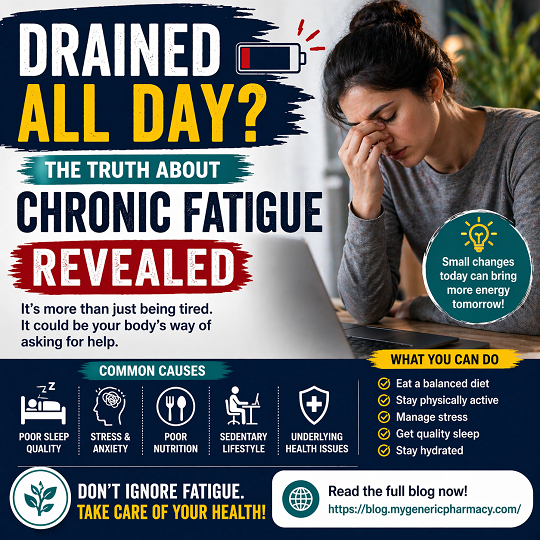
Drained All Day? The Truth About Chronic Fatigue Revealed

Drained All Day? The Truth About Chronic Fatigue Revealed

Feeling tired after a long day is normal. However, what if the exhaustion never goes away? Chronic fatigue is more than simply feeling sleepy. In fact, it is a constant lack of energy that can affect daily life, work, and mental well-being. As a result, even simple tasks may feel difficult. In some cases, chronic fatigue may also be a sign of an underlying health condition, such as Chronic Fatigue Syndrome.


What Is Chronic Fatigue?

Chronic fatigue refers to extreme and ongoing tiredness that does not improve with rest. As a result, it can affect both physical and mental performance. In many cases, even simple tasks may feel hard or overwhelming. Unlike normal tiredness caused by stress or lack of sleep, chronic fatigue can last for weeks or even months. In addition, it may be linked to deeper health problems.

Chronic Fatigue


Common Causes of Chronic Fatigue

Fatigue is usually not a problem by itself. In many cases, it is a sign of another health issue or lifestyle habit.

1. Poor Sleep Quality

Poor sleep is a common cause of fatigue. For example, irregular sleep, insomnia, or sleep disorders can stop the body from getting proper rest. As a result, you may feel tired throughout the day.

2. Nutritional Deficiencies

The body needs important nutrients for energy. However, low levels of iron, vitamin B12, or vitamin D can reduce energy and cause weakness.

3. Chronic Illnesses

Some medical conditions can lead to constant tiredness. For instance, anemia, thyroid problems, and diabetes are common causes of chronic fatigue.

4. Stress and Mental Health

Stress can affect both the mind and body. In addition, anxiety, depression, and emotional pressure may lower energy levels and disturb sleep.

5. Sedentary Lifestyle

Lack of exercise may seem relaxing. However, too little physical activity can actually increase fatigue over time. So, regular movement is important for better energy.


Symptoms You Shouldn’t Ignore

Chronic fatigue can affect people in different ways. In many cases, the symptoms may develop slowly. However, some warning signs should not be ignored.

Common symptoms include:

  • Feeling tired even after rest
  • Trouble concentrating or “brain fog.”
  • Muscle weakness or body aches
  • Frequent headaches
  • Irritability or mood changes
  • Low motivation or low energy

In addition, some people may find daily tasks harder to complete. As a result, work, studies, and personal life may also be affected.

If these symptoms continue for a long time, it is important to find the cause and seek medical advice.


How Chronic Fatigue Affects Your Health

Ignoring long-term fatigue can impact multiple aspects of your life:

  • Reduced productivity at work
  • Poor mental health and increased stress
  • Weak immune system
  • Increased risk of chronic diseases

Fatigue is often your body’s way of signaling that something needs attention.


Effective Ways to Manage and Overcome Chronic Fatigue

The good news is that chronic fatigue can often improve with healthy habits and proper care. In many cases, small lifestyle changes can make a big difference.

1. Improve Sleep Habits

Good sleep is very important for energy. So, try to follow healthy sleep habits:

  • Sleep at the same time each night
  • Avoid screens before bed
  • Keep your bedroom quiet and comfortable

As a result, your body may feel more rested.

2. Eat a Balanced Diet

Healthy food helps the body produce energy. Therefore, eat foods rich in vitamins and minerals.

Include:

  • Fruits
  • Vegetables
  • Lean proteins
  • Healthy fats
  • Whole grains

In addition, avoid too much junk food and sugar.

3. Stay Physically Active

Regular movement can improve energy and mood. For example, walking, stretching, or light exercise may help reduce fatigue over time.

4. Manage Stress

Stress can make fatigue worse. Because of this, relaxation is important.

Try:

  • Meditation
  • Deep breathing
  • Yoga
  • Listening to calming music

5. Stay Hydrated

Water helps the body function properly. So, drink enough water throughout the day. As a result, you may feel more active and alert.


Medical Treatment Options

Sometimes, lifestyle changes alone may not be enough. In such cases, medical treatment may be needed.

Doctors may:

  • Treat underlying health problems, such as anemia or thyroid disorders
  • Recommend vitamins or supplements for nutrient deficiencies
  • Suggest therapy or counseling for stress, anxiety, or depression

In addition, some people may need regular medical check-ups to monitor their condition. As a result, treatment can become more effective over time.

Proper diagnosis is very important. Therefore, finding the real cause of fatigue can help doctors choose the right treatment.


When to See a Doctor for Chronic Fatigue

You should consult a healthcare professional if:

  • Fatigue lasts for more than a few weeks
  • It affects your daily life or work
  • You notice unexplained weight loss, pain, or other unusual symptoms
  • You think there may be an underlying health problem

In many cases, early diagnosis can help prevent complications. As a result, treatment may work better and improve your quality of life.


Final Thoughts

Chronic fatigue should not be ignored. In many cases, it is a sign that the body needs proper care and attention. Although feeling tired sometimes is normal, constant exhaustion may point to deeper health problems.

The good news is that many people can improve their energy levels with healthy lifestyle changes and the right medical support. For example, better sleep, healthy food, regular exercise, and stress management may help reduce fatigue over time.

In addition, early diagnosis is very important. Finding the real cause can help you get the right treatment sooner. As a result, you may feel healthier, more active, and emotionally stronger.


In conclusion, listen to your body and do not ignore long-term tiredness. Small daily changes can make a big difference. So, take care of your health, stay positive, and focus on building healthy habits for a better and more energetic life.


References:

  1. World Health Organization. (2021). Fatigue and chronic health conditions.
  2. Mayo Clinic. Chronic Fatigue Syndrome: Symptoms and Causes.
  3. National Institutes of Health. Fatigue: Causes and Diagnosis.
  4. Cleveland Clinic. Fatigue: Overview and Treatment.

Medications that have been suggested by doctors worldwide are available on the link below
https://mygenericpharmacy.com/category/mens-health

Lupus Signs, Symptoms, and Co-occuring Conditions

Lupus Signs, Symptoms, and Co-occuring Conditions

Lupus affects everyone differently, but certain signs and symptoms are common to most individuals. According to the Centers for Disease Control and Prevention (CDC, a sign is a medical finding your doctor observes during a physical exam, while a symptom is a subjective experience, such as joint stiffness or headache. In addition, several autoimmune diseases share overlapping features. Other conditions, such as fibromyalgia in people with lupus, occur commonly but are not directly due to disease activity. These co-occurring conditions are known as “comorbidities.”

Fever

The average human body temperature is approximately 98.5°F, but many people run slightly above or below this mark. A temperature of 101°F is generally accepted as a fever. According to Mayo Clinic, many people with lupus experience recurring low-grade fevers that may signal inflammation, infection, or an approaching lupus flare. Persistent or high fever should always be reported to a physician.

Joint Stiffness

Many lupus patients experience joint stiffness, especially in the morning. Warm showers may provide temporary relief. If stiffness interferes with daily activities, a medical evaluation is important. Similar symptoms are also seen in rheumatoid arthritis and other inflammatory joint conditions. The National Institute of Arthritis and Musculoskeletal and Skin Diseases (NIAMS) notes that joint pain may occur with or without true arthritis.

If fevers last several days or recur frequently, record your temperature twice daily. A fever of 101°F or higher requires medical attention. Patients taking steroids or immunosuppressive drugs should be especially alert for infection, as outlined by the U.S. National Library of Medicine.

Weight Changes

Increased lupus activity or medication side effects may cause weight loss or appetite changes. The Lupus Foundation of America recommends reporting unexplained weight changes to your doctor to rule out complications.

Conversely, corticosteroids can lead to weight gain. Maintaining a balanced diet and physical activity is important. Chronic inflammation may also raise the risk of heart disease, making weight management especially important for people with lupus.

Fatigue and Malaise

Nearly 90% of people with lupus experience fatigue at some point. According to Mayo Clinic, fatigue may also be related to treatable conditions such as anemia, thyroid disease, or fibromyalgia. Persistent fatigue should be discussed with a healthcare provider.

Sjogren’s Syndrome

Up to 10% of people with lupus may develop Sjögren’s syndrome , an autoimmune disorder affecting tear and saliva production. Regular treatment helps prevent discomfort and long-term complications.

Depression

Depression and anxiety affect nearly one-third of people with lupus. The National Institute of Mental Health (NIMH) notes that chronic illness and steroid medications can both contribute to clinical depression, which is treatable with appropriate care.

Gastrointestinal Problems

Heartburn and GERD are common in lupus, often related to medications. The American College of Gastroenterology recommends a medical evaluation if reflux symptoms persist beyond two weeks.

Thyroid Problems

Autoimmune thyroid disease frequently co-occurs with lupus. According to the American Thyroid Association, both hypo- and hyperthyroidism can significantly affect metabolism and organ function.

Osteoporosis

People with lupus are at increased risk of bone loss due to inflammation and steroid use. Learn more about osteoporosis causes, symptoms, and prevention to better understand how to protect long-term bone health. The National Osteoporosis Foundation states that appropriate treatment can significantly reduce fracture risk.

When should a person worry about fatigue?

When should a person worry about fatigue?

A generalised sense of exhaustion or lack of energy is referred to as fatigue. It differs from merely feeling sleepy or drowsy. You lack both energy and motivation when you are exhausted. Sleepiness may be a sign of exhaustion, but the two are not the same.

Many medical disorders, ranging in severity from moderate to serious, frequently exhibit fatigue as a symptom. It also happens naturally as a result of some lifestyle decisions, including not exercising or eating poorly.

See your doctor if your weariness doesn’t go away with adequate rest and nourishment or if you think it might be brought on by a physical or mental health condition. They can collaborate with you to identify the root cause of your exhaustion and address it.

What causes fatigue?

Fatigue may have a variety of causes. They can be categorised into three broad groups:

  • lifestyle elements
  • physical state of health
  • mental illness problems

lifestyle elements

Your activities and other lifestyle decisions could be to blame for your exhaustion. For instance, the following can cause fatigue:

  • physical effort
  • absence of exercise
  • absence of sleep
  • being obese or overweight
  • Stressful emotional times
  • boredom
  • grief
  • taking specific drugs, including sedatives or antidepressants
  • frequent alcohol consumption
  • utilising illegal narcotics, like cocaine
  • overdosing on caffeine
  • not maintaining a healthy diet

Physcial health issues

Fatigue is a common symptom of many medical problems. Examples comprise:

  • anaemia
  • arthritis
  • fibromyalgia
  • syndrome of protracted weariness
  • illnesses like the common cold and flu
  • A condition called Addison’s disease that can mess with your hormone levels
  • thyroid underactivity, or hypothyroidism
  • Overactive or hyperthyroidism thyroid
  • disturbances of sleep, such as insomnia
  • disorders of eating, including anorexia
  • autoimmune conditions
  • enlarged heart failure
  • cancer
  • diabetes
  • renal illness
  • liver illness
  • persistent pulmonary obstruction (COPD)
  • emphysema

Difficulties with mental health

Fatigue can result from issues with mental health as well. As an illustration, exhaustion is a typical sign of anxiety, sadness, and seasonal affective disorder.

Medical conditions

Fatigue is a symptom of thousands of diseases and ailments. The following are a few of the most typical causes of fatigue:

  • Illness and infection: Multiple sclerosis, kidney disease, cancer, and kidney disease are just a few illnesses that might make you tired. Moreover, illnesses like mononucleosis, HIV, and the flu can manifest as fatigue.
  • Mental health issues: The exhaustion brought on by despair or anxiety may make doing daily tasks challenging or impossible.
  • Autoimmune disorders: Several autoimmune diseases, such as diabetes, lupus, and rheumatoid arthritis, have fatigue as a symptom.
  • Hormone imbalances: Issues with your endocrine system (the glands that produce hormones in your body) might make you feel exhausted.
  • The most prevalent reason of weariness is hypothyroidism.
  • Persistent illnesses such as fibromyalgia and chronic fatigue syndrome (CFS, also known as myalgic encephalomyelitis or CFS) result in extreme, persistent exhaustion.
  • Cardiovascular disorders such as heart disease, postural orthostatic tachycardia syndrome (POTS), chronic obstructive pulmonary disease (COPD), emphysema, and congestive heart failure all commonly present with fatigue.
  • Deficiencies: Fatigue is frequently brought on by anaemia and other vitamin deficiencies (such as vitamin D or vitamin B12). Fatigue can result from dehydration since the body needs a lot of fluids to function.
  • Fatigue is one of several symptoms that can result from weight issues and eating disorders such anorexia, bulimia, obesity, and underweight.

When is it time to see your doctor?

If you’re experiencing exhaustion and any of the following, you should schedule a visit with your doctor:

  • I cannot think of anything that could explain your weariness.
  • have a body temperature that is higher than usual
  • having lost weight that isn’t being explained
  • feel incredibly sensitive to cooler climates
  • regularly experience sleep difficulties
  • you think you might be depressed

Make an appointment with your doctor if your weariness has persisted for two weeks or more and you’ve tried unsuccessfully to address the most frequent lifestyle factors, such as lack of sleep, bad eating habits, and stress.

Your fatigue may occasionally be brought on by a significant medical problem. If you develop weariness and any of the following symptoms, visit the hospital right away:

  • abdominal bleeding
  • throwing up blood
  • terrible headache
  • suffering from chest discomfort
  • fainting sensations
  • unsteady heartbeat
  • breathing difficulty
  • significant discomfort in your pelvis, back, or abdomen
  • Having suicidal or harmful thoughts
  • thoughts of hurting someone else

You should also visit your doctor if you frequently feel weary even after getting a good night’s sleep, lack motivation to start the day, or find it difficult to do tasks that are usually simple. These could be indications of depression or a sleep issue.

Your doctor will attempt to rule out any problems during your examination, such as adverse drug reactions. In order to ascertain whether the exhaustion is caused by a particular condition, such as anaemia, hypothyroidism, or liver inflammation, he or she may also request blood testing (hepatitis). If your doctor cannot identify a cause, do not be shocked. I’ve discovered that most of the time, rest and a good night’s sleep help people recover from exhaustion.

REFERENCES:

  • https://my.clevelandclinic.org/health/symptoms/21206-fatigue
  • https://www.healthline.com/health/fatigue
  • https://www.health.harvard.edu/staying-healthy/when-should-you-worry-about-fatigue

For more details, kindly visit below.