Browsed by
Category: worm

Silent Invaders: The Truth About Worm Diseases and How to Beat Them Fast

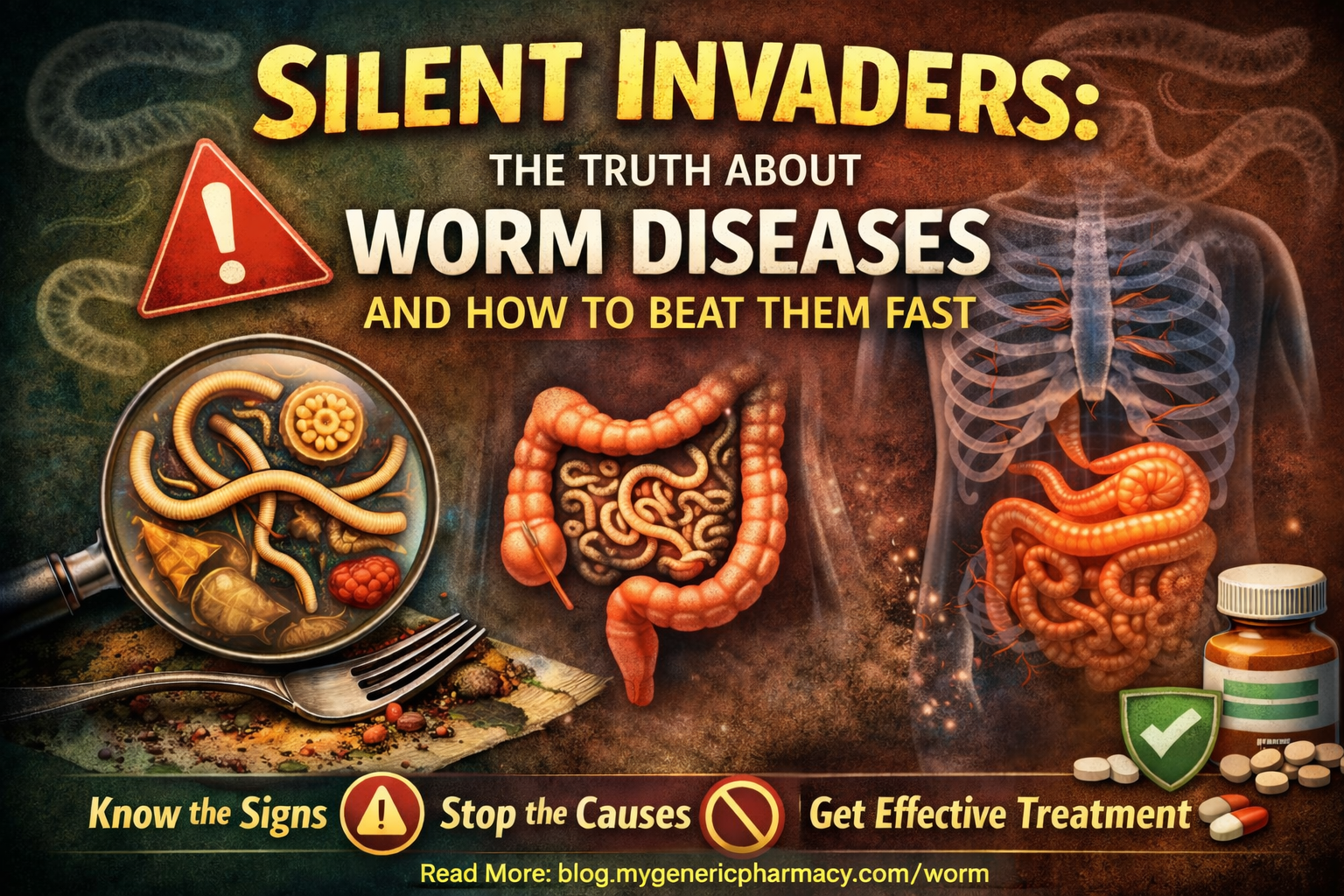
Silent Invaders: The Truth About Worm Diseases and How to Beat Them Fast

Worm diseases, also known as helminth infections, are silent invaders that can harm your health without showing obvious signs. In many cases, they go unnoticed during the early stages. However, if left untreated, they can lead to serious health complications. Fortunately, these infections are both preventable and treatable. Therefore, understanding their causes, symptoms, and prevention methods is the first step toward protecting your health.


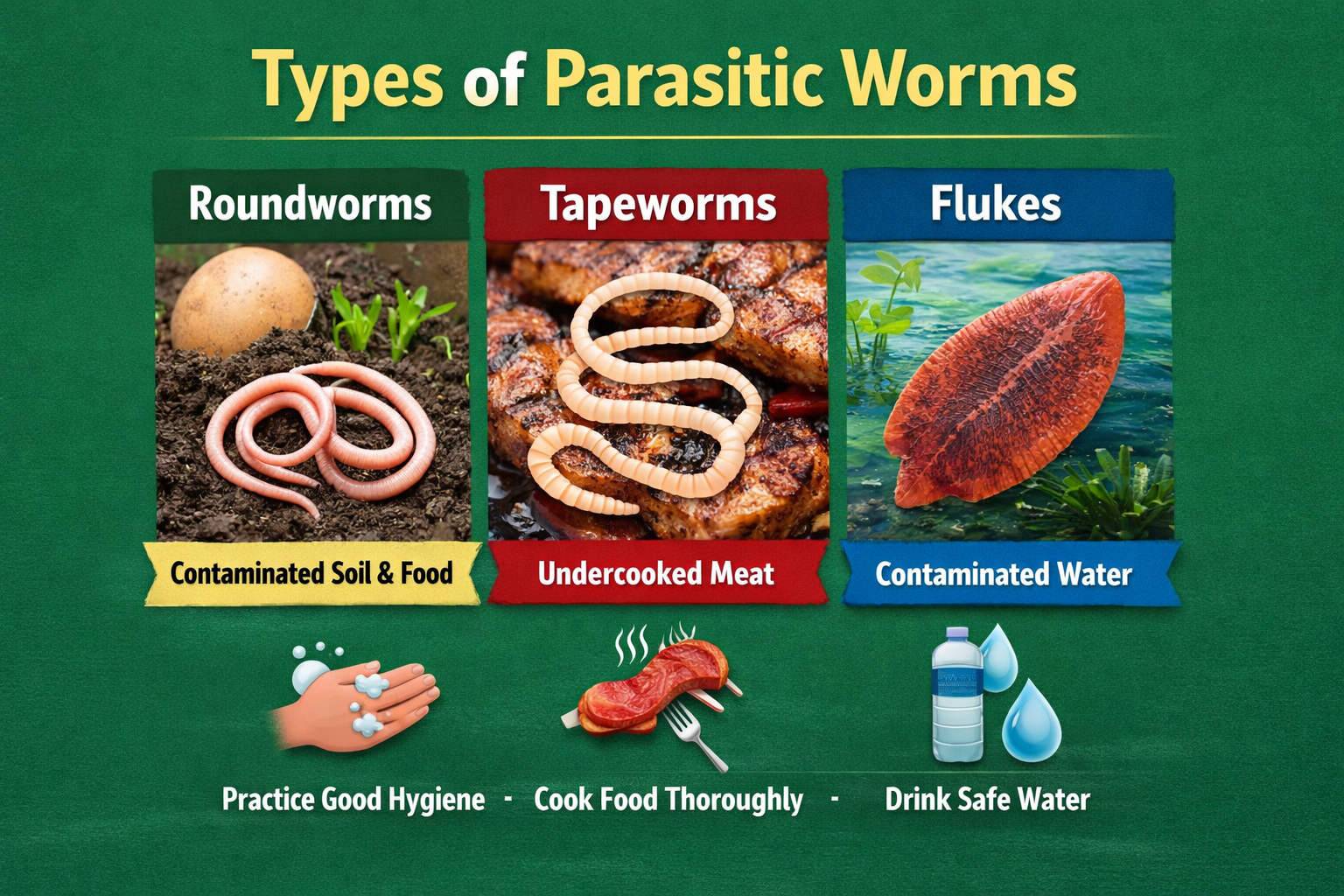
Worm diseases are caused by parasitic worms that live inside the human body. These parasites survive by feeding on the host’s nutrients. Common types include roundworms, tapeworms, and flukes. They usually enter the body through contaminated food, water, or soil.


  • Roundworms: Spread through contaminated soil
  • Tapeworms: Contracted from undercooked meat
  • Flukes: Linked to contaminated water sources

Moreover, these parasites can survive for long periods inside the body.


Many daily habits unknowingly increase your risk. In fact, infections often result from simple mistakes.

🚫 Poor Hand Hygiene
Not washing hands properly allows parasites to enter the body.

🍖 Undercooked Food
Raw or undercooked meat can carry worm larvae.

💧 Unsafe Drinking Water
Contaminated water is a major source of infection.

👣 Walking Barefoot
Parasites in soil can penetrate the skin directly.
Therefore, awareness is key to prevention.


Symptoms can be mild at first. However, they gradually become more noticeable.

  • Abdominal pain and cramps
  • Diarrhea or irregular bowel movements
  • Unexplained weight loss
  • Fatigue and weakness
  • Itching around the anal area

In severe cases, anemia or intestinal blockage may occur. Thus, early detection is important.


Worms enter through food, water, or direct skin contact. After entering, they grow and multiply inside the body. As a result, they interfere with nutrient absorption.


Taking quick action can prevent complications. Additionally, simple habits can stop infections before they start.

✔️ Wash Hands Regularly
Clean your hands before eating and after using the toilet.

✔️ Eat Well-Cooked Food
Proper cooking kills harmful parasites effectively.

✔️ Drink Safe Water
Always choose filtered or boiled water.

✔️ Maintain Clean Surroundings
Good sanitation reduces exposure to parasites.

✔️ Regular Deworming
Periodic treatment helps keep infections under control.


Worm infections are usually easy to treat. Doctors prescribe medications based on the type of parasite.

Common medicines include:

However, avoid self-medication. Always consult a healthcare professional for the right treatment.


Worm diseases may be silent, but their impact can be serious. Fortunately, they are easy to prevent with basic hygiene and awareness. By taking simple precautions and acting quickly, you can protect yourself and your family. Therefore, stay alert and stay healthy.

https://my.clevelandclinic.org/health/diseases/intestinal-parasites
https://www.medicalnewstoday.com/articles/human-parasites
https://www.cdc.gov/parasites/causes/index.html

Medications that have been suggested by doctors worldwide are available on the link below
https://mygenericpharmacy.com/category/disease/worms
Worm Diseases Exposed: Hidden Causes, Warning Signs & Powerful Ways to Stay Protected

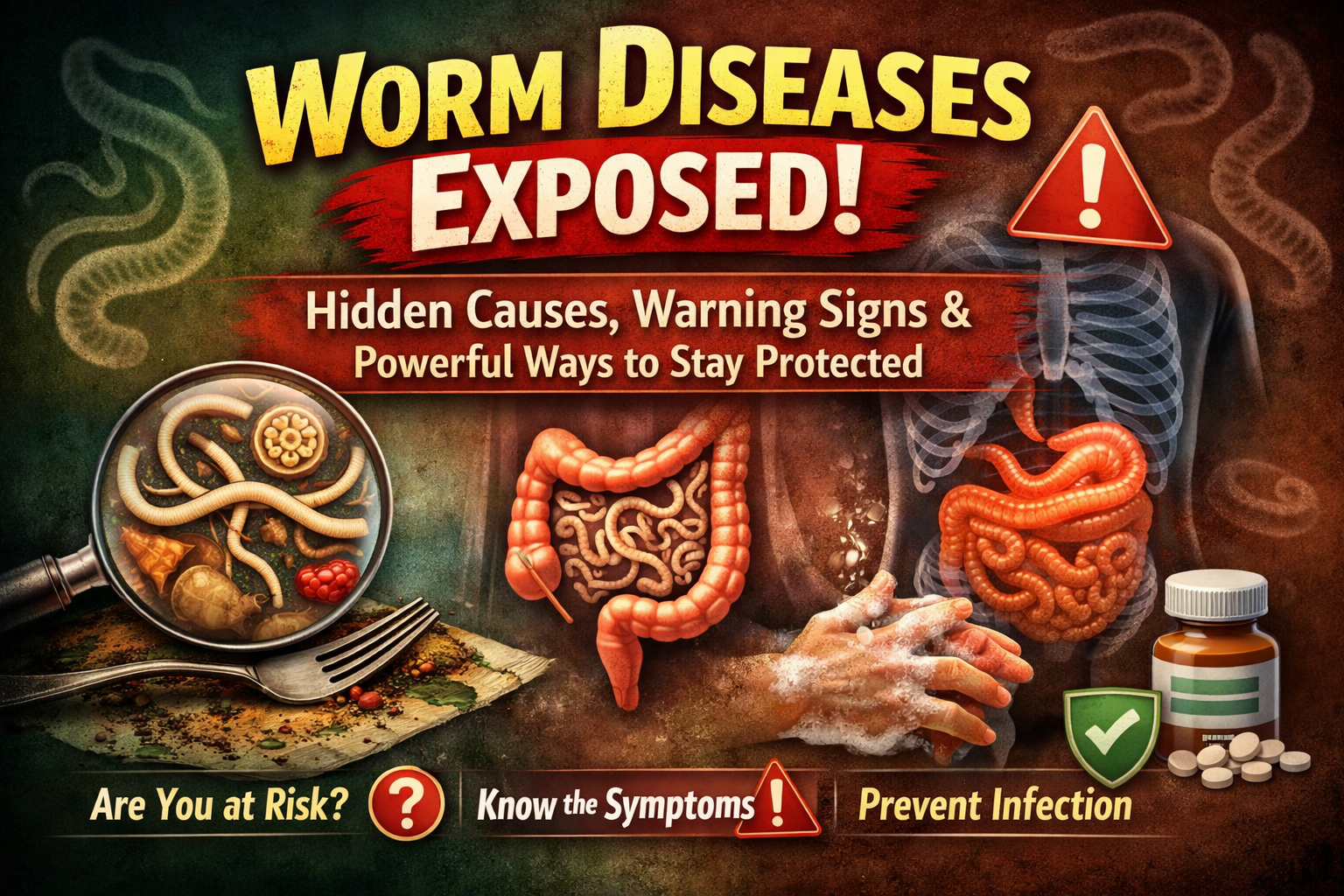
Worm Diseases Exposed: Hidden Causes, Warning Signs & Powerful Ways to Stay Protected

Worm diseases, also known as helminth infections, are more common than many people think. They silently affect millions of individuals worldwide. However, with the right awareness, they can be prevented and treated effectively. In this guide, you will learn about hidden causes, key warning signs, and simple ways to stay protected.


Worm diseases are caused by parasitic worms that live inside the human body. These parasites feed on nutrients from their host, which can weaken overall health. Common types include roundworms, tapeworms, and flukes. They usually enter the body through contaminated food, water, or soil.


  • Roundworms: Spread through contaminated soil or unwashed vegetables
  • Tapeworms: Enter through undercooked meat
  • Flukes: Transmitted via contaminated water or aquatic plants

Therefore, maintaining hygiene plays a crucial role in prevention.


Worm infections often occur due to everyday habits. In many cases, people are unaware of these risk factors.

🚫 Poor Hygiene
Not washing hands before eating increases infection risk.

🍖 Undercooked Food
Eating raw or undercooked meat allows parasites to enter the body.

💧 Contaminated Water
Drinking unsafe water is a major cause, especially in developing regions.

👣 Walking Barefoot
Parasites can enter through the skin from infected soil.


Symptoms may be mild at first. However, they can worsen over time if untreated.

  • Abdominal pain and bloating
  • Diarrhea or constipation
  • Sudden weight loss
  • Fatigue and weakness
  • Itching around the anal area

In severe cases, complications like anemia or intestinal blockage may develop. Therefore, early diagnosis is essential.


Worms spread through contaminated food, water, and soil. Additionally, poor sanitation accelerates transmission. Understanding these pathways helps in effective prevention.


Prevention is simple if you follow consistent habits. Moreover, these steps are easy to include in daily life.

✔️ Wash Hands Regularly
Always clean your hands before meals and after using the toilet.

✔️ Cook Food Thoroughly
Proper cooking kills harmful parasites.

✔️ Drink Clean Water
Use filtered or boiled water whenever possible.

✔️ Maintain Personal Hygiene
Keep nails short and clean to avoid contamination.

✔️ Regular Deworming
Periodic treatment helps reduce infection risk, especially in children.


Worm infections are treatable with proper medication. Doctors usually prescribe antiparasitic drugs based on the type of infection.

Common medicines include:

  • Albendazole
    • Mebendazole
      • Ivermectin

However, self-medication should be avoided. Always consult a healthcare professional for an accurate diagnosis.


You should seek medical advice if symptoms persist for several days. Additionally, children and elderly individuals require special attention. Early treatment prevents serious complications and ensures faster recovery.


Worm diseases can affect anyone, but they are preventable. By understanding the causes and recognizing early symptoms, you can take control of your health. Simple habits like proper hygiene, safe food, and clean water make a significant difference. Therefore, stay informed and stay protected.


https://my.clevelandclinic.org/health/diseases/intestinal-parasites
https://www.medicalnewstoday.com/articles/human-parasites
https://www.cdc.gov/parasites/causes/index.html
https://www.powerofpositivity.com/parasitic-infection-signs-never-to-ignore/

Medications that have been suggested by doctors worldwide are available on the link below
https://mygenericpharmacy.com/category/disease/worms

Helminth Infections Uncovered: Symptoms You Shouldn’t Ignore & How to Prevent Them

Helminth Infections Uncovered: Symptoms You Shouldn’t Ignore & How to Prevent Them

Helminth infections, also known as parasitic worm infections, impact millions of people across the globe. While they are more common in tropical and developing regions, no one is completely immune. Therefore, recognizing the symptoms and learning effective prevention methods is crucial for safeguarding your health.


Helminths are parasitic worms that live inside the human body. These include roundworms, tapeworms, and flukes. Typically, they enter the body through contaminated food, water, or soil. Moreover, poor hygiene and sanitation significantly increase the risk of infection. Once inside, these parasites can survive for years if left untreated.


  1. Roundworms: These are the most common types. They spread through contaminated soil or food.
  2. Tapeworms: They enter the body through undercooked meat, especially pork or beef.
  3. Flukes: These are usually transmitted through contaminated water or aquatic plants.

Helminth infections often go unnoticed in the early stages. However, several warning signs may appear over time.

  • Abdominal pain and diarrhea
  • Unexplained weight loss
  • Fatigue and weakness
  • Itching around the anus
  • Visible worms in stool

In severe cases, complications such as anemia and intestinal blockage can occur. Therefore, early detection is crucial.


Helminths spread through multiple pathways. For instance, consuming contaminated food or water is a common cause. Additionally, walking barefoot on infected soil can also lead to infection.


Preventing helminth infections is simple if you follow proper hygiene practices.

✔️ Maintain Personal Hygiene: Wash your hands thoroughly before eating and after using the toilet.
✔️ Cook Food Properly: Ensure meat is well-cooked to kill parasites.
✔️ Drink Safe Water: Always use clean or filtered water.
✔️ Wear Footwear: Avoid walking barefoot, especially in contaminated areas.
✔️ Regular Deworming: Consult a doctor for periodic deworming, especially for children.


Treatment usually involves antiparasitic medications. These drugs effectively kill or expel worms from the body.

Common treatments include:
Albendazole
Mebendazole
Ivermectin

However, always consult a healthcare professional before starting any medication.


You should seek medical attention if symptoms persist or worsen. Additionally, children, elderly individuals, and people with weak immune systems should be extra cautious.


Helminth infections are more common than many people realize. However, they are preventable and treatable with the right approach. By maintaining hygiene, eating safe food, and seeking timely treatment, you can protect yourself and your family.

https://www.ncbi.nlm.nih.gov/books/NBK560525/
https://www.who.int/news-room/fact-sheets/detail/soil-transmitted-helminth-infections
https://my.clevelandclinic.org/health/diseases/24885-parasitic-infection

Medications that have been suggested by doctors worldwide are available on the link below
https://mygenericpharmacy.com/category/disease/worms

The Parasite Files: Your Complete Guide to Worm Diseases (Helminthiases)

The Parasite Files: Your Complete Guide to Worm Diseases (Helminthiases)

Worm diseases, also known as parasitic worm infections, are common health problems worldwide, especially in regions with poor sanitation and contaminated food or water. These infections occur when parasitic worms live inside the human body and interfere with digestion, nutrition, and overall health.

What Are Worm Diseases?

Worm diseases are infections caused by intestinal parasites that live in the human gut or tissues. These parasites depend on the human body for survival and nutrients. If left untreated, worm infections can lead to malnutrition, anemia, weakness, and delayed growth in children.

Common Types of Worm Infections

1. Roundworms (Ascariasis)

Roundworms are among the most common intestinal worms. Infection occurs by consuming food or water contaminated with worm eggs.

2. Pinworms (Enterobiasis)

Pinworm infection is very common in children and spreads easily through close contact, contaminated hands, clothing, or bedding.

3. Hookworms

Hookworms enter the body through the skin, usually through bare feet walking on contaminated soil. They can cause iron-deficiency anemia and fatigue.

4. Tapeworms

Tapeworm infections occur by eating undercooked meat or fish containing tapeworm larvae.

5. Whipworms

Whipworms infect the large intestine and may cause abdominal pain, diarrhea, and weight loss.

Causes of Worm Diseases

  • Poor personal hygiene
  • Eating contaminated or undercooked food
  • Drinking unsafe water
  • Walking barefoot on contaminated soil
  • Poor sanitation facilities

Symptoms of Worm Infections

  • Abdominal pain or cramps
  • Diarrhea or constipation
  • Unexplained weight loss
  • Loss of appetite
  • Fatigue and weakness
  • Anal itching (especially with pinworms)
  • Anemia

Diagnosis of Worm Diseases

Doctors diagnose worm infections through stool examinations, blood tests, or imaging studies depending on the suspected parasite. Early diagnosis helps prevent serious complications.

Treatment for Worm Diseases

Worm infections are treated using antiparasitic medications that kill or remove the parasites from the body. Common treatment options include:

  • Albenza – commonly used to treat roundworms, hookworms, and whipworms
  • Stromectol – effective for strongyloidiasis and certain parasitic infections
  • Biltricide – primarily prescribed for tapeworms and fluke infections

The dosage and duration of treatment depend on the type and severity of the infection. Always consult a healthcare professional before starting deworming medication.

Prevention of Worm Infections

  • Wash hands regularly with soap and water
  • Drink clean and purified water
  • Cook meat and fish thoroughly
  • Wash fruits and vegetables before consumption
  • Avoid walking barefoot in high-risk areas
  • Maintain proper sanitation and hygiene

Worm Diseases in Children

Children are at higher risk of worm infections due to close contact and poor hygiene habits. Regular deworming programs and hygiene education play an important role in preventing infections and improving child health.

Conclusion

Worm diseases are common but preventable health conditions. With good hygiene, safe food practices, and timely treatment using effective antiparasitic medicines, you can protect yourself and your family from parasitic worm infections.


Reference:
https://my.clevelandclinic.org/health/diseases/14071-ascariasis
https://www.mayoclinic.org/diseases-conditions/pinworm/symptoms-causes/syc-20376382
https://emedicine.medscape.com/article/218805-overview?form=fpf
https://www.cdc.gov/taeniasis/about/index.html
https://www.healthline.com/health/whipworm-infection

Medications that have been suggested by doctors worldwide are available on the link below
https://mygenericpharmacy.com/category/disease/worms

The Brain & Tapeworm Blog: Neurocysticercosis (NCC) is a preventable, parasitic infection

The Brain & Tapeworm Blog: Neurocysticercosis (NCC) is a preventable, parasitic infection

Neurocysticercosis: When a Parasite Invades the Brain

Neurocysticercosis (NCC) is a preventable, parasitic infection of the central nervous system caused by the larval stage of the pork tapeworm, Taenia solium. It is the most common parasitic disease of the human nervous system and a leading cause of acquired epilepsy worldwide.

How Does Infection Happen? The Lifecycle Simplified

  1. The Source: A human carries the adult tapeworm in their intestine (taeniasis) from eating undercooked, infected pork.
  2. Contamination: That person sheds tapeworm eggs in their feces.
  3. Transmission: Another person ingests these microscopic eggs via contaminated food, water, or surfaces (fecal-oral route). This is often due to poor sanitation and hand hygiene.
  4. Infection: The eggs hatch in the intestine, release larvae (oncospheres), which travel through the bloodstream.
  5. Neurocysticercosis: Larvae can lodge in muscles, eyes, and most critically, the brain and spinal cord, where they form cysts.

Crucial Point: You get neurocysticercosis from ingesting tapeworm EGGS, not from eating undercooked pork. Eating undercooked pork gives you the adult intestinal tapeworm (taeniasis), which is a risk to others.

Recognizing the Symptoms: It’s Not Always Obvious

Symptoms vary dramatically depending on the number, size, location, and stage of the cysts, as well as the host’s immune response. They can appear months or even years after initial infection.

Common Presentations Include:

  • Seizures (Epilepsy): The most frequent symptom, often the first sign.
  • Chronic Headaches
  • Symptoms of Increased Intracranial Pressure: Nausea, vomiting, blurred vision, dizziness (if cysts block cerebrospinal fluid flow).
  • Focal Neurological Deficits: Weakness, numbness, difficulty speaking (depending on the brain area affected).
  • Neuropsychiatric Symptoms: Confusion, memory loss, personality changes.
  • Stroke: Cysts can cause inflammation leading to vascular damage.

Diagnosis: Piecing Together the Puzzle

Diagnosing NCC can be challenging. Doctors use a combination of:

  • Clinical History: Including geographic origin and travel history.
  • Neuroimaging (Key Tool): MRI is most sensitive for detail. CT scans are excellent for detecting calcified (old, dead) cysts.
  • Blood Tests: Serologic tests (like EITB) can detect antibodies, but can’t distinguish between old and active infection.
  • Stool Tests: To check for a coexisting intestinal tapeworm infection in the patient or household members.

The Treatment Landscape: Individualized & Complex

Treatment is not “one-size-fits-all” and depends entirely on the cyst’s characteristics.

  1. Antiparasitic Drugs (Albendazole, Praziquantel):
    • Used for viable, active cysts causing symptoms.
    • Always given alongside corticosteroids (like dexamethasone) to control the dangerous inflammatory response that occurs when cysts are killed.
    • Not used for dead, calcified cysts or in certain high-risk locations (e.g., inside the eye, in the ventricles without a shunt).
  2. Antiepileptic Drugs: To control seizures. Duration varies.
  3. Surgery:
    • Shunt Placement: To relieve hydrocephalus (fluid buildup in the brain).
    • Surgical Removal: For cysts in critical locations (e.g., within the ventricles, in the eye) or those not responding to medication.
  4. Symptom Management: For headaches, nausea, etc.

Prevention: Breaking the Cycle is Key

NCC is 100% preventable through public health measures:

  • Improved Sanitation: Access to clean toilets and safe waste disposal.
  • Safe Food & Water Practices: Washing hands with soap, washing fruits/vegetables, drinking safe water.
  • Proper Pork Inspection & Cooking: Cooking pork to at least 145°F (63°C) kills tapeworm larvae.
  • Identification & Treatment of Tapeworm Carriers: Treating individuals with intestinal taeniasis stops egg shedding.
  • Public Education: In endemic communities, about the transmission cycle.

Living with Neurocysticercosis: A Patient & Caregiver Perspective

(This section would feature personal stories, Q&As with neurologists, and tips for managing chronic symptoms like epilepsy.)

A Note on Stigma: Because NCC is linked to sanitation and poverty, patients may face unfair stigma. Education is crucial to combat this.

Global Burden & Hope for the Future

NCC is endemic in parts of Latin America, sub-Saharan Africa, Asia, and Eastern Europe. It is also diagnosed in non-endemic countries due to migration and travel.

The good news: Coordinated public health efforts (mass drug administration, pig vaccination, sanitation education) in several regions have shown dramatic success in reducing — and even aiming for elimination — of this devastating disease.


Disclaimer

The information on this blog is for educational purposes only and is not a substitute for professional medical advice, diagnosis, or treatment. Always seek the advice of your physician or other qualified health provider with any questions you may have regarding a medical condition.