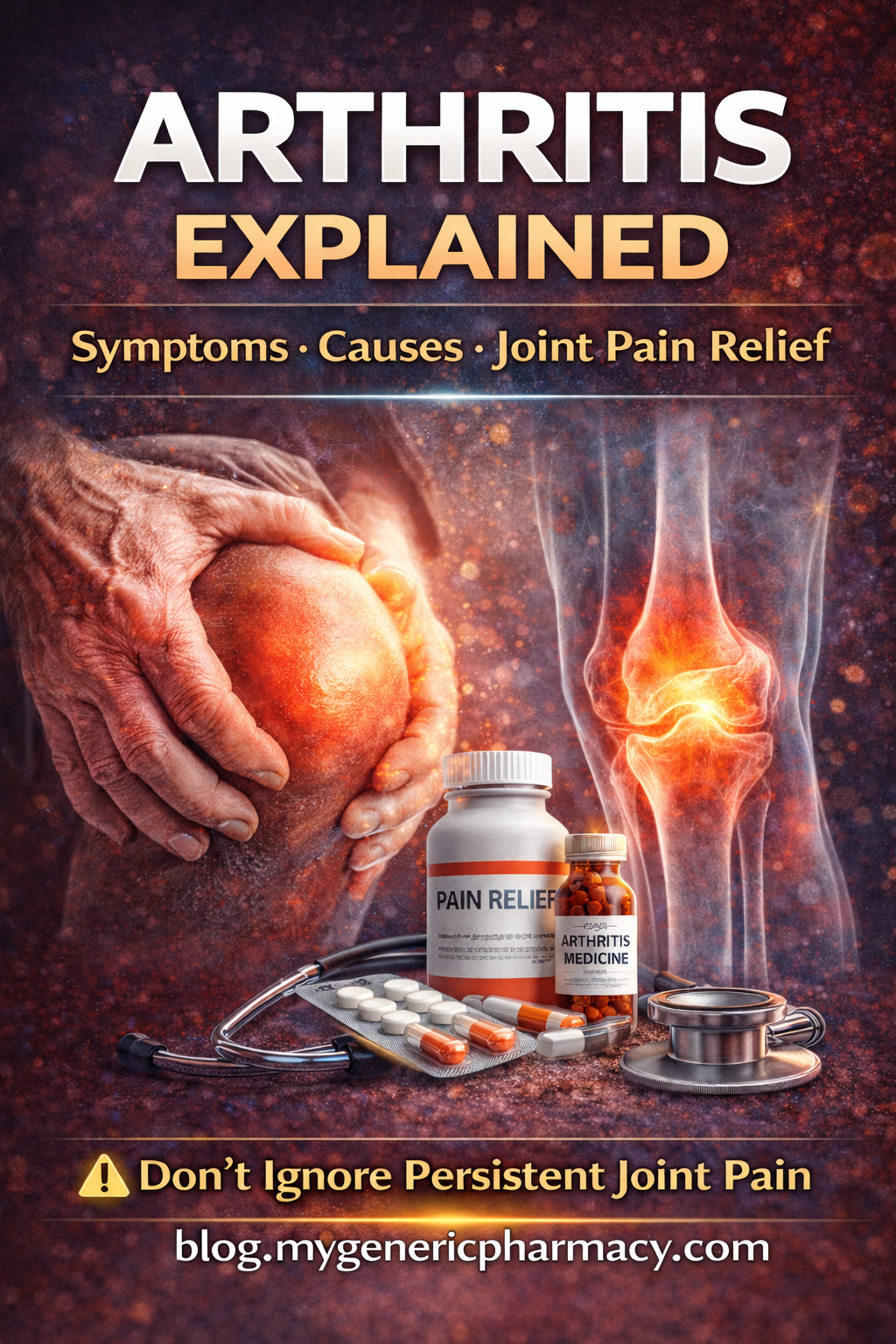
Are Your Hormones Hurting Your Joints? The Arthritis Link You Need to Know
Joint pain is often blamed on aging, injury, or wear and tear. However, there’s another hidden factor many people overlook—your hormones. Recent research suggests that low testosterone levels may play a significant role in increasing the risk of arthritis and worsening joint pain.
In this blog, we’ll explore how hormones affect joint health, the connection between testosterone and arthritis, and what you can do to protect your joints naturally and medically.
What Is Arthritis?
Arthritis is a condition that causes inflammation, stiffness, and pain in the joints. The most common types include:
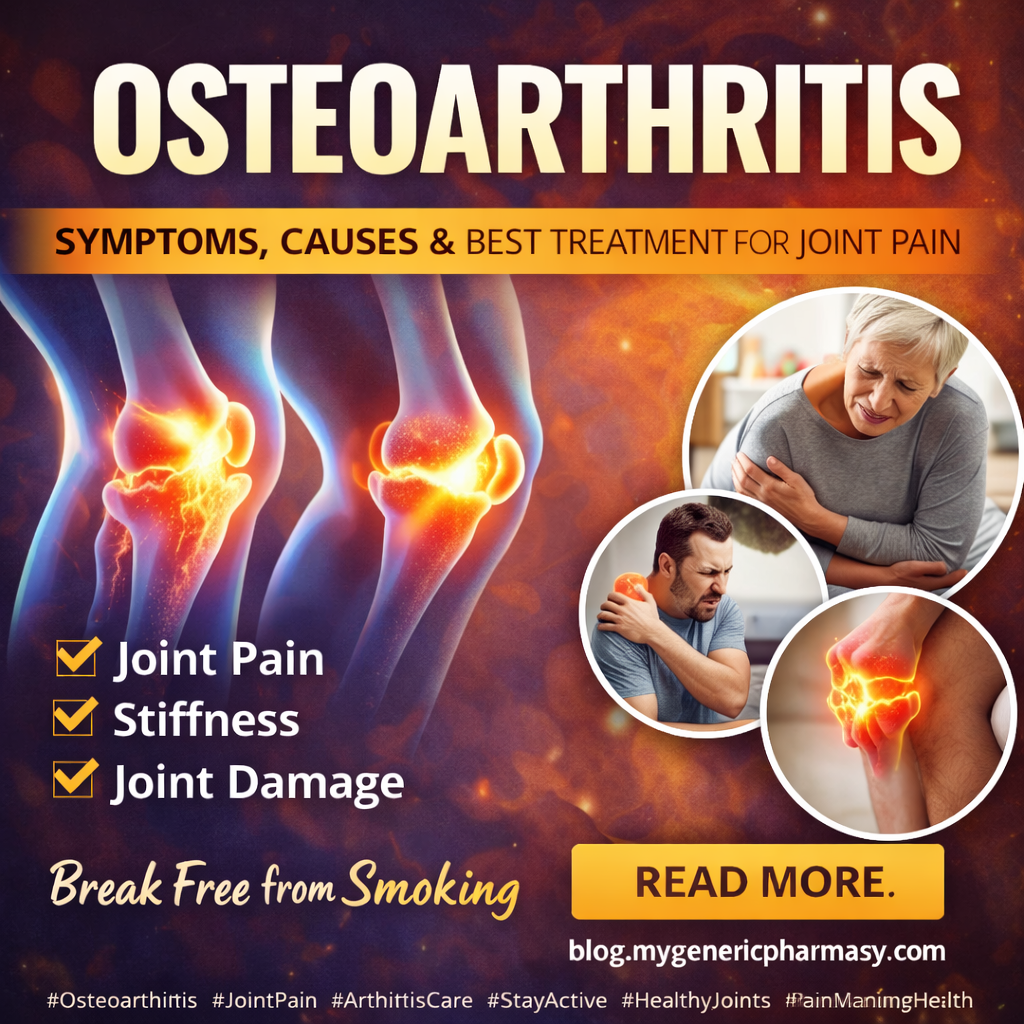
- Osteoarthritis (OA): Caused by wear and tear of cartilage
- Rheumatoid arthritis (RA): An autoimmune condition where the body attacks joint tissues
Symptoms often include swelling, reduced mobility, and persistent pain that can interfere with daily life.
The Role of Hormones in Joint Health
Hormones act as chemical messengers in the body, regulating everything from metabolism to immune response. Among these, testosterone plays a key role in:
- Maintaining bone density
- Supporting muscle strength
- Reducing inflammation
When testosterone levels drop, these protective effects weaken, potentially increasing the risk of joint damage and inflammation.
Low Testosterone and Arthritis: What’s the Connection?
Emerging studies show a strong link between low testosterone levels and increased arthritis risk. Here’s how:
1. Increased Inflammation
Testosterone has natural anti-inflammatory properties. Lower levels may lead to chronic inflammation, a key driver of arthritis.
2. Reduced Muscle Support
Muscles help stabilize joints. Low testosterone can lead to muscle loss, placing extra stress on joints.
3. Bone Density Loss
Testosterone helps maintain strong bones. A deficiency can weaken bones and joints, increasing the likelihood of osteoarthritis.
4. Immune System Imbalance
Low testosterone may affect immune regulation, potentially worsening autoimmune conditions like rheumatoid arthritis.
Who Is at Risk?
You may be at higher risk of hormone-related joint issues if you:
- Are over the age of 40
- Experience fatigue, low libido, or muscle loss
- Have chronic joint pain without a clear cause
- Have been diagnosed with low testosterone
Both men and women can be affected, although the impact is often more noticeable in men.
Signs Your Joint Pain May Be Hormonal
Not all joint pain is hormonal, but these signs may indicate a connection:
- Joint pain combined with low energy levels
- Decreased muscle mass
- Mood changes or irritability
- Reduced physical performance
If these symptoms occur together, it may be worthwhile to evaluate your hormone levels.
How to Protect Your Joints and Hormone Health
The good news is that you can take steps to support both your hormones and joint health.
1. Maintain a Healthy Diet
Focus on anti-inflammatory foods like:
- Leafy greens
- Fatty fish (rich in omega-3)
- Nuts and seeds
Avoid processed foods and excess sugar, which can worsen inflammation.
2. Exercise Regularly
Strength training and low-impact exercises like walking or swimming can:
- Boost testosterone levels
- Improve joint flexibility
- Strengthen supporting muscles
3. Manage Stress
Chronic stress increases cortisol levels, which can negatively impact testosterone levels. Try:
- Meditation
- Yoga
- Deep breathing exercises
4. Get Enough Sleep
Poor sleep can lower testosterone production. Aim for 7–8 hours of quality sleep each night.
5. Consider Medical Support
If symptoms persist, consult a healthcare provider. Options may include:
- Hormone testing
- Testosterone replacement therapy (if appropriate)
- Anti-inflammatory medications
What’s Next in Treatment?
Medical research is exploring new therapies that target both hormonal balance and joint inflammation. Personalized treatment plans combining hormone therapy with arthritis management may become more common in the future.
Final Thoughts
Joint pain isn’t always just about aging—it could be your hormones sending a warning signal. Low testosterone levels may increase inflammation, weaken joint support, and raise your risk of arthritis. By understanding this connection and taking proactive steps, you can protect your joints, improve mobility, and enhance your overall quality of life.
👉 Explore more health insights here:
https://pmc.ncbi.nlm.nih.gov/articles/PMC2787275/
https://www.optimalhormonehealth.com/post/estrogen-and-joint-pain-in-menopause
https://thewell.northwell.edu/joint-health-orthopedics/hormones-joint-pain
Medications that have been suggested by doctors worldwide are available on the link below
https://mygenericpharmacy.com/category/disease/tuberculosis