How to Prevent Hepatitis C: Expert Tips for Better Health
Hepatitis C is a serious liver infection that the hepatitis C virus (HCV). Infected blood mainly spreads the virus and may damage the liver over time if people do not detect and treat it early. Fortunately, people can prevent hepatitis C in many cases. With proper awareness and daily precautions, you can greatly lower your risk and protect your liver health.
In this article, we’ll explore expert-backed and practical ways to prevent Hepatitis C and improve overall health.
What Is Hepatitis C?
Hepatitis C is a viral infection that harms the liver. It may start as a short-term illness. However, it can later become a long-term health problem. Many people do not notice symptoms at first. Because of this, the infection may stay hidden for years and slowly damage the liver.
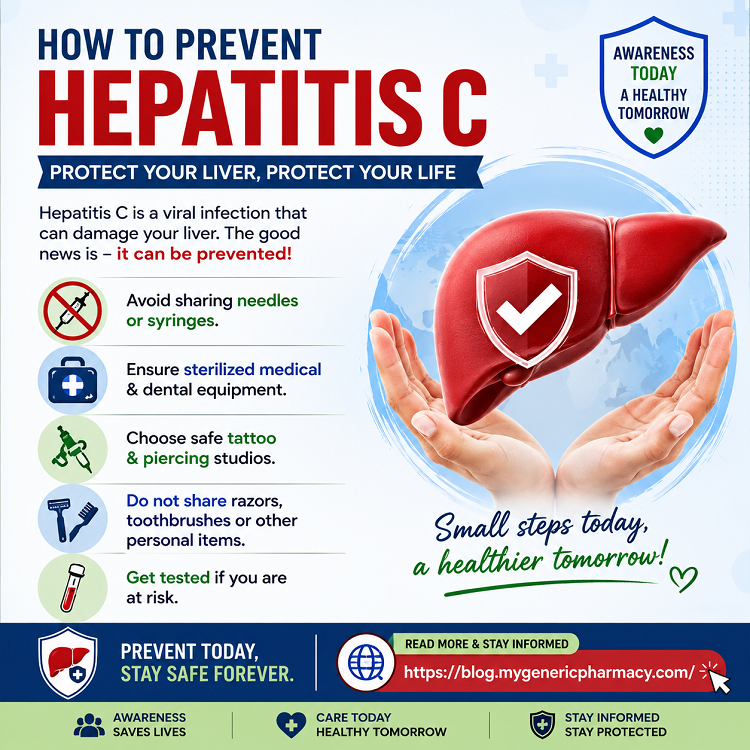
The virus spreads in several ways, including:
- Sharing needles or syringes
- Unsafe medical procedures
- Unsterilized tattoo or piercing tools
- Contact with infected blood
In many cases, symptoms do not appear early. Therefore, prevention and awareness are very important.
1. How to Prevent Hepatitis C Through Safe Daily Habits
One of the most common ways Hepatitis C spreads is through contaminated needles. This risk becomes even higher for people who inject medications or drugs. Therefore, taking proper safety precautions is extremely important.
To reduce the risk of infection:
- Never share needles, syringes, or injection tools
- Always use sterile equipment
- Dispose of used needles safely and properly
- Follow medical guidance for injectable treatments
Even a small amount of infected blood can transmit the virus. As a result, people should remain cautious and follow safe injection practices at all times.
2. Medical and Dental Care Hepatitis C
Unsterile medical equipment can also spread infections when healthcare providers do not follow proper hygiene practices. Therefore, choosing safe and reliable medical care is extremely important.
To stay safe:
- Visit only licensed and reputable healthcare providers
- Make sure healthcare staff use disposable syringes
- Confirm that medical instruments are properly sterilized
- Stay cautious during injections, blood tests, and dental procedures
In addition, hospitals and clinics that follow strict infection control standards can greatly reduce the risk of Hepatitis C transmission.
3. How to Prevent Hepatitis C from Tattoos and Piercings
Tattooing and body piercing can pose a risk if the equipment is not properly sterilized. Always choose safety over cost or convenience.
Safety tips:
- Go to licensed tattoo and piercing studios
- Ensure needles are single-use and disposable
- Confirm that sterilization equipment is used properly
- Avoid informal or unregulated setups
This simple precaution can significantly lower your risk of infection.
4. Avoid Sharing Personal Hygiene Items
Items that may come into contact with blood should never be shared with others, even at home. Since infected blood can spread the virus, maintaining proper personal hygiene is extremely important.
Do not share:
- Razors
- Nail clippers
- Toothbrushes
- Tweezers
Even microscopic traces of blood can carry Hepatitis C. Therefore, sharing personal hygiene items may increase the risk of infection.
5. Practice Safe Sex
Although sexual transmission of Hepatitis C is less common, it can still occur, especially when blood exposure is involved. Therefore, practicing safe sexual habits is important for reducing the risk of infection.
To stay protected:
- Use protection during sexual activity
- Avoid sexual contact during menstruation if blood exposure may occur
- Get tested regularly if you have multiple partners or high-risk exposure
In addition, staying informed and taking proper precautions can greatly reduce the chance of infection.
However, it is still important to ensure safety. Modern screening methods make transfusions very safe when done correctly.
7. Get Regular Health Screenings
Early detection plays an important role in preventing complications and reducing the further spread of Hepatitis C. Therefore, people with possible risk factors should consider getting tested as early as possible.
You should consider testing if you:
- Received a blood transfusion before screening standards improved
- Experience symptoms such as fatigue, jaundice, or abdominal pain
In many cases, early diagnosis allows doctors to begin timely treatment. As a result, patients can lower the risk of long-term liver damage and other serious complications.
8. Strengthen Your Immune and Liver Health
Although lifestyle changes cannot directly prevent Hepatitis C infection, they can support liver health and improve recovery if infection occurs. Therefore, maintaining healthy daily habits is essential for overall well-being. In addition, a strong immune system helps the body fight infections more effectively and supports better long-term liver health.
9. Educate Yourself and Others
However, many people still do not understand how the virus spreads, which increases the risk of transmission. Therefore, educating others and spreading accurate information are extremely important.
You can help by:
- Sharing reliable health information
- Encouraging friends and family members to get tested when necessary
In addition, better awareness often leads to smarter decisions and safer daily habits.
When to See a Doctor
Talk to a healthcare professional if you notice:
- Constant fatigue
- Yellow skin or eyes
- Dark urine
- Stomach discomfort
- Unexplained weight loss
Even without symptoms, testing is important for people at risk.
Final Thoughts
Preventing Hepatitis C starts with awareness and safe habits. Simple steps like using sterile equipment, avoiding shared needles, and choosing trusted healthcare services can greatly lower the risk.
By following these expert tips, you can protect your liver and improve your long-term health. Staying informed and careful is the best way to stay safe.
References:
- World Health Organization (WHO) – Hepatitis C Fact Sheet
- Centers for Disease Control and Prevention (CDC) – Hepatitis C Information
- Mayo Clinic – Hepatitis C Overview
- National Health Service (NHS) – Hepatitis C
- World Health Organization (WHO) – Prevention of Hepatitis B and C
- MedlinePlus (U.S. National Library of Medicine) – Hepatitis C