Browsed by
Month: June 2026

Breathe Better: A Guide to Respiratory Diseases

Breathe Better: A Guide to Respiratory Diseases

Respiratory Diseases: Most people do not think about breathing until it becomes difficult. Every breath brings oxygen into the body and removes carbon dioxide. This process helps the body’s organs work properly. However, respiratory diseases can affect normal breathing. As a result, many people develop breathing problems. They may also have a lower quality of life. In some cases, these conditions can lead to serious health problems.

Therefore, it is important to understand respiratory diseases. Knowing their causes, symptoms, and treatment options can help protect lung health. As a result, people can take better care of their overall well-being.


What Are Respiratory Diseases?

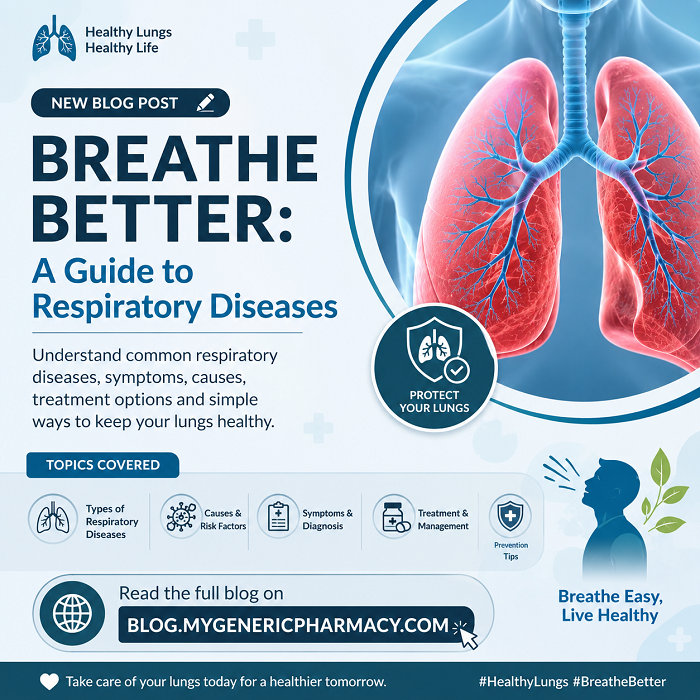
Respiratory diseases affect the parts of the body that help you breathe. This includes the lungs and airways. Some illnesses, such as the common cold, go away quickly. However, others can last a long time. As a result, they may need ongoing care and treatment.
Respiratory Diseases

In addition, respiratory diseases can be mild or severe. Some cause only minor symptoms. Others may need long-term medical care. For example, some diseases make it harder for air to move through the lungs. Others can damage lung tissue or lead to infections.


Common Types of Respiratory Diseases

1. Asthma

Asthma is a long-term lung disease. It makes the airways swell and become narrow. As a result, less air can move in and out of the lungs. This makes breathing harder. In addition, smoke, dust, pollen, and cold air can trigger symptoms. For example, they may cause coughing, wheezing, or shortness of breath. Therefore, people with asthma need regular care and treatment. With proper care, many people can control their symptoms. As a result, they may have fewer asthma attacks and a better quality of life.

Asthma is a long-term lung disease. It causes the airways to swell and become narrow. As a result, less air can move in and out of the lungs. Therefore, breathing may become difficult, especially during an asthma attack.

Common symptoms include:

  • Wheezing
  • Shortness of breath
  • Chest tightness
  • Persistent coughing

Furthermore, asthma symptoms may worsen due to exposure to allergens, physical activity, cold air, or respiratory infections.

2. Chronic Obstructive Pulmonary Disease (COPD)

COPD is a lung disease that gets worse over time. It includes two common conditions: chronic bronchitis and emphysema. In many cases, it develops after years of smoking. In addition, breathing in polluted air for a long time can increase the risk. As a result, people with COPD may find it harder to breathe during daily activities.

Symptoms may include:

  • Chronic cough
  • Excess mucus production
  • Shortness of breath
  • Frequent respiratory infections

Therefore, finding COPD early is important. Early treatment can help slow the disease and protect lung function.

3. Pneumonia

Pneumonia is an infection of the lungs. It can be caused by bacteria, viruses, or fungi. As a result, the air sacs in the lungs may swell and fill with fluid. This can make breathing more difficult.

Common signs include:

  • Fever
  • Chills
  • Chest pain
  • Cough with mucus
  • Difficulty breathing

Moreover, older adults, young children, and people with weakened immune systems face a higher risk of complications.

4. Bronchitis

Bronchitis occurs when the bronchial tubes become inflamed. It can be acute or chronic.

Symptoms often include:

  • Persistent cough
  • Mucus production
  • Fatigue
  • Mild fever
  • Chest discomfort

While acute bronchitis often improves on its own, chronic bronchitis may require ongoing management.

5. Sleep Apnea

Sleep apnea is a condition in which breathing repeatedly stops and starts during sleep. Consequently, affected individuals may experience poor sleep quality and daytime fatigue.

Common symptoms include:

  • Loud snoring
  • Morning headaches
  • Excessive daytime sleepiness
  • Difficulty concentrating

If left untreated, sleep apnea may increase the risk of heart disease, stroke, and high blood pressure.

6. Lung Cancer

Lung cancer is one of the most serious respiratory diseases. Smoking remains the leading risk factor, although non-smokers can also develop the disease.

Possible symptoms include:

  • Persistent cough
  • Chest pain
  • Coughing up blood
  • Unexplained weight loss
  • Shortness of breath

Therefore, early detection can significantly improve treatment outcomes.


Common Causes of Respiratory Diseases

Several factors can contribute to respiratory conditions.

Smoking

Smoking damages lung tissue and airways. As a result, it significantly increases the risk of COPD, lung cancer, and chronic bronchitis.

Air Pollution

Exposure to polluted air can irritate the respiratory system. Furthermore, long-term exposure may worsen asthma and other chronic lung diseases.

Allergens

Dust mites, pollen, mold, and pet dander can trigger respiratory symptoms, especially in individuals with asthma or allergies.

Infections: Respiratory Diseases

Viruses, bacteria, and fungi can cause respiratory infections that affect the lungs and airways.

Occupational Hazards

Workers exposed to chemicals, dust, fumes, or industrial pollutants may face a higher risk of developing respiratory illnesses.

Genetic Factors

Some respiratory diseases have a hereditary component. Therefore, family history may increase susceptibility to certain conditions.


Symptoms of Respiratory Diseases

Respiratory diseases often share similar symptoms. Consequently, it is important to seek medical advice if symptoms persist or worsen.

Watch for:

  • Shortness of breath
  • Chronic cough
  • Wheezing
  • Chest pain
  • Frequent respiratory infections
  • Coughing up blood
  • Persistent fatigue
  • Unexplained weight loss

Early medical evaluation can help identify the underlying cause and improve treatment success.

How are Diagnosed Respiratory Diseases

Healthcare providers may use several methods to diagnose respiratory conditions.

These may include:

  • Physical examination
  • Medical history review
  • Chest X-rays
  • CT scans
  • Pulmonary function tests
  • Blood tests
  • Allergy testing
  • Sleep studies

In addition, accurate diagnosis helps determine the most appropriate treatment plan.


The Importance of Healthy Breathing

Healthy breathing is essential for overall wellness. After all, every cell in the body relies on oxygen to function properly. When the respiratory system works efficiently, it helps deliver oxygen to vital organs and remove waste gases from the body. However, respiratory diseases can disrupt this process and make everyday tasks more difficult.

Fortunately, many respiratory conditions can be managed effectively with proper treatment and healthy lifestyle habits. For instance, avoiding smoking, exercising regularly, and maintaining a nutritious diet can help support lung function. In addition, staying hydrated may help keep airways clear and comfortable.

Furthermore, early detection plays a crucial role in preventing complications. Therefore, individuals should not ignore symptoms such as persistent coughing, wheezing, or shortness of breath. Instead, seeking timely medical advice can lead to earlier diagnosis and better treatment outcomes.

Ultimately, protecting respiratory health is an important part of maintaining overall well-being. By taking preventive measures and following medical recommendations, people can reduce their risk of serious lung conditions and enjoy a healthier, more active life.


Living Well with a Respiratory Disease

Living with a respiratory disease can be challenging. However, many people successfully manage their symptoms and maintain an active lifestyle. By following a treatment plan, patients can often improve their quality of life.

In addition, regular medical checkups help monitor disease progression and identify complications early. Furthermore, healthcare providers can adjust treatments when symptoms change.

Likewise, support from family members and caregivers can make disease management easier. As a result, patients may feel more confident and motivated to follow healthy habits.


The Role of Exercise in Lung Health

Many people believe exercise is unsafe for individuals with respiratory diseases. However, physical activity is often beneficial when performed appropriately.

For example, walking, cycling, and swimming can improve endurance and strengthen breathing muscles. Moreover, regular exercise may help reduce fatigue and improve overall fitness.

At the same time, individuals should consult a healthcare professional before starting a new exercise program. Therefore, they can choose activities that match their health condition and fitness level.


When to Seek Emergency Medical Care

Respiratory symptoms should never be ignored. In particular, sudden breathing difficulties may require immediate medical attention.

For instance, severe shortness of breath, chest pain, or bluish lips can indicate a medical emergency. Consequently, prompt treatment may prevent serious complications.

Similarly, worsening symptoms in people with asthma, COPD, or pneumonia should be evaluated by a healthcare provider. Therefore, seeking timely care is extremely important.


Treatment Options for Respiratory Diseases

Treatment depends on the specific respiratory disease and its severity.

Common approaches include:

Medications

Doctors may prescribe:

  • Bronchodilators
  • Inhaled corticosteroids
  • Antibiotics
  • Antiviral medications
  • Allergy medications

Oxygen Therapy

Patients with severe lung disease may require supplemental oxygen to maintain healthy oxygen levels.

Pulmonary Rehabilitation

These programs combine exercise, education, and breathing techniques to improve lung function and quality of life.

Lifestyle Changes

Healthy habits can significantly improve respiratory health.

Examples include:

  • Quitting smoking
  • Maintaining a healthy weight
  • Exercising regularly
  • Avoiding air pollutants
  • Managing allergies

Surgical Treatment

In severe cases, surgery may be necessary to remove damaged tissue or treat lung cancer.

Tips for Preventing Respiratory Diseases

Although not all respiratory diseases can be prevented, several strategies can reduce risk.

  • Avoid smoking and secondhand smoke.
  • Stay physically active.
  • Maintain a balanced diet rich in fruits and vegetables.
  • Wash your hands frequently to reduce infections.
  • Stay up to date with recommended vaccinations.
  • Wear protective equipment in hazardous work environments.
  • Improve indoor air quality.
  • Seek medical attention for persistent respiratory symptoms.

Furthermore, regular health checkups can help detect problems before they become serious.

Conclusion

Respiratory diseases affect millions of people and can significantly impact daily life. However, understanding the causes, symptoms, and treatment options can help individuals take proactive steps to protect their lung health. Whether dealing with asthma, COPD, pneumonia, sleep apnea, or other respiratory conditions, early diagnosis and proper management are essential.

Therefore, if you experience persistent breathing problems, chronic coughing, or other concerning symptoms, consult a healthcare professional promptly. By prioritizing respiratory health today, you can breathe easier and enjoy a healthier future.

References

  1. World Health Organization (WHO) – Chronic Respiratory Diseases
  2. Centers for Disease Control and Prevention (CDC) – Respiratory Diseases
  3. National Heart, Lung, and Blood Institute (NHLBI)
  4. American Lung Association
  5. MedlinePlus – Lung Diseases
Sleep Apnea and ENT Health: What You Need to Know

Sleep Apnea and ENT Health: What You Need to Know

Sleep apnea is a common yet often underdiagnosed sleep disorder, and it can significantly affect overall health as well as quality of life. Importantly, it is closely linked to Ear, Nose, and Throat (ENT) health because many of its underlying causes begin in the upper airway. As a result, problems such as airway blockage, nasal obstruction, or throat narrowing often play a key role.


What Is Sleep Apnea?

It is a condition in which breathing repeatedly stops and starts during sleep. In fact, these interruptions can last from a few seconds to several minutes and may occur many times within an hour. The most common type is Obstructive Sleep Apnea (OSA), in which the airway becomes partially or completely blocked during sleep.

There is also Central Sleep Apnea, which occurs when the brain fails to send proper signals to the muscles that control breathing. However, this form is less common than Obstructive Sleep Apnea. As a result, breathing pauses happen not because of a blocked airway, but due to a communication issue between the brain and the respiratory muscles.

Sleep Apnea

OSA is particularly relevant to ENT specialists because the obstruction usually occurs in the upper airway. As a result, ENT evaluation plays a key role in identifying the exact site of blockage and guiding appropriate treatment.


ENT Health Is Connected to Sleep Apnea

The ENT system plays a central role in maintaining open airways during sleep. In particular, it helps keep airflow smooth and unobstructed throughout the night. However, when any part of this system is compromised, breathing during sleep can be affected.

1. Nasal Obstruction

As a result, breathing becomes harder, especially during sleep. This happens because muscle tone naturally drops at night.

2. Enlarged Tonsils and Adenoids

In both children and adults, enlarged tonsils or adenoids can narrow the throat. Therefore, airflow becomes limited during sleep. This is one of the most common ENT causes of sleep apnea, especially in children.

3. Soft Palate and Uvula Issues

A long or floppy soft palate or an enlarged uvula can fall backward during sleep. Consequently, it can block the airway. This may lead to snoring or repeated pauses in breathing.

4. Tongue Position and Jaw Structure

A small jaw (retrognathia) or a large tongue can push the tongue backward during sleep. As a result, the airway can become blocked. This is more likely when the throat muscles are fully relaxed.


Common Symptoms of Sleep Apnea

Sleep apnea often goes unnoticed because it happens during sleep. However, there are several clear signs that may point to it. One of the most common signs is loud, chronic snoring. In addition, a person may gasp or choke during sleep.

During the day, symptoms can continue. For example, many people feel excessive sleepiness. Morning headaches may also occur. In some cases, a dry mouth or sore throat is present on waking.


Risk Factors for Sleep Apnea

Several factors can increase the risk of developing sleep apnea. One key factor is excess weight, especially fat around the neck. This can narrow the airway during sleep. As a result, breathing becomes harder.

Smoking and alcohol use also increase the risk. They relax the muscles of the airway. Therefore, the airway can collapse more easily during sleep.

In addition, family history plays an important role. If close relatives have sleep apnea, the risk is higher. Nasal allergies and long-term nasal congestion can also make breathing difficult at night.

Age is another factor. Sleep apnea is more common in middle-aged and older adults. Structural ENT problems, such as a narrow airway or enlarged tissues, can also increase risk.


Why Sleep Apnea Should Not Be Ignored

Untreated sleep apnea is not just a sleep problem. In fact, it can lead to serious health complications. One major risk is high blood pressure. Over time, it can also contribute to heart disease and stroke.

As a result, it can increase the risk of road and workplace accidents. Mood changes may also occur, including depression and anxiety.


Treatment Options

Treatment depends on the severity and cause of the condition.

1. Lifestyle Changes

  • Weight loss
  • Avoiding alcohol before bedtime
  • Sleeping on the side instead of the back
  • Stopping smoking

2. Medical Devices

  • CPAP (Continuous Positive Airway Pressure): Keeps the airway open using air pressure
  • Oral appliances that reposition the jaw or tongue

3. ENT Surgical Options

  • Tonsillectomy (removal of tonsils)
  • Septoplasty (correction of deviated septum)
  • Uvulopalatopharyngoplasty (UPPP)
  • Nasal polyp removal

The Role of ENT Specialists

This is because they have strong knowledge of the nose and throat. As a result, they can quickly find structural problems that may block airflow during sleep.

In many cases, ENT treatment works best when it is combined with sleep therapy. Therefore, this combined approach can improve symptoms in a clear and effective way. In some patients, it may even fully relieve the condition.


When the nose is blocked, a person may breathe through the mouth. As a result, the throat becomes more likely to collapse during sleep. In addition, lack of physical activity may contribute to weight gain, which further increases risk.

However, many of these risk factors can be improved. Weight loss, regular exercise, and healthy sleep habits can reduce the chances of sleep apnea. Early awareness is very important. Therefore, timely action can prevent complications and improve long-term health.


References

  1. American Academy of Sleep Medicine (AASM) – https://aasm.org
  2. Mayo Clinic – Obstructive Sleep Apnea – https://www.mayoclinic.org
  3. National Heart, Lung, and Blood Institute (NHLBI) – https://www.nhlbi.nih.gov
  4. Head and Neck Surgery (AAO-HNS) – https://www.entnet.org
  5. Cleveland Clinic – Sleep Apnea Overview – https://my.clevelandclinic.org
The Complete Guide to Better Ear, Nose, and Throat Health

The Complete Guide to Better Ear, Nose, and Throat Health

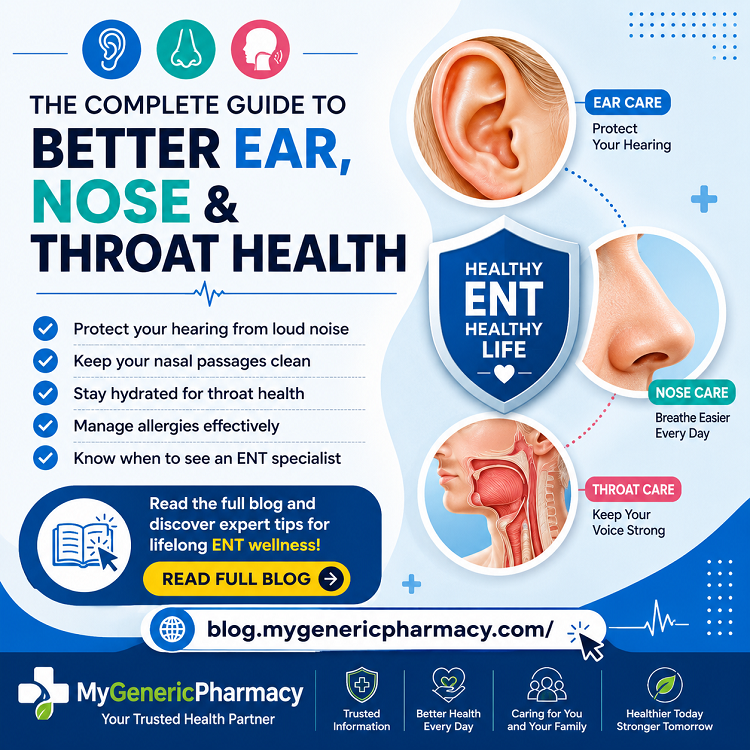
ENT organs help you do many daily activities. For example, they help you hear, breathe, smell, taste, and speak. They also help you keep your balance. These body parts work together. So, a problem in one area can affect another. Therefore, taking care of your ENT health is important. As a result, you can stay healthier and feel better overall.

ENT problems are very common and affect millions of people worldwide. For example, many people have seasonal allergies, sinus infections, hearing loss, or sore throats. Fortunately, many of these problems can be prevented. Good hygiene, healthy habits, and timely medical care can lower your risk. As a result, you can protect your ears, nose, and throat and stay healthier overall.

ENT Health

This guide explains how to keep your ears, nose, and throat healthy. It also shows simple ways to reduce the risk of common ENT problems. As a result, you can take steps to support your long-term ENT health.


Why ENT Health Matters

The ear, nose, and throat form a connected system that supports many important body functions. For example:

  • The ears help with hearing and balance.
  • The nose filters, warms, and moistens the air you breathe.
  • The throat helps you breathe, swallow, and speak.

These organs work closely together. So, a problem in one area can affect the others. As a result, poor ENT health can affect communication, sleep, focus, and daily comfort. Therefore, taking care of your ENT health is important for your daily life.


Essential Tips for ENT Health

1. Avoid Inserting Objects into Your Ears

Many people use cotton swabs to clean their ears. However, putting objects into the ear canal can push wax deeper into the ear. As a result, it may cause injury or even damage the eardrum.

Instead, let earwax move out of the ear naturally. If too much wax causes discomfort or affects your hearing, then consult a healthcare professional. Therefore, avoiding objects in the ear can help protect your ear health.

2. Protect Your Hearing

Exposure to loud noise is one of the leading causes of preventable hearing loss. Therefore, it is important to take precautions. For example, you should use ear protection in noisy environments. In addition, keep headphone volume at safe levels. Also, take regular breaks from loud sounds. Finally, try to limit long exposure to machinery or loud music.

3. Keep Ears Dry

Too much moisture can lead to bacterial and fungal growth. This increases the risk of ear infections. After swimming or bathing, gently dry the outer ear with a towel. In addition, swimmers can use special earplugs.


Maintaining ENT Health

1. Practice Good Nasal Hygiene

The nose is the body’s first line of defense against dust, germs, and pollution. Therefore, it is important to keep it clean.

In addition, saline sprays or rinses can help. They:

  • Remove dust and allergens
  • Reduce a blocked nose
  • Make breathing easier

2. Manage Allergies Effectively

Allergies can cause long-term nasal congestion, sneezing, and sinus problems. Therefore, it is important to manage allergy triggers.

For example, you can:

  • Avoid known allergens
  • Use air purifiers
  • Keep your home clean

Also, follow your doctor’s treatment plan when needed.


3. Stay Hydrated

Drinking enough water helps keep nasal mucus thin. As a result, it is easier to clear. In addition, this keeps your nose healthy and helps prevent blockage.


Caring for Your Throat

1. Stay Well Hydrated

Drinking enough water keeps the throat moist. It also helps it work normally. Furthermore, good hydration may reduce irritation and pain in the throat.


2. Avoid Smoking and Secondhand Smoke

Tobacco smoke can irritate the throat. It can also increase the risk of infection, long-term swelling, and serious disease. Therefore, quitting smoking is one of the best steps for good ENT health.


3. Practice Good Voice Care

Using your voice too much can strain the vocal cords. For example, shouting or speaking for long periods can cause damage. To protect your voice:

  • Take regular voice breaks
  • Avoid yelling when possible
  • Drink plenty of water
  • Use a microphone when speaking to large groups

As a result, you can reduce strain and keep your voice healthy.


Preventing Common ENT Health

Sinus Infections (ENT Health)

Sinus infections often start after a cold, allergies, or nasal swelling. Therefore, prevention is important. To reduce your risk:

  • Wash your hands often
  • Treat allergies early
  • Drink enough water
  • Avoid contact with sick people

Ear Infections (ENT Health)

Ear infections are more common in children. However, adults can get them too. Good hygiene can help prevent them. In addition, treating colds and other infections early can lower your risk.

Sore Throats (ENT Health)

Most sore throats are caused by viral infections. Therefore, prevention is important. Helpful steps include:

  • Wash your hands often
  • Avoid close contact with sick people
  • Keep your immune system strong with healthy habits

As a result, you can reduce the risk of sore throats.


The Role of Nutrition in ENT Health

A balanced diet helps support the immune system and keeps body tissues healthy. In particular, some nutrients are very important.

Vitamin C

Vitamin C helps the immune system work well. In addition, it may help shorten some respiratory illnesses.

Sources include: oranges, strawberries, bell peppers, and kiwi.

Vitamin A

Vitamin A helps keep the lining of the nose, throat, and lungs healthy. Therefore, it supports the respiratory system.

Sources include: carrots, sweet potatoes, and spinach.

Zinc

Zinc helps the immune system and supports tissue repair. As a result, it plays an important role in healing.

Sources include: nuts, seeds, legumes, and lean meats.


Healthy Lifestyle Habits for Better ENT Health

Beyond hygiene and nutrition, several lifestyle habits can significantly improve ENT wellness.

Get Enough Sleep

Quality sleep strengthens immune function and supports recovery from illness. Therefore, adults should aim for 7–9 hours of sleep per night.

Exercise Regularly

Regular physical activity improves circulation and supports overall immune health. Additionally, exercise may help reduce inflammation throughout the body.

Manage Stress

Chronic stress can weaken the immune system and make the body more vulnerable to infections. Consequently, stress-management techniques such as meditation, deep breathing, and physical activity may be beneficial.


When to See an ENT Specialist

While many ENT problems resolve on their own, some symptoms require professional evaluation.

Seek medical attention if you experience:

  • Persistent hearing loss
  • Ringing in the ears (tinnitus)
  • Frequent ear infections
  • Chronic nasal congestion
  • Recurrent sinus infections
  • Difficulty swallowing
  • Persistent hoarseness lasting more than two weeks
  • Severe sore throat with high fever
  • Unexplained neck lumps

Early diagnosis often leads to better treatment outcomes and can help prevent complications.


Conclusion

Good ear, nose, and throat health is an essential part of overall wellness. By practicing proper hygiene, protecting your hearing, staying hydrated, eating a balanced diet, and avoiding harmful habits such as smoking, you can significantly reduce the risk of common ENT conditions. Furthermore, recognizing symptoms early and seeking timely medical care can help preserve hearing, improve breathing, and maintain a healthy voice.

Ultimately, small daily habits can make a significant difference in keeping your ears, nose, and throat functioning at their best for years to come.

References

  1. American Academy of Otolaryngology–Head and Neck Surgery (AAO-HNS)
  2. National Institute on Deafness and Other Communication Disorders (NIDCD)
  3. Centers for Disease Control and Prevention (CDC) – Hearing Loss Prevention
  4. World Health Organization (WHO) – Deafness and Hearing Loss
  5. Mayo Clinic – Ear, Nose, and Throat Health Resources
  6. National Health Service (NHS) – Ear, Nose, and Throat Conditions