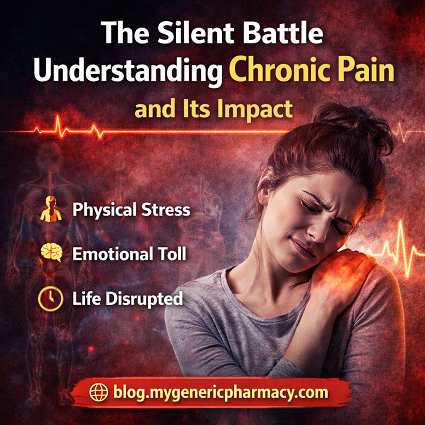
Chronic pain is more than just discomfort—it is a long-term condition that can affect every aspect of life. Unlike acute pain, which fades as the body heals, chronic pain persists for weeks, months, or even years. For millions of people worldwide, it becomes a daily struggle that impacts physical health, mental well-being, and overall quality of life.
🧬 What Is Chronic Pain?
Chronic pain is defined as pain that lasts longer than three months, even after the initial injury or illness has healed. It can occur anywhere in the body and may be constant or intermittent.
According to the World Health Organization, chronic pain is one of the leading causes of disability worldwide, affecting both adults and children.
⚠️ Causes of Chronic Pain
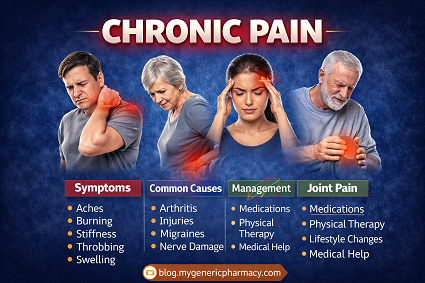
Chronic pain can stem from various conditions. Sometimes, the exact cause remains unknown, which makes diagnosis and treatment more challenging.
Common causes include:
Past injuries or surgeries
Arthritis and joint disorders
Nerve damage
Chronic illnesses like fibromyalgia
Poor posture or repetitive strain
Additionally, lifestyle factors such as stress, lack of exercise, and poor sleep can worsen pain over time.
🧠 The Connection Between Pain and Mental Health
Chronic pain doesn’t just affect the body—it also impacts the mind. People living with long-term pain often experience anxiety, depression, and emotional distress.
The Centers for Disease Control and Prevention highlights that chronic pain is closely linked with mental health conditions, creating a cycle where pain worsens emotional stress, and stress increases pain.
Therefore, addressing both physical and psychological aspects is essential for effective management.
🚨 How Chronic Pain Affects Daily Life
Living with chronic pain can make even simple tasks difficult. It can reduce mobility, limit independence, and affect relationships.
Common impacts include:
Difficulty performing daily activities
Reduced work productivity
Sleep disturbances
Social isolation
Over time, these challenges can lower the overall quality of life and lead to long-term health complications.
💊 Treatment and Management Options
Although chronic pain may not always be completely cured, it can be managed effectively with the right approach.
Medical treatments include:
Pain relievers such as Ibuprofen
Prescription medications
Physical therapy
Nerve stimulation therapies
However, medication alone is rarely enough. A comprehensive treatment plan is usually more effective.
🌿 Natural Ways to Manage Chronic Pain
Lifestyle changes and natural therapies can play a significant role in reducing pain and improving quality of life.
Effective strategies include:
Regular low-impact exercise (walking, yoga)
A healthy diet rich in anti-inflammatory foods
Stress management techniques like meditation
Adequate sleep
Moreover, staying active helps improve flexibility and reduce stiffness, which can ease pain over time.
🩺 When to Seek Medical Help
It’s important to consult a healthcare professional if pain:
Lasts longer than a few weeks
Interferes with daily life
Gets worse over time
Is accompanied by other symptoms
Early diagnosis and treatment can prevent complications and improve outcomes.
🌟 Final Thoughts
Chronic pain is a complex and often misunderstood condition. While it may not always be visible, its impact is real and far-reaching. The good news is that with proper care, support, and lifestyle changes, it is possible to manage chronic pain and lead a fulfilling life.
In conclusion, understanding your pain is the first step toward controlling it. Don’t ignore persistent discomfort—take action, seek help, and prioritize your well-being.
📚 References
World Health Organization – Chronic pain and global health impact
Centers for Disease Control and Prevention – Chronic pain statistics and mental health link
National Institute of Neurological Disorders and Stroke – Chronic pain causes and treatments
American Chronic Pain Association – Pain management strategies
Lower back pain is one of the leading causes of disability worldwide, affecting millions of people every year. For decades, opioids have been prescribed to manage moderate to severe pain. However, growing research suggests that their effectiveness, especially for chronic lower back pain, may not be significantly better than a placebo. So, are opioids truly the best solution, or is the answer more complex? Let’s explore the science.
Understanding Lower Back Pain
Lower back pain can result from muscle strain, poor posture, herniated discs, or underlying medical conditions. It can be:
Acute (short-term)
Chronic (lasting more than 12 weeks)
Chronic pain is particularly challenging to treat and often leads to long-term medication use.
What Are Opioids?
Opioids are powerful pain-relieving medications that act on the nervous system to reduce the perception of pain.
Common opioids include:
Oxycodone
Morphine
Hydrocodone
While effective for short-term pain, opioids carry risks such as dependence, tolerance, and side effects.
What Is a Placebo?
A placebo is a treatment with no active medical ingredients, often used in clinical trials to measure the effectiveness of real medications.
The placebo effect occurs when a patient experiences real improvement in symptoms simply because they believe they are receiving treatment.
What Does Research Say?
Recent studies have raised important questions about the use of opioids for chronic lower back pain.
Research published in journals like JAMA and supported by findings from the National Institutes of Health indicates that:
Opioids may provide only modest pain relief for chronic back pain
Their effectiveness is often comparable to placebo treatments
Long-term use does not significantly improve function or quality of life
These findings suggest that the perceived benefits of opioids may partly be influenced by psychological factors.
Why Might Placebos Work?
The placebo effect is not “fake”—it’s a real biological response. When patients believe they are receiving treatment, the brain can release chemicals such as endorphins, which help reduce pain.
This highlights the powerful connection between the mind and body in pain management.
Risks of Opioid Use
While opioids can be effective in certain situations, they come with significant risks:
Addiction and dependence
Tolerance (needing higher doses over time)
Drowsiness and confusion
Respiratory depression
Increased risk of overdose
Due to these risks, many health organizations recommend limiting opioid use, especially for chronic pain.
Safer Alternatives for Back Pain
Given the limitations of opioids, healthcare providers are increasingly recommending alternative treatments:
1. Physical Therapy
Exercise and stretching programs can improve strength and reduce pain.
2. Non-Opioid Medications
Options like NSAIDs or muscle relaxants may provide relief with fewer risks.
3. Cognitive Behavioral Therapy (CBT)
CBT helps patients manage pain by changing thought patterns and behaviors.
4. Lifestyle Changes
Regular exercise
Healthy weight management
Proper posture
Stress reduction
These approaches often provide long-term benefits without the risks associated with opioids.
The Shift in Pain Management
Organizations like the Centers for Disease Control and Prevention now recommend non-opioid treatments as the first line of therapy for chronic pain.
This shift reflects growing awareness that pain management should focus not only on symptom relief but also on safety and long-term outcomes.
Final Thoughts
So, are opioids truly better than placebos for lower back pain?
The answer is not as clear-cut as once believed. While opioids can provide short-term relief, their long-term benefits for chronic back pain are limited—and may not significantly outperform placebo effects in some cases. Understanding the risks and exploring safer alternatives can help patients make informed decisions about their treatment. Pain is complex, and effective management often requires a combination of physical, psychological, and medical approaches—not just a single pill.
References:
JAMA – Studies on opioids vs placebo in chronic pain
Understand chronic pain, its causes, symptoms, and treatment options. Learn practical ways to manage long-term pain and improve your quality of life. Chronic pain affects an estimated 50 million adults in the United States alone, making it one of the most common reasons adults seek medical care. Yet despite its prevalence, chronic pain remains profoundly misunderstood. Unlike acute pain—the body’s alarm system signaling injury—chronic pain persists long after the initial injury has healed, often for months or even years. It is not simply “pain that lasts.” It is a complex condition involving the brain, nervous system, emotions, and lifestyle.
For those living with it, chronic pain is more than just physical discomfort. It impacts sleep, work, relationships, and mental health. The good news is that while chronic pain may not always be curable, it is manageable. This guide explores the truth about chronic pain and evidence-based strategies to help you regain control of your life.
What Is Chronic Pain?
Chronic pain is defined as pain lasting or recurring for more than three months. This distinction is crucial because the mechanisms driving chronic pain are fundamentally different from those of acute pain.
In acute pain, nerves send signals to the brain indicating injury or inflammation. Once the tissue heals, the signals stop. In chronic pain, however, the nervous system itself becomes dysregulated. The brain continues to perceive pain even without ongoing tissue damage. This phenomenon, called central sensitization, means the pain system becomes “stuck” in an amplified state.
The Brain’s Role in Chronic Pain
One of the most important discoveries in pain science is that pain is produced by the brain. Nerves transmit signals to the brain, but the brain interprets those signals and decides whether they’re painful. In chronic pain, the brain’s alarm system becomes hypersensitive.
This explains why two people with identical physical conditions (like arthritis or a herniated disc) can have vastly different pain experiences. It also explains why stress, fear, and anxiety can make pain worse—and why addressing mental health is essential for pain management.
Common Types of Chronic Pain
Type
Description
Examples
Nociceptive pain
Caused by tissue damage or inflammation
Diabetic neuropathy, sciatica, and postherpetic neuralgia
Altered pain processing without clear tissue or nerve damage
Fibromyalgia, tension headaches
Many people have mixed pain types, requiring a combination of treatment approaches.
The Domino Effect: How Chronic Pain Affects Your Life
Chronic pain rarely travels alone. It often brings:
Sleep disturbances: Pain disrupts sleep, and poor sleep lowers pain tolerance, creating a vicious cycle
Mental health challenges: Depression and anxiety affect 30-50% of people with chronic pain
Reduced mobility: Less activity leads to muscle weakness, which can worsen pain
Social isolation: Pain can make socializing difficult, leading to loneliness
Financial strain: Lost work time, medical expenses
Identity shifts: Feeling like you’re no longer the person you used to be
The Myth of the “Quick Fix”
One of the most damaging misconceptions about chronic pain is that there’s a single, simple solution. Many people pursue endless tests, procedures, and treatments, hoping for the one thing that will make the pain disappear. This pursuit often leads to frustration, despair, and wasted resources.
The truth is that chronic pain is complex, and effective management usually requires a multimodal approach—combining physical strategies, psychological support, lifestyle adjustments, and sometimes medication.
Evidence-Based Management Strategies
1. Physical Activity and Exercise
It may seem counterintuitive—move when it hurts? But inactivity leads to muscle deconditioning, stiffness, and often more pain.
What works:
Graded activity: Start with what you can do, then gradually increase
Low-impact options: Walking, swimming, cycling
Strength training: Builds muscles that support painful joints
Stretching and flexibility: Maintains range of motion
A physical therapist can help design a safe, individualized program.
2. Psychological Approaches
Pain is processed in the brain, so psychological approaches are not “just in your head” treatments—they target the biological mechanisms of pain.
Evidence-based approaches:
Cognitive Behavioral Therapy (CBT): Helps identify and change unhelpful thoughts and behaviors that worsen pain. Shown to reduce pain intensity and improve function.
Acceptance and Commitment Therapy (ACT): Focuses on accepting pain as present while committing to valued activities
Mindfulness and meditation: RReducepain-related distress and improve
3. Self-Management and Pacing
One of the most practical skills in chronic pain management is pacing—balancing activity with rest to avoid boom-and-bust cycles .
The pacing principle:
Do activities in intervals: Break tasks into smaller, manageable chunks
Rest before you need to: Don’t push until pain forces you to stop
Alternate heavy and light activities
Set realistic goals: Aim for consistency, not intensity
4. Sleep Optimization
Poor sleep and chronic pain feed each other.
Seep strategies:
Consistent sleep and wake times
Cool, dark, quiet bedroom
Wind-down routine (no screens 1 hour before bed)
Avoid caffeine and alcohol near bedtime
5. Nutrition and Anti-Inflammatory Eating
What you eat influences inflammation throughout your body.
Antidepressants: Certain ones (duloxetine, amitriptyline) treat chronic pain independent of mood effects
Anticonvulsants: Gabapentin, pregabalin for neuropathic pain
Opioids: Used cautiously due to risk of dependence; limited evidence for long-term benefit in chronic non-cancer pain
Work with your healthcare provider to find the right medications and minimize side effects.
7. Complementary and Integrative Approaches
Many people find relief with:
Acupuncture: Evidence supports the use for back pain, neck pain, and osteoarthritis
Massage therapy: For muscle tension and relaxation
Heat and cold: Heat for stiffness, cold for acute inflammation
TENS units: Electrical stimulation that may interrupt pain signals
The Power of Support
Chronic pain can be isolating. Connecting with others who understand through support groups (in-person or online) can reduce isolation and provide practical coping tips.
Family and friends can help by:
Believing your pain (it’s real, even if invisible)
Offering practical support without taking over
Being patient with limitations
Encouraging gentle activity and engagement
When to Seek Help
Consider seeing a specialist (pain medicine, physiatry, rheumatology, neurology) if:
Pain interferes with daily function
You’re not improving with standard treatments
You’re taking increasing doses of pain medication
You have signs of depression or anxiety
You have a condition requiring specialized management (fibromyalgia, complex regional pain syndrome, neuropathic pain)
Multidisciplinary pain clinics offer comprehensive care with physicians, physical therapists, psychologists, and other specialists working together.
Changing the Narrative: From Suffering to Thriving
Perhaps the most important shift in chronic pain management is moving from a goal of “cure” to a goal of “function.” The question shifts from “How do I make the pain stop?” to “How do I live a meaningful life even with pain?”
This doesn’t mean giving up, it means refocusing energy on what matters most to you. Many people with chronic pain go on to live rich, engaged lives. They pace activities, use their tools, accept limitations without surrendering to them, and find purpose beyond pain.
Conclusion: You Are More Than Your Pain
Chronic pain is real, complex, and challenging. But it doesn’t have to define you. With the right strategies—physical activity, psychological support, pacing, nutrition, and appropriate medical care—you can reduce pain’s impact and reclaim your life.
The journey requires patience. What works today may need adjusting tomorrow. But with persistence and support, most people with chronic pain can move from surviving to thriving. You are more than your pain. And there is hope.
Disclaimer: This article is for educational purposes only. Consult your healthcare provider for personalized advice about chronic pain management. Never stop or change pain medications without medical supervision.
Pain Relief: Complete Guide to Managing Pain Effectively
Pain can interfere with daily life — whether it’s caused by an injury, chronic condition, or occasional flare-ups. At mygenericpharmacy.com, we believe in providing clear, reliable information to help you make informed choices about pain relief options.
In this guide, you’ll learn about different pain relief approaches, how they work, when they’re used, and how to choose the right solution for you.
What Is Pain?
Pain is your body’s way of signaling injury or stress. It can be:
Acute pain — sudden and short-term, such as after an injury
Chronic pain — ongoing pain that lasts weeks, months, or even years
For many people, effective pain relief means combining medication, therapy, and lifestyle changes.
Types of Pain Relief Medications
Pain relief medications work in different ways. Some reduce inflammation, others target nerve pain, and some relieve muscle tension or headaches. Here are some common options available:
💊 Anti-Inflammatory Pain Relief
Anti-inflammatory drugs help reduce swelling and pain — especially useful for arthritis and muscular pain:
Different pain relief medicines work in different ways:
NSAIDs such as Bextra, Celebrex, and Naprosyn reduce inflammation and block pain signals.
Neuropathic agents like Lyrica calm nerve activity that causes pain.
Migraine-specific medications like Imitrex narrow blood vessels and block pain pathways in the brain.
This means choosing the right pain relief depends on the type and source of pain.
Non-Drug Pain Relief Options
Medication isn’t the only option. Many people find relief through:
Physical therapy
Hot & cold therapy
Stretching and exercise
Massage
Combining medication with lifestyle therapy often produces the best results.
When to Seek Medical Advice
Persistent, worsening, or unexplained pain should always be evaluated by a healthcare provider. Severe symptoms like numbness, weakness, fever, or sudden inability to move may signal something serious.
Safety and Side Effects
All medications come with potential side effects. NSAIDs can sometimes cause:
Upset stomach
Kidney irritation
Increased bleeding risk
Neuropathic pain medicines can cause:
Drowsiness
Dizziness
Weight changes
Always follow dosage instructions and talk with a healthcare professional before combining medications.
Choosing the Right Pain Relief
Effective pain relief depends on:
Type of pain
Severity
Duration
Your overall health
If you’re not sure which option fits your situation, visiting our Pain Relief category is a great place to start.
Conclusion
Pain doesn’t have to control your life. With the right information and options like:
Bextra (anti-inflammatory)
Celebrex (for chronic pain)
Lyrica (nerve pain)
Imitrex (migraine relief)
Naprosyn (inflammation & pain)
— You’re empowered to find relief that works for you.
Visit their individual pages above to learn more and choose the best option based on your needs.
Crohn’s disease and ulcerative colitis (UC) are the two main types of Inflammatory Bowel Disease (IBD).
Crohn’s disease and ulcerative colitis (UC) are the two main types of Inflammatory Bowel Disease (IBD). Although both conditions involve chronic inflammation of the digestive tract, they differ in location, symptoms, complications, and treatment approach.
What Is Crohn’s Disease?
Crohn’s disease is a chronic inflammatory condition that can affect any part of the gastrointestinal (GI) tract, from the mouth to the anus. Inflammation may occur in patches and can extend deep into the bowel wall.
What Is Ulcerative Colitis?
Ulcerative colitis primarily affects the colon and rectum. Unlike Crohn’s disease, inflammation in UC is continuous and limited to the inner lining of the large intestine.
Crohn’s Disease vs Ulcerative Colitis: Comparison Table
Feature
Crohn’s Disease
Ulcerative Colitis
Affected Area
Anywhere in the GI tract
Colon and rectum only
Pattern of Inflammation
Patchy (skip lesions)
Continuous
Depth of Inflammation
All layers of bowel wall
Inner lining only
Common Symptoms
Abdominal pain, diarrhea, weight loss
Bloody diarrhea, urgency, rectal bleeding
Risk of Fistulas
High
Rare
Surgery Outcome
Not curative
Can be curative
Symptoms: How Do They Differ?
Crohn’s Disease Symptoms
Chronic diarrhea
Abdominal pain and cramping
Weight loss and malnutrition
Fatigue
Perianal disease
Ulcerative Colitis Symptoms
Bloody or mucus-filled stools
Urgent bowel movements
Rectal pain
Fatigue and anemia
Abdominal discomfort
Causes and Risk Factors
The exact cause of both Crohn’s disease and UC remains unknown. However, common contributing factors include:
Surgery may be required for severe cases. In ulcerative colitis, removal of the colon can eliminate the disease. In Crohn’s disease, surgery can relieve complications but does not cure the condition.
Living With Crohn’s Disease or Ulcerative Colitis
Both conditions require long-term management through medication, diet adjustments, and regular medical monitoring. Lifestyle changes, stress management, and probiotics for gut health may help reduce flare-ups.
Conclusion
While Crohn’s disease and ulcerative colitis share similarities, understanding their differences is essential for accurate diagnosis and effective treatment. Early medical care and personalized treatment plans can significantly improve long-term outcomes for people with IBD.
Deep breathing practices can help manage immediate feelings of anxiety by slowing your heart rate and bringing calm. The 4-7-8 technique and breathing in for 4 counts and out for 4 counts for 5 minutes total are specific methods recommended.
Physical activity and regular exercise have both immediate and long-term benefits for anxiety management, including improved sleep, balanced appetite, mental clarity, and overall health. Even brief activities like 30-60 seconds of squats, pushups, or jumping jacks can help boost mood and calm the mind. Journaling can help identify anxiety triggers and record effective coping strategies, with research showing that regular emotion-led journaling may help reduce anxiety, depression, and feelings of distress.
Stress is the body’s natural response to a real or perceived threat. Anxiety is a symptom of the stress response and a natural process that every person experiences at one time or another. When the stress response is constantly activated, anxiety may go from an occasional symptom to a chronic condition.
Anxiety disorder is an umbrella term for a group of mental health conditions with slightly different manifestations and triggers, but with anxiety as the core symptom. Managing chronic or intense anxiety may require professional support, but developing certain coping skills is also essential.
5 techniques for coping with anxiety in the moment: These tips may help you relieve anxiety symptoms as they arise and before they become more intense. They may require some practice, but can become important tools in managing anxiety.
Practice focused, deep breathing. Deep breathing practices may help you manage immediate feelings of anxiety. Try breathing in for 4 counts and breathing out for 4 counts for 5 minutes total. This type of breathing slows your heart rate, which in turn can help bring calm. The 4-7-8 technique is another popular breathing pattern for immediate anxiety relief. Discover eight breathing techniques for anxiety management.
Use aromatherapy Some research suggests that aromatherapy can help relieve anxiety in some settings. Aromatherapy practitioners and supporters often report the benefits of the practice. You can use essential oil form, incense, or a candle at your workstation or bedroom. Natural scents like lavender, chamomile, and sandalwood can be soothing to the senses and help bring calm quickly.
Move more and exercise. The stress response involves a rise in some hormones, such as cortisol. Physical activity offers many benefits, including hormone balance. Stepping out of your thoughts by focusing on physical sensations and your body, even if momentarily, may also help with anxiety management. Low-impact exercises like brisk walking, yoga, and tai chi can help you reduce stress and anxiety symptoms. Even a little bit of physical activity can boost your moodTrusted Source and calm your mind. For example, try doing squats, pushups, or jumping jacks for 30 to 60 seconds.
Use grounding techniques. Similar to physical activity, grounding techniques help you connect with physical sensations, taking your focus away from the stressor. The 333 rule is an example of a grounding technique. It involves taking a few minutes to identify three things you can see, three sounds you can hear, and three things you can touch. Try to spend at least 1 minute on each thing you see, hear, or touch before moving on to the next.
6 strategies for managing anxiety long-term
If you have anxiety that interferes with your life, consider working with a mental health care professional. They can help identify the root cause of your anxiety and work with you in developing a long-term plan based on your needs and lifestyle.
A mental health care professional may also suggest some of these anxiety management strategies, which you can use with them or on your own.
Identify and learn to manage specific triggers.
Some triggers or stressors may be obvious to you, and some may be less so. You may find yourself experiencing anxiety and be unsure about the cause.
Common anxiety triggers may include:
work deadlines or changes
relationship conflict
withdrawal from substances or certain medications
side effects of some medications
association with a past adverse experience
past trauma that led to hypervigilance
chronic pain and other health symptoms
caffeine intake
tobacco use
Triggers are personal and unique. What may cause anxiety for you may not for the next person. That’s why it’s important to learn to identify those situations that may be triggers for your anxiety.
Learn more about medications. If you take medications, ask the prescribing healthcare professional if anxiety may be a side effect of those. Even if you’ve stopped taking medications, anxiety may result from withdrawal or similar physiological responses. Having this conversation with a doctor may help you identify the root cause of anxiety and the next steps for relief.
On the other hand, if you have severe symptoms of anxiety and feel they interfere with work, school, relationships, or life in general, consider asking a healthcare professional if medication can help.
Practice daily meditation Building a daily mindful meditation practice may help train your brain to manage anxious thoughts when they arise. It could also help you prevent anxiety in some situations by reducing the anxiety response to known stressors. If sitting still and concentrating is difficult, you can try walking meditation or yoga. Guided imagery may also help you manage anxiety.
Keep a journal Writing down your thoughts and emotions in a journal every day can help you identify triggers and record effective coping strategies. The process of writing down thoughts itself can be calming for some people. Journaling can also have long-term benefits. A small 2018 study suggests that regular emotion-led journaling can help reduce anxiety, depression, and feelings of distress.
Try to socialize more. Although everyone is different, and some people experience social anxiety, spending quality time with trusted friends and family may help you prevent and manage anxiety symptoms. Socialization can relieve stress, encourage feelings of laughter and togetherness, and decrease a sense of loneliness. Research has shown that social connectedness can help you become more resilient to stress in the long run.
Stay active Physical activity can help you manage anxiety. But its effect is not only immediate; regular activity has an accumulative effect that can have a lasting impact. Benefits include improved sleep, balanced appetite, mental clarity, and overall health. Studies show that exercise, in particular, can have a lasting positive impact on managing anxiety.
Crohn’s disease is a condition that causes swelling, or inflammation, in part of your digestive system. It can affect any part of your digestive tract, but most often it involves your small intestine and colon (large intestine). Crohn’s disease and ulcerative colitis (UC) are part of a group of conditions called inflammatory bowel disease (IBD). There’s no cure for Crohn’s, but treatment can ease your symptoms and help you enjoy a full, active life.
People with Crohn’s disease can have intense symptoms, followed by periods of no symptoms that may last weeks or years. The symptoms depend on the severity and location of the disease.
What are the first signs of Crohn’s disease?
Early signs of Crohn’s disease can easily be mistaken for other conditions. They may include:
Frequent diarrhea
Abdominal pain and tenderness
Unexplained weight loss
Blood in your poop
Other symptoms of Crohn’s disease
When it advances, you might notice:
Nausea
Tiredness
Joint pain
Fever
Long-lasting diarrhea, often bloody and with mucus or pus
Weight loss
Crohn’s disease and mouth sores
Crohn’s disease can cause painful mouth sores, which typically appear on the inner cheeks, lips, or tongue. These sores can be a sign of an active Crohn’s disease flare.
Types of Crohn’s Disease There are five types of Crohn’s based on which part of your digestive tract is affected.
Ileocolitis, the most common form of Crohn’s disease, involves your colon and the last part of your small intestine (called the ileum or terminal ileum).
Crohn’s colitis, also known as granulomatous colitis, affects only the colon.
Gastroduodenal Crohn’s disease affects your stomach and the first part of your small intestine (called the duodenum).
Ileitis affects your ileum.
Jejunoileitis causes small areas of inflammation in the upper half of your small intestine (called the jejunum).
Causes of Crohn’s Disease Doctors aren’t sure what causes Crohn’s disease. Genetic, environmental, and lifestyle factors can play a role. Some people think of it as an autoimmune disease, causing your body to attack its own tissues. Your body may also be prone to more severe-than-normal responses to harmless viruses, bacteria, or food in your gut.
Crohn’s Disease Risk Factors
A few things can make you more likely to get Crohn’s: Genes. Crohn’s disease is often inherited. About 20% of people who have it have a close relative with either Crohn’s or ulcerative colitis. Age. Though it can affect people of all ages, it’s mostly an illness of the young. Most people are diagnosed before age 30, but the disease can affect people in their 50s, 60s, 70s, or even later in life. Smoking. This is one risk factor that’s easy to control. Smoking can make Crohn’s more serious and raise the odds that you’ll need surgery. Where do you live? People living in urban areas or industrialized countries are more likely to develop Crohn’s disease. Crohn’s disease epidemiology The disease is mostly common in North America and Western Europe, where it affects 100-300 out of every 100,000 people. In the U.S., more than half a million people have it. Researchers think cases are increasing in the U.S. and some other nations. Crohn’s disease seems to affect men and women at similar rates. People of northern European or central European Jewish (Ashkenazi) descent are at the highest risk.
Crohn’s Disease Treatment
There’s no single treatment that’s right for everyone with Crohn’s disease. Your treatment will depend on what’s causing your symptoms and how serious they are. Your doctor will try to reduce the inflammation in your digestive tract and keep you from having complications.
Anti-inflammatory drugs.
Examples include mesalamine (Asacol, Lialda, Pentasa), olsalazine (Dipentum), and sulfasalazine (Azulfidine). Side effects include upset stomach, headache, nausea, diarrhea, and rash. These medicines are used only in mild cases.
Corticosteroids. These are a more powerful type of anti-inflammatory drug. Examples include budesonide (Entocort) and prednisone or methylprednisolone (Solu-Medrol). If you take these for a long time, side effects can be serious and may include bone thinning, muscle loss, skin problems, and a higher risk of infection.
Immune system modifiers (immunomodulators), such as azathioprine (Imuran, Azasan) and methotrexate (Rheumatrex, Trexall). It can take up to six months for these drugs to work. They also bring a higher risk of infections that could be life-threatening.
Antibiotics. These drugs, such as ciprofloxacin (Cipro) and metronidazole (Flagyl), are used to fight infections in your digestive system caused by Crohn’s disease. Metronidazole can cause a metallic taste in your mouth, nausea, tingling, or numbness in your hands and feet. Ciprofloxacin can cause nausea and tenderness in your Achilles tendon.
Yes, walking for about 100 minutes per day (roughly 1 hour and 40 minutes) may help lower the risk of chronic back pain, according to research. Here’s why:
How Walking Helps Prevent Back Pain:
Strengthens Core & Back Muscles
Walking engages core muscles, improving posture and spinal support.
Helps stabilize the lower back, reducing strain on vertebrae and discs.
Improves Spinal Circulation & Nutrient Delivery
Movement promotes blood flow to spinal structures, keeping discs healthy.
Reduces stiffness and inflammation that can contribute to pain.
Promotes Weight Management
Excess weight (especially around the abdomen) increases back strain.
Walking helps maintain a healthy weight, reducing pressure on the spine.
Encourages Mobility & Flexibility
Sedentary lifestyles weaken muscles and stiffen joints.
Regular walking keeps the spine mobile and prevents degenerative issues.
Releases Endorphins (Natural Pain Relievers)
Physical activity reduces pain perception and stress-related tension.
Research Supporting This:
A 2024 study in The Lancet found that adults who walked 80–100 minutes daily had a 43% lower risk of chronic back pain over 3 years compared to sedentary individuals.
Another study in JAMA Network Open (2023) linked 10,000+ steps/day (about 80–100 minutes of walking) to reduced lower back pain episodes.
Tips for Effective Walking:
Maintain good posture (stand tall, engage core, avoid slouching).
Wear supportive shoes to reduce impact on the spine.
Start gradually if new to walking (e.g., 30 mins/day, then increase).
Break it up (e.g., two 50-minute walks instead of one long session).
Who Should Be Cautious?
Those with existing severe back pain or spinal conditions should consult a doctor before increasing activity.
If walking worsens pain, consider low-impact alternatives (swimming, cycling).
Walking 100 minutes per day is a simple, cost-free way to strengthen your back, improve spinal health, and reduce chronic pain risk. If that’s too much, even 30–60 minutes daily can provide benefits. Consistency matters more than speed or distance!
In recent years, chronic pain has gained recognition as a medical condition in and of itself. This is because chronic pain is a disease process that is so complicated that we are only now beginning to understand what triggers it. However, what does it feel like to live with chronic pain, and how does the body and brain cope with it? Some of the terms people frequently use to describe their pain include dull, aching, gnawing, burning, sharp, shooting, and piercing.
Imagine having to deal with some of this every day until you have no idea what it’s like to go about your day without this constant pain that gradually saps your physical and mental stamina. For many people who suffer from chronic pain, that is their reality. It could be an internal struggle concealed behind gritted teeth and fake smiles, and some days might be fantastic and some days awful. However, how does chronic pain become, well, chronic? In the most recent episode of our Pain Awareness Month-themed In Conversation podcast, Medical News Today delves into the science of chronic pain with Dr. Tony L. and Hilary Guite. As Joel Nelson, a longtime patient and advocate for psoriatic disease and arthritis talks about his own experience with pain.
Because chronic pain is not life-threatening, it is frequently disregarded as merely a symptom of a more serious issue or not given the attention it deserves. Chronic pain, however, has a social as well as a personal cost. According to studies, individuals who experience chronic pain may find it difficult to carry out daily tasks and activities and may also have worse general health. Chronic pain sufferers may also experience unemployment or unstable employment. Chronic pain was not recognized or diagnosed until 2018 when the International Classification of Diseases (ICD) assigned it a code in the draft version of the new ICD-11 coding system. Chronic primary pain and chronic secondary pain are the two new classifications of chronic pain made by the World Health Organization (WHO).
According to this classification, primary pain is defined as pain that cannot be attributed to or explained by another medical condition. Fibromyalgia and persistent primary low back pain are a couple of examples. A widespread pain disorder that affects at least four to five body parts and lasts for at least three months, but typically longer, fibromyalgia varies from person to person. Since there is no other explanation for the pain, Dr. Dot Guite clarified that it is a form of primary chronic pain. Conversely, secondary pain results from or is a result of an underlying medical condition. This would include pain from ulcerative colitis, cancer, or arthritis.
I began experiencing chronic pain when I was ten years old. And ever since, Joel Nelson told MNT’s In Conversation, “Chronic pain has kind of been an intermittent part of my life right up until the present day.”. Joel, who is currently 38 years old, has experienced chronic pain for several decades. My first encounter with pain was when I felt a burning sensation in my hip that resembled gravel. And it just got worse the more I used the joint; eventually, he said, I was losing some of my mobility. At that point, like most people do, he made the decision to ask for assistance. Joel claimed that noise is the best way to characterize his ongoing pain. I have always referred to it as noise because, on the days when the pain is severe, I simply lose the capacity to take in additional information and manage several tasks at once, he said.
In light of my current condition, I believe that the experience’s fluidity is its most significant lesson. In the end, my mobility and limits can vary from anything to the point where I can do more than just walk, and I might be able to run and cycle a little bit like I do now, to possibly needing crutches again the following week. Pain dictates a lot of that. I get a lot of stiffness in the mornings from arthritis, but the pain is what keeps me from doing things. Joel said it’s difficult to predict what will happen next with his chronic pain, likening it to a series of chapters. Researchers have discovered that a gateway receptor known as Toll-like receptor 4 (TLR4) may be a governing factor behind the development of chronic pain from acute pain.
We are aware that signaling that is typically linked to what is known as innate immunity can be activated in response to various types of tissue or nerve damage. And the toll-like receptor is one of the mediators of that. It turns out that although those receptors are typically present to detect the presence of foreign bugs, like E. coli, those insects contain a substance known as lipopolysaccharide, or LPS, in their cell membrane. According to Dr. Dot Yaksh, bacteria are the source of that, which is not typically present in our system. You don’t need to acquire it; you are born with it. It is constantly present. Over the past few years, we’ve discovered that your body releases a variety of substances that will activate those same toll-like receptors, he continued.
The central immune system may be primed for elevated pain states by toll-like receptors. The body begins to release products from inflammatory cells in response to damaging stimuli, stressors, or tissue damage, particularly in the gastrointestinal tract or microbiome. According to him, when this occurs, the products that are expelled from our bodies can activate toll-like receptors. One such receptor is called TLR4, and it is found on both sensory neurons and inflammatory cells. Dr. According to Yaksh, TLR4 activation makes the nervous system more reactive but doesn’t actually cause as much pain. In addition to this priming, Dr. Dot Guite noted that if additional stressors are present at the time, such as poor diet or psychological distress, this can trigger a series of events that can accelerate the transition to chronic pain.
TLR4 activation initiates a cascade, a series of events that will result in increased expression of numerous receptors and channels capable of enhancing the system’s response. When this occurs, the initial tissue damage is followed by this improved response. It only makes the system more reactive; it doesn’t really cause the pain condition. According to him, Joel’s circumstances are consistent with the idea that people can experience different kinds of pain. That can be made worse by “psychological” stressors, which can intensify a pain state that may actually have a physiological component that we don’t fully comprehend, he continued.
Dr. Yaksh, for instance, proposed that Joel’s condition was likely made worse by the stress (and joy) of becoming a father and all the other factors involved, making it more difficult to manage the pain. He emphasized that this did not lessen the reality of the pain. The transition from one state to another, which we refer to as an acute to chronic transition or the chronification of the pain state, was established by Joel’s pain condition, the events that were connected to the psoriatic diagnosis, and other factors, he explained. I believe that there was likely a very strong, emotional component to his situation.