Browsed by
Category: Nausea & Dizziness

Say Goodbye to Nausea: Effective Ways to Stop Vomiting and Feel Better

Say Goodbye to Nausea: Effective Ways to Stop Vomiting and Feel Better

Nausea and Vomiting Relief: Causes, Symptoms & Treatment
Discover the common causes of nausea and vomiting, their symptoms, and effective treatments. Learn simple remedies and medical options for quick relief.
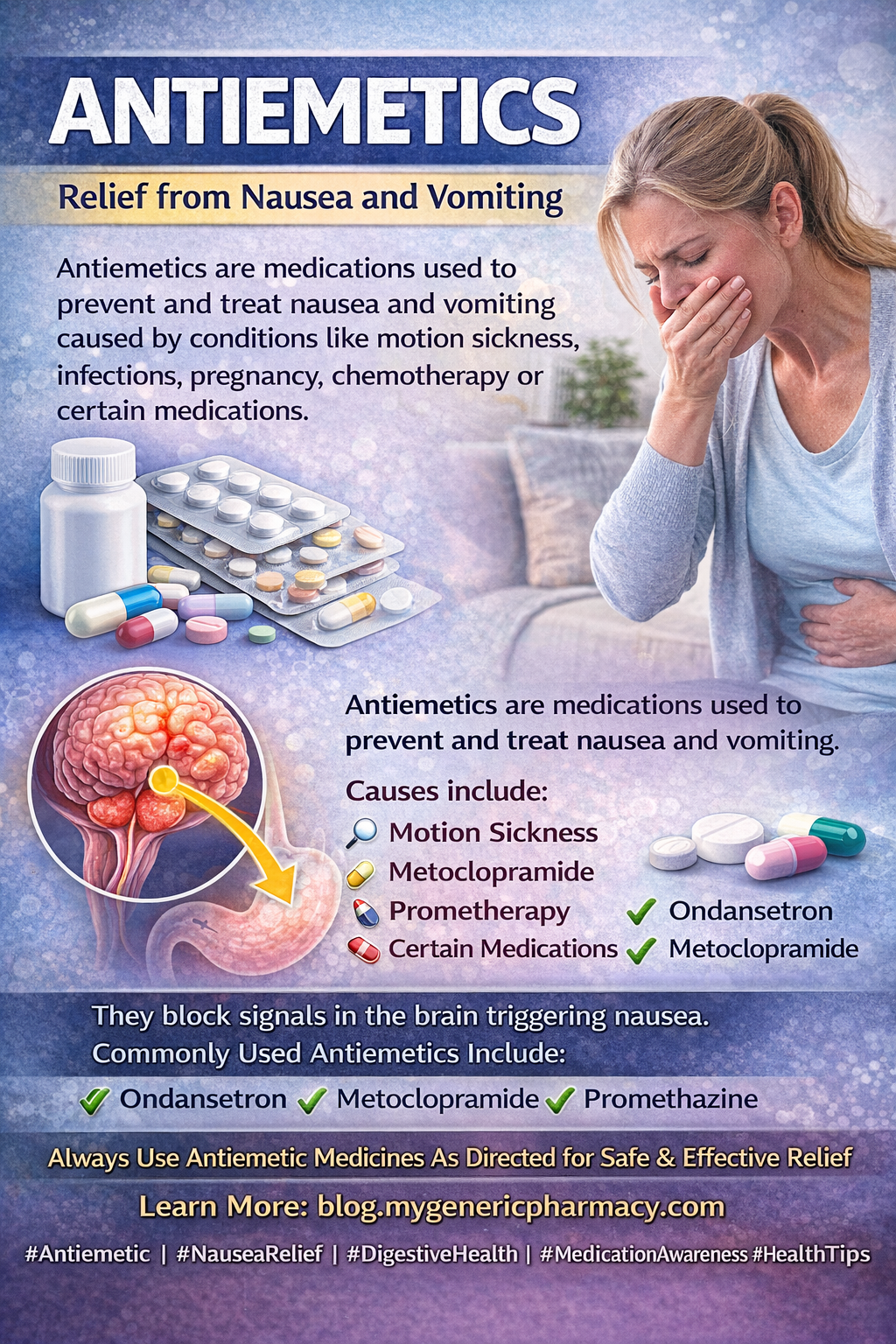
Few sensations are as universally miserable as nausea. That queasy, unsettled feeling in your stomach—often followed by the violent expulsion of vomiting—can derail your entire day, leaving you weak, dehydrated, and desperate for relief. Whether caused by a stomach bug, pregnancy, motion sickness, medication, or anxiety, nausea demands attention.

The good news? There are proven strategies to calm your stomach, stop vomiting, and speed your recovery. This guide covers immediate actions, home remedies, medications, and when to seek medical help.

First Steps: What to Do Immediately

Stop Eating and Drinking Temporarily

When you’re nauseous, your digestive system is in distress. Give it a rest. Avoid solid food for several hours, and take only small sips of clear liquids. Trying to eat or drink too much too soon can trigger more vomiting .

Rest in an Upright Position

Lying flat can allow stomach acid and contents to rise into your esophagus, worsening nausea. Instead, rest in a seated position or prop yourself up with pillows. Movement can aggravate symptoms, so stay still when possible .

Avoid Strong Odors

Perfumes, cooking smells, smoke, and other strong odors can trigger or worsen nausea. Move to a well-ventilated area or step outside for fresh air .

Home Remedies That Actually Work

Ginger

Ginger is one of the most well-researched natural remedies for nausea. It contains compounds called gingerols and shogaols that help speed stomach emptying and calm gastrointestinal irritation . Studies show it’s effective for pregnancy-related nausea, motion sickness, and post-operative nausea.

How to use: Sip ginger tea, chew crystallized ginger, take ginger capsules (250mg four times daily), or drink flat ginger ale (let the fizz settle first).

Peppermint

Peppermint relaxes the stomach muscles and improves bile flow, which can help relieve nausea . Peppermint tea is gentle and soothing, while peppermint oil capsules (enteric-coated) may help with nausea from digestive issues.

Lemon

The scent of fresh lemon has been shown to reduce nausea, particularly in pregnancy . Sucking on lemon drops or adding lemon to water can also help settle your stomach.

BRAT Diet

Once you’re ready to eat, start with bland, easy-to-digest foods. The BRAT diet includes:

  • Bananas: Gentle, potassium-rich
  • Rice: Plain, white rice
  • Applesauce: Provides energy without irritation
  • Toast: Plain, dry toast

Other safe options include crackers, pretzels, plain potatoes, and clear broth. Avoid dairy, spicy foods, fried foods, and anything with strong flavors until you’re fully recovered .

Stay Hydrated—Carefully

Vomiting depletes fluids and electrolytes. But drinking too much at once can trigger more vomiting.

The 15-minute rule: Take small sips every 15 minutes. If you keep that down, gradually increase the amount. Good options include:

  • Water
  • Clear broths
  • Electrolyte solutions (Pedialyte, electrolyte drinks)
  • Diluted fruit juices (avoid acidic juices like orange)
  • Ice chips or popsicles

Over-the-Counter Medications

Antacids

For nausea caused by acid reflux or indigestion, antacids like Tums, Rolaids, or Pepto-Bismol (bismuth subsalicylate) can help. Pepto-Bismol is particularly effective for traveler’s diarrhea and general stomach upset, but avoid it if you’re allergic to aspirin .

Antihistamines

For motion sickness or vertigo-related nausea, antihistamines like dimenhydrinate (Dramamine) or meclizine (Bonine) are effective. Take them 30-60 minutes before travel. They cause drowsiness, so plan accordingly .

Vitamin B6

For pregnancy-related nausea, vitamin B6 (pyridoxine) is considered first-line treatment. The standard dose is 10-25 mg three or four times daily. It’s safe, effective, and often combined with doxylamine (Unisom) for morning sickness .

When to Consider Prescription Options

If over-the-counter remedies fail, doctors can prescribe stronger anti-nausea medications:

  • Ondansetron (Zofran): Highly effective for severe nausea from chemotherapy, surgery, or gastroenteritis
  • Promethazine (Phenergan): Strong antihistamine; causes significant drowsiness
  • Metoclopramide (Reglan): Helps empty stomach contents; useful for gastroparesis
  • Prochlorperazine (Compazine): For severe nausea from various causes

These require a prescription and should be used under medical supervision.

Mind-Body Techniques

Deep Breathing

Slow, controlled breathing can calm the nervous system and reduce nausea. Try the 4-7-8 technique: Inhale through nose for 4 seconds, hold for 7 seconds, exhale through mouth for 8 seconds. Repeat several times .

Acupressure

Stimulating the P6 (Neiguan) point on the inner wrist has been shown to reduce nausea in multiple studies . You can:

  • Apply firm pressure with your thumb
  • Use acupressure wristbands (available at drugstores)
  • Press the point located three finger-widths below the wrist crease, between the two tendons

Distraction

Focusing on something other than your nausea can help. Listen to music, watch a calming show, or engage in gentle conversation. Avoid screens if they make you dizzy.

Specific Situations and Solutions

Motion Sickness

  • Prevention is key: Take medication 30-60 minutes before travel
  • Choose your seat: Front seat of car, over the wing on planes
  • Focus on horizon: Fix your gaze on a stable point
  • Avoid reading: Don’t read or use phones in moving vehicles

Morning Sickness

  • Eat small, frequent meals
  • Keep crackers by your bed and eat before getting up
  • Avoid empty stomachs
  • Try vitamin B6 (discuss with OB first)
  • Avoid triggers (strong smells, certain foods)

Hangover Nausea

  • Hydrate with electrolyte solutions
  • Eat bland carbohydrates
  • Ginger tea or ginger ale
  • Rest and sleep

Chemotherapy-Induced Nausea

Modern antiemetic regimens (including ondansetron, dexamethasone, and aprepitant) have revolutionized cancer care. Always take prescribed anti-nausea medications on schedule, not just when symptoms appear .

Red Flags: When to Call a Doctor

Seek medical attention if:

  • Vomiting persists for more than 24 hours in adults (12 hours in children)
  • You can’t keep any liquids down
  • You show signs of dehydration: dark urine, dry mouth, dizziness when standing, decreased urination
  • Vomit contains blood (red or coffee-ground appearance)
  • Severe abdominal pain accompanies nausea
  • You have a fever over 101°F (38.3°C)
  • You’ve recently had a head injury
  • You’re diabetic and can’t keep food/medication down
  • You suspect poisoning

Conclusion: Finding Relief

Nausea and vomiting are miserable but usually short-lived. With the right combination of home remedies, over-the-counter options, and medical care when needed, you can find relief and speed your recovery.

Remember:

  1. Rest your stomach with clear liquids first
  2. Try proven remedies: Ginger, peppermint, BRAT diet
  3. Stay hydrated slowly with small, frequent sips
  4. Use medications appropriately when needed
  5. Know when to seek help—persistent vomiting requires medical attention

Your stomach will settle. Relief is on the way.


References:

  1. Harvard Health Publishing. Nausea and vomiting: Causes and treatments.
  2. Cleveland Clinic. Nausea: Causes, Treatment, and Prevention.
  3. American Academy of Family Physicians. Nausea and Vomiting in Adults.
  4. Johns Hopkins Medicine. Nausea and Vomiting.
  5. Mayo Clinic. Nausea and vomiting – When to see a doctor.

Medications that have been suggested by doctors worldwide are available on the link below
https://mygenericpharmacy.com/category/disease/antiemetic


Disclaimer: This article is for educational purposes only. Consult a healthcare provider for persistent or severe symptoms.

The Anti-Nausea Navigator: Your Guide to Antiemetics

The Anti-Nausea Navigator: Your Guide to Antiemetics

Welcome to Calm Seas

Whether you’re managing chemotherapy side effects, recovering from surgery, battling morning sickness, or dealing with chronic nausea from another condition, this blog is dedicated to helping you navigate the world of antiemetics (anti-nausea medications). Here, we combine medical science with practical living strategies to help you find relief and reclaim comfort.

Understanding Nausea & Vomiting: More Than Just a Symptom

The Body’s “Alarm System”

Nausea and vomiting (emesis) are protective mechanisms, but when triggered unnecessarily or excessively, they become debilitating. Understanding the pathways helps explain why different medications work for different causes:

Key Pathways & Triggers:

  1. Chemoreceptor Trigger Zone (CTZ): Brain area detecting toxins in blood (chemotherapy, medications, metabolic issues)
  2. Vestibular System: Inner ear disturbances (motion sickness, vertigo)
  3. Cerebral Cortex: Psychological triggers (anxiety, anticipation, memories)
  4. Gastrointestinal Tract: Direct irritation (viruses, inflammation, delayed emptying)
  5. Post-operative: Combination of anesthesia, pain medications, and surgical stress

The Antiemetic Arsenal: A Medication Guide

First Generation (Classic) Antiemetics

Dopamine Antagonists:

  • Prochlorperazine (Compazine): Broad-spectrum, often for chemotherapy, migraine
  • Metoclopramide (Reglan): Also promotes gastric emptying (GERD, gastroparesis)
  • Promethazine (Phenergan): Sedating, used for motion sickness, post-op
  • How they work: Block dopamine receptors in CTZ
  • Watch for: Extrapyramidal symptoms (EPS), restlessness, sedation

Antihistamines:

  • Meclizine (Antivert), Dimenhydrinate (Dramamine): Motion sickness, vertigo
  • Diphenhydramine (Benadryl): Often combined with other antiemetics
  • How they work: Block histamine and acetylcholine (vestibular pathway)
  • Watch for: Drowsiness, dry mouth

Anticholinergics:

  • Scopolamine patch (Transderm Scop): Motion sickness (lasts 3 days)
  • How it works: Blocks acetylcholine receptors
  • Watch for: Dry mouth, blurred vision, confusion (especially in the elderly)

Modern Powerhouses

5-HT3 Receptor Antagonists (Serotonin Blockers):

  • Ondansetron (Zofran), Granisetron, Palonosetron (Aloxi)
  • Gold standard for chemotherapy-induced nausea (CINV) and post-op
  • How they work: Block serotonin receptors in the gut and CTZ
  • Advantages: Less sedation, minimal EPS risk
  • Watch for: Headache, constipation, rare QT prolongation

NK-1 Receptor Antagonists (Substance P Blockers):

  • Aprepitant (Emend), Rolapitant, Netupitant (combined with palonosetron as Akynzeo)
  • Specifically for delayed CINV (nausea/vomiting 24+ hours after chemo)
  • Often combined with a 5-HT3 blocker and dexamethasone (“triple therapy”)
  • How they work: Block substance P in the brain’s vomiting center
  • Watch for: Fatigue, interactions with other medications

Cannabinoids:

  • Dronabinol (Marinol), Nabilone (Cesamet)
  • For: CINV when other treatments fail, AIDS-related wasting
  • How they work: Act on CB1 receptors in the brain
  • Watch for: Dizziness, euphoria/dysphoria, increased appetite

Corticosteroids:

  • Dexamethasone (Decadron)
  • Powerful adjunct to other antiemetics (especially for CINV)
  • How they work: Anti-inflammatory, reduces prostaglandins
  • Watch for: Insomnia, hyperglycemia, mood changes with long-term use

Atypical Antipsychotics (Off-label use):

  • Olanzapine (Zyprexa)
  • Emerging role in breakthrough and refractory CINV
  • How they work: Multiple receptor blockade (dopamine, serotonin, histamine)
  • Watch for: Sedation, metabolic changes with prolonged use

Condition-Specific Protocols: Matching Medication to Cause

Chemotherapy-Induced Nausea (CINV)

Risk Stratification Matters:

  • High risk (>90% chance): Cisplatin, AC chemotherapy → Triple therapy (NK-1 + 5-HT3 + steroid)
  • Moderate risk: Carboplatin, oxaliplatin → Two-drug regimen
  • Low risk: Taxanes, targeted therapies → Single agent (often 5-HT3)

Timing is Critical:

  • Acute: Within 24 hours of chemo (prevent with pre-medication)
  • Delayed: 24+ hours after (requires different medications)
  • Breakthrough: Despite prophylaxis (need rescue medications)
  • Anticipatory: Before treatment due to prior bad experience (requires behavioral intervention)

Post-Operative Nausea & Vomiting (PONV)

Risk Factors: Female, non-smoker, history of PONV/motion sickness, opioid use
Prophylaxis for high-risk patients: Combination therapy (ondansetron + dexamethasone)
Treatment: Multiple classes available in the recovery room

Motion Sickness

Prevention: Scopolamine patch (apply 4 hours before), meclizine (1 hour before)
Non-medical: Ginger, acupressure bands, horizon viewing, fresh air

Pregnancy (Morning Sickness & HG)

Stepwise Approach:

  1. First line: Vitamin B6 (pyridoxine) + doxylamine (Unisom) – FDA Category A
  2. Second line: Diclegis (delayed-release combination of above)
  3. Third line: Ondansetron (Category B, discuss risks/benefits)
  4. Severe HG: May require IV hydration, multiple medications, nutrition support

Migraine-Associated Nausea

Treat migraine aggressively (triptans often help with nausea too)
Antiemetics: Metoclopramide (also aids medication absorption), prochlorperazine
Combination: Often given with diphenhydramine to prevent EPS

Gastroparesis & Functional GI Disorders

Prokinetics: Metoclopramide (limited by side effects), domperidone (available outside the US)
Newer options: GLP-1 receptor antagonists, pyloric interventions

Practical Medication Management

Administration Routes Matter

  • Oral: Convenient but may not work if already vomiting
  • ODT (Orally Disintegrating Tablets): Zofran, Emend – no water needed
  • Liquid: Easier for children or those with swallowing difficulties
  • IV/IM: Hospital/clinic setting, rapid onset
  • Patch: Scopolamine – steady 3-day delivery
  • Sublingual: New formulations in development
  • Rectal: Prochlorperazine suppositories – useful when oral is not possible

Timing & Scheduling

  • Prophylactic: Take BEFORE nausea starts (especially for chemo, travel)
  • Rescue: Take at FIRST SIGN of nausea (don’t wait until vomiting)
  • Scheduled vs PRN: Some conditions need around-the-clock coverage

Combination Therapy

Often more effective than single agents:

  • Different mechanisms of action
  • Lower doses of each = fewer side effects
  • Example: Ondansetron (serotonin) + prochlorperazine (dopamine) + dexamethasone (steroid)

Non-Pharmacological Approaches: The Integrative Toolkit

Dietary Strategies

  • Small, frequent meals: An empty stomach often worsens nausea
  • Cold/bland foods: Less aroma = less trigger
  • Ginger: 250mg 4x daily (capsules, tea, candied)
  • Protein-focused snacks: Helps stabilize blood sugar
  • Hydration tricks: Ice chips, popsicles, electrolyte drinks in small sips

Physical & Environmental

  • Acupressure/acupuncture: P6 point (wrist bands for motion sickness)
  • Fresh air/cool cloth on forehead
  • Avoid strong smells: Cooking odors, perfumes, chemicals
  • Rest after eating but not lying flat: 45-degree elevation
  • Distraction techniques: Music, audiobooks, gentle activity

Mind-Body Approaches

  • Guided imagery/meditation: Reduces anticipatory nausea
  • Systematic desensitization: For chemotherapy-related anticipatory nausea
  • Biofeedback: Learning to control physiological responses

Special Populations & Considerations

Pediatric Nausea

  • Dosing: Weight-based, careful calculation
  • Formulations: Often liquids, ODT preferred
  • Psychological support: Distraction, parental calm, crucial
  • Common causes: Viruses, chemotherapy, post-op, migraine

Geriatric Considerations

  • Polypharmacy risks: Multiple drug interactions
  • Side effect vulnerability: EPS, sedation, falls
  • Renal/hepatic changes: May require dose adjustments
  • Common causes: Medications, GERD, bowel obstruction, metabolic issues

Hospice & Palliative Care

  • Route flexibility: Transdermal, sublingual, rectal when swallowing impaired
  • Balancing sedation: Some nausea relief vs. desired alertness
  • Multifactorial causes: Bowel obstruction, increased intracranial pressure, medications
  • Continuous infusion: Sometimes needed for refractory symptoms

Managing Side Effects of Antiemetics Themselves

Common Challenges & Solutions

  • Constipation (especially with 5-HT3 blockers): Proactive stool softeners, increased fiber/fluids
  • Sedation: Timing doses at bedtime, adjusting medication choice
  • Headaches: Hydration, adjusting dose
  • EPS/Dystonia: Diphenhydramine as an antidote, medication change
  • QT prolongation: Monitoring with high-risk patients/medications

When to Contact Your Provider

  • Nausea/vomiting persists >24 hours despite medication
  • Signs of dehydration (dark urine, dizziness, rapid heart rate)
  • Severe abdominal pain
  • Blood in vomit (red or coffee-ground appearance)
  • Medication side effects interfering with function
  • New neurological symptoms (muscle spasms, restlessness)

The Future of Antiemetic Therapy

Research & Development

  • New receptor targets: Ghrelin agonists, neurokinin modulators
  • Novel formulations: Longer-acting injectables, improved patches
  • Genetic testing: Predicting who needs more aggressive prophylaxis
  • Cannabis research: Specific cannabinoid ratios, synthetic derivatives

Personalized Medicine Approach

  • Genotype-guided prescribing: CYP450 metabolism variations
  • Risk score calculators: For PONV and CINV
  • Symptom tracking apps: Real-time adjustment of regimens

This Month on The Anti-Nausea Navigator

Patient Story: “Managing HG Through Pregnancy”
Deep Dive: “The Science Behind Zofran: Why It Works”
Comparison Guide: “Motion Sickness Medications: Which Is Right For Your Trip?”
Recipe Corner: “Ginger-Based Smoothies for Sensitive Stomachs”
Ask the Pharmacist: “Antiemetic Interactions You Should Know”
Research Update: “New FDA Approvals in Antiemetic Therapy”


Important Safety Notice

This blog provides educational information about antiemetics but does not replace personalized medical advice. Always consult your healthcare provider before starting, stopping, or changing any medication. Some antiemetics require prescription and monitoring. Never share prescription medications with others.

Emergency Warning: Persistent vomiting can lead to dehydration requiring IV fluids. Seek urgent care if you cannot keep down liquids for 12+ hours or show signs of severe dehydration.