Menopause: Understanding the Changes and How to Stay Healthy
Menopause: Symptoms, Causes & Treatment Guide
Learn about menopause, including its symptoms, causes, stages, and treatment options. Discover helpful tips to manage hot flashes, mood swings, and hormonal changes.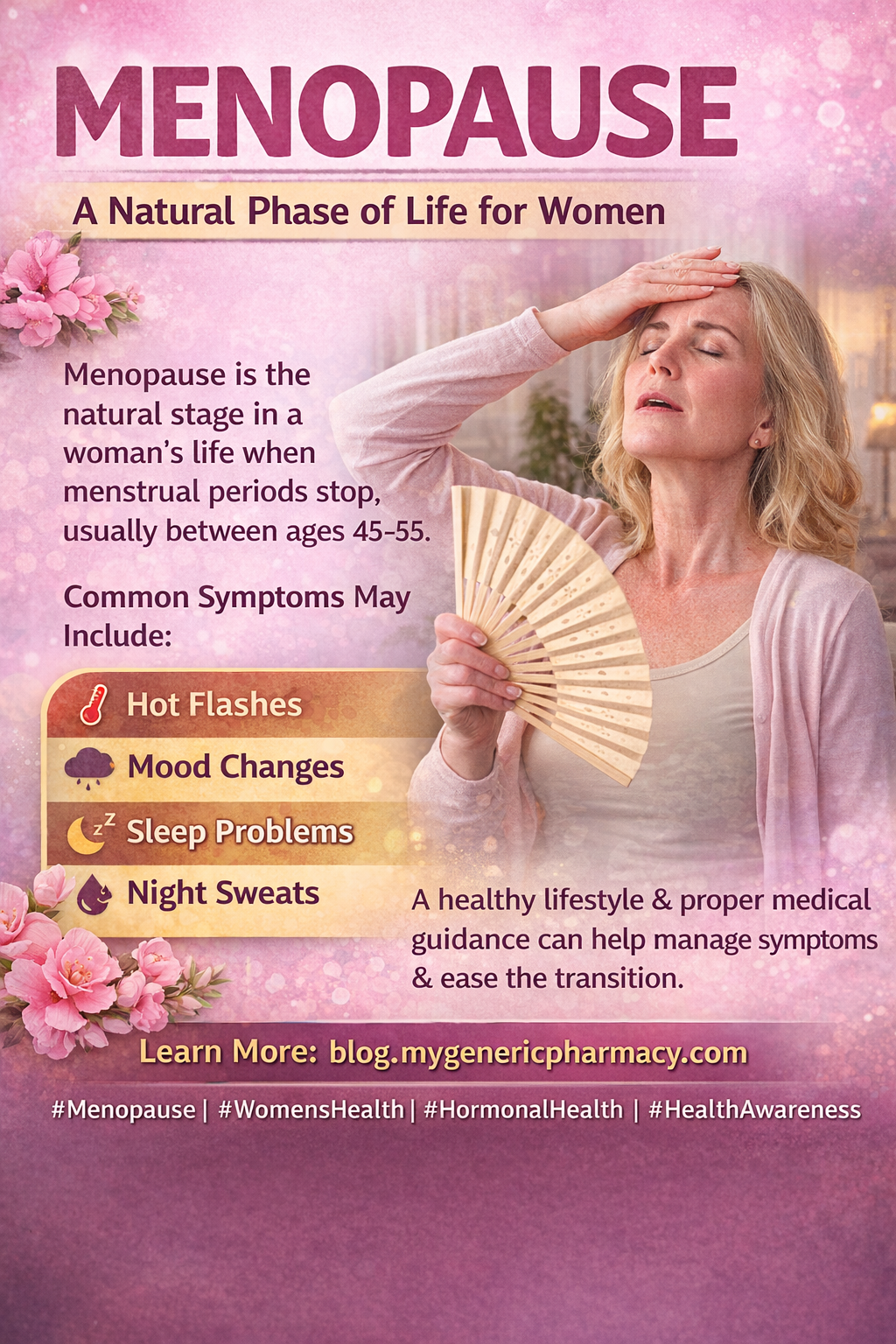
Menopause is a natural biological process that marks the end of a woman’s reproductive years. It’s not a disease or disorder—it’s a normal life transition, much like puberty. Yet despite being something every woman will experience if she lives long enough, menopause remains widely misunderstood and underdiscussed.
Understanding what’s happening in your body and knowing how to manage symptoms can transform this transition from a source of anxiety into an opportunity for renewed health and self-awareness.
What Is Menopause?
Menopause is defined as the point when a woman has gone 12 consecutive months without a menstrual period. The average age of menopause in the United States is 51, but it can occur normally anytime between ages 45 and 55 .
The transition to menopause happens in stages:
Perimenopause (The Transition)
This phase can begin 4-8 years before menopause. Ovaries gradually produce less estrogen, leading to irregular periods and the onset of symptoms. Hormone levels fluctuate unpredictably—sometimes surging, sometimes plummeting .
Menopause
The one-year mark without a period. By this point, ovaries have stopped releasing eggs and estrogen production has dramatically decreased.
Postmenopause
The years following menopause. Symptoms often ease for many women, but the lower hormone levels create long-term health considerations .
Common Symptoms and Changes
Every woman’s experience is unique. Some glide through with minimal symptoms; others find daily life disrupted.
Physical Symptoms
- Hot flashes and night sweats: The most common symptom, affecting up to 80% of women. Sudden waves of heat, flushing, and sweating can disrupt sleep and daily activities
- Sleep disturbances: Even without night sweats, many women struggle with insomnia
- Vaginal dryness and discomfort: Declining estrogen thins vaginal tissues, causing dryness, itching, and pain during intercourse
- Urinary changes: Increased urgency, frequency, or recurrent infections
- Weight gain, especially around the abdomen: Metabolic changes make weight redistribution common
- Joint and muscle aches
- Skin and hair changes: Dryness, thinning, texture changes
Emotional and Cognitive Changes
- Mood swings, irritability, anxiety
- Brain fog: Difficulty concentrating, memory lapses
- Depression: Risk increases during perimenopause, especially in women with prior history
- Decreased libido: Complex interplay of hormonal, physical, and emotional factors
Long-Term Health Considerations
Lower estrogen levels after menopause affect more than just fertility. Two major health concerns emerge:
Bone Health
Estrogen protects bones. After menopause, bone loss accelerates, increasing the risk of osteoporosis and fractures. Women can lose up to 20% of bone density in the 5-7 years after menopause .
Heart Health
Heart disease risk rises significantly after menopause. Estrogen provides cardiovascular protection; without it, risks of high blood pressure, cholesterol changes, and heart disease increase .
Managing Symptoms: Practical Strategies
Lifestyle Approaches
- Stay cool: Dress in layers, use fans, identify and avoid triggers (spicy foods, caffeine, alcohol, stress)
- Exercise regularly: 150 minutes weekly of moderate activity. Weight-bearing exercise (walking, strength training) protects bones; aerobic exercise helps heart health and mood
- Eat for health: Calcium-rich foods (dairy, leafy greens), vitamin D, limited processed foods and added sugars
- Prioritize sleep: Cool room, consistent schedule, relaxation techniques
- Manage stress: Mindfulness, yoga, deep breathing, adequate rest
- Don’t smoke, limit alcohol
Treatment Options
Hormone Therapy (HT):
The most effective treatment for hot flashes and night sweats. Estrogen (with progesterone if uterus intact) replaces declining hormones. Benefits greatest when started within 10 years of menopause. Not suitable for everyone—discuss risks and benefits with your doctor .
Non-Hormonal Medical Options:
- Antidepressants (SSRIs/SNRIs) for hot flashes and mood
- Gabapentin for night sweats
- Ospemifene for vaginal dryness
- Vaginal estrogen (low dose, minimal systemic absorption) for genitourinary symptoms
Complementary Approaches:
- Cognitive behavioral therapy (CBT) for sleep and mood
- Acupuncture (modest evidence for hot flashes)
- Hypnosis
- Pelvic floor physical therapy
Supplements to Discuss with Your Doctor
- Calcium (1,000-1,200 mg daily from food + supplements if needed)
- Vitamin D (600-800 IU daily)
- Magnesium (may help sleep, mood)
- Black cohosh, red clover, soy isoflavones (mixed evidence, discuss first)
Emotional Well-Being and Identity
Menopause coincides with other midlife transitions—children leaving home, aging parents, career changes. This “empty nest” period can be freeing or disorienting.
- Acknowledge the shift: It’s normal to grieve lost fertility while embracing new freedom
- Stay connected: Isolation worsens symptoms; maintain social bonds
- Redefine intimacy: Communicate with partners about changing needs
- Consider counseling: Especially if depression or anxiety emerge
When to See a Doctor
Consult a healthcare provider if:
- Symptoms disrupt sleep, work, or quality of life
- You experience bleeding after 12+ months without a period (needs evaluation)
- You have concerns about bone health or heart risk
- Mood changes are severe or persistent
- You want to explore treatment options
Conclusion: A New Chapter
Menopause is not an ending—it’s a transition to a new phase of life. With knowledge, support, and proactive health strategies, women can navigate this change successfully and emerge healthier and more empowered than before.
Key messages:
- It’s normal, not a disease – Understanding this reduces anxiety
- Symptoms vary widely – Your experience is your own
- Lifestyle matters – Exercise, nutrition, stress management are powerful tools
- Treatment exists – Don’t suffer in silence
- Long-term health requires attention – Bones, heart, and overall wellness need proactive care
Menopause marks the end of one chapter—but it’s also the beginning of another, often rich with wisdom, freedom, and renewed purpose.
References:
- Menopause is an inevitable component of ageing
- Mayo Clinic. Menopause – Symptoms and causes.
- Cleveland Clinic. Menopause: What It Is, Age, Stages, Signs & Side Effects.
- Johns Hopkins Medicine. Introduction to Menopause.
- National Institute on Aging. What Is Menopause?
Medications that have been suggested by doctors worldwide are available on the link below
https://mygenericpharmacy.com/category/menopause
Disclaimer: This article is for educational purposes only. Consult your healthcare provider for personalized advice about menopause management.