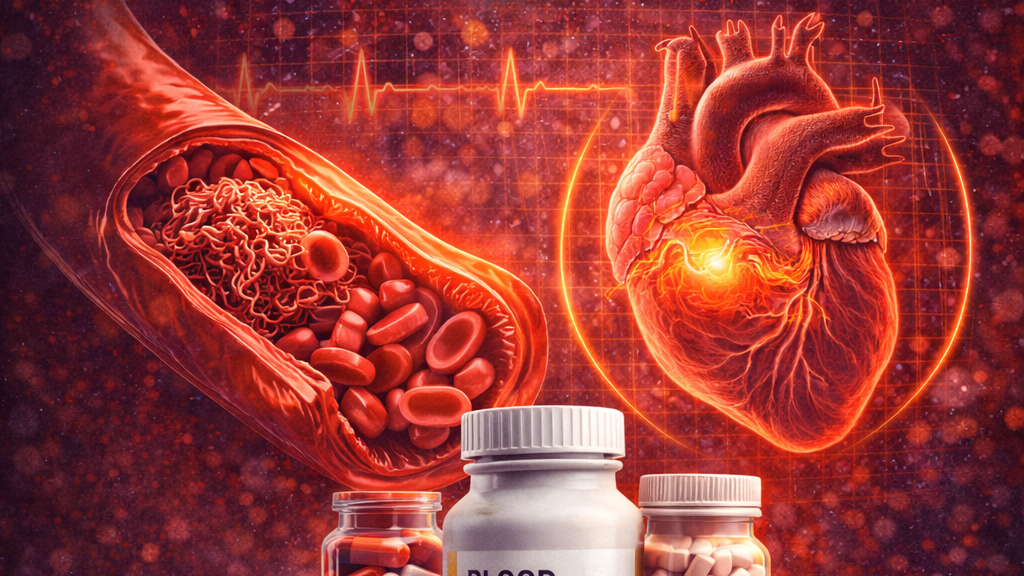
Heart disease and stroke remain the leading causes of death worldwide. One of the most effective ways to reduce these risks is through antiplatelet drugs. These medications help prevent dangerous blood clots, improving blood flow and protecting vital organs. In this guide, you’ll learn how antiplatelet drugs work, their benefits, potential risks, and when they are recommended.
What Are Antiplatelet Drugs?
Antiplatelet drugs are medications that stop blood cells called platelets from sticking together and forming clots. Normally, clotting helps prevent bleeding when you’re injured. However, unwanted clots inside blood vessels can block blood flow to the heart or brain.
These drugs are widely used to prevent serious cardiovascular events.
How Do Antiplatelets Work?
Antiplatelets interfere with the clotting process by reducing platelet activation. As a result, platelets are less likely to clump together and form blockages. This is especially important in narrow or damaged arteries, where clots can easily restrict blood flow. Therefore, these medications play a key role in preventing heart attacks and strokes.
Benefits of Antiplatelet Drugs
Antiplatelet therapy offers several important health benefits:
1. Prevents Heart Attacks
By reducing clot formation, these drugs help keep arteries open and lower the risk of heart attacks.
2. Reduces Stroke Risk
They prevent clots from reaching the brain, which can cause ischemic strokes.
3. Improves Blood Flow
Better circulation ensures that oxygen and nutrients reach vital organs efficiently.
4. Supports Post-Surgery Recovery
Patients who undergo procedures like stent placement often require antiplatelet therapy to prevent clotting around the stent.
When Do You Need Antiplatelet Drugs?
Doctors may prescribe antiplatelets in the following situations:
History of heart attack or stroke
Coronary artery disease
After angioplasty or stent placement
High risk of blood clots
Peripheral artery disease
However, these medications should only be taken under medical supervision.
Risks and Side Effects
While antiplatelet drugs are effective, they are not risk-free.
Common Side Effects
Easy bruising
Nosebleeds
Upset stomach
Serious Risks
Internal bleeding
Gastrointestinal bleeding
Increased risk of bleeding after injury
Because of these risks, it is important to follow your doctor’s instructions carefully.
Who Should Avoid Antiplatelets?
Some individuals may need to avoid or use caution with these medications:
People with bleeding disorders
Patients with stomach ulcers
Those undergoing surgery
Individuals allergic to specific drugs
Always inform your doctor about your medical history before starting treatment.
Tips for Safe Use
To use antiplatelet drugs safely:
Take medication exactly as prescribed
Avoid mixing with other blood-thinning drugs without advice
Limit alcohol consumption
Report unusual bleeding immediately
Attend regular medical checkups
These precautions can help minimize risks and maximize benefits.
Antiplatelets vs Anticoagulants: What’s the Difference?
Although both prevent clots, they work differently.
Antiplatelets stop platelets from sticking together
Anticoagulants slow down the clotting process itself
Doctors choose the right option based on your condition.
Conclusion: Protect Your Heart the Smart Way
Antiplatelet drugs are powerful tools in preventing life-threatening conditions like heart attacks and strokes. While they offer significant benefits, they must be used carefully due to potential risks. Understanding when and how to use these medications can help you make informed decisions about your health. Always consult your doctor before starting or stopping any medication.
Stay informed, follow medical advice, and take steps to protect your heart health.
What Are Blood Thinners? Complete Guide for Patients
A comprehensive guide to blood thinners covering types, uses, side effects, and safety tips for patients and caregivers.
Introduction: Life-Saving Medications with Serious Responsibilities
Blood thinners—medically known as anticoagulants and antiplatelets—are among the most commonly prescribed medications worldwide. For millions of people with conditions like atrial fibrillation, deep vein thrombosis, pulmonary embolism, or mechanical heart valves, these drugs are not optional. They are life-saving.
But blood thinners come with a critical trade-off: they dramatically reduce the risk of dangerous clots while increasing the risk of bleeding. Understanding both sides of this equation—the benefits and the risks—is essential for using these medications safely and effectively.
What Are Blood Thinners?
Despite their name, blood thinners do not actually thin the blood. Instead, they interfere with the body’s complex clotting process to prevent harmful clots from forming or growing larger .
Heart attack prevention, after stent placement,某些 strokes
The choice depends on your specific condition, other health factors, and individual risk profile .
The Benefits: Why Blood Thinners Matter
Blood thinners save lives by preventing dangerous clots that can cause:
Stroke: In atrial fibrillation, the heart doesn’t empty completely, allowing blood to pool and form clots. These clots can travel to the brain. Anticoagulants reduce stroke risk by 50-70% .
Pulmonary embolism (PE): Clots that form in leg veins (DVT) can break loose and travel to the lungs—a life-threatening emergency
Heart attack: Antiplatelets prevent clots from forming in coronary arteries
Clot extension: Stop existing clots from growing larger
Recurrence: Reduce the risk of repeat clots
For people with mechanical heart valves, anticoagulation is not optional—it’s essential for survival .
The Risks: Understanding Bleeding Danger
The primary risk of blood thinners is bleeding—internal or external—because the blood can’t clot normally .
Common Bleeding Signs
Easy bruising
Nosebleeds
Bleeding gums when brushing
Heavy menstrual periods
Cuts that take longer than usual to stop bleeding
Serious Bleeding (Seek Immediate Help)
Vomiting blood or material that looks like coffee grounds
Blood in urine (pink, red, or cola-colored)
Blood in stool (bright red or black/tarry)
Severe headache (possible brain bleed)
Coughing up blood
Unusual pain or swelling in a joint or muscle
Dizziness, weakness, or fainting
Other Important Risks
Drug interactions: Many medications affect blood thinner levels
Diet interactions: Especially with warfarin (vitamin K)
Fall risk: Particularly in older adults
Spinal hematoma: Rare but serious with certain procedures (epidurals, spinal injections)
Reversal challenges: Some blood thinners have limited reversal options in emergencies
Types of Blood Thinners: Key Differences
Warfarin (Coumadin)
The oldest oral anticoagulant. Requires regular blood monitoring (INR test) to ensure levels stay in therapeutic range (typically 2-3). Affected by vitamin K intake (leafy greens) and many medications. Has reversal agents (vitamin K, fresh frozen plasma) .
Pros: Well-understood, inexpensive, reversible Cons: Frequent monitoring, diet restrictions, many drug interactions
Limited reversal agents (now available for most, but not everywhere)
Caution with kidney disease
Antiplatelets
Aspirin, clopidogrel, and others work differently. Often used together (dual antiplatelet therapy) after stents. Increased bleeding risk similar to anticoagulants .
Safe Use: Your Action Plan
Medication Management
Take exactly as prescribed: Same time daily, never skip doses
Use pill organizers: Prevents double-dosing or missed doses
Set reminders: Phone alarms help with consistency
Never stop suddenly: Can cause rebound clotting
Keep a current medication list: Share with all providers
Medical Alert
Wear medical ID jewelry: Informs emergency responders
Carry an anticoagulant card: Lists medication and doctor contact
Inform ALL providers: Including dentists, pharmacists, surgeons
Before Procedures
Tell every doctor about blood thinners before any procedure
Discuss stopping: Usually stopped 1-5 days before, depending on medication
Get clear instructions: When to restart afterward
Diet Considerations
For Warfarin:
Consistent vitamin K intake is key—not avoidance
Foods high in vitamin K: Leafy greens (kale, spinach, collards), broccoli, Brussels sprouts
Contact your healthcare provider immediately if you:
Fall or hit your head (even without symptoms—head bleeds can be delayed)
Notice signs of bleeding (any unusual bleeding)
Have planned surgery or procedure
Are prescribed a new medication
Suspect pregnancy or are planning to conceive
Have vomiting or diarrhea lasting >24 hours (affects medication levels)
Are unable to take medication as scheduled
Common Myths and Misconceptions
❌ Myth: Blood thinners make you bleed to death from a small cut. ✅ Fact: Minor cuts may bleed longer but are rarely dangerous. Apply firm pressure for 10 minutes.
❌ Myth: You can’t take aspirin with blood thinners. ✅ Fact: Sometimes prescribed together (dual therapy), but only under medical supervision. Never add aspirin without doctor approval.
❌ Myth: You should avoid all leafy greens on warfarin. ✅ Fact: Consistency matters, not avoidance. Eat the same amount consistently.
❌ Myth: Natural blood thinners (ginger, garlic) can replace prescription medications. ✅ Fact: They may affect clotting but cannot replace prescribed anticoagulants. Discuss all supplements with your doctor.
❌ Myth: If you feel fine, you can stop taking them. ✅ Fact: Blood thinners prevent future events. Stopping without medical guidance can cause life-threatening clots.
Special Populations
Pregnancy
Blood thinners require careful selection. Warfarin is unsafe for the fetus; heparin or enoxaparin are often used. Close monitoring with a high-risk obstetrician is essential .
Older Adults
Higher bleeding risk and fall risk. May need lower doses and careful monitoring. Home safety assessments are important.
Kidney Disease
DOACs require dose adjustment or avoidance based on kidney function. Regular blood tests are needed .
People with Cancer
Higher clot risk. Blood thinners often needed, but bleeding risk also higher. Requires specialized management .
The Future: Advances in Anticoagulation
Research continues to improve blood thinner safety and convenience:
Reversal agents: Specific antidotes now available for DOACs
Reversal agents: Vitamin K, prothrombin complex concentrates for warfarin
Newer agents: With even fewer interactions and more predictable dosing
Personalized medicine: Genetic testing to guide warfarin dosing
Disclaimer: This article is for educational purposes only. Always consult your healthcare provider before starting, stopping, or changing any blood thinner medication. If you experience signs of serious bleeding, seek emergency care immediately.
Blood Thinners: Benefits, Risks & How to Use Them Safely
Learn how blood thinners work, their benefits, possible risks, and safety tips. Understand how these medications help prevent dangerous blood clots.
Blood thinners—medically known as anticoagulants and antiplatelets—are among the most commonly prescribed medications worldwide. They prevent dangerous blood clots that can cause heart attacks, strokes, and pulmonary embolisms. For millions of people with conditions like atrial fibrillation, deep vein thrombosis, or mechanical heart valves, these medications are not optional—they are life-saving.
But blood thinners come with a catch. They increase bleeding risk and require careful management. Understanding how they work, their benefits, and how to use them safely can mean the difference between protection and complications.
What Are Blood Thinners?
Despite their name, blood thinners do not actually thin the blood. Instead, they interfere with the body’s complex clotting process to prevent harmful clots from forming or growing larger.
Two Main Types
Anticoagulants:
Slow clotting by targeting specific proteins in the coagulation cascade
After a heart attack or stent: Prevents future events
History of stroke: Reduces recurrence risk
Thrombophilia: Inherited clotting disorders
Benefits: Why They Matter
Blood thinners provide life-saving protection :
Stroke reduction: In atrial fibrillation, anticoagulants reduce stroke risk by 50-70%
Prevent clot extension: Stop existing clots from growing
Reduce recurrence: Lower risk of repeat DVT or PE
Save lives: Essential for mechanical heart valve patients
Post-surgery protection: Prevent clots after joint replacement
Risks: Understanding Bleeding Danger
The primary risk is bleeding—internal or external—because the blood can’t clot normally.
Common Bleeding Signs
Easy bruising
Nosebleeds
Bleeding gums when brushing
Heavy menstrual periods
Cuts that take longer to stop bleeding
Serious Bleeding (Seek Immediate Help)
Vomiting blood or material like coffee grounds
Blood in urine (pink, red, or cola-colored)
Blood in stool (red or black/tarry)
Severe headache (possible brain bleed)
Coughing up blood
Unusual pain or swelling in a joint or muscle
Other Risks
Drug interactions: Many medications affect blood thinner levels
Diet interactions: Especially with warfarin (vitamin K foods)
Falls risk: Elderly patients at higher bleeding risk
Spinal hematoma: Rare but serious with certain procedures
Types of Blood Thinners: Key Differences
Warfarin (Coumadin)
The oldest oral anticoagulant. Requires regular blood monitoring (INR) to ensure levels stay in the therapeutic range (typically 2-3). Affected by diet (vitamin K) and many medications. Reversible with vitamin K.
DOACs (Direct Oral Anticoagulants)
Newer options include apixaban (Eliquis), rivaroxaban (Xarelto), edoxaban (Savaysa), and dabigatran (Pradaxa). Advantages include:
No routine blood monitoring
Fewer food interactions
Fixed dosing
Rapid onset/offset
Disadvantages: Higher cost, limited reversal agents (though now available for most), caution in kidney disease.
Antiplatelets
Aspirin, clopidogrel, and others work differently. Often used together (dual antiplatelet therapy) after stents. Increased bleeding risk similar to anticoagulants
Safe Use: Your Action Plan
Medication Management
Take exactly as prescribed – Same time daily, never skip doses
Use pill organizers – Prevent double-dosing or missed doses
Set reminders – Phone alarms help with consistency
Never stop suddenly – Can trigger rebound clotting
Keep a current medication list – Share with all providers
Medical Alert
Wear medical ID jewelry – Informs emergency responders
Carry anticoagulant card – Lists medication and doctor contact
Inform ALL providers – Inincludingentists, pharmacists, and surgeons
Before Procedures
Tell every doctor about blood thinners before any procedure
Discuss stopping – Usually stopped 1-5 days before, depending on medication
Bridging therapy – Some need heparin while off oral meds
Get clear instructions – When to restart afterward
Diet Considerations
For Warfarin:
Consistent vitamin K intake is key—not avoidance
Foods high in vitamin K: Leafy greens (kale, spinach, collards), broccoli, Brussels sprouts
Know the location of medical facilities at the destination
Stay hydrated on long flights
Home Safety
Remove tripping hazards (loose rugs, clutter)
Use nightlights in hallways and bathrooms
Install grab bars in showers
Keep sharp objects secured
Special Populations
Older Adults
Higher bleeding risk, fall risk. May need lower doses, careful monitoring. Home safety assessments essential.
Pregnancy
Blood thinners require careful selection. Warfarin is unsafe for the fetus; heparin or enoxaparin is often used. Close monitoring with a high-risk obstetrician.
Kidney Disease
DOACs require dose adjustment or avoidance based on kidney function. Regular blood tests are needed.
Liver Disease
Affects clotting factor production. May alter anticoagulant choice and dosing.
When to Call Your Doctor
Contact a healthcare provider immediately if:
Falls or hits head (even without symptoms)
Signs of bleeding (any unusual bleeding)
Planned surgery or procedure
New medication prescribed
Pregnancy suspected or planned
Vomiting or diarrhea lasting >24 hours (affects medication levels)
Unable to take medication as scheduled
Conclusion: Respect, Not Fear
Blood thinners save lives—plain and simple. For people who need them, the benefits far outweigh the risks. The key is using them wisely: taking them exactly as prescribed, understanding interactions, monitoring for problems, and staying in close contact with healthcare providers.
With proper education and precautions, millions of people live full, active lives on blood thinners. You can too.
Disclaimer: This article is for educational purposes only. Always consult your healthcare provider before starting, stopping, or changing any blood thinner medication.