Browsed by
Category: HIV

From Infection to Protection: The Complete Guide to Antiviral Medications

From Infection to Protection: The Complete Guide to Antiviral Medications

Viral infections—from seasonal flu to chronic diseases like hepatitis and HIV affect millions of people worldwide. Unlike bacterial infections, viruses require targeted treatment strategies. This is where antiviral medications play a critical role. In this comprehensive guide, we’ll explore how antiviral drugs work, their benefits, limitations, and what you need to know to use them safely.


What Are Antiviral Medications?

Antiviral medications are drugs designed to treat viral infections by inhibiting the development and spread of viruses within the body. Unlike antibiotics, which kill bacteria, antivirals work by interfering with the virus’s life cycle.

They are commonly used to treat:


How Do Antiviral Medications Work?

Viruses replicate by invading host cells and using them to produce more virus particles. Antiviral medications disrupt this process at different stages.

1. Blocking Viral Entry

Some antivirals prevent viruses from entering healthy cells, stopping infection early.

2. Inhibiting Replication

Many drugs interfere with viral genetic material, reducing the virus’s ability to multiply.

3. Preventing Viral Release

Certain antivirals stop new virus particles from leaving infected cells, limiting further spread.

This multi-targeted approach makes antivirals effective in controlling infections.


Common Antiviral Medications

Several antiviral drugs are widely used in clinical practice:

  • Oseltamivir
  • Acyclovir
  • Remdesivir
  • Tenofovir

Each medication is designed to target specific viruses and should be used under medical supervision.


Benefits of Antiviral Medications

1. Faster Recovery

Antivirals can shorten the duration of illness and reduce symptom severity when taken early.

2. Reduced Risk of Complications

They help prevent severe outcomes, especially in high-risk individuals such as the elderly or those with chronic conditions.

3. Lower Transmission

By reducing viral load, antivirals may decrease the risk of spreading infections to others.

4. Long-Term Disease Management

For chronic viral infections like HIV, antivirals allow patients to live longer, healthier lives.


When Should You Take Antivirals?

Timing is crucial. For conditions like influenza, medications such as Oseltamivir are most effective when started within 24–48 hours of symptom onset.

Doctors may also prescribe antivirals:

  • For severe infections
  • For immunocompromised patients
  • As preventive therapy for certain exposures

Safety and Side Effects

Antiviral medications are generally safe but may cause side effects such as:

  • Nausea
  • Headache
  • Fatigue
  • Digestive discomfort

Serious side effects are rare but possible. Always follow your doctor’s guidance and avoid self-medication.


Limitations of Antiviral Drugs

Despite their benefits, antivirals have some limitations:

  • They may not completely eliminate the virus
  • Drug resistance can develop over time
  • Not all viruses have effective antiviral treatments
  • Effectiveness often depends on early use

Ongoing research continues to improve antiviral therapies and expand treatment options.


Supporting Your Immune System

In addition to medication, lifestyle choices can strengthen your body’s ability to fight infections:

  • Eat a balanced diet rich in nutrients
  • Stay hydrated
  • Get adequate sleep
  • Practice good hygiene
  • Manage stress effectively

A strong immune system enhances the effectiveness of antiviral treatment.


Final Thoughts

Antiviral medications are a cornerstone of modern medicine, offering effective treatment and prevention for a wide range of viral infections. From acute illnesses like the flu to chronic conditions such as HIV, these drugs play a vital role in improving patient outcomes.

Medications like Acyclovir and Tenofovir have revolutionized care, making viral diseases more manageable than ever before.

Understanding how antivirals work—and using them responsibly—can help you protect your health and recover faster.


References:

  1. World Health Organization – Guidelines on viral infections and treatment
  2. Centers for Disease Control and Prevention – Antiviral medication usage and influenza treatment
  3. National Institutes of Health – Research on antiviral drug mechanisms
  4. U.S. Food and Drug Administration – Approval and safety of antiviral drugs
  5. Mayo Clinic – Clinical information on viral infections and treatments

Medications that have been suggested by doctors worldwide are available on the link below
https://mygenericpharmacy.com/category/anti-viral/famvir
Preventing Dangerous Infections: Why Plasma Is Tested for Hepatitis C and HIV

Preventing Dangerous Infections: Why Plasma Is Tested for Hepatitis C and HIV

Hepatitis C and HIV Screening Before Plasma Fractionation
Plasma is tested for Hepatitis C RNA and Human Immunodeficiency Virus antibodies before fractionation to ensure blood safety and prevent transmission of dangerous infections.

Every time a patient receives a lifesaving plasma transfusion, or a person sits down to donate plasma for compensation, an invisible war is being fought in laboratories across the country. The enemy? Microscopic viruses like Hepatitis C (HCV) and Human Immunodeficiency Virus (HIV) could turn a medical miracle into a lifelong tragedy.

Blood plasma—the straw-colored liquid component of blood—is essential for treating burn victims, immune deficiencies, and bleeding disorders. But because it is derived from human donors, it carries the potential to transmit disease. This is why the phrase “plasma tested for hepatitis C and HIV” is not just regulatory jargon; it is a life-saving promise.

Here is a look behind the lab curtain to understand why rigorous testing is mandatory, how it works, and what it means for the safety of the plasma supply.

The Legacy of Contamination: Why We Test

To understand the importance of testing, we have to look back at the “tainted blood” crises of the late 20th century. Before reliable screening was available, thousands of people with hemophilia and other bleeding disorders were infected with HIV and Hepatitis C through contaminated blood products.

In the UK and Europe, this scandal affected over 30,000 patients between the 1970s and early 1990s, leading to thousands of deaths. In the United States, the tragedy spurred the government to overhaul the blood supply system entirely.

These historical disasters taught the medical community a brutal lesson: You cannot trust the source; you must test the product. Donors can be asymptomatic carriers. They may genuinely believe they are healthy, or they may omit risk factors due to social stigma or a desire for financial compensation. Nucleic Acid Testing (NAT) removes the human error from the equation.

The Enemy Within: Hepatitis C and HIV

Why focus specifically on Hepatitis C and HIV? While plasma is tested for a battery of pathogens (including Hepatitis B and Syphilis), HCV and HIV are particularly dangerous for two reasons: they have long “window periods,” and they establish chronic, lifelong infections.

  • Hepatitis C (HCV): Often called a “silent epidemic,” Hepatitis C attacks the liver. It can live in the body for decades without causing symptoms, slowly causing cirrhosis or liver cancer. Before widespread testing, it was the most common chronic bloodborne infection in the United States.
  • HIV (Human Immunodeficiency Virus): HIV attacks the body’s immune system, specifically the CD4 cells (T cells), making it difficult to fight off infections. If left untreated, it leads to Acquired Immunodeficiency Syndrome (AIDS). While modern antiretrovirals make it manageable, it remains incurable and life-altering.

The Science of Safety: How Plasma Is Tested

When you donate plasma, either at a collection center for fractionation (manufacturing into medicines) or for direct transfusion, your donation undergoes a gauntlet of testing. The gold standard today is Nucleic Acid Testing (NAT).

Unlike older antibody tests that look for the body’s response to a virus (which can take weeks to develop), NAT looks for the genetic material of the virus itself. This drastically shrinks the “window period”—the time between when a person is infected and when the test can detect it.

Here is the typical process:

  1. Initial Screening: When you donate, you answer a detailed questionnaire about your medical history and risk factors.
  2. Laboratory Testing: A sample of your plasma is sent to a lab. Using NAT technology, technicians look for the RNA (ribonucleic acid) of HIV and HCV. These tests are incredibly sensitive and can detect a handful of viral particles among millions of human cells.
  3. Quarantine: The donated plasma is placed in “quarantine” and cannot be released for use until all test results come back negative.
  4. Serology Tests: Labs also run serology tests to look for antibodies (like the HIV p24 antigen and anti-HCV), providing a secondary layer of defense in case the viral load is too low for NAT detection.
  5. Lookback: If a donor tests positive, previous donations from that individual are traced, located, and destroyed if they are still in the supply chain.

What Happens If a Test Comes Back Positive?

Plasma centers operate on a strict “zero-risk” policy. If a sample tests reactive (positive) on a screening test, it is retested in duplicate to confirm.

If confirmed positive:

  • The Unit is Destroyed: The specific bag of plasma is incinerated or disposed of as biohazardous waste. It never reaches a patient.
  • Donor Notification: The donor is notified of the result (usually by a medical professional) and is counseled on the next steps for their own health. They are permanently deferred from donating plasma or blood in the future.

The Result: The Safest Supply in History

Thanks to these rigorous measures, the blood and plasma supply in North America and Europe is safer today than it has ever been. The risk of transfusion-transmitted HIV or HCV is now estimated to be less than 1 in 2 million units.

For patients with Primary Immunodeficiency Diseases who rely on weekly infusions of plasma-derived immunoglobulins, this safety margin is non-negotiable. It allows them to live normal lives without the fear that their medicine might make them sicker.

Conclusion

The phrase “plasma tested for Hepatitis C and HIV” is a testament to modern medicine’s ability to learn from past mistakes. Through Nucleic Acid Testing, stringent donor screening, and quarantine protocols, the industry ensures that the gift of plasma saves lives—without endangering them.

If you are considering donating plasma, rest assured that your safety and the safety of the recipients are protected by some of the most advanced virology screening in the world.


Disclaimer: This blog post is for informational purposes only and does not constitute medical advice. If you have concerns about bloodborne pathogens or your eligibility to donate, please consult a healthcare professional.


References:

https://pmc.ncbi.nlm.nih.gov/articles/PMC12473043/
https://www.cdc.gov/hepatitis-surveillance-2023/hepatitis-c/index.html
https://www.fda.gov/regulatory-information/search-fda-guidance-documents/recommendations-evaluating-donor-eligibility-using-individual-risk-based-questions-reduce-risk-human
https://pubmed.ncbi.nlm.nih.gov/30808637/

Medications that have been suggested by doctors worldwide are available on the link below
https://mygenericpharmacy.com/category/hiv

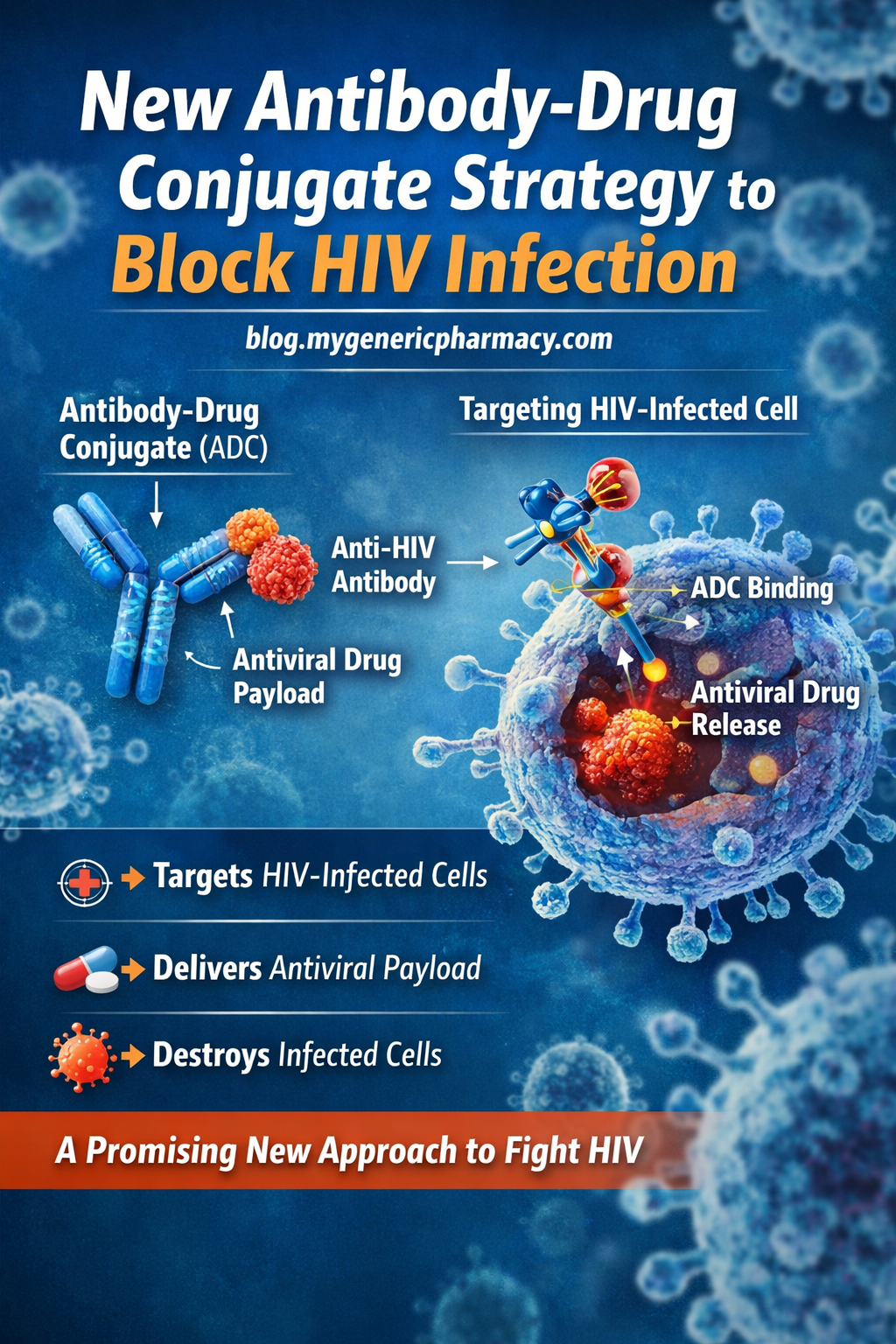
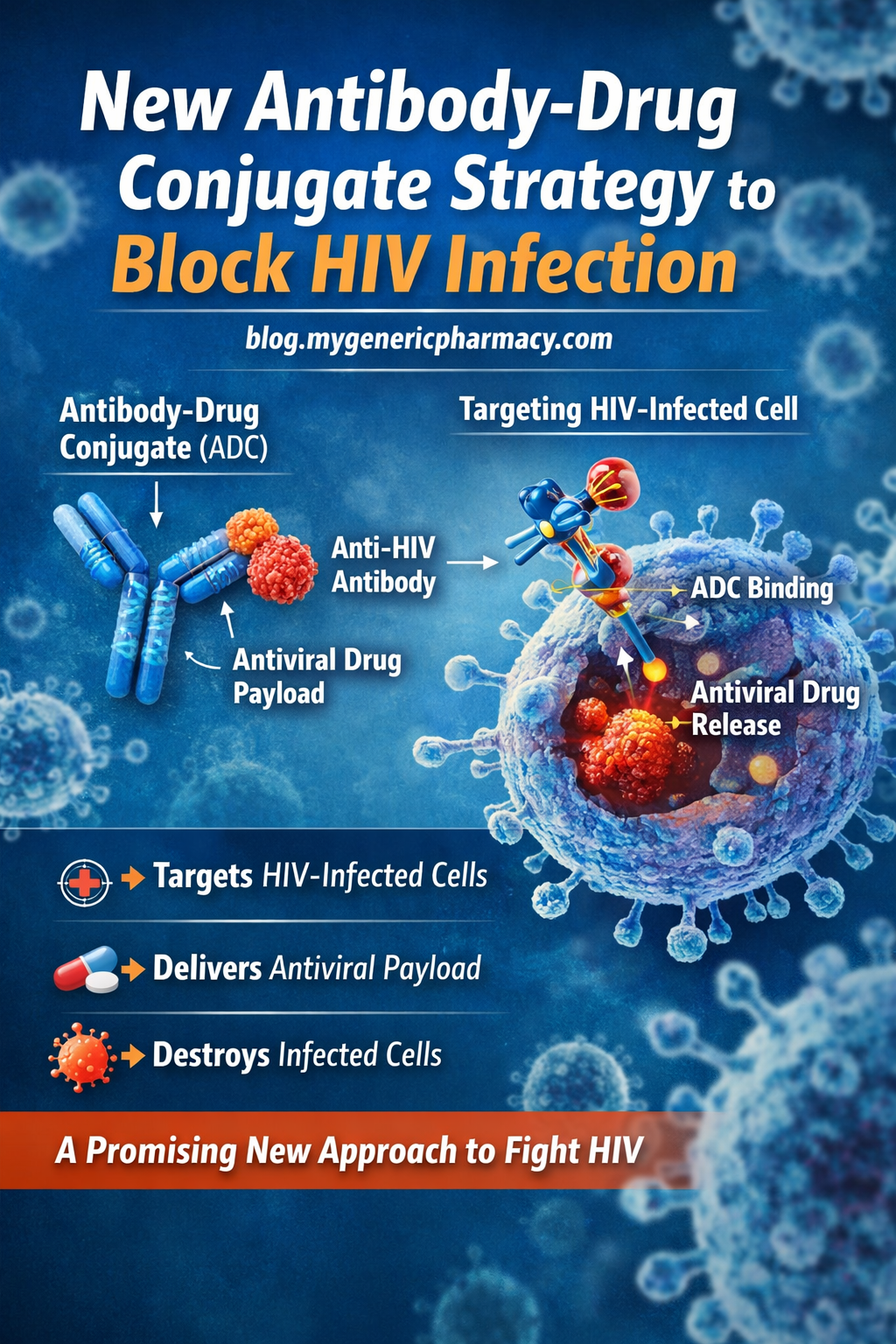
Breakthrough: New Antibody-Drug Conjugate Strategy Could Block HIV Infection

Breakthrough: New Antibody-Drug Conjugate Strategy Could Block HIV Infection

Antibody-Drug Conjugate Strategy to Block HIV Infection
Scientists develop a new antibody-drug conjugate strategy that targets infected cells and may help block HIV infection, offering hope for more effective HIV treatment.

Scientists are developing an innovative treatment approach called antibody-drug conjugates (ADCs) that may help block and prevent infection from Human Immunodeficiency Virus more effectively than traditional therapies.


🔬 What Is the New Strategy?

Researchers combine a powerful antibody with a targeted antiviral drug to create a single molecule called an antibody-drug conjugate (ADC).

This ADC works like a guided missile:

  1. Antibody component – recognizes and binds specifically to HIV-infected cells.
  2. Drug component – delivers a toxic or antiviral payload directly into those infected cells.
  3. Targeted killing – destroys the infected cells without harming healthy ones.

🧪 How It May Block HIV Infection

The new strategy aims to stop HIV in multiple ways:

  • Targeting infected cells early before the virus spreads.
  • Blocking viral entry into immune cells.
  • Delivering antiviral drugs directly to the virus reservoir.
  • Reducing viral replication more efficiently.

This targeted method could help overcome one of the biggest challenges of HIV treatmenthidden viral reservoirs that allow the virus to persist in the body.


💡 Why This Approach Is Important

Current treatments like antiretroviral therapy (ART) control HIV but do not completely eliminate the virus. ADC-based therapies could:

✔ Improve precision treatment
✔ Reduce drug toxicity
✔ Target latent HIV reservoirs
✔ Potentially move closer to a functional cure


🧬 Potential Benefits

  • Highly targeted therapy
  • May reduce the number of medications needed
  • Could help prevent viral rebound
  • May work alongside existing HIV therapies

⚠️ Current Status

The ADC strategy is still in early research and experimental stages, but early studies show promising results. Clinical trials will be required before it becomes a standard treatment.


📌 Bottom Line

This antibody-drug conjugate approach represents a promising new direction in the fight against Human Immunodeficiency Virus, potentially helping scientists develop treatments that not only control the virus but may eventually block or eliminate infection.

Reference:

https://pmc.ncbi.nlm.nih.gov/articles/PMC8282362/
https://www.sciencedirect.com/science/article/pii/S2405844023032346
https://pmc.ncbi.nlm.nih.gov/articles/PMC12792407/
https://www.nature.com/articles/s41698-025-01159-2

Medications that have been suggested by doctors worldwide are available on the link below
https://mygenericpharmacy.com/category/hiv

Inside Antiviral Medications: Mechanisms, Benefits, and What You Need to Know

Inside Antiviral Medications: Mechanisms, Benefits, and What You Need to Know

Introduction: The Battle Against Viral Infections

Viruses are among the most common causes of human illness, responsible for everything from the common cold to COVID-19, influenza, HIV, and hepatitis. Unlike bacteria, which are independent organisms that can be killed with antibiotics, viruses are tricky pathogens that hijack your body’s own cells to reproduce. This is why treating viral infections requires a completely different approach—one that involves the use of antiviral drugs.

What Are Antivirals?

Antivirals are medications specifically designed to treat viral infections by inhibiting the development and reproduction of viruses . Unlike antibiotics, which kill bacteria, antivirals work by slowing down viral replication, giving your immune system time to mount an effective defense.

Key points:

  • Antivirals do not destroy viruses but prevent them from multiplying
  • They are most effective when started early in the infection
  • Some antivirals prevent infection (prophylaxis), while others treat active disease
  • Different antivirals target different viruses

How Do Antivirals Work?

Viruses go through several steps to infect cells and reproduce. Antivirals target specific stages of this lifecycle :

  1. Entry inhibitors – Block viruses from entering host cells
  2. Uncoating inhibitors – Prevent viruses from releasing their genetic material
  3. Reverse transcriptase inhibitors – Block viral DNA synthesis
  4. Protease inhibitors – Interfere with viral protein assembly
  5. Neuraminidase inhibitors – Prevent new viruses from leaving infected cells
  6. Integrase inhibitors – Block viral DNA from integrating into host DNA

Common Types of Antiviral Drugs

For Influenza (Flu)

  • Oseltamivir (Tamiflu) – Reduces symptom duration by 1-2 days if taken within 48 hours
  • Zanamivir (Relenza) – Inhaled powder for flu treatment
  • Baloxavir marboxil (Xofluza) – Single-dose treatment

For Herpes Viruses (HSV, VZV)

  • Acyclovir (Zovirax) – Treats cold sores, genital herpes, shingles
  • Valacyclovir (Valtrex) – Better absorption, less frequent dosing
  • Famciclovir (Famvir) – For herpes zoster and HSV

For HIV

  • Combination antiretroviral therapy (ART) uses multiple drugs from different classes to suppress viral load and prevent AIDS progression

For Hepatitis B and C

  • Tenofovir, entecavir for hepatitis B
  • Sofosbuvir, ledipasvir for hepatitis C (now curable)

For COVID-19

  • Paxlovid (nirmatrelvir/ritonavir) – Oral antiviral for high-risk patients
  • Remdesivir (Veklury) – IV antiviral for hospitalized patients

When Are Antivirals Used?

Doctors prescribe antivirals for :

  • Treatment of active viral infections (flu, herpes, COVID-19)
  • Prevention (prophylaxis) after exposure (e.g., flu, HIV)
  • Suppression of recurrent infections (e.g., genital herpes)
  • Chronic viral infections (HIV, hepatitis B)

Side Effects and Considerations

Like all medications, antivirals can cause side effects :

  • Common: Nausea, headache, diarrhea
  • Serious (rare): Kidney problems, liver toxicity, neurological effects

Important: Antivirals are prescription medications and should only be taken under medical supervision. Misuse can lead to drug resistance, making infections harder to treat.

Antiviral vs. Antibiotic: Know the Difference

AntiviralAntibiotic
Treats viral infectionsTreats bacterial infections
Slows virus reproductionKills bacteria or stops growth
Useless against bacteriaUseless against viruses

Taking antibiotics for viral infections (like colds or flu) contributes to antibiotic resistance and won’t help you recover.

Conclusion: A Critical Tool in Modern Medicine

Antiviral drugs have revolutionized the treatment of viral infections, turning once-deadly diseases like HIV into manageable chronic conditions and shortening the duration of common illnesses like flu and herpes. As research continues, new antivirals are being developed for emerging threats, ensuring we stay one step ahead in the ongoing battle between humans and viruses.


References:
https://my.clevelandclinic.org/health/treatments/antivirals
https://pmc.ncbi.nlm.nih.gov/articles/PMC7975490/
https://www.physio-pedia.com/Antiviral_Drugs
https://www.sciencedirect.com/science/article/pii/S2452199X25002245
https://pmc.ncbi.nlm.nih.gov/articles/PMC2871161/

Medications that have been suggested by doctors worldwide are available on the link below
https://mygenericpharmacy.com/category/anti-viral


Disclaimer: This article is for educational purposes only. Always consult a healthcare provider before taking any medication.

Two HIV diagnoses and the difference a decade makes.

Two HIV diagnoses and the difference a decade makes.

Many HIV-positive individuals view their illness as a chronic illness. However, this wasn’t always the case. A diagnosis of HIV was practically equivalent to a death sentence until treatments were developed that could effectively suppress the virus.

For people with HIV and AIDS, the first combination antiretroviral treatments’ approval in the late 1990s changed everything. These days, taking preventive medication can lower the risk of HIV infection. In many regions of the world, the number of cases of the virus is gradually decreasing. However, we are still a long way from completely eliminating the virus or effectively resolving the complex problems that HIV-positive individuals must deal with.

I spoke with two HIV-positive individuals to find out how much has changed since the initial reports of a rare lung infection in 1981. Dr. Robert Garofalo teaches pediatrics at Ann and Robert H. Feinberg School of Medicine in Chicago, Illinois, and serves as Chief of Adolescent Medicine in the Department of Pediatrics there. Lurie Children’s Hospital in Chicago. In 2010, Rob was diagnosed with HIV.

The other is my friend Christopher, who was a dancer before retraining to become a dispensing optician after working as a childcare provider in Chicago and the United Kingdom. Christopher returned to the United States. The K. in 1994. Soon after, he discovered that he had AIDS. Rob and Christopher both discussed how they learned they were HIV positive during our talk. They discussed the key elements that enabled them to deal with their diagnosis and long-term HIV infection. We also talked about their opinions on the stigma that still surrounds people with HIV and what might happen in the future.

When I was in college in the middle of the 1980s, I vividly recall people getting sick, going to the hospital, and then returning to their dorm. There was simply a great deal of stigma and secrecy. It was a very difficult period to deal with back then. Another instance caught Rob’s attention. Princess Diana gave a 7-year-old boy with AIDS a hug during a visit to Harlem Hospital in New York City in 1989. I believe that image has always struck a chord with me. It is among the first times I can recall people considering and discussing the HIV epidemic as a pediatrician and caregiver.

As the Research Editor for Medical News Today, I have been tracking changes in HIV treatment over the years. My earliest memory dates back to 1987, when Zidovudine—also known as AZT—was approved by the Food and Drug Administration (FDA) as the first medication to treat HIV. When I was six years old, I had a lot of questions about the AIDS disease that I had heard about on the news. My parents clarified that this was a novel illness that was killing a lot of people. They promised that a cure and possibly a vaccine would be available by the time I was older.

Over 78 million people have been infected with HIV since the 1980s, according to the Joint United Nations Programme on HIV and AIDS (UNAIDS). AIDS-related illness has claimed the lives of over 35 million people. Approximately 38 million people worldwide were HIV positive in 2019, with 1.8 million of them being children under the age of 14. Approximately 26 million individuals received retroviral therapy globally in 2020. Conversely, this indicates that approximately 12 million individuals are not utilizing this potentially life-saving procedure. Compared to the peak year of 1998, the annual number of new HIV infections has decreased by 40%. Compared to the peak in 2004, AIDS-related deaths have decreased by 60% annually. Although these figures are striking, AIDS-related illness claimed the lives of about 690,000 people in 2019.

The Centers for Disease Control and Prevention (CDC) estimates that 1.2 million Americans are HIV positive. HIV-related causes accounted for 5,534 of the 16,358 HIV-positive deaths in 2017. These numbers amply demonstrate the enormous advancements in HIV prevention, diagnosis, and treatment. Rob’s opinions on whether we had made enough progress were very clear. In the last 25 to 30 years, we have made significant progress in public health. Not only are the drugs beneficial, but they can save lives.

However, there is still much to be done to address the stigma experienced by HIV-positive individuals. Additionally, there are still certain issues with prevention and ensuring that these life-saving drugs are available everywhere in the world. Christopher used the occasion to consider how much has changed since he first learned about HIV and AIDS. I started witnessing people I knew getting very sick and passing away quickly. When I first moved to Chicago, one of my closest friends was among the first to get the illness and pass away quickly. It therefore struck me really, really hard.

Then, many of my clients simply passed away in the late 1980s. It was a common topic of discussion and thought in gay society. Christopher remembered a lot of these discussions. Some involved going to the hospital to visit a friend who was ill. There, he would meet his friend’s parents, and soon after, the friend would pass away. When combination therapy was introduced, the disease was no longer seen as a fatal condition, which completely altered people’s perceptions of it. Naturally, it then developed into what it is today, which is comparable to having diabetes. It’s a fantastic thing. For myself, as well as for everyone else.

Christopher brings up some extremely significant issues. A pivot was made. At some point in the late 1990s, people started to view HIV and AIDS as chronic illnesses rather than diseases that were universally perceived as fatal. As a doctor and pediatrician, my HIV practice used to be primarily inpatient, but it is now primarily outpatient. I now discuss with my patients the importance of having retirement plans and making plans for a happy, fulfilling life.

Reference:
https://www.cdc.gov/hiv-data/nhss/hiv-diagnoses-deaths-prevalence.html
https://www.webmd.com/hiv-aids/hiv-aids-difference
https://www.ncbi.nlm.nih.gov/books/NBK534860/

Medications that have been suggested by doctors worldwide are available on the link below
https://mygenericpharmacy.com/category/hiv