Eczema in Kids: Warning Signs You Should Never Ignore
Eczema in kids is one of the most common skin problems in children. In fact, it affects millions worldwide. It causes dry, itchy, and red skin. As a result, it can disturb a child’s comfort and sleep. In simple words, this condition is also known as atopic dermatitis.
Although it is not contagious, it can still be very uncomfortable. Therefore, early care is very important. If ignored, the condition can get worse over time. For example, it may lead to infections or skin damage.
So, parents should understand the signs, causes, and treatment options. In addition, early action can help manage symptoms better and improve a child’s overall well-being.
What Is Eczema?
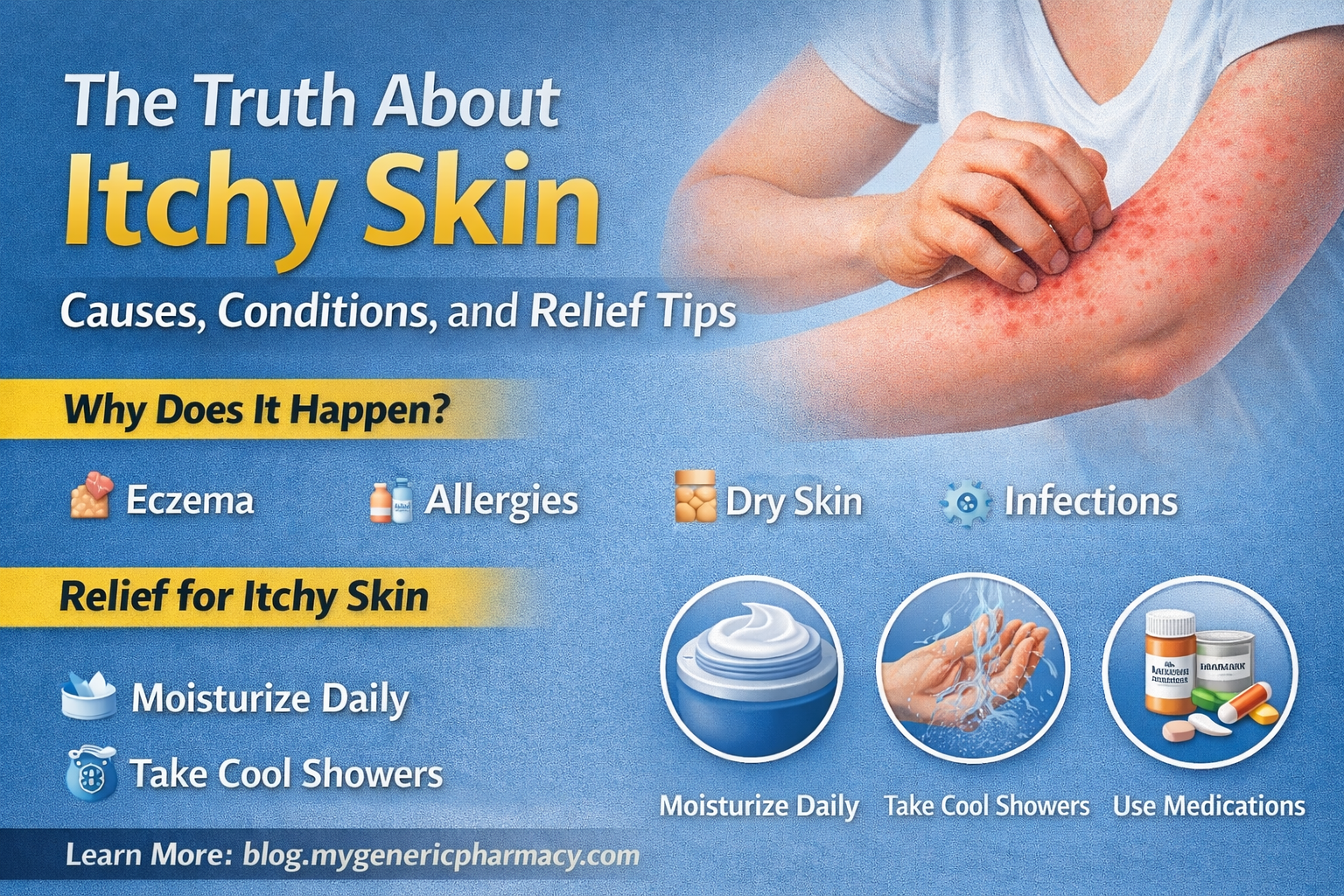
It is a long-term skin condition. In most cases, it starts in early childhood. As a result, many children experience it at a young age.
In general, affected children have very sensitive skin. This is because the skin barrier is weak. Therefore, moisture escapes easily. At the same time, the skin reacts quickly to irritants and allergens.
Even though this condition is common, it can vary from child to child. For example, some cases are mild. However, in other cases, it can become more serious. Because of this, early care and proper management are very important.
Common Symptoms of Eczema in Kids
First of all, it is important to spot this condition early. This is because early detection helps prevent complications. In addition, timely care can reduce discomfort.
For example, common symptoms include:
- Constant itching (often worse at night)
- Dry and rough skin
- Red or swollen patches
- Thick or cracked skin
- Small bumps that may leak fluid
Moreover, these symptoms can vary from child to child. However, in most cases, they follow a similar pattern. These signs usually appear on the face, elbows, knees, hands, and neck. As a result, these areas may feel more sensitive and irritated.
Therefore, parents should pay close attention to these changes. In the same way, early care can help manage the condition better and prevent it from getting worse.
Warning Signs of Eczema in Kids You Should Not Ignore
In many cases, eczema in kids is mild. However, some signs need quick attention.
1. Severe Itching
If your child cannot stop scratching, it can worsen eczema in kids. As a result, sleep may also suffer.
2. Skin Infection
Open sores, pus, or crusting may appear. In such cases, eczema in kids may be infected. Therefore, medical care is needed.
3. Fast-Spreading Rash
If the rash spreads quickly, it may be due to a trigger. So, early action is important.
4. Thick or Dark Skin
Over time, scratching can thicken the skin. This makes eczema in kids harder to treat.
5. No Improvement
If basic care does not help, then eczema in kids may need medical treatment.
What Triggers Eczema in Kids?
Triggers can vary. However, some common causes of eczema in kids include:
- Dry weather
- Harsh soaps
- Dust and pollen
- Pet hair
- Certain fabrics
- Food allergies (in some cases)
- Stress
Therefore, identifying triggers can help control eczema in kids.
How to Manage Eczema in Kids
Although there is no permanent cure, eczema in kids can be managed well.
1. Keep Skin Moist
First, apply moisturizer daily. This helps protect the skin.
2. Use Gentle Products
Choose mild soaps and cleansers. As a result, irritation is reduced.
3. Reduce Itching
Keep nails short. In addition, use creams if prescribed.
4. Choose Soft Clothes
Wear cotton clothes. This helps avoid irritation.
5. Follow Medical Advice
Doctors may suggest creams or medicines. Therefore, always follow expert advice for eczema in kids.
When to See a Doctor for Eczema in Kids
You should seek help if:
- Symptoms get worse
- Infection signs appear
- Sleep is affected
- Home care does not work
In such cases, early treatment can control eczema in kids better.
Long-Term Outlook of Eczema in Kids
Many children improve with age. In some cases, eczema in kids may go away completely. However, some may still have symptoms later. Even then, proper care can reduce flare-ups. As a result, children can live more comfortably.
Final Thoughts
Eczema in kids is not just a skin issue. In fact, it can affect sleep, mood, and daily life. However, with early care, it can be managed well. Therefore, parents should act early. By understanding eczema in kids and following simple steps, you can protect your child’s skin. In the long run, this will improve their comfort and health.
References:
- World Health Organization. (2021). Skin diseases and their impact on children.
- American Academy of Dermatology. Eczema (Atopic Dermatitis) Resource Center.
- National Eczema Association. Understanding Atopic Dermatitis in Children.
- Mayo Clinic. Atopic Dermatitis (Eczema): Symptoms and Causes.
- National Institutes of Health. Eczema and Skin Barrier Function.
Medications that have been suggested by doctors worldwide are available on the link below
https://mygenericpharmacy.com/category/skin-care