Browsed by
Category: Antihistamines

How Antihistamines Stop Allergies: Everything You Need to Know

How Antihistamines Stop Allergies: Everything You Need to Know

Allergies can turn everyday life into a struggle—constant sneezing, itchy eyes, a runny nose, and skin irritation can make even simple tasks uncomfortable. Fortunately, antihistamines are one of the most effective solutions for managing these symptoms. In this SEO-friendly guide, you’ll learn how antihistamines work, their benefits, types, side effects, and tips for safe use.


What Are Antihistamines?

Antihistamines are medications designed to block the effects of histamine, a chemical released by your immune system during an allergic reaction. When your body comes into contact with allergens like dust, pollen, or pet dander, it releases histamine, leading to symptoms such as:

  • Sneezing
  • Runny or blocked nose
  • Itchy eyes and throat
  • Skin rashes or hives

Antihistamines help reduce these symptoms and provide relief.


How Do Antihistamines Work?

Histamine binds to specific receptors in your body, triggering allergy symptoms. Antihistamines work by blocking these receptors, preventing histamine from causing its effects.

👉 In simple terms:
Allergen → Histamine release → Symptoms → Antihistamines block the reaction

This makes them highly effective for both seasonal allergies and chronic allergic conditions.


Types of Antihistamines

There are two main types of antihistamines:

1. First-Generation Antihistamines

These are older medications that can cross the brain barrier and often cause drowsiness.

Examples include:

  • Diphenhydramine
  • Chlorpheniramine

Best for: Night-time use or severe symptoms


2. Second-Generation Antihistamines

These are newer and less likely to cause drowsiness.

Examples include:

  • Cetirizine
  • Loratadine
  • Fexofenadine

Best for: Daytime use and long-term allergy management


Common Uses of Antihistamines

Antihistamines are widely used to treat:

  • Seasonal allergies (hay fever)
  • Skin allergies and hives
  • Cold-related symptoms
  • Insect bite reactions
  • Allergic conjunctivitis (eye allergies)

They are available in various forms, including tablets, syrups, nasal sprays, and eye drops.


Benefits of Antihistamines

Using antihistamines can offer several advantages:

  • Quick relief from allergy symptoms
  • Reduced inflammation and irritation
  • Improved sleep (especially with sedating types)
  • Better quality of life during allergy seasons

Possible Side Effects

While generally safe, antihistamines may cause some side effects:

Common Side Effects:

  • Drowsiness
  • Dry mouth
  • Dizziness
  • Blurred vision

Less Common:

  • Difficulty urinating
  • Increased heart rate

Second-generation antihistamines usually have fewer side effects compared to older ones.


Tips for Safe Use

To use antihistamines effectively and safely, follow these tips:

1. Choose the Right Type

Use non-drowsy options during the day and sedating ones at night if needed.

2. Follow the Recommended Dose

Avoid taking more than prescribed, as it may increase side effects.

3. Avoid Alcohol

Alcohol can enhance drowsiness and reduce alertness.

4. Check for Interactions

Inform your doctor about other medications you are taking.

5. Consult a Doctor for Long-Term Use

Chronic allergies may require proper evaluation and treatment planning.


Natural Ways to Support Allergy Relief

Along with antihistamines, you can reduce symptoms naturally by:

  • Keeping your home dust-free
  • Using air purifiers
  • Avoiding known allergens
  • Washing hands and face after outdoor exposure

A combination of medication and lifestyle changes works best.


Seek medical advice if:

  • Symptoms persist despite medication
  • You experience severe allergic reactions
  • You have difficulty breathing
  • Side effects become troublesome

Proper diagnosis ensures effective treatment.


Final Thoughts

Antihistamines are a powerful and reliable solution for managing allergies. By blocking histamine, they help reduce symptoms and improve comfort in daily life. Whether you’re dealing with seasonal allergies or occasional reactions, understanding how antihistamines work can help you choose the right treatment and use it safely.


👉 Explore more allergy care tips here:

https://my.clevelandclinic.org/health/treatments/antihistamines
https://www.medicalnewstoday.com/articles/antihistamines
https://www.webmd.com/allergies/antihistamines-for-allergies
https://blog.mygenericpharmacy.com/index.php/category/allergy-infections/

Medications that have been suggested by doctors worldwide are available on the link below
https://mygenericpharmacy.com/category/products/allergy-relief
Tired of Allergies Taking Over Your Life? Discover the Best Treatments Now

Tired of Allergies Taking Over Your Life? Discover the Best Treatments Now

Allergies can disrupt your daily routine—causing sneezing, itching, congestion, and fatigue. Whether triggered by pollen, dust, food, or environmental factors, allergies are more than just a seasonal inconvenience. Understanding the right medications and treatment strategies can help you take back control of your life.

This SEO guide covers everything you need to know about managing Allergies effectively—from causes and symptoms to the best treatment options available.


What Are Allergies?

Allergies occur when your immune system reacts to harmless substances (allergens) such as pollen, dust mites, pet dander, or certain foods.

Common types include:

  • Seasonal allergies (hay fever)
  • Food allergies
  • Skin allergies (eczema, contact dermatitis)
  • Drug allergies

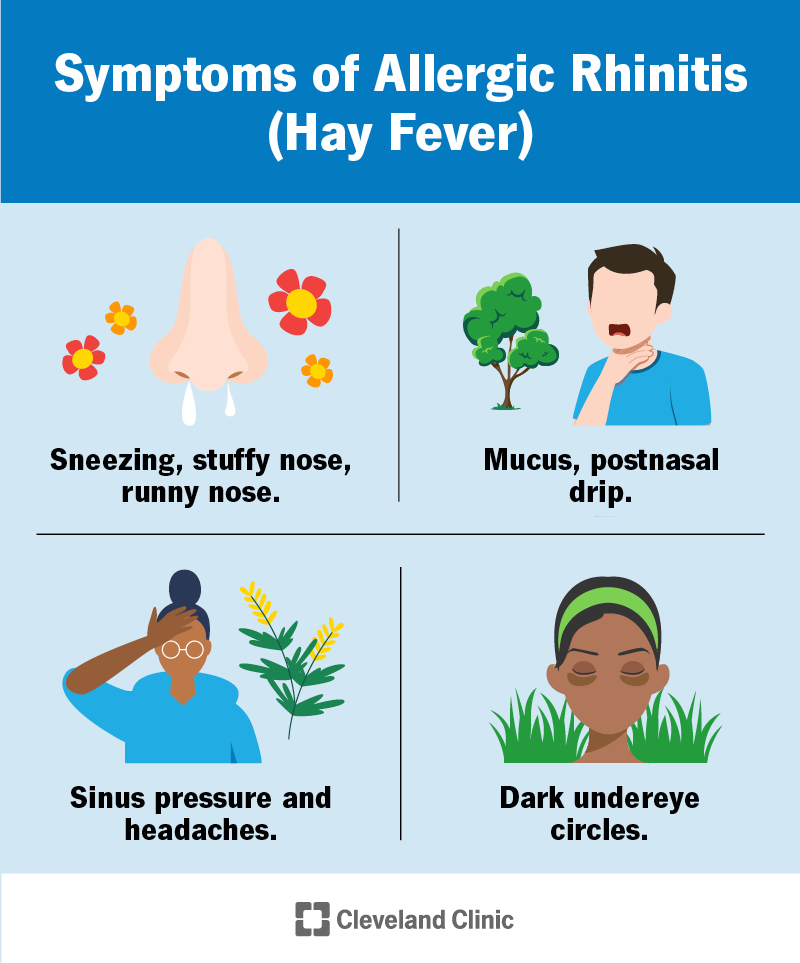
Common Symptoms of Allergies

https://my.clevelandclinic.org/-/scassets/images/org/health/articles/8622-allergic-rhinitis-hay-fever

4

Allergy symptoms can range from mild to severe:

  • Sneezing and runny nose
  • Itchy or watery eyes
  • Skin rashes or hives
  • Nasal congestion
  • Coughing or wheezing

Severe allergic reactions may lead to Anaphylaxis, which requires immediate medical attention.


Types of Allergy Medicines

There are several medications available to manage allergy symptoms:

💊 1. Antihistamines

These block histamine, the chemical responsible for allergy symptoms. They help reduce sneezing, itching, and a runny nose.

💊 2. Decongestants

Used to relieve nasal congestion and sinus pressure.

💊 3. Corticosteroids

Available as nasal sprays or pills to reduce inflammation.

💊 4. Leukotriene Modifiers

Help control allergic reactions by blocking certain immune responses.

💊 5. Immunotherapy

Long-term treatment (allergy shots or tablets) that helps the body build tolerance to allergens.


Best Treatment Options for Allergies

✅ 1. Avoid Triggers

Identify and reduce exposure to allergens like pollen, dust, and pet dander.

✅ 2. Maintain a Clean Environment

Use air purifiers, wash bedding regularly, and keep your home dust-free.

✅ 3. Follow Medication Plans

Take prescribed medications consistently for effective relief.

✅ 4. Strengthen Your Immune System

Eat a balanced diet, exercise regularly, and get enough sleep.

✅ 5. Consult a Specialist

An allergist can recommend personalized treatments based on your condition.


When to See a Doctor

Seek medical help if you experience:

  • Persistent or worsening symptoms
  • Difficulty breathing
  • Severe skin reactions
  • Signs of Anaphylaxis

Early diagnosis and treatment can prevent complications and improve quality of life.


Final Thoughts

Allergies may be common, but they don’t have to control your life. With the right combination of medications, lifestyle changes, and medical guidance, you can effectively manage symptoms and enjoy a healthier, more comfortable life.

Don’t ignore your symptoms—take action and breathe easier today.


References:

  1. World Health Organization – Allergic Conditions Overview
  2. Centers for Disease Control and Prevention – Allergy Statistics & Management
  3. American College of Allergy Asthma and Immunology – Allergy Treatment Guidelines
  4. Mayo Clinic – Allergies: Symptoms and Causes
  5. National Institute of Allergy and Infectious Diseases – Allergy Research & Treatment
Cyproheptadine vs Other Antihistamines: Key Differences, Uses & Benefits

Cyproheptadine vs Other Antihistamines: Key Differences, Uses & Benefits

Antihistamines are commonly used medicines for treating allergic conditions such as itching, rashes, sneezing, and hives. Among them, Cyproheptadine stands out due to its additional effects on appetite and serotonin. This article explains the key differences between cyproheptadine and other commonly used antihistamines. For authentic medicines and reliable pharmacy information, visit the official MyGenericPharmacy website.

What Is Cyproheptadine?

Cyproheptadine is a first-generation antihistamine with strong anti-histamine and anti-serotonin properties. In addition to allergy relief, it is widely used to stimulate appetite and support weight gain in underweight patients.

What Are Other Antihistamines?

Other antihistamines include both first-generation and second-generation drugs such as loratadine, cetirizine, fexofenadine, and diphenhydramine. These medicines are primarily used to control allergy symptoms with varying levels of sedation.

Cyproheptadine vs Other Antihistamines: Comparison Table

FeatureCyproheptadineOther Antihistamines
GenerationFirst-generationFirst & Second generation
Main UseAllergy relief + appetite stimulationAllergy relief only
DrowsinessCommonLow (second-generation)
Effect on AppetiteIncreases appetiteNo appetite effect
Serotonin BlockingYesNo
Use for Weight GainCommonly prescribedNot used

When Is Cyproheptadine Preferred?

Doctors may prefer cyproheptadine when a patient has:

  • Allergies, along with a poor appetite
  • Underweight or failure to gain weight
  • Chronic itching with sleep disturbance
  • Migraine or serotonin-related conditions (specialist use)

When Are Other Antihistamines Better?

Second-generation antihistamines are usually preferred when:

  • Daytime allergy relief is needed
  • Drowsiness must be avoided
  • Long-term allergy management is required
  • Patients need non-sedating options

Side Effects Comparison

Cyproheptadine commonly causes:

  • Drowsiness
  • Dry mouth
  • Weight gain

Other antihistamines (especially newer ones) may cause:

  • Mild headache
  • Dry mouth (less common)
  • Minimal sedation

Which One Should You Choose?

The choice between cyproheptadine and other antihistamines depends on your symptoms and medical needs. If appetite stimulation is required along with allergy relief, cyproheptadine may be suitable. For simple allergies without sedation, newer antihistamines are often preferred. Always consult a healthcare professional before choosing an antihistamine.

Frequently Asked Questions

Is cyproheptadine stronger than other antihistamines?

Cyproheptadine is not necessarily stronger for allergies, but it has additional appetite-stimulating and serotonin-blocking effects.

Can cyproheptadine replace regular antihistamines?

It can be used as an alternative in certain cases, but due to sedation, it is not ideal for daytime use.

Where can I find trusted information about antihistamines?

You can explore verified pharmacy resources and medicines on MyGenericPharmacy.

Bottom Line

Cyproheptadine is a unique antihistamine that offers both allergy relief and appetite stimulation, while other antihistamines focus mainly on controlling allergy symptoms with fewer side effects. The right choice depends on individual health needs and the doctor’s advice. For reliable pharmacy services and genuine medicines, visit MyGenericPharmacy.