Tired of Allergies Taking Over Your Life? Discover the Best Treatments Now
Allergies can disrupt your daily routine—causing sneezing, itching, congestion, and fatigue. Whether triggered by pollen, dust, food, or environmental factors, allergies are more than just a seasonal inconvenience. Understanding the right medications and treatment strategies can help you take back control of your life.
This SEO guide covers everything you need to know about managing Allergies effectively—from causes and symptoms to the best treatment options available.
What Are Allergies?
Allergies occur when your immune system reacts to harmless substances (allergens) such as pollen, dust mites, pet dander, or certain foods.
Common types include:
- Seasonal allergies (hay fever)
- Food allergies
- Skin allergies (eczema, contact dermatitis)
- Drug allergies
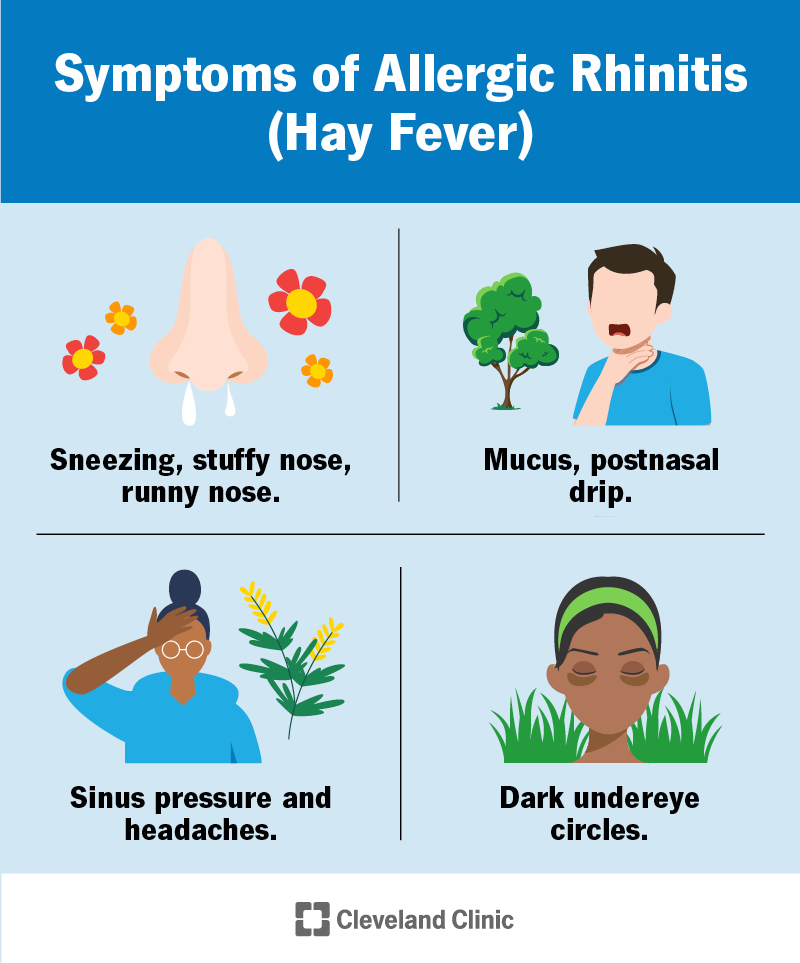
Common Symptoms of Allergies
4
Allergy symptoms can range from mild to severe:
- Sneezing and runny nose
- Itchy or watery eyes
- Skin rashes or hives
- Nasal congestion
- Coughing or wheezing
Severe allergic reactions may lead to Anaphylaxis, which requires immediate medical attention.
Types of Allergy Medicines
There are several medications available to manage allergy symptoms:
💊 1. Antihistamines
These block histamine, the chemical responsible for allergy symptoms. They help reduce sneezing, itching, and a runny nose.
💊 2. Decongestants
Used to relieve nasal congestion and sinus pressure.
💊 3. Corticosteroids
Available as nasal sprays or pills to reduce inflammation.
💊 4. Leukotriene Modifiers
Help control allergic reactions by blocking certain immune responses.
💊 5. Immunotherapy
Long-term treatment (allergy shots or tablets) that helps the body build tolerance to allergens.
Best Treatment Options for Allergies
✅ 1. Avoid Triggers
Identify and reduce exposure to allergens like pollen, dust, and pet dander.
✅ 2. Maintain a Clean Environment
Use air purifiers, wash bedding regularly, and keep your home dust-free.
✅ 3. Follow Medication Plans
Take prescribed medications consistently for effective relief.
✅ 4. Strengthen Your Immune System
Eat a balanced diet, exercise regularly, and get enough sleep.
✅ 5. Consult a Specialist
An allergist can recommend personalized treatments based on your condition.
When to See a Doctor
Seek medical help if you experience:
- Persistent or worsening symptoms
- Difficulty breathing
- Severe skin reactions
- Signs of Anaphylaxis
Early diagnosis and treatment can prevent complications and improve quality of life.
Final Thoughts
Allergies may be common, but they don’t have to control your life. With the right combination of medications, lifestyle changes, and medical guidance, you can effectively manage symptoms and enjoy a healthier, more comfortable life.
Don’t ignore your symptoms—take action and breathe easier today.
References:
- World Health Organization – Allergic Conditions Overview
- Centers for Disease Control and Prevention – Allergy Statistics & Management
- American College of Allergy Asthma and Immunology – Allergy Treatment Guidelines
- Mayo Clinic – Allergies: Symptoms and Causes
- National Institute of Allergy and Infectious Diseases – Allergy Research & Treatment