Browsed by
Category: anti-convulsant

The Ultimate Seizure Medication Guide: Everything You Need to Know About Anticonvulsants

The Ultimate Seizure Medication Guide: Everything You Need to Know About Anticonvulsants

Seizures can be unpredictable, frightening, and life-disrupting. For millions of people worldwide, anticonvulsants (seizure medications) play a crucial role in managing and preventing these episodes. Whether you’re newly diagnosed or seeking better treatment options, understanding how these medications work can empower you to take control of your health.

In this comprehensive SEO guide, we’ll break down everything you need to know about anticonvulsants—from types and uses to side effects and safety tips.


What Are Anticonvulsants?

Anticonvulsants, also known as anti-seizure medications, are drugs designed to prevent or reduce the frequency of seizures. They work by stabilizing electrical activity in the brain, which becomes abnormal during a seizure.

These medications are commonly prescribed for:

  • Epilepsy
  • Seizure disorders
  • Nerve pain (neuropathy)
  • Mood disorders (in some cases)

How Do Anticonvulsants Work?

Seizures occur due to abnormal electrical signals in the brain. Anticonvulsants help by:

  • Reducing excessive nerve activity
  • Enhancing calming neurotransmitters (like GABA)
  • Blocking signals that trigger seizures

By restoring balance in brain activity, these medications help prevent sudden and uncontrolled episodes.


Common Types of Anticonvulsants

There are several types of anticonvulsants, and the choice depends on the type of seizure and individual health condition.

1. Broad-Spectrum Anticonvulsants

These treat multiple types of seizures. Examples include:

  • Valproate
  • Lamotrigine
  • Topiramate

2. Narrow-Spectrum Anticonvulsants

These target specific seizure types, such as focal seizures:

  • Carbamazepine
  • Phenytoin

3. Newer Generation Medications

These often have fewer side effects and improved safety:


Benefits of Anticonvulsant Medications

When used correctly, anticonvulsants offer several important benefits:

  • Reduce or completely prevent seizures
  • Improve quality of life
  • Enable daily activities like work and driving
  • Lower risk of seizure-related injuries

Consistency is key—missing doses can increase the risk of seizures.


Possible Side Effects

Like all medications, anticonvulsants may cause side effects. Common ones include:

  • Drowsiness or fatigue
  • Dizziness
  • Nausea
  • Weight changes
  • Mood swings

In rare cases, serious side effects like allergic reactions or liver issues may occur. Always consult your doctor if you notice unusual symptoms.


Tips for Safe Use

To get the most benefit from your medication, follow these safety tips:

1. Take Medication on Time

Stick to a strict schedule to maintain stable drug levels in your body.

2. Avoid Sudden Stopping

Stopping medication abruptly can trigger severe seizures.

3. Monitor Side Effects

Keep track of how your body responds and report concerns to your doctor.

4. Limit Alcohol

Alcohol can interfere with medication effectiveness and increase seizure risk.

5. Regular Check-Ups

Routine blood tests may be required to monitor drug levels and organ health.


Lifestyle Support for Better Seizure Control

Medication works best when combined with a healthy lifestyle:

  • Get enough sleep
  • Manage stress effectively
  • Eat a balanced diet
  • Avoid known seizure triggers

Some individuals may also benefit from specialized diets like the ketogenic diet (under medical supervision).


Seek medical attention if:

  • Seizures become more frequent or severe
  • You experience serious side effects
  • Medication doesn’t seem effective
  • You miss multiple doses

Early intervention can prevent complications and improve outcomes.


The Future of Seizure Treatment

Advances in medical research are leading to more targeted and personalized treatments. New therapies aim to reduce side effects while improving seizure control, offering hope for better management in the future.


Final Thoughts

Anticonvulsants are life-changing medications for people living with seizures. Understanding how they work, their benefits, and how to use them safely can make a significant difference in your health journey. With the right treatment plan, lifestyle adjustments, and medical guidance, it is possible to live a full and active life while keeping seizures under control.


References:

https://pmc.ncbi.nlm.nih.gov/articles/PMC11046222/
https://my.clevelandclinic.org/health/treatments/24781-antiseizure-medications-anticonvulsants
https://www.epilepsy.com/tools-resources/seizure-medication-list
https://nurseslabs.com/antiseizure-drugs/

Medications that have been suggested by doctors worldwide are available on the link below
https://mygenericpharmacy.com/category/products/anti-convulsant
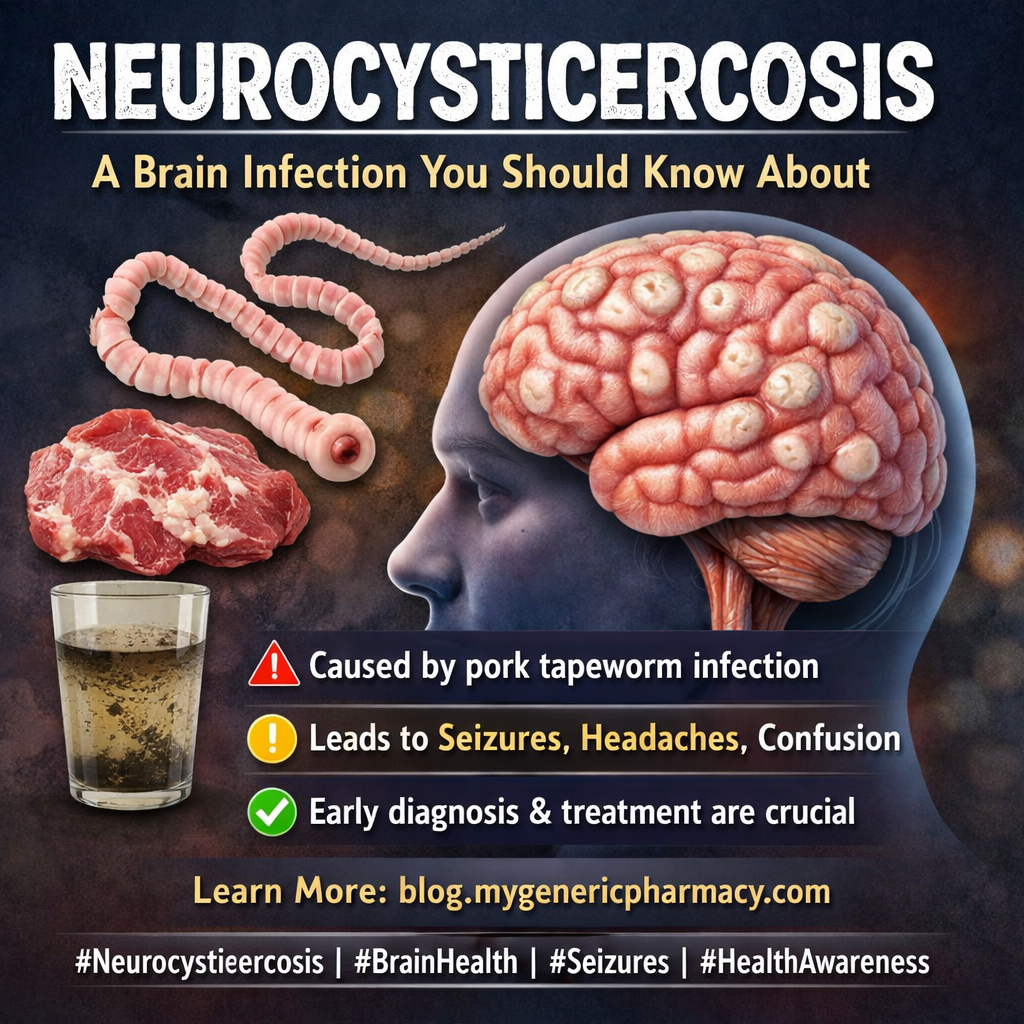
Neurocysticercosis: The Silent Brain Parasite Infection You Should Never Ignore

Neurocysticercosis: The Silent Brain Parasite Infection You Should Never Ignore

Neurocysticercosis: Causes, Symptoms & Treatment Guide
Learn about neurocysticercosis, a brain infection caused by tapeworm larvae. Discover its symptoms, causes, diagnosis, and the best treatment options.

Neurocysticercosis is a serious and potentially life-threatening parasitic infection of the central nervous system. Caused by the larval stage of the pork tapeworm, Taenia solium, this condition is a leading cause of acquired epilepsy worldwide . Despite its severity, it often goes unnoticed until devastating symptoms appear, earning its reputation as a “silent” brain infection.

While rare in developed countries, neurocysticercosis remains endemic in many parts of Latin America, sub-Saharan Africa, and Asia, affecting millions of people . Understanding this condition is crucial for travelers, healthcare providers, and anyone living in or visiting high-risk areas.

How Infection Occurs: The Lifecycle

Contrary to common belief, you don’t get neurocysticercosis from eating undercooked pork. The infection occurs when you accidentally ingest microscopic eggs shed in the feces of a person carrying an adult tapeworm in their intestine .

The transmission cycle:

  1. A person eats undercooked pork containing tapeworm cysts and develops an intestinal tapeworm infection (taeniasis)
  2. That person sheds tapeworm eggs in their stool
  3. Another person ingests these eggs through contaminated food, water, or poor hand hygiene
  4. Eggs hatch in the intestine, releasing larvae that penetrate the intestinal wall
  5. Larvae travel through the bloodstream and can lodge in muscles, eyes, and most dangerously—the brain
  6. In the brain, they form cysts, leading to neurocysticercosis

This is a classic example of fecal-oral transmission and is closely linked to poor sanitation and hygiene practices .

Why the Brain? Understanding the Pathology

The larvae have a predilection for the central nervous system, where they form fluid-filled cysts called cysticerci. These cysts can remain viable for years, living quietly without causing symptoms. However, when the larvae eventually die, the body’s immune system mounts an inflammatory response that triggers the devastating neurological symptoms .

The location, number, and stage of these cysts determine the clinical presentation:

  • Parenchymal cysts: Located in brain tissue itself
  • Extraparenchymal cysts: Found in the ventricles (fluid-filled spaces) or subarachnoid space surrounding the brain—often more difficult to treat
  • Racemose cysts: Proliferating, grape-like clusters that don’t contain a scolex (tapeworm head) and are highly aggressive

Symptoms: When the Silent Infection Speaks

Symptoms can appear months or even years after initial infection. The presentation varies dramatically based on cyst location and host immune response.

Most Common Presentation: Seizures

Seizures are the hallmark symptom, occurring in 70-90% of symptomatic patients . Neurocysticercosis is one of the leading causes of adult-onset epilepsy in endemic regions. Seizures typically occur when cysts begin to degenerate and trigger inflammation.

Other Neurological Symptoms

  • Chronic headaches (often mimicking migraines or tension headaches)
  • Increased intracranial pressure: Nausea, vomiting, vision changes, dizziness
  • Focal neurological deficits: Weakness or numbness on one side of the body, difficulty speaking
  • Cognitive decline: Memory problems, confusion, difficulty concentrating
  • Hydrocephalus: Fluid buildup in the brain due to cyst obstruction
  • Stroke-like symptoms: From inflammation of blood vessels (vasculitis)
  • Neuropsychiatric symptoms: Depression, anxiety, personality changes

Diagnosis: Detecting the Hidden Parasite

Diagnosing neurocysticercosis requires a high index of suspicion, especially in patients from endemic areas presenting with new-onset seizures.

Key Diagnostic Tools

  • Neuroimaging (MRI/CT): MRI is the most sensitive, revealing cyst location, number, and stage. CT scans are excellent for detecting calcified (dead) cysts
  • Serologic tests: Blood tests detect antibodies against Taenia solium. The enzyme-linked immunoelectrotransfer blot (EITB) is highly specific
  • Epidemiological history: Travel to or residence in endemic areas, exposure to tapeworm carriers
  • Biopsy: Rarely needed but definitive if tissue is obtained

Treatment: A Complex Approach

Treatment is not one-size-fits-all and depends on cyst characteristics, location, number, and symptoms.

Antiparasitic Drugs

  • Albendazole (first-line) and praziquantel kill viable cysts
  • Crucial: Always given with corticosteroids (prednisone, dexamethasone) to control the dangerous inflammatory response triggered by dying cysts
  • Not used for calcified (dead) cysts or in certain high-risk locations (eye, spinal cord)

Symptomatic Treatment

  • Antiepileptic drugs to control seizures (often lifelong)
  • Analgesics for headache
  • Surgical intervention for hydrocephalus (shunt placement) or removal of accessible cysts

Duration

Treatment courses vary from days to months, with close follow-up and repeat imaging to assess response.

Complications: Why Early Treatment Matters

Untreated neurocysticercosis can lead to devastating, irreversible consequences:

  • Status epilepticus: Prolonged, life-threatening seizures
  • Permanent neurological deficits: Weakness, cognitive impairment
  • Hydrocephalus: Can cause brain damage and death if untreated
  • Blindness (if cysts affect optic pathways)
  • Death: From increased intracranial pressure or complications of untreated seizures

Prevention: Breaking the Cycle

Neurocysticercosis is entirely preventable through public health measures.

Individual Prevention

  • Wash hands thoroughly with soap and water before eating and after using toilet
  • Wash and cook vegetables properly, especially in endemic areas
  • Drink safe water (bottled or treated)
  • Avoid consuming raw or undercooked pork

Community Prevention

  • Improved sanitation: Access to toilets and safe waste disposal
  • Pig management: Preventing pigs from accessing human feces
  • Health education: Teaching communities about transmission
  • Identification and treatment of tapeworm carriers: The single most effective way to stop transmission, as carriers shed eggs into the environment

Global Burden and Elimination Efforts

Neurocysticercosis is one of the leading causes of epilepsy in the developing world, responsible for approximately 30% of epilepsy cases in endemic regions . It is classified as a Neglected Tropical Disease (NTD) by the World Health Organization.

Encouragingly, coordinated public health efforts in several Latin American countries have demonstrated that elimination is possible through mass drug administration, pig vaccination, and sanitation improvements. The WHO’s 2021-2030 NTD roadmap includes targets for validating elimination of Taenia solium transmission in selected countries .

Conclusion: A Preventable Tragedy

Neurocysticercosis is a silent but devastating disease that preys on communities with limited sanitation and healthcare access. For travelers and residents of endemic areas, awareness is the first line of defense. Simple hygiene measures can prevent infection.

For healthcare providers, maintaining a high index of suspicion in patients with new-onset seizures—especially those from high-risk backgrounds—can lead to early diagnosis and treatment, preventing permanent neurological damage.

This ancient parasite continues to cause suffering, but with modern diagnostics, effective treatments, and determined public health efforts, we have the tools to eventually consign neurocysticercosis to the history books.


References:

  1. World Health Organization. Taeniasis/Cysticercosis fact sheet.
  2. Centers for Disease Control and Prevention. Parasites – Cysticercosis.
  3. Mayo Clinic Proceedings. Neurocysticercosis: A Review.
  4. National Institute of Neurological Disorders and Stroke. Cysticercosis Fact Sheet.

Medications that have been suggested by doctors worldwide are available on the link below
https://mygenericpharmacy.com/category/disease/diabetes


Disclaimer: This article is for educational purposes only. If you suspect neurocysticercosis or have unexplained neurological symptoms, consult a healthcare provider immediately.

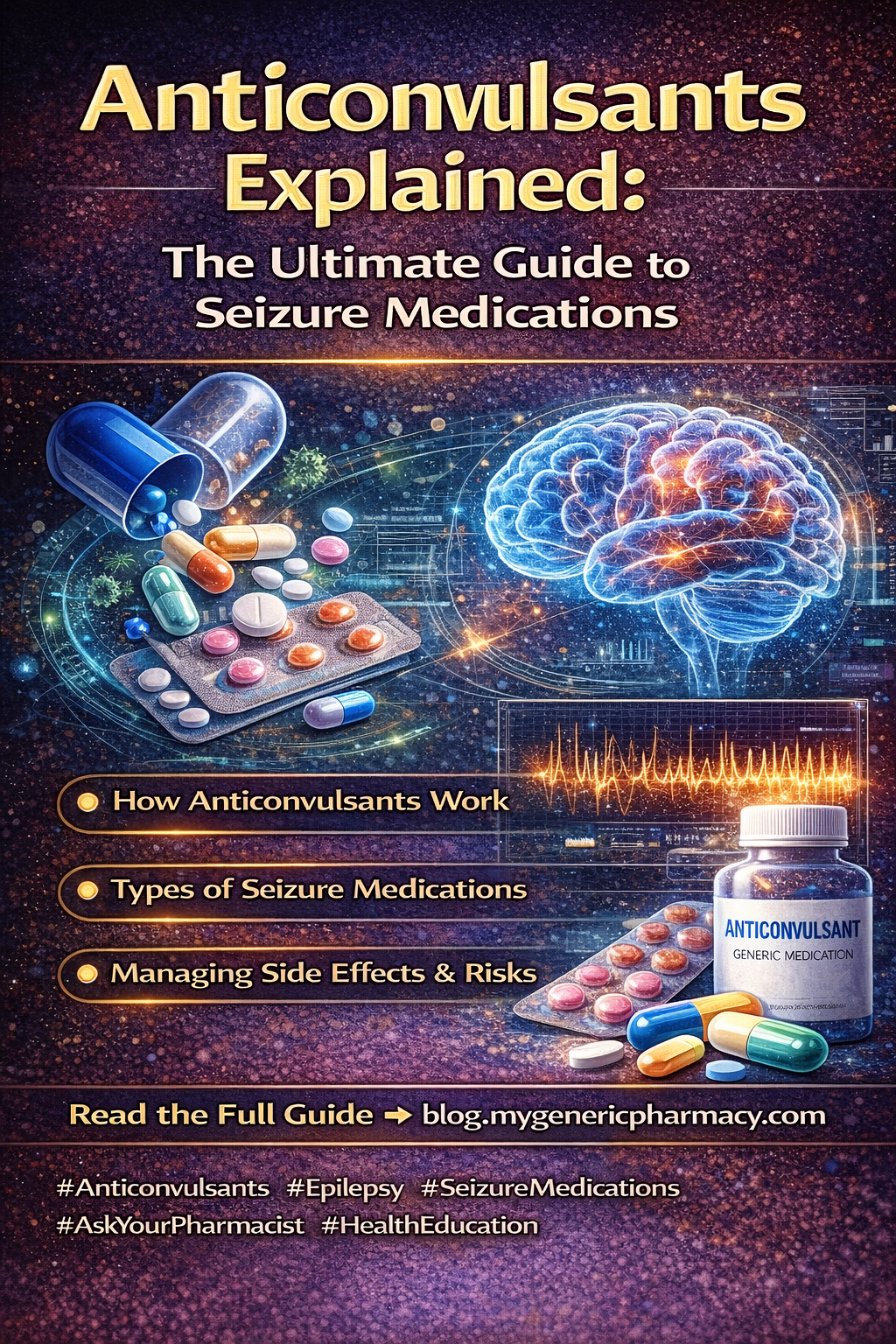
Anticonvulsants Explained: The Ultimate Guide to Seizure Medications

Anticonvulsants Explained: The Ultimate Guide to Seizure Medications

Introduction: What Are Anticonvulsants?

Anticonvulsants, also known as anti-epileptic drugs (AEDs), are primarily used to control seizures in epilepsy. However, over time, their use has expanded beyond seizure management. Today, they are also prescribed for bipolar disorder, neuropathic pain, anxiety disorders, and migraine prevention. Therefore, these medications play an important role in modern medicine. Overall, their evolving applications highlight their versatility and therapeutic value.

How Do Anticonvulsants Work?

Seizures occur when abnormal electrical activity disrupts the brain’s normal signals. As a result, communication between nerve cells is affected, leading to changes in movement, behavior, awareness, or sensation. For example, a person may experience muscle jerking or a brief loss of consciousness. Therefore, early recognition is essential for proper diagnosis and effective treatment.

Common Mechanisms:

  • Sodium channel blockade – Prevents the rapid firing of neurons
  • Calcium channel modulation – Reduces neurotransmitter release
  • GABA enhancement – Increases inhibitory signaling (calming effect)
  • Glutamate inhibition – Decreases excitatory signaling

Different anticonvulsants target different pathways, which is why doctors may prescribe multiple medications or switch between them based on individual response.

Common Anticonvulsant Medications

First-Generation (Older) AEDs

DrugPrimary UsesKey Considerations
Phenytoin (Dilantin)Focal seizures, generalized tonic-clonicNarrow therapeutic window, gum overgrowth
Carbamazepine (Tegretol)Focal seizures, trigeminal neuralgia, bipolarLiver enzyme inducer, many drug interactions
Valproate (Depakote)Broad-spectrum, bipolar, migraineLiver toxicity risk, teratogenic (avoid in pregnancy)
PhenobarbitalBroad-spectrumSedation, dependence potential

Second-Generation (Newer) AEDs

DrugPrimary UsesKey Considerations
Lamotrigine (Lamictal)Broad-spectrum, bipolar maintenanceSlow titration needed, rash risk
Levetiracetam (Keppra)Broad-spectrumWell-tolerated, behavioral side effects possible
Topiramate (Topamax)Broad-spectrum, migraine preventionCognitive side effects, weight loss
Gabapentin (Neurontin)Neuropathic pain, partial seizuresNot for primary generalized epilepsy
Pregabalin (Lyrica)Neuropathic pain, fibromyalgia, anxietyDizziness, weight gain
Oxcarbazepine (Trileptal)Focal seizuresSimilar to carbamazepine, fewer interactions
Lacosamide (Vimpat)Focal seizuresIV formulation available

Third-Generation AEDs

Newer options like brivaracetam, eslicarbazepine, and perampanel offer additional choices for difficult-to-treat epilepsy with potentially improved tolerability.

Conditions Treated with Anticonvulsants

Primary: Epilepsy and Seizure Disorders

  • Focal (partial) seizures
  • Generalized seizures (absence, tonic-clonic, myoclonic)
  • Lennox-Gastaut syndrome
  • Infantile spasms

Secondary Uses

  • Bipolar disorder – Mood stabilization (lamotrigine, valproate)
  • Neuropathic pain – Diabetic neuropathy, postherpetic neuralgia (gabapentin, pregabalin)
  • Migraine prevention – Topiramate, valproate
  • Anxiety disorders – Pregabalin (generalized anxiety)
  • Essential tremor – Primidone, topiramate
  • Restless legs syndrome – Gabapentin

Side Effects and Safety Considerations

Common Side Effects

  • Drowsiness, fatigue, dizziness
  • Blurred or double vision
  • Nausea, weight changes
  • Coordination problems
  • Cognitive slowing (“brain fog”)

Serious Side Effects (Rare)

  • Severe rash, such as Stevens–Johnson syndrome, is a rare but serious reaction; in particular, it has been associated with medications like lamotrigine, carbamazepine, and phenytoin. Although this condition is uncommon, it can become life-threatening if not recognized early. Therefore, patients should immediately report symptoms such as skin peeling, blistering, or an unexplained rash. In addition, healthcare providers typically start these medications at low doses to reduce risk. Furthermore, gradual dose increases help improve safety and tolerability. As a result, early detection and careful monitoring significantly lower the chances of severe complications. Ultimately, awareness and prompt medical attention are essential for preventing serious outcomes.
  • Liver toxicity – valproate, phenytoin
  • Blood disorders – carbamazepine, valproate
  • Suicidal thoughts – all AEDs carry an FDA warning

Pregnancy Considerations

Many anticonvulsants are effective medications; however, some of them carry important risks. In particular, valproate has been strongly associated with birth defects when used during pregnancy. Therefore, it should be avoided in pregnant women whenever possible. In addition, healthcare providers carefully evaluate the benefits and risks before prescribing it to women of childbearing age. For this reason, women who are planning a pregnancy should discuss medication optimization with their neurologist well in advance. Moreover, early consultation allows doctors to adjust dosages or switch to safer alternatives if necessary. Ultimately, careful planning and medical guidance can significantly reduce potential risks while maintaining seizure control.

Important Drug Interactions

Anticonvulsants are widely used in seizure management; however, especially older ones like carbamazepine, phenytoin, and phenobarbital, they can significantly affect the body’s metabolism. In particular, these medications are known as enzyme inducers. As a result, they increase the activity of liver enzymes responsible for breaking down various drugs. Consequently, this process can reduce the effectiveness of certain medications taken alongside them. For example, they may decrease the effectiveness of oral contraceptives, anticoagulants, and some antidepressants. Therefore, patients taking these anticonvulsants should be carefully monitored. Moreover, healthcare providers often adjust dosages to prevent unwanted drug interactions. Ultimately, understanding these enzyme-inducing properties is essential for ensuring safe and effective treatment.**

  • Reduce the effectiveness of birth control pills
  • Alter levels of other medications (blood thinners, chemotherapy)
  • Affects vitamin D metabolism (bone health concerns)

Tips for Taking Anticonvulsants

  1. Consistency is crucial – Take exactly as prescribed, at the same time daily
  2. Never stop abruptly – Sudden withdrawal can trigger seizures
  3. Keep a seizure diary – Track episodes, side effects, triggers
  4. Inform all doctors about your AED use before any new prescription
  5. Regular monitoring – Blood levels, liver function, bone density as needed

Conclusion: Lifesaving Medications with Responsibility

Anticonvulsants have transformed epilepsy from a disabling condition to a manageable one for millions worldwide. Their expanded use in pain, mood disorders, and migraine prevention has made them indispensable across medicine. However, their power demands respect; therefore, regular monitoring is essential. In addition, patients must remain aware of potential side effects. Moreover, careful medical supervision plays a crucial role in ensuring safety. For this reason, healthcare providers closely track dosage and patient response. As a result, risks can be minimized while benefits are maximized. Ultimately, consistent oversight and informed care together ensure safe and effective treatment.


References:
https://www.medicalnewstoday.com/articles/what-are-anticonvulsants
https://wikem.org/wiki/Anticonvulsants
https://www.rxlist.com/seizure_medications/drugs-condition.htm
https://nurseslabs.com/antiseizure-drugs/
https://my.clevelandclinic.org/health/treatments/24781-antiseizure-medications-anticonvulsants

Medications that have been suggested by doctors worldwide are available on the link below
https://mygenericpharmacy.com/category/anti-convulsant


Disclaimer: This article is for educational purposes only. Anticonvulsants are prescription medications that require medical supervision. Never start, stop, or change these medications without consulting your healthcare provider.

End the Cycle: Break Alcohol Dependence with Proven, Compassionate Care

End the Cycle: Break Alcohol Dependence with Proven, Compassionate Care

Understanding Alcohol Use Disorder: Beyond “Just Willpower”

What is Alcohol Use Disorder (AUD)?
Alcohol Use Disorder is a medical condition characterized by an impaired ability to stop or control alcohol use despite adverse social, occupational, or health consequences. The American Psychiatric Association’s DSM-5 defines AUD on a spectrum from mild to severe, based on meeting 2 or more of 11 criteria within 12 months.

The Neurobiology of Addiction:
Alcohol affects multiple neurotransmitter systems:

  • GABA enhancement: Produces sedative effects
  • Dopamine release: Creates pleasurable reinforcement
  • Glutamate inhibition: Impairs cognition and motor function
  • Opioid system activation: Contributes to reward sensation

Chronic alcohol use leads to neuroadaptation—the brain adjusts to constant alcohol exposure, requiring more to achieve the same effect (tolerance) and experiencing negative symptoms when alcohol is removed (withdrawal).

The AUD Spectrum: Recognizing the Signs

Early Indicators (Mild AUD):

  • Drinking more or longer than intended
  • Unsuccessful attempts to cut down
  • Spending substantial time obtaining/using/recovering from alcohol
  • Craving or strong urge to drink

Moderate to Severe Indicators:

  • Failure to fulfill major obligations at work, school, or home
  • Continued use despite relationship problems caused by drinking
  • Giving up or reducing important social, occupational, or recreational activities
  • Using in physically hazardous situations
  • Continuing despite knowledge of physical or psychological problems caused by alcohol
  • Tolerance development
  • Withdrawal symptoms when not drinking [4]

Withdrawal Management: The Critical First Step

Alcohol Withdrawal Syndrome Timeline:

  • 6-12 hours: Minor withdrawal symptoms (tremor, anxiety, nausea)
  • 12-24 hours: Visual, auditory, or tactile hallucinations
  • 24-48 hours: Withdrawal seizures (risk peaks at 24 hours)
  • 48-72 hours: Delirium tremens (DTs) onset—medical emergency featuring confusion, agitation, fever, tachycardia (mortality 1-5% if untreated) [5]

Medical Detoxification:
Benzodiazepines remain first-line for alcohol withdrawal, with symptom-triggered dosing shown to reduce total medication use and duration of treatment compared to fixed-schedule dosing [6]. Other medications may include:

Evidence-Based Treatment Modalities

Medication-Assisted Treatment (MAT):

  • Naltrexone: Reduces heavy drinking days by 36% by blocking opioid receptors involved in alcohol reward [7]
  • Acamprosate: Stabilizes glutamate/GABA balance, reduces post-acute withdrawal symptoms
  • Disulfiram: Creates an unpleasant reaction if alcohol is consumed (requires high motivation)
  • Topiramate: Off-label use showing efficacy in reducing heavy drinking [8]
  • Baclofen: Particularly studied in patients with liver disease

Behavioral Interventions:

  • Cognitive Behavioral Therapy (CBT): Identifies and modifies drinking triggers and thought patterns
  • Motivational Enhancement Therapy (MET): Enhances intrinsic motivation for change
  • 12-Step Facilitation: Increases engagement with mutual support groups
  • Contingency Management: Provides tangible rewards for sobriety milestones
  • Marital and Family Counseling: Addresses relationship dynamics affecting recovery [9]

Mutual Support Groups:

  • Alcoholics Anonymous (AA): 12-step spiritual framework; studies show regular attendance improves outcomes [10]
  • SMART Recovery: Cognitive-behavioral, science-based approach
  • Women for Sobriety: Gender-specific program
  • Secular Organizations for Sobriety: Non-spiritual alternative

Special Populations and Considerations

Gender Differences:

  • Women develop alcohol-related problems at lower drinking levels than men [11]
  • Faster progression to addiction (“telescoping effect”)
  • Greater risk of liver disease, cardiac effects, and breast cancer
  • Unique barriers to treatment, including childcare and stigma

Older Adults:

  • Increased sensitivity to alcohol effects
  • Higher risk of interactions with medications
  • Often under-identified due to retirement, social isolation

Co-Occurring Disorders:

  • Depression: 30-40% of people with AUD have major depression [12]
  • Anxiety Disorders: Particularly social anxiety and PTSD
  • Other Substance Use: 45% of people with AUD have comorbid drug use disorder [13]
  • Integrated treatment addressing both conditions yields better outcomes

Harm Reduction Approaches

For Those Not Ready for Abstinence:

  • Medication: Naltrexone can be used while still drinking to reduce consumption
  • Behavioral: Moderation management programs
  • Medical: Regular liver function monitoring, nutritional support

Reducing Alcohol-Related Harm:

  • Designated driver programs
  • Needle exchange for injection drug users
  • Housing-first approaches for homeless populations with AUD

Long-Term Recovery and Relapse Prevention

Relapse Rates and Predictors:

  • 40-60% of people with AUD relapse within the first year of treatment [14]
  • Strongest predictors: craving intensity, negative affect, lack of coping skills, poor social support
  • Protective factors: engagement in continuing care, mutual support participation, purpose in life

Brain Recovery Timeline:

  • 1 month: Improvement in brain volume begins
  • 2-12 months: Continued cognitive improvement, particularly in visuospatial abilities
  • 1+ years: Further recovery of executive functions, though some deficits may persist [15]

Post-Acute Withdrawal Syndrome (PAWS):
Symptoms lasting weeks to months after acute withdrawal:

  • Mood swings, anxiety, irritability
  • Fatigue, variable energy
  • Sleep disturbances
  • “Brain fog” and difficulty concentrating

Medical Complications of Chronic Alcohol Use

Hepatic:

  • Fatty liver → alcoholic hepatitis → cirrhosis
  • Cirrhosis complications: ascites, variceal bleeding, hepatic encephalopathy

Neurological:

  • Wernicke-Korsakoff Syndrome (thiamine deficiency)
  • Peripheral neuropathy
  • Cerebellar degeneration

Cardiovascular:

  • Hypertension
  • Cardiomyopathy
  • Arrhythmias

Oncological:

  • Increased risk of cancers of the mouth, esophagus, pharynx, larynx, liver, breast, and colon [16]

Emerging Research and Innovations

Pharmacogenetics:

  • Variations in alcohol dehydrogenase and aldehyde dehydrogenase genes affect alcohol metabolism and AUD risk
  • Potential for personalized medication selection based on genotype

Neuromodulation:

  • Transcranial magnetic stimulation (TMS) shows promise for craving reduction [17]
  • Deep brain stimulation is experimental for severe, treatment-resistant AUD

Digital Therapeutics:

  • Apps for craving tracking and intervention
  • Online therapy and mutual support
  • Wearable sensors for early relapse detection

Psychedelic-Assisted Therapy:

  • Early research on psilocybin shows potential for increasing motivation and spiritual experiences that support recovery [18]

Addressing Stigma and Systemic Barriers

Language Matters:

  • Use person-first language (“person with alcohol use disorder” not “alcoholic”)
  • Avoid moralistic terms (“clean” vs. “in recovery”)
  • Recognize AUD as a medical condition, not a moral failing

Treatment Access Disparities:

  • Only 10% of people with AUD receive treatment [19]
  • Barriers include cost, insurance limitations, geographic availability, and stigma
  • Integration of AUD treatment into primary care shows promise for increasing access

Supporting a Loved One with AUD

Effective Communication:

  • Express concern using “I” statements
  • Avoid labels, accusations, and ultimatums (unless prepared to follow through)
  • Focus on specific behaviors and their consequences

Interventions:

  • CRAFT (Community Reinforcement and Family Training): Evidence-based approach teaching families to reinforce sober behaviors [20]
  • Traditional Johnson Intervention: Controversial due to its confrontational nature

Self-Care for Family Members:

  • Al-Anon and similar support groups
  • Setting healthy boundaries
  • Managing expectations about the recovery timeline

Disclaimer

*This blog provides educational information about alcohol use disorder. It is not a substitute for professional medical advice, diagnosis, or treatment. If you or someone you know is struggling with alcohol use, please consult a healthcare provider or call the SAMHSA National Helpline at 1-800-662-HELP (4357). In emergencies, call 911.*


Reference:
https://pmc.ncbi.nlm.nih.gov/articles/PMC3026093/
https://www.health.harvard.edu/diseases-and-conditions/alcohol-withdrawal-a-to-z
https://go.drugbank.com/drugs/DB00575
https://www.priorygroup.com/blog/how-long-does-brain-recovery-take-after-alcohol-abuse
https://my.clevelandclinic.org/health/diseases/15831-fatty-liver-disease
https://www.healthline.com/health/alcohol-related-neurologic-disease
https://www.ahajournals.org/doi/10.1161/CIR.0000000000001341
https://www.who.int/europe/news/item/04-01-2023-no-level-of-alcohol-consumption-is-safe-for-our-health

Medications that have been suggested by doctors worldwide are available on the link below
https://mygenericpharmacy.com/category/disease/alcoholism

The Brain & Tapeworm Blog: Neurocysticercosis (NCC) is a preventable, parasitic infection

The Brain & Tapeworm Blog: Neurocysticercosis (NCC) is a preventable, parasitic infection

Neurocysticercosis: When a Parasite Invades the Brain

Neurocysticercosis (NCC) is a preventable, parasitic infection of the central nervous system caused by the larval stage of the pork tapeworm, Taenia solium. It is the most common parasitic disease of the human nervous system and a leading cause of acquired epilepsy worldwide.

How Does Infection Happen? The Lifecycle Simplified

  1. The Source: A human carries the adult tapeworm in their intestine (taeniasis) from eating undercooked, infected pork.
  2. Contamination: That person sheds tapeworm eggs in their feces.
  3. Transmission: Another person ingests these microscopic eggs via contaminated food, water, or surfaces (fecal-oral route). This is often due to poor sanitation and hand hygiene.
  4. Infection: The eggs hatch in the intestine, release larvae (oncospheres), which travel through the bloodstream.
  5. Neurocysticercosis: Larvae can lodge in muscles, eyes, and most critically, the brain and spinal cord, where they form cysts.

Crucial Point: You get neurocysticercosis from ingesting tapeworm EGGS, not from eating undercooked pork. Eating undercooked pork gives you the adult intestinal tapeworm (taeniasis), which is a risk to others.

Recognizing the Symptoms: It’s Not Always Obvious

Symptoms vary dramatically depending on the number, size, location, and stage of the cysts, as well as the host’s immune response. They can appear months or even years after initial infection.

Common Presentations Include:

  • Seizures (Epilepsy): The most frequent symptom, often the first sign.
  • Chronic Headaches
  • Symptoms of Increased Intracranial Pressure: Nausea, vomiting, blurred vision, dizziness (if cysts block cerebrospinal fluid flow).
  • Focal Neurological Deficits: Weakness, numbness, difficulty speaking (depending on the brain area affected).
  • Neuropsychiatric Symptoms: Confusion, memory loss, personality changes.
  • Stroke: Cysts can cause inflammation leading to vascular damage.

Diagnosis: Piecing Together the Puzzle

Diagnosing NCC can be challenging. Doctors use a combination of:

  • Clinical History: Including geographic origin and travel history.
  • Neuroimaging (Key Tool): MRI is most sensitive for detail. CT scans are excellent for detecting calcified (old, dead) cysts.
  • Blood Tests: Serologic tests (like EITB) can detect antibodies, but can’t distinguish between old and active infection.
  • Stool Tests: To check for a coexisting intestinal tapeworm infection in the patient or household members.

The Treatment Landscape: Individualized & Complex

Treatment is not “one-size-fits-all” and depends entirely on the cyst’s characteristics.

  1. Antiparasitic Drugs (Albendazole, Praziquantel):
    • Used for viable, active cysts causing symptoms.
    • Always given alongside corticosteroids (like dexamethasone) to control the dangerous inflammatory response that occurs when cysts are killed.
    • Not used for dead, calcified cysts or in certain high-risk locations (e.g., inside the eye, in the ventricles without a shunt).
  2. Antiepileptic Drugs: To control seizures. Duration varies.
  3. Surgery:
    • Shunt Placement: To relieve hydrocephalus (fluid buildup in the brain).
    • Surgical Removal: For cysts in critical locations (e.g., within the ventricles, in the eye) or those not responding to medication.
  4. Symptom Management: For headaches, nausea, etc.

Prevention: Breaking the Cycle is Key

NCC is 100% preventable through public health measures:

  • Improved Sanitation: Access to clean toilets and safe waste disposal.
  • Safe Food & Water Practices: Washing hands with soap, washing fruits/vegetables, drinking safe water.
  • Proper Pork Inspection & Cooking: Cooking pork to at least 145°F (63°C) kills tapeworm larvae.
  • Identification & Treatment of Tapeworm Carriers: Treating individuals with intestinal taeniasis stops egg shedding.
  • Public Education: In endemic communities, about the transmission cycle.

Living with Neurocysticercosis: A Patient & Caregiver Perspective

(This section would feature personal stories, Q&As with neurologists, and tips for managing chronic symptoms like epilepsy.)

A Note on Stigma: Because NCC is linked to sanitation and poverty, patients may face unfair stigma. Education is crucial to combat this.

Global Burden & Hope for the Future

NCC is endemic in parts of Latin America, sub-Saharan Africa, Asia, and Eastern Europe. It is also diagnosed in non-endemic countries due to migration and travel.

The good news: Coordinated public health efforts (mass drug administration, pig vaccination, sanitation education) in several regions have shown dramatic success in reducing — and even aiming for elimination — of this devastating disease.


Disclaimer

The information on this blog is for educational purposes only and is not a substitute for professional medical advice, diagnosis, or treatment. Always seek the advice of your physician or other qualified health provider with any questions you may have regarding a medical condition.