Browsed by
Category: Gangrene

How to Detect and Treat Gangrene Before It’s Too Late

How to Detect and Treat Gangrene Before It’s Too Late

Gangrene is a serious medical condition that happens when body tissue dies due to a lack of blood supply or a severe infection. It can affect the skin, muscles, and even internal organs. Although it’s is dangerous, early detection and quick treatment can help prevent severe complications. Therefore, understanding the warning signs and available treatment options is extremely important.

In many cases, gangrene develops in the feet, toes, fingers, or legs. In particular, people with diabetes, poor blood circulation, or weakened immune systems are at a higher risk. However, anyone can develop this condition after an injury, burn, or infection. Therefore, immediate medical care is necessary because gangrene can spread quickly.

What Is Gangrene?

it’s occurs when body tissue dies because it does not receive enough oxygen-rich blood. In some cases, bacterial infections may also cause severe tissue damage. As a result, the affected area may change color, become swollen, and produce a foul smell as the condition worsens.
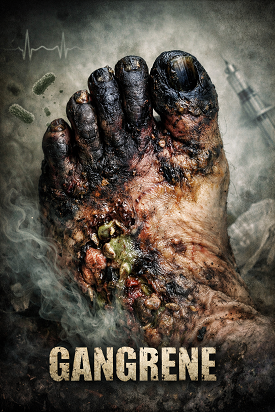
Gangrene

There are several types of gangrene, including:

  • Dry gangrene
  • Wet gangrene
  • Gas gangrene
  • Internal gangrene
  • Fournier’s gangrene

Although each type may have different symptoms and causes, all forms require urgent medical attention.

Common Causes of Gangrene

Several health problems and injuries may increase the risk of it. For example, some common causes include:

Poor Blood Circulation

Conditions like diabetes, peripheral artery disease, and blood clots can reduce blood flow to tissues. Consequently, the affected body parts may not receive enough oxygen and nutrients.

Severe Infection

Bacterial infections can spread rapidly through damaged tissue. Therefore, if left untreated, the infection may destroy healthy tissue and lead to complications.

Serious Injuries

Deep cuts, burns, crush injuries, or frostbite may damage blood vessels and tissues. As a result, the body may struggle to heal properly.

Weak Immune System

Individuals with weakened immune systems may struggle to fight infections. As a result, they may face a higher risk of infection after even minor injuries.

Early Warning Signs of Gangrene

Detecting gangrene early can save tissue and even save lives. Therefore, it is important to watch for symptoms carefully.

Skin Color Changes

The affected area may turn pale, blue, purple, brown, or black. This happens because the tissue is no longer receiving enough blood supply.

Severe Pain or Numbness

At first, the area may feel painful or sensitive. However, numbness may occur as the tissue begins to die.

Swelling and Blisters

Swelling, blisters, and sores may appear on the skin. Additionally, fluid or pus may leak from the affected area in some cases.

Bad Smell

Wet gangrene often causes a strong foul odor because of infection and tissue decay.

Fever and Weakness

If the infection spreads, symptoms like fever, chills, rapid heartbeat, and weakness may develop. As a result, this may indicate a life-threatening emergency.

Types of Gangrene and Their Symptoms

Dry Gangrene

it’s usually develops slowly due to poor blood circulation. As a result, the skin may appear dry, shriveled, and dark in color. It is more common in people with diabetes and artery disease.

Wet Gangrene

Wet it occurs when a bacterial infection affects damaged tissue. As a result, the area may become swollen, painful, and filled with pus. Because it spreads quickly, it is considered a medical emergency.

Gas Gangrene

Gas gangrene is caused by bacteria that produce gas inside tissues. Symptoms may include severe pain, swelling, fever, and crackling sounds under the skin. Immediate treatment is essential because this condition can become fatal within hours.

Internal Gangrene

it’s affects organs inside the body, such as the intestines or gallbladder. Severe abdominal pain and fever are common symptoms.

How Doctors Diagnose Gangrene

Doctors usually diagnose it through a physical examination and medical tests. Early diagnosis helps prevent complications and tissue loss.

Common tests may include:

  • Blood tests
  • Imaging scans like X-rays, CT scans, or MRI
  • Tissue or fluid samples
  • Blood circulation tests

These tests help doctors identify the type of gangrene and the severity of infection.

Treatment Options for Gangrene

it’s treatment depends on the type and stage of the condition. However, immediate treatment is always necessary.

Antibiotics

Doctors may prescribe strong antibiotics to fight bacterial infections. In severe cases, antibiotics may be given through an intravenous (IV) line.

Surgery

Surgery is often needed to remove dead tissue. This helps stop the infection from spreading to healthy areas.

Hyperbaric Oxygen Therapy

This treatment involves breathing pure oxygen inside a special chamber. Increased oxygen levels may help damaged tissue heal and slow bacterial growth.

Restoring Blood Flow

Doctors may perform procedures to improve blood circulation. For example, bypass surgery or angioplasty may help restore blood flow to affected tissues.

Amputation

In severe cases, doctors may need to remove a finger, toe, or limb to save the person’s life. Although this can be emotionally difficult, it may prevent the infection from spreading further.

How to Prevent Gangrene

Prevention is always better than treatment. Fortunately, several healthy habits may lower the risk of infections.

Manage Diabetes Carefully

Keeping blood sugar levels under control can help protect blood vessels and reduce the risk of infection.

Check Feet and Skin Regularly

People with diabetes should inspect their feet daily for cuts, blisters, redness, or swelling.

Treat Wounds Quickly

Even small cuts or burns should be cleaned and treated properly to prevent infection.

Avoid Smoking

Smoking damages blood vessels and reduces blood circulation. Therefore, quitting smoking can greatly improve overall health.

Maintain Healthy Circulation

Regular exercise, a healthy diet, and proper hydration may support good blood flow throughout the body.

Gangrene can become life-threatening if treatment is delayed. Therefore, seek medical attention immediately if you notice:

  • Black or discolored skin
  • Severe pain or numbness
  • Swelling with foul-smelling discharge
  • Fever with skin infection
  • Rapidly spreading skin damage

Quick medical care may help save tissue, limbs, and lives.

Conclusion

it’s is a serious condition that should never be ignored. Although it can develop quickly, early detection and fast treatment may prevent severe complications. Recognizing symptoms like skin discoloration, pain, swelling, and foul odor is extremely important. Furthermore, managing diabetes, improving blood circulation, and treating wounds properly can help reduce the risk. Most importantly, seeking immediate medical attention at the first warning signs can make a major difference in recovery and survival.
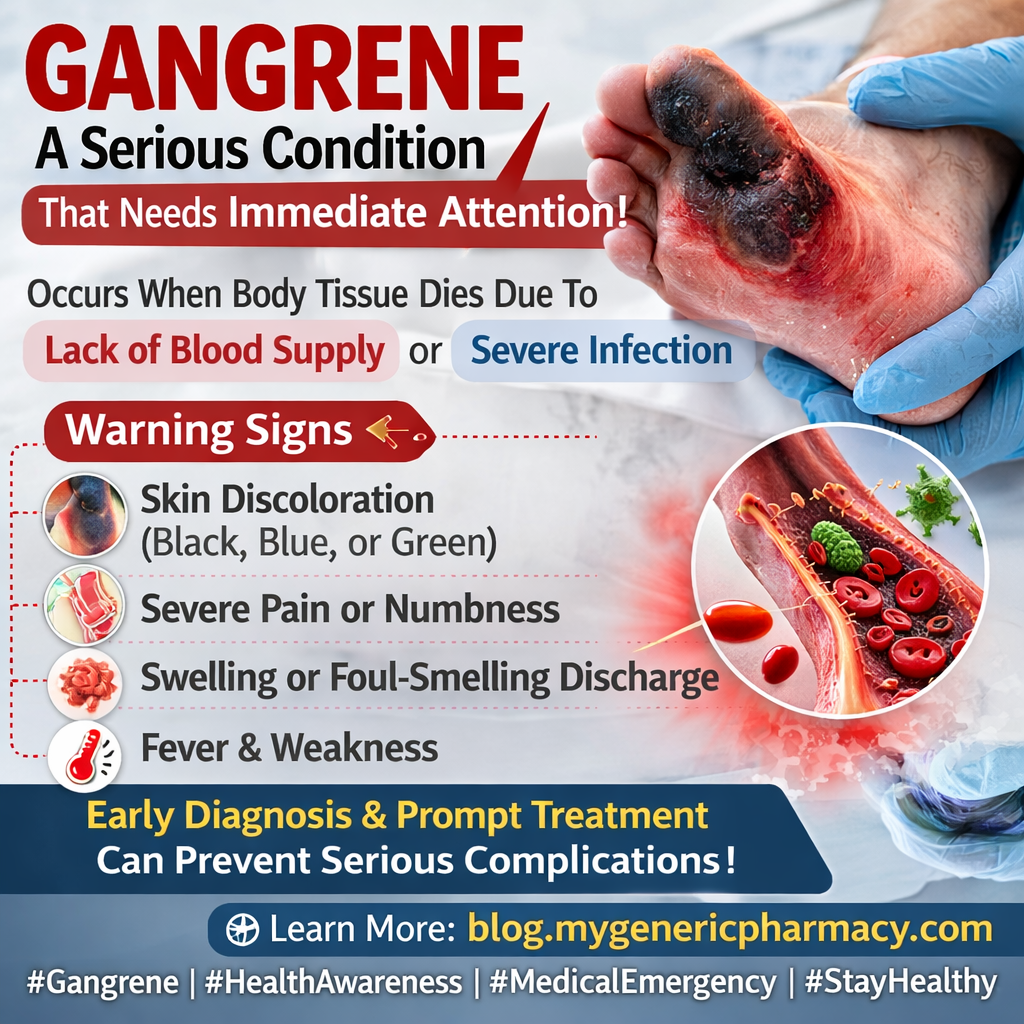
How to Prevent Gangrene: Expert Tips for Better Health

How to Prevent Gangrene: Expert Tips for Better Health

Learn how to prevent gangrene with expert tips on foot care, circulation, diet, and wound care. Also, learn the early warning signs and take action to protect your health.

Gangrene is a serious medical condition. It occurs when body tissue dies due to poor blood flow or a severe infection. In most cases, it affects the toes, feet, fingers, and limbs. However, it can also occur inside the body. If not treated early, it can cause serious problems. For example, it may lead to amputation or even death. Therefore, early detection and proper care are very important.

Fortunately, many cases can be prevented. In fact, simple daily habits can lower your risk. For example, keep your skin clean, manage health conditions, and treat wounds quickly. In addition, a healthy lifestyle improves blood flow. As a result, your body heals faster and stays strong. Moreover, eating healthy food and staying active support your overall health. So, small steps today can make a big difference tomorrow.


🧬 What Is Gangrene?

Gangrene develops when blood flow to a part of the body is reduced or blocked. As a result, the tissue does not get enough oxygen. Because of this, it starts to die. In some cases, bacterial infections can make this process faster. Therefore, early care and treatment are very important to prevent serious problems.

Gangrene


⚠️ Common Risk Factors for Gangrene

Understanding the risk factors is the first step toward prevention. In fact, some people are more vulnerable than others. Therefore, knowing these risks can help you take early action.

Key risk factors include:

  • Diabetes
  • Smoking
  • Peripheral artery disease
  • Severe injuries or burns
  • A weakened immune system

For example, diabetes can slow healing and reduce blood flow. As a result, even small cuts can become serious. In addition, smoking damages blood vessels and limits oxygen supply.

According to the Centers for Disease Control and Prevention, people with uncontrolled diabetes are especially prone to foot infections. Because of this, these infections may lead to gangrene if not treated on time. Therefore, proper care and regular check-ups are very important.


🦶 1. Gangrene Prevention: Take Care of Your Feet

Foot care is critical, especially for people with diabetes. In fact, even small cuts or blisters can become serious if ignored. Therefore, daily care and attention are very important.

Prevention tips:

  • First, inspect your feet daily
  • Next, keep them clean and dry
  • Also, wear comfortable, well-fitting shoes
  • Finally, treat cuts and wounds immediately

In addition, regular foot checks can help you spot problems early. As a result, you can take quick action before they get worse. Overall, simple habits can protect your feet and prevent serious complications.


🚭 2. Quit Smoking

Smoking significantly reduces blood flow and damages blood vessels. As a result, your body gets less oxygen. Because of this, it becomes harder to heal wounds.

However, quitting smoking can make a big difference. In fact, it helps improve blood circulation. As a result, your body heals faster. In addition, it lowers the risk of tissue damage.

Therefore, quitting smoking is one of the most effective ways to prevent gangrene and other serious health conditions.


🏃‍♂️ 3. Improve Blood Circulation

Good circulation helps your body stay healthy. It allows oxygen and nutrients to reach every part of your body. As a result, your tissues stay strong and heal faster.

Ways to boost circulation:

  • Exercise regularly
  • Maintain a healthy weight
  • Avoid sitting for long periods
  • Manage blood pressure and cholesterol

In fact, even simple activities like walking can help. For example, a short daily walk can improve blood flow. Over time, these small steps can make a big difference.


🥗 4. Maintain a Healthy Diet

A balanced diet helps your body stay strong. It supports your immune system and helps fight infections. As a result, your body can heal faster.

Include:

  • Fruits and vegetables
  • Whole grains
  • Lean proteins

Avoid:

  • Processed foods
  • Excess sugar
  • Trans fats

In addition, good nutrition helps control conditions like diabetes. Because of this, your overall risk is lower. Over time, healthy eating can protect your body and improve your well-being.


🩺 5. Manage Chronic Conditions

Chronic illnesses like diabetes and vascular disease increase the risk of gangrene. Because of this, it is important to manage these conditions well.

To stay in control:

  • Check your blood sugar regularly
  • Take your medicines as prescribed
  • Visit your doctor for regular check-ups

In addition, early control can prevent problems before they start.


🚨 6. Treat Wounds Immediately

Delaying treatment for cuts, burns, or infections can cause serious problems. If ignored, these issues can get worse quickly. Therefore, early care is very important.

Watch for warning signs:

  • Persistent pain
  • Swelling or redness
  • Foul-smelling discharge
  • Skin discoloration

If you notice any of these signs, seek medical help right away. As a result, you can prevent complications and protect your health.


🌟 Final Thoughts

Gangrene is a serious condition. However, it can often be prevented with simple steps. For example, good hygiene, better blood flow, and early care can lower your risk. In addition, managing chronic diseases and treating wounds on time can help a lot. As a result, you can protect your body from serious harm.

In conclusion, prevention is always better than cure. So, stay alert and take care of your body. If something feels wrong, act quickly and seek help. After all, your health—and your life—may depend on it.


📚 References

  1. World Health Organization – Infection control and vascular health
  2. Centers for Disease Control and Prevention – Diabetes and infection risks
  3. National Health Service – Gangrene causes, symptoms, and prevention
  4. Mayo Clinic – Gangrene diagnosis and treatment

Medications that have been suggested by doctors worldwide are available on the link below
https://mygenericpharmacy.com/category/disease/diabetes


Disclaimer: This article is for informational purposes only and does not constitute medical advice. Always consult a qualified healthcare professional for any health concerns or before making any decisions related to your health or treatment.

Gangrene: The Deadly Tissue Infection That Demands Urgent Care

Gangrene: The Deadly Tissue Infection That Demands Urgent Care

Gangrene: Warning Signs You Should Never Ignore

Gangrene is a serious condition caused by loss of blood supply or infection. Learn its symptoms, causes, and treatments to prevent life-threatening complications.


Gangrene is a serious and potentially life-threatening condition that occurs when body tissue dies due to a lack of blood flow or a severe bacterial infection. While the word might evoke medieval times, gangrene remains a critical medical emergency in the modern world, demanding immediate attention. It can affect any part of the body, but it is most commonly found in the extremities like the toes, fingers, and limbs, and can also involve internal organs and muscles .

Understanding the causes, recognizing the symptoms, and knowing the urgency of treatment are vital for improving outcomes and saving lives. This guide provides a comprehensive overview of gangrene, from its various forms to the latest treatment protocols.

What is Gangrene? An Overview

Gangrene is the irreversible death (necrosis) of body tissue caused by a loss of blood supply (ischemia), a severe bacterial infection, or a combination of both . Without a proper blood supply, cells cannot survive, and the affected tissue begins to decay. If bacteria invade the dead tissue, it accelerates the decay process and can lead to a life-threatening systemic infection known as sepsis . This condition can significantly impair a patient’s quality of life due to pain, reduced mobility, and frequent hospitalizations .

Types of Gangrene

Gangrene is broadly classified into three main types: dry, wet, and gas gangrene. A few other specific forms also exist.

Dry Gangrene

Dry gangrene is characterized by progressive ischemia (lack of blood flow) and is most common in the digits (toes and fingers) . It typically results from conditions that slowly block the arteries, such as atherosclerosis or peripheral vascular disease . The affected tissue becomes dry, shrinks, and turns dark brown or black. It is called “dry” because the tissue contains little moisture. Interestingly, dry gangrene is often aseptic, meaning it occurs without bacterial infection, as bacteria do not thrive in the mummified tissue . A clear line of demarcation usually forms between the dead and healthy tissue.

Wet Gangrene

Wet gangrene develops when necrotic tissue becomes infected by bacteria . This is a much more dangerous condition than dry gangrene because the bacteria thrive in the moist environment, causing the infection to spread rapidly. The area becomes swollen, blistered, and wet, often with a foul-smelling discharge. The infection can quickly move into the bloodstream, leading to sepsis and septic shock, which is life-threatening . This type is common in people with diabetes who sustain a minor injury, as their impaired circulation and immune response create the perfect environment for infection to set in. Conditions like Fournier’s gangrene, which affects the genitals, and internal gangrene (e.g., of the gallbladder or intestine) fall under this category .

Gas Gangrene

Gas gangrene is a rapidly progressive, life-threatening necrotizing infection caused by bacteria that produce gas. It is most commonly caused by Clostridium perfringens and other Clostridium species, which are anaerobic bacteria (they thrive in the absence of oxygen) . These bacteria produce potent exotoxins that destroy muscle tissue, blood cells, and blood vessels. As they multiply, they produce gas within the tissues. This condition is a true medical emergency, with mortality rates that can exceed 40% even with treatment .

Fournier’s Gangrene

This is a specific, rare, and aggressive form of wet gangrene that affects the genitals and perineum (the area between the genitals and anus). It is a polymicrobial necrotizing fasciitis, meaning it involves multiple types of bacteria that destroy soft tissue . It is more common in men but can affect women. It often originates from an infection in the skin, urinary tract, or bowel and spreads rapidly. A 2025 observational study highlighted that diabetes is a major comorbidity in patients with Fournier’s gangrene, affecting nearly 29% of patients .

Causes and Risk Factors

Gangrene is the end result of a critical failure of the body’s tissue support systems. The causes can be broken down into three primary categories.

Causes

  • Loss of Blood Supply (Ischemia): This is the primary cause of dry gangrene. When arteries become blocked or narrowed, oxygen and essential nutrients cannot reach the tissues. Common causes include atherosclerosis (hardening of the arteries), blood clots, and traumatic injury .
  • Infection: Severe bacterial infections can directly destroy tissue and produce toxins that kill cells. In wet and gas gangrene, infection is the primary driver. Bacteria can enter the body through wounds, surgical incisions, or even minor breaks in the skin .

Risk Factors

Certain factors increase a person’s susceptibility to gangrene:

  • Diabetes: This is a major risk factor. High blood sugar damages blood vessels (microvascular disease) and nerves (neuropathy). Neuropathy means a person might not feel an injury, and the poor blood flow prevents the wound from healing, making it a prime target for infection .
  • Peripheral Artery Disease (PAD): Atherosclerosis can narrow the arteries in the legs and arms, starving them of blood flow.
  • Smoking: Tobacco use damages blood vessels, causing them to narrow and increasing the risk of clots .
  • Trauma or Surgery: Severe injuries like crush wounds, burns, or deep cuts can suddenly cut off blood supply or introduce bacteria deep into tissues. Post-surgical infections are another potential cause .
  • Immunocompromised State: People undergoing chemotherapy, taking steroids, or with conditions like HIV have a weakened ability to fight off infections .
  • Obesity: Excess weight can put pressure on arteries and impair circulation .

Signs and Symptoms to Recognize

Early recognition is crucial for survival. Symptoms vary by the type and location of the gangrene.

General Symptoms

  • Skin Changes: This is often the first sign. The skin may initially be pale, then progress to blue, purple, bronze, red, or finally black .
  • Loss of Sensation (Numbness): As nerves are destroyed by lack of blood or infection, the area may become numb. In necrotizing fasciitis, this anesthesia is a sign of advanced disease .
  • Severe Pain: In gas gangrene and many cases of wet gangrene, sudden, severe pain is common, often before other skin changes are visible. The pain may seem out of proportion to how the skin looks .
  • Swelling and Blisters: The affected area may swell significantly, and blisters (bullae) filled with clear, red, or dark fluid can form .
  • Foul Odor: A putrid or foul smell from the wound is a classic sign of infected, necrotic tissue .

Symptoms Specific to Gas Gangrene

  • Crepitus: A crackling sensation under the skin caused by gas bubbles trapped in the tissues .
  • Rapid Progression: The infection can spread visibly over the course of hours, and patients can become critically ill very quickly.
  • Systemic Toxicity: Due to potent bacterial toxins, patients often have a rapid heart rate, fever, sweating, and anxiety. In late stages, they may develop jaundice (yellowing of the skin), shock, and kidney failure .

Systemic Symptoms (The Body’s Response)

As the condition worsens, toxins and bacteria enter the bloodstream, leading to sepsis. This can cause:

  • High fever (though some may have a low temperature)
  • Rapid heartbeat and breathing
  • Low blood pressure and dizziness
  • Confusion or loss of consciousness 

Diagnosis: How is Gangrene Identified?

Diagnosis must be rapid to prevent further tissue loss and death. It involves a combination of clinical evaluation and tests.

  • Physical Examination: A doctor will assess the wound’s appearance, check for crepitus, and evaluate the extent of tissue damage.
  • Laboratory Tests: Blood tests are done to check for signs of infection (elevated white blood cell count) and organ damage. Cultures of wound fluid or tissue can identify the specific bacteria causing the infection .
  • Imaging Studies:
    • X-rays: Can reveal gas bubbles in the tissues, which is a key sign of gas gangrene .
    • CT (Computed Tomography) and MRI (Magnetic Resonance Imaging): These are more detailed scans that can show the extent of tissue death, fluid collections, and gas pockets. They help surgeons plan the necessary debridement .
  • Surgery: Often, the most definitive way to diagnose the extent of the disease is through surgical exploration. This allows the surgeon to see the health of the muscle and deep tissues firsthand. A biopsy can be taken for laboratory analysis .

Treatment: A Multi-Pronged Emergency Approach

The treatment of gangrene is a race against time. It requires aggressive intervention in a hospital setting, often involving a team of surgeons, infectious disease specialists, and other experts.

1. Emergency Surgery (Debridement)

Surgery is the cornerstone of treatment for wet and gas gangrene. The procedure, called debridement, involves cutting away all dead, infected, and devitalized tissue . This is crucial because the dead tissue has no blood supply, so antibiotics cannot reach it. Leaving it in place allows the infection to continue spreading. In severe cases, an amputation of a toe, foot, or limb may be necessary to save the patient’s life . Often, more than one surgery is needed to ensure all necrotic tissue has been removed.

2. Intravenous Antibiotics

High-dose antibiotics are administered immediately, often before the exact bacteria are identified. The choice of antibiotics is based on the suspected type of infection.

  • For clostridial infections (gas gangrene), the standard regimen is high-dose intravenous penicillin in combination with clindamycin. Clindamycin is added because it helps stop the bacteria from producing their deadly toxins .
  • For polymicrobial infections like Fournier’s gangrene, broad-spectrum antibiotics that cover a wide range of bacteria are used .
  • The 2025 guidelines for diabetic ulcers and gangrene emphasize the role of targeted oral antibiotics once the patient is stabilized, in addition to initial intravenous therapy .

3. Supportive Care

Patients with gangrene are often critically ill. Supportive care includes:

  • Intravenous fluids to maintain blood pressure and hydration.
  • Medications to support blood pressure.
  • Pain management.
  • Nutritional support to help the body heal .

4. Revascularization Procedures

For dry gangrene where the tissue is dead due to blocked arteries, the primary goal is to restore blood flow to the healthy tissue to prevent further loss. This can be done through:

  • Vascular bypass surgery: Creating a detour around the blocked artery.
  • Angioplasty and stenting: Inserting a balloon to open the narrowed artery and placing a small tube (stent) to keep it open .

5. Hyperbaric Oxygen Therapy

Hyperbaric oxygen therapy involves placing the patient in a special chamber where they breathe 100% oxygen at a pressure higher than normal. This increases the amount of oxygen in the blood, which can help kill anaerobic bacteria like Clostridium and improve wound healing . It is used as an adjunctive therapy, meaning it is a helpful addition to surgery and antibiotics, but it should never delay surgical debridement .

Prevention: The Best Defense

Preventing gangrene focuses on managing risk factors and protecting your body.

  • Manage Chronic Conditions: Strictly control blood sugar levels if you have diabetes. Manage high blood pressure and high cholesterol.
  • Stop Smoking: This is one of the most important steps to improve circulation.
  • Inspect Your Body Daily: If you have diabetes or PAD, inspect your feet and legs every day for cuts, blisters, redness, or swelling that you may not feel.
  • Practice Good Wound Care: Clean any wound thoroughly and seek medical attention for deep wounds, animal bites, or signs of infection (redness, warmth, swelling, pus) .
  • Maintain a Healthy Weight: This reduces stress on your circulatory system .

Conclusion: Time is Tissue

Gangrene is a devastating condition, but understanding its types, causes, and warning signs can be life-saving. The key takeaway is that time is tissue. The longer treatment is delayed, the more tissue is lost and the higher the risk of death.

Modern medicine offers a powerful arsenal—from aggressive surgical techniques and potent antibiotics to advanced revascularization and hyperbaric oxygen therapy—to fight this disease. The 2025 updates to clinical guidelines reflect the ongoing efforts to refine these treatments and improve outcomes for patients . If you are at high risk, vigilant self-care is your best defense. If you or someone you know experiences the signs of gangrene, seek emergency medical care immediately.

Reference:

https://www.mayoclinic.org/diseases-conditions/gangrene/symptoms-causes/syc-20352567
https://my.clevelandclinic.org/health/diseases/21070-gangrene
https://www.ncbi.nlm.nih.gov/books/NBK560552/
https://www.webmd.com/skin-problems-and-treatments/gangrene-causes-symptoms-treatments
https://www.sciencedirect.com/topics/medicine-and-dentistry/gangrene

Medications that have been suggested by doctors worldwide are available on the link below
https://mygenericpharmacy.com/category/disease/diabetes


Disclaimer: This article is for informational purposes only and does not constitute medical advice. Always consult a qualified healthcare professional for any health concerns or before making any decisions related to your health or treatment.