How to Detect and Treat Gangrene Before It’s Too Late
Gangrene is a serious medical condition that happens when body tissue dies due to a lack of blood supply or a severe infection. It can affect the skin, muscles, and even internal organs. Although it’s is dangerous, early detection and quick treatment can help prevent severe complications. Therefore, understanding the warning signs and available treatment options is extremely important.
In many cases, gangrene develops in the feet, toes, fingers, or legs. In particular, people with diabetes, poor blood circulation, or weakened immune systems are at a higher risk. However, anyone can develop this condition after an injury, burn, or infection. Therefore, immediate medical care is necessary because gangrene can spread quickly.
What Is Gangrene?
it’s occurs when body tissue dies because it does not receive enough oxygen-rich blood. In some cases, bacterial infections may also cause severe tissue damage. As a result, the affected area may change color, become swollen, and produce a foul smell as the condition worsens.
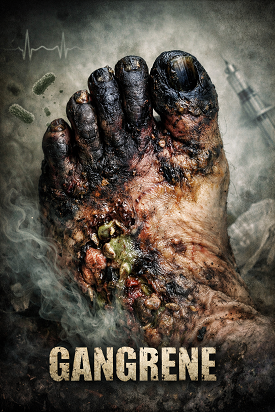
There are several types of gangrene, including:
- Dry gangrene
- Wet gangrene
- Gas gangrene
- Internal gangrene
- Fournier’s gangrene
Although each type may have different symptoms and causes, all forms require urgent medical attention.
Common Causes of Gangrene
Several health problems and injuries may increase the risk of it. For example, some common causes include:
Poor Blood Circulation
Conditions like diabetes, peripheral artery disease, and blood clots can reduce blood flow to tissues. Consequently, the affected body parts may not receive enough oxygen and nutrients.
Severe Infection
Bacterial infections can spread rapidly through damaged tissue. Therefore, if left untreated, the infection may destroy healthy tissue and lead to complications.
Serious Injuries
Deep cuts, burns, crush injuries, or frostbite may damage blood vessels and tissues. As a result, the body may struggle to heal properly.
Weak Immune System
Individuals with weakened immune systems may struggle to fight infections. As a result, they may face a higher risk of infection after even minor injuries.
Early Warning Signs of Gangrene
Detecting gangrene early can save tissue and even save lives. Therefore, it is important to watch for symptoms carefully.
Skin Color Changes
The affected area may turn pale, blue, purple, brown, or black. This happens because the tissue is no longer receiving enough blood supply.
Severe Pain or Numbness
At first, the area may feel painful or sensitive. However, numbness may occur as the tissue begins to die.
Swelling and Blisters
Swelling, blisters, and sores may appear on the skin. Additionally, fluid or pus may leak from the affected area in some cases.
Bad Smell
Wet gangrene often causes a strong foul odor because of infection and tissue decay.
Fever and Weakness
If the infection spreads, symptoms like fever, chills, rapid heartbeat, and weakness may develop. As a result, this may indicate a life-threatening emergency.
Types of Gangrene and Their Symptoms
Dry Gangrene
it’s usually develops slowly due to poor blood circulation. As a result, the skin may appear dry, shriveled, and dark in color. It is more common in people with diabetes and artery disease.
Wet Gangrene
Wet it occurs when a bacterial infection affects damaged tissue. As a result, the area may become swollen, painful, and filled with pus. Because it spreads quickly, it is considered a medical emergency.
Gas Gangrene
Gas gangrene is caused by bacteria that produce gas inside tissues. Symptoms may include severe pain, swelling, fever, and crackling sounds under the skin. Immediate treatment is essential because this condition can become fatal within hours.
Internal Gangrene
it’s affects organs inside the body, such as the intestines or gallbladder. Severe abdominal pain and fever are common symptoms.
How Doctors Diagnose Gangrene
Doctors usually diagnose it through a physical examination and medical tests. Early diagnosis helps prevent complications and tissue loss.
Common tests may include:
- Blood tests
- Imaging scans like X-rays, CT scans, or MRI
- Tissue or fluid samples
- Blood circulation tests
These tests help doctors identify the type of gangrene and the severity of infection.
Treatment Options for Gangrene
it’s treatment depends on the type and stage of the condition. However, immediate treatment is always necessary.
Antibiotics
Doctors may prescribe strong antibiotics to fight bacterial infections. In severe cases, antibiotics may be given through an intravenous (IV) line.
Surgery
Surgery is often needed to remove dead tissue. This helps stop the infection from spreading to healthy areas.
Hyperbaric Oxygen Therapy
This treatment involves breathing pure oxygen inside a special chamber. Increased oxygen levels may help damaged tissue heal and slow bacterial growth.
Restoring Blood Flow
Doctors may perform procedures to improve blood circulation. For example, bypass surgery or angioplasty may help restore blood flow to affected tissues.
Amputation
In severe cases, doctors may need to remove a finger, toe, or limb to save the person’s life. Although this can be emotionally difficult, it may prevent the infection from spreading further.
How to Prevent Gangrene
Prevention is always better than treatment. Fortunately, several healthy habits may lower the risk of infections.
Manage Diabetes Carefully
Keeping blood sugar levels under control can help protect blood vessels and reduce the risk of infection.
Check Feet and Skin Regularly
People with diabetes should inspect their feet daily for cuts, blisters, redness, or swelling.
Treat Wounds Quickly
Even small cuts or burns should be cleaned and treated properly to prevent infection.
Avoid Smoking
Smoking damages blood vessels and reduces blood circulation. Therefore, quitting smoking can greatly improve overall health.
Maintain Healthy Circulation
Regular exercise, a healthy diet, and proper hydration may support good blood flow throughout the body.
Gangrene can become life-threatening if treatment is delayed. Therefore, seek medical attention immediately if you notice:
- Black or discolored skin
- Severe pain or numbness
- Swelling with foul-smelling discharge
- Fever with skin infection
- Rapidly spreading skin damage
Quick medical care may help save tissue, limbs, and lives.
Conclusion
it’s is a serious condition that should never be ignored. Although it can develop quickly, early detection and fast treatment may prevent severe complications. Recognizing symptoms like skin discoloration, pain, swelling, and foul odor is extremely important. Furthermore, managing diabetes, improving blood circulation, and treating wounds properly can help reduce the risk. Most importantly, seeking immediate medical attention at the first warning signs can make a major difference in recovery and survival.