Browsed by
Category: Ulcers

The Gut Guardian: Your Guide to Ulcers & Indigestion

The Gut Guardian: Your Guide to Ulcers & Indigestion

Understanding the Burn: More Than Just “Acid”

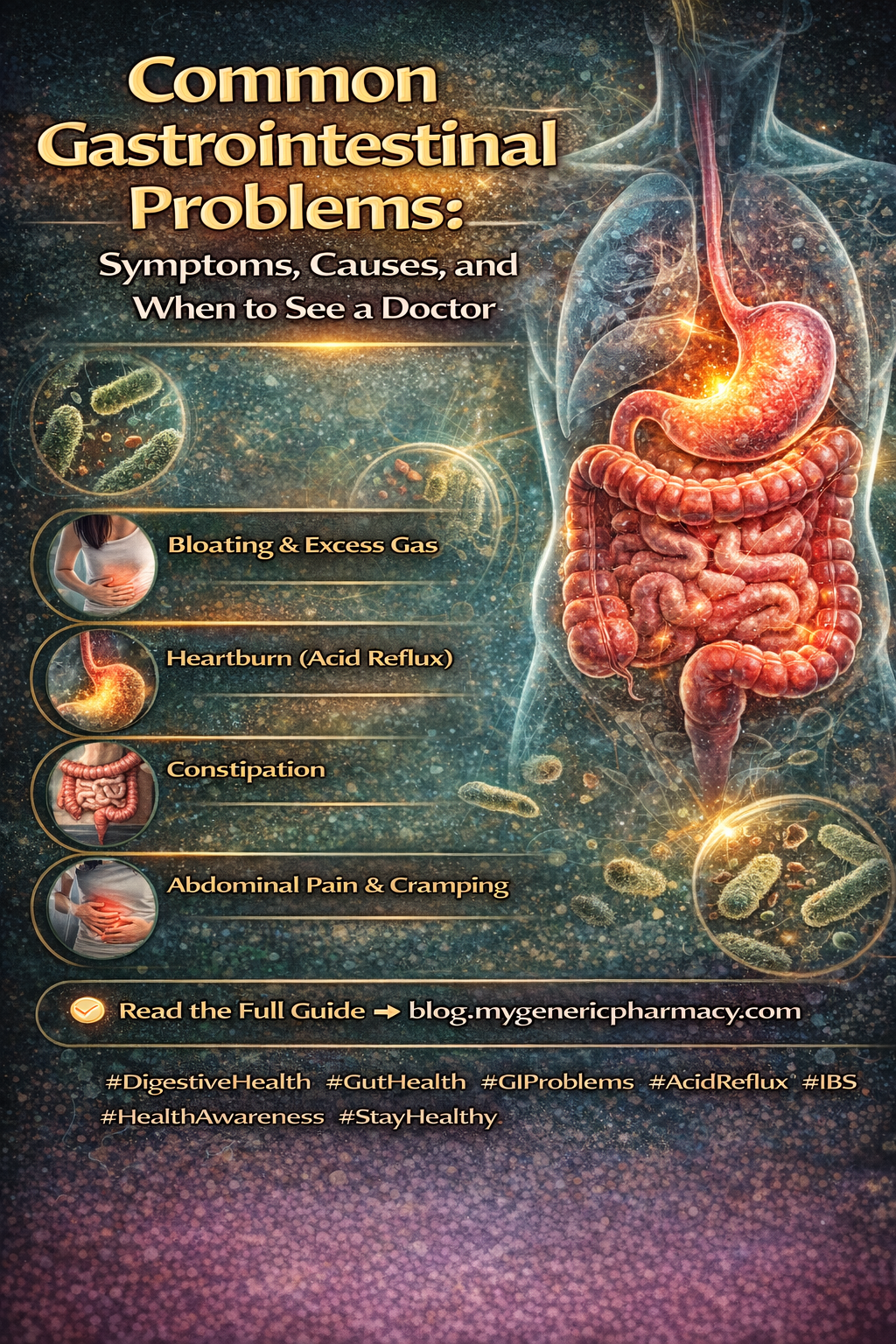
That gnawing pain, burning sensation, or persistent discomfort in your upper abdomen isn’t just “bad digestion”—it could be your body signaling an ulcer or chronic indigestion. Let’s demystify these common but often misunderstood conditions.

What’s Really Going On? Ulcers vs. Indigestion

Peptic Ulcers: The Open Sores

These are breaks in the lining of your stomach (gastric ulcer) or the first part of your small intestine (duodenal ulcer).

Primary Causes:

  1. H. pylori Infection: A spiral-shaped bacterium that weakens the protective mucous layer (responsible for about 70-90% of ulcers)
  2. NSAIDs: Regular use of aspirin, ibuprofen, naproxen
  3. Other Factors: Severe physiological stress, rare tumors (Zollinger-Ellison syndrome)

The Mythbuster: For decades, stress and spicy foods were blamed. While they can aggravate symptoms, they rarely cause ulcers alone.

Functional Dyspepsia (Chronic Indigestion)

This refers to recurrent pain or discomfort centered in the upper abdomen without a visible ulcer or other clear structural cause. It’s a functional disorder of the gut-brain interaction.

Subtypes:

Recognizing the Signs: Is It an Ulcer or Indigestion?

Common Overlapping Symptoms:

  • Burning stomach pain (often between meals or at night)
  • Feeling of fullness, bloating, or belching
  • Heartburn or acid reflux
  • Nausea

Red Flag Symptoms (Seek Immediate Medical Attention):

  • Vomiting blood (red or black, coffee-ground appearance)
  • Dark, tarry, or bloody stools
  • Unexplained weight loss
  • Severe, persistent pain
  • Difficulty swallowing that’s new or worsening
  • Pain that radiates to the back, jaw, or arm

These could indicate bleeding, perforation, or obstruction—all medical emergencies.

Getting the Right Diagnosis

Self-diagnosing with over-the-counter medications can mask serious problems. A proper diagnosis is key.

Diagnostic Tools Your Doctor May Use:

  • Upper Endoscopy (EGD): A tiny camera is inserted into your stomach and duodenum; biopsies can check for H. pylori and cancer.
  • H. pylori Testing: Breath, blood, stool, or tissue tests.
  • Imaging: X-rays with barium swallow.
  • Elimination Diet/Food Diary: To identify triggers for functional dyspepsia.

Modern Treatment Pathways

For Ulcers Cured by H. pylori:

A 10-14-day course of triple or quadruple therapy:

  • Two different antibiotics
  • Proton Pump Inhibitor (PPI) like omeprazole
  • Possibly bismuth subsalicylate (Pepto-Bismol)

For NSAID-Induced Ulcers:

  • Discontinue or reduce NSAID use
  • PPIs to heal the lining
  • Alternative pain management strategies

For Functional Dyspepsia:

A more nuanced approach focusing on symptom management:

  • Acid Suppressants: PPIs or H2 Blockers (like famotidine)
  • Prokinetics: Medications that help with stomach emptying
  • Low-Dose Antidepressants: Tricyclics (like amitriptyline) can modulate gut-brain nerve signals at doses far below those used for depression.
  • Psychological Therapies: Cognitive Behavioral Therapy (CBT) or gut-directed hypnotherapy can be highly effective.

Healing from the Inside Out: Diet & Lifestyle

What to Eat (and When):

  • The Good: Lean proteins, high-fiber foods (oats, sweet potatoes), probiotics (yogurt, kefir), bananas, ginger, licorice root (DGL).
  • Timing Matters: Smaller, more frequent meals. Avoid lying down for 2-3 hours after eating.
  • Hydration: Drink water between meals, not during, to avoid over-distending the stomach.

What to Limit or Avoid:

  • Common Aggravators: Coffee (including decaf), alcohol, carbonated beverages, citrus juices, tomato-based products, spicy foods (if they trigger you), high-fat/fried foods.
  • Smoking: Impairs healing and increases acid production. Stopping is crucial.
  • Stress Management: While not a primary cause, stress can exacerbate symptoms. Incorporate yoga, meditation, or regular exercise.

Beyond the Physical: The Gut-Brain Connection

Your digestive tract and brain are in constant conversation via the vagus nerve. Anxiety and stress can heighten pain perception and alter motility. Addressing mental well-being isn’t “all in your head”—it’s a critical part of treating functional dyspepsia.

Prevention: Keeping Your Gut Lining Healthy

  1. Use NSAIDs Wisely: Take with food, use the lowest effective dose, or ask about alternatives like acetaminophen.
  2. Practice Good Hygiene: Wash hands to reduce the risk of H. pylori.
  3. Listen to Your Body: Don’t ignore persistent symptoms.
  4. Limit Trigger Foods: Know your personal triggers.
  5. Manage Stress Proactively: It’s preventative medicine for your gut.

Myth vs. Fact

❌ Myth: Milk soothes ulcers.
✅ Fact: Milk provides temporary relief but increases stomach acid production later, potentially worsening the ulcer.

❌ Myth: Ulcers always cause severe pain.
✅ Fact: Some are “silent,” especially in older adults, presenting only with bleeding or anemia.

❌ Myth: If antacids help, it’s just heartburn.
✅ Fact: Antacids can temporarily relieve ulcer pain, delaying proper diagnosis.


Disclaimer: This blog is for educational purposes only and is not a substitute for professional medical advice, diagnosis, or treatment. Always seek the advice of your physician with any questions you may have regarding a medical condition.

Is Mirikizumab useful for ulcerative colitis as per study?

Is Mirikizumab useful for ulcerative colitis as per study?

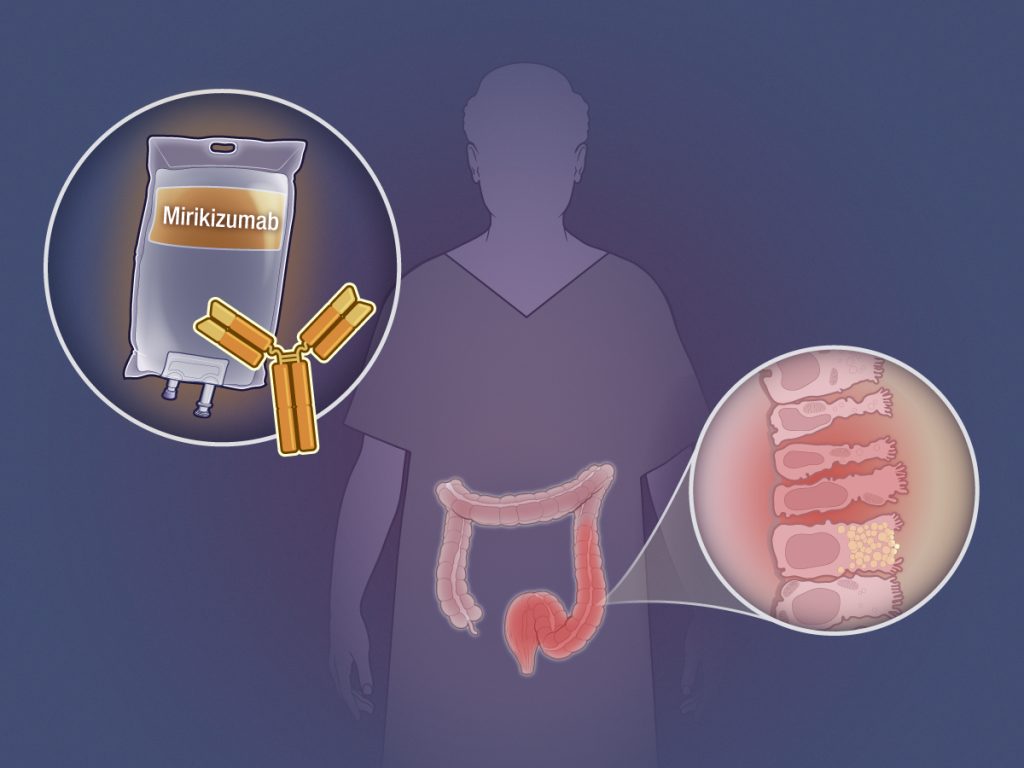
In a recent clinical trial, a novel drug being developed to treat ulcerative colitis showed promise.

Researchers found that those receiving the medication lebrikizumab experienced remission from ulcerative colitis twice as frequently as those taking a placebo.

The results, according to experts, are encouraging; nonetheless, more clinical trials are required because the medicine has not yet received approval from federal regulators.

Research in the New England Journal of Medicine found that people receiving the medication lebrikizumab experienced remission from ulcerative colitis almost twice as frequently as those taking a placebo.

Researchers examined the effectiveness and safety of lebrikizumab, a novel injectable drug being created to treat ulcerative colitis. The use of lebrikizumab in the US has not yet received approval from the Food and Drug Administration.

In comparison to those who took a placebo, participants reported having a better clinical response, endoscopic remission, and reduced urgency in bowel movements.

Clinical studies for a new medication for ulcerative colitis

52 weeks of treatment were spread across two phase 3 double-blind, placebo-controlled trials. 1,281 adults with ulcerative colitis who had moderate to severe inflammation participated in the experiment.

LUCENT-1, the first, ran for 12 weeks. Three participants received 300 mg of lebrikizumab for each one who received a placebo. 294 patients received a placebo, whereas 868 patients received lebrikizumab.

The maintenance phase, LUCENT-2, was continued with the participants who were deemed receptive. Rectal haemorrhage and stool frequency were measured by the researchers.

At the conclusion of the 12-week period, 179 placebo patients and 365 mirikizumab users both reported responsiveness.

Participants were given a 200 mg dose of mirikizumab or a placebo during the second stage, which is known as the maintenance phase.

Nearly 50% of those who got mirikizumab and 25% of those who received a placebo experienced remission by week 40 of the maintenance phase (or by week 52 of both phases combined).

Eli Lilly, a pharmaceutical corporation, supported the research.

Expert response to medication research for ulcerative colitis

Longer trials are being conducted to evaluate the safety and efficacy of mirikizumab over longer periods of time.

“This study shows that we have another tool for people with ulcerative colitis and that this might help those who do not respond to other medications,” said Dr. Ashkan Farhadi, a gastroenterologist at MemorialCare Orange Coast Medical Centre in California who was not involved in the study. However, I’m not giddy with excitement over the figures.

And before we can get this to the patients, it will be a while. The phase 4 trial comes first. We have the insurance companies to get through if that advances us to the next round, Farhadi said.

“These medicines are outrageously expensive, and insurance companies frequently need us to pass hurdles before receiving clearance. For instance, they might advise the patient to try several other medications first,” he continued.

“In general, I believe having additional tools is a good thing. However, the numbers do not now make this my top pick, said Farhadi.

Ulcerative colitis: What is it?

A chronic inflammatory bowel illness is ulcerative colitis.

It is regarded as an autoimmune condition that affects the lining of the colon and rectum and results in sores and ulcers.

The signs consist of:

  • Diarrhea
  • stool with blood in it
  • Continent pain

The condition ulcerative colitis cannot be cured. The Crohn’s & Colitis Foundation lists the following as treatments:

  • drugs that reduce inflammation
  • biologics
  • immunomodulators
  • a variety of drugs taken together
  • surgery

During a flare, doctors also advise sticking to a diet of soft, bland foods. They could advise cutting back on hot and high-fiber foods as well.

How drugs can treat ulcerative colitis?

According to the American Academy of Family Physicians, when ulcerative colitis patients take medication, remission occurs in about two-thirds of cases. 80 percent of them will continue to be in remission.

Dr. Arun Swaminath, chief of gastroenterology and director of the Inflammatory Bowel Programme at Northwell Lenox Hill Hospital in New York, who was not involved in the study, said, “This is very difficult to understand.” “Response rates for other autoimmune diseases, like rheumatoid arthritis, range from 80 to 90 percent. But because of ulcerative colitis, we cannot travel there. It’s possible that the reason why inflammatory bowel diseases (IBD) have such a high burden of inflammation.

The release of a new IBD drug always excites medical specialists. According to Swaminath, the mechanism of action for mirikizumab is distinct. Its physiological effects will be different from those of other drugs.

“There are some positives, such as the fact that this study enrolled many people in the severe category,” he continued. “It is challenging to determine how much the medication works when studies mostly include people in the moderate category. I was quite inspired to learn that participants with advanced illnesses still experienced success.

What’s coming up in medication research for ulcerative colitis?

A phase 3 experiment was the current investigation. According to the National Cancer Institute, phase 3 trials examine a new drug’s safety as well as how well it performs over a longer time frame than in earlier trials.

A phase 4 clinical trial would presumably follow the FDA’s approval of mirikizumab. Thousands of participants frequently participate in phase 4 trials.

The next phase “might answer some lingering questions” because so many more people will be involved, according to Swaminath. “For instance, while I read the paper, I pondered the situation of those who had previously taken Stelara. Does the fact that they were rejected from phase 3 indicate that they won’t be suitable candidates for this medication? In addition, there were two cases of induction-phase cancer and two cases of maintenance-phase cancer. Were those cancers prevalent at the time? To learn what transpires when the drug is administered to a big population, we must monitor the subsequent phase.

REFERENCES:

For Ulcerative colitis medications that have been suggested by doctors worldwide are available here https://mygenericpharmacy.com/index.php?therapy=69