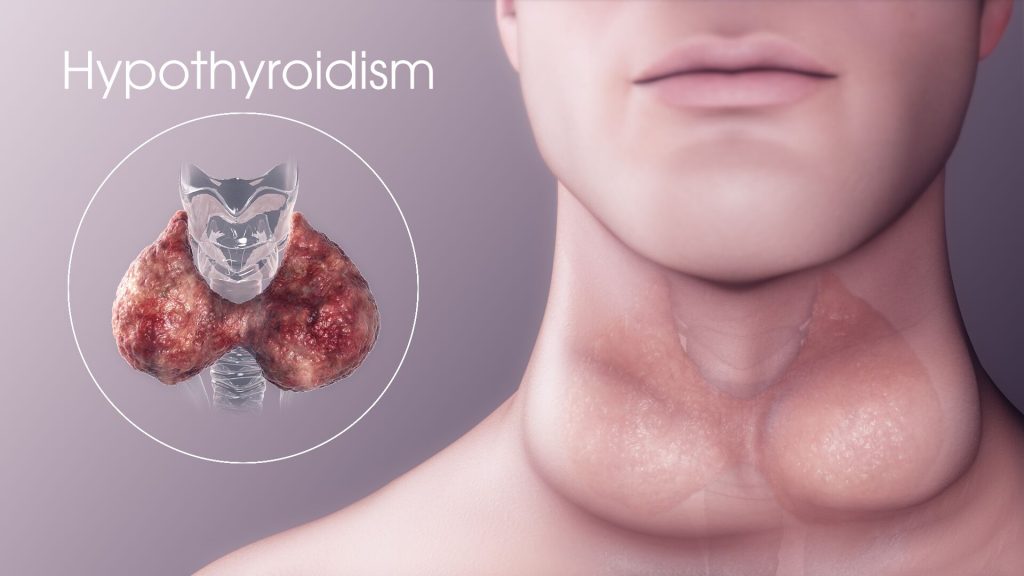
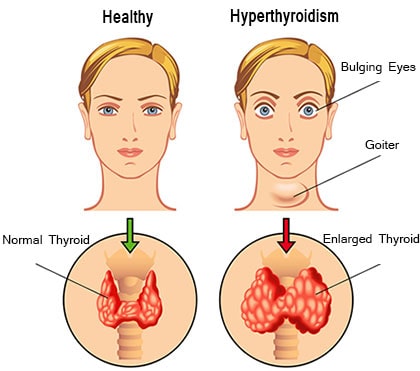
The Truth About Hypothyroidism Hormones: Causes, Symptoms & Solutions
Hypothyroidism is a common condition in which the thyroid gland does not produce enough hormones. These hormones play a vital role in controlling metabolism, energy levels, and overall body function. As a result, even a small imbalance can affect your entire body. In this blog, you will discover the real causes, symptoms, and effective solutions for hypothyroidism simply and easily.
What Is Hypothyroidism?
Hypothyroidism occurs when the thyroid gland produces low levels of essential hormones like T3 and T4. These hormones regulate how your body uses energy. When hormone levels drop, bodily functions slow down. Therefore, you may feel tired, sluggish, and mentally foggy.
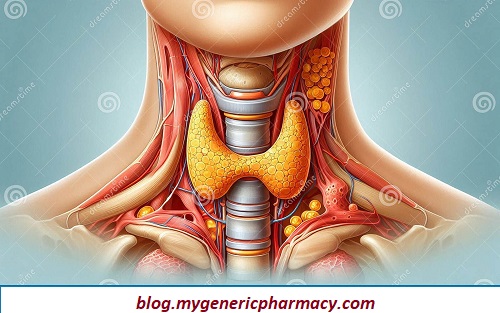
Common Causes of Hypothyroidism
There are several reasons why hypothyroidism develops. Understanding these causes helps in early prevention.
1. Autoimmune Disorders
The most common cause is Hashimoto’s thyroiditis, where the immune system attacks the thyroid gland.
2. Iodine Deficiency
Iodine is essential for hormone production. Without it, the thyroid cannot function properly.
3. Medications
Certain medicines can interfere with hormone production.
4. Thyroid Surgery or Treatment
Removal of the thyroid gland or radiation therapy may lead to hypothyroidism.
Symptoms of Hypothyroidism
Symptoms often develop slowly. However, they should not be ignored.
Common Signs Include:
- Fatigue and low energy
- Weight gain
- Cold sensitivity
- Dry skin and hair
- Depression or mood changes
- Slow heart rate
In addition, some people may experience memory problems and muscle weakness.
How Hypothyroidism Affects Your Body
Low thyroid hormones impact multiple systems. For example:
- Metabolism slows down, leading to weight gain
- Heart rate decreases, affecting circulation
- Brain function declines, causing brain fog
Therefore, untreated hypothyroidism can reduce quality of life significantly.
Diagnosis: How Is It Detected?
Doctors usually diagnose hypothyroidism through blood tests. These tests measure TSH, T3, and T4 levels. If TSH is high and T4 is low, hypothyroidism is confirmed. Early testing helps prevent complications.
Solutions & Treatment Options
The good news is that hypothyroidism can be managed effectively.
1. Hormone Replacement Therapy
Doctors commonly prescribe levothyroxine, a synthetic thyroid hormone. It helps restore normal hormone levels.
2. Healthy Diet
A balanced diet supports thyroid health. Include:
- Iodine-rich foods
- Selenium and zinc
- Fresh fruits and vegetables
3. Lifestyle Changes
Regular exercise and stress management improve overall well-being.
4. Regular Monitoring
Frequent check-ups ensure that hormone levels stay balanced.
📸 Infographic Suggestion
- “Top foods for thyroid health”
- “Daily habits to manage hypothyroidism”
Why Early Treatment Is Important
If left untreated, hypothyroidism can lead to serious complications such as:
- Heart problems
- Infertility
- Severe fatigue
- Myxedema (rare but dangerous condition)
Therefore, timely treatment is essential for long-term health.
Prevention Tips
Although not all cases are preventable, you can reduce your risk by following simple steps:
- Maintain a balanced diet
- Use iodized salt
- Avoid unnecessary medications
- Get regular health check-ups
Moreover, awareness plays a key role in early detection.
Conclusion
Hypothyroidism is more than just a hormone imbalance. It affects your energy, mood, and overall health. However, with proper diagnosis, treatment, and lifestyle changes, it can be managed effectively. So, listen to your body and take action early for a healthier life.
References:
https://www.mayoclinic.org/diseases-conditions/hypothyroidism/symptoms-causes/syc-20350284
https://my.clevelandclinic.org/health/diseases/12120-hypothyroidism
https://www.healthline.com/health/hypothyroidism/symptoms-treatments-more
https://medlineplus.gov/hypothyroidism.html
https://www.medicalnewstoday.com/articles/163729
https://www.hopkinsmedicine.org/health/conditions-and-diseases/hypothyroidism
https://www.thyroid.org/hypothyroidism/
https://www.health.harvard.edu/a_to_z/hypothyroidism-a-to-z
Medications that have been suggested by doctors worldwide are available on the link below
https://mygenericpharmacy.com/category/disease/thyroid