Constipation is a common digestive problem that affects people of all ages. It can lead to discomfort, bloating, and difficulty passing stools. While several factors contribute to constipation, diet plays a major role. Certain foods can slow down digestion, harden stools, and worsen symptoms. Understanding which foods to avoid can help you maintain a healthy gut and improve regularity.
What Is Constipation?
Constipation is typically defined as having fewer than three bowel movements per week or experiencing difficulty passing stools. It is often linked to Constipation, which can result from poor diet, dehydration, or lifestyle habits.
How Diet Affects Digestion
Your digestive system relies on fiber, water, and proper gut function to move waste efficiently. Diets low in fiber or high in processed foods can slow bowel movements and lead to constipation.
1. Processed Foods
Highly processed foods such as chips, frozen meals, and packaged snacks are low in fiber and high in unhealthy fats.
For some individuals, dairy products like cheese and whole milk can worsen constipation.
They may:
Slow intestinal movement
Cause bloating
Disrupt gut balance in sensitive individuals
3. Red Meat
Red meat is high in fat and low in fiber, making it harder to digest.
It can:
Delay stomach emptying
Reduce bowel movement frequency
Replace fiber-rich foods in the diet
4. Fried and Fast Foods
Foods like fries, burgers, and fried snacks are difficult to digest and often lack fiber.
They can:
Slow down the digestive process
Increase the risk of constipation
Contribute to gut inflammation
5. Refined Grains
White bread, white rice, and pastries are made from refined flour, which lacks fiber.
These foods:
Reduce stool bulk
Slow intestinal movement
Lead to harder stools
6. Unripe Bananas
While ripe bananas can aid digestion, unripe bananas contain resistant starch, which can worsen constipation.
7. Alcohol
Alcohol can dehydrate the body, making stools harder and more difficult to pass.
Foods That Help Prevent Constipation
Avoiding trigger foods is important, but adding the right foods is equally essential.
Include:
High-fiber fruits (apples, berries)
Vegetables (broccoli, spinach)
Whole grains
Legumes (beans, lentils)
Plenty of water
A balanced diet supports healthy digestion and regular bowel movements.
Lifestyle Tips for Better Digestion
In addition to diet, consider these habits:
Stay hydrated (8–10 glasses of water daily)
Exercise regularly
Maintain a consistent eating schedule
Avoid ignoring the urge to use the bathroom
These simple steps can significantly improve gut health.
When to See a Doctor
If constipation persists for weeks or is accompanied by severe symptoms such as:
Blood in stool
Unexplained weight loss
Severe abdominal pain
Seek medical attention promptly.
Final Thoughts
Constipation is often linked to dietary choices. Foods low in fiber and high in fat or processing can slow digestion and worsen symptoms of Constipation. By avoiding trigger foods and focusing on a fiber-rich, balanced diet, you can improve digestion and maintain a healthier gut. Small changes in your daily eating habits can make a big difference in how your digestive system functions.
References:
Mayo Clinic – Constipation causes and dietary recommendations
Muscle cramps and spasms can strike without warning—causing sharp pain, discomfort, and disruption to daily life. Whether it’s abdominal cramps, intestinal spasms, or muscle tightness, these conditions can significantly impact your quality of life. Fortunately, antispasmodic treatments provide effective relief by relaxing muscles and reducing involuntary contractions. In this guide, we’ll explore what causes spasms, how antispasmodics work, and the best ways to manage and prevent them.
What Are Muscle Spasms?
Muscle spasms are sudden, involuntary contractions of muscles that can occur in various parts of the body, including:
Abdomen (intestinal cramps)
Legs (night cramps)
Back and neck
Digestive tract
These spasms can range from mild discomfort to intense pain and may last from seconds to several minutes.
Common Causes of Spasms
Understanding the underlying cause is essential for effective treatment. Common triggers include:
Dehydration
Electrolyte imbalance (low potassium or magnesium)
Digestive disorders such as IBS
Stress and anxiety
Muscle overuse or fatigue
Certain medications
In many cases, spasms are linked to irritation or dysfunction in smooth muscle, especially in the gastrointestinal tract.
What Are Antispasmodics?
Antispasmodics are medications that help relieve spasms by relaxing muscles, particularly in the gut and urinary tract. They are widely used to treat abdominal pain, irritable bowel syndrome (IBS), and other spasm-related conditions.
Commonly prescribed options include:
Dicycloverine
Hyoscine butylbromide
Mebeverine
These medications are effective in reducing cramping, bloating, and discomfort.
How Do Antispasmodics Work?
Antispasmodics act by targeting the muscles or nerves responsible for contractions. Their mechanisms include:
Blocking nerve signals that trigger spasms
Relaxing smooth muscle tissue
Reducing gut motility
This results in quick relief from symptoms such as abdominal pain and cramping.
By controlling spasms, these medications allow individuals to carry on with daily activities comfortably.
Natural Ways to Prevent Spasms
In addition to medication, lifestyle changes can play a crucial role in prevention:
Stay hydrated throughout the day
Maintain a balanced diet rich in electrolytes
Practice stress-reducing techniques like yoga or meditation
Engage in regular physical activity
Use heat therapy for muscle relaxation
Combining natural methods with medication often yields the best results.
When to Seek Medical Help
You should consult a healthcare professional if you experience:
Frequent or severe cramps
Persistent abdominal pain
Blood in stool
Unexplained weight loss
Symptoms that worsen over time
Early diagnosis can help prevent complications and ensure proper treatment.
Safety and Side Effects
While antispasmodics are generally safe, they may cause side effects such as:
Dry mouth
Dizziness
Blurred vision
Constipation
Always follow medical advice and avoid self-medication, especially if you have underlying health conditions.
Final Thoughts
Muscle spasms and cramps can be painful and disruptive, but they are highly manageable with the right approach. Medications like Dicycloverine, Hyoscine butylbromide, and Mebeverine offer fast and effective relief when used appropriately. By combining medical treatment with healthy lifestyle habits, you can prevent recurring spasms and enjoy a more comfortable, pain-free life.
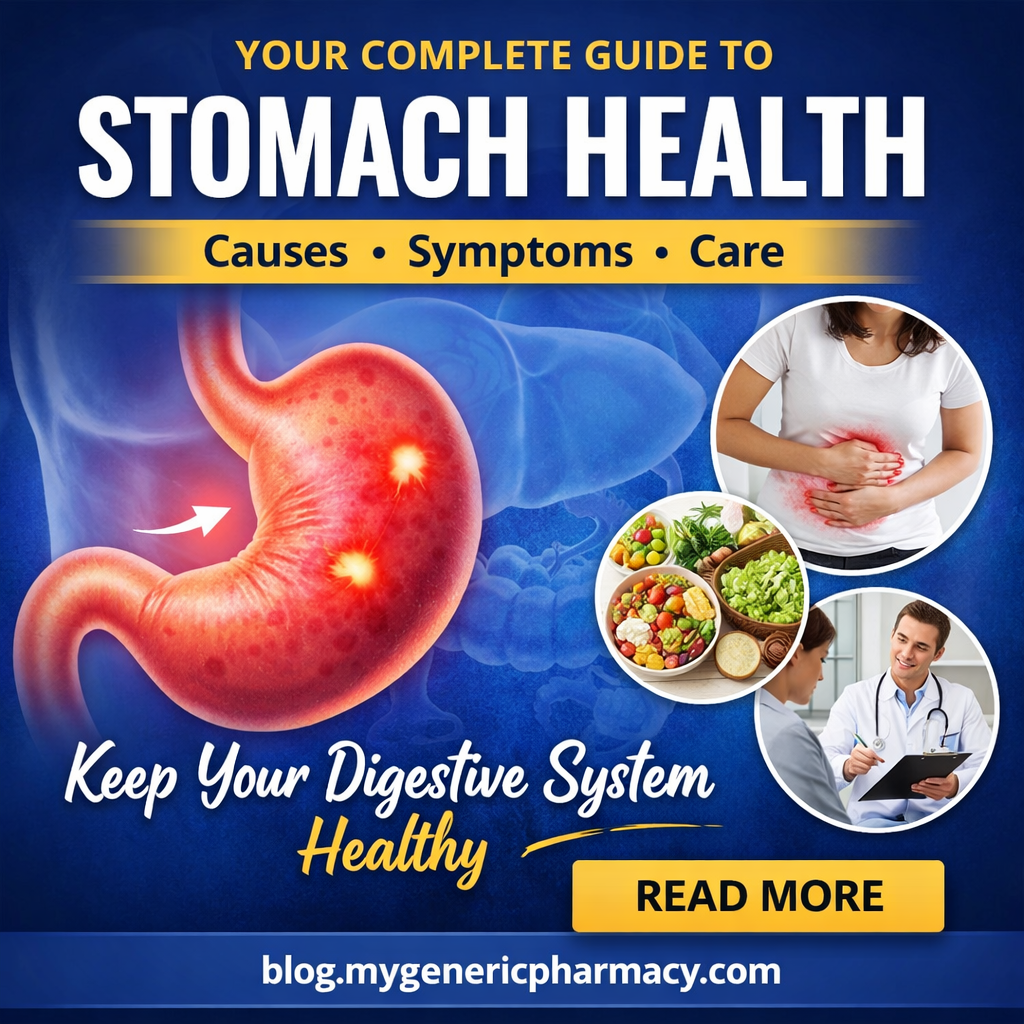
Learn about stomach health, including common causes of stomach problems, key symptoms to watch for, and effective care tips to maintain a healthy digestive system.
Your stomach is more than just a food processor—it’s a complex organ that plays a central role in digestion, immunity, and even mood regulation. When your stomach is happy, you barely notice it. But when something goes wrong, it can dominate your entire day. Understanding common stomach issues and how to maintain digestive health is essential for overall well-being.
Common Stomach Problems and Their Causes
Indigestion (Dyspepsia)
Indigestion is a general term for discomfort in the upper abdomen. Symptoms include burning, bloating, feeling overly full, and nausea. Common triggers include eating too quickly, fatty or spicy foods, caffeine, alcohol, and stress.
Gastritis
Gastritis is inflammation of the stomach lining. It can be acute (sudden) or chronic (long-term). Causes include infection with H. pylori bacteria, regular use of NSAIDs (ibuprofen, aspirin), excessive alcohol consumption, and autoimmune conditions.
Acid Reflux and GERD
When stomach acid flows back into the esophagus, it causes heartburn—a burning sensation in the chest. Occasional reflux is common, but frequent episodes (twice weekly or more) may indicate gastroesophageal reflux disease (GERD).
Peptic Ulcers
These are open sores that develop on the stomach lining. The two main causes are H. pylori infection and long-term NSAID use. Contrary to old beliefs, stress and spicy foods don’t cause ulcers—but they can worsen symptoms.
Irritable Bowel Syndrome (IBS)
IBS affects the large intestine, causing cramping, abdominal pain, bloating, gas, and alternating diarrhea and constipation. It’s a functional disorder, meaning the digestive tract looks normal but doesn’t function properly.
Gastroenteritis (Stomach Flu)
Viral or bacterial infection causes inflammation of the stomach and intestines, leading to nausea, vomiting, diarrhea, and abdominal cramps. It’s usually short-lived but can cause dehydration.
Recognizing Symptoms: When to Pay Attention
Common Digestive Symptoms
Heartburn or acid reflux
Bloating and excessive gas
Nausea and vomiting
Abdominal pain or cramping
Diarrhea or constipation
Loss of appetite
Unexplained weight changes
Red Flags: When to See a Doctor
Seek medical attention immediately if you experience :
Blood in vomit (red or coffee-ground appearance)
Blood in stool (red, black, or tarry)
Severe, persistent abdominal pain
Difficulty swallowing or pain with swallowing
Unexplained weight loss
Persistent vomiting or inability to keep fluids down
Jaundice (yellowing of skin or eyes)
Maintaining Stomach Health: Prevention Strategies
Eat Mindfully
Chew thoroughly: Digestion begins in the mouth. Chewing breaks down food and signals the stomach to prepare for digestion.
Eat slowly: Rushing meals can cause overeating and indigestion.
Laxatives: For occasional constipation (use sparingly)
When You Need Prescription Medications
Antibiotics for H. pylori infection
Prescription-strength acid reducers
Medications for chronic conditions (IBS, IBD)
Anti-nausea medications
The Gut-Brain Connection
Your digestive system has its own nervous system—the enteric nervous system—often called the “second brain.” It contains over 100 million neurons and communicates constantly with your brain.
This explains why :
Stress triggers digestive symptoms
Anxiety can cause nausea or diarrhea
Depression affects appetite
Mindfulness practices improve digestion
Managing mental health is an essential part of maintaining stomach health.
Special Considerations
Age-Related Changes
As we age, stomach acid production may decrease, slowing digestion. Older adults are also more prone to constipation and may need more fiber and hydration.
Pregnancy
Hormonal changes and pressure from ga rowing uterus can cause heartburn and constipation. Small, frequent meals and avoiding trigger foods help.
Medications
Many common medications affect digestion:
NSAIDs: Can cause gastritis and ulcers
Antibiotics: Disrupt gut bacteria, may cause diarrhea
Opioids: Cause constipation
Iron supplements: Can cause nausea and constipation
Conclusion: Listen to Your Gut
Your stomach communicates with you constantly—through hunger pangs, fullness signals, and sometimes discomfort. Learning to listen and respond appropriately is the foundation of good digestive health.
Key takeaways:
Pay attention to symptoms and patterns
Don’t ignore persistent or severe symptoms
Build healthy eating and lifestyle habits
Manage stress—it directly affects digestion
Seek medical help when red flags appear
With proper care and attention, you can maintain a healthy stomach that serves you well for life.
This edition of Medical Myths explores common misconceptions regarding irritable bowel syndrome (IBS). We discuss common misconceptions about IBS, including what causes it and what to know about diet and exercise modifications.
Irritable bowel syndrome (IBS) is a chronic gastrointestinal disorder that affects around 11% of adults worldwide. Symptoms include: Abdominal pain Excess gas Bloating Sudden, urgent need to use the bathroom Changing bowel habits. While relatively common, IBS is often misunderstood. To help us dispel some prevalent myths about this condition.
We know what causes IBS Dairy products and spicy foods are examples of foods that may cause symptoms, but they are not the cause of the illness. However, he pointed out that bacteria like Campylobacter jejuni can cause post-infectious IBS.
Stress causes IBS Recent studies have revealed that mental stress levels affect the makeup of gut bacteria and are crucial in IBS through the gut-brain axis. Dr. However, according to Farhadi, stress levels are typically comparable for those who have IBS and those who do not, suggesting that stress management practices may have a greater impact on an individual’s likelihood of developing IBS symptoms than stress levels alone. I discussed a study in my book on IBS that revealed an increase in mast cells in the gut of a stressed-out individual. He clarified that stress alters the gut’s morphology to make it more susceptible to stress, in addition to increasing the release of hormones and mediators in the gut.
This implies that your gut does not function the same as it did before you went through that stressful time. Stress-related IBS symptoms can therefore persist after the stress has subsided. Furthermore, he noted that IBS patients frequently experience this. Dr. Farhadi also shared the results of a study he did, which indicated a correlation between fewer IBS symptoms and a subjective sense of well-being. IBS symptoms may also be influenced by psychological, social, and genetic factors, according to earlier research.
Doctors only diagnose IBS via ‘fancy tests’ Dr. Farhadi informed us that a simple diagnostic test can identify IBS. In five years, physicians can diagnose IBS with 97 percent accuracy if the proper clinical criteria are followed. That level of accuracy is unmatched in the medical field by any other test. The Rome IV criteria is used to diagnose IBS. According to Dr. Jackson, patients with IBS should experience symptoms of abdominal pain at least once a week on average, along with a change in the frequency or form of their stools and/or a decrease in or worsening of their abdominal pain after defecating. IBS comes in different varieties; you might primarily experience constipation, diarrhea, or a combination of both. Bloating is another common symptom among patients, but she noted that this symptom is not necessary for the diagnosis to be made.
IBS is curable IBS can be treated in a variety of ways, utilizing a combination of prescription drugs and individualized lifestyle modifications. Dr. Farhadi stated, “I can assure you that in the vast majority of cases, management is very cheap and simple: fiber, probiotics, reassurance, and exercise.”. As Dr. Farhadi puts it, taking medication can be a trial-and-error process. However, when combined with other treatments, it can help reduce the symptoms brought on by IBS. Dr. Dot Farhadi pointed out that there is ultimately no treatment for IBS, and that sometimes medication is just like a band-aid solution for symptom relief. I have to fill prescriptions for drugs again, such as antibiotics to treat bacterial overgrowth. In the end, IBS cannot be cured.
IBS is uncommon, does not affect the quality of life According to Dr. Jackson, IBS is frequently a chronic, crippling, and widespread disorder of the gut-brain interaction. She noted that it is 10–15% common in North America and that higher healthcare expenses are linked to it. It can also have a major negative impact on a patient’s quality of life. IBS patients stated in one study that they would forgo 10–15 years of their life expectancy in exchange for an immediate cure, highlighting the detrimental effects of the illness.
All types of exercise help IBS Exercise does help with IBS in some cases, according to Dr. Farhadi, but not all forms of exercise are the same. Exercise that is competitive causes stress rather than reducing it. He pointed out that the same is true for weightlifting in the gym: you need to be extremely aware of the type of weight you’re lifting as well as the way you’re pushing and pulling on different muscles. Additionally, he mentioned that after running for extended periods, many runners experience diarrhea, or “runner’s run.”. He cautioned that as a result, extended running sessions may exacerbate IBS symptoms.
Meditation helps Research is ongoing, but some studies point to meditation as a potential treatment for IBS symptoms. According to Dr. Jackson, research on the brain-gut-microbiome axis and its connection to IBS is still ongoing. It has been demonstrated that gut-directed psychotherapies help reduce IBS symptoms. She also mentioned that research on the benefits of mindfulness and meditation has demonstrated how the brain’s ability to regulate how we perceive and interpret signals from our gut may help alleviate the symptoms of IBS. That being said, individuals may benefit from different forms of meditation in different ways.
Dr. Farhadi suggests mindless meditation, which involves walking the same route for 30 minutes a day until one becomes so bored that they stop observing their surroundings, though it might not be effective for everyone. That’s a contemplative stroll where you both meditate. Rebooting your system is a stress reliever. But a lot of practice is required. According to him, after a year, you might spend one minute of the fifteen you’re attempting to be in that zone.
Cutting out lactose helps There is no clear correlation between lactose intolerance and IBS, even though many IBS patients report having a milk intolerance, according to a recent review. It is conceivable that someone with IBS may also be lactose intolerant, given that approximately two-thirds of the world’s population is intolerant to lactose. This suggests that avoiding dairy products could aid in the relief of gastrointestinal complaints.
According to Dr. Jackson, many IBS patients try to reduce their symptoms by avoiding particular foods because they believe that eating causes their symptoms. To identify trigger foods, an elimination diet entails cutting out some foods from your regular diet and then gradually adding them back. The low-FODMAPS diet has been researched the most for IBS. FODMAP foods may cause patients with IBS to experience increased gas and distension as well as the onset of symptoms related to meals. She clarified that although dairy is a high FODMAP food and maybe a trigger for some people, it is not always the case. A gastrointestinal dietician, if one is available, can assist you in navigating the often confusing world of food options.
Natural treatments work for IBS There has been some indication that using natural remedies like cardamom and peppermint oil can help relieve the symptoms of gastric ulcers and IBS. Natural remedies may not work for everyone, though, as there hasn’t been much research done on them. According to Dr. Farhadi, black cardamom seeds and spearmint are gut-muscle relaxants that may help with symptoms. As long as the natural remedies aren’t overly potent, people can try these and other options. He continued, “People have been using many herbal remedies for thousands of years with no problems.”. However, consulting a physician is always advised before beginning a new course of treatment.
Fasting relieves IBS Let’s say you own an engine and it is experiencing trouble. You now switch it off. Dr. Farhadi said, “Of course, as long as it’s off, you might not have any problems, but how long can you keep it off?”. Therefore, you may experience fewer symptoms each day if you cut down on how often you eat—maybe from three to two times a day. It might be useful, but it’s not always the best course of action, he clarified. He did, however, add that fasting is beneficial for other things, like memory and weight loss.
Fiber helps IBS Fiber may be helpful if a patient has chronic constipation, according to Dr. Farhadi. However, too much fiber can cause bloating due to an overabundance of gas in the stomach. To prevent this, Dr. Farhadi suggested ingesting fiber in the form of a spoonful of probiotic-rich Greek yogurt combined with a pinch of water-soluble fiber, or psyllium.
There is an IBS diet According to Dr. Farhadi, there isn’t a particular diet for IBS. Diets are dynamic in addition to being personalized. While on vacation, one person might be able to consume coffee, but during finals, they might have trouble doing so. He said that just as no one diet works for everyone, no one diet works for everyone all the time.
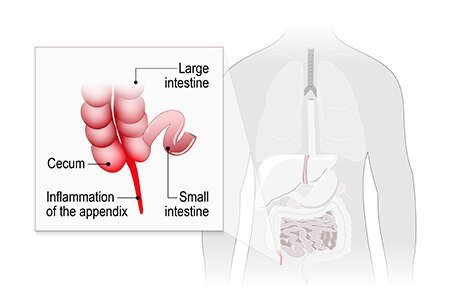
Your appendix can develop appendicitis when it gets inflamed, most frequently as a result of a blockage. It could be acute or ongoing. The most typical cause of stomach discomfort requiring surgery in the US is appendicitis. It affects up to 9% of Americans at some time in their lives.
A little pouch connected to the intestine, the appendix. Your lower right abdomen is where it’s positioned. Bacteria can grow inside your appendix when it becomes obstructed. Pus and edoema may grow as a result, putting pressure on your abdomen that hurts. Blood flow can also be blocked by appendicitis.
Your appendix may rupture if appendicitis is not treated. Bacteria could enter your abdominal cavity as a result, which could be dangerous and occasionally fatal.
Types of appendicitis
Acute appendicitis
A severe and sudden bout of appendicitis is referred to as acute. Between the ages of 10 and 30, children and young adults are the most susceptible and affects men more often than women. Over the course of a day, pain frequently starts out mild and quickly gets worse.
It needs emergency medical attention. It can result in the rupture of your appendix if untreated. This issue has the potential to be lethal.
About 7 to 9 percent of all Americans will experience acute appendicitis in their lifetime, which is more prevalent than chronic appendicitis.
Chronic appendicitis
Less frequently than acute appendicitis, chronic appendicitis. Only 1.5% of persons who have already experienced chronic appendicitis experience it.
The symptoms of chronic appendicitis might be somewhat modest and are generally assumed to follow an episode of acute appendicitis. Over the course of weeks, months, or even years, symptoms may stop and then come back.
The diagnosis of this kind of appendicitis might be difficult. Occasionally, it doesn’t get diagnosed until it turns into acute appendicitis. Appendicitis that persists can be dangerous.
Symptoms of appendicitis
In the early stages of appendicitis, you may have light abdominal cramping that gradually spreads to your lower right abdominal quadrant. This ache frequently:
begins abruptly
worsens when you cough or move
is so strong it wakes you up from sleep
is intense and distinct from any prior stomach discomfort that you may have had
You might suffer gastrointestinal issues less frequently, such as:
diarrhoea
constipation
the want to go to the bathroom
inability to exhale
Avoid using laxatives or an enema if you have constipation and think you could have appendicitis. Your appendix may rupture as a result of these procedures.
If you experience any other appendicitis symptoms in addition to soreness on the right side of your abdomen, call your doctor straight once. A medical emergency can arise from appendicitis very quickly. Find out all you need to know to identify this dangerous disease.
Call your child’s doctor as soon as you see any appendicitis symptoms in your child.
Causes and risk factors
Appendicitis’ precise cause is frequently unknown. According to experts, it arises when a portion of the appendix becomes clogged or obstructed.
Your appendix may get blocked for a variety of reasons, including:
a mass of hardened faeces
increased lymphoid follicle size
digestive worms
a serious injury
tumours
Abdominal pain can be brought on by numerous medical conditions. For information on more possible causes of pain in your lower right abdomen, go here.
Anyone can get appendicitis. However, some people can be more prone to this illness than others. Appendicitis risk factors include:
Age. Although it can happen at any age, appendicitis most frequently affects adolescents and persons in their 20sTrusted Source.
Sex. Males are more likely than females to develop appendicitis.
Family background. An increased chance of having appendicitis exists in people with a family history of the condition.
How is Appendicitis Diagnosed?
Appendicitis can be difficult to diagnose. Many times, the symptoms of an illness, such as gallbladder issues, bladder or urinary tract infections, Crohn’s disease, gastritis, kidney stones, intestinal infection, and ovary issues, are vague or resemble those of other conditions.
Appendicitis can be identified using these tests:
Checking your abdomen for any irritation
To rule out a urinary tract infection, use a urine (pee) test.
Rectal examination
To determine whether your body is battling an infection, have a blood test
A CT scan
Ultrasound
Treatment of appendicitis
According to the NIDDK, a doctor will recommend antibiotics to anyone who has appendicitis. This can successfully treat appendicitis in some instances without the need for surgery. Nevertheless, the appendix must typically be removed by a surgeon.
Appendicitis surgery possibilities include:
Laparoscopy: This is a precise procedure that only requires a little incision and little blood loss. As a result, there is less scarring and the recovery period is shorter than with open surgery. The following steps are involved in laparoscopic, keyhole, or minimally invasive surgery (MIS):
Through a hollow instrument called as a cannula, the surgeon inserts a laparoscope—a very thin tube with a tiny video camera and light—into the abdomen.
On a monitor, the surgeon can see a magnified image of the abdomen.
Small abdominal incisions are used to remove the appendix, which is done with the aid of tiny instruments that are controlled by the surgeon’s hands.
Open surgery: In extremely rare circumstances, a wider incision will be made to allow for thorough cleaning of the abdominal cavity. If the following occurs:
An infection has spread after the appendix ruptured.
The abscess was brought on by the appendix.
patient has digestive system tumours.
The patient is a woman who is nine months pregnant.
The patient has undergone numerous abdominal procedures.
Therefore, the patient will get intravenous antibiotics following open surgery.
Recovery time for appendicitis
With keyhole surgery, the patient can typically return home after 24 hours. The patient may feel some constipation, soreness, and bruising over the first few days.
Additionally, there could be soreness near the shoulder’s point. The surgeon inflates the abdomen with gas while performing the procedure. This may result in phrenic nerve stimulation at the diaphragm, which brings on referred pain. The real pain cause is not present where the referred pain arises.
Painkillers sold over-the-counter (OTC) may ease postsurgical discomfort. The patient might need to stay in the hospital for up to a week if open surgery is required, or if peritonitis or another complication is present.
For three to five days following a laparoscopic procedure, one should avoid strenuous activities. After a laparotomy, they should refrain from physical exertion for 10–14 days. At each stage of rehabilitation, the doctor will provide guidance on the appropriate level of exercise. It is crucial to call the doctor if there are any infection-related symptoms.
Infection warning signs include:
swelling and discomfort getting worse
recurring vomiting
a high degree
It is too hot to touch the operation site.
the surgical site is discharged with pus or another material