Browsed by
Category: antivirals

Hepatitis C Explained: What You Need to Know Right Now

Hepatitis C Explained: What You Need to Know Right Now

Hepatitis C is a viral infection that affects the liver. People often call it a “silent disease” because it can stay in the body for years without clear signs. In the early stage, most people do not notice symptoms. However, without treatment, it can lead to serious problems like liver damage, cirrhosis, or liver cancer.

The good news is that modern medicine can cure most cases. Early detection also improves recovery. Therefore, doctors stress the need for timely testing. They also recommend regular screening for people at risk.

In simple terms, hepatitis C is a serious but manageable disease. With the right care, many people live healthy lives after treatment. So, learning about it is the first step toward prevention and cure.


🧬 What Is Hepatitis C?

It is caused by the hepatitis C virus (HCV). It spreads through contact with infected blood. The virus enters the body and attacks liver cells. As a result, the liver becomes inflamed.

In many cases, people do not notice the infection early. However, the damage builds slowly over time. Doctors may detect it later during routine tests.

According to the World Health Organization, millions of people worldwide live with hepatitis C, and many do not know it. This is why awareness is very important.
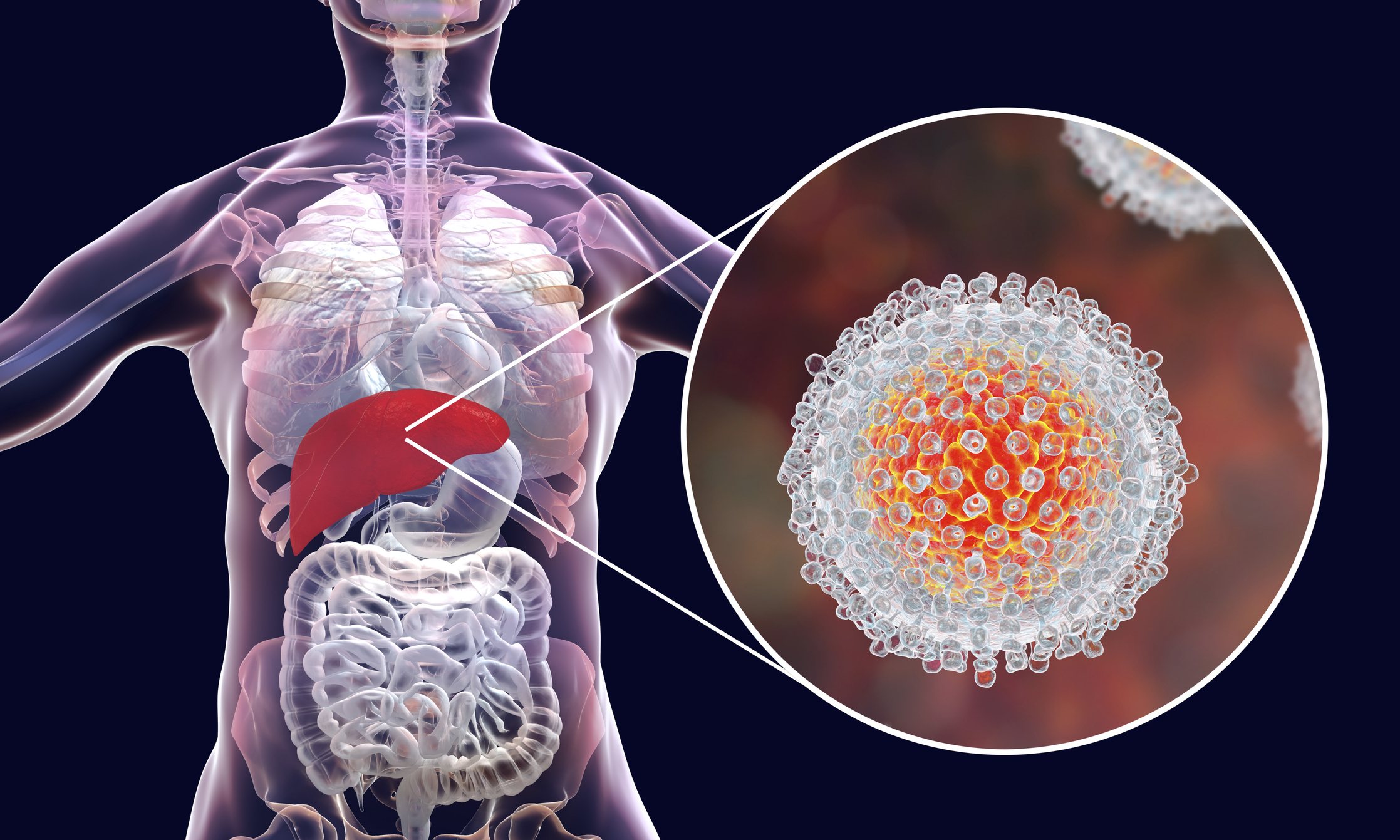
Hepatitis C


⚠️ How Does Hepatitis C Spread?

it spreads through blood-to-blood contact. So, understanding how it spreads helps prevent infection.

In many cases, infection happens when infected blood enters the body.

Common ways it spreads:

  • Sharing needles or syringes
  • Unsafe medical procedures
  • Blood transfusions in the past (before proper screening)
  • Sharing razors or toothbrushes

It does not spread through casual contact. For example, you cannot get it from hugging, sharing food, or coughing.


🌿 Living Well with Hepatitis C

Living with hepatitis C can feel hard at first. However, many people live well with the right care. With proper treatment, most people recover and return to normal life.

First, follow your doctor’s advice. Take your medicine on time. Do not skip doses. This helps the treatment work better. Also, go for regular check-ups. These visits help doctors track your health.

A healthy lifestyle also helps a lot. Eat simple and fresh food. Add fruits, vegetables, and whole grains to your meals. Drink plenty of water. Avoid alcohol because it can harm your liver.

Stay active every day. You can walk, stretch, or do light exercise. These small steps improve your health. At the same time, get enough sleep so your body can rest and heal.

Also, take care of your mental health. Talk to family or friends if you feel stressed. You can also speak with a doctor. With the right care and support, you can live a healthy and active life.


🚨 Symptoms You Should Watch For

One challenge with hepatitis C is that symptoms appear late.

Common symptoms include:

  • Fatigue
  • Jaundice (yellow skin or eyes)
  • Dark urine
  • Abdominal pain
  • Nausea

In many cases, symptoms stay mild or do not appear early. Therefore, doctors often find it late. As a result, regular testing is very important, especially for high-risk people.


🧪 Diagnosis and Testing

Doctors diagnose it using blood tests that detect the virus or its antibodies in the blood. The Centers for Disease Control and Prevention (CDC) recommends testing people with risk factors. In particular, it advises screening individuals who have used injectable drugs or who have received blood transfusions in the past.


💊 Hepatitis C Explained: Treatment and Cure Options

Unlike many viral infections, doctors can now cure it in most cases. Modern antiviral medications can eliminate the virus within a few months.

These treatments are:

  • Highly effective
  • Well-tolerated
  • Usually short in duration (around 8–12 weeks)

Patients should consult a healthcare provider to choose the best treatment plan.


🛡️ Prevention Tips

You can reduce the risk of it by following simple preventive steps. Therefore, awareness and safe habits are very important.

  • Avoid sharing needles or syringes
  • Do not share personal items such as razors or toothbrushes
  • Follow safe and hygienic medical procedures in healthcare settings
  • Use properly sterilized equipment in clinics and hospitals
  • Get tested if you have any risk factors

In addition, prevention becomes more effective when people stay informed. Therefore, people should follow safe practices consistently in daily life.


📚 References

  1. World Health Organization – Hepatitis C fact sheets, global prevalence, and prevention guidelines
  2. Mayo Clinic – Clinical overview of it, including diagnosis and treatment options
  3. American Liver Foundation – Patient-friendly resources on Hepatitis C awareness and prevention

Medications that have been suggested by doctors worldwide are available on the link below
https://mygenericpharmacy.com/category/anti-viral
Antivirals Explained: How These Powerful Drugs Fight Viral Infections

Antivirals Explained: How These Powerful Drugs Fight Viral Infections

Every year, seasonal influenza affects up to one billion people globally, leading to hundreds of thousands of deaths. From the common cold to more serious threats like HIV and COVID-19, viral infections are a persistent reality of human health. Unlike bacterial infections, which can be cured with antibiotics, viruses are trickier to eliminate. This is where antiviral drugs come into play.

Antivirals are a class of medication designed specifically to treat viral infections. But how do they work, and why aren’t they as widely discussed as antibiotics? Here is your complete guide to understanding these powerful drugs.


The Virus Problem: Why They Are Hard to Kill

To understand antivirals, you first have to understand the enemy. Viruses are microscopic parasites. Unlike bacteria (which are living cells that can survive on their own), viruses need a host—namely, your cells—to replicate. A virus works by attaching to a healthy cell, injecting its genetic material inside, and hijacking that cell’s machinery to produce thousands of copies of itself. This process destroys the host cell and spreads the infection.

Because viruses use your own cells to replicate, finding a drug that kills the virus without killing your cells is incredibly difficult. Antibiotics, for example, target the unique cell walls of bacteria—structures that human cells don’t have. Viruses don’t have cell walls, making antibiotics completely useless against them. 


How Antivirals Work: Disrupting the Life Cycle

Instead of “killing” the virus (which is nearly impossible without harming the host), antiviral drugs work by suppressing the virus’s ability to replicate. They act as a wrench thrown into the gears of the viral life cycle.

Most antivirals target specific stages of viral reproduction:

1. Blocking Entry (Uncoating)

Some drugs prevent the virus from latching onto or entering healthy human cells. If the virus can’t get inside, it can’t replicate.

2. Inhibiting Genome Replication

This is the most common mechanism. Once a virus is inside a cell, it tries to copy its DNA or RNA. Nucleoside analogs (like Acyclovir for herpes or Remdesivir for COVID-19) trick the virus. They look like building blocks, but when the virus uses them, it halts the replication chain.

3. Blocking Release

Influenza drugs like Oseltamivir (Tamiflu) work by blocking an enzyme called neuraminidase. This traps the virus inside the host cell, preventing it from spreading to other parts of your respiratory tract.


Direct-Acting vs. Host-Targeted Antivirals

There are generally two types of antiviral strategies:

  • Direct-Acting Antivirals (DAAs): 
  • These attack the virus directly. Most modern HIV and Hepatitis C drugs fall into this category. They are highly effective but vulnerable to drug resistance. If the virus mutates, the drug may stop working. 
  • Host-Targeted Antivirals: 
  • These modify human cells to make them inhospitable to the virus. Because they don’t target the virus directly, the virus has a much harder time developing resistance. Recent research has identified compounds that target the host’s SKI complex to block viral RNA production.

The Challenge of Resistance

Just like bacteria evolve to beat antibiotics, viruses evolve to beat antivirals. Antiviral resistance occurs when a virus mutates so that the drug can no longer bind to it effectively. This is a major concern for global health organizations like the WHO, which constantly monitors resistance patterns to HIV and influenza to update treatment guidelines.


Conclusion

Antivirals are one of modern medicine’s most vital defenses. While they don’t always “cure” a virus in the way antibiotics cure strep throat, they stop viruses in their tracks, prevent severe illness, and save lives. The next time you get a prescription for Tamiflu or a similar medication, remember: taking it exactly as prescribed early in your illness is the best way to stop the viral hijack.


References:

  1. Centers for Disease Control and Prevention (CDC). Treating Flu with Antiviral Drugs
  2. World Health Organization (WHO). Influenza Care Guidelines.
  3. National Institutes of Health (NIH). Table 1: Types of Cures and Modes of Action
  4. U.S. Food and Drug Administration (FDA). Influenza (Flu) Antiviral Drugs.

Medications that have been suggested by doctors worldwide are available on the link below
https://mygenericpharmacy.com/category/anti-viral.


Disclaimer: This article is for informational purposes only and does not constitute medical advice. Always consult a healthcare provider before starting or stopping any medication.

From Infection to Protection: The Complete Guide to Antiviral Medications

From Infection to Protection: The Complete Guide to Antiviral Medications

Viral infections—from seasonal flu to chronic diseases like hepatitis and HIV affect millions of people worldwide. Unlike bacterial infections, viruses require targeted treatment strategies. This is where antiviral medications play a critical role. In this comprehensive guide, we’ll explore how antiviral drugs work, their benefits, limitations, and what you need to know to use them safely.


What Are Antiviral Medications?

Antiviral medications are drugs designed to treat viral infections by inhibiting the development and spread of viruses within the body. Unlike antibiotics, which kill bacteria, antivirals work by interfering with the virus’s life cycle.

They are commonly used to treat:


How Do Antiviral Medications Work?

Viruses replicate by invading host cells and using them to produce more virus particles. Antiviral medications disrupt this process at different stages.

1. Blocking Viral Entry

Some antivirals prevent viruses from entering healthy cells, stopping infection early.

2. Inhibiting Replication

Many drugs interfere with viral genetic material, reducing the virus’s ability to multiply.

3. Preventing Viral Release

Certain antivirals stop new virus particles from leaving infected cells, limiting further spread.

This multi-targeted approach makes antivirals effective in controlling infections.


Common Antiviral Medications

Several antiviral drugs are widely used in clinical practice:

  • Oseltamivir
  • Acyclovir
  • Remdesivir
  • Tenofovir

Each medication is designed to target specific viruses and should be used under medical supervision.


Benefits of Antiviral Medications

1. Faster Recovery

Antivirals can shorten the duration of illness and reduce symptom severity when taken early.

2. Reduced Risk of Complications

They help prevent severe outcomes, especially in high-risk individuals such as the elderly or those with chronic conditions.

3. Lower Transmission

By reducing viral load, antivirals may decrease the risk of spreading infections to others.

4. Long-Term Disease Management

For chronic viral infections like HIV, antivirals allow patients to live longer, healthier lives.


When Should You Take Antivirals?

Timing is crucial. For conditions like influenza, medications such as Oseltamivir are most effective when started within 24–48 hours of symptom onset.

Doctors may also prescribe antivirals:

  • For severe infections
  • For immunocompromised patients
  • As preventive therapy for certain exposures

Safety and Side Effects

Antiviral medications are generally safe but may cause side effects such as:

  • Nausea
  • Headache
  • Fatigue
  • Digestive discomfort

Serious side effects are rare but possible. Always follow your doctor’s guidance and avoid self-medication.


Limitations of Antiviral Drugs

Despite their benefits, antivirals have some limitations:

  • They may not completely eliminate the virus
  • Drug resistance can develop over time
  • Not all viruses have effective antiviral treatments
  • Effectiveness often depends on early use

Ongoing research continues to improve antiviral therapies and expand treatment options.


Supporting Your Immune System

In addition to medication, lifestyle choices can strengthen your body’s ability to fight infections:

  • Eat a balanced diet rich in nutrients
  • Stay hydrated
  • Get adequate sleep
  • Practice good hygiene
  • Manage stress effectively

A strong immune system enhances the effectiveness of antiviral treatment.


Final Thoughts

Antiviral medications are a cornerstone of modern medicine, offering effective treatment and prevention for a wide range of viral infections. From acute illnesses like the flu to chronic conditions such as HIV, these drugs play a vital role in improving patient outcomes.

Medications like Acyclovir and Tenofovir have revolutionized care, making viral diseases more manageable than ever before.

Understanding how antivirals work—and using them responsibly—can help you protect your health and recover faster.


References:

  1. World Health Organization – Guidelines on viral infections and treatment
  2. Centers for Disease Control and Prevention – Antiviral medication usage and influenza treatment
  3. National Institutes of Health – Research on antiviral drug mechanisms
  4. U.S. Food and Drug Administration – Approval and safety of antiviral drugs
  5. Mayo Clinic – Clinical information on viral infections and treatments

Medications that have been suggested by doctors worldwide are available on the link below
https://mygenericpharmacy.com/category/anti-viral/famvir

Breakthrough: New Antibody-Drug Conjugate Strategy Could Block HIV Infection

Breakthrough: New Antibody-Drug Conjugate Strategy Could Block HIV Infection

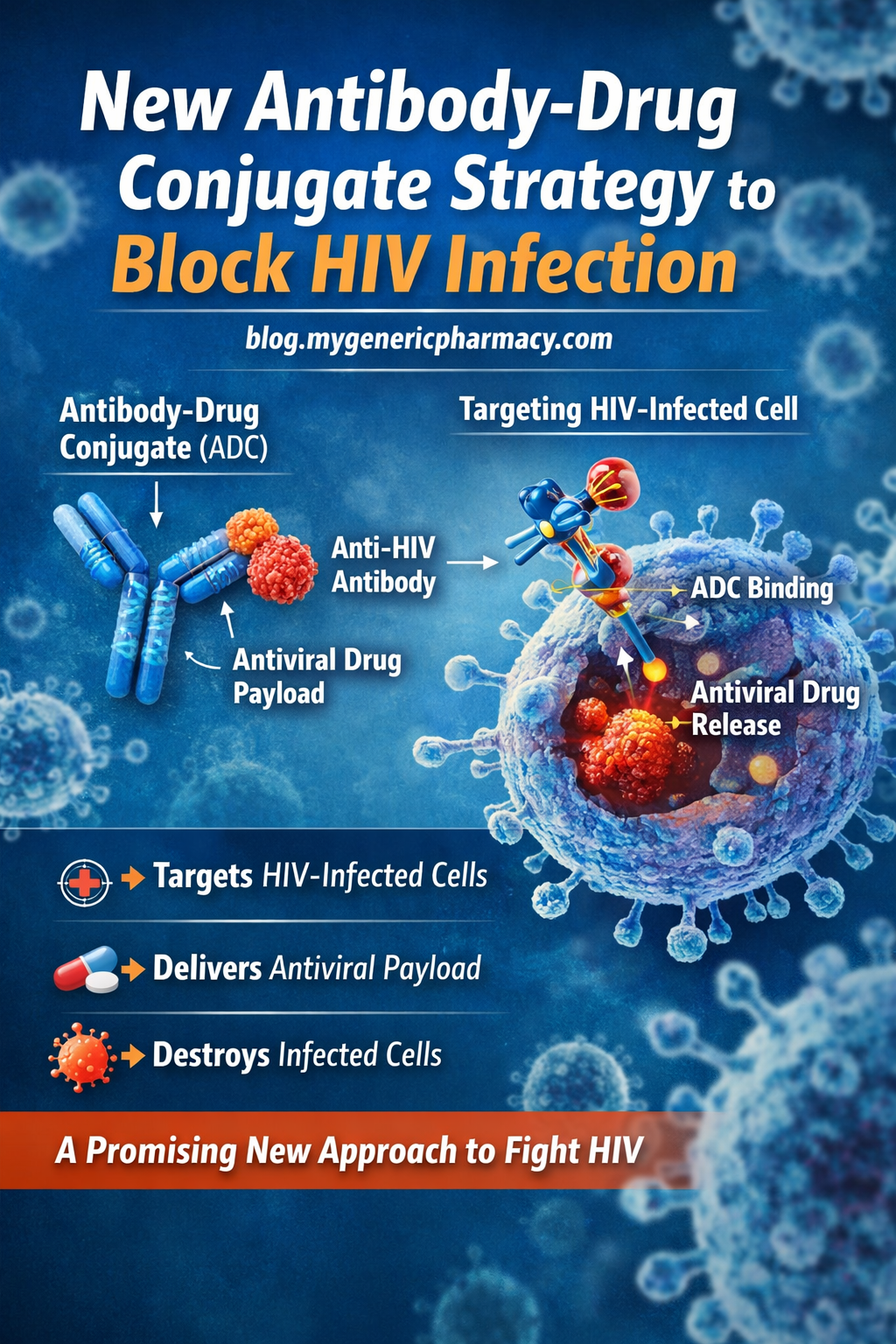
Antibody-Drug Conjugate Strategy to Block HIV Infection
Scientists develop a new antibody-drug conjugate strategy that targets infected cells and may help block HIV infection, offering hope for more effective HIV treatment.

Scientists are developing an innovative treatment approach called antibody-drug conjugates (ADCs) that may help block and prevent infection from Human Immunodeficiency Virus more effectively than traditional therapies.


🔬 What Is the New Strategy?

Researchers combine a powerful antibody with a targeted antiviral drug to create a single molecule called an antibody-drug conjugate (ADC).

This ADC works like a guided missile:

  1. Antibody component – recognizes and binds specifically to HIV-infected cells.
  2. Drug component – delivers a toxic or antiviral payload directly into those infected cells.
  3. Targeted killing – destroys the infected cells without harming healthy ones.

🧪 How It May Block HIV Infection

The new strategy aims to stop HIV in multiple ways:

  • Targeting infected cells early before the virus spreads.
  • Blocking viral entry into immune cells.
  • Delivering antiviral drugs directly to the virus reservoir.
  • Reducing viral replication more efficiently.

This targeted method could help overcome one of the biggest challenges of HIV treatmenthidden viral reservoirs that allow the virus to persist in the body.


💡 Why This Approach Is Important

Current treatments like antiretroviral therapy (ART) control HIV but do not completely eliminate the virus. ADC-based therapies could:

✔ Improve precision treatment
✔ Reduce drug toxicity
✔ Target latent HIV reservoirs
✔ Potentially move closer to a functional cure


🧬 Potential Benefits

  • Highly targeted therapy
  • May reduce the number of medications needed
  • Could help prevent viral rebound
  • May work alongside existing HIV therapies

⚠️ Current Status

The ADC strategy is still in early research and experimental stages, but early studies show promising results. Clinical trials will be required before it becomes a standard treatment.


📌 Bottom Line

This antibody-drug conjugate approach represents a promising new direction in the fight against Human Immunodeficiency Virus, potentially helping scientists develop treatments that not only control the virus but may eventually block or eliminate infection.

Reference:

https://pmc.ncbi.nlm.nih.gov/articles/PMC8282362/
https://www.sciencedirect.com/science/article/pii/S2405844023032346
https://pmc.ncbi.nlm.nih.gov/articles/PMC12792407/
https://www.nature.com/articles/s41698-025-01159-2

Medications that have been suggested by doctors worldwide are available on the link below
https://mygenericpharmacy.com/category/hiv

Inside Antiviral Medications: Mechanisms, Benefits, and What You Need to Know

Inside Antiviral Medications: Mechanisms, Benefits, and What You Need to Know

Introduction: The Battle Against Viral Infections

Viruses are among the most common causes of human illness, responsible for everything from the common cold to COVID-19, influenza, HIV, and hepatitis. Unlike bacteria, which are independent organisms that can be killed with antibiotics, viruses are tricky pathogens that hijack your body’s own cells to reproduce. This is why treating viral infections requires a completely different approach—one that involves the use of antiviral drugs.

What Are Antivirals?

Antivirals are medications specifically designed to treat viral infections by inhibiting the development and reproduction of viruses . Unlike antibiotics, which kill bacteria, antivirals work by slowing down viral replication, giving your immune system time to mount an effective defense.

Key points:

  • Antivirals do not destroy viruses but prevent them from multiplying
  • They are most effective when started early in the infection
  • Some antivirals prevent infection (prophylaxis), while others treat active disease
  • Different antivirals target different viruses

How Do Antivirals Work?

Viruses go through several steps to infect cells and reproduce. Antivirals target specific stages of this lifecycle :

  1. Entry inhibitors – Block viruses from entering host cells
  2. Uncoating inhibitors – Prevent viruses from releasing their genetic material
  3. Reverse transcriptase inhibitors – Block viral DNA synthesis
  4. Protease inhibitors – Interfere with viral protein assembly
  5. Neuraminidase inhibitors – Prevent new viruses from leaving infected cells
  6. Integrase inhibitors – Block viral DNA from integrating into host DNA

Common Types of Antiviral Drugs

For Influenza (Flu)

  • Oseltamivir (Tamiflu) – Reduces symptom duration by 1-2 days if taken within 48 hours
  • Zanamivir (Relenza) – Inhaled powder for flu treatment
  • Baloxavir marboxil (Xofluza) – Single-dose treatment

For Herpes Viruses (HSV, VZV)

  • Acyclovir (Zovirax) – Treats cold sores, genital herpes, shingles
  • Valacyclovir (Valtrex) – Better absorption, less frequent dosing
  • Famciclovir (Famvir) – For herpes zoster and HSV

For HIV

  • Combination antiretroviral therapy (ART) uses multiple drugs from different classes to suppress viral load and prevent AIDS progression

For Hepatitis B and C

  • Tenofovir, entecavir for hepatitis B
  • Sofosbuvir, ledipasvir for hepatitis C (now curable)

For COVID-19

  • Paxlovid (nirmatrelvir/ritonavir) – Oral antiviral for high-risk patients
  • Remdesivir (Veklury) – IV antiviral for hospitalized patients

When Are Antivirals Used?

Doctors prescribe antivirals for :

  • Treatment of active viral infections (flu, herpes, COVID-19)
  • Prevention (prophylaxis) after exposure (e.g., flu, HIV)
  • Suppression of recurrent infections (e.g., genital herpes)
  • Chronic viral infections (HIV, hepatitis B)

Side Effects and Considerations

Like all medications, antivirals can cause side effects :

  • Common: Nausea, headache, diarrhea
  • Serious (rare): Kidney problems, liver toxicity, neurological effects

Important: Antivirals are prescription medications and should only be taken under medical supervision. Misuse can lead to drug resistance, making infections harder to treat.

Antiviral vs. Antibiotic: Know the Difference

AntiviralAntibiotic
Treats viral infectionsTreats bacterial infections
Slows virus reproductionKills bacteria or stops growth
Useless against bacteriaUseless against viruses

Taking antibiotics for viral infections (like colds or flu) contributes to antibiotic resistance and won’t help you recover.

Conclusion: A Critical Tool in Modern Medicine

Antiviral drugs have revolutionized the treatment of viral infections, turning once-deadly diseases like HIV into manageable chronic conditions and shortening the duration of common illnesses like flu and herpes. As research continues, new antivirals are being developed for emerging threats, ensuring we stay one step ahead in the ongoing battle between humans and viruses.


References:
https://my.clevelandclinic.org/health/treatments/antivirals
https://pmc.ncbi.nlm.nih.gov/articles/PMC7975490/
https://www.physio-pedia.com/Antiviral_Drugs
https://www.sciencedirect.com/science/article/pii/S2452199X25002245
https://pmc.ncbi.nlm.nih.gov/articles/PMC2871161/

Medications that have been suggested by doctors worldwide are available on the link below
https://mygenericpharmacy.com/category/anti-viral


Disclaimer: This article is for educational purposes only. Always consult a healthcare provider before taking any medication.

Antiviral Medicines: Uses, Benefits & Best Treatment Options

Antiviral Medicines: Uses, Benefits & Best Treatment Options

Antiviral medicines are essential drugs used to treat infections caused by viruses. Unlike antibiotics, which work against bacteria, antiviral drugs target viruses such as influenza, herpes, hepatitis, HIV, and other viral infections. These medicines help reduce symptoms, control viral replication, and prevent serious complications.

Explore our wide range of trusted treatments in the Antiviral Medicines Category.

What Are Antiviral Medicines?

Antiviral drugs work by stopping viruses from multiplying inside the body. While they may not completely eliminate a virus, they significantly reduce viral load, shorten illness duration, and lower the risk of severe disease. Early treatment with antiviral medicines often leads to better recovery outcomes.

Common Conditions Treated With Antiviral Drugs

  • Influenza (Flu)
  • Herpes Simplex Virus (HSV)
  • Hepatitis B and Hepatitis C
  • HIV Infection
  • COVID-19 and other viral infections

You can find condition-specific options in our Anti-Viral Medicines Collection.

Benefits of Using Antiviral Medicines

  • Reduces the severity and duration of viral infections
  • Lowers the risk of complications
  • Helps prevent virus transmission
  • Supports immune system recovery
  • Essential for managing chronic viral diseases

Popular Types of Antiviral Medicines

  • Nucleoside and nucleotide analogues
  • Protease inhibitors
  • Polymerase inhibitors
  • Entry and fusion inhibitors

Browse available options in our Antiviral Drug Category.

How to Use Antiviral Medicines Safely

  • Take medicines exactly as prescribed
  • Do not skip doses or stop treatment early
  • Inform your doctor about other medications
  • Some antivirals require long-term or ongoing use

Why Buy Antiviral Medicines Online From Us?

  • Genuine and quality-checked medicines
  • Wide range of antiviral treatment options
  • Affordable pricing
  • Safe and discreet delivery

Visit our trusted Anti-Viral Medicines Section to explore available products.

Frequently Asked Questions (FAQs)

What are antiviral medicines?

Antiviral medicines are drugs used to treat infections caused by viruses. They work by stopping viruses from multiplying in the body, helping reduce symptoms and prevent complications.

What infections are treated with antiviral drugs?

Antiviral drugs are used to treat flu, herpes, hepatitis B and C, HIV infection, COVID-19, and other viral infections.

Are antiviral medicines the same as antibiotics?

No. Antibiotics treat bacterial infections, while antiviral medicines specifically target viruses and do not work against bacteria.

Can antiviral medicines cure viral infections?

Most antiviral medicines do not completely cure viral infections, but they help control the virus, reduce symptoms, and lower the risk of complications. Some conditions may require long-term treatment.

Is it safe to buy antiviral medicines online?

Yes, it is safe to buy antiviral medicines online from a trusted pharmacy that provides genuine, quality-checked products and follows proper safety standards.

Do antiviral medicines require a prescription?

Many antiviral medicines require a prescription, especially for chronic or serious infections. Always consult a healthcare professional before use.

Bottom Line

Antiviral medicines play a vital role in treating and managing viral infections. Choosing the right antiviral treatment at the right time can significantly improve health outcomes and quality of life.

Browse our complete range of Antiviral Medicines today.

Anti-Viral Medicines: Uses, Benefits & Best Treatment Options

Anti-Viral Medicines: Uses, Benefits & Best Treatment Options

Antiviral medicines play a crucial role in treating infections caused by viruses. Unlike antibiotics, which work against bacteria, antiviral drugs are designed to prevent viruses from multiplying in the body, thereby reducing symptoms, accelerating recovery, and preventing complications.

At mygenericpharmacy, we provide access to trusted medications used in the treatment of viral infections that affect millions of people worldwide.


What Are Anti-Viral Medicines?

Anti-viral medicines are prescription drugs used to treat viral infections such as influenza, herpes, hepatitis, HIV, and COVID-19. They do not kill viruses directly but interfere with their ability to replicate inside human cells.


Common Conditions Treated with Anti-Viral Drugs

  • Influenza (Flu)
  • Herpes Simplex Virus (HSV-1 & HSV-2)
  • Shingles (Herpes Zoster)
  • Hepatitis B and C
  • HIV Infection
  • COVID-19 and other emerging viral infections

How Do Anti-Viral Medicines Work?

Anti-viral drugs work by blocking key stages of the viral life cycle, such as:

  • Preventing the virus from entering healthy cells
  • Stopping viral replication
  • Reducing viral load in the body
  • Lowering the severity and duration of symptoms

Popular Types of Anti-Viral Medicines

You can explore a wide range of antiviral treatment options through trusted online pharmacy platforms.


Benefits of Anti-Viral Treatment

  • Faster recovery from viral infections
  • Reduced risk of complications
  • Lower chance of virus transmission
  • Improved quality of life in chronic viral conditions

Safe Use of Anti-Viral Medicines

Anti-viral medicines should always be taken under medical supervision. Incorrect dosage or misuse may lead to side effects or reduced effectiveness. Always complete the full course of treatment as prescribed by your healthcare provider.

Ordering medicines from a reliable pharmacy like mygenericpharmacy helps ensure quality, authenticity, and continuity of treatment.


Antiviral medicines are essential drugs used to treat and manage infections caused by viruses. Unlike antibiotics, which work against bacteria, antivirals specifically target viruses such as influenza, herpes, hepatitis, HIV, and other viral infections. These medicines help reduce symptoms, limit viral spread, and prevent serious complications.

Explore our wide range of trusted treatments in the Antiviral Medicines Category.

What Are Antiviral Medicines?

Antiviral drugs work by stopping viruses from multiplying inside the body. While they may not completely eliminate a virus, they significantly reduce viral load, shorten the duration of illness, and lower the risk of severe disease. Early treatment with antiviral medicines often leads to better recovery outcomes.

Common Conditions Treated With Antiviral Drugs

Antiviral medicines are commonly prescribed for the treatment and long-term management of:

  • Influenza (Flu)
  • Herpes Simplex Virus (HSV)
  • Hepatitis B and Hepatitis C
  • HIV infection
  • COVID-19 and other viral infections

You can find condition-specific options in our Anti-Viral Medicines Collection.

Benefits of Using Antiviral Medicines

Using the correct antiviral treatment provides multiple health benefits:

  • Reduces the severity and duration of viral infections
  • Lowers the risk of complications
  • Helps prevent virus transmission
  • Supports immune system recovery
  • Essential for managing chronic viral diseases

Popular Types of Antiviral Medicines

Depending on the infection type, doctors may prescribe different classes of antiviral drugs, including:

  • Nucleoside and nucleotide analogues
  • Protease inhibitors
  • Polymerase inhibitors
  • Entry and fusion inhibitors

Browse a wide selection of treatment options in our Antiviral Drug Category.

How to Use Antiviral Medicines Safely

For best results, antiviral medicines should always be used responsibly:

  • Take medicines exactly as prescribed
  • Do not skip doses or stop treatment early
  • Inform your doctor about other medications
  • Some antivirals require long-term or ongoing use

Self-medication should be avoided, especially in patients with liver or kidney conditions.

Why Buy Antiviral Medicines Online From Us?

Choosing the right pharmacy matters. When you buy antiviral medicines from us, you benefit from:

  • Genuine and quality-checked medicines
  • Wide range of antiviral treatment options
  • Affordable pricing
  • Safe, discreet, and reliable delivery

Visit our trusted Anti-Viral Medicines Section to explore available products.

Bottom Line

Antiviral medicines play a crucial role in treating and controlling viral infections. From flu and herpes to hepatitis and HIV, timely antiviral treatment can significantly improve health outcomes and quality of life.

For safe, effective, and affordable options, browse our complete range of Antiviral Medicines today.

Iron dysregulation linked to long COVID development

Iron dysregulation linked to long COVID development

According to new research, SARS-CoV-2 infection-related issues with blood iron levels and the body’s capacity to control this vital nutrient may be a major cause of protracted COVID-19. The finding may help explain why symptoms resembling those of long-term COVID are also frequently observed in a variety of post-viral disorders and chronic inflammation, in addition to suggesting potential preventative or therapeutic measures.

Although estimates vary greatly, up to three out of ten individuals infected with SARS-CoV-2 may develop long-term COVID-19, which manifests as memory and concentration issues (also known as “brain fog”), exhaustion, shortness of breath, and muscle aches. As of March 2023, the Office of National Statistics estimates that 1 in 9 people in the UK alone were suffering from self-reported long COVID-19.

Researchers at the University of Cambridge started adding individuals who had tested positive for the virus to the COVID-19 cohort of the National Institute for Health and Care Research (NIHR) BioResource shortly after the COVID-19 pandemic began. These ranged from patients admitted to the Cambridge University Hospitals NHS Foundation Trust, some of whom were admitted to the intensive care unit, to asymptomatic medical personnel found through routine screening.

Participants gave blood samples for a year, which allowed researchers to track changes in the blood after infection. As it became evident that many patients would experience long-lasting COVID symptoms, researchers were able to follow up on these samples to determine whether any blood changes were associated with the patients’ subsequent health. Researchers from the University of Cambridge’s Cambridge Institute of Therapeutic Immunology and Infectious Disease (CITIID), along with colleagues from Oxford, examined blood samples from 214 people for their findings, which were published in Nature Immunology. When asked about their recovery, about 45% of respondents said they experienced long-term COVID-19 symptoms three to ten months later.

Having recruited a group of people with SARS-CoV-2 early in the pandemic, analysis of several blood samples and clinical information collected over 12 months after infection has proven invaluable in giving us important and unexpected insights into why, for some unfortunate individuals, initial SARS-CoV-2 infection is followed by months of persistent symptoms, said Professor Ken Smith, who was Director of CITIID at the time of the study and will start a new role as Director of the Walter and Eliza Hall Institute of Medical Research (WEHI) in Melbourne, Australia, in April.

As early as two weeks after COVID-19, the team found that in those who reported long COVID many months later, persistent inflammation—a normal component of the immune response to infection—and low blood iron levels, which lead to anemia and interfere with the production of healthy red blood cells, could be observed. Regardless of age, sex, or the initial severity of COVID-19, early iron dysregulation was found in the long COVID group. This suggests that recovery may be impacted even in individuals who were not at high risk for severe COVID-19 or who did not need hospitalization or oxygen therapy when ill. It took a very long time to recover from the early disruption of iron levels and the body’s ability to regulate iron during SARS-CoV-2 infection, especially for those who reported long COVID months later.

In the face of persistent inflammation, we observed evidence that the body was not doing a very good job of producing more red blood cells in an attempt to address low iron availability and the ensuing anemia. It’s interesting to note that individuals who developed long COVID after a milder course of acute COVID-19 displayed comparable blood patterns, even though iron dysregulation was more severe during and after severe COVID-19. Although symptoms tended to persist long after iron levels had recovered, the most notable correlation with long COVID was the speed at which inflammation, iron levels, and regulation returned to normal after SARS-CoV-2 infection. stated that iron dysregulation is a normal reaction to infection and a frequent result of inflammation.

The body eliminates iron from the bloodstream in response to an infection. This shields us from potentially fatal bacteria that quickly grow and absorb iron from the blood. The body redistributes iron as a result of this evolutionary response, turning the blood plasma into an iron desert. On the other hand, if this continues for a long period, there will be less iron for white blood cells, which require iron to function properly, and red blood cells, which means oxygen is transported less effectively, impacting metabolism and energy production. In the end, the protective mechanism becomes problematic.

The results could help explain why long-term COVID-19 and some other post-viral syndromes with persistent symptoms frequently exhibit symptoms like fatigue and exercise intolerance. By correcting iron dysregulation in early COVID-19, the study suggests possible strategies to prevent or lessen the effects of long COVID-19 to avoid negative long-term health outcomes, according to the researchers.

One strategy could be to manage the severe inflammation as soon as possible before it affects the regulation of iron. Iron supplementation could be another strategy, but as Dr. Hanson noted, this might not be simple. People may not actually have insufficient iron in their bodies; rather, it may simply be stored in the wrong location. The iron must be remobilized and drawn back into the bloodstream so that the red blood cells can use it more effectively.

The study also confirms “accidental” findings from other research, such as the IRONMAN study, which examined the potential benefits of iron supplements for heart failure patients. The study was interrupted by the COVID-19 pandemic, but initial results indicate that trial participants had a lower risk of experiencing serious side effects from COVID-19. People who have beta-thalassemia, a blood disorder that can lead to excessive iron production in the blood, have seen similar effects.

https://mygenericpharmacy.com/category/products/anti-viral

Can antibiotics, vaccines, and antivirals help lower dementia risk?

Can antibiotics, vaccines, and antivirals help lower dementia risk?

A recent systematic review found that anti-inflammatory medications such as ibuprofen, as well as antibiotics, antiviral drugs, and vaccines, were linked to a lower risk of dementia. Up to 70% of those with dementia have Alzheimer’s disease, and the condition affects over 55 million people globally at an estimated cost of over $1 trillion. Before drawing any conclusions about repurposing current medications for the treatment of dementia, experts point out that more research is necessary due to the complexity of dementia in various individuals. In a recent systematic review, researchers from the Universities of Cambridge and Exeter in the United Kingdom found that anti-inflammatory drugs like ibuprofen, antibiotics, antiviral drugs, and vaccines, were linked to a lower risk of dementia.

Published in Alzheimer’s and Dementia: Translational Research and Clinical Interventions, the review examined data from 14 studies that included 1 million dementia cases and over 130 million people. Antimicrobials, vaccinations, and anti-inflammatory drugs (NSAIDs) were linked to a lower risk of dementia. In contrast, vitamins, supplements, antipsychotics, and diabetes medications were somewhat linked to a higher risk, according to the researchers’ analysis of medical and administrative records as well as large clinical datasets. Evidence regarding antidepressants and certain blood pressure medications was inconclusive. The authors observed that overall, there was a lack of consistency across studies in identifying specific medications that alter the risk of Alzheimer’s disease or all-cause dementia and that some limitations and false positives may have impacted findings.

It’s crucial to keep in mind that dementia, which merely characterizes a collection of progressive symptoms, can result from a variety of pathological conditions. Furthermore, according to Dr. Dot MacSweeney, Alzheimer’s disease, the most prevalent cause of dementia as we age, is not a single illness. It is complicated and has a lot of aberrant biomarkers. However, it is widely acknowledged that the majority of conditions that eventually lead to dementia do, in large part, have a neuroinflammatory origin, just like many other diseases. Large-scale, longitudinal, randomized controlled trials (RCTs) are required to prove a causal relationship between dementia risk and particular medications, according to MacSweeney.

Confounding variables such as age, gender, and comorbidities should be controlled for, and lifestyle and genetic data should be included to find effects specific to subgroups, and biomarkers (e.g. G. levels of tau or amyloid) to gauge how drugs affect the body. She also suggested that they concentrate on long-term results to verify a lower incidence of dementia. Given how common these drugs are already worldwide, Clifford Segil, DO, a neurologist at Providence Saint John’s Health Center in Santa Monica, CA, who was not involved in the review, expressed some skepticism to MNT regarding its findings: Studies frequently surface expressing concern for prescription and over-the-counter medications causing dementia that are not clinically observed. For instance, studies have shown that taking allergy drugs like Benadryl/diphenhydramine increases the risk of dementia; however, in my clinical neurology practice, I have never observed this to be the case.

Although sleep aids are frequently linked to deteriorating memory loss in the elderly, I think the advantages of getting a good night’s sleep exceed any possible hazards. According to him, there are too many cooks in the kitchen these days, and if dementia is a concern, you should speak with a specialist like me who makes it their career to diagnose and treat dementia patients. The best strategy to lower one’s risk of dementia, according to Segil, is to alter one’s lifestyle, since middle-aged habits shape one’s later years. He informed us that some tests related to the genetics of dementia do not ensure the onset of dementia and that false-positive test results are common. I would suggest leading a healthy lifestyle to prevent the need for a doctor’s prescription medication. If medication is required, I would suggest consulting a board-certified neurologist for guidance on which medications to take as you age.

Over 55 million people worldwide suffer from dementia, which is estimated to cost more than $1 trillion. Up to 70% of those affected have Alzheimer’s disease, which is typified by the accumulation of two proteins, tau and amyloid. Adults with early symptomatic Alzheimer’s disease, including those with mild cognitive impairment (MCI) and mild dementia with confirmed amyloid plaques, can now receive treatment with the monoclonal antibody donanemab, which was approved by the Food and Drug Administration (FDA) in July 2024. In 2024, the FDA granted accelerated approval to two additional monoclonal antibodies, lecanemab and aducanumab, after encouraging trial outcomes.

Alzheimer’s disease can be managed with the help of current treatments, but the disease’s progression is unaffected. In a global phase 3 clinical study, donanemab reduced cognitive decline in individuals with low/medium tau levels by 35% when compared to a placebo. There is broad agreement that multiple approaches are likely required to provide maximally effective treatment and the authors of the new review point out that these treatments target a single pathway in a complex condition and carry a significant risk of severe side effects. Although they emphasize that repurposing current medications for potential dementia treatment is a global priority, experts argue that, given the complexity of dementia and Alzheimer’s disease, more research is necessary to determine the specific effects of such medications.

https://mygenericpharmacy.com/index.php?therapy=41

https://mygenericpharmacy.com/index.php?therapy=31