Browsed by
Category: Gastrointestinal

Best Foods for Gastrointestinal Health and Better Digestion

Best Foods for Gastrointestinal Health and Better Digestion

Discover the best foods for gastrointestinal health and better digestion. Learn how fiber, probiotics, and healthy fats can naturally improve gut health.

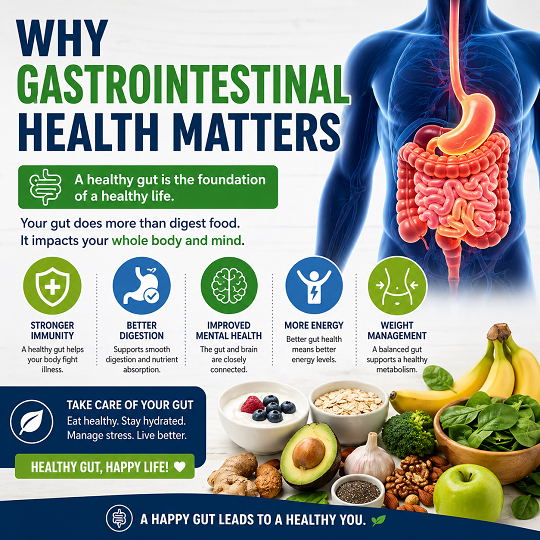
A healthy digestive system is the basis of good health. It helps break down food and absorb nutrients. It also supports your immune system. In addition, it can affect your mood and energy. However, poor diet and stress can harm digestion. As a result, many people face issues like bloating or constipation. Therefore, choosing the right foods can improve gut health and digestion.


🧬 Why Gastrointestinal Health Matters

Your gut has trillions of tiny bacteria. These form the gut microbiome. They help digest food and make vitamins. They also protect your body from harmful germs. However, when this balance is disturbed, problems can occur. For example, you may feel gas, pain, or swelling.

Moreover, a healthy gut supports your overall health. According to the World Health Organization, a balanced diet helps prevent digestive problems. Therefore, caring for your gut is very important.

Gastrointestinal


🥗 1. Fiber-Rich Foods for Better Digestion

Fiber helps your body digest food easily. It adds bulk to stool. As a result, food moves smoothly through your system. In addition, fiber feeds good bacteria in your gut.

Best sources include:

  • Whole grains like oats and brown rice
  • Fruits such as apples, bananas, and berries
  • Vegetables like broccoli, carrots, and spinach

Therefore, adding fiber daily can improve it.


🦠 2. Best Foods for Gastrointestinal Health: Probiotic Foods

Probiotics are good bacteria. They help keep your gut healthy. In addition, they restore balance after illness or antibiotic use.

Top probiotic foods:

  • Yogurt
  • Kefir
  • Fermented foods like kimchi and sauerkraut

Moreover, these foods support smooth digestion.


🌾 3. Best Foods for Gastrointestinal Health: Prebiotic Sources

Prebiotics feed the good bacteria in your gut. Therefore, they work well with probiotics. Together, they keep your gut balanced.

Include foods like:

  • Garlic
  • Onions
  • Bananas
  • Asparagus

As a result, your digestive system works better.


💧 4. Hydrating Foods and Fluids

Water plays a key role in it. It helps break down food. It also helps your body absorb nutrients.

Good options include:

  • Water
  • Coconut water
  • Water-rich fruits like watermelon and cucumber

In addition, proper hydration prevents constipation. Therefore, drink enough fluids every day.


🥑 5. Healthy Fats for Gut Health

Healthy fats help your body absorb nutrients. They also reduce inflammation.

Best sources:

  • Avocados
  • Nuts and seeds
  • Olive oil

Moreover, these fats are easy to digest. So, they support gut health.


🍵 6. Foods That Soothe the Gut

Some foods calm your stomach. They also reduce discomfort.

Examples:

  • Ginger (helps with nausea)
  • Peppermint (soothes the gut)
  • Plain rice and boiled potatoes (easy to digest)

Therefore, these foods are helpful for digestive problems. The Mayo Clinic also recommends them.


⚠️ Foods to Limit for Better Digestion

Some foods can harm your gut. Therefore, you should limit them.

  • Processed and fast foods
  • Sugary drinks
  • Too much caffeine
  • Spicy and oily foods

As a result, reducing these foods can prevent discomfort.


🌟 Final Thoughts

Your diet plays a key role in gut health. Therefore, choose foods that support digestion. Include fiber, probiotics, prebiotics, and healthy fats.

In conclusion, small changes can make a big difference. So, start today. Eat better, feel better, and support your gut health every day.


📚 References

  1. World Health Organization – Healthy diet and digestive health
  2. National Institutes of Health – Probiotics and gut health
  3. Mayo Clinic – Digestive health and diet guidelines
  4. Harvard Medical School – Gut microbiome and nutrition

Medications that have been suggested by doctors worldwide are available on the link below
https://mygenericpharmacy.com/category/stomach

The Truth About Bowel Disease: Warning Signs You Should Never Ignore

The Truth About Bowel Disease: Warning Signs You Should Never Ignore

Bowel diseases are becoming increasingly common, affecting millions of people worldwide. These conditions can range from mild digestive discomfort to serious chronic illnesses. In 2026, awareness and early detection are key to managing bowel disease effectively and preventing complications.

This guide explains the truth about bowel disease, its warning signs, causes, and how you can protect your digestive health.


What Is Bowel Disease?

Bowel disease refers to a group of disorders that affect the intestines. These include conditions like Irritable bowel syndrome, Crohn’s disease, and Ulcerative colitis. Some bowel diseases are functional (affecting how the gut works), while others are inflammatory and can cause long-term damage to the digestive tract.


Common Causes of Bowel Disease

Bowel diseases can develop due to multiple factors, including:

  • Genetics: Family history increases risk
  • Poor diet: Low fiber and high processed food intake
  • Stress: Affects gut function and digestion
  • Infections: Bacterial or viral infections can trigger symptoms
  • Immune system issues: Especially in inflammatory bowel diseases

Understanding these causes can help you reduce your risk.


Warning Signs You Should Never Ignore

Recognizing early symptoms is crucial for timely treatment. Some signs may seem minor, but can indicate serious conditions.

  • Persistent abdominal pain or cramps
  • Frequent diarrhea or constipation
  • Blood in stool
  • Unexplained weight loss
  • Fatigue and weakness
  • Bloating or gas

If these symptoms continue or worsen, it’s important to seek medical advice.


Types of Bowel Diseases

1. Irritable Bowel Syndrome (IBS)

A common condition affecting bowel function. It causes discomfort, bloating, and irregular bowel habits but does not damage the intestines.

2. Inflammatory Bowel Disease (IBD)

Includes Crohn’s disease and ulcerative colitis. These are chronic conditions that cause inflammation and damage to the digestive tract.

3. Infections and Other Disorders

Bacterial infections and food poisoning can also lead to temporary bowel issues.


How Bowel Disease Affects Your Health

Bowel diseases can impact more than just digestion. They may lead to:

  • Nutrient deficiencies
  • Dehydration
  • Reduced quality of life
  • Mental health issues like anxiety

Therefore, proper management is essential.


How to Protect Your Gut Health

1. Eat a Balanced Diet

Include fiber-rich foods like fruits, vegetables, and whole grains. Avoid excessive processed and spicy foods.

2. Stay Hydrated

Drinking enough water supports digestion and prevents constipation.

3. Manage Stress

Stress can worsen bowel symptoms. Practice relaxation techniques like meditation or yoga.

4. Exercise Regularly

Physical activity improves digestion and overall health.

5. Avoid Smoking and Excess Alcohol

These habits can irritate the digestive system and worsen symptoms.


Seek medical attention if you experience:

  • Blood in stool
  • Severe abdominal pain
  • Sudden weight loss
  • Persistent digestive issues

Early diagnosis can help prevent serious complications.


Treatment Options

Treatment depends on the type and severity of the condition.

  • Medications: To reduce inflammation or control symptoms
  • Dietary changes: Personalized nutrition plans
  • Lifestyle modifications: Stress management and exercise
  • Surgery: In severe cases of inflammatory bowel disease

A healthcare provider can guide you toward the best treatment plan.


Conclusion: Listen to Your Gut

Bowel disease is not something to ignore. Early warning signs can help you take action before the condition worsens. By maintaining a healthy lifestyle and seeking timely medical advice, you can protect your digestive health and improve your quality of life. Listen to your body, act early, and prioritize your gut health.


References:

  1. World Health Organization – Digestive health and disease prevention
  2. Centers for Disease Control and Prevention – Gastrointestinal disease resources
  3. National Institute of Diabetes and Digestive and Kidney Diseases – Bowel disease information
  4. Mayo Clinic – Symptoms and treatment guidelines

Medications that have been suggested by doctors worldwide are available on the link below
https://mygenericpharmacy.com/category/products/stomach

Stop the Spasms Fast: Powerful Antispasmodic Solutions You Need to Know

Stop the Spasms Fast: Powerful Antispasmodic Solutions You Need to Know

Muscle cramps and spasms can strike without warning—causing sharp pain, discomfort, and disruption to daily life. Whether it’s abdominal cramps, intestinal spasms, or muscle tightness, these conditions can significantly impact your quality of life. Fortunately, antispasmodic treatments provide effective relief by relaxing muscles and reducing involuntary contractions. In this guide, we’ll explore what causes spasms, how antispasmodics work, and the best ways to manage and prevent them.


What Are Muscle Spasms?

Muscle spasms are sudden, involuntary contractions of muscles that can occur in various parts of the body, including:

  • Abdomen (intestinal cramps)
  • Legs (night cramps)
  • Back and neck
  • Digestive tract

These spasms can range from mild discomfort to intense pain and may last from seconds to several minutes.


Common Causes of Spasms

Understanding the underlying cause is essential for effective treatment. Common triggers include:

  • Dehydration
  • Electrolyte imbalance (low potassium or magnesium)
  • Digestive disorders such as IBS
  • Stress and anxiety
  • Muscle overuse or fatigue
  • Certain medications

In many cases, spasms are linked to irritation or dysfunction in smooth muscle, especially in the gastrointestinal tract.


What Are Antispasmodics?

Antispasmodics are medications that help relieve spasms by relaxing muscles, particularly in the gut and urinary tract. They are widely used to treat abdominal pain, irritable bowel syndrome (IBS), and other spasm-related conditions.

Commonly prescribed options include:

  • Dicycloverine
  • Hyoscine butylbromide
  • Mebeverine

These medications are effective in reducing cramping, bloating, and discomfort.


How Do Antispasmodics Work?

Antispasmodics act by targeting the muscles or nerves responsible for contractions. Their mechanisms include:

  • Blocking nerve signals that trigger spasms
  • Relaxing smooth muscle tissue
  • Reducing gut motility

This results in quick relief from symptoms such as abdominal pain and cramping.


Benefits of Antispasmodic Treatments

1. Rapid Relief

Most antispasmodics work quickly, helping reduce pain within a short time.

2. Improved Digestive Health

They are especially beneficial for conditions like IBS and functional bowel disorders.

3. Enhanced Quality of Life

By controlling spasms, these medications allow individuals to carry on with daily activities comfortably.


Natural Ways to Prevent Spasms

In addition to medication, lifestyle changes can play a crucial role in prevention:

  • Stay hydrated throughout the day
  • Maintain a balanced diet rich in electrolytes
  • Practice stress-reducing techniques like yoga or meditation
  • Engage in regular physical activity
  • Use heat therapy for muscle relaxation

Combining natural methods with medication often yields the best results.


When to Seek Medical Help

You should consult a healthcare professional if you experience:

  • Frequent or severe cramps
  • Persistent abdominal pain
  • Blood in stool
  • Unexplained weight loss
  • Symptoms that worsen over time

Early diagnosis can help prevent complications and ensure proper treatment.


Safety and Side Effects

While antispasmodics are generally safe, they may cause side effects such as:

  • Dry mouth
  • Dizziness
  • Blurred vision
  • Constipation

Always follow medical advice and avoid self-medication, especially if you have underlying health conditions.


Final Thoughts

Muscle spasms and cramps can be painful and disruptive, but they are highly manageable with the right approach. Medications like Dicycloverine, Hyoscine butylbromide, and Mebeverine offer fast and effective relief when used appropriately. By combining medical treatment with healthy lifestyle habits, you can prevent recurring spasms and enjoy a more comfortable, pain-free life.


References:

  1. National Institutes of Health – Research on muscle cramps and gastrointestinal disorders
  2. World Health Organization – Guidelines on medication safety and usage
  3. Mayo Clinic – Information on muscle spasms and treatment
  4. National Health Service – Antispasmodic medication guidance
  5. Cleveland Clinic – Digestive health and IBS management

Medications that have been suggested by doctors worldwide are available on the link below
https://mygenericpharmacy.com/category/products/disease/antispasmodic

The Stomach Shield: Mastering Digestive Health for a Better Life

The Stomach Shield: Mastering Digestive Health for a Better Life

Gastric Health Tips for Better Digestion & Gut Care
Improve your stomach health with expert tips on digestion, diet, and gut balance. Discover natural ways to prevent bloating, acidity, and discomfort.
Introduction: Your Second Brain

Your digestive system does far more than process food. It houses over 100 million neurons—earning it the nickname “the second brain”—and plays a central role in immunity, mood regulation, and overall health. When your stomach is happy, you barely notice it. When something goes wrong, it can dominate your entire day, affecting energy, sleep, mood, and quality of life.

The good news is that most digestive issues are manageable, and many are preventable. Understanding how your digestive system works and what it needs is the first step toward building your stomach shield—a foundation of gut health that serves you for life.

The Amazing Ecosystem Inside You

Your digestive tract is home to trillions of bacteria, viruses, and fungi—collectively called the gut microbiome. This complex ecosystem weighs about 2-5 pounds and contains more than 1,000 species of bacteria.

The gut microbiome influences:

  • Digestion and nutrient absorption
  • Immune function (70% of your immune cells reside in your gut)
  • Mood and mental health (90% of serotonin is produced in the gut)
  • Weight regulation
  • Inflammation levels throughout the body

When this ecosystem is balanced, you thrive. When it’s disrupted—by poor diet, stress, antibiotics, or lack of sleep—digestive problems emerge.

Common Digestive Issues: Know the Signs

Indigestion (Dyspepsia)

Burning, bloating, or discomfort in the upper abdomen after eating. Often triggered by eating too quickly, fatty or spicy foods, caffeine, alcohol, or stress.

Acid Reflux and GERD

Stomach acid flows back into the esophagus, causing heartburn, regurgitation, and sometimes a sour taste. Occasional reflux is common; frequent episodes (twice weekly or more) may indicate GERD.

Bloating and Gas

Excess gas can result from swallowing air, certain foods (beans, cruciferous vegetables, carbonated drinks), or imbalances in gut bacteria.

Constipation

Infrequent bowel movements, straining, or feeling of incomplete evacuation. Often caused by low fiber, inadequate hydration, or a sedentary lifestyle.

Diarrhea

Loose, watery stools that may result from infection, food intolerance, stress, or underlying conditions like irritable bowel syndrome (IBS).

Irritable Bowel Syndrome (IBS)

A functional disorder causing abdominal pain, bloating, and altered bowel habits (diarrhea, constipation, or both). Affects 10-15% of adults 

Inflammatory Bowel Disease (IBD)

Chronic conditions like Crohn’s disease and ulcerative colitis cause ongoing inflammation of the digestive tract. Requires medical management.

Red Flags: When to See a Doctor

Seek medical attention immediately if you experience:

  • Blood in vomit (red or coffee-ground appearance)
  • Blood in stool (red, black, or tarry)
  • Severe, persistent abdominal pain
  • Difficulty swallowing or pain with swallowing
  • Unexplained weight loss
  • Persistent vomiting or inability to keep fluids down
  • Jaundice (yellowing of skin or eyes)

Building Your Stomach Shield: Prevention Strategies

1. Eat for Gut Health

The Gut-Friendly Plate:

  • Fiber-rich foods: 25-35 grams daily from fruits, vegetables, whole grains, legumes. Fiber feeds beneficial gut bacteria and promotes regular bowel movements.
  • Fermented foods: Yogurt, kefir, kimchi, sauerkraut, kombucha—contain probiotics that support healthy gut bacteria .a
  • Prebiotic foods: Garlic, onions, leeks, asparagus, bananas—feed the good bacteria already in your gut
  • Lean proteins: Chicken, fish, tofu—easier to digest than fatty meats
  • Healthy fats: Olive oil, avocados, nuts—anti-inflammatory

Limit:

  • Processed foods: Low in fiber, high in unhealthy fats and additives
  • Excessive sugar: Feeds harmful bacteria
  • Artificial sweeteners: Can disrupt gut bacteria balance
  • Red and processed meats: Linked to increased inflammation

2. Stay Hydrated

Water is essential for digestion. It helps break down food, dissolve nutrients, and keep stool soft. Aim for 6-8 glasses daily. Increase if active or in hot weather.

3. Eat Mindfully

  • Chew thoroughly: Digestion begins in the mouth. Chewing breaks down food and signals the stomach to prepare
  • Eat slowly: Rushing meals can cause overeating and indigestion
  • Regular meal times: Consistency helps regulate digestive processes
  • Don’t eat late: Lying down soon after eating promotes reflux

4. Manage Stress

The gut-brain connection is powerful. Stress can:

  • Slow or speed up digestion
  • Trigger IBS symptoms
  • Worsen heartburn
  • Alter gut bacteria

Stress reduction strategies:

  • Deep breathing exercises
  • Mindfulness meditation
  • Regular physical activity
  • Adequate sleep
  • Social connection

5. Move Your Body

Regular physical activity:

  • Stimulates intestinal contractions (peristalsis)
  • Reduces constipation
  • Lowers stress
  • Supports ha ealthy weight

Aim for 150 minutes weekly of moderate activity. Even a 10-15 minute walk after meals aids digestion.

6. Prioritize Sleep

Poor sleep disrupts the gut microbiome and increases inflammation. Aim for 7-9 hours of quality sleep nightly

Gut-Friendly Lifestyle Habits

Do:

  • Keep a food diary to identify triggers
  • Eat smaller, more frequent meals if you have reflux or bloating
  • Chew food thoroughly
  • Stay physically active
  • Manage stress regularly

Don’t:

  • Smoke (damages the digestive tract, increases cancer risk)
  • Overuse of NSAIDs (ibuprofen, naproxen) can cause gastritis)
  • Lie down immediately after eating
  • Ignore persistent symptoms

The Role of Probiotics and Prebiotics

Probiotics

Livebeneficial bacteriaa afoundndd in fermented foods and supplements. May help with:

  • Antibiotic-associated diarrhea
  • IBS symptoms
  • Constipation
  • Inflammatory bowel disease (specific strains)

Food sources: Yogurt, kefir, kimchi, sauerkraut, kombucha, miso

Supplement note: Different strains have different effects. Consult your healthcare provider for specific conditions.

Prebiotics

Food for beneficial bacteria. Found in:

  • Garlic, onions, and leeks
  • Asparagus
  • Bananas (slightly green)
  • Oats
  • Jerusalem artichokes

Combining probiotics and prebiotics (synbiotics) may have enhanced benefits.

Digestive Issues in Special Populations

Pregnancy

Hormonal changes and pressure from the growing uterus can cause heartburn, constipation, and bloating. Small, frequent meals, staying hydrated, and gentle exercise help

Older Adults

Digestive issues become more common due to slower motility, medication use, and age-related changes. Fiber, hydration, and physical activity are especially important.

Children

Constipation is common, often related to diet, hydration, and toilet training issues. Consult a pediatrician before using laxatives or supplements.

Managing Common Digestive Problems

For Heartburn

  • Eat smaller meals
  • Avoid trigger foods (spicy, fatty, acidic)
  • Don’t lie down for 2-3 hours after eating
  • Elevate the head of the bed
  • Limit alcohol and caffeine
  • Maintain a healthy weight

For Bloating

  • Eat slowly
  • Avoid carbonated drinks
  • Limit gas-producing foods (beans, cabbage, onions)
  • Consider digestive enzymes or peppermint oil capsules (enteric-coated)
  • Rule out food intolerances (lactose, fructose, gluten)

For Constipation

  • Increase fiber gradually
  • Drink more water
  • Exercise regularly
  • Respond promptly to the urge
  • Consider magnesium or psyllium

For Diarrhea

  • Stay hydrated with electrolyte solutions
  • Eat bland foods (BRAT diet: bananas, rice, applesauce, toast)
  • Avoid dairy, fatty foods, and caffeine
  • Consider probiotics

If diarrhea persists for more than 2 days or occurs with fever, see a doctor.

Conclusion: Your Stomach Shield Starts Today

Your digestive system is resilient, adaptable, and capable of remarkable healing when given the right support. Small, consistent habits—eating fiber-rich foods, staying hydrated, managing stress, moving your body—build a powerful shield against digestive distress.

Listen to your body. Notice what triggers discomfort and what brings relief. And when symptoms persist or concern you, seek medical care. Your gut is your foundation. Protect it, and it will protect you.


References:

  1. Cleveland Clinic. Digestive Health: What to Know.
  2. Harvard Health Publishing. The gut-brain connection.
  3. Mayo Clinic. Digestive Health Tips.
  4. National Institute of Diabetes and Digestive and Kidney Diseases. Digestive Diseases Statistics.
  5. Johns Hopkins Medicine. The Gut Microbiome.

Medications that have been suggested by doctors worldwide are available on the link below
https://mygenericpharmacy.com/category/stomach


Disclaimer: This article is for educational purposes only. Consult a healthcare provider for persistent or severe digestive symptoms.
Your Complete Guide to Stomach Health: Causes, Symptoms & Care

Your Complete Guide to Stomach Health: Causes, Symptoms & Care

Stomach Health: Causes, Symptoms & Care Guide

Learn about stomach health, including common causes of stomach problems, key symptoms to watch for, and effective care tips to maintain a healthy digestive system.

Your stomach is more than just a food processor—it’s a complex organ that plays a central role in digestion, immunity, and even mood regulation. When your stomach is happy, you barely notice it. But when something goes wrong, it can dominate your entire day. Understanding common stomach issues and how to maintain digestive health is essential for overall well-being.

Common Stomach Problems and Their Causes

Indigestion (Dyspepsia)

Indigestion is a general term for discomfort in the upper abdomen. Symptoms include burning, bloating, feeling overly full, and nausea. Common triggers include eating too quickly, fatty or spicy foods, caffeine, alcohol, and stress.

Gastritis

Gastritis is inflammation of the stomach lining. It can be acute (sudden) or chronic (long-term). Causes include infection with H. pylori bacteria, regular use of NSAIDs (ibuprofen, aspirin), excessive alcohol consumption, and autoimmune conditions.

Acid Reflux and GERD

When stomach acid flows back into the esophagus, it causes heartburn—a burning sensation in the chest. Occasional reflux is common, but frequent episodes (twice weekly or more) may indicate gastroesophageal reflux disease (GERD).

Peptic Ulcers

These are open sores that develop on the stomach lining. The two main causes are H. pylori infection and long-term NSAID use. Contrary to old beliefs, stress and spicy foods don’t cause ulcers—but they can worsen symptoms.

Irritable Bowel Syndrome (IBS)

IBS affects the large intestine, causing cramping, abdominal pain, bloating, gas, and alternating diarrhea and constipation. It’s a functional disorder, meaning the digestive tract looks normal but doesn’t function properly.

Gastroenteritis (Stomach Flu)

Viral or bacterial infection causes inflammation of the stomach and intestines, leading to nausea, vomiting, diarrhea, and abdominal cramps. It’s usually short-lived but can cause dehydration.

Recognizing Symptoms: When to Pay Attention

Common Digestive Symptoms

  • Heartburn or acid reflux
  • Bloating and excessive gas
  • Nausea and vomiting
  • Abdominal pain or cramping
  • Diarrhea or constipation
  • Loss of appetite
  • Unexplained weight changes

Red Flags: When to See a Doctor

Seek medical attention immediately if you experience :

  • Blood in vomit (red or coffee-ground appearance)
  • Blood in stool (red, black, or tarry)
  • Severe, persistent abdominal pain
  • Difficulty swallowing or pain with swallowing
  • Unexplained weight loss
  • Persistent vomiting or inability to keep fluids down
  • Jaundice (yellowing of skin or eyes)

Maintaining Stomach Health: Prevention Strategies

Eat Mindfully

  • Chew thoroughly: Digestion begins in the mouth. Chewing breaks down food and signals the stomach to prepare for digestion.
  • Eat slowly: Rushing meals can cause overeating and indigestion.
  • Regular meal times: Consistency helps regulate digestive processes.

Choose Stomach-Friendly Foods

  • Fiber-rich foods: Fruits, vegetables, whole grains, legumes (promote regular bowel movements)
  • Lean proteins: Chicken, fish, tofu (easier to digest than fatty meats)
  • Probiotics: Yogurt, kefir, fermented foods (support healthy gut bacteria)
  • Ginger and peppermint: Natural remedies for nausea and indigestion
  • Stay hydrated: Water aids digestion and prevents constipation

Limit or Avoid

  • Spicy and fatty foods: Can trigger heartburn and indigestion
  • Processed foods: Often low in fiber, high in unhealthy fats
  • Excessive caffeine and alcohol: Irritate the stomach lining
  • Carbonated beverages: Cause bloating and gas
  • Late-night eating: Lying down soon after eating promotes reflux

Lifestyle Habits

  • Manage stress: Chronic stress affects digestion through the gut-brain connection.
  • Don’t smoke: Smoking weakens the valve that prevents acid reflux
  • Maintaina healthy weight: Excess weight increases abdominal pressure, promoting reflux
  • Exercise regularly: Promotes healthy digestion and reduces stress

Treatment Approaches

Home Remedies

  • Ginger tea: Soothes nausea
  • Peppermint: Relieves indigestion and gas
  • Chamomile tea: Calms the digestive system
  • BRAT diet (bananas, rice, applesauce, toast): For acute diarrhea
  • Heating pad: Eases abdominal cramps

Over-the-Counter Options

  • Antacids: Neutralize stomach acid (Tums, Rolaids)
  • H2 blockers: Reduce acid production (famotidine, ranitidine)
  • Proton pump inhibitors: Stronger acid reduction (omeprazole, lansoprazole)
  • Anti-diarrheals: Loperamide (Imodium)
  • Laxatives: For occasional constipation (use sparingly)

When You Need Prescription Medications

  • Antibiotics for H. pylori infection
  • Prescription-strength acid reducers
  • Medications for chronic conditions (IBS, IBD)
  • Anti-nausea medications

The Gut-Brain Connection

Your digestive system has its own nervous system—the enteric nervous system—often called the “second brain.” It contains over 100 million neurons and communicates constantly with your brain.

This explains why :

  • Stress triggers digestive symptoms
  • Anxiety can cause nausea or diarrhea
  • Depression affects appetite
  • Mindfulness practices improve digestion

Managing mental health is an essential part of maintaining stomach health.

Special Considerations

Age-Related Changes

As we age, stomach acid production may decrease, slowing digestion. Older adults are also more prone to constipation and may need more fiber and hydration.

Pregnancy

Hormonal changes and pressure from ga rowing uterus can cause heartburn and constipation. Small, frequent meals and avoiding trigger foods help.

Medications

Many common medications affect digestion:

  • NSAIDs: Can cause gastritis and ulcers
  • Antibiotics: Disrupt gut bacteria, may cause diarrhea
  • Opioids: Cause constipation
  • Iron supplements: Can cause nausea and constipation

Conclusion: Listen to Your Gut

Your stomach communicates with you constantly—through hunger pangs, fullness signals, and sometimes discomfort. Learning to listen and respond appropriately is the foundation of good digestive health.

Key takeaways:

  1. Pay attention to symptoms and patterns
  2. Don’t ignore persistent or severe symptoms
  3. Build healthy eating and lifestyle habits
  4. Manage stress—it directly affects digestion
  5. Seek medical help when red flags appear

With proper care and attention, you can maintain a healthy stomach that serves you well for life.


References:

  1. Cleveland Clinic. Common Digestive Conditions.
  2. Mayo Clinic. Indigestion – Symptoms and causes.
  3. Johns Hopkins Medicine. The Gut-Brain Connection.
  4. National Institute of Diabetes and Digestive and Kidney Diseases. Digestive Diseases.
  5. American Gastroenterological Association. Patient Center.

Medications that have been suggested by doctors worldwide are available on the link below
https://mygenericpharmacy.com/category/stomach


Disclaimer: This article is for educational purposes only. Consult a healthcare provider for proper diagnosis and treatment of digestive symptoms.

From Bloating to Acid Reflux: The Ultimate Guide to Digestive Health

From Bloating to Acid Reflux: The Ultimate Guide to Digestive Health

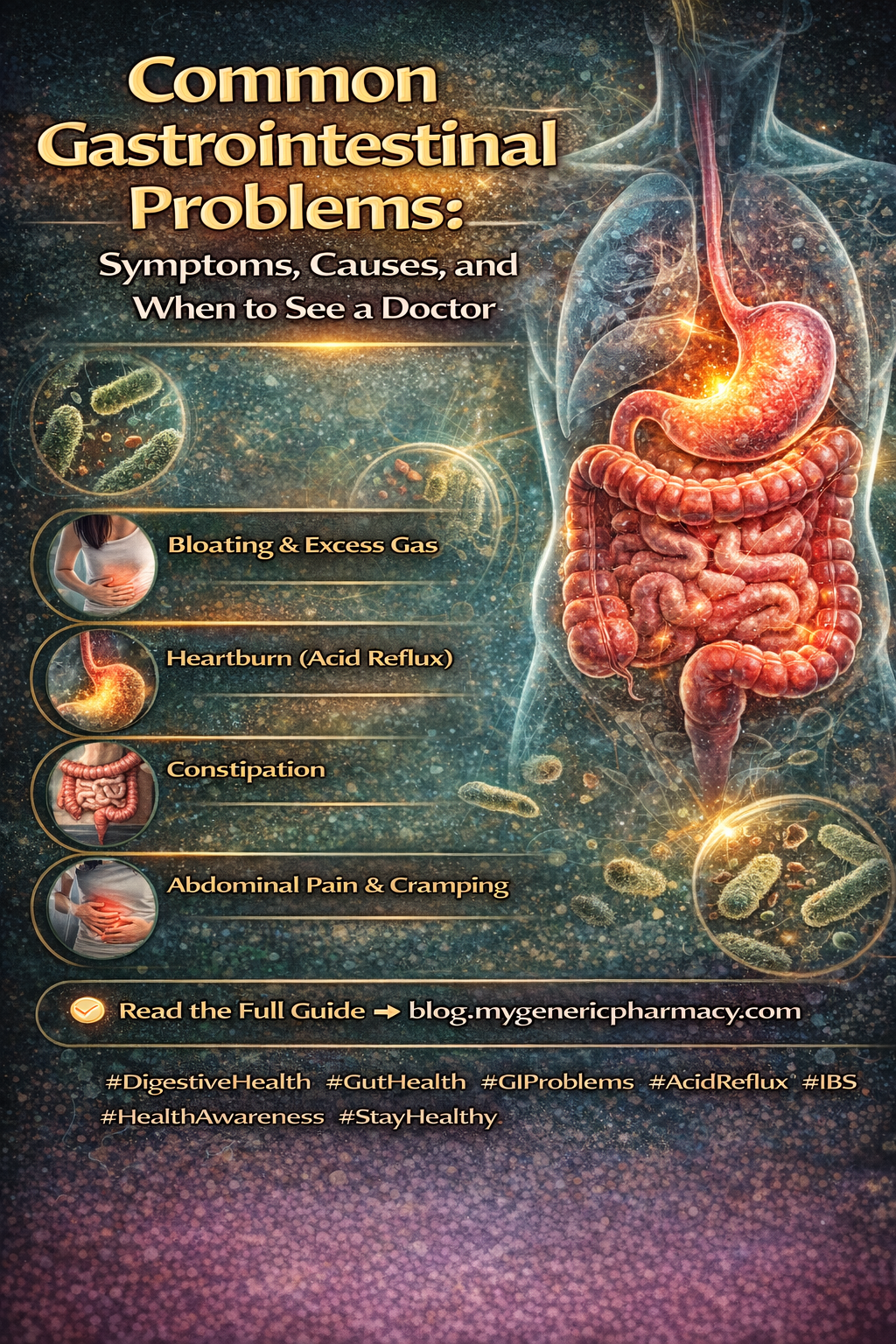
Common Gastrointestinal Problems: Symptoms & Causes: Experiencing bloating, pain, or indigestion? Learn the symptoms, causes, and treatment options for common gastrointestinal problems and when to see a doctor.

We have all been there—that uncomfortable bloating after a big meal, the sudden cramp that comes out of nowhere, or the persistent heartburn that just won’t quit. For many, these moments are fleeting. However, for an increasing number of people, digestive discomfort is becoming the norm rather than the exception. Gastrointestinal (GI) issues are on the rise globally, fueled by our modern lifestyles, stress, and diet.

Your gut is more than just a food processor; it’s a complex system often called the “second brain” due to its direct line of communication with your head. When something is off in your digestive tract, it’s often your body’s first warning sign that something needs attention . This guide will help you understand common GI problems, their causes, and how to get your digestive health back on track.

What Exactly is a Gastrointestinal Problem?

A gastrointestinal disease is any condition affecting the digestive tract, which runs from your mouth to your rectum. These problems generally fall into two categories :

  • Functional GI Diseases: In these cases, the GI tract looks normal upon examination but doesn’t function properly. The muscles or nerves aren’t working in harmony. Irritable Bowel Syndrome (IBS) is a classic example, where the gut is highly sensitive, and motility is off.
  • Structural GI Diseases: Here, the bowel itself is abnormal, and the problem is visible. This includes conditions with inflammation or damage, like Inflammatory Bowel Disease (IBD) —which covers Crohn’s disease and ulcerative colitis—as well as hemorrhoids, diverticular disease, and polyps.

Common Culprits: Symptoms You Shouldn’t Ignore

Digestive issues can manifest in many ways. While occasional discomfort is normal, persistent symptoms warrant attention. Common signs of a GI problem include :

  • Persistent abdominal pain or cramping
  • Excessive gas and bloating
  • Heartburn or acid reflux (a burning sensation in the chest)
  • Changes in bowel habits: Diarrhea, constipation, or alternating between the two
  • Unexplained nausea or vomiting
  • Blood in the stool or black, tarry stools

If you experience severe pain, vomiting blood, or notice blood in your stool, seek immediate medical attention.

Why Are Gut Problems Becoming So Common?

The rise in GI issues isn’t a mystery; it’s a direct result of modern living.

  • The Modern Diet: We are eating more ultra-processed foods, refined sugars, and unhealthy fats while consuming less fiber. This combination can alter your gut microbiome (the community of good bacteria), increase inflammation, and starve the beneficial bacteria that keep your gut lining healthy.
  • Chronic Stress: Your brain and gut are directly connected. When you’re stressed, your body diverts energy away from digestion, which can slow down gut motility, increase sensitivity to pain, and worsen conditions like IBS.
  • Overuse of Medications: Common over-the-counter pain relievers like ibuprofen and aspirin (NSAIDs) are “extremely caustic to the intestinal lining” and can lead to ulcers and bleeding when taken too often. Antibiotics, while life-saving, can also wipe out the good bacteria in your gut.

5 Healthy Habits for a Happier Gut

The good news is that you have significant control over your digestive health. It’s less about trendy cleanses and more about consistent, healthy habits.

1. Eat a Fiber-Forward, Gut-Friendly Diet
Aim for a Mediterranean-style plate: half filled with colorful vegetables, a quarter with high-fiber whole grains (like oats or quinoa), and a quarter with lean protein. Fiber is crucial. Soluble fiber (found in oats, apples, and beans) feeds good gut bacteria, while insoluble fiber (found in leafy greens and nuts) adds bulk to stool to prevent constipation. Increase your fiber intake slowly and with plenty of water to avoid bloating.

2. Hydrate Strategically
Water is essential for digestion. It softens stool and helps fiber do its job. A good rule of thumb is to aim for pale-yellow urine throughout the day. Try starting your morning with 1-2 glasses of water to help stimulate a bowel movement.

3. Get Moving
Regular physical activity isn’t just for your heart; it’s great for your gut. Even a 10-20 minute walk after meals can reduce bloating and help with blood sugar control. It’s one of the best ways to support gut motility and reduce constipation.

4. Prioritize Sleep and Stress Management
Your gut needs rest to repair and regulate. Irregular sleep can disrupt the hormones and rhythms that control digestion. Since the gut-brain axis is a two-way street, managing stress is vital. Simple practices like 5 minutes of deep breathing before a meal can activate the “rest and digest” mode and improve digestion.

5. Listen to Your Body—And Don’t Mask Symptoms
Pay attention to what your body is telling you. If you constantly rely on antacids or anti-diarrheals to mask symptoms, you could be hiding an underlying issue like celiac disease, an ulcer, or an inflammatory condition. “When symptoms repeat, they’re trying to tell you something,” explains gastroenterologist Dr. Manjusha Das. “The earlier we investigate, the easier it is to treat”.

Prevention is the Best Medicine

Your digestive health is a cornerstone of your overall well-being. You don’t need complicated protocols to protect it. Focus on whole foods, manage your stress, stay active, and stay hydrated. And remember, if you’re 45 or older, schedule that routine colonoscopy. It doesn’t just detect colon cancer; it can prevent it by removing pre-cancerous polyps before they become a problem 

If you’ve been suffering from persistent bloating, pain, or irregular bowel habits for more than two weeks, it’s time to consult a healthcare provider. Your gut will thank you.

Reference:

https://my.clevelandclinic.org/health/articles/7040-gastrointestinal-diseases
https://www.niddk.nih.gov/health-information/digestive-diseases
https://livgastro.in/patient_education/the-most-common-digestive-issues-and-how-to-prevent-them/
https://www.acog.org/womens-health/faqs/problems-of-the-digestive-system

Medications that have been suggested by doctors worldwide are available on the link below
https://mygenericpharmacy.com/category/products/disease/ulcers-and-indigestion

The Gastric Guardian: Your Guide to Stomach Health & Harmony

The Gastric Guardian: Your Guide to Stomach Health & Harmony

Welcome to Your Stomach’s Support System

Your stomach is far more than a simple digestion pouch—it’s a sophisticated chemical processor, a neurological hub (your “second brain”), and a critical gatekeeper of overall health. Whether you’re managing a gastric condition, recovering from surgery, or optimizing digestive wellness, this blog is your comprehensive resource for evidence-based information, practical strategies, and a supportive community focused on gastric health.

Understanding Your Stomach: More Than Just Acid

Anatomy & Physiology 101

  • Location: Upper left abdomen, protected by rib cage
  • Key Components:
    • Cardia: Junction with esophagus (lower esophageal sphincter)
    • Fundus: Upper curvature
    • Body: Main central region
    • Antrum: Lower portion leading to the pylorus
    • Pylorus: Valve controlling emptying into the duodenum
  • Layers: Mucosa (inner lining), submucosa, muscularis, serosa
  • Gastric Pits: Contain specialized cells producing acid, enzymes, mucus, and hormones

Your Stomach’s Remarkable Functions

  1. Chemical Digestion: Hydrochloric acid (pH 1.5-3.5) + pepsin breaks down proteins
  2. Mechanical Processing: Muscular churning creates chyme
  3. Antimicrobial Defense: Acid kills most ingested pathogens
  4. Intrinsic Factor Production: Essential for vitamin B12 absorption
  5. Hormone Regulation: Ghrelin (hunger), gastrin (acid stimulation)
  6. Neurological Integration: Contains 100 million neurons (enteric nervous system)

Common Gastric Conditions: From Common to Complex

Gastritis & Gastropathy

  • Acute Gastritis: Sudden inflammation (NSAIDs, alcohol, stress, H. pylori)
  • Chronic Gastritis: Long-term inflammation, often autoimmune or H. pylori-related
  • Symptoms: Upper abdominal pain, nausea, bloating, loss of appetite
  • Atrophic Gastritis: Thinning mucosa with increased cancer risk (requires monitoring)

Peptic Ulcer Disease (PUD)

  • Gastric Ulcers: Occur in the stomach lining
  • Duodenal Ulcers: Occur just beyond the pylorus
  • Causes: H. pylori (70-90%), NSAIDs, stress ulcers in critically ill
  • Myth Busting: Spicy foods don’t cause ulcers, but may irritate existing ones

Functional Dyspepsia

  • Postprandial Distress Syndrome: Early satiety, fullness after meals
  • Epigastric Pain Syndrome: Burning or pain in the upper abdomen
  • Diagnosis: Symptoms without structural explanation (after endoscopy)
  • Treatment: Often involves neuromodulators, diet modification, and stress management

Gastroparesis

  • Definition: Delayed gastric emptying without obstruction
  • Causes: Diabetic, idiopathic, post-surgical, Parkinson’s, connective tissue disorders
  • Symptoms: Early satiety, nausea, vomiting, bloating, blood sugar instability
  • Diagnosis: Gastric emptying study (4-hour gold standard)

Gastric Cancer

  • Adenocarcinoma: Most common (95%)
  • Risk Factors: H. pylori, smoking, processed meats, family history, pernicious anemia
  • Early Detection Challenges: Often asymptomatic until advanced
  • Hope: Declining incidence in developed countries with H. pylori treatment

Less Common But Important

  • Ménétrier’s Disease: Giant gastric folds with protein loss
  • Gastric Varices: Portal hypertension complication
  • Bezoars: Accumulated indigestible material (trichobezoars, phytobezoars)
  • Gastric Polyps: Hyperplastic, fundic gland, adenomatous (varying cancer risk)

Diagnostic Journey: Getting Answers

When to Seek Evaluation

  • Persistent upper abdominal pain/discomfort
  • Unexplained weight loss
  • Difficulty swallowing
  • Persistent nausea/vomiting
  • Blood in vomit or black stools
  • Family history of gastric cancer
  • Iron deficiency anemia without an obvious cause

Diagnostic Tools

  • Upper Endoscopy (EGD): Gold standard with biopsy capability
  • H. pylori Testing: Breath, stool antigen, biopsy, urease test, serology
  • Gastric Emptying Study: Nuclear medicine test for gastroparesis
  • Capsule Endoscopy: For small bowel evaluation beyondthe stomach
  • Imaging: CT, MRI, barium studies
  • Gastric pH Monitoring: For acid-related conditions
  • Manometry: Measures gastric contractions (research settings mostly)

Treatment Approaches: Personalized Strategies

Medication Management

Acid Suppressants:

  • Proton Pump Inhibitors (PPIs): Omeprazole, pantoprazole, esomeprazole (potent, long-term control)
  • H2 Receptor Antagonists: Famotidine, ranitidine (less potent, faster onset)
  • Considerations: Long-term PPI use requires monitoring for nutrient deficiencies, bone health

Prokinetics (for motility issues):

  • Metoclopramide (Reglan): Dopamine antagonist + 5-HT4 agonist (black box warning)
  • Domperidone: Not FDA-approved but available elsewhere
  • Erythromycin: Macrolide antibiotic with prokinetic effects at low doses
  • Newer Agents: Prucalopride, velusetrag (primarily for colon, but some gastric effect)

Mucosal Protectors & Other Agents:

  • Sucralfate: Formsa protective barrier over ulcers/erosions
  • Misoprostol: A prostaglandin analog to prevent NSAID ulcers
  • Antidepressants (low dose): TCAs (amitriptyline), SSRIs for functional dyspepsia

H. pylori Eradication:

  • Quadruple Therapy: PPI + bismuth + tetracycline + metronidazole (14 days)
  • Triple Therapy: PPI + clarithromycin + amoxicillin/metronidazole (increasing resistance)
  • Sequential Therapy: Switching antibiotics during the course
  • Testing for eradication: Urea breath test 4+ weeks after completion

Dietary Management

General Gastric-Friendly Principles:

  • Small, frequent meals: Reduces gastric distension
  • Thorough chewing: Initiates digestion, reduces gastric workload
  • Adequate hydration between meals: Avoid large volumes with food
  • Mindful eating: Reduce stress response, improve digestion

Condition-Specific Modifications:

  • Gastritis/Ulcers: Avoid irritants (alcohol, caffeine, spicy foods if symptomatic)
  • Gastroparesis: Low-fat, low-fiber, well-cooked, blended foods when severe
  • Dumping Syndrome: High-protein, moderate-fat, complex carbs, separate liquids
  • Functional Dyspepsia: Identify personal triggers via elimination diet

Nutritional Considerations:

  • Vitamin B12: Monitor with long-term PPI use or atrophic gastritis
  • Iron: Gastric acid aids absorption; PPIs may reduce
  • Calcium: PPIs may alter the absorption mechanism
  • Probiotics: Emerging evidence for H. pylori adjunct, antibiotic-associated diarrhea

Surgical & Procedural Interventions

Endoscopic Procedures:

  • Bleeding Control: Clips, cautery, injection therapy
  • Stricture Dilation: For pyloric or anastomotic narrowing
  • PEG/J Tubes: For nutritional support in gastroparesis
  • Peroral Pyloromyotomy (G-POEM): Endoscopic pylorus muscle cutting for gastroparesis
  • Submucosal Dissection: For early gastric cancer (in specialized centers)

Surgical Options:

  • Vagotomy: Historical for ulcers, now rare
  • Antrectomy: Removal of the antrum
  • Gastrectomy: Partial or total (for cancer, severe complications)
  • Gastric Bypass: For obesity (changes anatomy significantly)
  • Pyloroplasty: Widening the pyloric outlet
  • Gastric Pacemaker: Electrical stimulation for refractory gastroparesis

Lifestyle & Integrative Approaches

Stress & Gastric Health Connection

  • Brain-Gut Axis: Bidirectional communication via the vagus nerve
  • Stress Effects: Alters motility, sensitivity, blood flow, microbiota
  • Mind-Body Practices: Meditation, diaphragmatic breathing, yoga, tai chi
  • Cognitive Behavioral Therapy (CBT): Particularly effective for functional disorders

Movement & Positioning

  • Postprandial Walking: Gentle activity aids gastric emptying
  • Left Lateral Recumbency: May aid gastric emptying vs. the right side
  • Elevated Head of Bed: For nighttime reflux
  • Avoid Lying Down: For 2-3 hours after meals

Complementary Approaches

  • Ginger: Evidence for nausea, possibly gastric emptying
  • Peppermint Oil: Enteric-coated for functional dyspepsia (relaxes smooth muscle)
  • Iberogast: Herbal blend with evidence for functional dyspepsia
  • Acupuncture: Modest evidence for functional dyspepsia, nausea
  • Hypnotherapy: Gut-directed for functional disorders

Special Populations & Considerations

Pediatric Gastric Issues

  • Pyloric Stenosis: Projectile vomiting in infants (correctable with surgery)
  • Cyclic Vomiting Syndrome: Episodic severe vomiting
  • Rumination Syndrome: Regurgitation without nausea
  • Considerations: Growth parameters crucial, medication dosing carefully calculated

Geriatric Considerations

  • Atrophic Gastritis: More common with age
  • Medication Burden: Polypharmacy interactions
  • Atypical Presentations: May present with confusion, falls rather than pain
  • Cancer Risk: Increases with age, requires appropriate screening

Post-Surgical Stomachs

  • Gastrectomy Patients: Dumping syndrome, nutritional deficiencies (B12, iron, calcium), early satiety
  • Bariatric Surgery: Anatomic changes requiring specific dietary protocols
  • Fundoplication: For GERD, but can cause gas-bloat, dysphagia

Prevention & Long-Term Health

Gastric Cancer Prevention

  • H. pylori Eradication: In high-risk populations
  • Diet: Limit processed/red meats, salt-preserved foods; increase fruits/vegetables
  • Smoking Cessation: Significant risk factor
  • Screening Endoscopy: In high-risk regions or with family history

Medication Safety

  • NSAID Alternatives: COX-2 inhibitors, acetaminophen with PPI co-therapy if NSAID necessary
  • Proper PPI Use: Lowest effective dose, periodic reassessment of need
  • Monitoring: Bone density, renal function, magnesium, B12 with long-term acid suppression

Healthy Gastric Habits

  • Food Safety: Prevent bacterial/viral gastritis
  • Moderate Alcohol: Excess directly damages the mucosa
  • Stress Management: Regular practice, not just crisis intervention
  • Regular Check-ups: Especially with family history or persistent symptoms

Emerging Research & Future Directions

Microbiome & Gastric Health

  • H. pylori’s Dual Role: Pathogen vs. potential protective effects (GERD, asthma, obesity)
  • Non-H. pylori Gastric Microbiome: Emerging field with diagnostic/therapeutic potential
  • Fecal Microbiota Transplant: Investigational for various gastric conditions

Advanced Therapeutics

  • New Prokinetics: 5-HT4 agonists without cardiac risks, ghrelin agonists
  • Pain Modulators: Visceral analgesics for functional pain
  • Mucosal Repair Agents: Growth factors, trefoil peptides

Technology & Innovation

  • Smart Pills: Ingestible sensors measuring pH, pressure, temperature
  • Gastric Electrical Recording: Better understanding dysrhythmias
  • Artificial Intelligence: Enhanced endoscopic detection of early lesions
  • Telemedicine: Remote monitoring for chronic conditions

Medical Disclaimer

This blog provides educational information about gastric health, but does not replace personalized medical advice. Always consult your healthcare provider for diagnosis and treatment of medical conditions. Never delay seeking medical attention for severe symptoms such as vomiting blood, severe abdominal pain, or unexplained weight loss.

Emergency Symptoms Requiring Immediate Care:

  • Vomiting blood or material resembling coffee grounds
  • Severe, sudden abdominal pain
  • Inability to keep down liquids for 24 hours
  • Black, tarry stools
  • Signs of dehydration (dizziness, rapid heartbeat, minimal urine)
The Gut Guardian: Your Guide to Ulcers & Indigestion

The Gut Guardian: Your Guide to Ulcers & Indigestion

Understanding the Burn: More Than Just “Acid”

That gnawing pain, burning sensation, or persistent discomfort in your upper abdomen isn’t just “bad digestion”—it could be your body signaling an ulcer or chronic indigestion. Let’s demystify these common but often misunderstood conditions.

What’s Really Going On? Ulcers vs. Indigestion

Peptic Ulcers: The Open Sores

These are breaks in the lining of your stomach (gastric ulcer) or the first part of your small intestine (duodenal ulcer).

Primary Causes:

  1. H. pylori Infection: A spiral-shaped bacterium that weakens the protective mucous layer (responsible for about 70-90% of ulcers)
  2. NSAIDs: Regular use of aspirin, ibuprofen, naproxen
  3. Other Factors: Severe physiological stress, rare tumors (Zollinger-Ellison syndrome)

The Mythbuster: For decades, stress and spicy foods were blamed. While they can aggravate symptoms, they rarely cause ulcers alone.

Functional Dyspepsia (Chronic Indigestion)

This refers to recurrent pain or discomfort centered in the upper abdomen without a visible ulcer or other clear structural cause. It’s a functional disorder of the gut-brain interaction.

Subtypes:

Recognizing the Signs: Is It an Ulcer or Indigestion?

Common Overlapping Symptoms:

  • Burning stomach pain (often between meals or at night)
  • Feeling of fullness, bloating, or belching
  • Heartburn or acid reflux
  • Nausea

Red Flag Symptoms (Seek Immediate Medical Attention):

  • Vomiting blood (red or black, coffee-ground appearance)
  • Dark, tarry, or bloody stools
  • Unexplained weight loss
  • Severe, persistent pain
  • Difficulty swallowing that’s new or worsening
  • Pain that radiates to the back, jaw, or arm

These could indicate bleeding, perforation, or obstruction—all medical emergencies.

Getting the Right Diagnosis

Self-diagnosing with over-the-counter medications can mask serious problems. A proper diagnosis is key.

Diagnostic Tools Your Doctor May Use:

  • Upper Endoscopy (EGD): A tiny camera is inserted into your stomach and duodenum; biopsies can check for H. pylori and cancer.
  • H. pylori Testing: Breath, blood, stool, or tissue tests.
  • Imaging: X-rays with barium swallow.
  • Elimination Diet/Food Diary: To identify triggers for functional dyspepsia.

Modern Treatment Pathways

For Ulcers Cured by H. pylori:

A 10-14-day course of triple or quadruple therapy:

  • Two different antibiotics
  • Proton Pump Inhibitor (PPI) like omeprazole
  • Possibly bismuth subsalicylate (Pepto-Bismol)

For NSAID-Induced Ulcers:

  • Discontinue or reduce NSAID use
  • PPIs to heal the lining
  • Alternative pain management strategies

For Functional Dyspepsia:

A more nuanced approach focusing on symptom management:

  • Acid Suppressants: PPIs or H2 Blockers (like famotidine)
  • Prokinetics: Medications that help with stomach emptying
  • Low-Dose Antidepressants: Tricyclics (like amitriptyline) can modulate gut-brain nerve signals at doses far below those used for depression.
  • Psychological Therapies: Cognitive Behavioral Therapy (CBT) or gut-directed hypnotherapy can be highly effective.

Healing from the Inside Out: Diet & Lifestyle

What to Eat (and When):

  • The Good: Lean proteins, high-fiber foods (oats, sweet potatoes), probiotics (yogurt, kefir), bananas, ginger, licorice root (DGL).
  • Timing Matters: Smaller, more frequent meals. Avoid lying down for 2-3 hours after eating.
  • Hydration: Drink water between meals, not during, to avoid over-distending the stomach.

What to Limit or Avoid:

  • Common Aggravators: Coffee (including decaf), alcohol, carbonated beverages, citrus juices, tomato-based products, spicy foods (if they trigger you), high-fat/fried foods.
  • Smoking: Impairs healing and increases acid production. Stopping is crucial.
  • Stress Management: While not a primary cause, stress can exacerbate symptoms. Incorporate yoga, meditation, or regular exercise.

Beyond the Physical: The Gut-Brain Connection

Your digestive tract and brain are in constant conversation via the vagus nerve. Anxiety and stress can heighten pain perception and alter motility. Addressing mental well-being isn’t “all in your head”—it’s a critical part of treating functional dyspepsia.

Prevention: Keeping Your Gut Lining Healthy

  1. Use NSAIDs Wisely: Take with food, use the lowest effective dose, or ask about alternatives like acetaminophen.
  2. Practice Good Hygiene: Wash hands to reduce the risk of H. pylori.
  3. Listen to Your Body: Don’t ignore persistent symptoms.
  4. Limit Trigger Foods: Know your personal triggers.
  5. Manage Stress Proactively: It’s preventative medicine for your gut.

Myth vs. Fact

❌ Myth: Milk soothes ulcers.
✅ Fact: Milk provides temporary relief but increases stomach acid production later, potentially worsening the ulcer.

❌ Myth: Ulcers always cause severe pain.
✅ Fact: Some are “silent,” especially in older adults, presenting only with bleeding or anemia.

❌ Myth: If antacids help, it’s just heartburn.
✅ Fact: Antacids can temporarily relieve ulcer pain, delaying proper diagnosis.


Disclaimer: This blog is for educational purposes only and is not a substitute for professional medical advice, diagnosis, or treatment. Always seek the advice of your physician with any questions you may have regarding a medical condition.

Lupus Signs, Symptoms, and Co-occuring Conditions

Lupus Signs, Symptoms, and Co-occuring Conditions

Lupus affects everyone differently, but certain signs and symptoms are common to most individuals. According to the Centers for Disease Control and Prevention (CDC, a sign is a medical finding your doctor observes during a physical exam, while a symptom is a subjective experience, such as joint stiffness or headache. In addition, several autoimmune diseases share overlapping features. Other conditions, such as fibromyalgia in people with lupus, occur commonly but are not directly due to disease activity. These co-occurring conditions are known as “comorbidities.”

Fever

The average human body temperature is approximately 98.5°F, but many people run slightly above or below this mark. A temperature of 101°F is generally accepted as a fever. According to Mayo Clinic, many people with lupus experience recurring low-grade fevers that may signal inflammation, infection, or an approaching lupus flare. Persistent or high fever should always be reported to a physician.

Joint Stiffness

Many lupus patients experience joint stiffness, especially in the morning. Warm showers may provide temporary relief. If stiffness interferes with daily activities, a medical evaluation is important. Similar symptoms are also seen in rheumatoid arthritis and other inflammatory joint conditions. The National Institute of Arthritis and Musculoskeletal and Skin Diseases (NIAMS) notes that joint pain may occur with or without true arthritis.

If fevers last several days or recur frequently, record your temperature twice daily. A fever of 101°F or higher requires medical attention. Patients taking steroids or immunosuppressive drugs should be especially alert for infection, as outlined by the U.S. National Library of Medicine.

Weight Changes

Increased lupus activity or medication side effects may cause weight loss or appetite changes. The Lupus Foundation of America recommends reporting unexplained weight changes to your doctor to rule out complications.

Conversely, corticosteroids can lead to weight gain. Maintaining a balanced diet and physical activity is important. Chronic inflammation may also raise the risk of heart disease, making weight management especially important for people with lupus.

Fatigue and Malaise

Nearly 90% of people with lupus experience fatigue at some point. According to Mayo Clinic, fatigue may also be related to treatable conditions such as anemia, thyroid disease, or fibromyalgia. Persistent fatigue should be discussed with a healthcare provider.

Sjogren’s Syndrome

Up to 10% of people with lupus may develop Sjögren’s syndrome , an autoimmune disorder affecting tear and saliva production. Regular treatment helps prevent discomfort and long-term complications.

Depression

Depression and anxiety affect nearly one-third of people with lupus. The National Institute of Mental Health (NIMH) notes that chronic illness and steroid medications can both contribute to clinical depression, which is treatable with appropriate care.

Gastrointestinal Problems

Heartburn and GERD are common in lupus, often related to medications. The American College of Gastroenterology recommends a medical evaluation if reflux symptoms persist beyond two weeks.

Thyroid Problems

Autoimmune thyroid disease frequently co-occurs with lupus. According to the American Thyroid Association, both hypo- and hyperthyroidism can significantly affect metabolism and organ function.

Osteoporosis

People with lupus are at increased risk of bone loss due to inflammation and steroid use. Learn more about osteoporosis causes, symptoms, and prevention to better understand how to protect long-term bone health. The National Osteoporosis Foundation states that appropriate treatment can significantly reduce fracture risk.