Browsed by
Category: Bacterial Infections

How to Detect and Treat Gangrene Before It’s Too Late

How to Detect and Treat Gangrene Before It’s Too Late

Gangrene is a serious medical condition that happens when body tissue dies due to a lack of blood supply or a severe infection. It can affect the skin, muscles, and even internal organs. Although it’s is dangerous, early detection and quick treatment can help prevent severe complications. Therefore, understanding the warning signs and available treatment options is extremely important.

In many cases, gangrene develops in the feet, toes, fingers, or legs. In particular, people with diabetes, poor blood circulation, or weakened immune systems are at a higher risk. However, anyone can develop this condition after an injury, burn, or infection. Therefore, immediate medical care is necessary because gangrene can spread quickly.

What Is Gangrene?

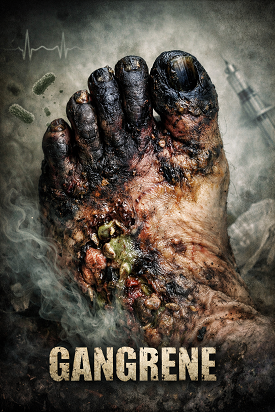
it’s occurs when body tissue dies because it does not receive enough oxygen-rich blood. In some cases, bacterial infections may also cause severe tissue damage. As a result, the affected area may change color, become swollen, and produce a foul smell as the condition worsens.
Gangrene

There are several types of gangrene, including:

  • Dry gangrene
  • Wet gangrene
  • Gas gangrene
  • Internal gangrene
  • Fournier’s gangrene

Although each type may have different symptoms and causes, all forms require urgent medical attention.

Common Causes of Gangrene

Several health problems and injuries may increase the risk of it. For example, some common causes include:

Poor Blood Circulation

Conditions like diabetes, peripheral artery disease, and blood clots can reduce blood flow to tissues. Consequently, the affected body parts may not receive enough oxygen and nutrients.

Severe Infection

Bacterial infections can spread rapidly through damaged tissue. Therefore, if left untreated, the infection may destroy healthy tissue and lead to complications.

Serious Injuries

Deep cuts, burns, crush injuries, or frostbite may damage blood vessels and tissues. As a result, the body may struggle to heal properly.

Weak Immune System

Individuals with weakened immune systems may struggle to fight infections. As a result, they may face a higher risk of infection after even minor injuries.

Early Warning Signs of Gangrene

Detecting gangrene early can save tissue and even save lives. Therefore, it is important to watch for symptoms carefully.

Skin Color Changes

The affected area may turn pale, blue, purple, brown, or black. This happens because the tissue is no longer receiving enough blood supply.

Severe Pain or Numbness

At first, the area may feel painful or sensitive. However, numbness may occur as the tissue begins to die.

Swelling and Blisters

Swelling, blisters, and sores may appear on the skin. Additionally, fluid or pus may leak from the affected area in some cases.

Bad Smell

Wet gangrene often causes a strong foul odor because of infection and tissue decay.

Fever and Weakness

If the infection spreads, symptoms like fever, chills, rapid heartbeat, and weakness may develop. As a result, this may indicate a life-threatening emergency.

Types of Gangrene and Their Symptoms

Dry Gangrene

it’s usually develops slowly due to poor blood circulation. As a result, the skin may appear dry, shriveled, and dark in color. It is more common in people with diabetes and artery disease.

Wet Gangrene

Wet it occurs when a bacterial infection affects damaged tissue. As a result, the area may become swollen, painful, and filled with pus. Because it spreads quickly, it is considered a medical emergency.

Gas Gangrene

Gas gangrene is caused by bacteria that produce gas inside tissues. Symptoms may include severe pain, swelling, fever, and crackling sounds under the skin. Immediate treatment is essential because this condition can become fatal within hours.

Internal Gangrene

it’s affects organs inside the body, such as the intestines or gallbladder. Severe abdominal pain and fever are common symptoms.

How Doctors Diagnose Gangrene

Doctors usually diagnose it through a physical examination and medical tests. Early diagnosis helps prevent complications and tissue loss.

Common tests may include:

  • Blood tests
  • Imaging scans like X-rays, CT scans, or MRI
  • Tissue or fluid samples
  • Blood circulation tests

These tests help doctors identify the type of gangrene and the severity of infection.

Treatment Options for Gangrene

it’s treatment depends on the type and stage of the condition. However, immediate treatment is always necessary.

Antibiotics

Doctors may prescribe strong antibiotics to fight bacterial infections. In severe cases, antibiotics may be given through an intravenous (IV) line.

Surgery

Surgery is often needed to remove dead tissue. This helps stop the infection from spreading to healthy areas.

Hyperbaric Oxygen Therapy

This treatment involves breathing pure oxygen inside a special chamber. Increased oxygen levels may help damaged tissue heal and slow bacterial growth.

Restoring Blood Flow

Doctors may perform procedures to improve blood circulation. For example, bypass surgery or angioplasty may help restore blood flow to affected tissues.

Amputation

In severe cases, doctors may need to remove a finger, toe, or limb to save the person’s life. Although this can be emotionally difficult, it may prevent the infection from spreading further.

How to Prevent Gangrene

Prevention is always better than treatment. Fortunately, several healthy habits may lower the risk of infections.

Manage Diabetes Carefully

Keeping blood sugar levels under control can help protect blood vessels and reduce the risk of infection.

Check Feet and Skin Regularly

People with diabetes should inspect their feet daily for cuts, blisters, redness, or swelling.

Treat Wounds Quickly

Even small cuts or burns should be cleaned and treated properly to prevent infection.

Avoid Smoking

Smoking damages blood vessels and reduces blood circulation. Therefore, quitting smoking can greatly improve overall health.

Maintain Healthy Circulation

Regular exercise, a healthy diet, and proper hydration may support good blood flow throughout the body.

Gangrene can become life-threatening if treatment is delayed. Therefore, seek medical attention immediately if you notice:

  • Black or discolored skin
  • Severe pain or numbness
  • Swelling with foul-smelling discharge
  • Fever with skin infection
  • Rapidly spreading skin damage

Quick medical care may help save tissue, limbs, and lives.

Conclusion

it’s is a serious condition that should never be ignored. Although it can develop quickly, early detection and fast treatment may prevent severe complications. Recognizing symptoms like skin discoloration, pain, swelling, and foul odor is extremely important. Furthermore, managing diabetes, improving blood circulation, and treating wounds properly can help reduce the risk. Most importantly, seeking immediate medical attention at the first warning signs can make a major difference in recovery and survival.
How to Prevent Bacterial Infections: Expert Tips for Better Health

How to Prevent Bacterial Infections: Expert Tips for Better Health

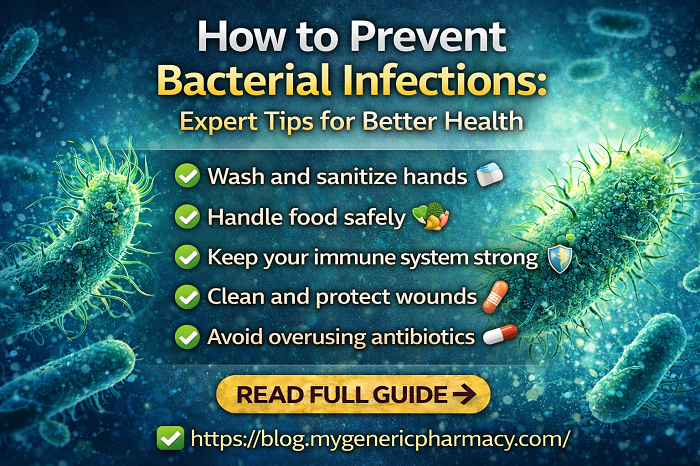
Bacterial infections are common and can affect people of all ages. Some infections are mild, while others can become serious. In 2026, prevention is one of the best ways to protect your health. Simple daily habits can lower your risk of infection. For example, washing your hands, eating clean food, and keeping your body healthy can help stop bacteria from spreading. In addition, learning how infections spread can help you stay safe. This guide shares easy and expert tips to help prevent bacterial infections and improve your overall health.


What Are Bacterial Infections?

Bacterial infections happen when harmful bacteria enter the body and make you sick. These infections can affect different parts of the body, including the skin, lungs, stomach, and blood. For example, common bacterial infections include strep throat, food poisoning, and urinary tract infections. Some infections are mild and improve quickly. However, others can become serious if they are not treated on time. Therefore, early care, good hygiene, and proper awareness are important for staying healthy.

Bacterial Infections


How Do Bacterial Infections Spread?

Understanding how bacteria spread is very important for preventing infections. In most cases, bacteria can spread in several ways. For example, infections may pass through direct contact with a sick person, contaminated food or water, poor hygiene habits, or touching dirty surfaces. In addition, bacteria can enter the body through cuts or open wounds on the skin. Therefore, keeping your hands and surroundings clean can help lower the risk of infection. Moreover, staying aware of these common causes can help protect your health and prevent the spread of harmful bacteria.


Top Tips to Prevent Bacterial Infections

1. Maintain Proper Hygiene

Washing your hands often with soap and water is one of the best ways to prevent bacterial infections. For example, you should wash your hands before eating, after using the toilet, and after touching public surfaces. In addition, keeping your home, clothes, and personal items clean can help reduce the spread of bacteria. Therefore, good hygiene is very important for staying healthy.

2. Practice Safe Food Handling

Food can carry harmful bacteria if it is not handled properly. Therefore, safe food habits are important for preventing illness. For example:

  • Cook food completely
  • Keep food at the correct temperature
  • Separate raw and cooked foods

Furthermore, washing fruits and vegetables before eating can also help remove harmful bacteria and lower the risk of infection.

3. Keep Your Immune System Strong

A healthy immune system helps your body fight bacteria and infections naturally. Therefore, it is important to follow healthy daily habits. For instance:

  • Eat healthy and balanced meals
  • Drink enough water
  • Get proper sleep every night
  • Exercise regularly

In addition, managing stress can also support better immune health and improve overall well-being.

4. Clean and Protect Wounds

Even a small cut or scratch can allow bacteria to enter the body. Therefore, clean wounds quickly with clean water and keep them covered until they heal. Moreover, avoid touching wounds with dirty hands because this can increase the risk of infection.

5. Avoid Unnecessary Antibiotic Use

Using antibiotics too often can make bacteria stronger and harder to treat. This problem is called antibiotic resistance. Therefore, take antibiotics only when your doctor recommends them. In addition, always complete the full course of medicine as advised. Otherwise, the infection may return or become more difficult to treat later.


Signs of a Bacterial Infection

Recognizing the signs of a bacterial infection early can help you get treatment on time. In many cases, early care can prevent serious health problems. Common symptoms may include:

  • Fever
  • Redness or swelling
  • Pain or discomfort
  • Feeling tired or weak
  • Pus or unusual discharge

In addition, some people may notice symptoms getting worse over time. Therefore, it is important to see a healthcare professional if the symptoms continue or become severe. Otherwise, delaying treatment may increase the risk of complications and slower recovery.


Who Is at Higher Risk?

For example, children and older adults may get sick more easily because their immune systems are weaker. In addition, people with chronic diseases or weakened immune systems are also more vulnerable to infections. Therefore, these groups should follow good hygiene habits, eat healthy foods, and take proper medical advice to stay protected and healthy.


Vaccination to Prevent Bacterial Infections

Vaccines are very important for preventing many bacterial infections. They help the immune system recognize harmful bacteria and fight them more effectively. As a result, the body can protect itself from serious illness. In addition, getting recommended vaccines on time can lower the spread of infections in the community. Therefore, staying up to date with vaccinations is an important step for protecting both your health and the health of others.


Healthy Lifestyle for Long-Term Protection

In addition, managing stress may help your body stay healthy and fight infections better. Likewise, keeping your body, clothes, and surroundings clean can reduce the spread of harmful bacteria. Furthermore, staying informed about common health risks can help you take the right safety steps.


Many bacterial infections are mild and improve with proper care. However, some infections may become serious and need medical attention. Therefore, you should see a doctor if you experience:

  • High or long-lasting fever
  • Severe pain
  • Difficulty breathing
  • Symptoms that do not improve

In addition, symptoms that get worse over time should not be ignored. Early medical treatment can help prevent complications and support faster recovery. Therefore, getting help at the right time is very important for your health.


Conclusion: Prevention Is Better Than Cure

In addition, staying informed about health risks and taking early precautions can protect both you and your family. Furthermore, small daily actions can make a big difference in lowering the risk of illness. Therefore, it is important to stay careful, stay healthy, and make your well-being a daily priority.


References:

https://www.health.harvard.edu/healthy-aging-and-longevity/how-to-prevent-infections
https://www.mayoclinic.org/diseases-conditions/infectious-diseases/in-depth/germs/art-20045289
https://wellri.com/10-essential-hygiene-practices-to-stop-bacterial-spread

Medications that have been suggested by doctors worldwide are available on the link below
https://mygenericpharmacy.com/category/disease/bacterial-infection

The Truth About Itchy Skin: Causes, Conditions, and Relief Tips

The Truth About Itchy Skin: Causes, Conditions, and Relief Tips

Itchy skin, also known medically as pruritus, is a common condition that can range from mild irritation to severe discomfort. While occasional itching is normal, persistent or intense itching may signal an underlying skin issue or health condition. Understanding the causes, identifying symptoms, and knowing how to manage itchy skin can help you find relief and protect your overall health.


Pruritus refers to the sensation that makes you want to scratch. It can occur with or without visible changes to the skin.

Itching may affect a small area or the entire body and can be temporary or chronic.


1. Skin Conditions

Many skin disorders can lead to itching, including:

These conditions often cause redness, dryness, and rashes.


2. Dry Skin

Dry skin is one of the most common causes of itching, especially in colder weather or with excessive washing.


3. Allergic Reactions

Exposure to allergens such as pollen, certain foods, or chemicals can trigger itching and rashes.


4. Infections

Fungal, bacterial, or viral infections may also cause itching. For example:


5. Internal Health Conditions

Sometimes, itching may be linked to underlying health issues such as:

  • Liver disease
  • Kidney problems
  • Thyroid disorders
  • Diabetes

In these cases, itching may occur without a visible rash.


Itchy skin may present with:

  • Redness or rash
  • Dry, cracked skin
  • Bumps or blisters
  • Flaky or scaly patches

If itching is severe or persistent, it may interfere with sleep and daily activities.


1. Moisturize Regularly

Use fragrance-free moisturizers to keep the skin hydrated and reduce dryness.

2. Avoid Irritants

Stay away from harsh soaps, detergents, and chemicals that can worsen itching.

3. Take Cool Showers

Hot water can strip natural oils from the skin, increasing dryness and irritation.

4. Use Medications (When Needed)

Doctors may recommend:

These treatments help reduce inflammation and allergic reactions.


5. Wear Soft, Breathable Fabrics

Cotton clothing can help prevent irritation and allow the skin to breathe.


Seek medical attention if you experience:

  • Severe or persistent itching
  • No improvement with home remedies
  • Signs of infection (swelling, pus, fever)
  • Itching without a visible cause

Early diagnosis can help prevent complications.


To reduce the risk of itching:

  • Keep your skin moisturized
  • Stay hydrated
  • Maintain good hygiene
  • Avoid known allergens
  • Use gentle skincare products

Simple daily habits can go a long way in protecting your skin.


Itchy skin may seem like a minor issue, but it can sometimes indicate underlying conditions such as Eczema or Psoriasis. By understanding the causes and taking the right steps for prevention and treatment, you can manage symptoms effectively and maintain healthy skin. If itching persists or worsens, don’t ignore it—consult a healthcare professional for proper diagnosis and care.


  1. American Academy of Dermatology – Itchy skin causes and treatment
  2. Mayo Clinic – Pruritus symptoms and care
  3. National Institutes of Health – Skin health and itching research
  4. World Health Organization – Skin conditions and public health
  5. Cleveland Clinic – Diagnosis and management of itchy skin

Bacteria vs You: How to Stay Protected and Recover Faster

Bacteria vs You: How to Stay Protected and Recover Faster

Bacterial infections are among the most common health issues worldwide, ranging from mild conditions like throat infections to serious illnesses such as pneumonia and sepsis. Understanding how these infections spread—and how to prevent and treat them—is essential for protecting your health. In this guide, we’ll break down everything you need to know about bacterial infections, from causes to treatment options.


What Are Bacterial Infections?

Bacterial infections occur when harmful bacteria enter the body, multiply, and cause illness. While many bacteria are harmless or even beneficial, some can lead to infections that require medical attention.

Common types of bacterial infections include:

  • Respiratory infections (e.g., pneumonia)
  • Urinary tract infections (UTIs)
  • Skin infections
  • Gastrointestinal infections

How Do Bacterial Infections Spread?

Bacteria can spread in several ways:

  • Direct contact: Touching an infected person
  • Airborne transmission: Coughing or sneezing
  • Contaminated food or water
  • Poor hygiene practices

Understanding these pathways helps in taking preventive measures.


Common Symptoms to Watch For

Symptoms vary depending on the type of infection, but may include:

If symptoms persist or worsen, medical attention is necessary.


How Are Bacterial Infections Treated?

The primary treatment for bacterial infections is antibiotics, which kill or inhibit bacterial growth.

Commonly used antibiotics include:

These medications are prescribed based on the type and severity of the infection.


The Importance of Proper Antibiotic Use

While antibiotics are highly effective, misuse can lead to Antibiotic resistance—a growing global health concern.

To use antibiotics safely:

  • Always follow your doctor’s prescription
  • Complete the full course
  • Avoid self-medication
  • Do not use antibiotics for viral infections

Responsible use helps preserve the effectiveness of these life-saving drugs.


Prevention: Your First Line of Defense

Preventing bacterial infections is often easier than treating them. Here are key strategies:

1. Maintain Good Hygiene

  • Wash your hands regularly
  • Use sanitizers when needed

2. Safe Food Practices

  • Cook food thoroughly
  • Avoid contaminated water

3. Stay Vaccinated

Vaccines protect against certain bacterial infections like pneumonia and meningitis.

4. Strengthen Your Immune System

  • Eat a balanced diet
  • Exercise regularly
  • Get adequate sleep

When Should You See a Doctor?

Seek medical help if you experience:

  • High or persistent fever
  • Severe pain
  • Difficulty breathing
  • Symptoms that worsen over time

Early diagnosis ensures effective treatment and reduces the risk of complications.


Complications of Untreated Infections

If left untreated, bacterial infections can lead to serious complications, including:

  • Organ damage
  • Blood infections (sepsis)
  • Chronic illness
  • Increased risk of hospitalization

Timely treatment is crucial for preventing these outcomes.


Final Thoughts

Bacterial infections are common but manageable with the right knowledge and care. Antibiotics like Amoxicillin and Azithromycin have revolutionized treatment, saving millions of lives. However, prevention and responsible antibiotic use are equally important. By staying informed, practicing good hygiene, and seeking timely medical care, you can protect yourself and your loved ones from bacterial infections.


References:

  1. World Health Organization – Bacterial infections and antibiotic resistance guidelines
  2. National Institutes of Health – Research on bacterial diseases and antibiotics
  3. Mayo Clinic – Symptoms and treatment of bacterial infections
  4. U.S. Food and Drug Administration – Antibiotic safety and usage

Medications that have been suggested by doctors worldwide are available on the link below
https://mygenericpharmacy.com/category/disease/bacterial-infection

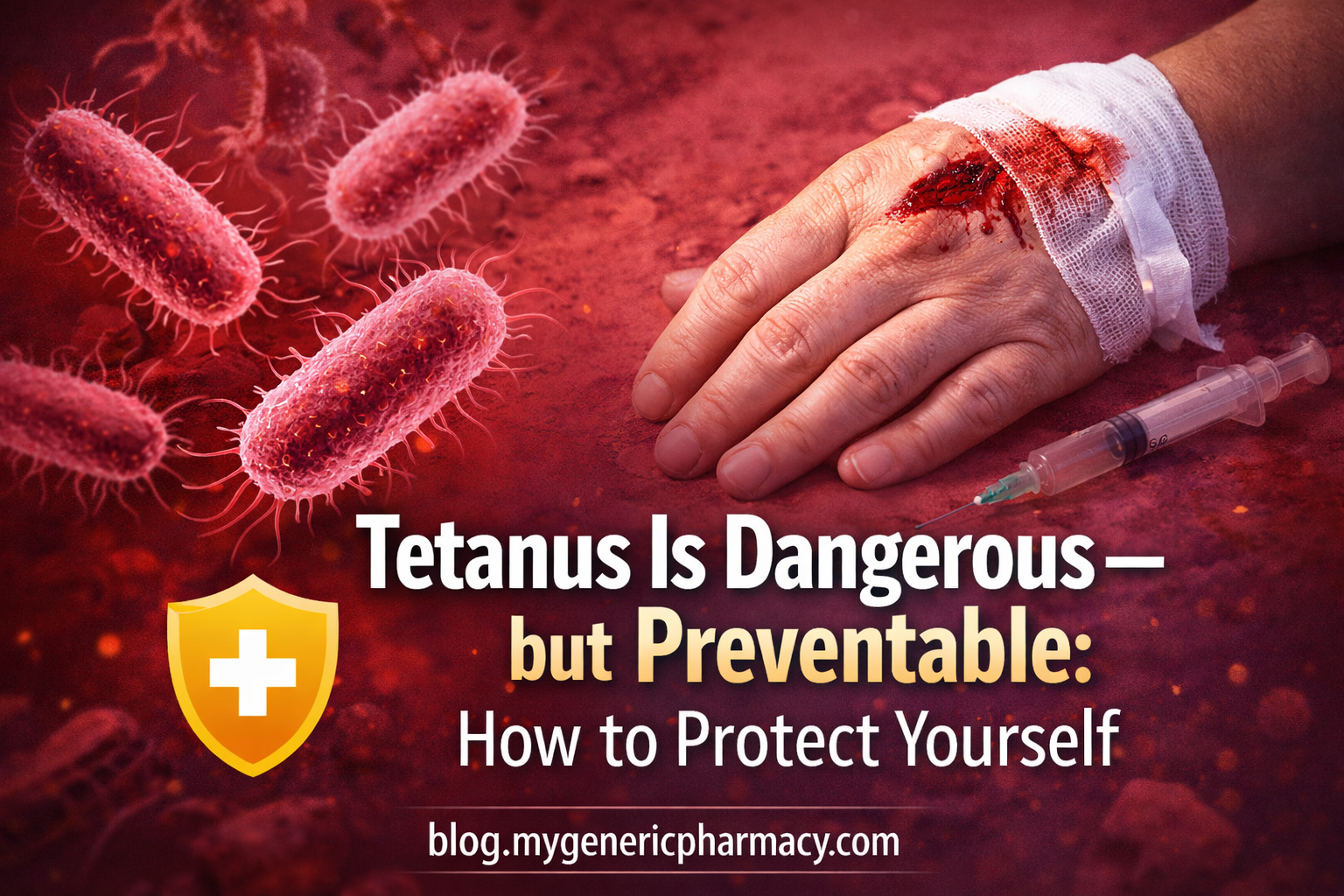
Tetanus Prevention: Simple Steps That Can Save Your Life

Tetanus Prevention: Simple Steps That Can Save Your Life

Tetanus Prevention: How to Protect Yourself from Infection
Learn how to prevent tetanus infection through vaccination, proper wound care, and timely medical attention. Simple steps can protect you from this serious disease.

Introduction: A Preventable Tragedy

Tetanus, often called “lockjaw,” is a serious bacterial infection that affects the nervous system, causing painful muscle stiffness and spasms. Despite being entirely preventable through vaccination, tetanus still claims thousands of lives globally each year, primarily in regions with limited access to healthcare. The bacteria that cause tetanus are everywhere—in soil, dust, and manure—making awareness and prevention essential for everyone.

The good news is that tetanus prevention is straightforward, accessible, and highly effective. This guide covers everything you need to know about protecting yourself and your loved ones from this potentially fatal but entirely preventable disease.

What Is Tetanus?

Tetanus is caused by Clostridium tetani, a bacterium that produces a potent neurotoxin called tetanospasmin. These bacteria are anaerobic, meaning they thrive in environments without oxygen. They exist as spores that can survive for years in soil and enter the body through breaks in the skin.

Once inside a wound with low oxygen (like a deep puncture), the spores germinate and release toxin. The toxin travels through nerve pathways to the spinal cord and brain, blocking nerve signals that tell muscles to relax. This results in uncontrollable muscle stiffness and spasms.

Key Facts About Tetanus

  • Not contagious: You cannot catch tetanus from an infected person
  • Environmental reservoir: Spores are ubiquitous in soil, especially those contaminated with animal manure
  • Incubation period: Typically 3-21 days, though cit an range from 1 day to several months
  • Mortality rate: 10-20% even with modern treatment; higher in unvaccinated individuals

Why Tetanus Prevention Matters

Before the tetanus vaccine was developed in the 1920s, the disease caused an estimated 50,000 deaths annually in the United States alone. Globally, neonatal tetanus (infection through an unhealed umbilical stump) was a leading cause of infant mortality.

While rare in developed countries today due to widespread vaccination, tetanus hasn’t disappeared. The CDC still reports about 30 cases annually in the US, nearly all in unvaccinated or under-vaccinated individuals. Worldwide, an estimated 25,000 newborns died from neonatal tetanus in 2018—a dramatic reduction, but still far too many preventable deaths

The Tetanus Vaccine: Your Best Protection

Types of Tetanus Vaccines

Tetanus vaccines are always combined with other vaccines:

VaccineProtects AgainstTypical Use
DTaPDiphtheria, Tetanus, PertussisChildren under 7
TdapTetanus, Diphtheria, PertussisAdolescents and adults (booster)
TdTetanus, DiphtheriaRoutine booster every 10 years

The “d” in Tdap and Td indicates a lower dose of diphtheria vaccine, which is appropriate for older children and adults .

Recommended Vaccination Schedule

Children:

  • 5 doses of DTaP at ages:
    • 2 months
    • 4 months
    • 6 months
    • 15-18 months
    • 4-6 years

Adolescents and Adults:

  • Tdap booster at age 11-12
  • Td booster every 10 years thereafter
  • One dose of Tdap during each pregnancy (preferably at 27-36 weeks) to protect the newborn from pertussis

How Well Does the Vaccine Work?

The tetanus vaccine is highly effective. Nearly 100% of people who complete the primary series develop protective antibodies. However, immunity wanes over time, which is why booster doses every 10 years are essential.

Wound Care: Your Second Line of Defense

Even if you’re vaccinated, proper wound care is crucial. Deep, dirty wounds may require a booster dose if your last shot was more than 5 years ago.

Wound Assessment and Care

Clean, Minor Wounds:

  • Wash thoroughly with soap and water
  • Apply antibiotic ointment
  • Cover with ca lean bandage
  • Monitor for signs of infection

High-Risk Wounds:

  • Deep puncture wounds (nails, needles, animal bites)
  • Wounds contaminated with dirt, feces, soil, or saliva
  • Crush injuries
  • Burns
  • Frostbite
  • Wounds with dead tissue

Tetanus Booster Guidelines After Injury

Vaccination HistoryClean, Minor WoundAll Other Wounds
Unknown or <3 dosesTdap or Td recommendedTdap or Td recommended + TIG*
3+ doses, last within 5 yearsNone neededNone needed
3+ doses, last 5-10 yearsNone neededTdap or Td recommended
3+ doses, last >10 yearsTdap or Td recommendedTdap or Td recommended

*TIG = Tetanus Immune Globulin (provides immediate, short-term protection)

Recognizing Tetanus Symptoms

Early recognition can save lives. Symptoms typically appear 3-21 days after infection and progress over days.

Common Symptoms

  • Trismus (lockjaw): Stiffness of jaw muscles, difficulty opening the mouth
  • Muscle stiffness: Neck, shoulder, and back muscles become rigid
  • Opisthotonos: Severe arching of the back due to muscle spasms
  • Risus sardonicus: Fixed, grinning expression from facial muscle spasms
  • Difficulty swallowing
  • Irritability and restlessness

Late Symptoms

  • Severe, painful muscle spasms triggered by minor stimuli (noise, light, touch)
  • Spasms can be strong enough to fracture bones
  • Autonomic instability: Rapid heart rate, high blood pressure, sweating
  • Respiratory failure from diaphragm spasm

If you suspect tetanus, seek emergency medical care immediately. This is a life-threatening condition requiring hospital treatment.

Treatment: What Happens If You Get Tetanus

There is no cure for tetanus once symptoms develop. Treatment focuses on:

  1. Wound debridement: Removing dead tissue and cleaning the wound
  2. Antibiotics: Metronidazole to kill bacteria
  3. Tetanus immune globulin (TIG): Neutralizes unbound toxin
  4. Muscle relaxants: Diazepam or other sedatives for spasms
  5. Respiratory support: Mechanical ventilation if needed
  6. Supportive care: In a dark, quiet room to avoid triggering spasms

Recovery can take weeks to months. Even with intensive care, 10-20% of cases are fatal.

Special Populations and Considerations

Pregnancy

Pregnant women should receive Tdap during each pregnancy, ideally at 27-36 weeks. This protects both mother and passes antibodies to the newborn, protecting against pertussis and tetanus in early infancy .

International Travelers

Tetanus is more common in developing countries with limited healthcare access. Before traveling:

  • Ensure your tetanus vaccination is up to date
  • Carry a personal first aid kit
  • Seek prompt care for any wound, especially in remote areas

Older Adults

Many older adults have waning immunity. If you’re over 65 and unsure of your vaccination status, get a Tdap booster. Medicare Part D covers tetanus vaccines.

Common Myths and Misconceptions

❌ Myth: You can get tetanus from a rusty nail.
✅ Fact: Rust itself doesn’t cause tetanus. Rusty nails often carry dirt and soil containing tetanus spores, and the puncture wound creates an oxygen-free environment ideal for bacterial growth. Clean nails can also transmit tetanus if contaminated.

❌ Myth: One tetanus shot lasts a lifetime.
✅ Fact: Immunity wanes over time. Boosters every 10 years are essential.

❌ Myth: Tetanus is eradicated in developed countries.
✅ Fact: Cases still occur in unvaccinated individuals. The bacteria remain in soil everywhere.

❌ Myth: You don’t need a booster for minor cuts.
✅ Fact: Even small wounds can transmit tetanus. If your vaccination status is uncertain or outdated, seek medical advice.

Global Elimination Efforts

The World Health Organization has targeted maternal and neonatal tetanus elimination as a public health priority. As of 2024, 13 countries have yet to eliminate the disease, down from 59 in 200. Progress continues through:

  • Vaccination campaigns for women of reproductive age
  • Clean delivery practices
  • Surveillance and rapid response

Elimination is defined as less than one case per 1000 live births at the district level .

Conclusion: Simple Steps, Life-Saving Protection

Tetanus prevention is straightforward but requires attention. The key takeaways:

  1. Get vaccinated: Complete the primary series and boosters every 10 years
  2. Practice proper wound care: Clean all wounds thoroughly
  3. Know when to seek help: Deep, dirty wounds may require boosters
  4. Stay informed: If unsure of vaccination status, check with your doctor
  5. Spread awareness: Share this information with family and friends

The tetanus vaccine is safe, effective, and widely available. A simple shot every decade—plus prompt care for wounds—can protect you from a disease that has caused unimaginable suffering throughout human history. Don’t leave your protection to chance. Check your vaccination status today.


References:

  1. Centers for Disease Control and Prevention. Tetanus: Causes and Transmission.
  2. World Health Organization. Tetanus Fact Sheet.
  3. Mayo Clinic. Tetanus – Symptoms and causes.
  4. CDC Vaccine Information Statements. Tdap/Td.
  5. Immunization Action Coalition. Tetanus: Questions and Answers.
  6. WHO. Maternal and Neonatal Tetanus Elimination.

Disclaimer: This article is for educational purposes only. Consult your healthcare provider for personalized vaccination recommendations and wound care advice.

Antibiotics and Infections: What You Need to Know for Safe Treatment

Antibiotics and Infections: What You Need to Know for Safe Treatment

Antibiotics Guide: Uses, Benefits & Safe Treatment

Learn how antibiotics treat bacterial infections, when they are needed, and why responsible use is essential to prevent antibiotic resistance and protect health.

Antibiotics revolutionized medicine in the 20th century, transforming once-deadly infections into treatable conditions. Before antibiotics, a simple scratch could lead to fatal sepsis, and pneumonia was often a death sentence. Today, these miracle drugs save millions of lives annually.

But antibiotics are a finite resource. Their misuse and overuse have accelerated a global crisis: antimicrobial resistance (AMR). Understanding how antibiotics work, when they’re appropriate, and how to use them safely is essential—not just for your health, but for the future of medicine itself.

What Are Antibiotics?

Antibiotics are medications that kill bacteria or stop them from multiplying. They target bacterial structures or functions that human cells don’t have, such as:

  • Cell wall synthesis (penicillins, cephalosporins)
  • Protein production (tetracyclines, macrolides)
  • DNA replication (fluoroquinolones)
  • Folate metabolism (sulfonamides, trimethoprim)

Crucial distinction: Antibiotics work against bacteria, not viruses. They have no effect on:

  • Common colds
  • Flu (influenza)
  • Most sore throats (except strep)
  • Bronchitis (usually viral)
  • Most sinus infections (often viral)
  • COVID-19

When Are Antibiotics Necessary?

Bacterial Infections That Typically Require Antibiotics

  • Strep throat (confirmed by test)
  • Urinary tract infections (UTIs)
  • Bacterial pneumonia
  • Whooping cough
  • Certain skin infections (cellulitis, infected wounds)
  • Sexually transmitted bacterial infections (chlamydia, gonorrhea, syphilis)

Infections That May or May Not Need Antibiotics

  • Ear infections: Some clear without antibiotics, especially in older children
  • Sinus infections: Often viral; bacterial sinusitis may require antibiotics if symptoms persist >10 days
  • Bronchitis: Almost always viral; antibiotics rarely helpful

Your doctor’s decision to prescribe depends on:

  • Infection severity
  • Duration of symptoms
  • Underlying health conditions
  • Risk of complications
  • Test results

The Dangers of Antibiotic Misuse

1. Antibiotic Resistance

When bacteria are exposed to antibiotics, sensitive bacteria die, but resistant ones survive and multiply. This is natural selection in action. Over time, antibiotics become less effective.

Consequences of resistance:

  • Longer illnesses
  • More hospitalizations
  • Higher medical costs
  • Increased mortality
  • Routine surgeries become risky (no antibiotics to prevent infections)
  • Transplant medicine nd cancer chemotherapy threatened

The CDC estimates that in the United States alone, at least 2.8 million antibiotic-resistant infections occur annually, with more than 35,000 deaths.

2. Side Effects

Antibiotics can cause:

  • Digestive issues: Nausea, diarrhea, abdominal pain
  • Allergic reactions: Ranging from mild rashes to life-threatening anaphylaxis
  • C. difficile infection: Severe diarrhea from disruption of normal gut bacteria
  • Drug interactions: Affecting birth control, blood thinners, and other medications

3. Unnecessary Cost and Inconvenience

Taking antibiotics you don’t need exposes you to side effects and costs without providing any benefit.

How to Take Antibiotics Safely

1. Take Exactly as Prescribed

  • Follow dosing instructions: Don’t skip doses
  • Complete the full course: Even if you feel better, finish all medication
  • Use reminders: Pill organizers, phone alarms

Stopping early can leave behind the strongest bacteria, promoting resistance and allowing infection to return.

2. Never Share or Save Antibiotics

  • Don’t take someone else’s antibiotics: They were prescribed for a specific infection, bacteria, and person
  • Don’t save leftovers for future use: Different infections require different antibiotics
  • Properly dispose of unused antibiotics: Return to pharmacy take-back programs.

3. Communicate with Your Doctor

  • Tell them about all medications you take (including supplements)
  • Report allergies to any antibiotics
  • Inform them if you’re pregnant, breastfeeding, or trying to conceive
  • Call if side effects develop—don’t just stop without guidance

4. Be Patient with Viral Illnesses

Most respiratory infections are viral. Instead of demanding antibiotics:

  • Rest
  • Hydrate
  • Use over-the-counter symptom relievers
  • Try honey for cough (adults and children over 1)
  • Use saline sprays for congestion
  • Give your immune system time to work

Understanding Antibiotic Resistance

How Resistance Spreads

  1. A patient takes antibiotics unnecessarily
  2. Some bacteria in their body carry resistance genes
  3. Sensitive bacteria die; resistant ones survive
  4. Resistant bacteria multiply and can spread to others
  5. These resistant strains cause infections that are harder to treat

Factors Driving Resistance

  • Overprescribing: Up to 30% of outpatient antibiotic prescriptions are unnecessary
  • Agricultural use: 70% of all antibiotics sold are used in livestock (often for growth promotion)
  • Global travel: Resistant strains travel worldwide
  • Poor infection control: In hospitals and communities

What You Can Do to Combat Resistance

As an Individual

  • Don’t demand antibiotics for viral illnesses
  • Take prescribed antibiotics correctly
  • Never share or save antibiotics
  • Prevent infections through handwashing, vaccination, and safe food handling
  • Stay healthy with good nutrition, exercise, and adequate sleep

As a Community

  • Support antibiotic stewardship programs
  • Choose antibiotic-free meat when possible
  • Advocate for policies reducing agricultural antibiotic overuse
  • Stay up-to-date on vaccines (prevents infections needing antibiotics)

Special Populations and Considerations

Children

  • Ear infections are often watched before treating
  • Viral infections are extremely common
  • Liquid formulations require careful measuring
  • Watch for allergic reactions

Older Adults

  • Higher infection risk
  • More likely to have drug interactions
  • Kidney function affects dosing
  • C. difficile risk is higher

Pregnancy

  • Some antibiotics are safe; others are not
  • Always inform the doctor if pregnant or breastfeeding
  • Untreated infections also harm the baby

Travelers

  • Don’t take “just in case” antibiotics for traveler’s diarrhea unless prescribed for that purpose
  • Practice food and water safety
  • Seek local care if symptoms develop

Common Antibiotic Myths Debunked

❌ Myth: Antibiotics cure colds and flu.
✅ Fact: Colds and flu are viral; antibiotics don’t work.

❌ Myth: Green mucus means bacterial infection.
✅ Fact: Viral infections can cause green mucus, too. Color isn’t diagnostic.

❌ Myth: You’ll know you need antibiotics within a day or two.
✅ Fact: Viral illnesses can last 7-14 days. Patience is key.

❌ Myth: Stopping early when you feel better prevents resistance.
✅ Fact: Stopping early can actually promote resistance by leaving behind stronger bacteria.

❌ Myth: Natural antibiotics (garlic, honey) can replace prescription antibiotics for serious infections.
✅ Fact: While some foods have mild antimicrobial properties, they cannot treat established bacterial infections.

The Future of Antibiotics

The antibiotic pipeline has slowed dramatically. Few new classes have been discovered in decades. However, promising developments include:

  • New drug classes (though development takes 10-15 years)
  • Phage therapy: Using viruses that kill bacteria
  • Antibiotic adjuvants: Compounds that restore antibiotic effectiveness
  • Rapid diagnostics: Tests identifying bacterial vs. viral infections quickly
  • Vaccines: Preventing infections reduces antibiotic need

Until these arrive, the antibiotics we have must be protected as the precious resources they ar .

Conclusion: Stewardship Starts with You

Antibiotics are among medicine’s greatest achievements, but their effectiveness depends on responsible use. Every time you take antibiotics appropriately, you help preserve their power for future generations.

Key takeaways:

  1. Antibiotics treat bacteria, not viruses —don’t expect them for colds or flu
  2. Take antibiotics exactly as prescribed —complete the course, don’t skip doses
  3. Never share or save antibiotics —what worked for someone else may harm you
  4. Prevent infections through vaccination, hygiene, and healthy habits
  5. Understand that antibiotic resistance is a global crisis —your actions matter

The next time you’re prescribed an antibiotic, ask your doctor: “Is this definitely bacterial? Do I really need this?” That simple question makes you part of the solution.


References:

  1. Centers for Disease Control and Prevention. Antibiotic Prescribing and Use.
  2. World Health Organization. Antimicrobial Resistance Fact Sheet.
  3. Mayo Clinic. Antibiotics: Are you misusing them?
  4. National Institute of Allergy and Infectious Diseases. Antimicrobial Resistance.
  5. Infectious Diseases Society of America. Antibiotic Stewardship.

Medications that have been suggested by doctors worldwide are available on the link below
https://mygenericpharmacy.com/category/antibiotics


Disclaimer: This article is for educational purposes only. Always consult a healthcare provider for diagnosis and treatment of infections. Never take antibiotics without a prescription.

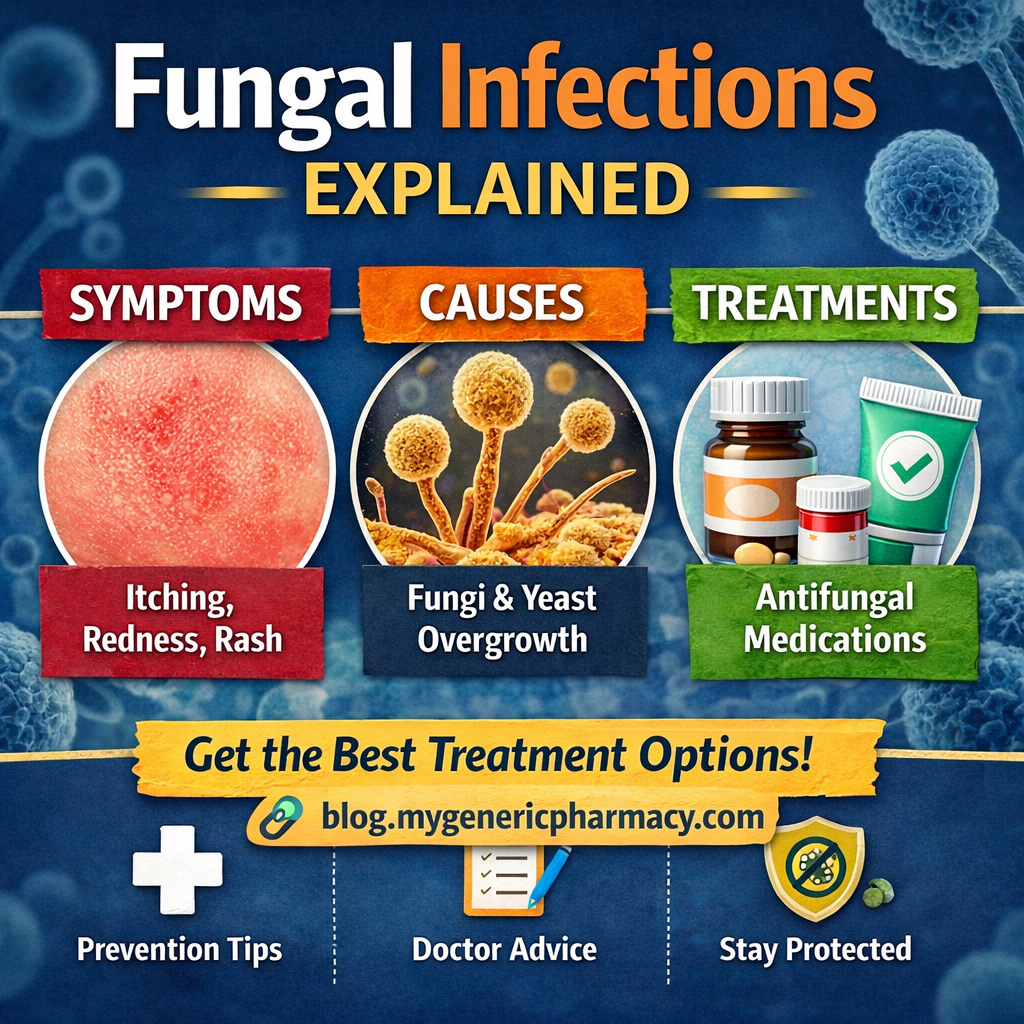
Fungal Infections Explained: Symptoms, Causes, and the Best Treatment Options

Fungal Infections Explained: Symptoms, Causes, and the Best Treatment Options

Introduction: What Are Fungal Infections?

Fungal infections are caused by microscopic organisms called fungi that thrive in warm, moist environments. While many fungi are harmless, certain types can multiply excessively and cause infections ranging from mild skin irritations to serious systemic diseases. Understanding these infections is the first step toward effective prevention and treatment.

Common Types of Fungal Infections

Athlete’s Foot (Tinea Pedis)

This infection affects the feet, particularly between the toes. Symptoms include itching, burning, stinging, and cracked, peeling skin. It spreads in warm, damp environments like locker rooms and swimming pools.

Ringworm (Tinea Corporis)

Despite its name, ringworm has nothing to do with worms. It appears as circular, red, itchy patches with clearer skin in the center. It’s highly contagious and spreads through direct contact with infected people, pets, or contaminated objects.

Jock Itch (Tinea Cruris)

Affecting the groin and inner thighs, jock itch causes intense itching, redness, and a ring-shaped rash. It’s more common in men and athletes who sweat heavily.

Yeast Infections (Candidiasis)

Caused by Candida yeast, these infections can affect:

  • Vaginal area: Itching, burning, thick white discharge
  • Mouth (thrush): White patches on the tongue and inner cheeks
  • Skin folds: Red, moist rash under breasts, belly, or armpits

Nail Fungus (Onychomycosis)

Thickened, discolored (yellow, brown, or white), brittle nails that may separate from the nail bed. More common in toenails than in fingernails.

Scalp Ringworm (Tinea Capitis)

Affects children primarily, causing scaly patches, itching, and hair loss. Requires oral prescription medication.

What Causes Fungal Infections?

Fungi thrive in specific conditions:

  • Warm, moist environments – Sweaty shoes, locker rooms, humid weather
  • Poor hygiene – Infrequent washing or drying
  • Weakened immune system – HIV, cancer treatment, diabetes, steroids
  • Tight, non-breathable clothing – Traps moisture
  • Shared surfaces – Towels, shoes, gym equipment, shower floors
  • Close contact – With infected people or animals (pets can carry ringworm)
  • Antibiotic use – Kills beneficial bacteria, allowing yeast to overgrow

Risk Factors

Anyone can get fungal infections, but the risk increases with:

  • Diabetes or obesity
  • Weakened immunity
  • Excessive sweating
  • Poor circulation
  • Living in warm, humid climates
  • Participating in sports (especially wrestling, swimming)

Prevention Strategies

Personal Hygiene

  • Keep skin clean and dry – Especially after bathing or sweating
  • Wear moisture-wicking fabrics – Cotton underwear, breathable socks
  • Change socks and underwear daily – More often if sweating heavily
  • Dry completely – Between toes and in skin folds

Environmental Precautions

  • Wear flip-flops in public showers, locker rooms, and pool areas
  • Avoid sharing towels, combs, shoes, or nail clippers
  • Disinfect surfaces – Regularly clean shower floors and gym equipment
  • Wash bedding and towels in hot water

General Health

  • Manage blood sugar – Diabetics are more susceptible
  • Maintain a healthy weight – Reduces skin folds where fungi thrive
  • Eat a balanced diet – Supports immune function

Treatment Options

Over-the-Counter (OTC) Medications

Mild fungal infections often respond to topical treatments:

  • Clotrimazole, miconazole, terbinafine creams – For athlete’s foot, jock itch, ringworm
  • Antifungal powders and sprays – Keep feet dry, prevent recurrence
  • Clotrimazole vaginal inserts – For yeast infections
  • Selenium sulfide shampoos – For dandruff (caused by yeast)

Prescription Treatments

When OTC options fail, or the infection is severe:

  • Stronger topical antifungals – Prescription-strength creams
  • Oral antifungal pills – Terbinafine, itraconazole, fluconazole for nail fungus or widespread infections
  • Antifungal lozenges or liquid – For oral thrush
  • Intravenous antifungals – For serious systemic infections (hospital setting)

Treatment Duration

  • Skin infections: 2-4 weeks of consistent treatment
  • Nail fungus: 3-6 months (nails grow slowly)
  • Stop treatment early? No—completing the full course prevents recurrence

When to See a Doctor

Consult a healthcare provider if:

  • Infection spreads or worsens despite OTC treatment
  • You have diabetes or weakened immunity
  • Infection covers large areas of the body
  • You develop fever, chills, or fatigue (possible systemic infection)
  • Nails are involved (harder to treat)
  • Symptoms keep returning

Complications of Untreated Infections

Left untreated, fungal infections can:

  • Spread to other body parts
  • Become chronic and harder to treat
  • Cause secondary bacterial infections (from scratching)
  • Lead to cellulitis – Serious skin infection requiring hospitalization
  • In immunocompromised: Spread to the bloodstream (life-threatening)

Myths and Facts

❌ Myth: Only dirty people get fungal infections.
✅ Fact: Fungi affect people of all hygiene levels. Sweat and warmth—not dirt—attract fungi.

❌ Myth: Nail fungus will go away on its own.
✅ Fact: Nail fungus rarely resolves without treatment and typically worsens over time.

❌ Myth: All itchy rashes are fungal.
✅ Fact: Eczema, psoriasis, and contact dermatitis can mimic fungal infections. Proper diagnosis matters.

❌ Myth: You can cure fungal infections with vinegar or bleach.
✅ Fact: Home remedies may soothe symptoms but rarely eliminate fungi. Medical antifungals are proven effective.

Conclusion: Take Fungal Infections Seriously

Fungal infections are common, treatable, and preventable. Most clear with proper hygiene and OTC medications. However, persistent, spreading, or recurrent infections warrant medical attention. Early treatment prevents complications and keeps you comfortable.

Remember: fungi love warm, moist environments—deny them those conditions, and you’ll significantly reduce your risk.


References:
[1] Centers for Disease Control and Prevention. Fungal diseases.
[2] Cleveland Clinic. Fungal infections: Types, symptoms, treatment.
[3] Mayo Clinic. Yeast infection (vaginal).
[4] American Academy of Dermatology. Ringworm: Diagnosis and treatment.
[5] WebMD. Fungal infections: Types and treatments.

Medications that have been suggested by doctors worldwide are available on the link below
https://mygenericpharmacy.com/category/disease/fungal-infection


Disclaimer: This article is for educational purposes only. Consult a healthcare provider for proper diagnosis and treatment of fungal infections.

The Bacterial Battlefront: Understanding, Preventing, and Treating Bacterial Infections

The Bacterial Battlefront: Understanding, Preventing, and Treating Bacterial Infections

Bacterial infections are common medical conditions caused by harmful bacteria entering the body. These infections can affect different parts of the body, ranging from mild illnesses to serious, life-threatening diseases if not treated on time.

What Is a Bacterial Infection?

A bacterial infection occurs when harmful bacteria invade the body, multiply, and cause illness. While many bacteria are harmless or even beneficial, certain types can cause infections that require medical treatment.

Common Types of Bacterial Infections

1. Respiratory Bacterial Infections

2. Skin and Soft Tissue Infections

3. Gastrointestinal Bacterial Infections

  • Food poisoning
  • Salmonella infection
  • E. coli infection

4. Urinary Tract Infections (UTIs)

UTIs are commonly caused by bacteria such as E. coli and affect the bladder, urethra, or kidneys.

5. Sexually Transmitted Bacterial Infections

  • Gonorrhea
  • Chlamydia
  • Syphilis

Causes of Bacterial Infections

  • Contact with contaminated food or water
  • Poor personal hygiene
  • Close contact with infected individuals
  • Open wounds or cuts
  • Weakened immune system

Symptoms of Bacterial Infection

Symptoms vary depending on the site and severity of infection, but common signs include:

  • Fever and chills
  • Fatigue and weakness
  • Localized pain or swelling
  • Redness or pus formation
  • Cough or difficulty breathing
  • Diarrhea or vomiting
  • Painful urination (in UTIs)

Diagnosis of Bacterial Infections

Bacterial infections are diagnosed through physical examination and laboratory tests such as blood tests, urine tests, stool tests, or culture studies to identify the specific bacteria.

Treatment for Bacterial Infections

Bacterial infections are commonly treated with antibiotics. The type of antibiotic prescribed depends on the bacteria causing the infection and its severity.

  • Penicillins
  • Cephalosporins
  • Macrolides
  • Fluoroquinolones

It is important to complete the full course of antibiotics as prescribed to prevent antibiotic resistance.

Antibiotic Resistance

Antibiotic resistance occurs when bacteria change and no longer respond to antibiotics. Misuse or overuse of antibiotics increases this risk, making infections harder to treat.

Prevention of Bacterial Infections

  • Wash hands regularly with soap and water
  • Drink clean and safe water
  • Cook food thoroughly
  • Maintain proper personal hygiene
  • Keep wounds clean and covered
  • Get recommended vaccinations

Bacterial Infections in Children and Elderly

Children and older adults are more vulnerable to bacterial infections due to weaker immune defenses. Early diagnosis and timely treatment are crucial in these age groups.


Conclusion

Bacterial infections are common but manageable health conditions. Early diagnosis, appropriate antibiotic treatment, and preventive measures can reduce complications and promote faster recovery.


Reference:
https://my.clevelandclinic.org/health/diseases/15071-cellulitis
https://www.mayoclinic.org/diseases-conditions/impetigo/symptoms-causes/syc-20352352
https://www.healthychildren.org/English/health-issues/conditions/infections/Pages/Boils-Abscess-and-Cellulitis.aspx
https://www.nhs.uk/conditions/respiratory-tract-infection/
https://www.nm.org/conditions-and-care-areas/infectious-disease/skin-and-soft-tissue-infections/symptoms
https://www.hopkinsmedicine.org/health/conditions-and-diseases/bacterial-gastroenteritis
https://pmc.ncbi.nlm.nih.gov/articles/PMC4457377/
https://www.who.int/news-room/fact-sheets/detail/sexually-transmitted-infections-(stis)

Medications that have been suggested by doctors worldwide are available on the link below
https://mygenericpharmacy.com/category/disease/bacterial-infection