The Complete Guide to Better Ear, Nose, and Throat Health
ENT organs help you do many daily activities. For example, they help you hear, breathe, smell, taste, and speak. They also help you keep your balance. These body parts work together. So, a problem in one area can affect another. Therefore, taking care of your ENT health is important. As a result, you can stay healthier and feel better overall.
ENT problems are very common and affect millions of people worldwide. For example, many people have seasonal allergies, sinus infections, hearing loss, or sore throats. Fortunately, many of these problems can be prevented. Good hygiene, healthy habits, and timely medical care can lower your risk. As a result, you can protect your ears, nose, and throat and stay healthier overall.
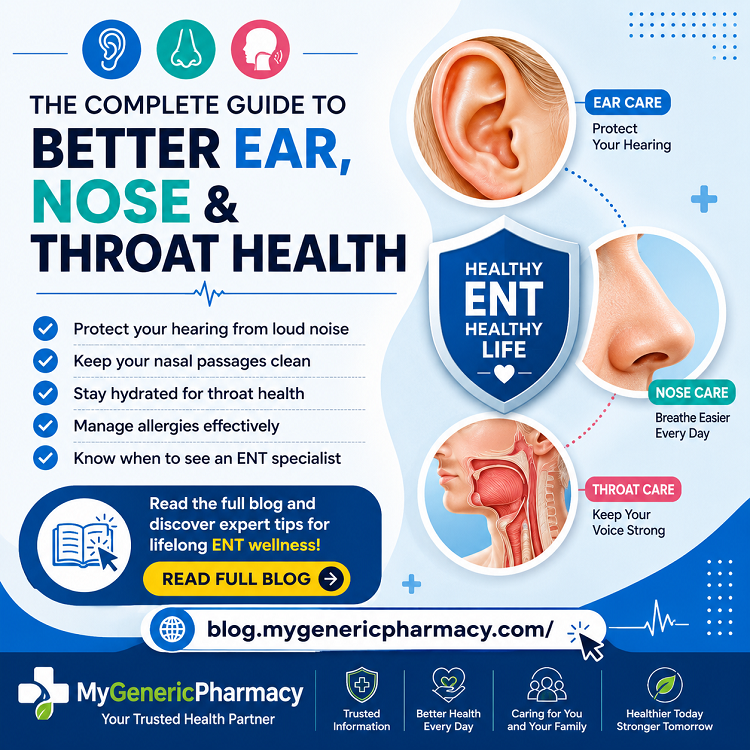
This guide explains how to keep your ears, nose, and throat healthy. It also shows simple ways to reduce the risk of common ENT problems. As a result, you can take steps to support your long-term ENT health.
Why ENT Health Matters
The ear, nose, and throat form a connected system that supports many important body functions. For example:
- The ears help with hearing and balance.
- The nose filters, warms, and moistens the air you breathe.
- The throat helps you breathe, swallow, and speak.
These organs work closely together. So, a problem in one area can affect the others. As a result, poor ENT health can affect communication, sleep, focus, and daily comfort. Therefore, taking care of your ENT health is important for your daily life.
Essential Tips for ENT Health
1. Avoid Inserting Objects into Your Ears
Many people use cotton swabs to clean their ears. However, putting objects into the ear canal can push wax deeper into the ear. As a result, it may cause injury or even damage the eardrum.
Instead, let earwax move out of the ear naturally. If too much wax causes discomfort or affects your hearing, then consult a healthcare professional. Therefore, avoiding objects in the ear can help protect your ear health.
2. Protect Your Hearing
Exposure to loud noise is one of the leading causes of preventable hearing loss. Therefore, it is important to take precautions. For example, you should use ear protection in noisy environments. In addition, keep headphone volume at safe levels. Also, take regular breaks from loud sounds. Finally, try to limit long exposure to machinery or loud music.
3. Keep Ears Dry
Too much moisture can lead to bacterial and fungal growth. This increases the risk of ear infections. After swimming or bathing, gently dry the outer ear with a towel. In addition, swimmers can use special earplugs.
Maintaining ENT Health
1. Practice Good Nasal Hygiene
The nose is the body’s first line of defense against dust, germs, and pollution. Therefore, it is important to keep it clean.
In addition, saline sprays or rinses can help. They:
- Remove dust and allergens
- Reduce a blocked nose
- Make breathing easier
2. Manage Allergies Effectively
Allergies can cause long-term nasal congestion, sneezing, and sinus problems. Therefore, it is important to manage allergy triggers.
For example, you can:
- Avoid known allergens
- Use air purifiers
- Keep your home clean
Also, follow your doctor’s treatment plan when needed.
3. Stay Hydrated
Drinking enough water helps keep nasal mucus thin. As a result, it is easier to clear. In addition, this keeps your nose healthy and helps prevent blockage.
Caring for Your Throat
1. Stay Well Hydrated
Drinking enough water keeps the throat moist. It also helps it work normally. Furthermore, good hydration may reduce irritation and pain in the throat.
2. Avoid Smoking and Secondhand Smoke
Tobacco smoke can irritate the throat. It can also increase the risk of infection, long-term swelling, and serious disease. Therefore, quitting smoking is one of the best steps for good ENT health.
3. Practice Good Voice Care
Using your voice too much can strain the vocal cords. For example, shouting or speaking for long periods can cause damage. To protect your voice:
- Take regular voice breaks
- Avoid yelling when possible
- Drink plenty of water
- Use a microphone when speaking to large groups
As a result, you can reduce strain and keep your voice healthy.
Preventing Common ENT Health
Sinus Infections (ENT Health)
Sinus infections often start after a cold, allergies, or nasal swelling. Therefore, prevention is important. To reduce your risk:
- Wash your hands often
- Treat allergies early
- Drink enough water
- Avoid contact with sick people
Ear Infections (ENT Health)
Ear infections are more common in children. However, adults can get them too. Good hygiene can help prevent them. In addition, treating colds and other infections early can lower your risk.
Sore Throats (ENT Health)
Most sore throats are caused by viral infections. Therefore, prevention is important. Helpful steps include:
- Wash your hands often
- Avoid close contact with sick people
- Keep your immune system strong with healthy habits
As a result, you can reduce the risk of sore throats.
The Role of Nutrition in ENT Health
A balanced diet helps support the immune system and keeps body tissues healthy. In particular, some nutrients are very important.
Vitamin C
Vitamin C helps the immune system work well. In addition, it may help shorten some respiratory illnesses.
Sources include: oranges, strawberries, bell peppers, and kiwi.
Vitamin A
Vitamin A helps keep the lining of the nose, throat, and lungs healthy. Therefore, it supports the respiratory system.
Sources include: carrots, sweet potatoes, and spinach.
Zinc
Zinc helps the immune system and supports tissue repair. As a result, it plays an important role in healing.
Sources include: nuts, seeds, legumes, and lean meats.
Healthy Lifestyle Habits for Better ENT Health
Beyond hygiene and nutrition, several lifestyle habits can significantly improve ENT wellness.
Get Enough Sleep
Quality sleep strengthens immune function and supports recovery from illness. Therefore, adults should aim for 7–9 hours of sleep per night.
Exercise Regularly
Regular physical activity improves circulation and supports overall immune health. Additionally, exercise may help reduce inflammation throughout the body.
Manage Stress
Chronic stress can weaken the immune system and make the body more vulnerable to infections. Consequently, stress-management techniques such as meditation, deep breathing, and physical activity may be beneficial.
When to See an ENT Specialist
While many ENT problems resolve on their own, some symptoms require professional evaluation.
Seek medical attention if you experience:
- Persistent hearing loss
- Ringing in the ears (tinnitus)
- Frequent ear infections
- Chronic nasal congestion
- Recurrent sinus infections
- Difficulty swallowing
- Persistent hoarseness lasting more than two weeks
- Severe sore throat with high fever
- Unexplained neck lumps
Early diagnosis often leads to better treatment outcomes and can help prevent complications.
Conclusion
Good ear, nose, and throat health is an essential part of overall wellness. By practicing proper hygiene, protecting your hearing, staying hydrated, eating a balanced diet, and avoiding harmful habits such as smoking, you can significantly reduce the risk of common ENT conditions. Furthermore, recognizing symptoms early and seeking timely medical care can help preserve hearing, improve breathing, and maintain a healthy voice.
Ultimately, small daily habits can make a significant difference in keeping your ears, nose, and throat functioning at their best for years to come.
References
- American Academy of Otolaryngology–Head and Neck Surgery (AAO-HNS)
- National Institute on Deafness and Other Communication Disorders (NIDCD)
- Centers for Disease Control and Prevention (CDC) – Hearing Loss Prevention
- World Health Organization (WHO) – Deafness and Hearing Loss
- Mayo Clinic – Ear, Nose, and Throat Health Resources
- National Health Service (NHS) – Ear, Nose, and Throat Conditions