Browsed by
Month: May 2026

Everything You Need to Know About Seizure Medications and Safety

Everything You Need to Know About Seizure Medications and Safety

Seizure medications help control seizures and improve the quality of life for people with epilepsy and other brain conditions. These medicines can work very well when patients take them correctly and regularly. However, improper use may increase the risk of side effects or other health problems. Therefore, patients and caregivers should understand how these medicines work, their possible side effects, and important safety tips.

What Are Seizure Medications?

Seizure medications, also called anticonvulsants or anti-epileptic drugs (AEDs), help prevent or reduce seizures. These medicines work by stabilizing electrical activity in the brain. As a result, they help control abnormal nerve signals that can trigger seizures.
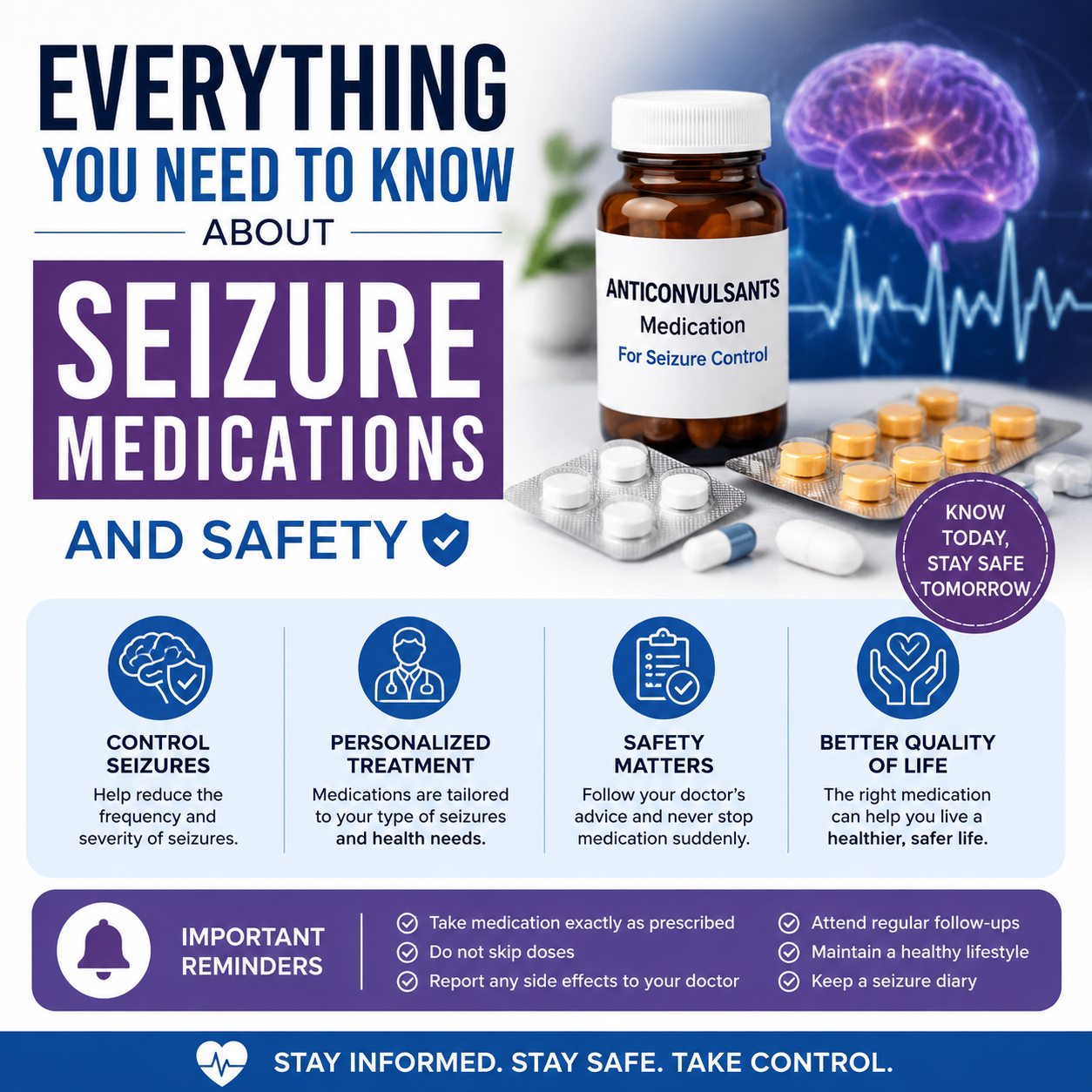
Seizure medications

In many cases, seizure medications help people with epilepsy live active and independent lives. However, treatment results may vary from person to person. In addition, factors such as seizure type, age, overall health, and response to medication can affect how well the treatment works.

Why Seizure Medications Are Important

Seizures can affect brain function, consciousness, movement, and behavior. In severe cases, uncontrolled seizures may cause injuries, accidents, or life-threatening complications. Therefore, patients should take seizure medications exactly as prescribed.

In addition, proper seizure control may help:

  • Reduce seizure frequency
  • Prevent seizure-related injuries
  • Improve daily functioning
  • Support mental and emotional well-being
  • Enhance quality of life

Furthermore, long-term seizure management may reduce emergency hospital visits and improve overall health outcomes.


Common Types of Seizure Medications

Several seizure medications are available. Therefore, doctors choose treatment based on the type of seizure and the patient’s individual needs. In addition, factors such as age, overall health, and response to medication may also affect the treatment plan.

Carbamazepine

Carbamazepine is commonly used to treat focal seizures and some generalized seizures. It works by reducing abnormal electrical activity in the brain. As a result, it helps control seizures and improve brain stability.

Valproic Acid

Valproic acid is often prescribed for several types of seizures, including absence seizures and generalized seizures. In addition, doctors may also use it to help prevent migraines and manage bipolar disorder. As a result, this medicine can support treatment for multiple neurological and mental health conditions.

Lamotrigine

Lamotrigine is widely used because it may cause fewer side effects in some patients. Moreover, it can help treat both focal and generalized seizures. As a result, many doctors prescribe it for long-term seizure management.

Levetiracetam

Levetiracetam is a commonly prescribed seizure medication because it works well and has a simple dosing schedule. In many cases, patients tolerate it well. As a result, doctors often use it for both new and ongoing seizure treatment.

Phenytoin

Phenytoin has been used for decades to help control seizures. However, long-term use may require careful monitoring because it can cause side effects. Therefore, doctors often check patients regularly to ensure safe and effective treatment.


How Seizure Medications Work

The brain communicates through electrical signals between nerve cells. However, during a seizure, these signals become abnormal and excessive. As a result, seizure activity occurs. Seizure medications help calm this abnormal brain activity.

Some medications reduce nerve cell excitability, while others increase the activity of calming brain chemicals. Consequently, seizures become less likely to occur.


Possible Side Effects of Seizure Medications

Like all medicines, seizure medications may cause side effects. However, not everyone experiences them, and many side effects can be managed with medical guidance.

Common side effects include:

  • Drowsiness
  • Dizziness
  • Fatigue
  • Nausea
  • Blurred vision
  • Headache
  • Weight changes
  • Mood changes
  • Difficulty concentrating

In some cases, more serious side effects may occur, such as liver problems, allergic reactions, skin rashes, or blood disorders. Therefore, patients should immediately report unusual symptoms to a healthcare provider.


Important Safety Tips for Seizure Medications

Proper medication safety is essential for effective seizure control and overall well-being.

Take Medication Exactly as Prescribed

Skipping doses or suddenly stopping seizure medications can trigger seizures. Therefore, patients should follow their doctor’s instructions carefully. In addition, they should take their medicine regularly to help maintain stable seizure control and reduce the risk of complications.

Do Not Stop Medication Abruptly

Suddenly stopping seizure medication may increase the risk of severe seizures or status epilepticus, which is a medical emergency. Therefore, patients should only change their dosage under medical supervision. In addition, regular follow-up care can help ensure safe and effective treatment.

Attend Regular Medical Checkups

Routine blood tests and health evaluations may be necessary to monitor medication levels and detect side effects early. As a result, doctors can adjust treatment when needed and help ensure safe and effective seizure control.

Avoid Alcohol and Recreational Drugs

Alcohol and certain drugs may interfere with seizure medications or increase the risk of seizures. Therefore, patients should avoid these substances whenever possible. In addition, they should talk with their doctor before taking any new medicine, supplement, or herbal product.

Inform Doctors About Other Medicines

Some medications and supplements can interact with seizure medicines. As a result, these interactions may affect how well the treatment works or increase the risk of side effects. Therefore, patients should always inform healthcare providers about all medicines, supplements, and herbal products they are taking.

Maintain Good Sleep Habits

Sleep deprivation may trigger seizures in some people. Therefore, getting enough rest is an important part of seizure management. In addition, good sleep habits may help reduce seizure frequency and support overall brain health.

What to Do If a Seizure Occurs

Even with treatment, seizures may still happen occasionally. During a seizure:

  • Stay calm
  • Protect the person from injury
  • Move dangerous objects away
  • Turn the person onto their side if possible
  • Do not place anything in the mouth
  • Seek emergency help if the seizure lasts longer than five minutes

In addition, caregivers should learn basic seizure first aid to respond safely and effectively.

When to Seek Medical Attention

Immediate medical care may be necessary if:

  • Seizures become more frequent
  • A seizure lasts more than five minutes
  • Breathing problems occur
  • Severe medication side effects develop
  • Loss of consciousness continues after the seizure

Prompt medical attention may help prevent serious complications.

Conclusion

Seizure medications are essential for controlling seizures and improving quality of life. Although these medicines can be highly effective, patients must use them properly and attend regular medical checkups to ensure safety. Furthermore, understanding possible side effects, medication interactions, and lifestyle precautions can help patients manage epilepsy more successfully.

In addition, healthy habits and ongoing medical care play an important role in seizure management. As a result, many people living with seizures can lead safer, healthier, and more active lives.
References

  1. Epilepsy Foundation
  2. Centers for Disease Control and Prevention – Epilepsy Basics
  3. National Institute of Neurological Disorders and Stroke
  4. Mayo Clinic – Epilepsy Overview
  5. Cleveland Clinic – Seizures and Epilepsy
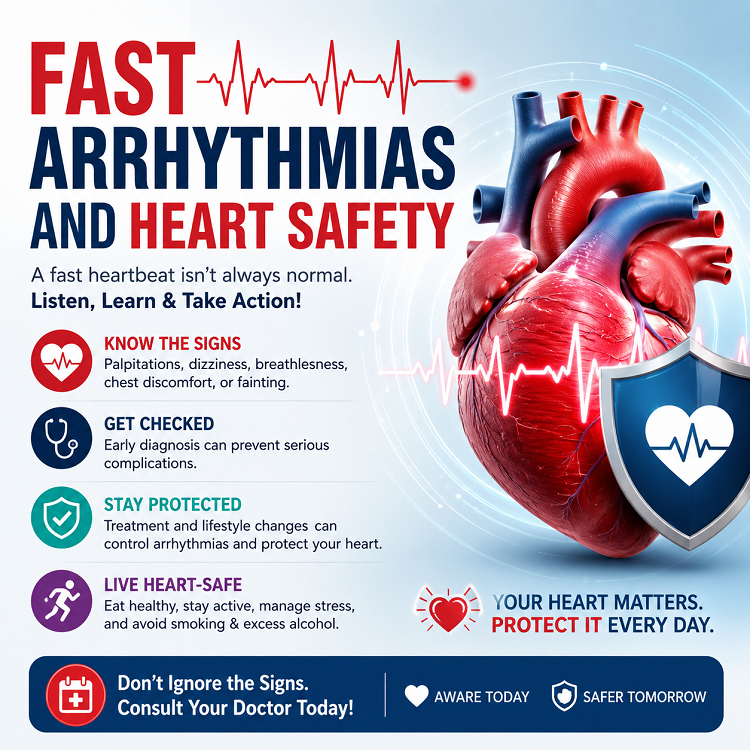
Fast Arrhythmias and Heart Safety: What You Need to Know

Fast Arrhythmias and Heart Safety: What You Need to Know

Fast arrhythmias are abnormal heart rhythms. They make the heart beat too fast. Sometimes, these episodes are harmless. However, in other cases, they can cause serious health problems. These may include fainting, stroke, heart failure, or sudden cardiac arrest.

In addition, untreated fast arrhythmias may get worse over time. They can also affect how well the heart works. Therefore, it is important to understand their symptoms, causes, risks, and treatment options.

Furthermore, early diagnosis can help reduce complications. Proper treatment may also improve heart health and quality of life.


What Are Fast Arrhythmias?

Fast arrhythmias, also known as tachyarrhythmias, occur when the heart beats faster than normal. This happens due to abnormal electrical signals in the heart. In other words, the heart’s natural rhythm is disrupted. As a result, it may beat too quickly to pump blood efficiently throughout the body.

Consequently, the heart may not supply enough blood to the organs. In most adults, a resting heart rate above 100 beats per minute is considered too fast.

Normally, the heart’s electrical system controls a steady and coordinated heartbeat. However, when the electrical signals become abnormal, the heart may beat irregularly or too fast. As a result, the heart may not pump blood effectively throughout the body.

Fast Arrhythmias


Common Types of Fast Arrhythmias

Several types of fast arrhythmias can affect heart rhythm and overall health. In particular, these conditions vary in severity. Therefore, they can affect the heart in different ways, depending on where the abnormal rhythm starts and how fast it is.

Atrial Fibrillation (AFib)

Atrial fibrillation is one of the most common fast arrhythmias. In this condition, the upper chambers of the heart beat fast and irregularly. As a result, blood flow becomes less efficient. This can increase the risk of blood clots and stroke.

Supraventricular Tachycardia (SVT)

SVT is a rapid heartbeat that begins above the lower chambers of the heart. In addition, episodes often start suddenly. They may cause dizziness, chest discomfort, or palpitations.

Ventricular Tachycardia (VT)

Ventricular tachycardia begins in the lower chambers of the heart. It may prevent the heart from pumping enough blood to the body. As a result, it requires prompt medical attention to avoid serious complications.

Ventricular Fibrillation (VFib)

VFib is a medical emergency. In this condition, the heart’s lower chambers quiver instead of pumping normally. Therefore, VFib is one of the most dangerous types of arrhythmia.


Symptoms of Fast Arrhythmias

Symptoms can vary depending on the type and severity of the arrhythmia. For example, some people may notice mild discomfort. However, others may experience severe symptoms that affect daily life.

Common symptoms include:

  • Rapid or pounding heartbeat
  • Fluttering sensation in the chest
  • Chest pain or pressure
  • Shortness of breath
  • Anxiety or sweating

In some cases, fast arrhythmias may occur without noticeable symptoms. Therefore, regular health checkups are important, especially for individuals with heart disease or high blood pressure. In fact, early detection can improve treatment outcomes and reduce the risk of complications.


Causes and Risk Factors of Fast Arrhythmias

Many factors may contribute to the development of fast arrhythmias. However, in some people, the exact cause may not be known, making diagnosis more complex in certain cases.

Common causes and risk factors include:

  • High blood pressure
  • Heart valve disorders
  • Previous heart attack
  • Heart failure
  • Diabetes
  • Smoking
  • Stress and anxiety
  • Sleep apnea

In addition, aging may increase the risk of developing abnormal heart rhythms. Moreover, as the heart’s electrical system naturally weakens over time, older adults become more susceptible to fast arrhythmias.


Why Fast Arrhythmias Can Be Dangerous

Fast arrhythmias may reduce the heart’s ability to pump blood efficiently. As a result, important organs such as the brain and lungs may not receive enough oxygen-rich blood. Consequently, this can lead to symptoms such as dizziness and shortness of breath. In severe cases, it may even cause loss of consciousness.

Some fast arrhythmias can lead to serious complications, such as:

Stroke

Conditions like atrial fibrillation can cause blood clots to form in the heart. If this happens, and a clot travels to the brain, it may block blood flow and cause a stroke. As a result, timely diagnosis and treatment are crucial to reduce this risk.

Heart Failure

A constantly rapid heartbeat may weaken the heart muscle over time. Consequently, the heart may struggle to pump blood properly.

Sudden Cardiac Arrest

Therefore, immediate emergency treatment is required to save a life. In fact, even a few minutes of delay can be fatal.


How Fast Arrhythmias Are Diagnosed

Doctors may use several tests to diagnose fast arrhythmias and identify underlying heart problems. For instance, these tests help determine the type, severity, and possible cause of the abnormal heart rhythm. As a result, they guide appropriate treatment decisions. In addition, all of these help doctors evaluate heart rhythm patterns more accurately.

  • Event recorder
  • Stress test
  • Blood tests

These tests help doctors understand heart rhythm patterns and choose appropriate treatment options. As a result, they can identify the type of arrhythmia. Consequently, they can recommend the most effective treatment plan for the patient.


Treatment Options for Fast Arrhythmias

Treatment depends on the type of arrhythmia, its symptoms, and the patient’s overall heart health. In addition, doctors also consider age, other medical conditions, and the risk of complications.

Medications

Doctors may prescribe medications to slow the heart rate or restore a normal rhythm.

Cardioversion

Therefore, it is commonly used for atrial fibrillation and other fast heart rhythms.

Catheter Ablation

It destroys small areas of heart tissue that cause abnormal electrical signals. As a result, it may help control recurring fast arrhythmias.

Implantable Devices

Some people may require devices such as pacemakers or implantable cardioverter-defibrillators (ICDs). These devices help monitor and correct dangerous heart rhythms.

Lifestyle Changes

  • Eating a heart-healthy diet
  • Quitting smoking
  • Managing stress

When to Seek Emergency Medical Help

Immediate medical attention is necessary if fast arrhythmias cause severe symptoms such as:

  • Chest pain
  • Difficulty breathing
  • Sudden fainting
  • Severe dizziness
  • Loss of consciousness

These symptoms may indicate a life-threatening heart rhythm problem.


Conclusion

Fast arrhythmias are abnormal, rapid heart rhythms. They may range from mild to life-threatening. Although some cases are manageable, others can increase the risk of stroke, heart failure, or sudden cardiac arrest. Therefore, it is important to recognize symptoms early and seek proper medical care. As a result, they can protect their long-term heart health.


References

  1. American Heart Association
  2. NHLBI Arrhythmias Guide
  3. Mayo Clinic Tachycardia Overview
  4. Cleveland Clinic Heart Arrhythmia Guide
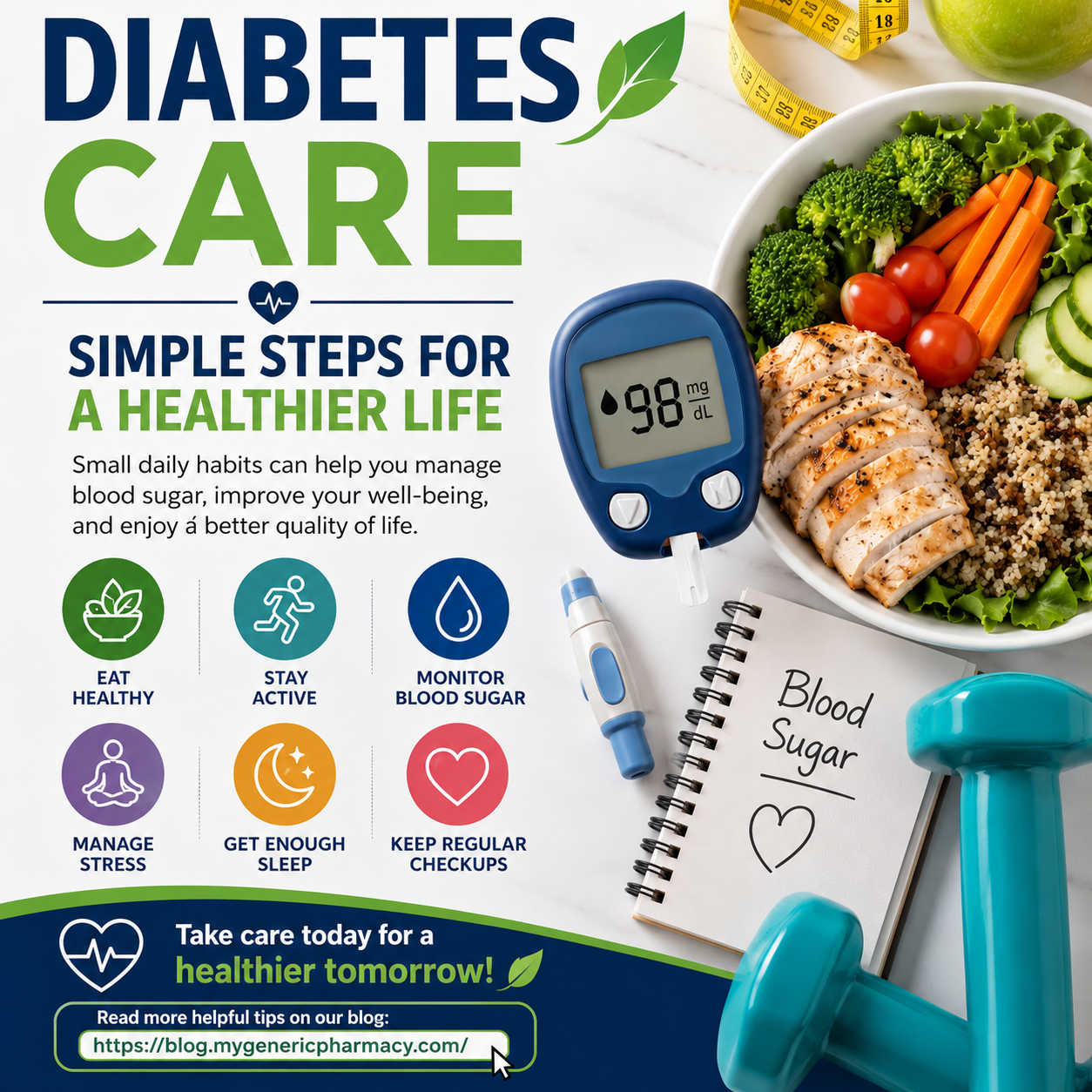
Diabetes Care: Simple Steps for a Healthier Life

Diabetes Care: Simple Steps for a Healthier Life

Diabetes is one of the most common long-term health conditions worldwide. It affects how the body uses blood sugar, also known as glucose. If diabetes is not managed properly, it may lead to serious health problems such as heart disease, kidney damage, nerve problems, and vision loss. However, with proper diabetes care, many people can live healthy and active lives. In fact, simple lifestyle changes may help improve blood sugar control and support overall well-being. Therefore, early care and healthy daily habits are extremely important for long-term health.


What Is Diabetes?

Diabetes is a condition in which the body either does not produce enough insulin or cannot use insulin properly. Insulin is a hormone that helps glucose enter the cells to provide energy. As a result, when insulin does not work correctly, sugar can build up in the bloodstream. Over time, this may increase the risk of serious health complications if diabetes is not managed properly.

Diabetes Care

The two main types of diabetes include:

  • Type 1 Diabetes: In this condition, the body stops producing insulin completely. As a result, people with type 1 diabetes usually need insulin treatment every day.
  • Type 2 Diabetes: In this type, the body becomes resistant to insulin or does not make enough of it. Therefore, blood sugar levels may rise over time if the condition is not managed properly.

In addition, some people may develop gestational diabetes during pregnancy. Although it often improves after childbirth, it may increase the risk of developing type 2 diabetes later in life.


Why Diabetes Care Is Important

Proper diabetes care helps maintain stable blood sugar levels. As a result, it may lower the risk of serious health complications. In addition, good diabetes management may improve energy levels, protect important organs, and support a better quality of life.

Without proper care, high blood sugar can gradually damage blood vessels and nerves over time. Consequently, this may increase the risk of heart disease, kidney problems, vision loss, and nerve damage. Therefore, early diabetes management is essential for maintaining long-term health and preventing complications.


Healthy Eating for Better Diabetes Care

A healthy diet is very important for diabetes care. Some foods may help control blood sugar. However, unhealthy foods can raise blood sugar quickly. Therefore, eating balanced meals every day can support better health.

Choose High-Fiber Foods

Fiber may help slow down sugar absorption. As a result, it can help control blood sugar levels. In addition, fiber supports good digestion and heart health.

Good high-fiber foods include:

  • Whole grains
  • Vegetables
  • Fruits
  • Beans and lentils
  • Nuts and seeds

Limit Sugary Foods

Sugary drinks, candies, and packaged snacks can raise blood sugar fast. Therefore, it is better to avoid foods with too much added sugar. Instead, choose healthier snacks whenever possible.

Eat Balanced Meals

Try to include protein, healthy fats, and complex carbohydrates in each meal. For example, eggs, fish, whole grains, and vegetables are healthy choices. In addition, balanced meals may help keep energy levels steady and reduce sudden blood sugar spikes.


Regular Exercise Supports Diabetes Care

Physical activity is one of the best ways to support diabetes care. Exercise helps the body use insulin better. As a result, it may help lower blood sugar levels. In addition, regular activity may improve heart health and increase energy levels.

Best Exercises for Diabetes Care

Some simple and helpful exercises include:

  • Walking
  • Cycling
  • Swimming
  • Yoga
  • Strength training

Experts often suggest at least 30 minutes of moderate exercise on most days. However, it is important to talk with a healthcare provider before starting a new workout routine.

Monitor Blood Sugar Regularly

Checking blood sugar levels regularly is an important part of diabetes care. It helps people understand how food, exercise, stress, and medicines affect blood sugar.

In addition, regular monitoring may help prevent both high and low blood sugar levels. It also allows doctors to adjust treatment plans when needed.

Take Medications as Directed

Many people with diabetes need medicines or insulin to manage their condition properly. Therefore, taking medications exactly as prescribed is very important.

Skipping doses or changing medicines without medical advice may increase the risk of health problems. For this reason, always follow your healthcare provider’s instructions carefully.

Maintain a Healthy Weight

Extra body weight may make it harder for the body to use insulin properly. However, losing even a small amount of weight may improve blood sugar control, especially in people with type 2 diabetes.

Stay Hydrated Every Day

Drinking enough water is another important step in diabetes care. Proper hydration helps the body remove extra sugar through urine. In addition, water supports many important body functions. However, sugary drinks and soft drinks should be limited because they may raise blood sugar levels quickly.


Manage Stress for Better Diabetes Care

Stress can affect hormone levels and may raise blood sugar levels. Therefore, managing stress is an important part of diabetes care. In addition, lower stress levels may improve both mental and physical health.

Simple Stress-Relief Activities

Some simple stress-relief activities include:

  • Deep breathing exercises
  • Meditation
  • Listening to music
  • Spending time outdoors
  • Getting enough rest

Even a few minutes of relaxation each day may help the body and mind feel better.

Get Enough Sleep

Poor sleep may affect blood sugar control and insulin function. Therefore, getting enough sleep is very important for people with diabetes. Most adults need around 7–9 hours of sleep each night.

Tips for Better Sleep

You can improve sleep quality by:

  • Following a regular sleep schedule
  • Avoiding caffeine late in the day
  • Limiting screen time before bed
  • Creating a quiet and calm sleeping space

Good sleep habits may improve energy levels and support better diabetes care.

Protect Your Feet and Eyes

Diabetes may increase the risk of nerve damage and poor blood flow, especially in the feet. In addition, high blood sugar may damage the eyes over time. Therefore, regular foot and eye care is very important.

Foot Care Tips

  • Check your feet daily for cuts or sores
  • Wear comfortable shoes
  • Keep feet clean and dry

Avoid Smoking and Limit Alcohol

Likewise, too much alcohol may affect blood sugar control. Therefore, avoiding smoking and limiting alcohol intake may support better overall health.

Regular Medical Checkups Matter

Routine medical visits are essential for proper diabetes care. During checkups, doctors may monitor:

  • Blood sugar levels
  • Blood pressure
  • Cholesterol levels
  • Kidney function
  • Eye health

Regular checkups may help find health problems early. As a result, treatment may become more effective, and complications may be reduced.


Conclusion

However, proper diabetes care may help improve overall health and quality of life. Although diabetes management requires daily care, small healthy habits can make a big difference over time. Therefore, by taking simple steps each day, many people with diabetes can live healthier, happier, and more active lives.

References:

  1. Centers for Disease Control and Prevention (CDC) – Diabetes Basics
  2. World Health Organization (WHO) – Diabetes
  3. American Diabetes Association – Living With Diabetes
  4. National Institute of Diabetes and Digestive and Kidney Diseases (NIDDK) – Diabetes Overview
When Dangerous Inflammation: What You Need to Know

When Dangerous Inflammation: What You Need to Know

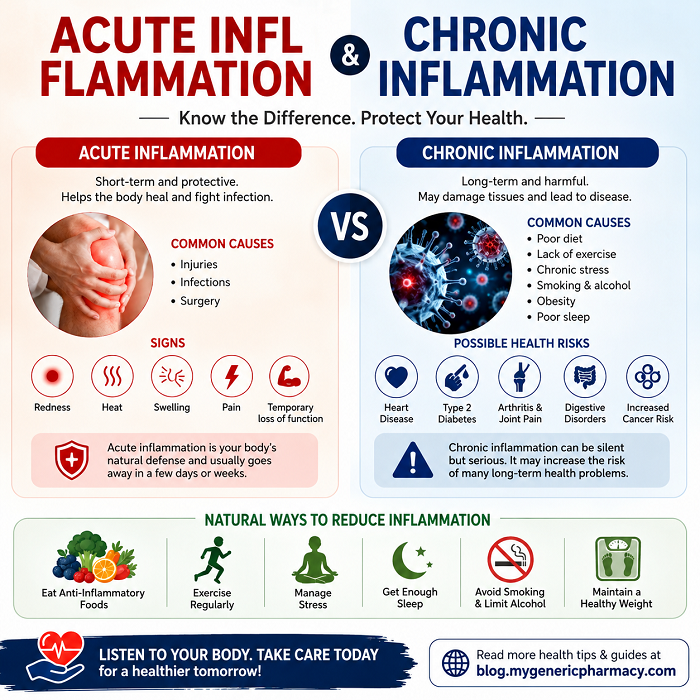
Inflammation is a natural process that helps the body fight infections, Dangerous Inflammation injuries, and harmful substances. In many cases, it plays an important role in healing and recovery. For example, when you cut your skin or catch a cold, inflammation helps your immune system respond quickly and protect the affected area. In fact, this response is necessary for proper healing. However, when inflammation lasts too long or becomes uncontrolled, it may start damaging healthy tissues and organs instead of protecting them.

As a result, chronic inflammation can increase the risk of serious health problems such as heart disease, diabetes, arthritis, and even cancer. Therefore, understanding and managing inflammation is essential for maintaining long-term health. Therefore, understanding how inflammation works and learning how to manage it is essential for protecting long-term health.


What Is Inflammation?

Inflammation is the body’s natural defense response against injury, infection, or harmful toxins. During this process, the immune system releases chemicals and white blood cells to protect the body and repair damaged tissues. In most cases, this response helps the body heal properly and fight infections effectively. For instance, swelling and redness around a wound are signs that the immune system is working. However, when Dangerous inflammation continues for a long time, it may begin to damage healthy cells and tissues instead of protecting them. Therefore, controlling chronic inflammation is important for maintaining overall health.

Dangerous Inflammation

There are two main types of inflammation, and each affects the body in a different way.

Acute Inflammation

Acute inflammation is short-term and usually helpful. It often starts suddenly after an injury, infection, or illness. This type of inflammation helps the body protect itself and heal faster. In fact, it is a normal immune response that supports recovery.

Common signs of acute inflammation include:

  • Redness
  • Swelling
  • Heat
  • Pain

For example, a sore throat, a cut, or a sprained ankle may cause acute inflammation. During this process, the immune system sends white blood cells to the affected area. These cells help fight germs and repair damaged tissues. As a result, the body usually heals within a few days or weeks.

However, if inflammation becomes severe or lasts too long, medical care may be needed.

Chronic Inflammation

Chronic inflammation is long-term and may last for months or even years. Unlike acute inflammation, it may become dangerous over time. This is because it can slowly damage healthy cells and tissues.

In many cases, the immune system stays active even when there is no injury or infection. As a result, chronic Dangerous inflammation may increase the risk of serious diseases such as heart disease, diabetes, arthritis, and some cancers.

Unfortunately, many people do not notice symptoms early. Therefore, complications may develop slowly over time. Because of this, early treatment and healthy lifestyle habits are important for reducing chronic inflammation and protecting overall health.


Why Chronic Inflammation Dangerous

Although inflammation helps protect the body, long-term Dangerous inflammation can become harmful. Over time, it may damage healthy tissues and organs. As a result, the risk of several chronic diseases may increase.

Heart Disease

Dangerous Inflammation may damage blood vessels and cause plaque to build up inside the arteries. Because of this, blood flow may become blocked. As a result, the risk of heart attacks and strokes may rise. In some cases, inflammation may also increase blood pressure.

Type 2 Diabetes

Chronic inflammation can affect how the body uses insulin. Therefore, blood sugar levels may become harder to control. Over time, this may lead to problems such as nerve damage, kidney disease, and vision loss.

Arthritis and Joint Damage

Inflammation may cause pain, swelling, and stiffness in the joints. In addition, long-term inflammation may damage bones and cartilage. As a result, movement may become painful and difficult.

Digestive Disorders

Inflammation in the digestive system may lead to conditions such as Crohn’s disease and ulcerative colitis. Because of this, people may experience stomach pain, diarrhea, and fatigue. In severe cases, the body may also have trouble absorbing nutrients properly.

Weak Immune Function

When the immune system stays active for too long, it may become weaker over time. As a result, the body may find it harder to fight infections. In addition, chronic inflammation may cause tiredness and weakness.

Increased Cancer Risk

Long-term inflammation may damage healthy cells and DNA. In some cases, this damage may increase the risk of certain cancers. Therefore, controlling chronic inflammation is important for overall health.


Common Causes of Inflammation

Several lifestyle and environmental factors may trigger ongoing inflammation.

Poor Diet

Foods high in sugar, refined carbohydrates, fried foods, and processed meats may promote inflammation. In contrast, nutrient-rich foods may help reduce it.

Lack of Physical Activity

Regular movement supports healthy immune function. However, sitting for long periods may increase inflammatory markers in the body.

Smoking and Alcohol

Smoking exposes the body to harmful chemicals that trigger inflammation. Excessive alcohol intake may also damage tissues and organs.

Chronic Stress

Long-term stress may increase the release of stress hormones, which can worsen inflammation over time.

Obesity

Excess body fat, especially around the abdomen, may release inflammatory chemicals into the bloodstream.

Poor Sleep

Sleep helps the body repair itself. Without enough rest, inflammation levels may rise.


Warning Signs of Chronic Inflammation

Because chronic inflammation often develops slowly, symptoms may be easy to ignore. However, some common warning signs include:

  • Constant fatigue
  • Body pain or joint stiffness
  • Frequent infections
  • Digestive issues
  • Skin rashes
  • Brain fog or poor concentration
  • Unexplained weight gain or weight loss
  • Mood changes

If these symptoms continue for a long time, medical advice may be necessary.


How to Reduce Dangerous Inflammation Naturally

Fortunately, healthy lifestyle changes may help lower inflammation and support overall wellness.

Eat Anti-Inflammatory Foods

A balanced diet rich in whole foods may help calm inflammation. Healthy choices include:

  • Fruits and vegetables
  • Whole grains
  • Nuts and seeds
  • Fatty fish rich in omega-3 fatty acids
  • Olive oil
  • Beans and legumes

At the same time, reducing processed foods and sugary drinks may also help.


Exercise Regularly for Dangerous Inflammation

Moderate physical activity may reduce inflammatory chemicals and improve circulation. Activities such as walking, cycling, swimming, and yoga can support better health.

Experts often recommend at least 150 minutes of moderate exercise each week.

Manage Stress

  • Meditation
  • Deep breathing exercises
  • Spending time in nature
  • Reading or listening to music
  • Talking with supportive friends or family

Get Enough Sleep

Adults generally need about 7 to 9 hours of quality sleep each night. Proper sleep may help the body recover and regulate immune function.

Avoid Smoking and Limit Alcohol

Quitting smoking and reducing alcohol intake may lower inflammation and protect vital organs.

Maintain a Healthy Weight

Losing excess weight may reduce inflammatory chemicals produced by fat tissue. Even small weight changes may improve health outcomes.


Persistent inflammation symptoms should not be ignored. Medical attention may be important if you experience:

  • Ongoing pain or swelling
  • Severe fatigue
  • Chest pain
  • Difficulty breathing

Early diagnosis and treatment may help prevent serious complications.

Final Thoughts

Inflammation is an essential part of the body’s natural defense system. However, when it becomes chronic, it may quietly damage tissues and increase the risk of major diseases. Fortunately, healthy lifestyle habits such as eating nutritious foods, exercising regularly, managing stress, and sleeping well may help control inflammation naturally.

Most importantly, paying attention to warning signs and seeking medical advice when needed may protect long-term health and improve overall well-being.

References:

  1. Centers for Disease Control and Prevention (CDC). “About Chronic Diseases.”
  2. Harvard Health Publishing. “Understanding Acute and Chronic Inflammation.”
  3. Cleveland Clinic. “Inflammation: What Is It?”
  4. National Institutes of Health (NIH). “Chronic Inflammation Dangerous.”
  5. Mayo Clinic. “Chronic Inflammation and Disease.”
Unlock Your Fertility: Causes, Myths, and Proven Solutions

Unlock Your Fertility: Causes, Myths, and Proven Solutions

Fertility is important for both men and women. However, many people face problems when trying to have a baby. These problems may happen because of hormone issues, health conditions, age, or unhealthy habits. In fact, infertility affects millions of couples around the world. Although this situation can feel stressful, many causes can be treated. Therefore, learning the facts may help improve the chances of pregnancy.


What Is Fertility?

It means the natural ability to become pregnant and have a child. Usually, pregnancy happens when a healthy sperm joins with a healthy egg. However, some health problems may affect this process. In addition, women over 35 may need testing after six months of trying.

Fertility


Common Causes of Fertility in Women

In many cases, hormone problems or reproductive disorders can make conception more difficult. Some common causes include:

Polycystic Ovary Syndrome (PCOS)

PCOS is one of the most common causes of infertility in women. As a result, becoming pregnant may become more difficult.

Endometriosis

Consequently, this condition may cause pain, swelling, and reproductive health problems.

Blocked Fallopian Tubes

Blocked or damaged fallopian tubes may stop the egg and sperm from meeting.


Common Causes of Male Fertility

Male reproductive health plays an important role in pregnancy. In many cases, infertility in men is linked to problems with sperm health or lifestyle habits. Some common causes include:

  • Low sperm count
  • Poor sperm movement
  • Abnormal sperm shape
  • Hormonal imbalance
  • Varicocele, which is a swelling of the veins in the scrotum
  • Smoking, alcohol use, or drug use

Signs You May Have Problems

It does not always show clear symptoms. However, some warning signs may indicate reproductive health problems. Therefore, it is important to pay attention to changes in the body. In addition, some people may not notice any symptoms until they try to have a baby.


Common Myths

Myth 1: Stress Alone Causes Infertility

Although stress may affect hormone balance, it is usually not the sole cause of infertility.

Myth 2: IVF Always Guarantees Pregnancy

While in vitro fertilization (IVF) may improve pregnancy chances, success rates vary depending on age and health factors.


Simple Daily Habits That May Support

Furthermore, reducing junk food and sugary drinks may help maintain a healthy weight. Couples should also try to stay active with light exercise, walking, or yoga. In many cases, avoiding smoking and limiting alcohol may improve sperm and egg health.

Early treatment may improve the chances of a healthy pregnancy. Therefore, healthy habits and proper medical care may make a big difference over time.


Proven Ways to Improve Naturally

Eat a Balanced Diet

A healthy diet rich in vitamins, antioxidants, protein, healthy fats, fruits, and whole grains may help improve reproductive health. In addition, drinking enough water is also important for overall wellness.

Avoid Smoking and Alcohol

Smoking may damage eggs and sperm, while heavy alcohol use may reduce the chances of conception in both men and women. Therefore, avoiding these habits may improve reproductive wellness.


When Should You See a Fertility Specialist?

You should consider a medical evaluation if:

  • Under 35 and have tried to conceive for one year
  • Over 35 and have tried for six months
  • Irregular periods or known reproductive conditions
  • You have experienced repeated pregnancy loss
  • You have known sperm-related issues

Conclusion

The problems are common in both men and women. However, infertility does not always mean you cannot have a baby. Many people can improve their chances of pregnancy with healthy daily habits. For example, eating healthy foods, exercising often, sleeping well, and reducing stress may support reproductive health. In addition, avoiding smoking and alcohol may also help improve the chances of conception.


References:

  1. World Health Organization (WHO) – Infertility Facts
  2. Mayo Clinic – Infertility Overview
  3. Centers for Disease Control and Prevention (CDC) – Infertility
  4. National Health Service (NHS) – Infertility Causes and Treatments
Everything You Need to Know About Glaucoma

Everything You Need to Know About Glaucoma

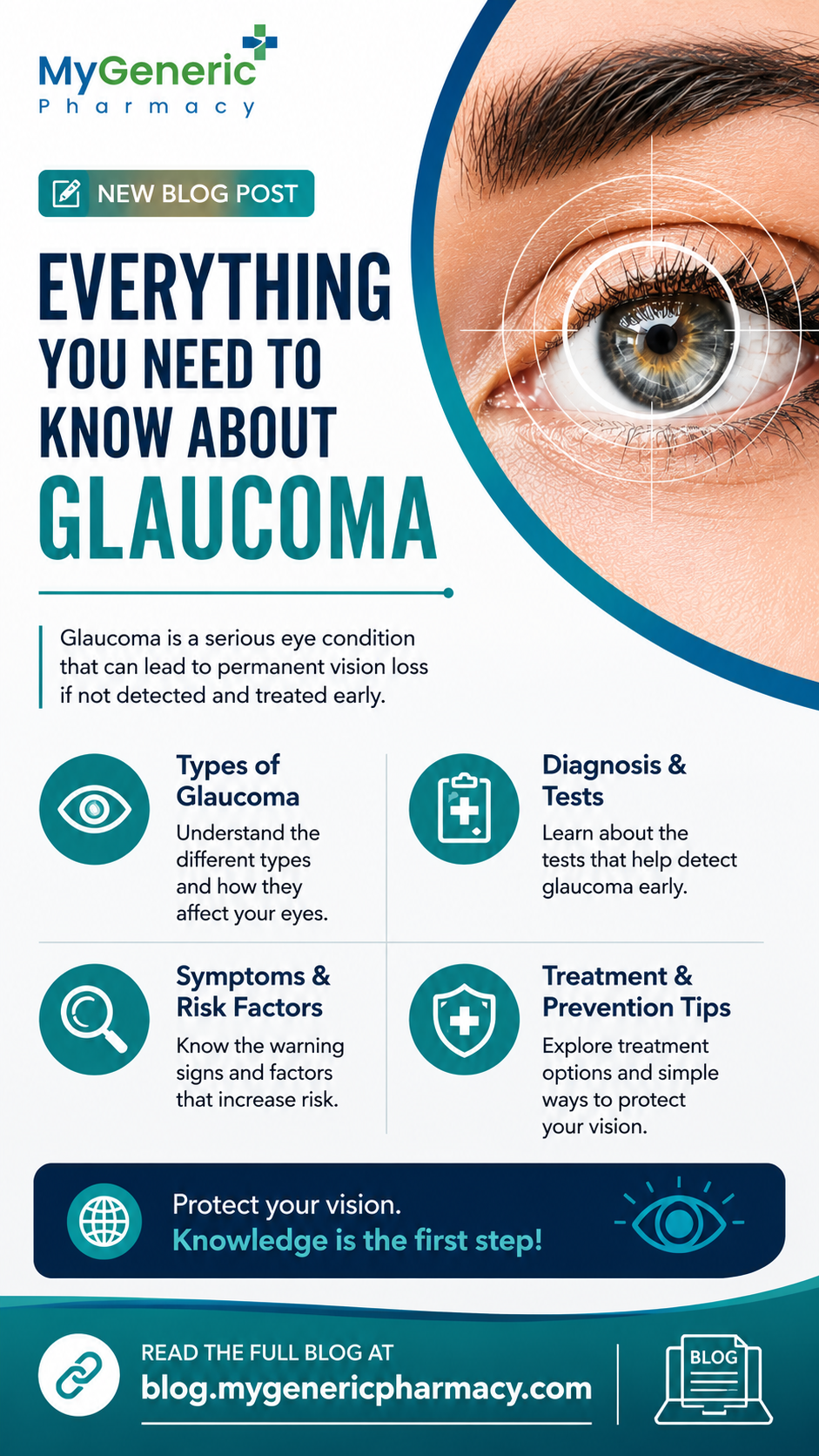
Glaucoma is a serious eye disease. It can slowly damage your vision. The disease often develops when pressure builds up inside the eye. This pressure may harm the optic nerve. The optic nerve sends signals from the eye to the brain. Because of this damage, vision problems can occur over time. In some cases, glaucoma may lead to blindness. However, early treatment can help protect eyesight. Regular eye exams are also important. They can help doctors find the disease before serious damage occurs.

What Is Glaucoma?

Glaucoma

Glaucoma is a group of eye diseases that can damage the optic nerve. In most cases, this damage happens because pressure builds up inside the eye. This pressure is called intraocular pressure. However, some people may still develop it even when their eye pressure stays normal. Therefore, regular eye exams are important for early detection and treatment.

In most cases, it develops slowly over time. Because of this, many people do not notice symptoms in the early stages. In addition, vision changes often happen very slowly and may be easy to ignore. As a result, it is often called the “silent thief of sight.” Therefore, regular eye exams are important because they can help detect the condition early and protect your vision.


Types of Glaucoma

There are different types of Glaucoma, and each type affects the eyes in a different way. Some types develop slowly over time, while others may appear suddenly. In addition, certain forms can cause clear symptoms, but some may not show any signs in the early stages. Because of this, many people may not realize they have glaucoma. Therefore, understanding the different types is important. Early diagnosis and proper treatment can help protect vision and reduce the risk of blindness.


Open-Angle Glaucoma

This is the most common type of Glaucoma. It develops slowly when the eye’s drainage system does not work properly. Because of this, fluid builds up inside the eye, and pressure rises over time.

In the early stages, most people do not notice any symptoms. However, vision damage may slowly become worse if the condition is not treated. In many cases, side vision is affected first. As a result, the disease can be difficult to detect early. Therefore, regular eye checkups are very important. Early diagnosis and treatment can help protect vision and lower the risk of serious eye damage.


Angle-Closure Glaucoma

This type of Ocular Hypertension happens when the drainage angle in the eye becomes blocked suddenly. As a result, fluid cannot drain normally, and eye pressure rises very fast. Because of this, symptoms can appear quickly and become severe within a short time.

Symptoms may include:

  • Severe eye pain
  • Blurred vision
  • Headache
  • Nausea and vomiting
  • Red eyes
  • Seeing halos around lights

In many cases, these symptoms appear without warning. In addition, the condition can worsen very quickly if treatment is delayed. Therefore, angle-closure Ocular Hypertension is a medical emergency and needs immediate treatment to help prevent permanent vision loss.


Normal-Tension Glaucoma

In this type of Glaucoma, the optic nerve becomes damaged even when eye pressure remains normal. Although the exact cause is not fully understood, doctors believe poor blood flow to the optic nerve may play a role. In some cases, the optic nerve may also be more sensitive to damage. As a result, vision loss can still occur without high eye pressure.


Congenital Glaucoma

This rare type of glaucoma affects babies and young children. In most cases, it happens because the eye’s drainage system does not develop properly before birth. As a result, fluid cannot drain out of the eye normally. This causes pressure to build up inside the eye. Over time, the increased pressure can damage the optic nerve and affect vision.


Causes of Glaucoma

Glaucoma mainly develops when fluid inside the eye cannot drain properly. As a result, pressure builds up inside the eye and may damage the optic nerve over time.

Several factors can increase the risk, including:

  • High eye pressure
  • Aging
  • Diabetes
  • High blood pressure
  • Eye injuries

Although anyone can develop it, older adults are generally at higher risk. Regular eye exams are important for early detection and proper treatment.


Common Symptoms

Symptoms may depend on the type and stage of it.

Early Symptoms

In many cases, early Ocular Hypertension does not cause clear symptoms. As a result, many people may not know they have the condition. Therefore, regular eye exams are very important for early detection.

Later Symptoms

As it gets worse, symptoms may include:

  • Loss of side vision
  • Blurred vision
  • Trouble seeing in low light
  • Eye pain
  • Redness in the eyes
  • Headaches

Therefore, early diagnosis and timely treatment are important for protecting eye health.


How Is Diagnosed

Doctors use several eye tests to diagnose it. These tests help check eye pressure and the health of the optic nerve. As a result, doctors can detect the condition early and start treatment if needed.

Common tests include:

Eye Pressure Test

This test measures the pressure inside the eye. High eye pressure may increase the risk of Glucoma.

Visual Field Test

This test checks for blind spots or loss of side vision. As it progresses, side vision may slowly become weaker.


Can Glaucoma be prevented?

Glaucoma isn’t preventable, but early detection and treatment can manage pressure inside your eye and help prevent or delay vision loss. There are a few main ways that can happen.

If you have glaucoma, the best thing you can do is follow your eye care specialist’s guidance on treating and managing this condition. They may also recommend making certain changes to your life, habits, or routine. 


Treatment Options for Glaucoma

Although glaucoma cannot usually be cured, treatment can help slow down or prevent further vision loss.

Eye Drops

These medicines either reduce fluid production or help fluid drain properly from the eye.

Oral Medications

Sometimes, doctors may prescribe tablets if eye drops alone do not control eye pressure effectively.

Laser Treatment

Laser treatment may help improve fluid drainage from the eye. As a result, eye pressure can be reduced, and vision damage may slow down.

Surgery

In severe cases, surgery may be needed to create a new drainage pathway for eye fluid. Following the doctor’s treatment plan is very important because it can help protect vision and reduce the risk of permanent eye damage.


Who Should Get Tested for Glaucoma?

You may need regular testing if you:

  • Are over 40 years old
  • Have diabetes or high blood pressure
  • Use steroid medicines regularly
  • Have had previous eye injuries

Living With Glaucoma

Living with glaucoma may require long-term care and regular monitoring.

  • Attend follow-up appointments
  • Report new symptoms quickly
  • Maintain a healthy lifestyle

Conclusion

Glaucoma is a serious eye disease that can lead to permanent vision loss if it is not treated on time. In many cases, symptoms develop slowly, so people may not notice the condition in the early stages. Therefore, regular eye exams are very important for early detection and treatment. By learning about it and taking preventive steps, you can support better eye health and lower the risk of blindness.


References:

  1. World Health Organization (WHO) – Blindness and Vision Impairment
  2. National Eye Institute – Glaucoma
  3. American Academy of Ophthalmology – Glaucoma Overview
  4. Mayo Clinic – Symptoms and Causes
  5. Cleveland Clinic – Types, Symptoms & Treatment
  6. MedlinePlus – Glaucoma
  7. Johns Hopkins Medicine – Glaucoma Information
  8. NHS – Glaucoma
How to Prevent Hepatitis C: Expert Tips for Better Health

How to Prevent Hepatitis C: Expert Tips for Better Health

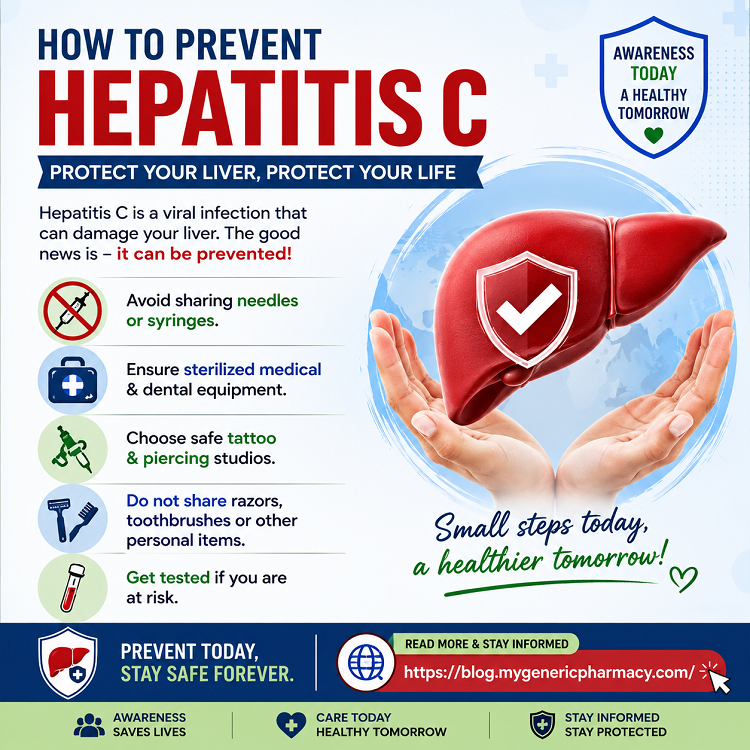
Hepatitis C is a serious liver infection that the hepatitis C virus (HCV). Infected blood mainly spreads the virus and may damage the liver over time if people do not detect and treat it early. Fortunately, people can prevent hepatitis C in many cases. With proper awareness and daily precautions, you can greatly lower your risk and protect your liver health.

In this article, we’ll explore expert-backed and practical ways to prevent Hepatitis C and improve overall health.


What Is Hepatitis C?

Hepatitis C is a viral infection that harms the liver. It may start as a short-term illness. However, it can later become a long-term health problem. Many people do not notice symptoms at first. Because of this, the infection may stay hidden for years and slowly damage the liver.

Hepatitis C

The virus spreads in several ways, including:

  • Sharing needles or syringes
  • Unsafe medical procedures
  • Unsterilized tattoo or piercing tools
  • Contact with infected blood

In many cases, symptoms do not appear early. Therefore, prevention and awareness are very important.


1. How to Prevent Hepatitis C Through Safe Daily Habits

One of the most common ways Hepatitis C spreads is through contaminated needles. This risk becomes even higher for people who inject medications or drugs. Therefore, taking proper safety precautions is extremely important.

To reduce the risk of infection:

  • Never share needles, syringes, or injection tools
  • Always use sterile equipment
  • Dispose of used needles safely and properly
  • Follow medical guidance for injectable treatments

Even a small amount of infected blood can transmit the virus. As a result, people should remain cautious and follow safe injection practices at all times.


2. Medical and Dental Care Hepatitis C

Unsterile medical equipment can also spread infections when healthcare providers do not follow proper hygiene practices. Therefore, choosing safe and reliable medical care is extremely important.

To stay safe:

  • Visit only licensed and reputable healthcare providers
  • Make sure healthcare staff use disposable syringes
  • Confirm that medical instruments are properly sterilized
  • Stay cautious during injections, blood tests, and dental procedures

In addition, hospitals and clinics that follow strict infection control standards can greatly reduce the risk of Hepatitis C transmission.


3. How to Prevent Hepatitis C from Tattoos and Piercings

Tattooing and body piercing can pose a risk if the equipment is not properly sterilized. Always choose safety over cost or convenience.

Safety tips:

  • Go to licensed tattoo and piercing studios
  • Ensure needles are single-use and disposable
  • Confirm that sterilization equipment is used properly
  • Avoid informal or unregulated setups

This simple precaution can significantly lower your risk of infection.


4. Avoid Sharing Personal Hygiene Items

Items that may come into contact with blood should never be shared with others, even at home. Since infected blood can spread the virus, maintaining proper personal hygiene is extremely important.

Do not share:

  • Razors
  • Nail clippers
  • Toothbrushes
  • Tweezers

Even microscopic traces of blood can carry Hepatitis C. Therefore, sharing personal hygiene items may increase the risk of infection.


5. Practice Safe Sex

Although sexual transmission of Hepatitis C is less common, it can still occur, especially when blood exposure is involved. Therefore, practicing safe sexual habits is important for reducing the risk of infection.

To stay protected:

  • Use protection during sexual activity
  • Avoid sexual contact during menstruation if blood exposure may occur
  • Get tested regularly if you have multiple partners or high-risk exposure

In addition, staying informed and taking proper precautions can greatly reduce the chance of infection.

However, it is still important to ensure safety. Modern screening methods make transfusions very safe when done correctly.


7. Get Regular Health Screenings

Early detection plays an important role in preventing complications and reducing the further spread of Hepatitis C. Therefore, people with possible risk factors should consider getting tested as early as possible.

You should consider testing if you:

  • Received a blood transfusion before screening standards improved
  • Experience symptoms such as fatigue, jaundice, or abdominal pain

In many cases, early diagnosis allows doctors to begin timely treatment. As a result, patients can lower the risk of long-term liver damage and other serious complications.


8. Strengthen Your Immune and Liver Health

Although lifestyle changes cannot directly prevent Hepatitis C infection, they can support liver health and improve recovery if infection occurs. Therefore, maintaining healthy daily habits is essential for overall well-being. In addition, a strong immune system helps the body fight infections more effectively and supports better long-term liver health.


9. Educate Yourself and Others

However, many people still do not understand how the virus spreads, which increases the risk of transmission. Therefore, educating others and spreading accurate information are extremely important.

You can help by:

  • Sharing reliable health information
  • Encouraging friends and family members to get tested when necessary

In addition, better awareness often leads to smarter decisions and safer daily habits.


When to See a Doctor

Talk to a healthcare professional if you notice:

  • Constant fatigue
  • Yellow skin or eyes
  • Dark urine
  • Stomach discomfort
  • Unexplained weight loss

Even without symptoms, testing is important for people at risk.


Final Thoughts

Preventing Hepatitis C starts with awareness and safe habits. Simple steps like using sterile equipment, avoiding shared needles, and choosing trusted healthcare services can greatly lower the risk.

By following these expert tips, you can protect your liver and improve your long-term health. Staying informed and careful is the best way to stay safe.


References:

  1. World Health Organization (WHO) – Hepatitis C Fact Sheet
  2. Centers for Disease Control and Prevention (CDC) – Hepatitis C Information
  3. Mayo Clinic – Hepatitis C Overview
  4. National Health Service (NHS) – Hepatitis C
  5. World Health Organization (WHO) – Prevention of Hepatitis B and C
  6. MedlinePlus (U.S. National Library of Medicine) – Hepatitis C
Is Your Diet Weakening Your Immunity? Find Out Now

Is Your Diet Weakening Your Immunity? Find Out Now

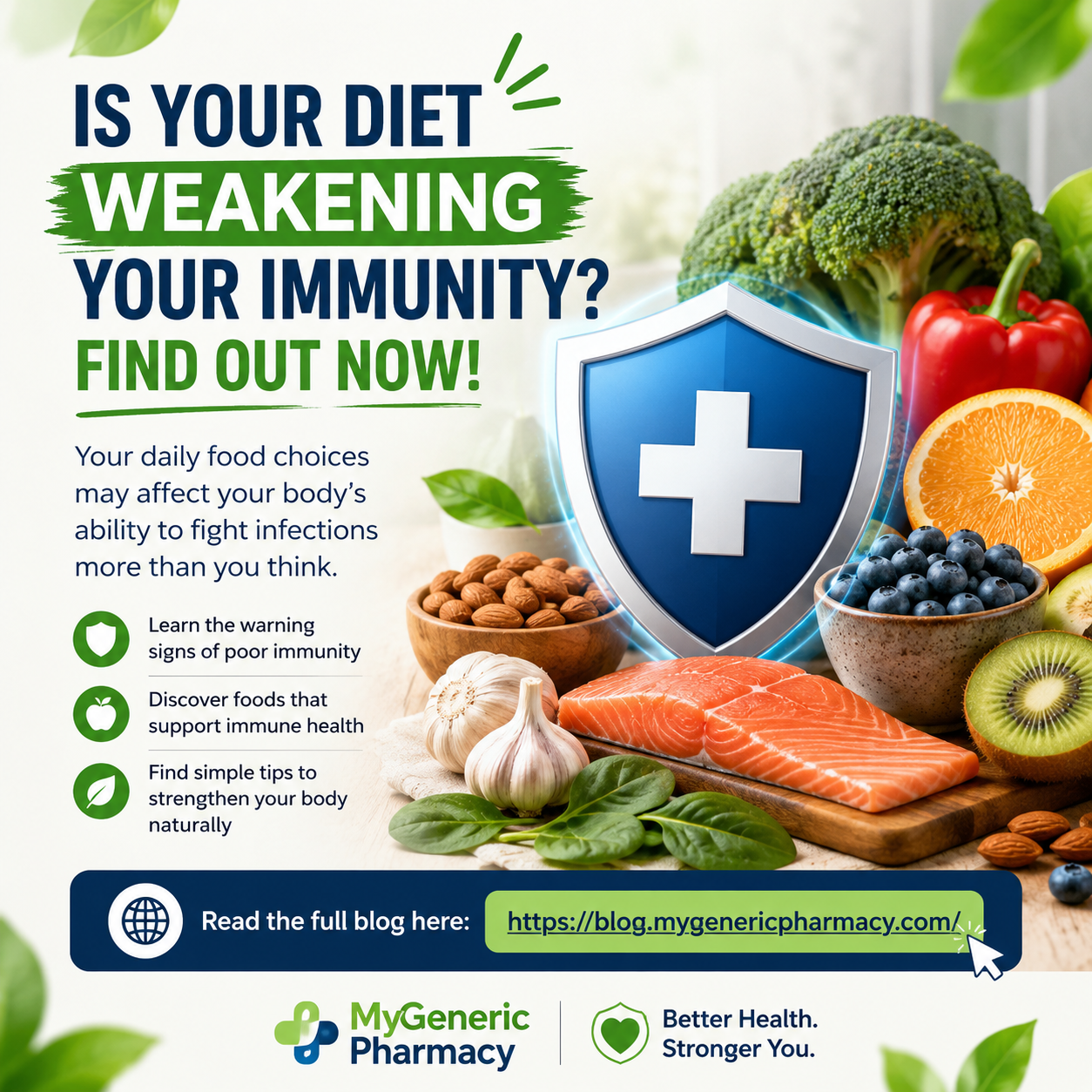
Your immune system helps protect your body from infections and diseases. However, many people do not know that daily food choices can affect immune health. In fact, a poor diet may weaken the body’s defense system and make it harder to fight viruses, bacteria, and other harmful germs. Therefore, it is important to understand the link between nutrition and immunity for better overall health.

Immune System

Although stress, poor sleep, and lack of exercise can affect immunity, diet is still one of the most important factors. Eating too many processed foods and not getting enough nutrients can raise the risk of illness over time. The good news is that small changes in your diet can help improve your immune system naturally.


Signs Your Diet May Be Weakening Your Immunity

A poor diet can slowly affect your immune system. As a result, your body may show warning signs.

For example, you may get sick more often than usual. In addition, you may feel tired even after resting.

Furthermore, cuts and wounds may heal slowly. You may also face frequent digestive problems.


Frequent Illness

If you often get colds, coughs, or infections, your immune system may be weak. A poor diet can reduce your body’s ability to fight germs.

Constant Fatigue

Low levels of iron, vitamin B12, and protein can cause tiredness. As a result, you may feel weak and low on energy throughout the day.

Slow Wound Healing

The body needs vitamins and protein to heal wounds. When nutrition is poor, cuts and injuries may take longer to heal. The risk of infection can also increase.

Digestive Problems

A large part of immunity is linked to gut health. Poor eating habits can harm good gut bacteria. This can weaken the immune system.

Skin Problems

Dry skin, acne, and inflammation can sometimes be signs of poor nutrition. These issues may also make the body more likely to get infections.


Foods That May Weaken Immunity

Certain foods may negatively affect immune health when consumed regularly. For example, processed foods, sugary drinks, and unhealthy fats may weaken the body’s natural defense system over time.

Processed Foods

Packaged snacks, fast food, and frozen meals often contain unhealthy fats, sugar, and excess salt. As a result, these foods may increase inflammation and reduce immune strength.

Sugary Foods and Drinks

Too much sugar may weaken the activity of white blood cells, which help fight infections. Consequently, the immune system may become less effective over time.

Excess Alcohol

Heavy alcohol consumption may damage gut health and reduce the body’s ability to defend itself against illness. Furthermore, it may weaken the immune system over time.

Fried Foods

Fried foods often contain unhealthy oils and trans fats that may contribute to inflammation and poor overall health. As a result, regular consumption may weaken the immune system and increase the risk of illness.


Nutrients That Help Strengthen Immunity

A healthy diet rich in nutrients can support a stronger immune system naturally. In addition, nutritious foods may help the body fight infections more effectively and maintain overall health.

Vitamin C

Vitamin C helps support immune cell function and may reduce the duration of some illnesses. For example, citrus fruits, strawberries, bell peppers, and broccoli are excellent sources of this important nutrient.

Vitamin D

Vitamin D plays a major role in immune regulation. In addition, sunlight, eggs, and fatty fish may help maintain healthy vitamin D levels naturally.

Zinc

Zinc supports wound healing and immune cell production. Furthermore, foods like nuts, seeds, beans, and seafood contain healthy amounts of zinc.

Protein

Proteins help the body build and repair tissues. In addition, lean meat, fish, eggs, dairy products, and legumes are good sources of healthy protein.

Probiotics

Healthy gut bacteria support the immune system. Therefore, yogurt, kefir, and fermented foods may improve gut health naturally.


Best Foods for a Strong Immune System

Adding healthy foods to your daily meals may improve immunity over time.

In fact, some foods are especially helpful for immune support. These include citrus fruits, garlic, ginger, yogurt, spinach, almonds, green tea, turmeric, salmon, and berries.

Moreover, these foods contain antioxidants, vitamins, and minerals. As a result, they help the body stay healthy and fight infections. In addition, they support overall body function and improve natural defense over time.


Healthy Habits That Support Immunity

Although diet is important, other healthy habits also support the immune system.


Stay Hydrated

Drinking enough water helps the body remove toxins. It also keeps body functions healthy.


Get Enough Sleep

Sleep allows the body to repair itself. It also helps strengthen immune defenses.


Exercise Regularly

Moderate exercise can improve blood flow. It also helps immune cells work better.


Reduce Stress

Long-term stress can weaken the immune system. Therefore, relaxation methods like meditation and deep breathing can help.


Conclusion

Your diet has a powerful impact on your immune system. In fact, it plays a key role in how well your body fights illness. Although unhealthy eating habits may weaken the body’s natural defenses, nutritious foods can strengthen immunity. They can also improve overall health.

Furthermore, healthy habits also play an important role. These include regular exercise, proper hydration, stress management, and good sleep. Together, they provide extra protection for your immune system.


References

  1. World Health Organization (WHO) – Healthy Diet
  2. Harvard T.H. Chan School of Public Health – Nutrition and Immunity
  3. National Institutes of Health (NIH) – Immune System and Nutrition
  4. Mayo Clinic – Nutrition and Healthy Eating
  5. Johns Hopkins Medicine – Foods That Boost Immunity
How to Detect and Treat Gangrene Before It’s Too Late

How to Detect and Treat Gangrene Before It’s Too Late

Gangrene is a serious medical condition that happens when body tissue dies due to a lack of blood supply or a severe infection. It can affect the skin, muscles, and even internal organs. Although it’s is dangerous, early detection and quick treatment can help prevent severe complications. Therefore, understanding the warning signs and available treatment options is extremely important.

In many cases, gangrene develops in the feet, toes, fingers, or legs. In particular, people with diabetes, poor blood circulation, or weakened immune systems are at a higher risk. However, anyone can develop this condition after an injury, burn, or infection. Therefore, immediate medical care is necessary because gangrene can spread quickly.

What Is Gangrene?

it’s occurs when body tissue dies because it does not receive enough oxygen-rich blood. In some cases, bacterial infections may also cause severe tissue damage. As a result, the affected area may change color, become swollen, and produce a foul smell as the condition worsens.

Gangrene

There are several types of gangrene, including:

  • Dry gangrene
  • Wet gangrene
  • Gas gangrene
  • Internal gangrene
  • Fournier’s gangrene

Although each type may have different symptoms and causes, all forms require urgent medical attention.

Common Causes of Gangrene

Several health problems and injuries may increase the risk of it. For example, some common causes include:

Poor Blood Circulation

Conditions like diabetes, peripheral artery disease, and blood clots can reduce blood flow to tissues. Consequently, the affected body parts may not receive enough oxygen and nutrients.

Severe Infection

Bacterial infections can spread rapidly through damaged tissue. Therefore, if left untreated, the infection may destroy healthy tissue and lead to complications.

Serious Injuries

Deep cuts, burns, crush injuries, or frostbite may damage blood vessels and tissues. As a result, the body may struggle to heal properly.

Weak Immune System

Individuals with weakened immune systems may struggle to fight infections. As a result, they may face a higher risk of infection after even minor injuries.

Early Warning Signs of Gangrene

Detecting gangrene early can save tissue and even save lives. Therefore, it is important to watch for symptoms carefully.

Skin Color Changes

The affected area may turn pale, blue, purple, brown, or black. This happens because the tissue is no longer receiving enough blood supply.

Severe Pain or Numbness

At first, the area may feel painful or sensitive. However, numbness may occur as the tissue begins to die.

Swelling and Blisters

Swelling, blisters, and sores may appear on the skin. Additionally, fluid or pus may leak from the affected area in some cases.

Bad Smell

Wet gangrene often causes a strong foul odor because of infection and tissue decay.

Fever and Weakness

If the infection spreads, symptoms like fever, chills, rapid heartbeat, and weakness may develop. As a result, this may indicate a life-threatening emergency.

Types of Gangrene and Their Symptoms

Dry Gangrene

it’s usually develops slowly due to poor blood circulation. As a result, the skin may appear dry, shriveled, and dark in color. It is more common in people with diabetes and artery disease.

Wet Gangrene

Wet it occurs when a bacterial infection affects damaged tissue. As a result, the area may become swollen, painful, and filled with pus. Because it spreads quickly, it is considered a medical emergency.

Gas Gangrene

Gas gangrene is caused by bacteria that produce gas inside tissues. Symptoms may include severe pain, swelling, fever, and crackling sounds under the skin. Immediate treatment is essential because this condition can become fatal within hours.

Internal Gangrene

it’s affects organs inside the body, such as the intestines or gallbladder. Severe abdominal pain and fever are common symptoms.

How Doctors Diagnose Gangrene

Doctors usually diagnose it through a physical examination and medical tests. Early diagnosis helps prevent complications and tissue loss.

Common tests may include:

  • Blood tests
  • Imaging scans like X-rays, CT scans, or MRI
  • Tissue or fluid samples
  • Blood circulation tests

These tests help doctors identify the type of gangrene and the severity of infection.

Treatment Options for Gangrene

it’s treatment depends on the type and stage of the condition. However, immediate treatment is always necessary.

Antibiotics

Doctors may prescribe strong antibiotics to fight bacterial infections. In severe cases, antibiotics may be given through an intravenous (IV) line.

Surgery

Surgery is often needed to remove dead tissue. This helps stop the infection from spreading to healthy areas.

Hyperbaric Oxygen Therapy

This treatment involves breathing pure oxygen inside a special chamber. Increased oxygen levels may help damaged tissue heal and slow bacterial growth.

Restoring Blood Flow

Doctors may perform procedures to improve blood circulation. For example, bypass surgery or angioplasty may help restore blood flow to affected tissues.

Amputation

In severe cases, doctors may need to remove a finger, toe, or limb to save the person’s life. Although this can be emotionally difficult, it may prevent the infection from spreading further.

How to Prevent Gangrene

Prevention is always better than treatment. Fortunately, several healthy habits may lower the risk of infections.

Manage Diabetes Carefully

Keeping blood sugar levels under control can help protect blood vessels and reduce the risk of infection.

Check Feet and Skin Regularly

People with diabetes should inspect their feet daily for cuts, blisters, redness, or swelling.

Treat Wounds Quickly

Even small cuts or burns should be cleaned and treated properly to prevent infection.

Avoid Smoking

Smoking damages blood vessels and reduces blood circulation. Therefore, quitting smoking can greatly improve overall health.

Maintain Healthy Circulation

Regular exercise, a healthy diet, and proper hydration may support good blood flow throughout the body.

Gangrene can become life-threatening if treatment is delayed. Therefore, seek medical attention immediately if you notice:

  • Black or discolored skin
  • Severe pain or numbness
  • Swelling with foul-smelling discharge
  • Fever with skin infection
  • Rapidly spreading skin damage

Quick medical care may help save tissue, limbs, and lives.

Conclusion

it’s is a serious condition that should never be ignored. Although it can develop quickly, early detection and fast treatment may prevent severe complications. Recognizing symptoms like skin discoloration, pain, swelling, and foul odor is extremely important. Furthermore, managing diabetes, improving blood circulation, and treating wounds properly can help reduce the risk. Most importantly, seeking immediate medical attention at the first warning signs can make a major difference in recovery and survival.

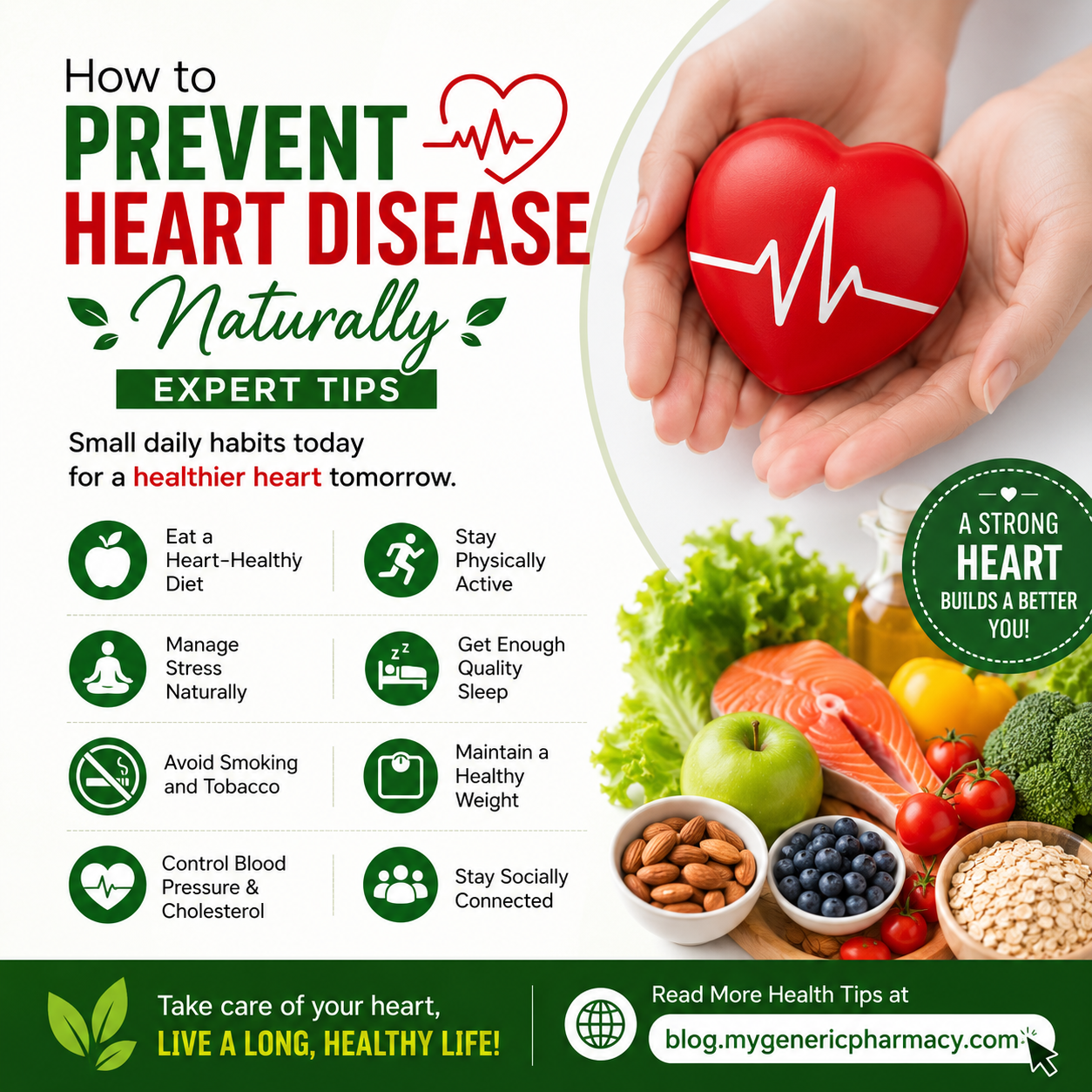
How to Prevent Heart Disease Naturally: Expert Tips

How to Prevent Heart Disease Naturally: Expert Tips

Heart disease is one of the leading causes of death worldwide. However, the good news is that many heart problems can be prevented naturally through healthy daily habits. For example, your heart works hard every second to pump blood and oxygen throughout your body. Therefore, taking care of it should be a top priority. In addition, healthy lifestyle choices may improve overall wellness and reduce the risk of serious heart conditions.

Fortunately, small lifestyle changes can make a big difference. For example, eating healthy foods, staying active, managing stress, and getting enough sleep may lower your risk of heart disease. In addition, these healthy habits can improve your overall well-being and energy levels. Therefore, making smart daily choices is very important for long-term heart health. In this blog, you will learn simple and expert-backed ways to protect your heart naturally.


What Is Heart Disease?

Heart disease refers to several conditions that affect the heart and blood vessels. These conditions may include:

  • Coronary artery disease
  • Heart attack
  • High blood pressure
  • Heart failure
  • Irregular heartbeat

Heart Disease

In many cases, heart disease develops slowly over time. For example, poor eating habits, smoking, stress, lack of exercise, and obesity can increase the risk. In addition, unhealthy daily routines may damage the heart and blood vessels over time. Therefore, prevention is very important. Moreover, making healthy lifestyle changes early may help reduce the risk of serious heart problems in the future.


Why Natural Prevention Matters

Many people depend only on medicines after heart problems begin. However, prevention is often more effective than treatment. For example, natural methods may help improve blood circulation, control blood pressure, lower cholesterol levels, and support overall heart health. Furthermore, healthy lifestyle choices may reduce the risk of serious heart conditions over time.

In addition, healthy habits can improve energy levels, sleep quality, and mental well-being. As a result, you not only protect your heart but also improve your overall quality of life. Moreover, following a healthy routine every day may help you feel more active and healthier in the long run.


Why Natural Prevention Matters for Heart Disease

1. Eat a Heart-Healthy Diet to Prevent Heart Disease

Food plays a major role in heart health. Therefore, choosing healthy meals every day is one of the best ways to prevent heart disease naturally. For example, eating fresh fruits, vegetables, whole grains, and healthy fats may support better heart function. In addition, a balanced diet can help control cholesterol, blood pressure, and body weight. As a result, your overall heart health may improve over time.

Experts recommend eating:

  • Fresh fruits and vegetables
  • Whole grains
  • Nuts and seeds
  • Lean protein, like fish and beans
  • Healthy fats such as olive oil and avocado

At the same time, try to limit:

  • Fried foods
  • Processed snacks
  • Sugary drinks
  • Excess salt
  • Red and processed meat

Foods rich in fiber and omega-3 fatty acids may help lower bad cholesterol and reduce inflammation. For example, fish, nuts, and seeds can support better heart health. In addition, drinking enough water helps the body function properly. Furthermore, healthy foods may improve energy levels and support weight control. As a result, following a balanced diet every day may lower the risk of heart disease naturally.


2. Stay Physically Active for Better Heart Health

Regular exercise keeps the heart strong and healthy. It helps improve blood flow, control weight, and lower blood pressure. As a result, the heart can work better every day.

Experts suggest at least 30 minutes of exercise on most days of the week. For example, good activities include:

  • Walking
  • Cycling
  • Swimming
  • Jogging
  • Dancing
  • Yoga

Even simple activities like using stairs or walking after meals can help. In addition, regular movement may improve energy levels and support better sleep. Furthermore, exercise can help reduce stress and improve overall health. Therefore, staying active every day is important for long-term heart health.


3. Maintain a Healthy Weight to Reduce Heart Disease

Being overweight can raise the risk of high blood pressure, diabetes, and heart disease. Extra body fat makes the heart work harder. As a result, the body may become less healthy over time.

However, losing even a little weight may help improve heart health. For example, eating healthy foods and exercising often can help you stay fit naturally. In addition, regular movement may improve energy and support overall health.

It is also important to avoid crash diets because they may harm the body. Instead, try to lose weight slowly and safely. Furthermore, small healthy changes are often easier to follow every day. Therefore, good daily habits can help protect your heart and improve overall wellness.


4. Avoid Smoking to Protect Heart Health

Smoking damages blood vessels and lowers oxygen levels in the blood. It also raises the risk of heart attack and stroke. As a result, the heart and lungs may become weaker over time.

Even secondhand smoke can be harmful. Therefore, quitting smoking is one of the best ways to prevent heart disease. In addition, staying away from tobacco may improve breathing and support better overall health.

The body starts to heal soon after quitting smoking. For example, blood flow may improve, and the heart may work better over time. Furthermore, many people feel more active after they stop smoking. Therefore, quitting smoking can greatly help protect the heart and improve long-term health.


5. Manage Stress Naturally to Prevent Heart Disease

Long-term stress can affect both mental and physical health. It may raise blood pressure and increase the risk of heart problems. As a result, the body and mind may feel tired over time.

Fortunately, there are many simple ways to reduce stress, such as:

  • Deep breathing exercises
  • Meditation
  • Spending time in nature
  • Listening to music
  • Reading
  • Talking with loved ones

In addition, hobbies and relaxing activities can help calm the mind and support emotional health. For example, walking, gardening, or yoga may help people feel more relaxed. Furthermore, lowering stress may improve sleep and support better heart health. Therefore, managing stress naturally is very important for overall wellness.


6. Get Enough Sleep

Sleep is very important for a healthy heart. Poor sleep may raise blood pressure, stress hormones, and inflammation. As a result, the body may feel tired and less healthy over time.

Most adults need about 7 to 9 hours of sleep each night. To improve sleep quality:

  • Avoid screens before bedtime
  • Keep a regular sleep schedule
  • Reduce caffeine at night

Good sleep helps the body repair itself and supports healthy heart function. In addition, proper sleep may improve mood, energy, and overall wellness. Furthermore, sleeping well may help reduce stress and support better heart health.


7. Limit Alcohol Consumption

Drinking too much alcohol can raise blood pressure and damage the heart over time. As a result, the risk of heart problems may increase.

If you drink alcohol, try to do so in moderation. In many cases, lowering alcohol intake may improve heart health and reduce health risks. In addition, drinking less alcohol may help improve sleep and energy levels.

For example, fresh juices, milk, and herbal drinks can be better choices for the body. Furthermore, healthy drink habits may help support better heart health. Therefore, limiting alcohol can help protect the heart and improve overall health.


8. Stay Socially Connected

Strong social connections can positively affect heart health. People who spend time with family and friends often experience lower stress levels and better emotional health.

Simple activities like talking with loved ones, joining community groups, or spending time outdoors with friends may help improve mental and heart health.


Warning Signs You Should Not Ignore

Although prevention is important, it is also necessary to know the warning signs of heart disease. Common signs may include:

  • Chest pain
  • Shortness of breath
  • Fatigue
  • Dizziness
  • Swelling in the legs
  • Irregular heartbeat

These symptoms should not be ignored. For example, chest pain or trouble breathing may be signs of a serious heart problem. In addition, feeling very tired or dizzy may also need medical attention.

Furthermore, early treatment may help prevent serious health problems. Therefore, regular checkups and quick medical care are very important for heart health.


Final Thoughts

Heart disease can often be prevented through natural and healthy lifestyle choices. Eating nutritious foods, exercising regularly, sleeping well, and reducing stress may greatly improve heart health.

In addition, avoiding smoking and maintaining a healthy weight can lower the risk of serious heart problems. Most importantly, small daily habits can lead to long-term benefits. Therefore, start making heart-friendly choices today to protect your health for the future.


References:

https://www.cdc.gov/heart-disease/prevention/index.html
https://www.nhs.uk/conditions/coronary-heart-disease/prevention/

Medications that have been suggested by doctors worldwide are available on the link below
https://mygenericpharmacy.com/category/disease/heart-disease