Fast Arrhythmias and Heart Safety: What You Need to Know
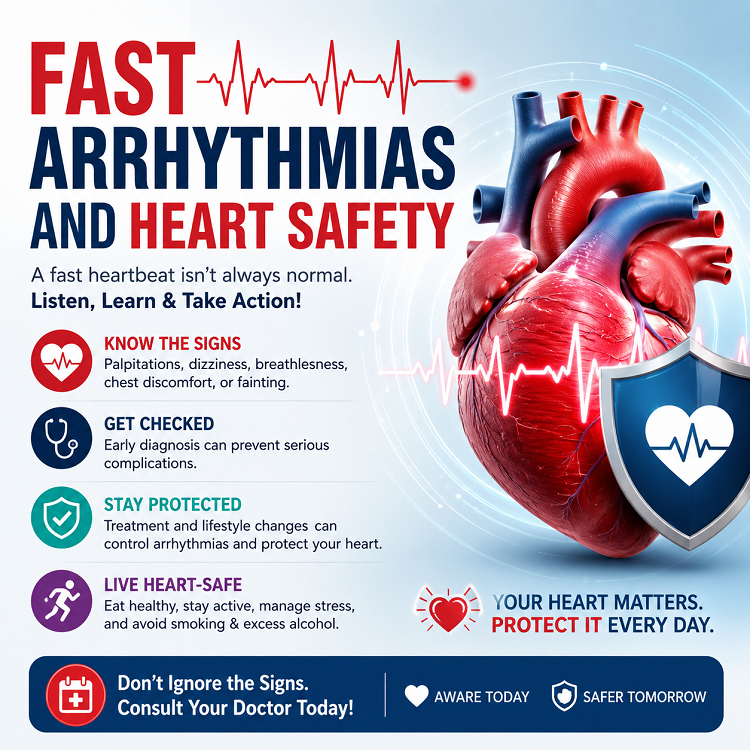
Fast arrhythmias are abnormal heart rhythms. They make the heart beat too fast. Sometimes, these episodes are harmless. However, in other cases, they can cause serious health problems. These may include fainting, stroke, heart failure, or sudden cardiac arrest.
In addition, untreated fast arrhythmias may get worse over time. They can also affect how well the heart works. Therefore, it is important to understand their symptoms, causes, risks, and treatment options.
Furthermore, early diagnosis can help reduce complications. Proper treatment may also improve heart health and quality of life.
What Are Fast Arrhythmias?
Fast arrhythmias, also known as tachyarrhythmias, occur when the heart beats faster than normal. This happens due to abnormal electrical signals in the heart. In other words, the heart’s natural rhythm is disrupted. As a result, it may beat too quickly to pump blood efficiently throughout the body.
Consequently, the heart may not supply enough blood to the organs. In most adults, a resting heart rate above 100 beats per minute is considered too fast.
Normally, the heart’s electrical system controls a steady and coordinated heartbeat. However, when the electrical signals become abnormal, the heart may beat irregularly or too fast. As a result, the heart may not pump blood effectively throughout the body.
Common Types of Fast Arrhythmias
Several types of fast arrhythmias can affect heart rhythm and overall health. In particular, these conditions vary in severity. Therefore, they can affect the heart in different ways, depending on where the abnormal rhythm starts and how fast it is.
Atrial Fibrillation (AFib)
Atrial fibrillation is one of the most common fast arrhythmias. In this condition, the upper chambers of the heart beat fast and irregularly. As a result, blood flow becomes less efficient. This can increase the risk of blood clots and stroke.
Supraventricular Tachycardia (SVT)
SVT is a rapid heartbeat that begins above the lower chambers of the heart. In addition, episodes often start suddenly. They may cause dizziness, chest discomfort, or palpitations.
Ventricular Tachycardia (VT)
Ventricular tachycardia begins in the lower chambers of the heart. It may prevent the heart from pumping enough blood to the body. As a result, it requires prompt medical attention to avoid serious complications.
Ventricular Fibrillation (VFib)
VFib is a medical emergency. In this condition, the heart’s lower chambers quiver instead of pumping normally. Therefore, VFib is one of the most dangerous types of arrhythmia.
Symptoms of Fast Arrhythmias
Symptoms can vary depending on the type and severity of the arrhythmia. For example, some people may notice mild discomfort. However, others may experience severe symptoms that affect daily life.
Common symptoms include:
- Rapid or pounding heartbeat
- Fluttering sensation in the chest
- Chest pain or pressure
- Shortness of breath
- Anxiety or sweating
In some cases, fast arrhythmias may occur without noticeable symptoms. Therefore, regular health checkups are important, especially for individuals with heart disease or high blood pressure. In fact, early detection can improve treatment outcomes and reduce the risk of complications.
Causes and Risk Factors of Fast Arrhythmias
Many factors may contribute to the development of fast arrhythmias. However, in some people, the exact cause may not be known, making diagnosis more complex in certain cases.
Common causes and risk factors include:
- High blood pressure
- Heart valve disorders
- Previous heart attack
- Heart failure
- Diabetes
- Smoking
- Stress and anxiety
- Sleep apnea
In addition, aging may increase the risk of developing abnormal heart rhythms. Moreover, as the heart’s electrical system naturally weakens over time, older adults become more susceptible to fast arrhythmias.
Why Fast Arrhythmias Can Be Dangerous
Fast arrhythmias may reduce the heart’s ability to pump blood efficiently. As a result, important organs such as the brain and lungs may not receive enough oxygen-rich blood. Consequently, this can lead to symptoms such as dizziness and shortness of breath. In severe cases, it may even cause loss of consciousness.
Some fast arrhythmias can lead to serious complications, such as:
Stroke
Conditions like atrial fibrillation can cause blood clots to form in the heart. If this happens, and a clot travels to the brain, it may block blood flow and cause a stroke. As a result, timely diagnosis and treatment are crucial to reduce this risk.
Heart Failure
A constantly rapid heartbeat may weaken the heart muscle over time. Consequently, the heart may struggle to pump blood properly.
Sudden Cardiac Arrest
Therefore, immediate emergency treatment is required to save a life. In fact, even a few minutes of delay can be fatal.
How Fast Arrhythmias Are Diagnosed
Doctors may use several tests to diagnose fast arrhythmias and identify underlying heart problems. For instance, these tests help determine the type, severity, and possible cause of the abnormal heart rhythm. As a result, they guide appropriate treatment decisions. In addition, all of these help doctors evaluate heart rhythm patterns more accurately.
- Event recorder
- Stress test
- Blood tests
These tests help doctors understand heart rhythm patterns and choose appropriate treatment options. As a result, they can identify the type of arrhythmia. Consequently, they can recommend the most effective treatment plan for the patient.
Treatment Options for Fast Arrhythmias
Treatment depends on the type of arrhythmia, its symptoms, and the patient’s overall heart health. In addition, doctors also consider age, other medical conditions, and the risk of complications.
Medications
Doctors may prescribe medications to slow the heart rate or restore a normal rhythm.
Cardioversion
Therefore, it is commonly used for atrial fibrillation and other fast heart rhythms.
Catheter Ablation
It destroys small areas of heart tissue that cause abnormal electrical signals. As a result, it may help control recurring fast arrhythmias.
Implantable Devices
Some people may require devices such as pacemakers or implantable cardioverter-defibrillators (ICDs). These devices help monitor and correct dangerous heart rhythms.
Lifestyle Changes
- Eating a heart-healthy diet
- Quitting smoking
- Managing stress
When to Seek Emergency Medical Help
Immediate medical attention is necessary if fast arrhythmias cause severe symptoms such as:
- Chest pain
- Difficulty breathing
- Sudden fainting
- Severe dizziness
- Loss of consciousness
These symptoms may indicate a life-threatening heart rhythm problem.
Conclusion
Fast arrhythmias are abnormal, rapid heart rhythms. They may range from mild to life-threatening. Although some cases are manageable, others can increase the risk of stroke, heart failure, or sudden cardiac arrest. Therefore, it is important to recognize symptoms early and seek proper medical care. As a result, they can protect their long-term heart health.