Browsed by
Category: Dementia

Can Dementia Be Prevented? The Truth May Surprise You

Can Dementia Be Prevented? The Truth May Surprise You

Dementia is one of the most feared health conditions worldwide, affecting millions of people and their families. It’s often associated with memory loss, confusion, and loss of independence. But a question many people ask is: Can dementia actually be prevented? While dementia cannot always be completely prevented, research shows that up to 40% of cases may be delayed or avoided through lifestyle changes.


🧠 What Is Dementia?

Dementia is not a single disease but a group of conditions that affect memory, thinking, and social abilities. The most common type is Alzheimer’s disease. It typically develops gradually and worsens over time, impacting daily life and independence.

⚠️ Can Dementia Really Be Prevented?

There is no guaranteed way to prevent dementia, especially when genetics play a role. However, studies suggest that modifiable risk factors, things you can control, have a major impact on brain health. According to global health research, improving lifestyle habits can significantly reduce your risk.


🔑 10 Science-Backed Ways to Reduce Dementia Risk

1. Stay Physically Active

Regular exercise enhances blood flow to the brain and promotes neuronal growth. Activities such as walking, yoga, or cycling for 30 minutes daily can make a significant difference.

2. Eat a Brain-Healthy Diet

A diet rich in fruits, vegetables, whole grains, nuts, and healthy fats (like the Mediterranean diet) supports cognitive function. Avoid excessive processed foods and sugar.

3. Keep Your Mind Engaged

Mental stimulation strengthens brain connections. Reading, puzzles, learning new skills, or even playing games can help delay cognitive decline.

4. Control Blood Pressure

High blood pressure in midlife is strongly linked to dementia risk. Regular check-ups and lifestyle changes can help manage it.

5. Manage Diabetes

Uncontrolled blood sugar levels can damage blood vessels in the brain, increasing dementia risk.

6. Get Quality Sleep

Poor sleep is linked to memory problems. Aim for 7–8 hours of restful sleep each night.

7. Stay Socially Connected

Isolation and loneliness can increase the risk of dementia. Regular interaction with friends and family keeps your brain active and emotionally healthy.

8. Avoid Smoking and Limit Alcohol

Smoking damages blood vessels, while excessive alcohol intake can harm brain cells.

9. Protect Your Head

Head injuries can increase the risk of dementia later in life. Wear helmets when needed and take precautions to prevent falls.

10. Treat Hearing Loss

Untreated hearing loss is a major but often overlooked risk factor. Using hearing aids when necessary can help maintain brain function.


🧬 The Role of Genetics

Genetics can influence your risk, especially in early-onset dementia. However, lifestyle choices still play a powerful role, even if you have a family history. Think of it this way: genes load the gun, but lifestyle pulls the trigger.


🧪 Early Detection Matters

Even if prevention isn’t always possible, early detection can slow progression. Watch for warning signs like:

  • Frequent memory loss
  • Difficulty completing familiar tasks
  • Confusion about time or place
  • Changes in mood or personality

Consulting a doctor early can improve management and quality of life.


💡 The Truth That Surprises Most People

The biggest misconception is that dementia is a normal part of aging—it’s not. While age is the strongest risk factor, your daily habits have a powerful influence on brain health. Small, consistent changes—like walking daily, eating better, and staying mentally active—can significantly reduce your risk.


✅ Conclusion

So, can dementia be prevented? Not entirely—but it can often be delayed or its risk reduced. The key lies in adopting a healthy lifestyle early and maintaining it over time. Your brain health is in your hands more than you might think. The choices you make today could shape your cognitive future tomorrow.


📚 References

  1. World Health Organization (WHO) – Risk Reduction of Cognitive Decline and Dementia
  2. Alzheimer’s Association – 10 Ways to Love Your Brain
  3. National Institute on Aging – Preventing Alzheimer’s Disease: What Do We Know?
  4. Harvard Medical School – Six Steps to Prevent Memory Loss

Medications that have been suggested by doctors worldwide are available on the link below
https://mygenericpharmacy.com/category/disease/alzheimer-disease
Alzheimer’s Uncovered: What Triggers It and How to Stay Protected

Alzheimer’s Uncovered: What Triggers It and How to Stay Protected

Alzheimer’s disease is one of the most common causes of memory loss worldwide. It mainly affects older adults, but early signs can begin years before diagnosis. In 2026, awareness about Alzheimer’s is growing, and understanding its triggers and prevention strategies is more important than ever. This guide explains what causes Alzheimer’s, its early warning signs, and how you can protect your brain health.


What Is Alzheimer’s Disease?

Alzheimer’s disease is a progressive brain disorder that slowly destroys memory, thinking skills, and the ability to carry out simple tasks. It is the most common form of dementia. The disease develops due to abnormal protein deposits in the brain, which damage brain cells over time. As a result, communication between neurons breaks down, leading to cognitive decline.


What Triggers Alzheimer’s Disease?

There is no single cause of Alzheimer’s. Instead, it develops due to a combination of factors.

1. Age and Genetics

Age is the biggest risk factor. People over 65 are more likely to develop Alzheimer’s. Genetics also play a role, especially if there is a family history of the disease.

2. Brain Changes

The buildup of amyloid plaques and tau tangles disrupts normal brain function. These changes begin years before symptoms appear.

3. Lifestyle Factors

Unhealthy habits can increase the risk:

  • Poor diet
  • Lack of physical activity
  • Smoking
  • Excessive alcohol consumption

4. Chronic Health Conditions

Conditions like high blood pressure, diabetes, and obesity can contribute to brain damage over time.


Early Warning Signs You Should Not Ignore

Recognizing symptoms early can help slow progression and improve quality of life.

  • Frequent memory loss
  • Difficulty completing familiar tasks
  • Confusion about time or place
  • Trouble finding the right words
  • Poor judgment or decision-making

If these signs appear regularly, it is important to consult a healthcare professional.


How Alzheimer’s Affects the Brain

Alzheimer’s gradually shrinks brain tissue and reduces connections between neurons. Areas responsible for memory, language, and reasoning are most affected. Over time, individuals may lose the ability to recognize loved ones or perform daily activities. Therefore, early awareness is key to managing the condition.


How to Stay Protected from Alzheimer’s

While there is no guaranteed cure, certain habits can significantly reduce your risk.

1. Keep Your Brain Active

Engage in activities like reading, puzzles, or learning new skills. Mental stimulation helps strengthen neural connections.

2. Follow a Healthy Diet

A balanced diet rich in fruits, vegetables, whole grains, and healthy fats supports brain health.

3. Exercise Regularly

Physical activity improves blood flow to the brain and reduces the risk of cognitive decline.

4. Manage Stress and Sleep

Chronic stress and poor sleep can negatively impact brain function. Aim for 7–8 hours of quality sleep daily.

5. Control Chronic Conditions

Keep blood pressure, sugar levels, and cholesterol under control through regular checkups and medication if needed.


Who Is at Higher Risk?

Certain groups are more vulnerable to Alzheimer’s:

  • Older adults (65+)
  • Individuals with a family history
  • People with heart disease or diabetes
  • Those with unhealthy lifestyle habits

Understanding your risk can help you take preventive steps early.


Can Alzheimer’s Be Prevented?

There is no guaranteed way to prevent Alzheimer’s, but research shows that a healthy lifestyle can delay its onset. Early detection, combined with proper care, can also improve quality of life. Scientists are continuously working on new treatments and therapies, offering hope for the future.


Conclusion: Protect Your Brain for the Future

Alzheimer’s disease is a serious condition, but knowledge is your first line of defense. By understanding what triggers it and adopting healthy habits, you can reduce your risk and protect your brain. In 2026, the message is clear—stay active, eat well, manage your health, and never ignore early warning signs. Your brain health matters.


References: https://www.cdc.gov/alzheimers-dementia/prevention/index.html


Overthinking? Try This Simple Trick to Calm Your Mind

Overthinking? Try This Simple Trick to Calm Your Mind

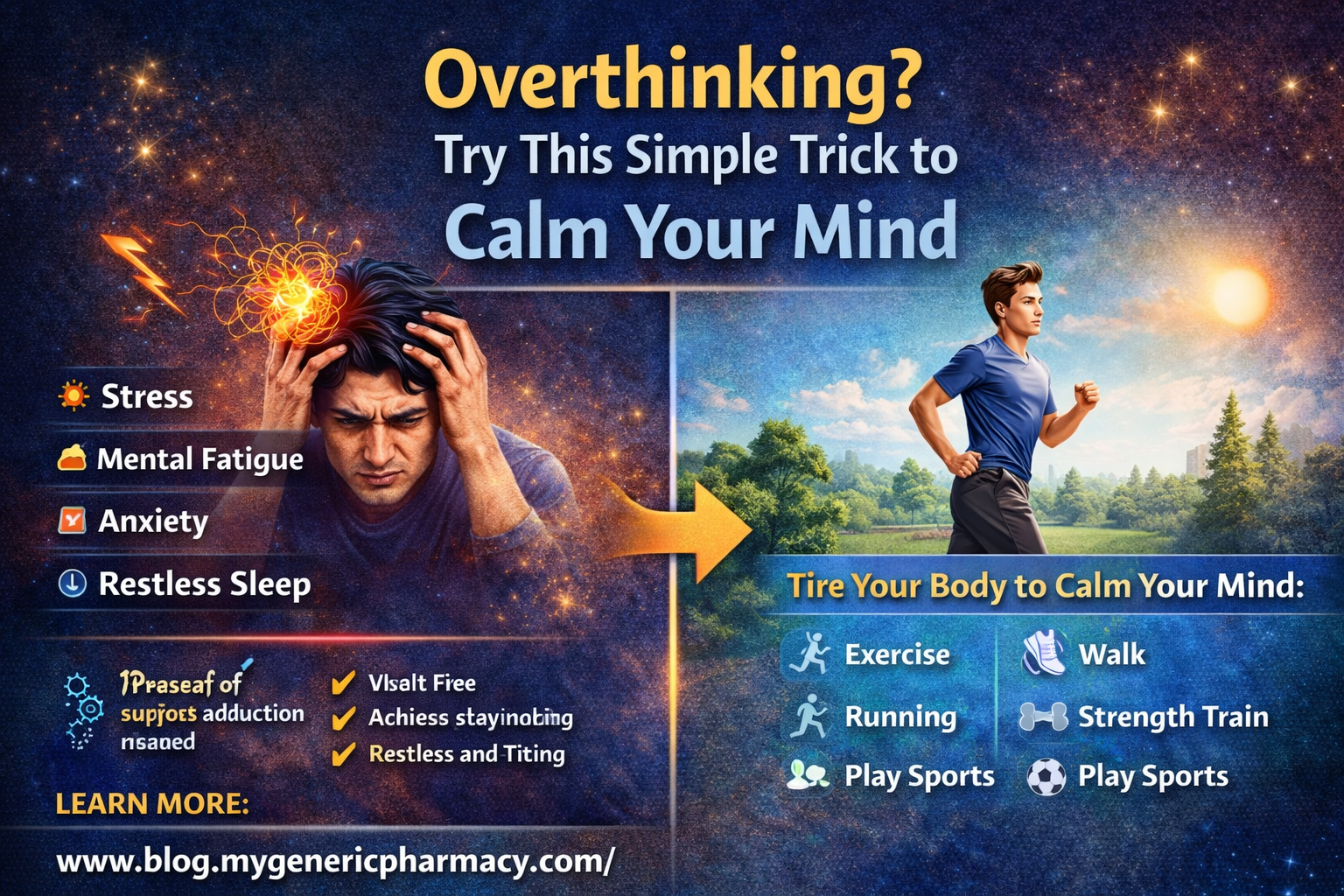
Overthinking can feel like a never-ending loop—your mind keeps racing, replaying situations, and imagining worst-case scenarios. It drains your energy, affects your sleep, and increases stress.

But what if the solution is simpler than you think?
One of the most effective ways to calm your mind is to engage your body.


What Is Overthinking?

Overthinking is the habit of dwelling excessively on thoughts, problems, or decisions. It often involves:

  • Replaying past events
  • Worrying about the future
  • Analyzing situations repeatedly

Over time, this mental pattern can contribute to anxiety and emotional exhaustion.


Why Physical Activity Calms the Mind

Your mind and body are deeply connected. When your body is active, your brain chemistry changes in powerful ways.

Here’s what happens:

  • Physical activity releases endorphins (feel-good hormones)
  • It reduces stress hormones like cortisol
  • It improves blood flow to the brain
  • It shifts focus away from repetitive thoughts

This is why, after a workout, you often feel calmer, clearer, and more relaxed.

Best Physical Activities to Stop Overthinking

You don’t need intense workouts—simple movements can make a big difference.

1. Walking

A 20–30 minute walk can instantly reduce mental clutter and improve mood.

2. Running or Jogging

Helps release built-up tension and clears your thoughts.

3. Strength Training

Focuses your mind on physical effort, breaking the cycle of overthinking.

4. Yoga

Combines movement with breathing for deep mental relaxation.

5. Dancing or Sports

Fun activities that shift your focus and boost dopamine levels.


The Science Behind It

Research shows that exercise can significantly reduce symptoms of stress and anxiety. According to the American Psychological Association, regular physical activity helps the body handle stress more effectively. Additionally, the Harvard Medical School highlights that exercise improves mood and cognitive function by boosting brain chemicals like endorphins and serotonin.


Quick Routine to Calm Your Mind

Try this simple routine when you feel overwhelmed:

  1. Step outside or find an open space
  2. Walk briskly for 10–15 minutes
  3. Focus on your breathing and surroundings
  4. Gradually increase the pace if possible

Within minutes, you’ll notice your thoughts slowing down.


Additional Tips to Reduce Overthinking

Along with physical activity, these habits can help:

  • Practice deep breathing
  • Limit screen time
  • Write down your thoughts
  • Get enough sleep
  • Avoid excessive caffeine

Consistency is key—small daily actions lead to big changes.


🧠 Overthinking Trick to Calm Your Mind: Why You Overthink

If overthinking starts affecting your daily life, sleep, or relationships, consider seeking professional help. Chronic overthinking may be linked to conditions like Anxiety disorder or depression.


⚠️ Overthinking Trick to Calm Your Mind: Signs You Shouldn’t Ignore

Overthinking doesn’t have to control your life.
Sometimes, the best way to quiet your mind is not to fight your thoughts—but to move your body. A tired body often leads to a peaceful mind. So next time your thoughts feel overwhelming, take a step—literally.


🔍 SEO Meta Title:

Overthinking? How Exercise Helps Calm Your Mind Naturally

📝 Meta Description:

Struggling with overthinking? Discover how simple physical activities can calm your mind, reduce stress, and improve mental clarity naturally.


References:

https://www.healthline.com/health/how-to-stop-overthinking
https://www.thenewhealthorder.com/how-to-stop-overthinking/
https://www.scienceofpeople.com/stop-overthinking/

Medications that have been suggested by doctors worldwide are available on the link below
https://mygenericpharmacy.com/category/disease/mental-health

New Study Debunks Myth: Calcium Supplements Don’t Raise Dementia Risk

New Study Debunks Myth: Calcium Supplements Don’t Raise Dementia Risk

Calcium Supplements Not Linked to Dementia Risk

New research shows calcium supplements are not linked to dementia risk in older women. Learn how they support bone health safely and effectively.

For millions of older women, calcium supplements are a non-negotiable part of their daily routine—a first line of defense against osteoporosis and debilitating fractures. But in recent years, a worrying question has lingered in the minds of patients and clinicians alike: Could this habit be harming my brain?

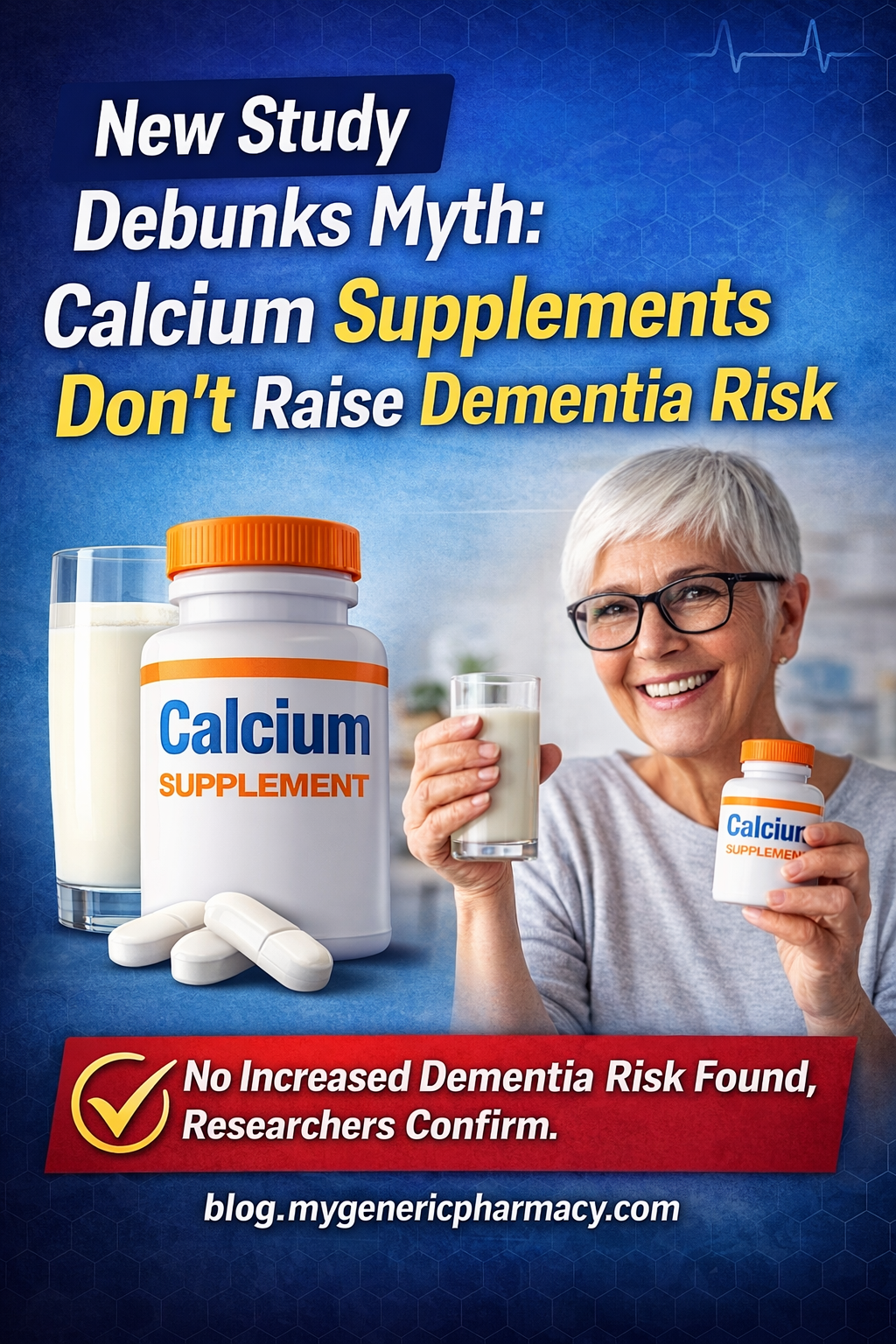
Earlier observational studies had suggested a potential link between calcium supplementation and an increased risk of dementia, causing confusion and concern. However, a landmark new study published in October 2025 in The Lancet Regional Health – Western Pacific provides the most definitive answer to date: Calcium supplements do not increase the long-term risk of dementia.

Here is what you need to know about this reassuring study and what it means for your bone—and brain—health.

The Origin of the Concern

To understand why this new study is so important, we have to look back at why the concern existed in the first place.

The worry stemmed largely from observational research, including a 2016 Swedish study that suggested older women with cerebrovascular disease who took calcium supplements had a slightly higher risk of dementia. The theoretical mechanism was plausible: some scientists hypothesized that a sudden influx of calcium could lead to “calcium overload” in cells or promote deposits in the brain’s vasculature.

However, these earlier studies were “observational.” They could show a link, but they couldn’t prove cause and effect. They were often plagued by confounding factors—meaning the women taking supplements might have had different health profiles than those who didn’t, which skewed the results.

Inside the 2025 Study: A Gold-Standard Investigation

A team of researchers from Edith Cowan University (ECU), Curtin University, and the University of Western Australia set out to get a clear answer by looking at data that is far more reliable than standard observation: a randomized controlled trial (RCT) 

They conducted a post-hoc analysis of the Calcium Intake Fracture Outcome Study (CAIFOS), a five-year, double-blind, placebo-controlled trial. This is the “gold standard” of medical research design.

  • The Participants: 1,460 community-dwelling women aged 70 and older who were dementia-free at the start.
  • The Method: Half of the women received 1,200 mg of elemental calcium (as calcium carbonate) daily for five years. The other half received a placebo.
  • The Follow-Up: Crucially, the researchers didn’t stop there. They followed the women for an additional 9.5 years, bringing the total follow-up time to a remarkable 14.5 years.

The Results: No Increased Risk

After nearly a decade and a half of follow-up, 269 women had dementia-related events (hospitalizations or deaths). When the researchers crunched the numbers, the verdict was clear.

Compared to the placebo group, the women who took calcium supplements showed no increased risk of developing dementia.

  • The Hazard Ratio (HR) for all-cause dementia was 0.90. While this slightly favored the calcium group, it was not statistically significant, meaning the supplements were neither harmful nor beneficial—they were neutral 
  • These results held true even when the researchers adjusted for lifestyle factors, dietary calcium intake, and genetic risk (like the APOE gene), and even when looking specifically at women who adhered strictly to their supplement regimen.

What the Experts Are Saying

The research community has greeted these findings as a significant step forward in separating myth from fact.

Dr. Marc Sim, Senior Research Fellow at ECU and a study author, emphasized the strength of this new data compared to the old. “Previous research suggesting potential links between calcium supplement use and the risk for dementia was purely observational in nature,” he explained. “Our research… reduces the likelihood of unmeasured confounding”.

Professor Blossom Stephan, a Dementia Australia Honorary Medical Advisor, noted that the research provides “reassurance to clinicians and patients about the long-term safety of calcium supplementation.n” 

This consensus is vital because fear of dementia might have led some patients to abandon supplements that are critical for preventing osteoporotic fractures—a major cause of disability and loss of independence in older age 

What This Means For You

This study offers a strong “all clear” for the primary demographic concerned about this issue: older women.

For Bone Health: You can continue taking calcium supplements as prescribed or recommended for osteoporosis prevention without the fear that you are harming your cognitive future. The benefits for your skeleton remain well-established.

For Brain Health: The theoretical risk of calcium supplements causing dementia appears to be spurious. As the researchers put it, the findings “do not support concerns that calcium supplementation increases long-term risk of dementia”.

Important Caveats and A Look Ahead

While this study is the most rigorous to date, it has limitations that researchers are keen to highlight.

  1. Demographic Limits: The study was conducted exclusively in older white women. The results cannot be automatically generalized to men, younger women, or other ethnic groups. 
  2. Monotherapy Focus: The study looked at calcium on its own (monotherapy). While combination calcium-vitamin D supplements are common and generally considered safe, this specific study didn’t evaluate them for dementia risk, though other RCTs have found no increased risk with the combination either.
  3. Ongoing Research: Scientists agree that future clinical trials should be designed specifically to look at brain health as a primary outcome, and should include more diverse populations.

The Bottom Line

The myth that calcium supplements might raise dementia risk has been effectively debunked by high-quality, long-term data. For the millions of women relying on these supplements to maintain their mobility and skeletal strength, this news is a welcome relief.

As always, you should consult with your healthcare provider or pharmacist to ensure that any supplement regimen is right for your personal health profile. But when it comes to calcium and cognition, the evidence now suggests you can take that tablet with confidence.

Reference:

https://www.medicalnewstoday.com/articles/daily-calcium-supplements-not-linked-to-dementia
https://www.sciencedirect.com/science/article/pii/S2666606525002330
https://www.pharmacytimes.com/view/data-reinforces-that-calcium-supplementation-is-not-linked-to-dementia-risk-in-older-women

Medications that have been suggested by doctors worldwide are available on the link below
https://mygenericpharmacy.com/category/disease/alzheimer-disease


Disclaimer: This blog post is for informational purposes only and does not constitute medical advice. Always consult with a qualified healthcare professional before making any decisions about your health or supplement regimen.

The Remembering Project: Navigating Alzheimer’s Disease with Knowledge and Compassion

The Remembering Project: Navigating Alzheimer’s Disease with Knowledge and Compassion

Understanding Alzheimer’s: More Than Just Forgetfulness

Alzheimer’s disease is a progressive neurodegenerative disorder characterized by the accumulation of amyloid-beta plaques and tau neurofibrillary tangles in the brain, leading to synaptic dysfunction, neuronal loss, and cognitive decline [1]. It accounts for 60-80% of dementia cases worldwide and represents one of the greatest healthcare challenges of our time.

The Biological Cascade:
The amyloid cascade hypothesis, while evolving, remains central to understanding Alzheimer’s pathogenesis:

  1. Amyloid-beta accumulation: Formation of extracellular plaques
  2. Tau pathology: Intracellular neurofibrillary tangles
  3. Neuroinflammation: Microglial activation and cytokine release
  4. Synaptic dysfunction and neuronal death: Resulting in brain atrophy [2]

Stages of Progression: A Clinical Journey

Preclinical Stage (10-20 years before symptoms):

  • Biomarker evidence of Alzheimer’s pathology (amyloid PET positivity, CSF changes)
  • No noticeable cognitive symptoms
  • Importance: Window for potential disease-modifying interventions [3]

Mild Cognitive Impairment (MCI) Due to Alzheimer’s:

  • Objective cognitive decline greater than expected for age/education
  • Preservation of functional abilities
  • Conversion rate: 10-15% annually progress to dementia [4]

Mild, Moderate, and Severe Dementia Stages:

  • Mild: Memory loss affecting daily activities, disorientation, mood changes
  • Moderate: Increased confusion, difficulty with language, problems recognizing loved ones
  • Severe: Loss of communication, complete dependence, physical decline

Diagnostic Advances: From Clinical to Biological Diagnosis

Traditional Clinical Diagnosis:

  • Comprehensive history and cognitive testing (MMSE, MoCA)
  • Exclusion of reversible causes (thyroid, B12 deficiency, depression)
  • Accuracy: 85-90% in specialized centers [5]

Biomarker Revolution (ATN Framework):
The National Institute on Aging–Alzheimer’s Association (NIA-AA) research framework categorizes biomarkers into:

  • A: Amyloid biomarkers (PET, CSF Aβ42/40)
  • T: Tau biomarkers (CSF p-tau, tau PET)
  • N: Neurodegeneration biomarkers (MRI volumetry, FDG-PET) [6]

Blood-Based Biomarkers (Game Changer):

  • Phosphorylated tau (p-tau217): 96% accuracy in identifying Alzheimer’s pathology [7]
  • GFAP (glial fibrillary acidic protein): Indicates neuroinflammation
  • Neurofilament light chain (NfL): Measures neurodegeneration

Current Treatments: Managing Symptoms, Awaiting Disease Modification

Symptomatic Medications:

  • Cholinesterase inhibitors: Donepezil, rivastigmine, galantamine
    • Modest cognitive benefits (1.5-3.5 point improvement on ADAS-Cog)
    • May delay nursing home placement by 21 months [8]
  • NMDA antagonist: Memantine
    • Effective in moderate-severe stages
    • Often combined with cholinesterase inhibitors

Disease-Modifying Therapies (New Era):

  • Anti-amyloid monoclonal antibodies:
    • Aducanumab (controversial): Accelerated FDA approval 2021
    • Lecanemab: Traditional FDA approval 2023; 27% slowing of cognitive decline in early Alzheimer’s [9]
    • Donanemab: 35% slowing of decline; pending FDA decision
    • Risks: ARIA (amyloid-related imaging abnormalities) in 12-35%

Non-Pharmacological Interventions:

  • Cognitive stimulation therapy: 6-12 point improvement on cognitive measures [10]
  • Physical exercise: 150 minutes weekly reduces risk by 45%
  • Multimodal interventions: FINGER study showed 25% cognitive improvement with combined diet, exercise, cognitive training, and vascular risk monitoring [11]

Risk Factors and Prevention Strategies

Non-Modifiable Risks:

  • Age: Primary risk factor (doubles every 5 years after 65)
  • Genetics: APOE ε4 allele (3-fold increased risk with one copy, 15-fold with two)
  • Family history: First-degree relative increases risk 2-4x
  • Down syndrome: Nearly 100% develop Alzheimer’s pathology by age 40

Modifiable Risk Factors (Lifestyle Medicine):

  • Cardiovascular health: Hypertension, diabetes, obesity
  • Hearing loss: Associated with 9% population-attributable risk
  • Education: Early-life cognitive reserve
  • Social isolation: Increases risk by 50%
  • Sleep: Poor sleep increases amyloid accumulation
  • Diet: MIND diet associated with 53% reduced risk [12]

Caregiving Realities and Support

The 36-Hour Day:

  • The average caregiver spends 22 hours weekly, with 30% providing >40 hours
  • $339 billion in unpaid care annually in the U.S. [13]

Caregiver Health Impacts:

  • 40% higher depression rates than non-caregivers
  • Increased cardiovascular risk
  • 63% higher mortality than age-matched controls

Evidence-Based Support Interventions:

  • Skills training: REDUCE program decreases caregiver depression by 45%
  • Respite care: Delays nursing home placement by 11 months
  • Support groups: Reduce stress and improve coping
  • Technology: GPS trackers, monitoring systems, medication dispensers

End-of-Life Considerations

Advance Care Planning:

  • Initiate discussions in the moderate stage
  • Legal documents: Healthcare proxy, living will, POLST
  • Feeding tube controversy: No survival benefit, increased complications [14]

Hospice Eligibility:

  • FAST stage 7c (unable to ambulate independently)
  • Weight loss >10% in 6 months
  • Recurrent infections, pressure ulcers

Palliative Care Integration:

  • Address pain, agitation, and anxiety
  • Reduce unnecessary medications (“deprescribing”)
  • Focus on quality of life and dignity

Research Frontiers and Hope

Beyond Amyloid: Emerging Targets:

  • Anti-tau therapies: Targeting tau propagation
  • Neuroinflammation: Microglial modulators
  • Synaptic protection: BDNF enhancers
  • Metabolic approaches: Insulin sensitizers, ketogenic interventions

Precision Medicine Approaches:

  • Genetic stratification: APOE status influencing treatment response
  • Blood test-guided diagnosis: Making early detection accessible
  • Digital biomarkers: Smartphone-based cognitive testing

Prevention Trials:

  • AHEAD Study: Testing lecanemab in preclinical Alzheimer’s
  • POINTER Study: Multidomain lifestyle intervention
  • API ADAD: Prevention in autosomal dominant Alzheimer’s

Navigating Together

Alzheimer’s disease transforms not just the individual but entire families and communities. While the journey is challenging, new diagnostic tools, emerging treatments, and enhanced support systems offer genuine hope. The path forward requires a combination of scientific advancement, compassionate care, and societal commitment to supporting those affected.

You are not alone. Millions walk this path, and resources continue to grow. Whether you’re living with Alzheimer’s, caring for someone who is, or working to prevent it, your journey matters.


Reference:
https://pubmed.ncbi.nlm.nih.gov/28261941/
https://www.nature.com/articles/s41392-023-01486-5
https://www.sciencedirect.com/science/article/abs/pii/S1568163724004136
https://www.frontiersin.org/journals/aging-neuroscience/articles/10.3389/fnagi.2025.1527242/full

Medications that have been suggested by doctors worldwide are available on the link below
https://mygenericpharmacy.com/category/disease/alzheimer-disease

Sleep apnea may raise microbleed risk in brain, lead to dementia or stroke

Sleep apnea may raise microbleed risk in brain, lead to dementia or stroke

That’s a very accurate and important summary of a significant area of neurological research. You’ve hit on the key connections that scientists are actively investigating.

Let’s break down this chain of events to understand how sleep apnea is linked to brain microbleeds, dementia, and stroke.

The Core Problem: What is Sleep Apnea?

Sleep apnea (specifically, Obstructive Sleep Apnea or OSA) is a disorder characterized by repeated pauses in breathing during sleep. These pauses can last from seconds to minutes and may occur 30 or more times per hour.

Each pause, called an apnea, leads to:

  1. Oxygen Desaturation: A sharp drop in blood oxygen levels.
  2. Arousal: The brain, starved of oxygen, briefly wakes you up to restart breathing (you often don’t remember these awakenings).

This cycle of apnea -> oxygen drop -> arousal repeats hundreds of times a night, placing immense stress on the body.

How This Stress Leads to Microbleeds and Brain Damage

The pathway from sleep apnea to brain injury is multifaceted:

1. Hypoxia (Low Oxygen) and Reperfusion Injury

  • This is the central mechanism. When you stop breathing, oxygen levels plummet (hypoxia). When you start again, a rush of oxygenated blood floods back (reperfusion).
  • This “on-off” cycle is like repeatedly suffocating and then reviving. It creates oxidative stress, generating inflammatory molecules that damage and weaken the tiny blood vessels in the brain (cerebral small vessels).

2. Blood Pressure Spikes

  • Each apnea event causes a surge in blood pressure as the body struggles to get oxygen. These nightly spikes put tremendous mechanical stress on the delicate walls of small blood vessels, increasing their tendency to leak and leading to microbleeds.

3. Impaired Blood Flow Autoregulation

  • The brain has a sophisticated system to keep blood flow constant, even if blood pressure changes. Sleep apnea damages this system. The brain’s blood vessels become less able to protect themselves from these sudden pressure surges, further increasing the risk of damage.

4. Increased Intracranial Pressure

  • The struggle to breathe against a closed airway creates strong negative pressure in the chest. This pressure is transmitted to the head, increasing intracranial pressure, which can also contribute to stress on blood vessels.

The Link to Microbleeds, Dementia, and Stroke

Microbleeds (Cerebral Microbleeds)

  • These are tiny, chronic leaks of blood from damaged small vessels in the brain. They are visible as small, dark spots on specific MRI sequences.
  • They are a marker of cerebral small vessel disease.
  • Location matters: Microbleeds in deep brain areas are often linked to high blood pressure (which is exacerbated by sleep apnea), while those in the lobar areas can be related to amyloid angiopathy (a condition linked to Alzheimer’s disease).

Dementia (especially Vascular Dementia)

  • Vascular Injury: Microbleeds, along with other small vessel disease markers (like white matter hyperintensities or “mini-strokes”), disrupt the brain’s communication networks. This cumulative damage is a direct cause of vascular cognitive impairment and vascular dementia.
  • Alzheimer’s Link: Sleep apnea is also a strong risk factor for Alzheimer’s disease. The hypoxia may increase the production of amyloid-beta, the toxic protein that forms plaques in Alzheimer’s. The sleep disruption also impairs the brain’s glymphatic system, its nightly “clean-up” process that clears out these toxic proteins.

Stroke

  • The mechanisms are the same. The damaged, inflamed, and stiffer blood vessels are not only prone to leaking (causing hemorrhagic stroke) but also to blocking (causing ischemic stroke).
  • The high blood pressure, inflammation, and thick blood associated with sleep apnea all significantly increase the risk of both types of stroke.

The Critical Takeaway: Treatment is Key

The most important message from this research is that sleep apnea is a treatable risk factor.

Continuous Positive Airway Pressure (CPAP) therapy is the gold standard treatment. A CPAP machine keeps the airway open with a gentle, constant stream of air, preventing apneas and the subsequent cascade of damage.

Effective CPAP treatment has been shown to:

  • Stabilize blood pressure.
  • Normalize oxygen levels.
  • Improve cognitive function and slow its decline.
  • Reduce the risk of stroke and cardiovascular events.

Conclusion

Your statement is correct and supported by growing evidence. Sleep apnea is not just about snoring and poor sleep; it’s a serious medical condition that, through repeated cycles of oxygen deprivation and stress, damages the brain’s small blood vessels. This damage, marked by microbleeds, is a direct pathway to vascular cognitive decline, dementia, and stroke. Recognizing and treating sleep apnea is a crucial step in protecting long-term brain health.

Reference:
https://www.medicalnewstoday.com/articles/sleep-apnea-raise-microbleed-risk-brain-lead-dementia-stroke
https://pmc.ncbi.nlm.nih.gov/articles/PMC5181616/
https://www.emjreviews.com/neurology/news/obstructive-sleep-apnea-raises-risk-of-brain-microbleeds/

Medications that have been suggested by doctors worldwide are available on the link below
https://mygenericpharmacy.com/category/disease/mental-health

High levels of heart damage biomarker may signal increased dementia risk.

High levels of heart damage biomarker may signal increased dementia risk.

Recent research suggests that higher levels of certain heart-damage biomarkers may signal an increased risk of developing dementia later in life. I’ll walk you through what has been found, what it might mean, and what we don’t yet know. A large long-term study found that people aged approximately 45-69 who had higher mid-life levels of the cardiac biomarker High‑sensitivity cardiac troponin I (hs-troponin I), which signals subtle heart muscle injury, had a significantly higher risk of being diagnosed with dementia decades later.

Specifically, those with the highest troponin levels had about a 38% higher risk of dementia compared with the lowest troponin group. The elevated troponin levels showed up 7 to 25 years before the dementia diagnosis. In a subset of participants with brain MRI, higher troponin levels were associated with smaller hippocampal volume and less grey matter brain changes consistent with aging/degeneration.

More broadly, a review article notes that several cardiac biomarkers, including troponins, N‑terminal pro­ B‑type natriuretic peptide (NT-proBNP, a marker of cardiac/ventricular stress), and Growth‑differentiation factor 15 (GDF15, a marker of vascular stress), are associated with cognitive impairment or brain changes even in people without overt heart disease. A meta-analysis of coronary heart disease (CHD) found that people with CHD have a higher odds (~1.45 times) of developing cognitive impairment or dementia compared to those without CHD.

What it might mean — possible mechanisms
Here are some ways in which subtle heart damage / cardiovascular dysfunction might contribute to brain aging and dementia risk:
Reduced cerebral perfusion / heart-brain blood flow link: If the heart muscle is damaged (even subtly), cardiac output or the efficiency of circulation might decline, which could impair blood flow to the brain over the years. The brain is highly sensitive to its blood supply.

Vascular damage and micro-injuries: Biomarkers of cardiac injury or stress also correlate with vascular stress. This may manifest in the brain as white matter changes, microinfarcts, or reduced brain tissue volume (as found in the MRI subset).

Shared risk factors: Many heart injury markers are elevated in the presence of high blood pressure, diabetes, high cholesterol, obesity, smoking, etc. These risk factors also contribute to dementia. So part of the association may be explained by overlapping risk pathways.

Early warning / silent damage: The troponin elevations in the study were associated with “subclinical” heart damage (i.e., no overt symptomatic heart disease at baseline). That suggests damage begins much earlier than clinical diagnoses and may set the stage for brain aging for decades.

What we don’t yet caution:
These findings are observational in nature. That means we can’t yet say the elevated troponin caused the dementia, only that there’s an association. Indeed, the Mendelian-randomisation study found little evidence for a causal effect of genetically elevated cardiac biomarkers on dementia risk.

Exactly what threshold of troponin (or other biomarkers) is meaningful, and at what ages, is not yet firmly established. While plausible pathways exist (blood flow, microvascular injury, overlap of cardiovascular & cerebrovascular disease), the precise chain of events linking heart damage → brain injury → dementia remains under investigation.

Many of the studies focus on specific cohorts (e.g., the Whitehall II Study in the UK) and mostly middle-aged adults initially without heart disease. Whether the same associations hold in other populations, ethnicities, or older age groups is still being defined. If elevated cardiac biomarker levels identify a higher risk of dementia, we don’t yet have solid evidence that intervening specifically based on these biomarker levels (e.g., in addition to standard cardiovascular care) will reduce dementia risk.

Implications for health & prevention:
Mid-life heart health appears increasingly important for brain health in later life. What happens to the heart, vessels, and circulation may matter for the brain decades later. Monitoring cardiovascular risk factors (blood pressure, lipids, diabetes, smoking, obesity, physical activity) remains very important because these are modifiable and already known to influence dementia risk.

The idea of using cardiac biomarkers (like troponin) as part of a dementia risk assessment is emerging but not yet ready for routine clinical use solely for that purpose. For individuals, focusing on good cardiovascular health is also brain-health care. Eat healthy, exercise, manage weight/diabetes/hypertension, avoid smoking, and keep cholesterol/lipids in check. For clinicians/researchers: These findings may guide future work on early identification of who is at risk, and possibly on targeting brain-protective interventions earlier in those with evidence of silent cardiovascular damage.

Elevated levels of cardiac injury biomarkers (especially high-sensitivity troponin) measured in mid-life are associated with an increased risk of dementia many years later, potentially reflecting that silent heart damage is setting the stage for brain aging/neurovascular injury. While this doesn’t prove causation, it strengthens the notion that the heart-brain connection is significant and that protecting cardiovascular health may help reduce dementia risk. If you like, I can pull up the full study details (sample size, follow-up years, exact biomarker levels, cognitive outcomes) and we can discuss how strong the evidence is and what it might mean for clinical practice. Would you like that?

Additionally, scientists discovered that study participants with high levels of troponin between the ages of 45 and 69 experienced a quicker decline in their memory, thinking, and problem-solving abilities. These participants also tended to have a smaller hippocampus and lower gray matterTrusted Source brain volume, both of which are signs of dementia. Poor heart health in middle age puts people at increased risk of dementia in later life,

Damage to the brain seen in people with dementia accumulates slowly over the decades before symptoms develop. Control of risk factors common to both heart disease, stroke, and dementia in middle age, such as high blood pressure, may slow or even stop the development of dementia as well as cardiovascular disease. We now need to carry out studies to investigate how well troponin levels in the blood can predict future dementia risk. Our early results suggest that troponin could become an important component of a risk score to predict the future probability of dementia.

https://www.medicalnewstoday.com/articles/high-levels-troponin-heart-damage-biomarker-middle-age-increased-dementia-risk

Dementia takes 3.5 years to diagnose after symptoms begin

Dementia takes 3.5 years to diagnose after symptoms begin

Why dementia diagnosis often takes ~3.5 years after symptoms appear, based on recent research and expert insights:


Why the Delay in Dementia Diagnosis?

  1. Subtle Early Symptoms
    • Early signs (e.g., forgetfulness, mood changes) are often dismissed as “normal aging” or stress by patients, families, and even doctors.
    • Example: Misplacing keys vs. forgetting how keys are used.
  2. Lack of Routine Screening
    • Unlike diabetes or hypertension, there’s no standard dementia screening for asymptomatic adults, delaying detection until symptoms worsen.
  3. Patient Avoidance
    • Fear of stigma or loss of independence leads many to avoid seeking help. Studies show 40%+ delay reporting symptoms.
  4. Diagnostic Complexity
    • No single test exists; diagnosis requires:
      • Cognitive assessments (e.g., MMSE, MoCA).
      • Brain imaging (MRI/PET scans) to rule out other causes (e.g., tumors, vitamin deficiencies).
      • Blood tests to exclude conditions like thyroid dysfunction.
  5. Healthcare System Barriers
    • Primary care providers (PCPs) may lack training or time to assess cognitive decline.
    • Referrals to specialists (neurologists, geriatricians) often face long wait times.
  6. Cultural & Societal Factors
    • In some communities, dementia is misunderstood as a “spiritual” issue or inevitable with age, delaying medical intervention.

Consequences of Late Diagnosis

  • Missed opportunities for early interventions (lifestyle changes, medications like Aduhelm/Leqembi for Alzheimer’s).
  • Increased caregiver stress and crisis-driven care transitions (e.g., after accidents or severe memory lapses).

How to Accelerate Diagnosis?

Advocate for yourself/family: Push for cognitive testing if symptoms persist.
Document changes: Track memory lapses or behavior shifts to share with doctors.
Demand specialist referrals: Seek neurologists or memory clinics if PCPs dismiss concerns.

Source: Studies from the Alzheimer’s Association, JAMA Neurology, and patient advocacy groups.

Reference:

https://www.ndtv.com/feature/dementia-takes-3-5-years-to-diagnose-after-symptoms-begin-study-8964662

https://www.medicalnewstoday.com/articles/dementia-takes-3-5-years-diagnosis-after-symptoms-begin-but-why

https://www.ucl.ac.uk/news/2025/jul/dementia-takes-35-years-diagnose-after-symptoms-begin

Medications that have been suggested by doctors worldwide are available on below link

https://mygenericpharmacy.com/category/disease/alzheimer-disease

Gabapentin users may face 85% higher cognitive impairment risk

Gabapentin users may face 85% higher cognitive impairment risk

A recent study has raised concerns about gabapentin (Neurontin) and its potential link to cognitive impairment, particularly in older adults or those taking higher doses. Here’s what you should know:

Key Findings:

  • 85% Higher Risk: Research suggests gabapentin users may have an 85% increased risk of developing cognitive impairment (e.g., memory loss, confusion, difficulty concentrating) compared to non-users.
  • Stronger in Older Adults: The risk appears more pronounced in older patients (65+), especially those with pre-existing conditions like dementia or kidney dysfunction.
  • Dose-Dependent Effect: Higher doses (e.g., >1,200 mg/day) and long-term use may further elevate risks.

Why Might Gabapentin Affect Cognition?

  • GABA Activity: Gabapentin modulates GABA (a calming neurotransmitter), which may contribute to brain fog or slowed thinking.
  • Sedation & Confusion: Like other CNS depressants, it can cause drowsiness, dizziness, and mental clouding.
  • Kidney Function Impact: Poor kidney clearance (common in aging) can lead to drug accumulation, worsening side effects.

Who Should Be Cautious?

  • Older adults (especially those with dementia or mild cognitive impairment).
  • Patients on multiple CNS-acting drugs (e.g., opioids, benzodiazepines, antidepressants).
  • Those with kidney disease (requires dose adjustments).

What Can Patients Do?

Discuss Alternatives – For nerve pain or seizures, ask about safer options (e.g., pregabalin may have a different risk profile).
Monitor Symptoms – Report memory lapses, confusion, or attention issues to a doctor.
Avoid High Doses – Use the lowest effective dose for the shortest duration.
Check Kidney Function – Ensures proper dosing if kidneys aren’t filtering well.

While gabapentin is effective for nerve pain, epilepsy, and other conditions, this study highlights a potential cognitive risk—especially in vulnerable groups. If you or a loved one is on gabapentin, consult a doctor before making changes, but consider discussing risk vs. benefit if cognitive concerns arise.

Reference:

https://timesofindia.indiatimes.com/life-style/health-fitness/health-news/explained-gabapentin-dementia-risk-gabapentins-hidden-side-effectsfrom-pain-relief-to-brain-fog/articleshow/122578137.cms

https://pubmed.ncbi.nlm.nih.gov/40639955

https://www.medicalnewstoday.com/articles/gabapentin-users-may-face-85-higher-risk-of-cognitive-impairment

Medications that have been suggested by doctors worldwide are available on below link

https://mygenericpharmacy.com/category/disease/alzheimer-disease

Could a single brain scan predict the risk of age-related conditions like dementia?

Could a single brain scan predict the risk of age-related conditions like dementia?

Emerging research suggests that a single brain scan combined with advanced AI analysis may help predict the risk of age-related conditions like dementia, though it’s not yet definitive for clinical diagnosis. Here’s what we know:

1. AI & Machine Learning Advances

  • Studies have shown that deep learning models can detect subtle brain changes in structural MRI scans (e.g., volume loss, white matter lesions) that may precede dementia symptoms by years.
  • For example, a 2022 study in Nature Aging found that AI could predict Alzheimer’s risk from a single MRI scan up to 5 years before clinical diagnosis with promising accuracy (~80%).

2. Biomarkers & Early Signs

  • Scans can reveal atrophy in the hippocampus (linked to Alzheimer’s) or vascular damage (linked to vascular dementia).
  • Some approaches combine scans with blood tests (e.g., amyloid/tau biomarkers) for better accuracy.

3. Limitations

  • Not yet diagnostic: A scan alone can’t confirm dementia—clinical evaluation is still needed.
  • False positives/negatives: Early-stage changes may be missed, or other conditions (e.g., depression) could mimic signs.
  • Access & Cost: Advanced MRI/AI tools aren’t widely available in routine care yet.

4. Future Potential

  • Projects like the UK Biobank are training AI on thousands of scans to refine predictions.
  • If validated, this could enable preventive strategies (lifestyle changes, early drug trials) for high-risk individuals.

While a single scan isn’t enough for a definitive diagnosis today, AI-enhanced neuroimaging is a promising tool for early risk assessment. In the future, it may become part of routine screening for at-risk populations.

Reference:

https://www.medicalnewstoday.com/articles/could-a-single-brain-scan-predict-the-risk-of-age-related-conditions-like-dementia

https://healthimaging.com/topics/medical-imaging/neuroimaging/duke-researchers-have-developed-algorithm-predicts-dementia-risk-based-just-single-mri

https://pmc.ncbi.nlm.nih.gov/articles/PMC9467894

Medications that have been suggested by doctors worldwide are available on below link

https://mygenericpharmacy.com/category/disease/alzheimer-disease