
Can Dementia Be Prevented? The Truth May Surprise You
Dementia is one of the most feared health conditions worldwide, affecting millions of people and their families. It’s often associated with memory loss, confusion, and loss of independence. But a question many people ask is: Can dementia actually be prevented? While dementia cannot always be completely prevented, research shows that up to 40% of cases may be delayed or avoided through lifestyle changes.
🧠 What Is Dementia?
Dementia is not a single disease but a group of conditions that affect memory, thinking, and social abilities. The most common type is Alzheimer’s disease. It typically develops gradually and worsens over time, impacting daily life and independence.
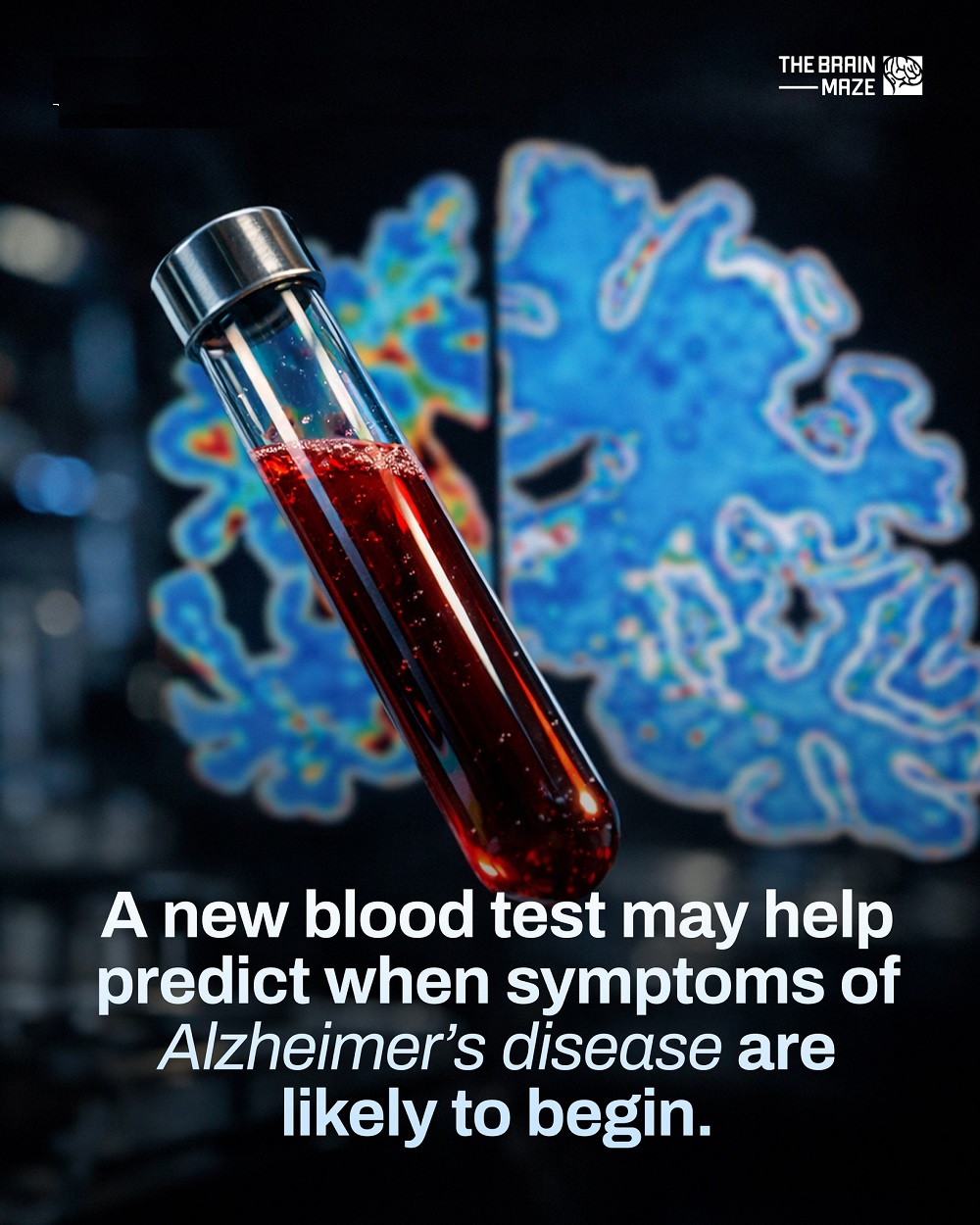
⚠️ Can Dementia Really Be Prevented?
There is no guaranteed way to prevent dementia, especially when genetics play a role. However, studies suggest that modifiable risk factors, things you can control, have a major impact on brain health. According to global health research, improving lifestyle habits can significantly reduce your risk.
🔑 10 Science-Backed Ways to Reduce Dementia Risk
1. Stay Physically Active
Regular exercise enhances blood flow to the brain and promotes neuronal growth. Activities such as walking, yoga, or cycling for 30 minutes daily can make a significant difference.
2. Eat a Brain-Healthy Diet
A diet rich in fruits, vegetables, whole grains, nuts, and healthy fats (like the Mediterranean diet) supports cognitive function. Avoid excessive processed foods and sugar.
3. Keep Your Mind Engaged
Mental stimulation strengthens brain connections. Reading, puzzles, learning new skills, or even playing games can help delay cognitive decline.
4. Control Blood Pressure
High blood pressure in midlife is strongly linked to dementia risk. Regular check-ups and lifestyle changes can help manage it.
5. Manage Diabetes
Uncontrolled blood sugar levels can damage blood vessels in the brain, increasing dementia risk.
6. Get Quality Sleep
Poor sleep is linked to memory problems. Aim for 7–8 hours of restful sleep each night.
7. Stay Socially Connected
Isolation and loneliness can increase the risk of dementia. Regular interaction with friends and family keeps your brain active and emotionally healthy.
8. Avoid Smoking and Limit Alcohol
Smoking damages blood vessels, while excessive alcohol intake can harm brain cells.
9. Protect Your Head
Head injuries can increase the risk of dementia later in life. Wear helmets when needed and take precautions to prevent falls.
10. Treat Hearing Loss
Untreated hearing loss is a major but often overlooked risk factor. Using hearing aids when necessary can help maintain brain function.
🧬 The Role of Genetics
Genetics can influence your risk, especially in early-onset dementia. However, lifestyle choices still play a powerful role, even if you have a family history. Think of it this way: genes load the gun, but lifestyle pulls the trigger.
🧪 Early Detection Matters
Even if prevention isn’t always possible, early detection can slow progression. Watch for warning signs like:
- Frequent memory loss
- Difficulty completing familiar tasks
- Confusion about time or place
- Changes in mood or personality
Consulting a doctor early can improve management and quality of life.
💡 The Truth That Surprises Most People
The biggest misconception is that dementia is a normal part of aging—it’s not. While age is the strongest risk factor, your daily habits have a powerful influence on brain health. Small, consistent changes—like walking daily, eating better, and staying mentally active—can significantly reduce your risk.
✅ Conclusion
So, can dementia be prevented? Not entirely—but it can often be delayed or its risk reduced. The key lies in adopting a healthy lifestyle early and maintaining it over time. Your brain health is in your hands more than you might think. The choices you make today could shape your cognitive future tomorrow.
📚 References
- World Health Organization (WHO) – Risk Reduction of Cognitive Decline and Dementia
- Alzheimer’s Association – 10 Ways to Love Your Brain
- National Institute on Aging – Preventing Alzheimer’s Disease: What Do We Know?
- Harvard Medical School – Six Steps to Prevent Memory Loss
Medications that have been suggested by doctors worldwide are available on the link below
https://mygenericpharmacy.com/category/disease/alzheimer-disease