Browsed by
Category: Osteoarthritis

Are Your Hormones Hurting Your Joints? The Arthritis Link You Need to Know

Are Your Hormones Hurting Your Joints? The Arthritis Link You Need to Know

Joint pain is often blamed on aging, injury, or wear and tear. However, there’s another hidden factor many people overlook—your hormones. Recent research suggests that low testosterone levels may play a significant role in increasing the risk of arthritis and worsening joint pain.

In this blog, we’ll explore how hormones affect joint health, the connection between testosterone and arthritis, and what you can do to protect your joints naturally and medically.


What Is Arthritis?

Arthritis is a condition that causes inflammation, stiffness, and pain in the joints. The most common types include:

Symptoms often include swelling, reduced mobility, and persistent pain that can interfere with daily life.


The Role of Hormones in Joint Health

Hormones act as chemical messengers in the body, regulating everything from metabolism to immune response. Among these, testosterone plays a key role in:
  • Maintaining bone density
  • Supporting muscle strength
  • Reducing inflammation

When testosterone levels drop, these protective effects weaken, potentially increasing the risk of joint damage and inflammation.


Low Testosterone and Arthritis: What’s the Connection?

Emerging studies show a strong link between low testosterone levels and increased arthritis risk. Here’s how:

1. Increased Inflammation

Testosterone has natural anti-inflammatory properties. Lower levels may lead to chronic inflammation, a key driver of arthritis.

2. Reduced Muscle Support

Muscles help stabilize joints. Low testosterone can lead to muscle loss, placing extra stress on joints.

3. Bone Density Loss

Testosterone helps maintain strong bones. A deficiency can weaken bones and joints, increasing the likelihood of osteoarthritis.

4. Immune System Imbalance

Low testosterone may affect immune regulation, potentially worsening autoimmune conditions like rheumatoid arthritis.


Who Is at Risk?

You may be at higher risk of hormone-related joint issues if you:

  • Are over the age of 40
  • Experience fatigue, low libido, or muscle loss
  • Have chronic joint pain without a clear cause
  • Have been diagnosed with low testosterone

Both men and women can be affected, although the impact is often more noticeable in men.


Signs Your Joint Pain May Be Hormonal

Not all joint pain is hormonal, but these signs may indicate a connection:

  • Joint pain combined with low energy levels
  • Decreased muscle mass
  • Mood changes or irritability
  • Reduced physical performance

If these symptoms occur together, it may be worthwhile to evaluate your hormone levels.


How to Protect Your Joints and Hormone Health

The good news is that you can take steps to support both your hormones and joint health.

1. Maintain a Healthy Diet

Focus on anti-inflammatory foods like:

  • Leafy greens
  • Fatty fish (rich in omega-3)
  • Nuts and seeds

Avoid processed foods and excess sugar, which can worsen inflammation.


2. Exercise Regularly

Strength training and low-impact exercises like walking or swimming can:

  • Boost testosterone levels
  • Improve joint flexibility
  • Strengthen supporting muscles

3. Manage Stress

Chronic stress increases cortisol levels, which can negatively impact testosterone levels. Try:

  • Meditation
  • Yoga
  • Deep breathing exercises

4. Get Enough Sleep

Poor sleep can lower testosterone production. Aim for 7–8 hours of quality sleep each night.


5. Consider Medical Support

If symptoms persist, consult a healthcare provider. Options may include:

  • Hormone testing
  • Testosterone replacement therapy (if appropriate)
  • Anti-inflammatory medications

What’s Next in Treatment?

Medical research is exploring new therapies that target both hormonal balance and joint inflammation. Personalized treatment plans combining hormone therapy with arthritis management may become more common in the future.


Final Thoughts

Joint pain isn’t always just about aging—it could be your hormones sending a warning signal. Low testosterone levels may increase inflammation, weaken joint support, and raise your risk of arthritis. By understanding this connection and taking proactive steps, you can protect your joints, improve mobility, and enhance your overall quality of life.


👉 Explore more health insights here:

https://pmc.ncbi.nlm.nih.gov/articles/PMC2787275/
https://www.optimalhormonehealth.com/post/estrogen-and-joint-pain-in-menopause
https://thewell.northwell.edu/joint-health-orthopedics/hormones-joint-pain

Medications that have been suggested by doctors worldwide are available on the link below
https://mygenericpharmacy.com/category/disease/tuberculosis
Osteoarthritis: The Complete Guide to Joint Pain, Causes & Treatment

Osteoarthritis: The Complete Guide to Joint Pain, Causes & Treatment

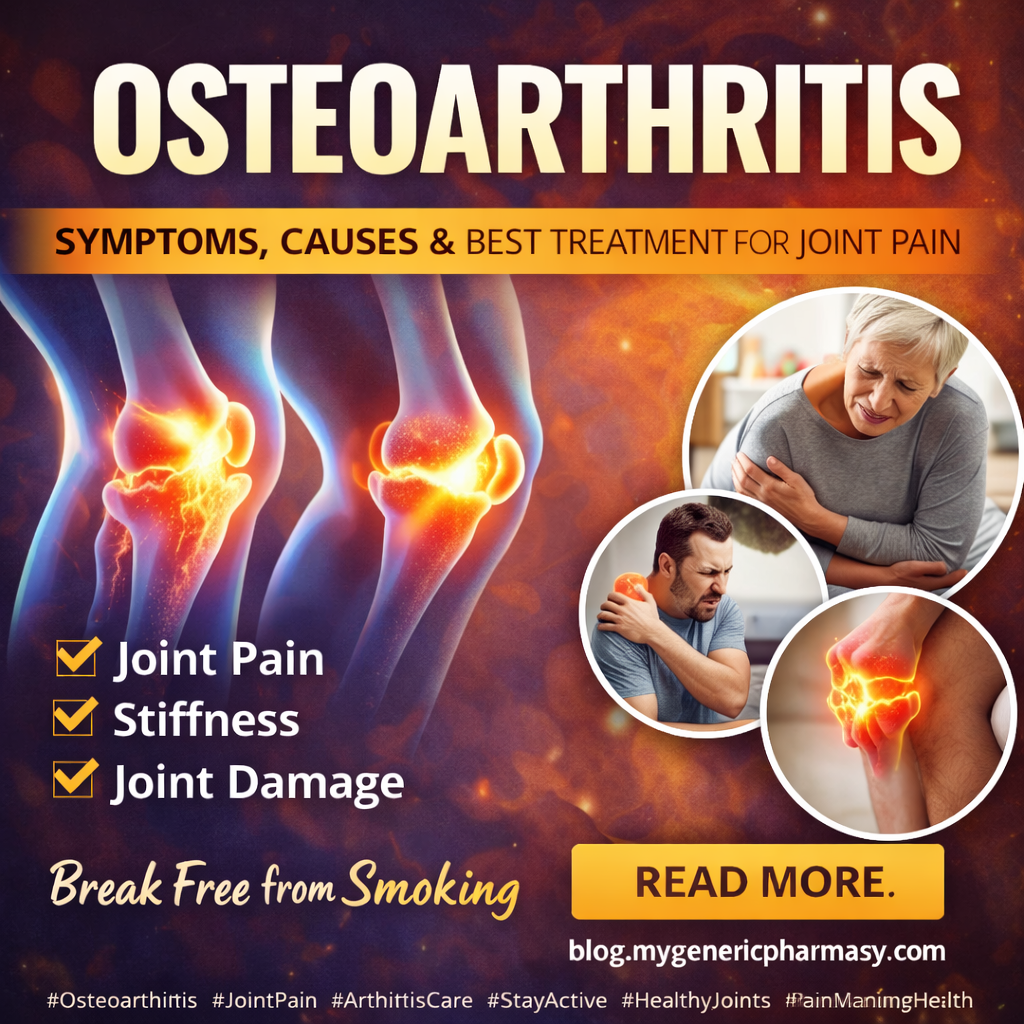
Osteoarthritis: Symptoms, Causes & Joint Pain Treatment

Osteoarthritis, its symptoms, causes, and treatment options. Discover effective ways to manage joint pain and maintain mobility and joint health.

Osteoarthritis (OA) is the most common form of arthritis, affecting over 32 million adults in the United States alone . Often called “wear and tear” arthritis, it occurs when the protective cartilage that cushions the ends of your bones gradually wears down. While OA can damage any joint, it most commonly affects the knees, hips, hands, and spine.

Unlike rheumatoid arthritis, which is an autoimmune condition, osteoarthritis is primarily a mechanical disorder. However, it’s more than just aging joints—it’s a complex condition involving the entire joint structure .

What Happens in Osteoarthritis?

In healthy joints, a smooth layer of cartilage allows bones to glide effortlessly against each other. In osteoarthritis:

  • Cartilage breaks down: The smooth surface becomes rough and thin
  • Bone changes: Bones may thicken and form growths called bone spurs (osteophytes)
  • Inflammation: The joint lining (synovium) can become irritated
  • Fluid changes: Joint fluid may lose its shock-absorbing properties
  • Supporting structures weaken: Ligaments and muscles around the joint may weaken

The result is pain, stiffness, and reduced mobility that worsens over time .

Common Symptoms

Osteoarthritis symptoms develop gradually and worsen over years. Key signs include:

Pain

  • Aching or sharp pain in the affected joint
  • Pain worsens with activity and improves with rest
  • May feel deep, burning, or throbbing

Stiffness

  • Morning stiffness lasting less than 30 minutes
  • Stiffness after sitting or resting (gelling phenomenon)
  • Improves with movement

Other Symptoms

  • Swelling: From fluid accumulation or bone enlargement
  • Crepitus: Grating sensation or cracking sound with movement
  • Loss of flexibility: Decreased range of motion
  • Joint instability: Buckling or giving way (especially in knees)
  • Muscle weakness: Around affected joints

Common Sites

  • Knees: Pain when walking, climbing stairs, kneeling
  • Hips: Groin pain, buttock pain, difficulty putting on shoes
  • Hands: Base of thumb, finger joints (Heberden’s nodes at fingertips, Bouchard’s nodes at middle joints)
  • Spine: Neck or low back pain, stiffness

Causes and Risk Factors

Non-Modifiable Risk Factors

  • Age: Risk increases significantly after 50
  • Gender: More common in women, especially after menopause
  • Genetics: Family history increases risk
  • Joint structure: Congenital abnormalities (hip dysplasia, misalignment)

Modifiable Risk Factors

  • Obesity: The single most important preventable risk factor. Excess weight puts 4-6 times more pressure on knees . Losing just 5-10% of body weight significantly reduces pain
  • Joint injuries: Previous injuries (ACL tears, meniscus tears, fractures) increase OA risk later in life
  • Occupation: Jobs with repetitive joint stress (kneeling, squatting, heavy lifting)
  • Sports: High-impact sports with joint stress or injury risk
  • Muscle weakness: Weak muscles provide less joint support

Diagnosis: How OA Is Identified

Medical History and Physical Exam

  • Symptom pattern, location, and triggers
  • Family history
  • Joint examination for tenderness, swelling, crepitus, range of motion
  • Gait assessment

Imaging

  • X-rays: Show joint space narrowing, bone spurs, bone changes. Can detect OA before symptoms appear
  • MRI: Not routinely needed but shows cartilage, ligaments, menisci in detail

Laboratory Tests

No blood test diagnoses OA, but tests rule out other arthritis types (rheumatoid arthritis, gout). Joint fluid analysis may be done if swelling present .

Treatment Options

Osteoarthritis treatment focuses on managing symptoms, improving function, and slowing progression. No cure exists, but many effective treatments help.

Lifestyle Modifications (First-Line Treatment)

Exercise:

  • Low-impact aerobic: Walking, swimming, cycling (150 minutes weekly)
  • Strength training: Builds muscles supporting joints (quadriceps for knees, glutes for hips)
  • Range of motion: Stretching, yoga, tai chi
  • Balance exercises: Reduces fall risk

Weight Management:

  • Even 5-10% weight loss significantly reduces pain and improves function
  • Every pound lost removes 4 pounds of pressure from knees

Joint Protection:

  • Pace activities (balance rest and activity)
  • Use proper body mechanics
  • Avoid prolonged kneeling, squatting, stair climbing

Physical and Occupational Therapy

  • Personalized exercise programs
  • Gait training
  • Assistive devices (canes, walkers, braces)
  • Energy conservation techniques
  • Adaptive tools (jar openers, long-handled grippers)

Medications

Topical (First-line for mild-moderate OA):

  • NSAID gels/creams: Diclofenac gel (Voltaren)—fewer systemic side effects
  • Capsaicin cream: Depletes substance P involved in pain transmission

Oral Medications:

  • Acetaminophen: For mild pain (caution with liver, limit to <3,000 mg daily)
  • Oral NSAIDs: Ibuprofen, naproxen—effective but monitor stomach, kidney, heart risks
  • Duloxetine: Antidepressant that helps chronic musculoskeletal pain

Injections:

  • Corticosteroid injections: Short-term relief (weeks to months), limit to 3-4 per year
  • Hyaluronic acid (viscosupplementation): Controversial evidence, may help some
  • Platelet-rich plasma (PRP): Emerging evidence, especially for knee OA

Surgical Options

Considered when conservative treatments fail and pain significantly impacts quality of life:

  • Arthroscopy: Generally not recommended for OA (except for mechanical symptoms like locking)
  • Osteotomy: Realigning bone (younger patients with uneven wear)
  • Partial joint replacement: Replacing only damaged compartment
  • Total joint replacement: Gold standard for end-stage OA, >90% success rates

Self-Management Strategies

Heat and Cold

  • Heat: Warm showers, heating pads for stiffness
  • Cold: Ice packs (wrapped in towel) for acute pain or after activity

Assistive Devices

  • Canes, walkers (reduce joint load)
  • Shock-absorbing shoes or insoles
  • Knee braces (unloader braces for knee OA)
  • Long-handled tools, raised toilet seats

Diet and Nutrition

  • Anti-inflammatory foods: Omega-3s (fatty fish, walnuts), colorful fruits/vegetables
  • Mediterranean diet pattern: Associated with lower OA risk and symptoms
  • Supplements: Glucosamine/chondroitin (mixed evidence, may help some), vitamin D (correct deficiency), turmeric (moderate evidence for pain)

Mind-Body Approaches

  • Cognitive behavioral therapy (CBT) for pain management
  • Mindfulness meditation
  • Stress reduction (stress worsens pain perception)
  • Support groups

When to See a Doctor

Consult a healthcare provider if:

  • Joint pain interferes with daily activities
  • Pain persists despite self-care
  • Joint is visibly swollen, warm, or red
  • You have difficulty using the joint normally
  • Morning stiffness lasts >30 minutes

Living Well with Osteoarthritis

Osteoarthritis is chronic, but it doesn’t have to define your life. Successful management includes:

  1. Stay active with appropriate exercises
  2. Maintain healthy weight to reduce joint stress
  3. Protect your joints in daily activities
  4. Use medications wisely under medical guidance
  5. Listen to your body—pace yourself, rest when needed
  6. Stay positive—depression and anxiety worsen pain

With proper management, most people with osteoarthritis maintain active, productive lives.

The Future: Emerging Treatments

Research continues to advance OA treatment:

  • Disease-modifying OA drugs (DMOADs): Aim to slow or stop disease progression
  • Stem cell therapy: Experimental for cartilage regeneration
  • Senolytics: Drugs targeting aging cells that promote inflammation
  • Gene therapy: Delivering protective proteins to joints
  • Personalized medicine: Matching treatments to OA subtypes

While not yet available, these approaches offer hope for better outcomes .


References:

  1. Arthritis Foundation. Osteoarthritis.
  2. Centers for Disease Control and Prevention. Osteoarthritis (OA).
  3. Mayo Clinic. Osteoarthritis – Symptoms and causes.
  4. Johns Hopkins Medicine. Osteoarthritis.
  5. American College of Rheumatology. Osteoarthritis Treatment Guidelines.

Medications that have been suggested by doctors worldwide are available on the link below
https://mygenericpharmacy.com/category/pain-relief


Disclaimer: This article is for educational purposes only. Consult a healthcare provider for proper diagnosis and treatment of osteoarthritis.

Arthritis Survival Guide: Manage Joint Pain & Stay Active for Life

Arthritis Survival Guide: Manage Joint Pain & Stay Active for Life

Arthritis Symptoms, Causes & Joint Pain Treatment Guide

Discover the basics of arthritis, including its causes, symptoms, and effective management strategies. Discover treatments and lifestyle tips to reduce joint pain.

Living with arthritis can feel like an uphill battle. The stiffness, the aching joints, the frustration of not being able to do what you once did—it takes a toll. But here’s the truth that often gets buried under medical jargon: arthritis doesn’t have to mean an end to an active life. Millions of people with arthritis run marathons, tend gardens, chase grandchildren, and wake up each morning ready to embrace the day.

This survival guide isn’t about miracle cures. It’s about practical, proven strategies to manage joint pain, protect your mobility, and keep doing what you love—for life.

Know Your Enemy: Understanding Your Arthritis Type

Before you can win the battle, you need to know what you’re fighting. Arthritis isn’t one disease; it’s over 100 different conditions. Your survival strategy depends on your specific type.

Osteoarthritis (OA) is mechanical wear-and-tear. Cartilage gradually erodes, leading to bone rubbing on bone. It typically affects weight-bearing joints like knees, hips, and spine, plus hands. Pain worsens with activity and improves with rest.

Rheumatoid Arthritis (RA) is autoimmune. Your immune system attacks joint linings, causing inflammation that can destroy cartilage and bone. It often affects both sides of the body symmetrically and comes with fatigue, morning stiffness lasting over 30 minutes, and systemic symptoms.

Other types include psoriatic arthritis (with skin psoriasis), gout (sudden severe attacks from uric acid crystals), and ankylosing spondylitis (primarily affecting the spine).

Knowing your type guides everything—from which medications work best to which exercises help versus harm.

The Morning Routine: Starting Your Day Right

Mornings are often the hardest. Joints stiffen overnight, and that first step out of bed can feel like walking on broken glass.

The 15-Minute Morning Protocol:

  1. Wake up slowly. Don’t bolt upright. Stretch in bed like a cat—point and flex your feet, make circles with your ankles, and gently bend your knees.
  2. Hit the heat. A warm shower or bath is nature’s muscle relaxant. Heat increases blood flow, loosens stiff joints, and soothes aching muscles. Keep the water warm, not scalding.
  3. Move gently. After your shower, do a few gentle range-of-motion exercises. Shoulder rolls, neck stretches, arm circles. This “warms up” the joints for the day ahead.
  4. Take medications on time. If you take anti-inflammatories or other arthritis meds, consistency matters. Set an alarm if needed.

Movement Is Medicine: Exercise That Protects Joints

When joints hurt, the natural instinct is to stop moving. That’s exactly the wrong thing to do. Movement strengthens the muscles that support joints, reduces stiffness, and helps control weight, which directly reduces joint stress.

Best Exercises for Arthritis

Low-impact cardio:

  • Swimming and water aerobics (buoyancy takes pressure off joints)
  • Stationary cycling (smooth, controlled motion)
  • Elliptical trainers (less impact than walking)
  • Walking on soft, even surfaces

Strength training:
Strong muscles act as shock absorbers for joints. Focus on:

  • Quadriceps for knee support
  • Core muscles for back and hip stability
  • Grip-strengthening exercises for hand arthritis

Range of motion:

  • Gentle stretching daily
  • Yoga or tai chi (modified as needed)
  • Full joint movement through a comfortable range

The Golden Rule: If an exercise causes sharp pain, stop. Modify or try something else. Some discomfort is normal when starting; sharp pain is not.

Weight Management: The Single Most Powerful Tool

If you have osteoarthritis, especially in the knees or hips, weight loss is the most effective non-drug treatment available.

Every pound of body weight puts 4 pounds of pressure on your knees. Lose 10 pounds, and you’ve removed 40 pounds of force from those aching joints every time you take a step.

Studies show that losing just 5-10% of body weight can significantly reduce pain and improve function. For a 200-pound person, that’s 10-20 pounds—an achievable goal with enormous payoff.

Combine portion control with anti-inflammatory eating (more on that below), and you’ve got a powerful pain-fighting combination.

Anti-Inflammatory Eating: Fuel for Joints

What you eat directly affects how you feel. While no diet cures arthritis, certain foods can reduce inflammation and ease symptoms.

Foods to Embrace

  • Fatty fish (salmon, mackerel, sardines): Omega-3s reduce inflammation
  • Colorful fruits and vegetables: Antioxidants fight oxidative stress
  • Olive oil: Contains anti-inflammatory compounds
  • Nuts and seeds: Vitamin E and healthy fats
  • Whole grains: Fiber reduces inflammatory markers
  • Beans and legumes: Plant protein with anti-inflammatory benefits

Foods to Limit

  • Processed foods and fast food: Promote inflammation
  • Sugary drinks and sweets: Spike blood sugar, increase inflammation
  • Red and processed meats: Linked to higher inflammation
  • Refined carbohydrates: White bread, pastries
  • Excessive alcohol: Can trigger flares, especially in gout

Special Diet Considerations

  • Gout: Strictly limit purine-rich foods (organ meats, shellfish, red meat, beer)
  • Inflammatory arthritis: Some find relief eliminating nightshades (tomatoes, peppers, eggplant)—though evidence is mixed

Pain Management Without Pills

Medications have their place, but relying solely on pills is a losing strategy. Build a toolkit of non-drug approaches:

Heat therapy: Warm showers, heating pads, paraffin wax for hands. Best for stiffness and chronic aches.

Cold therapy: Ice packs wrapped in thin towels. Best for acute flares and swollen joints. Apply 15-20 minutes at a time.

Topical treatments: NSAID gels (diclofenac), capsaicin cream, lidocaine patches. These target pain locally with fewer systemic side effects.

Assistive devices: Jar openers, long-handled grippers, raised toilet seats, canes. These aren’t signs of weakness—they’re tools that preserve energy and protect joints.

Mind-body techniques: Meditation, deep breathing, guided imagery. Pain is physical, but how you perceive it is partly psychological. Calming the mind helps calm the pain.

Protecting Joints in Daily Life

Small changes in how you move can dramatically reduce joint stress:

  • Use larger joints: Carry bags on your shoulder rather than gripping with fingers
  • Distribute weight: Use two hands instead of one
  • Avoid tight grips: Build up pen handles, use tools with thick grips
  • Respect pain: If an activity hurts, find another way or ask for help
  • Pace yourself: Alternate heavy tasks with light ones; take breaks before exhaustion

When to Seek Help

Self-management works, but you can’t do it alone. Build a healthcare team:

  • Rheumatologist: For accurate diagnosis and medication management
  • Physical therapist: For personalized exercise programs
  • Occupational therapist: For daily living strategies
  • Orthopedic surgeon: For joint replacement consideration when appropriate

Seek immediate help if: A joint is suddenly hot, red, and severely painful (possible infection), or if you have unexplained fever with joint symptoms.

The Emotional Side: Living Well Mentally

Chronic pain wears you down. Depression and anxiety are common in arthritis—not character flaws, but consequences of living with constant discomfort.

  • Acknowledge the grief. It’s normal to mourn the loss of abilities.
  • Stay connected. Isolation worsens both pain and mood.
  • Find your tribe. Support groups—online or in-person—connect you with people who truly understand.
  • Consider counseling. CBT and other therapies help develop coping skills.

Looking Ahead: Hope for the Future

Arthritis research is advancing rapidly. New biologic medications are transforming rheumatoid arthritis outcomes. Surgical techniques for joint replacement improve every year. Regenerative medicine (stem cells, PRP) shows promise, though more research is needed.

The future is bright, but you don’t have to wait for it. With the right strategies, you can manage your arthritis today—and keep living the life you love.


References:

  1. Arthritis Foundation. Arthritis Management Strategies.
  2. Mayo Clinic. Arthritis: Diagnosis and Treatment.
  3. CDC. Physical Activity for Arthritis.
  4. National Institute of Arthritis and Musculoskeletal and Skin Diseases. Arthritis Basics.

Medications that have been suggested by doctors worldwide are available on the link below
https://mygenericpharmacy.com/category/arthritis


Disclaimer: This article is for educational purposes only. Consult your healthcare provider before starting any new treatment or exercise program.

Understanding Osteoarthritis: The “Wear and Tear” Arthritis

Understanding Osteoarthritis: The “Wear and Tear” Arthritis

Osteoarthritis (OA) is the most prevalent type of arthritis affecting millions of individuals in the United States. It differentially affects older individuals over the age of 65 years. OA is a chronic degenerative arthropathy that frequently leads to chronic pain and disability. With the aging of our population, this condition is becoming increasingly prevalent and its treatment increasingly financially burdensome. Finding better treatments for OA is a major focus of research at this time.

If you’ve ever heard a faint creak in your knees while standing up or felt a familiar ache in your hands at the end of the day, you might be experiencing the most common form of arthritis: osteoarthritis (OA). Often called “wear and tear” arthritis, OA affects millions worldwide. Let’s explore what it is, how to manage it, and how to maintain an active, fulfilling life.

What is Osteoarthritis?

Unlike inflammatory forms of arthritis (like rheumatoid arthritis), osteoarthritis is primarily a degenerative joint disease. It occurs when the protective cartilage—the smooth, slippery cushion at the ends of your bones—gradually wears down over time.

Think of this cartilage like the tread on a tire. With years of use, it slowly thins. When it wears away completely, bone grinds on bone, causing pain, swelling, and stiffness. OA can damage any joint, but it most commonly affects the hands, knees, hips, and spine.

Who Gets Osteoarthritis?

While aging is the most significant risk factor, OA is not an inevitable part of getting older. Key risk factors include:

  • Age: Risk increases after 50.
  • Joint Overuse: Repetitive stress from jobs or sports.
  • Obesity: Extra weight puts stress on weight-bearing joints like knees and hips.
  • Genetics: A family history can increase your risk.
  • Previous Joint Injury: An old sports injury or accident can lead to OA in that joint later in life.
  • Gender: Women are more likely to develop OA, especially after menopause.

Recognizing the Symptoms

OA symptoms often develop slowly and worsen over time. Watch for:

  • Pain: Aching or sharp pain during or after movement.
  • Stiffness: Joint stiffness, typically most noticeable upon waking or after inactivity.
  • Tenderness: Discomfort when applying light pressure to the joint.
  • Loss of Flexibility: Inability to move the joint through its full range of motion.
  • Grating Sensation: Feeling or hearing a “crunching” or popping (crepitus).
  • Bone Spurs: Extra bits of bone, which feel like hard lumps, can form around the affected joint.

The Osteoarthritis Management Toolkit

There is no cure for OA, but its progression can be slowed, and symptoms effectively managed. Treatment is a marathon, not a sprint, focusing on improving joint function and quality of life.

1. Lifestyle & Self-Care (Your First Line of Defense)

  • Exercise is Medicine: This is non-negotiable. Low-impact activities like swimming, cycling, and walking strengthen the muscles around the joint, providing better support and reducing pain. Include gentle stretching for flexibility.
  • Weight Management: Losing even a small amount of weight can significantly reduce stress on your knees and hips.
  • Heat and Cold Therapy: A warm shower or heating pad can ease stiffness; an ice pack wrapped in a towel can reduce acute pain and swelling.
  • Joint Protection: Use assistive devices like ergonomic tools, jar openers, or a cane to take stress off affected joints.

2. Medical & Professional Treatments

  • Physical Therapy: A PT can design a personalized exercise program to strengthen specific muscles, improve stability, and increase your range of motion.
  • Medications: Over-the-counter pain relievers (like acetaminophen) and anti-inflammatories (like ibuprofen) can help. Topical creams can also provide relief. Always consult your doctor for a long-term plan.
  • Injections: Corticosteroid injections can offer powerful, temporary pain relief. Hyaluronic acid injections may help lubricate the knee joint.
  • Surgery: For severe cases where joint damage is extensive, options like joint realignment (osteotomy) or joint replacement (arthroplasty) can relieve pain and restore function.

Living Well with Osteoarthritis

A diagnosis of OA isn’t a sentence to a life of inactivity. It’s a call to become an active manager of your joint health.

  • Pace Yourself: Balance activity with rest. Listen to your body’s signals.
  • Focus on What You CAN Do: Adapt your favorite hobbies. Love gardening? Use raised beds. Enjoy walking? Try a softer surface like a track or trail.
  • Build a Support Team: Your doctor, a physical therapist, a nutritionist, and supportive friends and family are all part of your success.

The Bottom Line

Osteoarthritis is a common journey, but it doesn’t have to define yours. By understanding the condition and proactively using the tools of movement, weight management, smart therapies, and medical support, you can manage pain, protect your joints, and continue to lead a vibrant, active life.

Consult with your doctor or a rheumatologist to create a personalized management plan. Taking informed, consistent steps today is the best investment in your mobility for years to come.


Disclaimer: This blog is for informational purposes only and is not a substitute for professional medical advice, diagnosis, or treatment.