How to Prevent Bacterial Infections: Expert Tips for Better Health
Bacterial infections are common and can affect people of all ages. Some infections are mild, while others can become serious. In 2026, prevention is one of the best ways to protect your health. Simple daily habits can lower your risk of infection. For example, washing your hands, eating clean food, and keeping your body healthy can help stop bacteria from spreading. In addition, learning how infections spread can help you stay safe. This guide shares easy and expert tips to help prevent bacterial infections and improve your overall health.
What Are Bacterial Infections?
Bacterial infections happen when harmful bacteria enter the body and make you sick. These infections can affect different parts of the body, including the skin, lungs, stomach, and blood. For example, common bacterial infections include strep throat, food poisoning, and urinary tract infections. Some infections are mild and improve quickly. However, others can become serious if they are not treated on time. Therefore, early care, good hygiene, and proper awareness are important for staying healthy.
How Do Bacterial Infections Spread?
Understanding how bacteria spread is very important for preventing infections. In most cases, bacteria can spread in several ways. For example, infections may pass through direct contact with a sick person, contaminated food or water, poor hygiene habits, or touching dirty surfaces. In addition, bacteria can enter the body through cuts or open wounds on the skin. Therefore, keeping your hands and surroundings clean can help lower the risk of infection. Moreover, staying aware of these common causes can help protect your health and prevent the spread of harmful bacteria.
Top Tips to Prevent Bacterial Infections
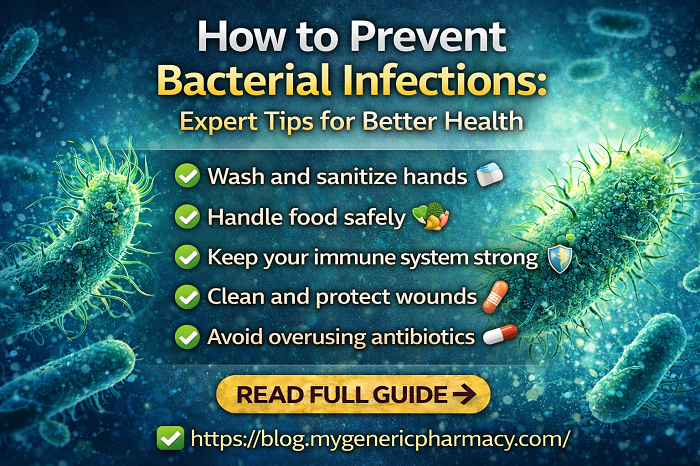
1. Maintain Proper Hygiene
Washing your hands often with soap and water is one of the best ways to prevent bacterial infections. For example, you should wash your hands before eating, after using the toilet, and after touching public surfaces. In addition, keeping your home, clothes, and personal items clean can help reduce the spread of bacteria. Therefore, good hygiene is very important for staying healthy.
2. Practice Safe Food Handling
Food can carry harmful bacteria if it is not handled properly. Therefore, safe food habits are important for preventing illness. For example:
- Cook food completely
- Keep food at the correct temperature
- Separate raw and cooked foods
Furthermore, washing fruits and vegetables before eating can also help remove harmful bacteria and lower the risk of infection.
3. Keep Your Immune System Strong
A healthy immune system helps your body fight bacteria and infections naturally. Therefore, it is important to follow healthy daily habits. For instance:
- Eat healthy and balanced meals
- Drink enough water
- Get proper sleep every night
- Exercise regularly
In addition, managing stress can also support better immune health and improve overall well-being.
4. Clean and Protect Wounds
Even a small cut or scratch can allow bacteria to enter the body. Therefore, clean wounds quickly with clean water and keep them covered until they heal. Moreover, avoid touching wounds with dirty hands because this can increase the risk of infection.
5. Avoid Unnecessary Antibiotic Use
Using antibiotics too often can make bacteria stronger and harder to treat. This problem is called antibiotic resistance. Therefore, take antibiotics only when your doctor recommends them. In addition, always complete the full course of medicine as advised. Otherwise, the infection may return or become more difficult to treat later.
Signs of a Bacterial Infection
Recognizing the signs of a bacterial infection early can help you get treatment on time. In many cases, early care can prevent serious health problems. Common symptoms may include:
- Fever
- Redness or swelling
- Pain or discomfort
- Feeling tired or weak
- Pus or unusual discharge
In addition, some people may notice symptoms getting worse over time. Therefore, it is important to see a healthcare professional if the symptoms continue or become severe. Otherwise, delaying treatment may increase the risk of complications and slower recovery.
Who Is at Higher Risk?
For example, children and older adults may get sick more easily because their immune systems are weaker. In addition, people with chronic diseases or weakened immune systems are also more vulnerable to infections. Therefore, these groups should follow good hygiene habits, eat healthy foods, and take proper medical advice to stay protected and healthy.
Vaccination to Prevent Bacterial Infections
Vaccines are very important for preventing many bacterial infections. They help the immune system recognize harmful bacteria and fight them more effectively. As a result, the body can protect itself from serious illness. In addition, getting recommended vaccines on time can lower the spread of infections in the community. Therefore, staying up to date with vaccinations is an important step for protecting both your health and the health of others.
Healthy Lifestyle for Long-Term Protection
In addition, managing stress may help your body stay healthy and fight infections better. Likewise, keeping your body, clothes, and surroundings clean can reduce the spread of harmful bacteria. Furthermore, staying informed about common health risks can help you take the right safety steps.
Many bacterial infections are mild and improve with proper care. However, some infections may become serious and need medical attention. Therefore, you should see a doctor if you experience:
- High or long-lasting fever
- Severe pain
- Difficulty breathing
- Symptoms that do not improve
In addition, symptoms that get worse over time should not be ignored. Early medical treatment can help prevent complications and support faster recovery. Therefore, getting help at the right time is very important for your health.
Conclusion: Prevention Is Better Than Cure
In addition, staying informed about health risks and taking early precautions can protect both you and your family. Furthermore, small daily actions can make a big difference in lowering the risk of illness. Therefore, it is important to stay careful, stay healthy, and make your well-being a daily priority.
References:
https://www.health.harvard.edu/healthy-aging-and-longevity/how-to-prevent-infections
https://www.mayoclinic.org/diseases-conditions/infectious-diseases/in-depth/germs/art-20045289
https://wellri.com/10-essential-hygiene-practices-to-stop-bacterial-spread
Medications that have been suggested by doctors worldwide are available on the link below
https://mygenericpharmacy.com/category/disease/bacterial-infection