Tetanus Prevention: Simple Steps That Can Save Your Life
Tetanus Prevention: How to Protect Yourself from Infection
Learn how to prevent tetanus infection through vaccination, proper wound care, and timely medical attention. Simple steps can protect you from this serious disease.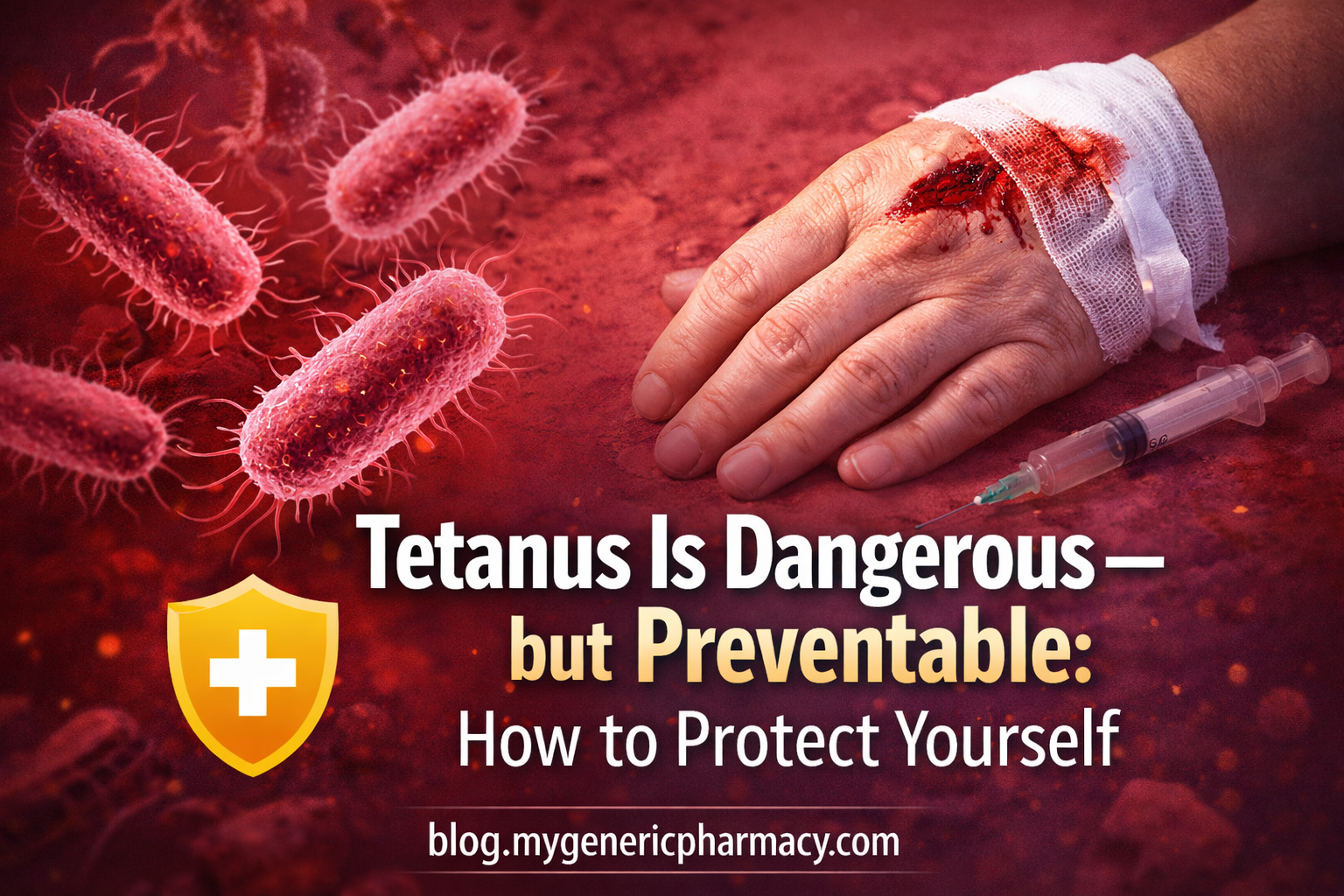
Introduction: A Preventable Tragedy
Tetanus, often called “lockjaw,” is a serious bacterial infection that affects the nervous system, causing painful muscle stiffness and spasms. Despite being entirely preventable through vaccination, tetanus still claims thousands of lives globally each year, primarily in regions with limited access to healthcare. The bacteria that cause tetanus are everywhere—in soil, dust, and manure—making awareness and prevention essential for everyone.
The good news is that tetanus prevention is straightforward, accessible, and highly effective. This guide covers everything you need to know about protecting yourself and your loved ones from this potentially fatal but entirely preventable disease.
What Is Tetanus?
Tetanus is caused by Clostridium tetani, a bacterium that produces a potent neurotoxin called tetanospasmin. These bacteria are anaerobic, meaning they thrive in environments without oxygen. They exist as spores that can survive for years in soil and enter the body through breaks in the skin.
Once inside a wound with low oxygen (like a deep puncture), the spores germinate and release toxin. The toxin travels through nerve pathways to the spinal cord and brain, blocking nerve signals that tell muscles to relax. This results in uncontrollable muscle stiffness and spasms.
Key Facts About Tetanus
- Not contagious: You cannot catch tetanus from an infected person
- Environmental reservoir: Spores are ubiquitous in soil, especially those contaminated with animal manure
- Incubation period: Typically 3-21 days, though cit an range from 1 day to several months
- Mortality rate: 10-20% even with modern treatment; higher in unvaccinated individuals
Why Tetanus Prevention Matters
Before the tetanus vaccine was developed in the 1920s, the disease caused an estimated 50,000 deaths annually in the United States alone. Globally, neonatal tetanus (infection through an unhealed umbilical stump) was a leading cause of infant mortality.
While rare in developed countries today due to widespread vaccination, tetanus hasn’t disappeared. The CDC still reports about 30 cases annually in the US, nearly all in unvaccinated or under-vaccinated individuals. Worldwide, an estimated 25,000 newborns died from neonatal tetanus in 2018—a dramatic reduction, but still far too many preventable deaths
The Tetanus Vaccine: Your Best Protection
Types of Tetanus Vaccines
Tetanus vaccines are always combined with other vaccines:
| Vaccine | Protects Against | Typical Use |
|---|---|---|
| DTaP | Diphtheria, Tetanus, Pertussis | Children under 7 |
| Tdap | Tetanus, Diphtheria, Pertussis | Adolescents and adults (booster) |
| Td | Tetanus, Diphtheria | Routine booster every 10 years |
The “d” in Tdap and Td indicates a lower dose of diphtheria vaccine, which is appropriate for older children and adults .
Recommended Vaccination Schedule
Children:
- 5 doses of DTaP at ages:
- 2 months
- 4 months
- 6 months
- 15-18 months
- 4-6 years
Adolescents and Adults:
- Tdap booster at age 11-12
- Td booster every 10 years thereafter
- One dose of Tdap during each pregnancy (preferably at 27-36 weeks) to protect the newborn from pertussis
How Well Does the Vaccine Work?
The tetanus vaccine is highly effective. Nearly 100% of people who complete the primary series develop protective antibodies. However, immunity wanes over time, which is why booster doses every 10 years are essential.
Wound Care: Your Second Line of Defense
Even if you’re vaccinated, proper wound care is crucial. Deep, dirty wounds may require a booster dose if your last shot was more than 5 years ago.
Wound Assessment and Care
Clean, Minor Wounds:
- Wash thoroughly with soap and water
- Apply antibiotic ointment
- Cover with ca lean bandage
- Monitor for signs of infection
High-Risk Wounds:
- Deep puncture wounds (nails, needles, animal bites)
- Wounds contaminated with dirt, feces, soil, or saliva
- Crush injuries
- Burns
- Frostbite
- Wounds with dead tissue
Tetanus Booster Guidelines After Injury
| Vaccination History | Clean, Minor Wound | All Other Wounds |
|---|---|---|
| Unknown or <3 doses | Tdap or Td recommended | Tdap or Td recommended + TIG* |
| 3+ doses, last within 5 years | None needed | None needed |
| 3+ doses, last 5-10 years | None needed | Tdap or Td recommended |
| 3+ doses, last >10 years | Tdap or Td recommended | Tdap or Td recommended |
*TIG = Tetanus Immune Globulin (provides immediate, short-term protection)
Recognizing Tetanus Symptoms
Early recognition can save lives. Symptoms typically appear 3-21 days after infection and progress over days.
Common Symptoms
- Trismus (lockjaw): Stiffness of jaw muscles, difficulty opening the mouth
- Muscle stiffness: Neck, shoulder, and back muscles become rigid
- Opisthotonos: Severe arching of the back due to muscle spasms
- Risus sardonicus: Fixed, grinning expression from facial muscle spasms
- Difficulty swallowing
- Irritability and restlessness
Late Symptoms
- Severe, painful muscle spasms triggered by minor stimuli (noise, light, touch)
- Spasms can be strong enough to fracture bones
- Autonomic instability: Rapid heart rate, high blood pressure, sweating
- Respiratory failure from diaphragm spasm
If you suspect tetanus, seek emergency medical care immediately. This is a life-threatening condition requiring hospital treatment.
Treatment: What Happens If You Get Tetanus
There is no cure for tetanus once symptoms develop. Treatment focuses on:
- Wound debridement: Removing dead tissue and cleaning the wound
- Antibiotics: Metronidazole to kill bacteria
- Tetanus immune globulin (TIG): Neutralizes unbound toxin
- Muscle relaxants: Diazepam or other sedatives for spasms
- Respiratory support: Mechanical ventilation if needed
- Supportive care: In a dark, quiet room to avoid triggering spasms
Recovery can take weeks to months. Even with intensive care, 10-20% of cases are fatal.
Special Populations and Considerations
Pregnancy
Pregnant women should receive Tdap during each pregnancy, ideally at 27-36 weeks. This protects both mother and passes antibodies to the newborn, protecting against pertussis and tetanus in early infancy .
International Travelers
Tetanus is more common in developing countries with limited healthcare access. Before traveling:
- Ensure your tetanus vaccination is up to date
- Carry a personal first aid kit
- Seek prompt care for any wound, especially in remote areas
Older Adults
Many older adults have waning immunity. If you’re over 65 and unsure of your vaccination status, get a Tdap booster. Medicare Part D covers tetanus vaccines.
Common Myths and Misconceptions
❌ Myth: You can get tetanus from a rusty nail.
✅ Fact: Rust itself doesn’t cause tetanus. Rusty nails often carry dirt and soil containing tetanus spores, and the puncture wound creates an oxygen-free environment ideal for bacterial growth. Clean nails can also transmit tetanus if contaminated.
❌ Myth: One tetanus shot lasts a lifetime.
✅ Fact: Immunity wanes over time. Boosters every 10 years are essential.
❌ Myth: Tetanus is eradicated in developed countries.
✅ Fact: Cases still occur in unvaccinated individuals. The bacteria remain in soil everywhere.
❌ Myth: You don’t need a booster for minor cuts.
✅ Fact: Even small wounds can transmit tetanus. If your vaccination status is uncertain or outdated, seek medical advice.
Global Elimination Efforts
The World Health Organization has targeted maternal and neonatal tetanus elimination as a public health priority. As of 2024, 13 countries have yet to eliminate the disease, down from 59 in 200. Progress continues through:
- Vaccination campaigns for women of reproductive age
- Clean delivery practices
- Surveillance and rapid response
Elimination is defined as less than one case per 1000 live births at the district level .
Conclusion: Simple Steps, Life-Saving Protection
Tetanus prevention is straightforward but requires attention. The key takeaways:
- Get vaccinated: Complete the primary series and boosters every 10 years
- Practice proper wound care: Clean all wounds thoroughly
- Know when to seek help: Deep, dirty wounds may require boosters
- Stay informed: If unsure of vaccination status, check with your doctor
- Spread awareness: Share this information with family and friends
The tetanus vaccine is safe, effective, and widely available. A simple shot every decade—plus prompt care for wounds—can protect you from a disease that has caused unimaginable suffering throughout human history. Don’t leave your protection to chance. Check your vaccination status today.
References:
- Centers for Disease Control and Prevention. Tetanus: Causes and Transmission.
- World Health Organization. Tetanus Fact Sheet.
- Mayo Clinic. Tetanus – Symptoms and causes.
- CDC Vaccine Information Statements. Tdap/Td.
- Immunization Action Coalition. Tetanus: Questions and Answers.
- WHO. Maternal and Neonatal Tetanus Elimination.
Disclaimer: This article is for educational purposes only. Consult your healthcare provider for personalized vaccination recommendations and wound care advice.