Preventing Dangerous Infections: Why Plasma Is Tested for Hepatitis C and HIV
Hepatitis C and HIV Screening Before Plasma Fractionation
Plasma is tested for Hepatitis C RNA and Human Immunodeficiency Virus antibodies before fractionation to ensure blood safety and prevent transmission of dangerous infections.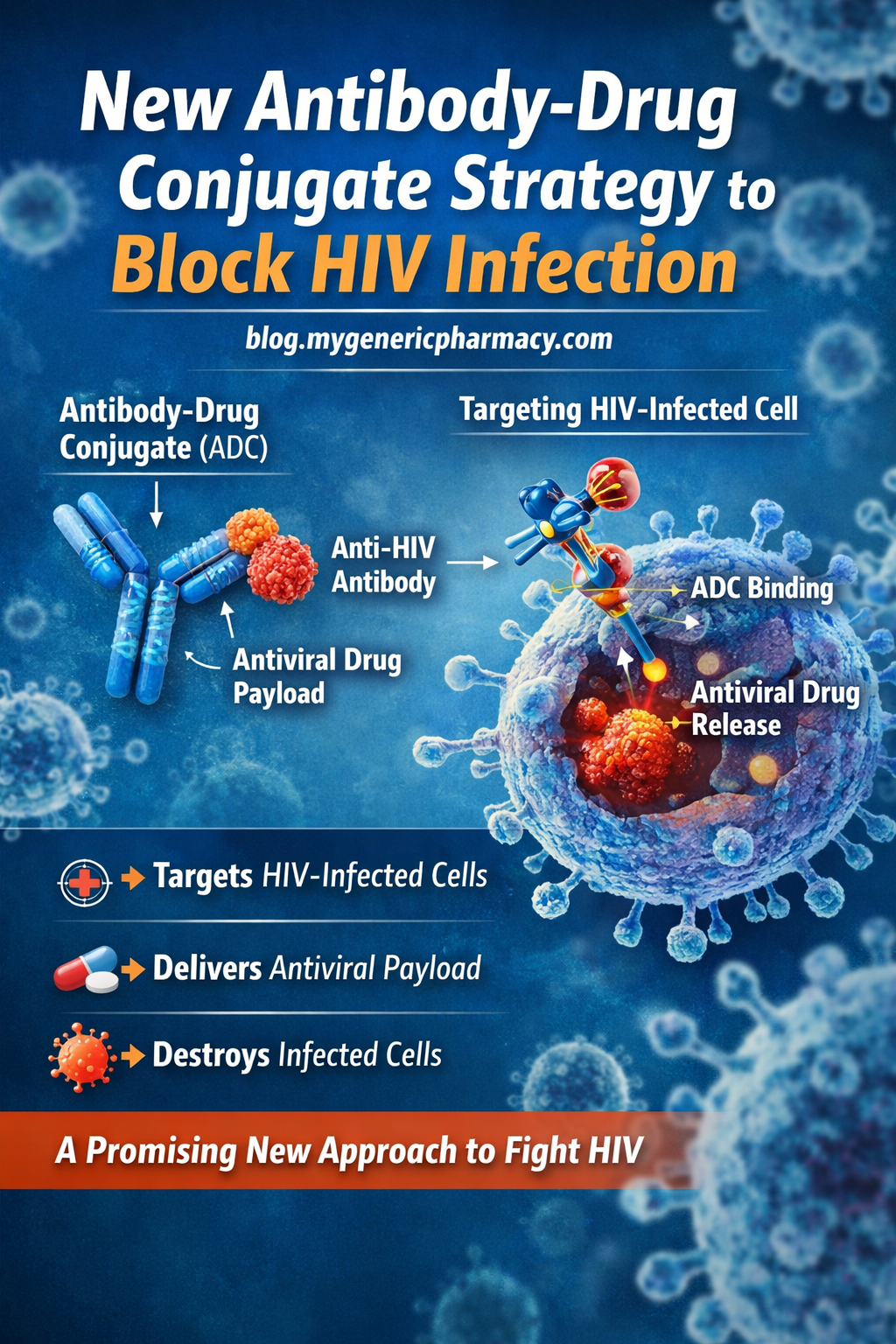
Every time a patient receives a lifesaving plasma transfusion, or a person sits down to donate plasma for compensation, an invisible war is being fought in laboratories across the country. The enemy? Microscopic viruses like Hepatitis C (HCV) and Human Immunodeficiency Virus (HIV) could turn a medical miracle into a lifelong tragedy.
Blood plasma—the straw-colored liquid component of blood—is essential for treating burn victims, immune deficiencies, and bleeding disorders. But because it is derived from human donors, it carries the potential to transmit disease. This is why the phrase “plasma tested for hepatitis C and HIV” is not just regulatory jargon; it is a life-saving promise.
Here is a look behind the lab curtain to understand why rigorous testing is mandatory, how it works, and what it means for the safety of the plasma supply.
The Legacy of Contamination: Why We Test
To understand the importance of testing, we have to look back at the “tainted blood” crises of the late 20th century. Before reliable screening was available, thousands of people with hemophilia and other bleeding disorders were infected with HIV and Hepatitis C through contaminated blood products.
In the UK and Europe, this scandal affected over 30,000 patients between the 1970s and early 1990s, leading to thousands of deaths. In the United States, the tragedy spurred the government to overhaul the blood supply system entirely.
These historical disasters taught the medical community a brutal lesson: You cannot trust the source; you must test the product. Donors can be asymptomatic carriers. They may genuinely believe they are healthy, or they may omit risk factors due to social stigma or a desire for financial compensation. Nucleic Acid Testing (NAT) removes the human error from the equation.
The Enemy Within: Hepatitis C and HIV
Why focus specifically on Hepatitis C and HIV? While plasma is tested for a battery of pathogens (including Hepatitis B and Syphilis), HCV and HIV are particularly dangerous for two reasons: they have long “window periods,” and they establish chronic, lifelong infections.
- Hepatitis C (HCV): Often called a “silent epidemic,” Hepatitis C attacks the liver. It can live in the body for decades without causing symptoms, slowly causing cirrhosis or liver cancer. Before widespread testing, it was the most common chronic bloodborne infection in the United States.
- HIV (Human Immunodeficiency Virus): HIV attacks the body’s immune system, specifically the CD4 cells (T cells), making it difficult to fight off infections. If left untreated, it leads to Acquired Immunodeficiency Syndrome (AIDS). While modern antiretrovirals make it manageable, it remains incurable and life-altering.
The Science of Safety: How Plasma Is Tested
When you donate plasma, either at a collection center for fractionation (manufacturing into medicines) or for direct transfusion, your donation undergoes a gauntlet of testing. The gold standard today is Nucleic Acid Testing (NAT).
Unlike older antibody tests that look for the body’s response to a virus (which can take weeks to develop), NAT looks for the genetic material of the virus itself. This drastically shrinks the “window period”—the time between when a person is infected and when the test can detect it.
Here is the typical process:
- Initial Screening: When you donate, you answer a detailed questionnaire about your medical history and risk factors.
- Laboratory Testing: A sample of your plasma is sent to a lab. Using NAT technology, technicians look for the RNA (ribonucleic acid) of HIV and HCV. These tests are incredibly sensitive and can detect a handful of viral particles among millions of human cells.
- Quarantine: The donated plasma is placed in “quarantine” and cannot be released for use until all test results come back negative.
- Serology Tests: Labs also run serology tests to look for antibodies (like the HIV p24 antigen and anti-HCV), providing a secondary layer of defense in case the viral load is too low for NAT detection.
- Lookback: If a donor tests positive, previous donations from that individual are traced, located, and destroyed if they are still in the supply chain.
What Happens If a Test Comes Back Positive?
Plasma centers operate on a strict “zero-risk” policy. If a sample tests reactive (positive) on a screening test, it is retested in duplicate to confirm.
If confirmed positive:
- The Unit is Destroyed: The specific bag of plasma is incinerated or disposed of as biohazardous waste. It never reaches a patient.
- Donor Notification: The donor is notified of the result (usually by a medical professional) and is counseled on the next steps for their own health. They are permanently deferred from donating plasma or blood in the future.
The Result: The Safest Supply in History
Thanks to these rigorous measures, the blood and plasma supply in North America and Europe is safer today than it has ever been. The risk of transfusion-transmitted HIV or HCV is now estimated to be less than 1 in 2 million units.
For patients with Primary Immunodeficiency Diseases who rely on weekly infusions of plasma-derived immunoglobulins, this safety margin is non-negotiable. It allows them to live normal lives without the fear that their medicine might make them sicker.
Conclusion
The phrase “plasma tested for Hepatitis C and HIV” is a testament to modern medicine’s ability to learn from past mistakes. Through Nucleic Acid Testing, stringent donor screening, and quarantine protocols, the industry ensures that the gift of plasma saves lives—without endangering them.
If you are considering donating plasma, rest assured that your safety and the safety of the recipients are protected by some of the most advanced virology screening in the world.
Disclaimer: This blog post is for informational purposes only and does not constitute medical advice. If you have concerns about bloodborne pathogens or your eligibility to donate, please consult a healthcare professional.
References:
https://pmc.ncbi.nlm.nih.gov/articles/PMC12473043/
https://www.cdc.gov/hepatitis-surveillance-2023/hepatitis-c/index.html
https://www.fda.gov/regulatory-information/search-fda-guidance-documents/recommendations-evaluating-donor-eligibility-using-individual-risk-based-questions-reduce-risk-human
https://pubmed.ncbi.nlm.nih.gov/30808637/
Medications that have been suggested by doctors worldwide are available on the link below
https://mygenericpharmacy.com/category/hiv