Could Mounjaro and Zepbound Cure Sleep Apnea? New Research Brings Hope
Can Mounjaro and Zepbound Cure Sleep Apnea?
New research suggests the obesity drug in Mounjaro and Zepbound may improve Obstructive Sleep Apnea by promoting significant weight loss.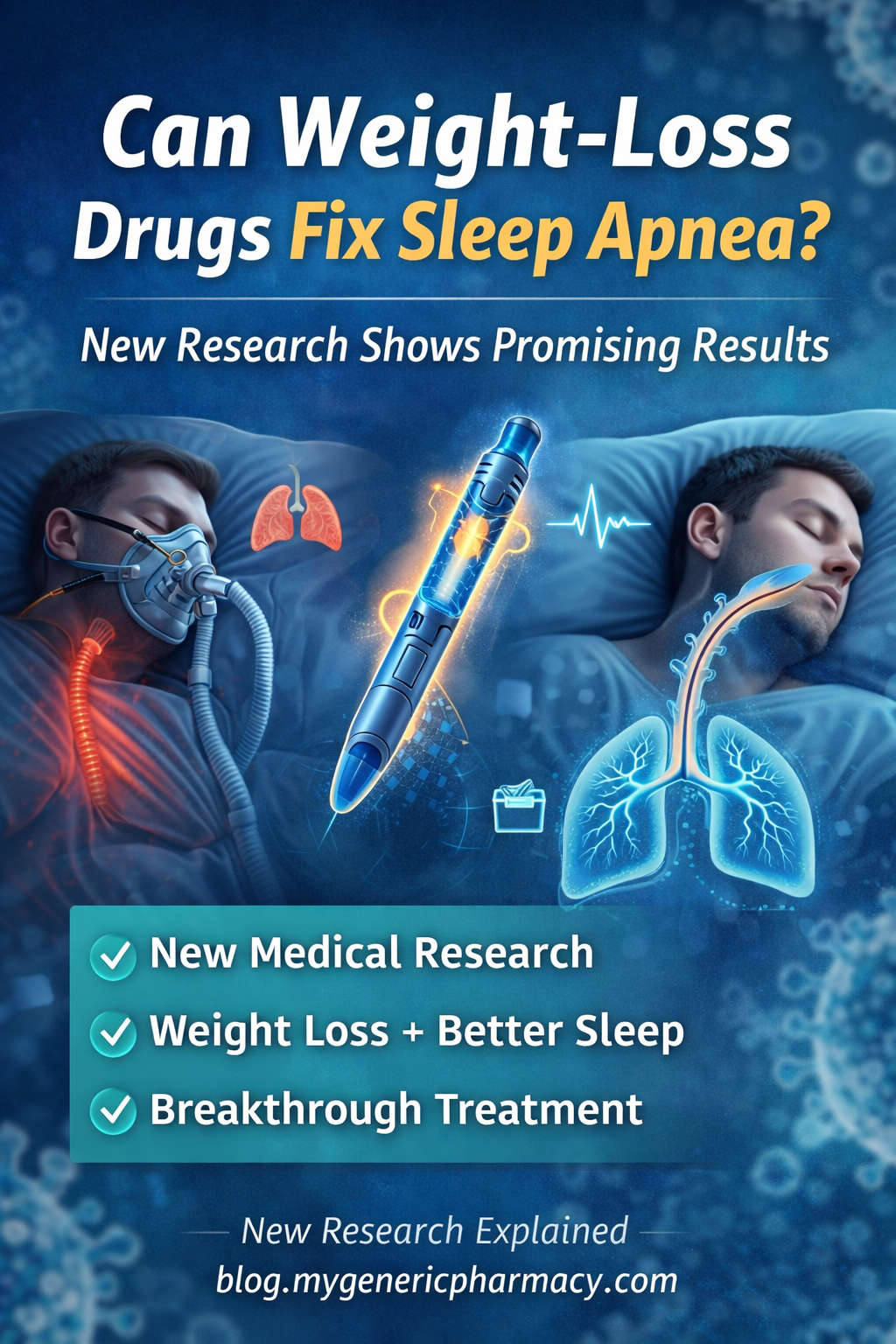
For the millions of Americans who dread the nightly ritual of strapping on a CPAP machine, the question is tantalizing: Is there a cure? For decades, Obstructive Sleep Apnea (OSA) has been managed, not solved. But a seismic shift is underway in the sleep medicine world, driven by the very same medications revolutionizing weight loss: tirzepatide (Mounjaro and Zepbound).
While a true “cure” is a strong word, new research published in 2026 suggests these drugs are doing far more than just helping patients breathe easier at night—they are fundamentally altering the cardiometabolic drivers of the disease.
The 2026 Evidence: More Than Just Weight Loss
We already know that the FDA approved Zepbound for moderate-to-severe OSA in adults with obesity at the end of 2024, based on the impressive SURMOUNT-OSA trials. Those trials showed that patients experienced a significant drop in their Apnea-Hypopnea Index (AHI)—some achieving disease remission.
But new data published in January 2026 in Nature Medicine digs deeper. The latest analysis from the SURMOUNT-OSA program reveals that tirzepatide’s benefits extend deep into the body’s metabolic core.
Researchers reported that tirzepatide treatment led to broad improvements in cardiometabolic risk factors compared to placebo. This included:
- Reduced Inflammation: A significant drop in high-sensitivity C-reactive protein (hsCRP), a key marker of systemic inflammation.
- Improved Blood Pressure: Systolic blood pressure was reduced by an estimated treatment difference of -7.9 mmHg in one study group.
- Better Insulin Sensitivity: Markers like HOMA-IR (insulin resistance) improved dramatically.
Perhaps most importantly, the mediation analysis published in Nature Medicine suggests that these benefits are not solely due to weight loss. Improvements in the actual sleep-disordered breathing metrics (like AHI and hypoxic burden) independently contributed to reductions in inflammation and triglyceride levels. This implies that treating the apnea itself has a direct, positive effect on heart health, separate from the benefits of losing weight.
Real-World Data: Fewer CPAP Machines
It’s one thing to see results in a controlled clinical trial; it’s another to see them in real life. A large study published in late 2025 in JAMA Network Open analyzed the medical records of over 93,000 people with obesity, type 2 diabetes, and sleep apnea.
The real-world findings were striking:
- Patients taking GLP-1 drugs (like tirzepatide) were 8% less likely to need a CPAP machine after nearly a year of follow-up.
- They were also 32% less likely to die from any cause and 10% less likely to be hospitalized.
Dr. Gary Wohlberg, director of Northwell Health’s South Shore University Hospital Sleep Lab, noted that this study supports what clinicians are seeing: these drugs help patients in multiple ways, potentially including direct effects on the airway itself.
The “Cure” Question: What Experts Are Saying
So, can we use the word “cure”? The medical community is cautiously optimistic but precise with language.
An editorial published in Annals of Medicine & Surgery in late 2025 posed the question directly: “Metabolic miracle or misguided shift?” The authors argue that while tirzepatide represents a major shift from symptom-based management (CPAP) toward a weight-centered, disease-modifying strategy, it may not be a standalone cure for everyone.
Here is the reality check:
- Anatomy Matters: OSA is caused by the physical collapse of the airway. Weight loss reduces the fatty tissue crowding the airway, which is highly effective. However, for patients with severe anatomical issues (like large tonsils or specific jaw structures), weight loss alone might not fully resolve the obstruction.
- Maintenance is Key: Like all obesity medications, tirzepatide requires ongoing use. Studies show that if patients stop the medication, they are likely to regain weight, and OSA severity is likely to return.
- A Complementary Tool: Most experts agree that tirzepatide is best viewed as a powerful tool to potentially reduce dependence on CPAP or to make CPAP more effective by lowering the pressure requirements.
As one Nature Medicine paper concluded, treating both the sleep-disordered breathing and the obesity is likely required to optimize the treatment effect for patients.
What This Means for You
If you have been struggling with CPAP compliance, these developments offer genuine hope. Here is what the new research means for your treatment journey:
- Potential for “Remission”: The clinical trials showed that a significant portion of patients on the highest doses achieved “disease resolution” or mild, non-symptomatic OSA after one year. For these individuals, the condition is effectively in remission.
- Heart Health Boost: Even if you still need the mask, treating with tirzepatide could lower your blood pressure and inflammation, reducing your overall cardiovascular risk.
- The Best of Both Worlds: Researchers are now exploring combinations. For example, using sultiame (a drug that improves upper airway muscle tone) alongside tirzepatide could eventually target both the structural and metabolic causes of apnea simultaneously.
The Bottom Line
While “cure” remains a strong word in medicine, 2026 research confirms that tirzepatide (Mounjaro/Zepbound) is the closest thing we have to a disease-modifying therapy for obesity-related sleep apnea. It doesn’t just mask the problem—it tackles the root causes of weight and metabolic dysfunction.
If you are living with sleep apnea and obesity, these findings are a reason to talk to your doctor. The era of relying solely on a machine may finally be giving way to a future where a once-weekly injection helps you breathe more easily.
A popular obesity drug may help treat a dangerous disorder in which people struggle to breathe while they sleep, a new study finds.
Tirzepatide, the medication in the weight-loss drug Zepbound and also the diabetes treatment Mounjaro, appeared to reduce the severity of sleep apnea along with reducing weight and improving blood pressure and other health measures in patients with obesity who took the drug for a year.
Disclaimer: This blog post is for informational purposes only and does not constitute medical advice. Always consult with a qualified healthcare professional for diagnosis and treatment options.
References:
https://www.healthday.com/health-news/sleep-disorder/glp-1-drugs-might-help-quell-sleep-apnea
https://www.nature.com/articles/s41591-025-04071-1
https://pubmed.ncbi.nlm.nih.gov/41540105/
https://www.drugs.com/medical-answers/how-zepbound-help-treat-sleep-apnea-3578786/
https://www.webmd.com/sleep-disorders/sleep-apnea/zepbound-obstructive-sleep-apnea
https://www.goodrx.com/zepbound/sleep-apnea-relief?srsltid=AfmBOooYShf_NhxwU8F2kSZ7qXiwm7ymWOexac2Ey8fGKIKR-WWCe_bc
Medications that have been suggested by doctors worldwide are available on the link below
https://mygenericpharmacy.com/category/disease/diabetes