Helminth Infections Uncovered: Symptoms You Shouldn’t Ignore & How to Prevent Them
Helminth infections, also known as parasitic worm infections, impact millions of people across the globe. While they are more common in tropical and developing regions, no one is completely immune. Therefore, recognizing the symptoms and learning effective prevention methods is crucial for safeguarding your health.
🦠 What Are Helminth Infections?
Helminths are parasitic worms that live inside the human body. These include roundworms, tapeworms, and flukes. Typically, they enter the body through contaminated food, water, or soil. Moreover, poor hygiene and sanitation significantly increase the risk of infection. Once inside, these parasites can survive for years if left untreated.
📸 Common Types of Helminths
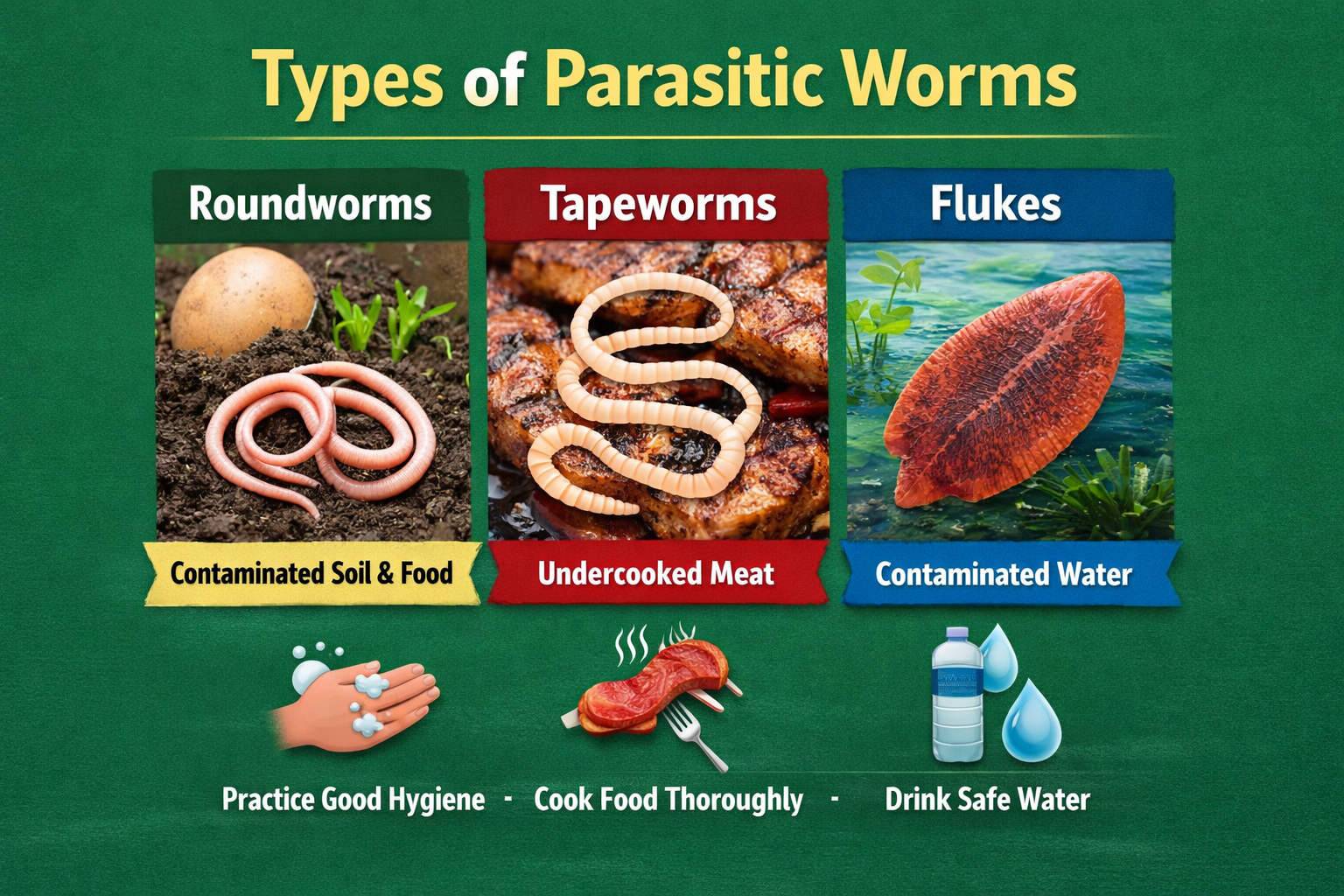
- Roundworms: These are the most common types. They spread through contaminated soil or food.
- Tapeworms: They enter the body through undercooked meat, especially pork or beef.
- Flukes: These are usually transmitted through contaminated water or aquatic plants.
⚠️ Symptoms You Shouldn’t Ignore
Helminth infections often go unnoticed in the early stages. However, several warning signs may appear over time.
- Abdominal pain and diarrhea
- Unexplained weight loss
- Fatigue and weakness
- Itching around the anus
- Visible worms in stool
In severe cases, complications such as anemia and intestinal blockage can occur. Therefore, early detection is crucial.
🎥 How Helminth Infections Spread
Helminths spread through multiple pathways. For instance, consuming contaminated food or water is a common cause. Additionally, walking barefoot on infected soil can also lead to infection.
🛡️ Effective Prevention Tips
Preventing helminth infections is simple if you follow proper hygiene practices.
✔️ Maintain Personal Hygiene: Wash your hands thoroughly before eating and after using the toilet.
✔️ Cook Food Properly: Ensure meat is well-cooked to kill parasites.
✔️ Drink Safe Water: Always use clean or filtered water.
✔️ Wear Footwear: Avoid walking barefoot, especially in contaminated areas.
✔️ Regular Deworming: Consult a doctor for periodic deworming, especially for children.
💊 Treatment Options
Treatment usually involves antiparasitic medications. These drugs effectively kill or expel worms from the body.
Common treatments include:
Albendazole
Mebendazole
Ivermectin
However, always consult a healthcare professional before starting any medication.
📊 When to See a Doctor
You should seek medical attention if symptoms persist or worsen. Additionally, children, elderly individuals, and people with weak immune systems should be extra cautious.
🧾 Conclusion
Helminth infections are more common than many people realize. However, they are preventable and treatable with the right approach. By maintaining hygiene, eating safe food, and seeking timely treatment, you can protect yourself and your family.
References:
https://www.ncbi.nlm.nih.gov/books/NBK560525/
https://www.who.int/news-room/fact-sheets/detail/soil-transmitted-helminth-infections
https://my.clevelandclinic.org/health/diseases/24885-parasitic-infection
Medications that have been suggested by doctors worldwide are available on the link below
https://mygenericpharmacy.com/category/disease/worms