Browsed by
Category: Immune system

Is there any possibility to prevent tetanus infection?

Is there any possibility to prevent tetanus infection?

A bacterium that produces a toxin is the source of the deadly neurological condition known as tetanus. Muscle contractions brought on by the illness, particularly in the neck and jaw muscles, are common. Lockjaw is the popular name for tetanus.
Tetanus consequences might be fatal if they are severe. Tetanus has no known treatment. The goal of treatment is to control symptoms and side effects while the tetanus toxin’s effects are still present.

Tetanus cases are uncommon in the United States and other industrialised nations due to the extensive use of vaccinations. Those who are not up to date on their vaccinations continue to be at risk from the disease. It occurs more frequently in underdeveloped nations.

The infection can ultimately be fatal and result in severe muscle spasms, significant breathing problems, and other symptoms. Tetanus therapy is available, however its efficacy varies. Getting the immunisation is the best method to prevent tetanus.

Causes of Tetanus

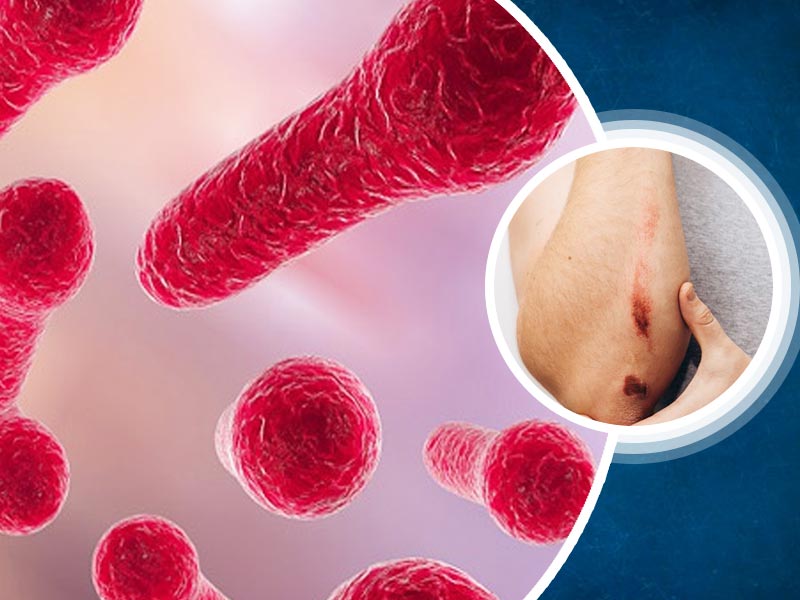
The bacterium Clostridium tetani is responsible for causing tetanus. Spores of Clostridium tetani have a lengthy shelf life outside of the body. The two places where they are most frequently discovered are polluted soil and animal dung.

Tetanospasmin, a neurotoxin, is released when Clostridium tetani enter the body and grow quickly. It enters the bloodstream and quickly spreads throughout the body, producing tetanus signs and symptoms.

Tetanospasmin causes muscle spasms and stiffness by interfering with the impulses that leave the brain and travel to the spinal cord’s nerves, which in turn travel to the muscles.

Primarily by skin puncture or cut wounds, Clostridium tetani enters the body. Any cut should be cleaned thoroughly to help against infection.

Tetanus is frequently acquired in the following ways:

  • wounds that have been infected with excrement or saliva
  • burns
  • compression wounds
  • Dead tissue-filled wounds
  • Puncture marks

There are a few unusual ways to get tetanus, including:

  • operative methods
  • skin-level injuries
  • insect stings
  • Complicated fractures
  • drug usage intravenously
  • injections put into muscles
  • dental maladies

Symptoms of Tetanus

In most cases, tetanus symptoms start to show up 7 to 10 days after the original infection. But it can take anything from 4 days to around 3 weeks, and in extreme situations, it might even take months.

In general, the incubation period is greater the more away the lesion site is from the central nervous system. Shorter incubation periods are associated with more severe symptoms in patients. Spasms and stiffness are among the signs of muscles. Lockjaw gets its name from the chewing muscles, which are where stiffness typically begins.

After that, neck and throat muscles started to spasm, making it difficult to swallow. Patients frequently have facial muscular spasms. The rigidity of the neck and chest muscles can make breathing difficult. Some patients also experience issues with their leg and abdominal muscles.

The following symptoms will also be present in the majority of tetanus patients:

  • soiled stools
  • diarrhoea
  • fever
  • headache
  • the capacity for touch
  • unwell throat
  • sweating
  • quick heartbeat

Can tetanus be prevented?

Diphtheria, tetanus, and pertussis are the three diseases that a DTaP vaccination protects against. The CDC advises giving children 5 DTaP vaccinations. At 2, 4, and 6 months of age, the first three shots are given. The fourth shot is administered between 15 and 18 months of age, and a fifth one is administered between the ages of 4 and 6 when a child first enrols in school.

An 11- or 12-year-old should receive a Tdap dosage at routine checkups. The tetanus, diphtheria, and pertussis vaccine is included in the Tdap booster. The Td booster should be substituted with a dose of Tdap if the adult did not receive one as a preteen or adolescent. Adults should have a Td booster every ten years, though it can be administered earlier. For advice, consult your healthcare provider at all times.

REFERENCES:

For more details, kindly visit below.
What are the causes and symptoms of Corona Virus?

What are the causes and symptoms of Corona Virus?

A lot of medical professionals think that pangolins or bats are where the new coronavirus strain most likely got its start. The initial human transmission occurred in Wuhan, China. Since then, person-to-person contact has been the primary method of viral transmission.

A class of viruses known as coronaviruses can infect both humans and animals with sickness. One example of a coronavirus is the SARS-CoV virus strain, which causes the severe acute respiratory syndrome (SARS). In 2002–2003, SARS spread quickly.

The severe acute respiratory syndrome coronavirus 2 is the name of the new coronavirus strain (SARS-CoV-2). Coronavirus illness is brought on by the virus (COVID-19).

Approximately 80% of COVID-19 patients recover without specialised care. These individuals could have minor flu-like symptoms. However, 1 in 6 individuals may develop serious symptoms, such as breathing difficulties.

What is a Corona Virus?

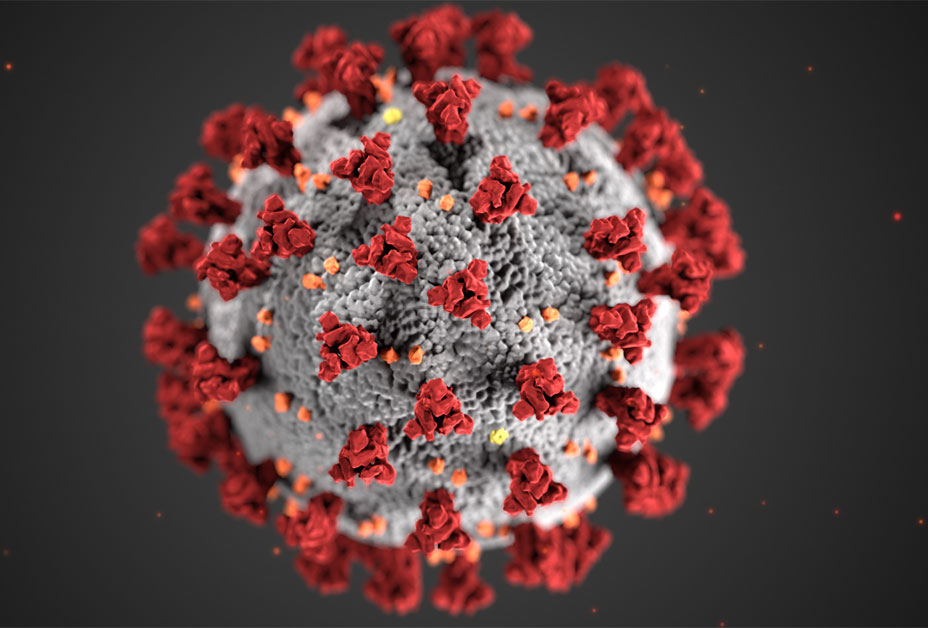
A group of viruses known as coroviruses can make people sick with respiratory conditions. Because the virus’s surface is covered in spikes that resemble crowns, they are known as “corona.” Examples of coronaviruses that affect people include the severe acute respiratory syndrome (SARS), Middle East respiratory disease (MERS), and the common cold.

What caused coronavirus?

Wuhan, a city in China’s Hubei region, was the site of the most recent outbreak. In December 2019, the first COVID-19 cases were reported.

Certain animal species, including cattle and camels, frequently contract coronaviruses. Despite the rarity, coronaviruses can occasionally be transmitted from animals to people. According to a reliable source, this new strain most likely originated from bats, while one study raises the possibility that pangolins were the original host.

It is still unknown how the virus originally infected humans, though. According to some reports, the first cases originated at a seafood and livestock market in Wuhan. SARS-CoV-2 may have begun to spread to humans from this location.

How it spreads?

Through small communities, SARS-CoV-2 transmits from one person to another. People who have COVID-19 cough or exhale little droplets containing the virus. These droplets can cause an infection if they go into someone’s mouth or nose who doesn’t have the virus.

Close contact with an infected person is the most typical way that this disease spreads. Close proximity is approximately 6 feet.  When a person’s symptoms are the worst, the disease is most contagious. But even someone who is symptom-free can transfer the infection. According to a recent study, 10% of infections come from persons who don’t have any symptoms.

The virus may also droplets that land on neighbouring surfaces or objects. By touching these surfaces or objects, other people could contract the infection. If the person then touches their mouth, nose, or eyes, infection is probably going to occur.

It is significant to note that research on COVID-19 is still in its early stages. The new coronavirus may be spread through additional channels as well.

Symptoms and Complications

The symptoms of COVID-19 infection might range from little to no symptoms to serious sickness and death. Most illnesses start up to 14 days following exposure and are typically mild.

The most typical signs are:

  • a new or worsening cough
  • Fever
  • Tiredness
  • Chills
  • muscle pain
  • Headache
  • diarrhoea, vomiting, or nauseous

Additional signs include:

  • respiratory issues or shortness of breath
  • unwell throat
  • swallowing that hurts or is challenging
  • eye colour (conjunctivitis)
  • a diminished appetite
  • loss of flavour or scent

Some individuals, nevertheless, could experience other, more serious consequences like pneumonia or respiratory failure. People who are not fully immunised, pregnant women, adults 60 and older (risk rises with age), people with underlying chronic medical conditions (such as heart disease, diabetes, lung disease), people who are obese with a BMI of 40 or higher, and people with weakened immune systems are at higher risk of developing a severe illness from COVID-19.

In certain instances, COVID-19 infection might result in chronic symptoms that persist for several weeks or months after the patient has recovered. This is referred to as a lengthy COVID or a post COVID-19 condition. Regardless of the severity of your infection or whether you have symptoms, you could develop post-COVID-19 illness.

Symptoms that commonly affect adults include:

  • Tiredness
  • memory issues
  • trouble sleeping
  • breathing difficulty
  • Concern and sadness
  • general discomfort and suffering
  • having trouble focusing or thinking
  • Posttraumatic stress disorder (PTSD)

Typical signs that children experience include:

  • Tiredness
  • Headaches
  • Loss of weight
  • muscle ache
  • trouble sleeping
  • runny or stuffed nose
  • having trouble focusing or thinking

REFERENCES:

For more details, kindly visit below.
What are the possible side effects of using Emergen-C?

What are the possible side effects of using Emergen-C?

Vitamin C and other minerals are found in Emergen-C, a dietary supplement that will strengthen your immune system and give you more energy.

It can be combined with water to make a beverage, and people frequently choose it during the cold and flu season for added infection prevention.

What is Emergen-C?

It is said that Emergen-C, a powdered supplement with high dosages of vitamin C and B vitamins, would strengthen your immune system and give you more energy.

The product is sold in single-serving packets that should be dissolved in 4-6 ounces (118–177 ml) of water before use.

The finished beverage has a gentle fizz and contains 10 oranges’ worth of vitamin C. The ingredients in the original Emergen-C formulation, which is available in 12 varieties, are as follows:

  • 35 calories
  • 6 grammes sugar
  • 1,000 mg, or 1,667% of the daily value, of vitamin C (DV)
  • 10 mg, or 500% of the DV, of vitamin B6
  • 25 mcg, or 417% of the DV, of vitamin B12
  • 100 mcg of vitamin B-9 (25 percent of your RDA)
  • 0.5 mcg of manganese (25 percent of your RDA)
  • 2 mg of zinc (13 percent of your RDA)

Benefits

  • Immunity can be strengthened by vitamin C. It might also aid in collagen production to support healthy skin.
  • A healthy neurological system and the metabolism of red blood cells and lipids may both be supported by vitamin B-6.
  • Red blood cells transport oxygen throughout the body, and vitamin B-12 may aid in their production. In order to produce energy, food must be metabolised.
  • Folic acid supports the synthesis of amino acids.
  • Your overall immune system is supported by manganese, which also strengthens your skin and bones.
  • Assists in enhancing immunity is zinc.

How to use Emergen-C Tablet?

Take this medication as indicated, generally once daily. Chew it well before swallowing. Follow all the instructions on the product’s packaging or do what your doctor advises. Never take more than the dosage that is advised. Ask your physician or pharmacist if you have any queries.

To get the most benefit from this medication, take it frequently. Take it at the same time every day to aid in memory.

Side effects of Emergen-C

You could experience diarrhoea, constipation, or a stomachache. These side effects are typically transient and can go away as your body becomes used to the medicine. Inform your doctor or pharmacist as soon as possible if any of these side effects persist or get worse.

Rarely will this medication cause a very serious allergic reaction. However, if you have any of the following signs of a significant allergic response, you should seek immediate medical attention. Reaction includes rash, itching or swelling (particularly of the face, tongue, or neck), severe dizziness, or difficulty breathing.

The list of potential negative effects is not exhaustive. Contact your doctor or pharmacist if you have any other side effects not covered above.

Interactions

Drug interactions could alter how your medications function or raise the possibility of major negative side effects. All probable medication interactions are not included in this document. Keep a list of everything you use, including herbal products, prescription and over-the-counter medications, and provide it to your doctor and pharmacist.

Avoid taking your multivitamin, if it contains iron, at the same time as antacids, levodopa, bisphosphonates (such as alendronate), thyroid drugs (such as levothyroxine), or some antibiotics (for example, tetracyclines, quinolones such as ciprofloxacin). Find out how long you should wait between doses from your doctor or pharmacist, and ask them for assistance in creating a dosing schedule that will work with all of your drugs.This medication may affect some lab tests, leading to potentially inaccurate test results. Make sure all of your doctors and lab staff are aware that you use this medication.

Precautions

Inform your doctor or pharmacist before using this medication if you have any allergies to any of its ingredients or if you have any other allergies. Inactive chemicals in this product have the potential to trigger allergic reactions or other issues. To learn more, speak with your pharmacist.

Inform your doctor or pharmacist about your medical history before using this drug, especially of alcohol use or abuse, liver problems, stomach/intestinal disorders (such as ulcer, colitis).

Tell your doctor or pharmacist before taking your multivitamin if it contains folic acid and you suffer from pernicious anaemia or vitamin B12 deficiency. Without addressing this anaemia, folic acid may have an impact on several laboratory tests for vitamin B12 deficiency. Serious nerve issues could arise from vitamin B12 deficiency if left untreated. For more information, talk to your doctor or pharmacist.

This medication may affect some lab tests, leading to potentially inaccurate test results. Make sure all of your doctors and lab staff are aware that you use this medication.

Bottom line

  • The dietary supplement Emergen-C contains significant amounts of the minerals zinc and vitamin D, as well as other vitamins and nutrients critical for immunity and energy levels.
  • It is unclear if these nutrients are beneficial for healthy adults, despite some evidence to the contrary.
  • Although it’s probably safe to use Emergen-C in moderation, taking too much vitamin C, vitamin B6, or zinc may cause stomach trouble, nerve damage, or a copper deficiency.
  • To enhance your immune system, in addition to eating the correct meals, you should also take care of your gut, exercise frequently, get adequate sleep, and manage your stress.

For more details, kindly visit below.

What foods to eat for a healthy immune system?

What foods to eat for a healthy immune system?

What is an immune system?

The immune system is a term that describes a biological process in a living organism that protect the organism from any kind of disease or infections. It is a complex combination of various organs, cells and proteins that defends the body against any kind of harm possessed by the outside invader in the body, whilst protecting the body’s own cells.

The immune system is versatile enough to keeps a record of every germ or disease it has ever defeated so that it can recognized and destroyed quickly as soon as it enters the body again. It is the immune system’s job to keep your body healthy. If germs get into your body, it prevents them from entering, kills them, or limits the extent of their damage.  

If we did not have an immune system, we would not be able to fight harmful things entering our bodies or preventing harmful changes from taking place inside, which could be terrible for our body to maintain health.

Parts of immune system

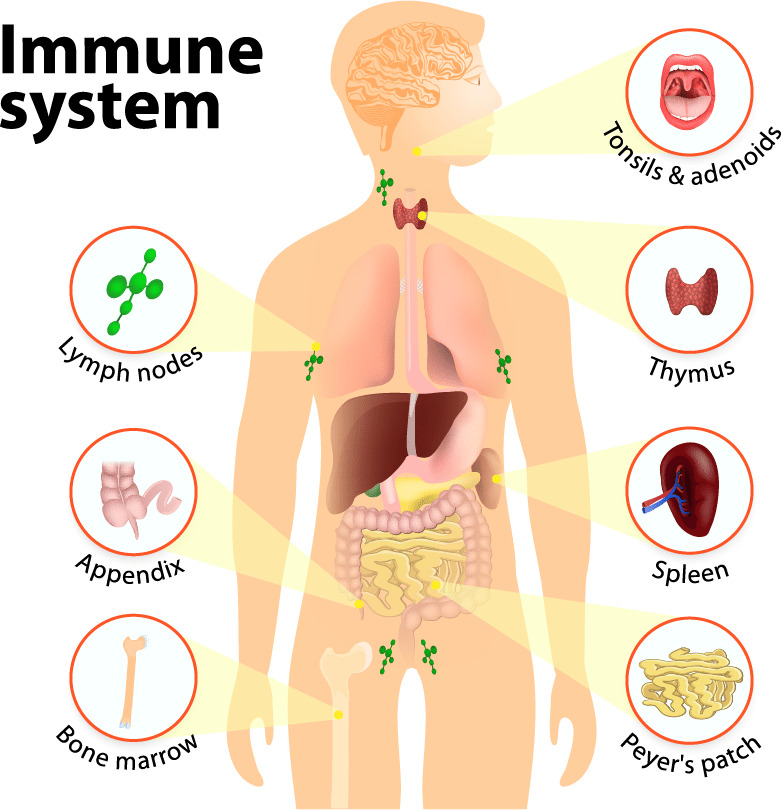
A person’s immune system is composed of many different organs, white blood cells, proteins (antibodies), and chemicals. A combination of these systems protects you from infection, illness, and disease caused by foreign invaders (bacteria, viruses, parasites, and fungi). Following is the list of parts generally present in an immune system.

1. White blood cells (leukocytes)

While traveling in the blood and tissues of your body, white blood cells search for bacteria, viruses, parasites, and fungi that are foreign invaders (microbes). They launch an immune attack as soon as they find them.

2. Antibodies

The body uses antibodies to fight microbes or toxins (poisons) they produce by recognizing substances called antigens on their surface or in their chemicals. A number of cells, proteins, and chemicals are involved in this attack.

3. Complement system

A complement system is composed of proteins that complement antibodies’ work.

4. Lymphatic system

The lymphatic system is made up of lymph nodes (also called lymph glands), lymph vessels, and white blood cells (lymphocytes).

5. Spleen

Spleen is a filtering organ that filters and removes microbes and cells that are old and damaged. It is also associated with production of components that fights diseases and infections in an immune system.

6. Bone marrow

Bone marrow is the tissue that if found inside our bone. It produces red blood cells that carry oxygen throughout our body, white blood cells for fighting infections, and platelets which helps in blood clot.

7. Thymus.

Thymus if a monitoring and filtering section for your blood. This gland produces white blood cells called -lymphocytes.

Food to consume for a healthy immune system

Your immune system may be strengthened by eating certain foods. When it comes to preventing colds, the flu, and other infections, your first stop should be your local grocery store. You can boost your immune system by including these powerful foods in your diet.

  • Citrus fruits
  • Red bell pepper
  • Broccoli
  • Garlic
  • Ginger
  • Spinach
  • Almond
  • yogurt
  • Sunflower seeds
  • green tea
  • turmeric
  • papaya
  • Poultry foods
  • Kiwi
  • Shellfish
  • eggs
  • Salmon
  • oyster
  • Carrots
  • pineapples

REFERENCES:

For more details, kindly visit below.

https://mygenericpharmacy.com

Search this blog by following keywords also immune system diseases | immune system boosters | immune system facts | immune system disorder | immune system meaning