Browsed by
Author: blogadmin

Are the eyes the window to our health condition?

Are the eyes the window to our health condition?

Diabetes, multiple sclerosis, and even Alzheimer’s disease can all be identified simply looking into someone’s eyes. Most people have their eyes checked periodically. However,few may be aware that an eye exam is used for more than simply vision correction and vision testing.
The eye is the only organ in the body that allows for a non-invasive examination of the inside by medical professionals due to its frontal “window.” The retina, which is located at the back of the eye, is where blood vessels and the optic nerve are visible in detail.

An optometrist may refer a patient to a medical ophthalmologist if a normal eye exam causes them to have concerns. The medical ophthalmologist will further investigate by doing additional eye exams. If the results of their examinations point to a systemic disease, doctors can then refer the patient to the appropriate expert.

What can be diagnosed?

A routine eye exam can discover vision issues including nearsightedness, farsightedness, and astigmatism. Also, other eye conditions like glaucoma and age-related macular degeneration. The optometrist can learn a lot about a person’s general health by checking the blood vessels in the retina and the optic nerve.

This non-invasive method can identify a wide range of medical illnesses. This includes hypertension, diabetes, thyroid issues, neurodegenerative diseases like Alzheimer’s and multiple sclerosis, and hypertension that may not be immediately apparent to the eyes (MS).

“Ocular inflammation can damage a variety of eye structures and is frequently the initial symptom of a systemic illness. According to Dr. Ibrahim, concentrated history-taking and a guided evaluation of the pertinent physiological systems, including blood testing, are the keys to determining the cause.

Eye Exams and Your Health

Doctors can identify general health concerns early enough to intervene with the use of eye examinations. With the use of advanced tests, ophthalmologists can more accurately forecast cardiovascular events. This includes stroke and perhaps spot early indications of mental deterioration like Alzheimer’s. Learn how eye exams can reveal much more than simply eye health by reading the information below.

Brain tumours and stroke

Because the blood vessels in the brain and eyes are similar, an eye doctor may occasionally be able to identify a problem with the brain by looking at the blood vessels in the eyes. If swelling or shadows are noticed in the eye, this could be a sign of a dangerous brain problem. This includes a tumour or blood clots that could cause a stroke.

Diabetes

Diabetic Retinopathy (DR) and diabetic macular edoema are conditions where diabetes has damaged the blood vessels in the retina at the back of the eye (DME). In order to help control their blood sugar, the patient would be encouraged to consult a doctor if an optometrist discovered leaky blood vessels in their eyes. The slow changes begin before any visible symptoms are seen. The likelihood of maintaining vision improves with earlier management of diabetic eye illness.

Hypertension

An eye exam can identify high blood pressure, which is characterised by excessive blood vessel pressure. Sometimes even before your regular doctor makes the diagnosis. You can see swelling, haemorrhages, and leakage in the eyes as a result of the blood vessels that are injured. The CDC claims that approximately one in three adults have hypertension, known as “the silent killer,” and that up to 20% of those people are unaware of their condition. Thus, early diagnosis during an eye doctor’s evaluation can actually save lives.

High Cholesterol

Exams of the eyes might also spot cholesterol accumulation. One of the simplest illnesses to diagnose during a thorough eye exam is high cholesterol. Since the deposits of the disease show up on the front of the eye as a thin, grey rim surrounding the cornea. By analysing artery and vein patterns, it can also be found in the retina.

Retinal Blood Vessel Occlusion is a condition in which blockages limit blood flow to the back of the eye. This leads to temporary or permanent vision loss. These deposits may be an indication of the current or future development of this condition.

Heart Problems

Certain heart disorders that cause the carotid artery in the heart to accumulate plaque can also result in deposits that obstruct the ocular arteries in the eyes. An optometrist would often advise consulting a specialist if they notice these modifications to the vascular system at the back of the eye.

Several Sclerosis (MS)

Multiple Sclerosis may be to blame for sudden visual loss (MS). While the colour and appearance of the optic nerve are indicators of MS that the optometrist can detect, such instances will be sent for additional testing to confirm the diagnosis.

Thyroid

There are various ways that thyroid disease can manifest in the eyes. Certain thyroid abnormalities can lead to dry eye illness because the thyroid gland regulates the hormones that influence tear production. Furthermore, hyperthyroidism, an overactive thyroid condition, can cause the extraocular muscles to expand and stiffen, resulting in bulging eyes, a sign of Graves’ disease.

Inflammation

The eyes may become inflamed as a result of systemic illnesses that are linked to inflammation in the body. For instance, uveitis, which can result in eye inflammation, redness, and blurred vision, is more common in patients with autoimmune illnesses including lupus, rheumatoid arthritis, and others.

Cancer

An eye exam can occasionally reveal metastatic malignancies like breast cancer, leukaemia, and other types of cancer. Eye specialists can also diagnose lymphoma and other eye cancers in addition to the previously stated brain cancer, basal cell carcinoma and melanoma (skin cancer), which can also be diagnosed. A good eye check saves lives.

REFERENCES:

  • https://www.medicalnewstoday.com/articles/biking-vs-running-2
  • https://www.brightfocus.org/glaucoma/article/eye-window-your-health
  • https://health.clevelandclinic.org/your-eyes-a-window-to-your-health/
  • https://www.eyecaredoctors.com/2019/12/22/eyes-are-windows-to-your-health-2019/

For more details, kindly visit below.
Are Exercise helpful in managing parkinson’s symptoms.

Are Exercise helpful in managing parkinson’s symptoms.

According to the Parkinson’s Foundation, a charity that supports research and disseminates information about the condition, Parkinson’s disease is the second most prevalent neurological illness after Alzheimer’s disease.

It is unclear to experts what causes Parkinson’s. Nonetheless, a lot of people think that a hereditary and environmental combination of factors may be to blame. Parkinson’s patients frequently have a decrease of dopaminergic neurons, or brain cells that produce dopamine, in the substantia nigra, a region of the brain.

In a recent study, researchers discovered that every year, roughly 90,000 Individuals 65 years of age or older are given a Parkinson’s disease diagnosis. In comparison to earlier projections, this is a 50% increase.

Symptoms of Parkinson’s disease

Typical signs of Parkinson’s disease include:

  • tremors
  • slow motion
  • limb rigidity
  • balance and gait issues.

Parkinson’s disease can be treated with drugs and surgery even though there is presently no cure. Experts concur that altering one’s lifestyle may be beneficial.

Recently, the Cochrane Database of Systematic Reviews published a systemic review and network meta-analysis on the advantages of Parkinson’s patients engaging in exercise routines to manage the condition.

Exercise as treatment

Exercise has been regarded by specialists as a type of treatment for people with Parkinson’s disease for more than 60 years.

The Parkinson’s Outcomes Study, a clinical trial of over 13,000 Parkinson’s patients from five different countries that was started in 2009, discovered that engaging in at least 2.5 hours of exercise per week can reduce the disease’s impact on a person’s quality of life.

Further research is being done to understand the mechanisms through which exercise benefits people with Parkinson’s.

For instance, a 2022 study discovered that a hormone released during exercise lowers the amounts of a protein responsible for the symptoms of Parkinson’s disease.

Different types of exercise

The goal of this systematic review and network meta-analysis was to assess how various forms of physical activity affected persons with Parkinson’s disease.

The studies that were considered as part of the analysis focused on the advantages of exercise regimens that the researchers categorised into ten, more general categories, including:

  • dance
  • an aquatic workout
  • gait, equilibrium, and functional training
  • multi-domain instruction
  • mind-body conditioning
  • endurance exercises
  • flexibility exercises
  • resistance and strength training
  • gaming
  • Parkinson’s patients that participate in the physical therapy programme LSVT BIG learn to move their bodies more easily.

According to Dr. Giselle Petzinger, a neurologist and associate professor of neurology at the Keck School of Medicine at the University of Southern California, “they really did try to cover, I think, truly the gamut of the different types of activities.” She wasn’t a part of this study.

She continued, “I think the breadth is quite broad. The effects of these various forms of exercise on motor symptoms and quality of life were examined by the researchers. They also looked at the negative outcomes that various study investigators reported.

Studies selected for research

Starting with trial registries, conference proceedings, reference lists of identified studies, and eight databases (including Embase), the researchers conducted a systematic search for articles. This search covered the period from May 2021.

RCTs were a part of the systemic review conducted by the researchers. They examined the effectiveness of several forms of organised physical activity for Parkinson’s disease in adults by contrasting them with one another, a control group, or both.

In the end, the researchers enrolled 7,939 people from 156 RCTs, the majority of whom had mild to severe Parkinson’s disease but no significant cognitive impairment.

The trials included a median of 51 participants. The included studies were carried out in a variety of nations, but the nation with the greatest number of included cases was the United States.

Analysis of the effects of exercise

Network meta-analysis, which is defined as “a meta-analysis in which multiple treatments (that is, three or more) are being compared using both direct comparisons of interventions within randomised controlled trials and indirect comparisons across trials based on a common comparator,” was used by researchers to analyse the effects of the exercises.

The investigation specifically looked at how different types of exercise affected the severity of motor symptoms and quality of life. The negative consequences of exercise were also examined.

On 71 trials with 3,196 people that assessed the severity of motor symptoms and on 55 trials with 3,283 participants that assessed quality of life, network meta-analyses were performed. 5192 participants and 85 studies provided safety information.

Beneficial effects of exercise

The Unified Parkinson Disease Rating Scale (UPDRS)-M scores are used by the researchers to express the effects of various forms of exercise on the severity of motor symptoms in Parkinson’s patients.

The following is evidence from network meta-analyses on the effect of various types of exercise on the severity of motor signs:

  • Dance may have a mildly positive effect, according to the findings.
  • Evidence suggests that aqua-based exercise “may have a moderately positive effect.”
  • Gait, balance, and functional exercise may “may have a moderately positive effect,” according to the data.
  • Evidence indicates that multi-domain training “may have a moderate favourable effect.”
  • Evidence indicates that mind-body training “may have a small beneficial effect”
  • Data suggests that endurance training “may have a slight beneficial effect.”
  • Training your flexibility may “have a modest or no effect,” according to the evidence.
  • Evidence for strength/resistance training is somewhat speculative.
  • LSVT BIG: Evidence is highly speculative.

The Parkinson’s Disease Questionnaire scores were used by the researchers to categorise the impact of various forms of exercise on people with Parkinson’s quality of life.

They discovered what follows:

  • Evidence suggests that aquatic training “probably has a considerable beneficial effect.”
  • Evidence suggests that endurance training “may have a moderate favourable effect.”
  • According to the available data, functional exercise “may have a small beneficial effect” on gait and balance.
  • Evidence suggests that multi-domain training “may have a slight favourable effect.”
  • Evidence for mind-body training is highly speculative.
  • gaming: extremely shaky evidence
  • Strength-resistance training: Very unclear evidence
  • Dance: pretty shaky evidence
  • LSVT BIG: Very shaky evidence
  • Evidence for flexibility training is highly speculative.

Just 85 of the chosen studies offered any sort of safety information. In 40 of the RCTs that were examined, no negative occurrences happened. 28 studies did find adverse effects.

Participants in 18 research reported having fallen, and 10 studies said they had hurt themselves. The results of the analysis stated that the “impact of physical activity on the risk of adverse events” is “extremely questionable” in light of the accumulated information.

The researchers did highlight that there was not much data to suggest that the various types of exercise had varied detrimental consequences.

REFEENCES:

  • https://www.medicalnewstoday.com/articles/why-do-my-teeth-hurt-2
  • https://www.hopkinsmedicine.org/health/conditions-and-diseases/parkinsons-disease/fighting-parkinson-disease-with-exercise-and-diet
  • https://flatheadvalleyparkinsons.com/parkinsons-most-forms-of-exercise-equally-helpful-in-managing-symptoms/

For more details, kindly visit below.

Top consequences of loneliness an individual must consider.

Top consequences of loneliness an individual must consider.

Nobody likes to be alone, despite the fact that it’s a phrase from a popular song.

The phrase “chronic loneliness” refers to loneliness that lasts for a very long time. Although if chronic loneliness and loneliness in general aren’t particular mental health illnesses, they can nevertheless have an impact on your wellbeing.

The bad emotions that can arise when your demands for social interaction aren’t met are referred to as loneliness. It’s acceptable to occasionally cherish your alone time. In fact, solitude may promote relaxation and recharging. You could require more alone time than another person to feel your best because everyone has varied needs for it.

Nevertheless, loneliness and being alone are not nearly the same. You’re less likely to feel negatively lonely or yearn for social interaction when you’re enjoying your isolation. Loneliness and isolation frequently go hand in hand, and both can have an impact on physical and mental health.

Why are people lonely?

There are numerous causes of loneliness. For instance, you might experience loneliness if:

  • change jobs or schools
  • working at home
  • transfer to a new city
  • break up a relationship
  • are newly single and living alone.

Feelings of loneliness may disappear as you become used to these new circumstances, but they sometimes linger. It can be difficult to discuss loneliness, and if you find it difficult to reach out to others, you might feel even more isolated.

You can experience loneliness even if you have a large social network since a lack of meaningful interactions is another factor.

Despite participating in a number of social events and having a lot of casual friends, you might not feel particularly connected to anyone. If you’re single and don’t want to be, spending a lot of time with couples and families might also make you feel lonely. Even if you are contentedly single, this could still occur.

Dealing with physical or mental health problems might also make you more likely to feel lonely. As it can be challenging to articulate your feelings, having health issues can be isolating. Social activities can occasionally require too much emotional or physical energy, which may lead to you cancelling more plans than you maintain. A persistent absence of social interaction may eventually worsen your feelings.

Symptoms of loneliness

Spending time alone might make you feel depressed, empty, or as though you’re missing something vital if you’re lonely. Symptoms of chronic loneliness can include any of the following:

  • reduced energy
  • feeling hazy or unable to concentrate
  • troubles with sleep, such as insomnia or sleep disruption
  • reduction in appetite
  • emotions of insecurity, pessimism, or unworthiness
  • a propensity to fall ill repeatedly
  • discomfort in the body
  • emotions of dread or uneasiness
  • more purchasing
  • misuse of drugs
  • greater inclination to binge-watch movies or television shows
  • bodily warmth desires, such as for hot beverages, baths, or warm clothing

Diagnosis of loneliness

Even extreme loneliness is not a particular mental health disorder. Nevertheless, doctors are beginning to understand how loneliness can impact both your physical and mental well-being.

Talking to a mental health expert could be helpful if you’ve been experiencing inexplicable symptoms like the aforementioned loneliness symptoms and have been feeling lonely.

Your symptoms may have potential mental health causes, which a therapist can assist you in identifying. Although there is no medical diagnosis for loneliness, counselling can assist you in finding resources and support.

A therapist can also give you advice on how to deal with the negative impacts of loneliness and assist you in looking for constructive change.

Complications

More and more experts contend that loneliness and isolation, whether they happen simultaneously or separately, can have significant negative impacts on health. These are some current research findings.

Chronic disease

According to a 2017 analysis of 40 studies on social isolation and loneliness, these conditions increase the risk of early death, cardiovascular problems, and deteriorated mental health.

Another 2017 study examined data from the Swiss Health Survey and discovered evidence that loneliness is associated with an increased risk for:

  • chronic disease
  • elevated cholesterol
  • psychological distress
  • diabetes
  • depression

Sleep pattern

According to the findings of a 2017 study that included more than 2,000 twins, young adults who felt lonely tended to have poorer-quality sleep. The study also discovered data suggesting that being exposed to violence can make one feel more lonely.

A 2010 study of 215 individuals confirms the association between loneliness and insufficient sleep quality and hypothesises that poorer sleep quality may make it difficult to function during the day.

A 2018 research of 639 senior citizens found that loneliness and social isolation can both impair sleep quality.

Depression

In 2016, researchers examined the relationship between social isolation and loneliness in 1,116 twin pairs and discovered evidence that lonely persons frequently experience depression.

Loneliness had a “moderately significant” effect on the likelihood of depression, according to a 2018 assessment of 88 studies that examined the relationship between loneliness and depression.

Stress

According to the findings of a 2017 study that included 8,382 persons aged 65 and older, loneliness and depression both raise the risk of cognitive deterioration.

Tips to Prevent and Overcome Loneliness

You can get over loneliness. To change, one must make a conscious effort. Making a change over time can improve your overall happiness and health as well as your ability to positively influence those around you.

These are some suggestions for avoiding loneliness:

Think about volunteering or another enjoyable activity. These circumstances offer fantastic chances to make new friends and engage in social activities.

Aim for the best. Instead of expecting rejection, as lonely individuals frequently do, try to concentrate on having good attitudes and thoughts in your social interactions.

Ensure that you put great relationships first. Look for people who are like you in terms of attitudes, passions, and ideals.

Understand that loneliness is an indication that a change has to be made. You can begin taking actions to lessen your feelings of loneliness and create connections that promote your wellbeing, but don’t expect things to change overnight.

Recognize how loneliness affects your life. Loneliness has negative physical and mental effects. Make a concerted effort to fend off these symptoms if you see that they are having an impact on your mood.

Choose a group or form your own. For instance, you might consider starting a Meetup group for locals in your area who share your interests. Moreover, you can think about enrolling in a course at a community college, joining a reading club, or enrolling in a fitness class.

Strengthen an existing connection. In addition to making new friends, strengthening your current ties can also be a very effective approach to deal with loneliness. Call a friend or member of your family that you haven’t spoken to in a long.

Speak to a reliable person. It’s crucial to chat to someone in your life about how you are feeling. This could be a friend or family member, but you might also think about speaking with your doctor or a therapist. You can get in touch with a therapist whenever it’s convenient for you thanks to online counselling, which might be a fantastic option.

REFERENCES:

  • https://www.healthline.com/health/mental-health/chronic-loneliness
  • https://www.verywellmind.com/loneliness-causes-effects-and-treatments-2795749
  • https://www.medicinenet.com/dont_let_loneliness_harm_your_health/article.htm
  • https://www.webmd.com/balance/ss/slideshow-loneliness-health-effects

For more details, kindly visit below.
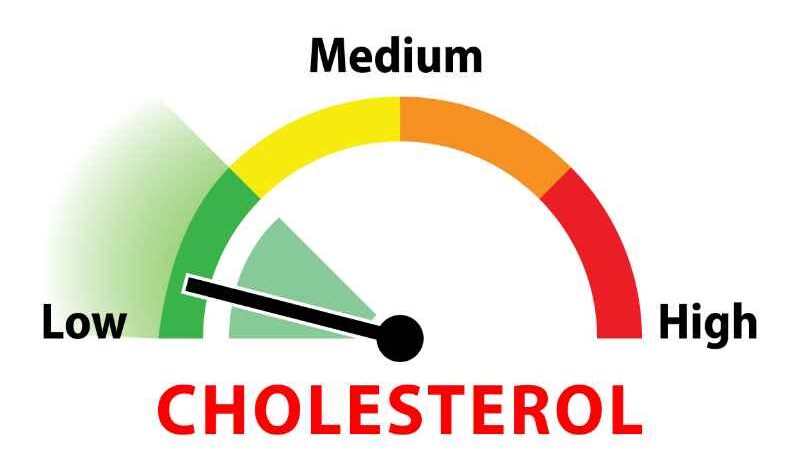
Important food tips to consider for lower cholesterol.

Important food tips to consider for lower cholesterol.

What is cholesterol?

To function effectively, your body requires some cholesterol. But, if there is too much in your blood, it can adhere to the artery walls and constrict or even block them. You run the risk of developing coronary artery disease and other heart disorders as a result.

On a class of proteins known as lipoproteins, cholesterol moves through the blood. LDL, one type, is referred to as the “bad” cholesterol. The accumulation of cholesterol in your arteries is caused by a high LDL level. The “good” cholesterol is frequently referred to as another type, HDL. It transports cholesterol back to your liver from other places of your body. The cholesterol is then eliminated from your body by your liver.

You can take actions to increase your HDL (good cholesterol) and decrease your LDL (bad cholesterol). You can reduce your chance of developing heart illnesses by maintaining normal cholesterol levels.

Food tips to lower your cholesterol

These ten methods include foods that lower cholesterol, suggestions for modest exercise, and more. These can all be used to lower cholesterol without the need of medicine.

To prevent trans fats, read the nutrition labels.

Reading nutrition labels is one of the simplest things you can do to help control your diet, so you’ve definitely heard this advice repeated time and time again. You can use nutrition labels to identify the healthy elements you consume and to steer clear of trans fats, which are among the worst ingredients for your cholesterol levels.

Trans fats, commonly referred to as “hydrogenated oils” or “partially hydrogenated vegetable oil,” are cunning substances that may benefit food producers but are bad for you.

Trans fats make things more durable, which makes them simpler to ship and store. They can be found in a lot of processed foods and many baked items made with margarine or shortening. Sadly, they also increase levels of dangerous LDL cholesterol while lowering levels of good HDL cholesterol.

Thus, read labels and make an effort to avoid trans fats whenever you can if you genuinely want to lower your cholesterol. Cutting them out of your diet can have a significant impact because they are among of the worst culprits when it comes to high cholesterol.

Choose fish or chicken or other meats that contain lower saturated fats.

Lookin’ a little bit more bare in the fridge than usual? When you leave to restock, take a moment to go through your shopping list to see if there are any simple protein substitutions you can make.

Start by cutting back on the red meat. Saturated fats, which are prevalent in a lot of red meats, can cause unhealthy LDL cholesterol levels to rise. Choose skinless chicken or skinless turkey more frequently and stay away from processed meats for healthier choices. Adding additional seafood to your diet is another option.

Fish is low in saturated fats and contains a variety of omega-3 fatty acids that are beneficial for your heart and can raise your levels of the good HDL cholesterol. You can try including the following fish varieties in your diet:

  • oily fish such as tilapia, Atlantic mackerel, or salmon from the Atlantic or Pacific
  • Shellfish include crab and shrimp
  • Lake herring and trout are examples of freshwater fish.
  • Whitefish from the sea, such as cod and grouper
  • Light tuna steaks or fillets in a can

Despite this, it can be difficult to resist eating hamburger and steak. Choose thinner meat pieces when grilling outside. Like anything else, it’s acceptable to consume certain saturated fats. Just remember to consume them in moderation.

Kidney beans, quinoa, whole grain bread, and other foods are good sources of soluble fibre.

You undoubtedly already know that fibre can improve your intestinal health. But, if you believed that fibre was only useful for digestion, reconsider; it can also improve your cardiovascular health.

Soluble fibre is abundant on a list of foods low in cholesterol (fiber that can dissolve into water). To lower levels of harmful LDL cholesterol, soluble fibre absorbs cholesterol in the gut before it enters the bloodstream.

Among the foods high in soluble fibre are:

  • Oats
  • Barley
  • Quinoa
  • granola bread
  • mung beans
  • Lentils
  • Chickpeas

Adding more of these food categories to your diet is simple. For lunch, try curried lentils, and for dinner, try turkey chilli with kidney beans. For morning, try oats and whole grain toast.

But, it’s crucial to keep in mind that not all “healthy” foods are made equal. In general, the more processed a grain or bean is, the less likely it is to be nutritious and provide health advantages. Try to stock up on fresh ingredients whenever you can.

Snacking on fruits, veggies, and nuts will increase your intake of unsaturated fats and fibre.

Having a snack between meals to increase energy or calm an upset stomach is perfectly acceptable. Yet, frequent snacks like crackers, cookies, pastries, microwave popcorn, chips, and other baked goods are high in trans and saturated fats.

On the other hand, snacking on fruits, veggies, and nuts helps you receive both good fats and fibre in addition to helping you avoid toxic fats.

Unsaturated fats, the healthiest sort of fats, are abundant in raw nuts. Due to their ability to increase levels of the beneficial HDL cholesterol and decrease levels of the harmful LDL cholesterol, nuts are a fantastic addition to a heart-healthy diet. Olives and avocados are two further examples of foods high in unsaturated fat.

In addition to numerous fruits and vegetables, nuts can be a fantastic source of soluble fibre. A double dosage of cholesterol-lowering effects may result from including as many of these foods in your diet as you can.

Uncertain about where to begin? Here are a few ideas:

  • Avocados
  • Apples
  • Strawberries
  • Blueberries
  • Oranges
  • Grapes
  • Olives
  • Peas
  • Broccoli
  • Carrots
  • Okra
  • Eggplant
  • Walnuts
  • Peanuts
  • Almonds
  • Cashews
  • Pistachios

Keep in mind that more processing equals less benefit, much like with meats and whole grains. For instance, eating an apple whole will provide more benefits than eating applesauce. Hence, try to obtain raw fruits, vegetables, and nuts if you can (unsalted if you can).

Take advantage of low-fat milk, cheese, and yoghurts.

Making better choices is all it takes to lower your cholesterol; you don’t have to give up everything you love in order to accomplish it. Choosing a healthier alternative when it comes to dairy is a significant area where success can be achieved quickly.

Choose low-fat dairy products rather than the standard varieties for foods like cheese, milk, cream, and yoghurt. Try soy milk as well if you’re up for some experimentation. Exactly what? That can develop into your upcoming craving.

Because full-fat dairy products contain saturated fat as well as cholesterol, making these changes is beneficial. By choosing a low-fat (or non-fat) option, you’re boosting your blood’s cholesterol levels.

Try preparing your food in a new way.

Not only what you eat matters, but also how you eat. The same way you may alter what you purchase at the grocery store, you can also decide on healthier cooking methods that naturally lower your cholesterol. For instance:

While preparing meat or fish, take into account reducing the fat and removing the skin (either before cooking or before eating). This enables you to consume less fat while still getting the protein.

Put your attention on boiling, broiling, baking, poaching, or grilling. These preparation techniques are superior to deep-frying and breading, which might increase fat content.

Consider eating one vegetarian meal a week.

Don’t be alarmed by the phrase “vegetarian.” By selecting a carefully prepared vegetarian dinner, you can simultaneously lower your cholesterol by increasing your intake of soluble fibre and consuming healthy fats. Also, a lot of vegetarian dishes are just as tasty and filling as their meat-based counterparts.

Here is one concept for a recipe with reduced cholesterol: Consider a freshly made salad with grilled, seasoned tofu and a sesame vinaigrette. For dessert, mix low-fat vanilla yoghurt with some fresh blueberries, strawberries, and oats.

Establishing a routine is crucial in this situation; for example, make every Tuesday night vegetarian night. As that becomes customary, consider adding more nights or include a weekly vegetarian lunch as well. You can also be a “flexitarian” by just consuming less meat. These adjustments could truly pay off in the long run.

Add additional movement to your daily activities.

By keeping your body active, you’re assisting it in doing what it was designed to do, which can have benefits for your general health. This includes increasing the heart-healthy HDL cholesterol, controlling blood pressure, and many other advantages.

Do I have to start going for runs every day? Do I need to purchase a lot of home exercise equipment or join a gym? You can if you want to! There are, however, a variety of alternative options, and it’s crucial to establish a schedule that works for you. The workout you will stay with is ultimately the one that is best for your heart.

REFERENCES:

  • https://www.healthline.com/health/ways-lower-cholesterol
  • https://medlineplus.gov/howtolowercholesterol.html
  • https://www.healthpartners.com/blog/how-to-lower-cholesterol-naturally/

For more details, kindly visit below.
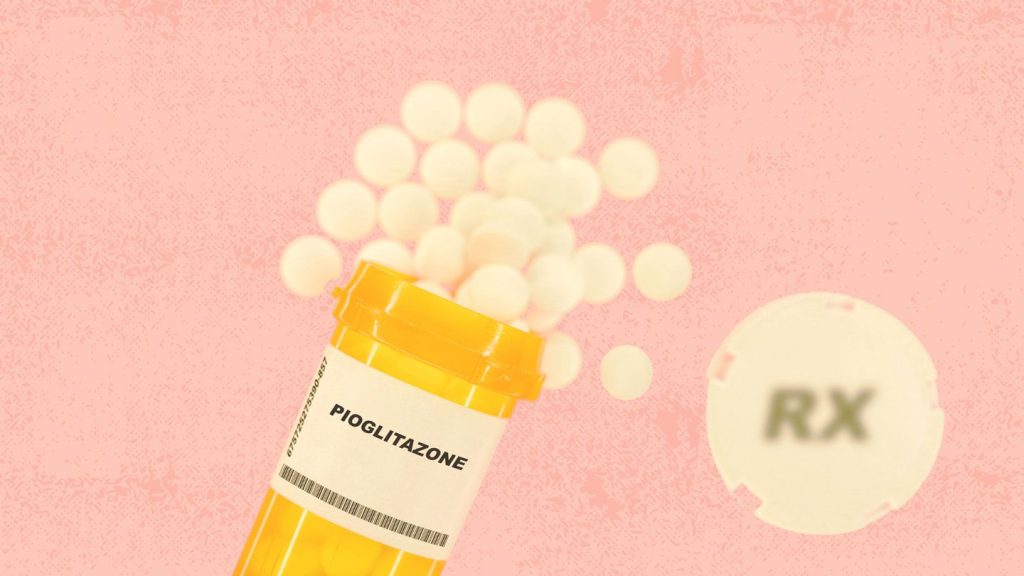
Type 2 diabetes drug may help lower rose dementia risk.

Type 2 diabetes drug may help lower rose dementia risk.

According to new research, older persons with newly diagnosed type 2 diabetes mellitus (T2DM) who have a history of stroke or ischemic heart disease may benefit most from treatment with the thiazolidinedione pioglitazone.

In general, over the course of an average of 10 years, patients who took pioglitazone had a 16% lower risk of dementia. This compares to the people who take medication, according to a large cohort study from Korea.

However, the risk of dementia was decreased by 54% and 43%, respectively, among people with ischemic heart disease and stroke histories.

Reports

There will be 139 million cases of dementia worldwide by 2050, with the number continuing to rise. Dementia is more likely to affect some people, particularly those with type 2 diabetes.

Researchers have shown that persons with type 2 diabetes who used the diabetic medication pioglitazone had a lower risk of dementia in old age.

Dementia affects an estimated 55 million individuals worldwide, and by 2050, that figure is anticipated to rise to 139 million.

Type 2 diabetes and dementia

Why would someone with type 2 diabetes have a higher chance of getting dementia?

At Pinehurst, North Carolina, Dr. Karen D. Sullivan, a board-certified neuropsychologist and proprietor of I CARE FOR YOUR BRAIN, claims that diabetes has a detrimental effect on nearly every system of the body, including the brain.

“Compared to people without diabetes, people with type 2 diabetes have a 50–60% increased risk of developing dementia. She stated in an interview with Medical News Today that this is one of the most potent modifiable risk factors for dementia.

She said: “The insulin resistance we detect in diabetes increases atherosclerosis and alters energy metabolism. This results in microvascular alterations in the brain and ultimately a decrease of blood supply to networks of neurons.”

16% lower risk with pioglitazone

Researchers used information on newly diagnosed type 2 diabetics without dementia from the National Korean Health Database for their investigation. The average follow-up period for the more than 91,000 participants was 10 years. 3,467 of the individuals received the medication pioglitazone.

Following examination, researchers discovered that 8.3% of those taking pioglitazone experienced dementia. This is opposed to 10% of those with type 2 diabetes who did not take the medication.

Scientists discovered that persons with type 2 diabetes who took pioglitazone were 16% less likely to acquire dementia later in life after controlling for a number of lifestyle factors. This study was limited by the fact that it was based on data from insurance claims. Therefore it is possible that some participants did not even take pioglitazone.

The study contains no data on the severity of the illness, the participants’ glycemic control, or their genetic susceptibility to dementia.

How blood vessels may play a role

Dr. Eosu Kim is a professor in the Department of Psychiatry in the College of Medicine at Yonsei University in Seoul, Republic of Korea, and the lead author of this study responded when asked how pioglitazone helps reduce the risk of a person with type 2 diabetes developing dementia by pointing out that this study was to investigate the association between pioglitazone use and incidence of dementia, not how — with what mechanisms — this drug can suppress dementia pathology.

Nonetheless, he told Medical News Today, “Several could be recommended based on [the] basic pharmacological activities of this medicine and findings from past studies.”

“First of all, maintaining healthy blood sugar levels is advantageous for brain activities. Also, this medication enhances cells’ capacity for metabolism and encourages them to use bioenergy more effectively. This helps the brain’s insulin resistance.

“Second, certain studies have demonstrated that pioglitazone removes harmful beta-amyloid proteins from the brain. One of the main causes of Alzheimer’s disease is the buildup of beta-amyloid in the brain, he continued.

“Lastly,” he continued, “we hypothesise that pioglitazone’s anti-dementia action may be related to increasing blood vessel health as we found that this medication is more beneficial in diabetic patients who have blood circulation difficulties in the heart or brain than in those without such problems.

Strongest defence in people with heart illness

Speaking about the heart, Dr. Kim and his team discovered that individuals with type 2 diabetes who had previously experienced an ischemic stroke or ischemic heart disease benefited from pioglitazone the most in terms of dementia protection.

Researchers discovered that dementia risk was lowered by 54% in people with ischemic heart disease. Also, by 43% in people with ischemic stroke. Dr. Kim claimed that these outcomes astounded him and his team. It was a surprising discovery, he added.

“Ischemic heart or brain disorders are key risk factors for dementia, thus it would have made sense if pioglitazone’s effects were found to be less effective in those with these conditions. The outcome, though, was the exact reverse of what was anticipated, he said.

Anti-diabetic drugs against dementia

Dr. Kim stated that the next stage of this research is looking at how current anti-diabetic medications or potential medications. These meds enhance cell energy metabolism can inhibit dementia pathogenesis in animal models.

To confirm this medication’s anti-dementia properties and the risk-benefit ratio of using it, prospective trials are required in clinical research. That is, [a] balance between adverse symptoms and advantageous long-term consequences of this medication in terms of dementia prevention,” he said.

Dr. Sullivan replied that the next stage for pioglitazone would be to evaluate long-term safety in people and determine the ideal dose that minimises side effects while maintaining the desired results.

Due to safety concerns, pioglitazone is presently only used as a second-line medication for type 2 diabetes. It is well recognised to raise the risk of fractures, weight gain, and heart failure hospitalisation.

Until then, Dr. Sullivan advised persons with type 2 diabetes to focus on stabilising their blood glucose levels because both high blood sugar (hyperglycemia) and low blood sugar (hypoglycemia) might harm brain blood vessels.

According to her, brain damage occurs when people experience extreme highs and lows.

REFERENCES:

  • https://www.medscape.com/viewarticle/988388
  • https://www.bmj.com/company/newsroom/older-class-of-type-2-diabetes-drugs-linked-to-22-reduced-dementia-risk/
  • https://www.medicalnewstoday.com/articles/type-2-diabetes-drug-may-help-lower-increased-dementia-risk

For more details, kindly visit below.
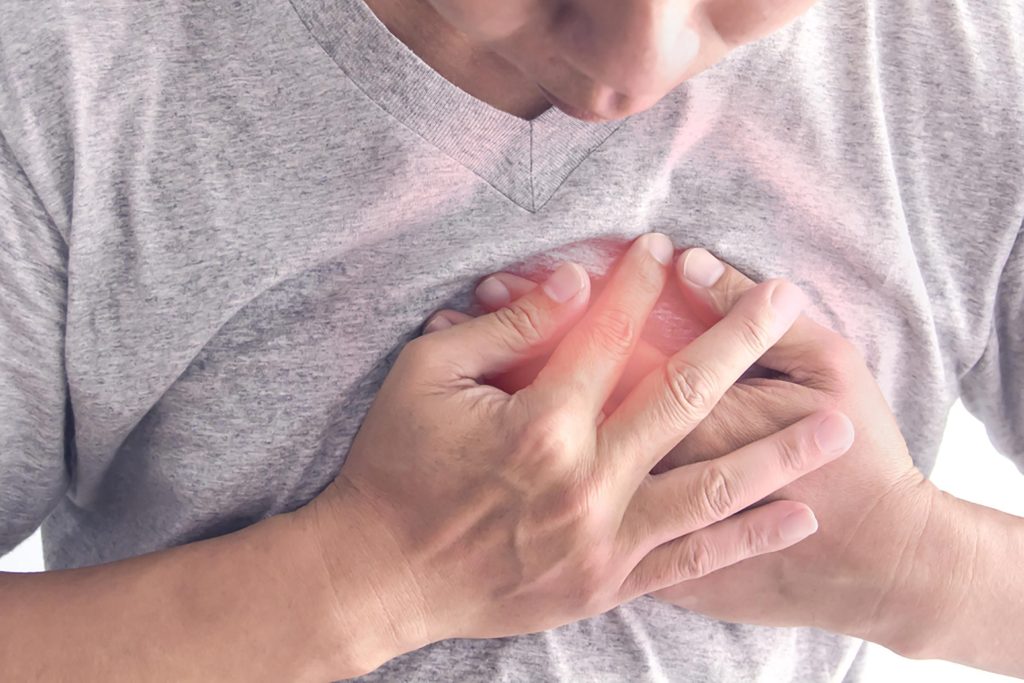
Lets explore the breathing problems you shouldn’t ignore.

Lets explore the breathing problems you shouldn’t ignore.

Breathing issues occur when you feel as though you are not getting enough air, your chest feels extremely tight, you are out of breath, or you are being suffocated.

If you are fat or have just engaged in vigorous exercise, you can have shortness of breath. Extreme temperatures or being at a high altitude might also cause it. If you experience breathing issues for any other cause, it is likely a sign of a medical condition.

If untreated, you run the risk of developing major respiratory problems like pulmonary embolism, pneumothorax, issues with your trachea, bronchi, or other airway system components. As well as any other conditions that could harm your nerves or muscles that regulate your breathing.

When it comes to breathing, the warning symptoms listed below should never be disregarded.

Emergency tips

Contact the medical emergency or ambulance service if:

Schedule a visit with your physician or think about visiting an emergency room if you are also gasping for air and:

  • have swelling ankles or feet
  • when you’re lying down, you feel more out of breath
  • have a cough, fever, and chills
  • possess blue fingertips or lips
  • utter noises when breathing
  • must use a lot of effort just to breathe
  • are deteriorating

What to do while waiting?

Try to be calm while you wait. Make sure you are upright and, if at all feasible, that someone is with you.

Take 4 puffs of your blue or grey relief puffer if you have asthma. Every four minutes, take four more puffs until assistance arrives.

What causes breathing problems?

These are typical reasons for feeling out of breath:

  • asthma and chronic obstructive pulmonary disease are examples of lung conditions (COPD)
  • cardiovascular diseases and heart failure are two examples of heart issues
  • airway infections include croup, bronchitis, pneumonia, COVID-19, the flu, and even the common cold
  • an anxiety or panic attack

Some reasons for feeling out of breath unexpectedly include:

  • allergy symptoms
  • lung failure
  • a clot-induced obstruction of one of the blood arteries in the lung (pulmonary embolism)
  • uncommon lung conditions
  • some illnesses, such COVID-19

Some people experience chronic shortness of breath. This may be brought on by:

  • smoking
  • not being fit
  • getting fat
  • anaemia
  • heart disease or another issue with the heart
  • lung disease

What other symptoms might I have?

You can also experience a cough, fever, sore throat, sneezing, blocked or runny nose, and overall congestion if your breathing issues are brought on by a cold or chest infection.

You may experience nausea, lightheadedness, and chest pain if the issue is with your heart. Take your medication exactly as prescribed if you have been given an angina diagnosis. Take a second dose after waiting five minutes.

If asthma or chronic obstructive pulmonary disease (COPD) is the cause of your symptoms, you may also experience excessive mucus production, a wheezing sound when you breathe, and a worsening of your symptoms with activity or at night.

In addition to a rapid heartbeat, shaking, sweating, nausea, and a sense of impending doom or danger, you might also experience these symptoms if you are experiencing a panic attack.

How are breathing problems treated?

The level of illness, how quickly it started, and any underlying illnesses you might have will determine the type of treatment you require.

If you visit a doctor, you might undergo the following tests:

  • tests on blood
  • scans and x-rays
  • tests for breathing
  • Treatments include of:
  • If you smoke, support to stop
  • medications, such as pills and inhalers
  • Physical therapy and workouts

Can breathing problems be prevented?

Use puffers or any other breathing aids you may have in accordance with your pharmacist’s or doctor’s instructions. Also possible

  • Look after yourself and any underlying issues causing your shortness of breath.
  • Keep your cool and posture upright as you stand or sit so that the air can flow more freely.
  • reduce pollution
  • anything you are allergic to, avoid
  • If you are overweight, lose weight.
  • Plan ahead on what to do if circumstances worsen.

REFERENCES:

  • https://www.healthdirect.gov.au/breathing-problems
  • https://www.webmd.com/lung/copd/ss/cm/telltale-signs-eight-breathing-problems-you-shouldnt-ignore?

For more details, kindly visit below.

What are the list of worst food for constipation?

What are the list of worst food for constipation?

Many foods have been found to aggravate or precipitate constipation. Regularity can be encouraged by altering your diet and consuming fewer of these meals.

Constipation, which is typically understood to mean having fewer than three bowel motions per week, is a common issue. In reality, it affects up to 27% of adults and is accompanied by symptoms including bloating and gas. It is more likely to affect you as you age or become less physically active.

While some meals can worsen constipation, others can help ease it or lessen the risk of it.

Can foods cause constipation?

A single, particular food will rarely directly induce constipation in healthy individuals. Yet, some diets can exacerbate it. Certain meals may have an effect on a person’s symptoms if they have persistent constipation.

Most people will experience occasional constipation at some point in their lives. However, chronic constipation, which is persistent, affects 2-27 percent of the population.

People are more prone to develop constipation, per the National Health Service (NHS), if they:

  • are expecting
  • regularly taking laxatives
  • consume a fiber-free diet
  • not enough fluids are consumed
  • suffer anxiety, despair, or stress
  • typically not active

Constipation can also be brought on by a variety of intestinal problems, including:

  • Inflammatory bowel disease (IBS)
  • an increase of microorganisms in the small intestine
  • inflammation of the colon (IBD)
  • diverticulosis

In addition, some drugs and supplements, such as opioids, antacids, and iron supplements, might have constipation as a side effect.

Foods that may cause or worsen constipation

Several foods that may worsen or cause constipation will be covered in the sections that follow.

Alcohol

Constipation is frequently cited as possibly being caused by alcohol. This is due to the fact that excessive alcohol consumption can increase the amount of fluids lost through urine, leading to dehydration.

Constipation is frequently associated with inadequate hydration, which can result from either not drinking enough water or losing too much of it through urine.

The direct connection between drinking alcohol and constipation could, sadly, not be proven by investigations. In addition, after a night of drinking, some people claim to experience diarrhoea rather than constipation.

It’s likely that different people experience different affects. Try to follow up each serving of alcohol with a glass of water or another non-alcoholic beverage to counteract the potential drying and constipating effects of alcohol.

Gluten-containing foods

Grains like wheat, barley, rye, spelt, kamut, and triticale contain the protein gluten. After consuming gluten-containing meals, some people may become constipated. Moreover, some persons are gluten intolerant. This is a disorder known as celiac disease or gluten sensitivity.

Gluten causes the immune system of a person with celiac disease to attack their intestines, seriously damaging it. Because to this, those who have this condition must eat a gluten-free diet.

An estimated 0.5–1% of people worldwide are thought to have celiac disease, however many may be unaware of it. One of the common symptoms is chronic constipation. Eliminating gluten can help the gut feel better and mend.

Irritable bowel syndrome (IBS) and non-celiac gluten sensitivity (NCGS) are two more conditions in which a person’s gut may react to wheat. Despite not being gluten intolerant, people with several medical disorders seem to be sensitive to wheat and other grains.

Before eliminating gluten from your diet if you believe it is the cause of your constipation, be careful to consult a medical practitioner to rule out celiac disease.

Processed grains

White bread, white rice, and white pasta are examples of processed grains and goods that are lower in fibre and may cause greater constipation than whole grains.

This is due to the removal of the grain’s bran and germ during processing. In particular, fibre, a nutrient that gives stool volume and promotes movement, is present in bran.

A higher fibre intake has been associated with a lower incidence of constipation in numerous studies. In fact, a recent study found that for every additional gramme of fibre ingested daily, constipation risk decreased by 1.8%.

Consequently, gradually reducing their intake of processed grains and substituting them with whole grains may be beneficial for persons who experience constipation.

Milk and other dairy goods

At least for some people, dairy appears to be another frequently occurring cause of constipation. Children and young adults seem to be at the greatest risk, probably because of a sensitivity to the proteins in cow’s milk.

According to a review of studies published over a 26-year period, some kids with persistent constipation got better when they stopped drinking cow’s milk.

Children with persistent constipation, ages 1 to 12, were given cow’s milk to drink for a while in a recent study. Soy milk was then used in place of cow’s milk for a while after that.

When soy milk was substituted for cow’s milk in the study’s group of 13 kids, nine of them got relief from constipation.

Red meat

For three primary reasons, eating red meat may make constipation worse. First off, it doesn’t have much fibre, which gives stools bulk and aids in movement.

Second, by substituting for higher-fiber foods in the diet, red meat may indirectly lower a person’s total daily fibre intake. This is particularly true if you overindulge in meat at a meal, which limits how much fiber-rich produce, beans, and whole grains you may have at the same time.

As a result of this scenario, daily fibre intake would be generally lower, thereby raising the risk of constipation. In addition, red meat often has higher fat content than other meats like poultry and fish, and high-fat diets take longer for the body to digest. It’s possible that doing this will make constipation even more likely in some circumstances.

Fast or fried food

Constipation risk may also be boosted by eating a lot of or frequently fried or fast food.

For the same reason that red meat might inhibit digestion, these foods frequently have high fat content and low fibre content. A person’s diet may also substitute fast food snacks like chips, cookies, chocolate, and ice cream for more fiber-rich options like fruits and vegetables.

By lowering the total quantity of fibre ingested each day, this can further raise the risk of constipation. It’s interesting how many people think chocolate is one of the main reasons they get constipated.

Additionally, the high salt concentration of fried and fast foods can reduce the water content of the stool, drying it out, and making it more difficult to pass through the body.

This occurs as a result of consuming excessive amounts of salt because your body absorbs water from your intestines to help balance out the excess salt in your bloodstream.

Persimmons

Popular fruits from Eastern Asia called persimmons might cause constipation in certain people.

There are many types, but the most fall into one of two categories: sweet or astringent. In instance, tannins, a substance known to lessen stomach secretions and contractions and inhibit bowel motions, are abundant in astringent persimmons.

Hence, excessive persimmon consumption, especially of astringent types, should be avoided by those who have constipation.

REFERENCES:

  • https://www.medicalnewstoday.com/articles/list-of-foods-that-cause-constipation
  • https://www.healthline.com/nutrition/8-foods-that-cause-constipation
  • https://www.womenshealthmag.com/food/a19995215/worst-foods-for-constipation/
  • https://www.verywellhealth.com/foods-to-avoid-when-you-are-constipated-1944831
  • https://www.webmd.com/digestive-disorders/ss/worst-foods-for-constipation?

For more details, kindly visit below.
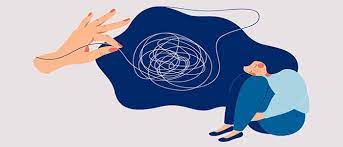
Explore the easy hacks to deal with depression.

Explore the easy hacks to deal with depression.

As sneaky as it is unpredictable, depression may be. You could be surprised by it at any time. even when everything appears to be going according to plan and when everything is “wonderful.”

You might be asking yourself, “How can I feel so horrible when I have so much to be grateful for?” while you try to make sense of this. Worst yet, “I have no business feeling depressed,” Such ideas are not constructive. These just serve to reinforce guilt feelings, which are depression’s best buddy and partner.

Your relationships, your job, and your entire feeling of self-worth can all be affected by clinical depression. It has a powerful punch. Fortunately, there are resources out there that can aid in your resistance.

Preventative care is of course the most significant (therapy, a positive support system, getting enough sleep and exercise, etc.). But, the following are some spot-on, urgent steps you can take if you find yourself in the middle of a depressive episode. All of these “tools” won’t be able to cure depression, but they might at least help clear things up a little.

Symptoms of depression

In a depressive episode, the individual experiences significant difficulties in personal, family, social, educational, occupational, and/or other important areas. The symptoms generally differs in terms of severity and natured which is based on individual occupation, gender, and age group. Depression symptoms can vary from mild to severe and can include:

  • Changes in appetite
  • Loss of energy or increased fatigue
  • Increase in purposeless physical activity or slowed movements or speech
  • weight loss or weight gain
  • Trouble sleeping or sleeping too much
  • Feeling sad or having a depressed mood
  • Feeling worthless or guilty
  • Difficulty thinking, concentrating or making decisions
  • Thoughts of death or suicide
  • Loss of interest or pleasure in activities once enjoyed

Furthermore, medical conditions such as thyroid problems, brain tumors, and vitamin deficiencies can mimic depression symptoms, so it is important to rule out general medical causes.

Hacks to relieve depression

Activate your body.

Moving your body is the fastest technique to combat depression feelings right now. Of course, exercising may be the last thing you feel like doing when you’re depressed. It need not be difficult, though; any kind of physical exercise will do.

Just performing 20 jumping jacks or shaking your body for a minute or more can have an impact. Our thoughts and bodies are intertwined; if we let our bodies take the lead, the mind will probably follow.

Answer the phone.

Dial a number. a buddy. an associate. With one exception, any kind of social connection can be extremely therapeutic. Make sure the individual you are connected with is a positive support who feeds you rather than drains you.

If you are unable to phone, you can still text someone to feel connected. If you have no one to contact or text, go online and pick one of the many support groups or chat rooms to meet people going through similar experiences to you. Human connection has the ability to heal.

Determine possible triggers.

Even though a depressed episode can appear to occur suddenly and without “good reason,” there usually is an outside trigger. It could be a difficult conversation or experience that you haven’t yet processed, or it could be a self-defeating mindset, which is more harder to recognise.

You can respond, “But nothing happened, and I wasn’t even thinking about anything at the time,” in response to this. The second is impossible. We are constantly thinking. Our thoughts never go away, whether we are debating the meaning of existence or choosing which shoes to wear.

Negative ideas might blend in with the background. Like the sirens you hear so frequently, you stop noticing them. Worst-case scenarios involve these pessimistic thoughts developing into strongly held self-beliefs. For instance, skewed, unfavourable thoughts may surface if you failed a test or lost your job, such as “I failed because I’m not smart enough” or “I’ll never find another job again.” It doesn’t matter what you believe or feel, it still might not be real. It is our responsibility to recognise these thoughts before they take control and to resist them.

Reject the provoking thought.

Lies are one of depression’s greatest strengths. Never trust them.

Once the negative concept has been located, question its veracity. Ask yourself: How do you know that, for instance, when you tell yourself, “I’ll never find another work again”? The future cannot be predicted. Instead, in response to the statement, “I’m not smart enough,” you might provide evidence to the contrary, such as a list of all the times you performed well or your accomplishments to date.

Also, avoid generalising. Simply because you lost one job or failed one test does not mean that you will never find another one or pass another test. Whatever depression tells you, ignore it!

Remain in the current moment.

When depression has you in its tight grip, it might be difficult to think clearly. The prefrontal cortex, a better developed region of the brain that governs cognitive processes like rational thought, can frequently lose control to the limbic system, which governs emotions.

Here, mindfulness can be useful. This does not imply that you must sit and practise meditation for 20 minutes (although practising meditation is one of the best ways to cultivate mindfulness). Catching a negative idea and immediately changing your attention to something physical in the present, like your breath or the noises or odours around you, sometimes be all it takes. Being aware is more than just a trendy concept; it will benefit you all your life.

Take refuge in a good movie.

We all need to occasionally step outside of our thoughts. Of course, in a non-destructive manner. One of the things to do is to watch a fantastic movie. Avoid tearjerkers and instead pick a comedy or at least an upbeat movie. Only a few examples of comedic and/or lighter movies that you can add to your toolkit for battling sadness are provided below.

REFERENCES:

  • https://www.psychologytoday.com/us/blog/nurturing-self-compassion/202006/6-depression-hacks
  • https://www.webmd.com/depression/ss/slideshow-easy-habits-improve-mental-health?
  • https://www.wondermind.com/article/how-to-deal-with-depression/
  • https://www.blurtitout.org/2016/06/14/managing-depression-hacks-hints-difficult-days/?doing_wp_cron=1676625387.6235940456390380859375

For more details, kindly visit below.

When should a person worry about fatigue?

When should a person worry about fatigue?

A generalised sense of exhaustion or lack of energy is referred to as fatigue. It differs from merely feeling sleepy or drowsy. You lack both energy and motivation when you are exhausted. Sleepiness may be a sign of exhaustion, but the two are not the same.

Many medical disorders, ranging in severity from moderate to serious, frequently exhibit fatigue as a symptom. It also happens naturally as a result of some lifestyle decisions, including not exercising or eating poorly.

See your doctor if your weariness doesn’t go away with adequate rest and nourishment or if you think it might be brought on by a physical or mental health condition. They can collaborate with you to identify the root cause of your exhaustion and address it.

What causes fatigue?

Fatigue may have a variety of causes. They can be categorised into three broad groups:

  • lifestyle elements
  • physical state of health
  • mental illness problems

lifestyle elements

Your activities and other lifestyle decisions could be to blame for your exhaustion. For instance, the following can cause fatigue:

  • physical effort
  • absence of exercise
  • absence of sleep
  • being obese or overweight
  • Stressful emotional times
  • boredom
  • grief
  • taking specific drugs, including sedatives or antidepressants
  • frequent alcohol consumption
  • utilising illegal narcotics, like cocaine
  • overdosing on caffeine
  • not maintaining a healthy diet

Physcial health issues

Fatigue is a common symptom of many medical problems. Examples comprise:

  • anaemia
  • arthritis
  • fibromyalgia
  • syndrome of protracted weariness
  • illnesses like the common cold and flu
  • A condition called Addison’s disease that can mess with your hormone levels
  • thyroid underactivity, or hypothyroidism
  • Overactive or hyperthyroidism thyroid
  • disturbances of sleep, such as insomnia
  • disorders of eating, including anorexia
  • autoimmune conditions
  • enlarged heart failure
  • cancer
  • diabetes
  • renal illness
  • liver illness
  • persistent pulmonary obstruction (COPD)
  • emphysema

Difficulties with mental health

Fatigue can result from issues with mental health as well. As an illustration, exhaustion is a typical sign of anxiety, sadness, and seasonal affective disorder.

Medical conditions

Fatigue is a symptom of thousands of diseases and ailments. The following are a few of the most typical causes of fatigue:

  • Illness and infection: Multiple sclerosis, kidney disease, cancer, and kidney disease are just a few illnesses that might make you tired. Moreover, illnesses like mononucleosis, HIV, and the flu can manifest as fatigue.
  • Mental health issues: The exhaustion brought on by despair or anxiety may make doing daily tasks challenging or impossible.
  • Autoimmune disorders: Several autoimmune diseases, such as diabetes, lupus, and rheumatoid arthritis, have fatigue as a symptom.
  • Hormone imbalances: Issues with your endocrine system (the glands that produce hormones in your body) might make you feel exhausted.
  • The most prevalent reason of weariness is hypothyroidism.
  • Persistent illnesses such as fibromyalgia and chronic fatigue syndrome (CFS, also known as myalgic encephalomyelitis or CFS) result in extreme, persistent exhaustion.
  • Cardiovascular disorders such as heart disease, postural orthostatic tachycardia syndrome (POTS), chronic obstructive pulmonary disease (COPD), emphysema, and congestive heart failure all commonly present with fatigue.
  • Deficiencies: Fatigue is frequently brought on by anaemia and other vitamin deficiencies (such as vitamin D or vitamin B12). Fatigue can result from dehydration since the body needs a lot of fluids to function.
  • Fatigue is one of several symptoms that can result from weight issues and eating disorders such anorexia, bulimia, obesity, and underweight.

When is it time to see your doctor?

If you’re experiencing exhaustion and any of the following, you should schedule a visit with your doctor:

  • I cannot think of anything that could explain your weariness.
  • have a body temperature that is higher than usual
  • having lost weight that isn’t being explained
  • feel incredibly sensitive to cooler climates
  • regularly experience sleep difficulties
  • you think you might be depressed

Make an appointment with your doctor if your weariness has persisted for two weeks or more and you’ve tried unsuccessfully to address the most frequent lifestyle factors, such as lack of sleep, bad eating habits, and stress.

Your fatigue may occasionally be brought on by a significant medical problem. If you develop weariness and any of the following symptoms, visit the hospital right away:

  • abdominal bleeding
  • throwing up blood
  • terrible headache
  • suffering from chest discomfort
  • fainting sensations
  • unsteady heartbeat
  • breathing difficulty
  • significant discomfort in your pelvis, back, or abdomen
  • Having suicidal or harmful thoughts
  • thoughts of hurting someone else

You should also visit your doctor if you frequently feel weary even after getting a good night’s sleep, lack motivation to start the day, or find it difficult to do tasks that are usually simple. These could be indications of depression or a sleep issue.

Your doctor will attempt to rule out any problems during your examination, such as adverse drug reactions. In order to ascertain whether the exhaustion is caused by a particular condition, such as anaemia, hypothyroidism, or liver inflammation, he or she may also request blood testing (hepatitis). If your doctor cannot identify a cause, do not be shocked. I’ve discovered that most of the time, rest and a good night’s sleep help people recover from exhaustion.

REFERENCES:

  • https://my.clevelandclinic.org/health/symptoms/21206-fatigue
  • https://www.healthline.com/health/fatigue
  • https://www.health.harvard.edu/staying-healthy/when-should-you-worry-about-fatigue

For more details, kindly visit below.
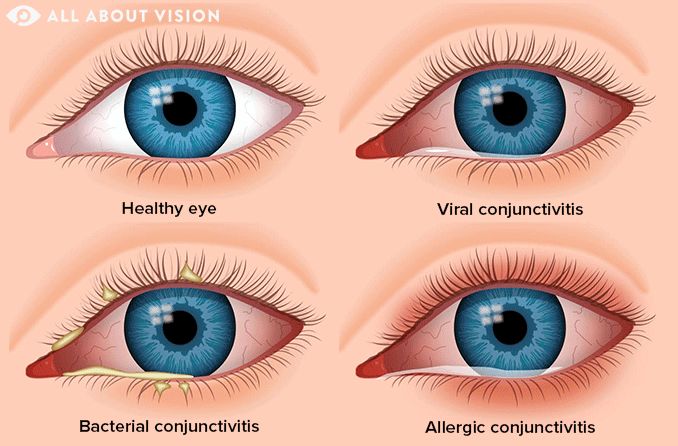
Bacterial vs. viral conjunctivitis: What is the difference?

Bacterial vs. viral conjunctivitis: What is the difference?

Eye redness, weeping, and discharge are signs of conjunctivitis caused by both bacterial and viral infections. The eyelids may stay together due to a heavier discharge brought on by bacterial conjunctivitis, though. It could also result in eyelid pain and edoema.

Differentiating between bacterial and viral conjunctivitis can be challenging. However, those who develop viral conjunctivitis typically have either experienced a viral disease themselves or have just come into touch with someone who has. This can aid medical professionals in differentiating.

While both types of conjunctivitis can improve on their own, bacterial conjunctivitis may require antibiotic eye drops. Fewer common bacterial conjunctivitis strains can spread quickly and necessitate immediate medical attention.

Viral conjunctivitis

The conjunctiva, a thin membrane lining the inner surface of the eyelids and the white area of the eyeball, becomes inflamed as a result of conjunctivitis, sometimes known as “pink eye,” an eye infection. Conjunctiva serves as a defence against infections and keeps the eye moist.

The conjunctiva itself, however, can occasionally become infected. Doctors refer to the ailment as viral conjunctivitis when a virus is to blame. Viral conjunctivitis can be brought on by a number of viruses.

  • respiratory infections are brought on by the adenovirus
  • Herpes simplex virus (HSV), which can lead to genital herpes or cold sores
  • Virus called varicella-zoster, which causes chickenpox
  • Measles is brought on by the rubeola virus.
  • picornaviruses

The conjunctiva can become infected by a virus, which can then multiply and cause symptoms like:

  • Having red eyes or eyelids
  • scorching and itching
  • tears or a watery sputter
  • the impression of something strange in the sight
  • sensitivity to light

Adenovirus is the most typical cause of viral conjunctivitis. While suffering from a typical cold, some people can get conjunctivitis. The symptoms of a cold typically go away on their own without medical intervention. It could take 14–30 days for viral conjunctivitis to go away.

Bacterial conjunctivitis

When bacteria invade and irritate the conjunctiva, bacterial conjunctivitis develops. This form of conjunctivitis is more likely to affect certain individuals, such as:

  • children
  • older people
  • wearers of contact lenses
  • individuals with compromised immune systems

The most typical bacterial species that cause bacterial conjunctivitis in kids are:

  • the influenza virus
  • pneumococcal streptococcus
  • Catarrhal Moraxella

Staphylococcal bacteria are the most frequent species to cause the disease in adults. These germs can enter the eye via:

  • interaction with an individual suffering from bacterial conjunctivitis
  • touch with items that the affected person has used in the past
  • exposure to respiratory droplets from sneezes or coughs
  • alterations in the conjunctival bacteria

Similar to viral conjunctivitis, bacterial conjunctivitis can also cause the following symptoms:

  • eyelids clump together because to a thick green or yellow discharge
  • edoema of the cornea
  • Painful and swollen eyelids
  • reduced vision

Viral pink eye vs. bacterial pink eye

Viral pink eye can be contracted when someone sneezes or coughs and the droplets come into contact with your eyes, or it can spread from the nose to the eyes.

Pink eye caused by bacteria exists. Usually, the bacteria enters your eyes through your skin or respiratory system. Additionally, bacterial pink eye can develop if you:

  • Use dirty hands to contact your eyes.
  • application of bacteria-contaminated cosmetics
  • sharing private goods with a pink eye sufferer

When an upper respiratory infection, such as a cold (virus) or sore throat, first develops, both types of pink eye frequently follow (virus or bacteria).

The same general signs and symptoms are present in both bacterial and viral pink eye, including:

  • White of the eyes are pink or crimson.
  • tearing
  • itchiness or scratchiness in the eyes
  • swelling
  • burning or annoyance
  • eyelids or lashes that are crusted, especially in the morning
  • fluid coming from the eye

Here are several methods for determining the sort of pink eye you have.

Viral pink eye:

  • typically begins in one eye but can progress to the other
  • begins with a respiratory illness or cold
  • produces ocular discharge due to water

Pink eye due to bacteria:

  • can begin with an ear infection or respiratory infection
  • one or both eyes are affected
  • causes the eyes to clump together and produce a thick discharge (pus).

A sample of the discharge from your eye can be taken by your doctor and sent to a lab for testing to determine whether you have a bacterial or viral infection.

Treating pink eye

The majority of bacterial and viral pink eye illnesses will clear up on their own in a few days to two weeks. In the meanwhile, treat the symptoms as follows:

  • To avoid dryness, use artificial tears or lubricating eye drops. (Eliminate the bottle once your infection has subsided to prevent self-reinfection.)
  • To reduce swelling, apply warm, moist compresses or cold packs to your eye.
  • Use a wet washcloth or tissue to wipe away the discharge from your eyes.

Your doctor may recommend the following medications if your pink eye is more severe:

  • Antiviral medications may be effective in treating viral pink eye brought on by the herpes simplex or varicella-zoster virus.
  • Pink eye caused by germs can be cleared up with the aid of antibiotic eye drops or ointment.

Once pink eye has cleared completely, follow these instructions to prevent reinfection:

  • If you used eye makeup or cosmetic implements while you were afflicted, throw them away.
  • Discard any disposable contact lenses and pink eye treatment you used.
  • Clean and sanitise cases, glasses, and hard contact lenses.

Pink eye prevention

Pink eye spreads quickly. To prevent acquiring or spreading the infection:

  • Use an alcohol-based hand sanitizer or often wash your hands with soap and warm water throughout the day. Before and after using eye drops or inserting contact lenses, wash your hands. If you come into contact with an infected person’s eyes, clothes, or other private items, you should also wash your hands.
  • Avoid rubbing or touching your eyes.
  • Share personal stuff like towels, blankets, pillowcases, cosmetics, and makeup brushes sparingly.
  • After using them, wash your sheets, towels, and washcloths in hot water.
  • Clean your glasses and contact lenses thoroughly.
  • Stay at home from work or school if you have pink eye until your symptoms subside.

REFERENCES:

  • https://www.healthline.com/health/how-long-does-pink-eye-last
  • https://www.medicalnewstoday.com/articles/bacterial-vs-viral-conjunctivitis
  • https://www.insider.com/guides/health/conditions-symptoms/viral-vs-bacterial-pink-eye

For more details, kindly visit below.