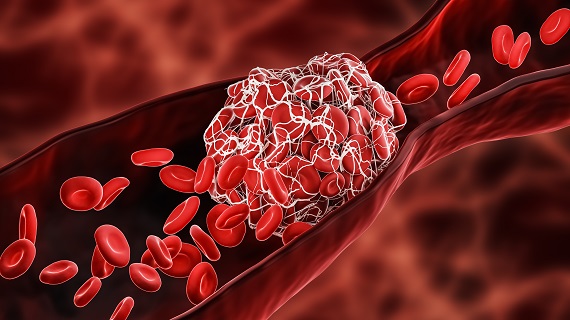
Reduce the Dementia risk by strict blood pressure control.

Reduce the Dementia risk by strict blood pressure control.

The effects of intensive versus routine hypertension treatment on brain lesions were examined by researchers at the University of Texas Health Science Centre in San Antonio.

The researchers discovered that intensive therapy that maintains blood pressure within normal bounds is associated with a slowed progression of lesions using data from a previous study.
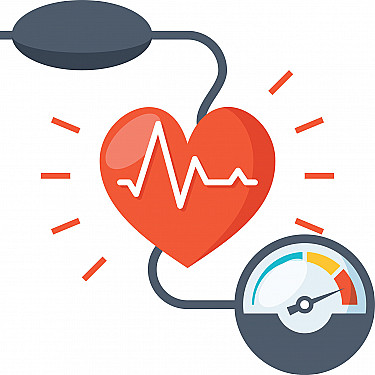
The study results could influence treatment strategies for hypertensive patients to lower the likelihood of lesions that can result in diminished cognitive performance with further research and trials.

Millions of people have hypertension, which can lead to strokes and brain lesions and compromise brain health.

An aggressive blood pressure regimen can slow the growth of white matter lesions in the brain, according to a recent study headed by UT Health San Antonio.

In contrast to patients with systolic blood pressure readings of 140 mm Hg, the researchers compared the MRI scans of individuals who maintained blood pressure levels below 120 mm Hg.

What is considered hypertension?

Millions of Americans suffer from the medical disease known as hypertension, sometimes known as high blood pressure. Nearly half of American adults have hypertension, which the Centres for Disease Control and Prevention claim contributed to more than 670,000 deaths in 2020.

Blood vessel damage and other health issues can result from high blood pressure. Heart attacks and strokes are two conditions brought on by hypertension.

The following blood pressure ranges are described by the American Heart Association:

For individuals, a normal blood pressure reading is defined as an upper number (systolic) less than 120 over a lower number (diastolic) of 80 mm Hg.

  • Blood pressure that is elevated is 120 to 129 over 80 or less.
  • Hypertension in stage 1 is defined as 130-139 above 80-89.
  • 140 over 90 or higher indicates stage 2 hypertension.

When the systolic and/or diastolic values exceed 180 and 120 respectively, a hypertension crisis ensues.

As the cardiologist, Dr. Kershaw Patel points out in the Houston Methodist podcast On Health, “When we talk about high blood pressure, we must realise it affects not just the heart, but also the brain, the kidneys, and other organs in the body.”

Although doctors frequently prescribe prescription drugs to treat high blood pressure, patients can also try to lower or normalise their blood pressure by making changes to their lifestyle.

Dr. Patel stated that lifestyle changes and then drugs are commonly used to manage high blood pressure. And it really comes down to two-thirds lifestyle and one-third medicine. By adjusting a few aspects of our lifestyle, we can significantly lower our blood pressure.

Blood pressure can be normalised by giving up smoking, consuming less alcohol, exercising, eating a low-sodium diet, and eating more fruits and vegetables.

lowering one’s blood pressure to 120

The American Academy of Family Physicians’ (AAFP) standard of care for hypertensive patients is to lower their systolic blood pressure to 140 mm Hg. This goal lowers the risk of cardiovascular death, according to the AAFP.

To assess the effect on white matter lesions (WMLs), the UT Health San Antonio researchers compared the normal treatment target to a more rigorous therapy. The goal of the rigorous treatment program was to lower participants’ systolic blood pressure to under 120 mm Hg.

The researchers examined data from 458 participants using information from the Systolic Blood Pressure Intervention Trial (SPRINT), which tracked participants for 4 years. Participants in the study were “aged 50 years or older with hypertension and without diabetes or a history of stroke,” according to the study’s authors.

At the start and conclusion of their trials, the researchers matched each participant’s treatment to their MRI images. They were searching for WMLs, a type of injury to the brain’s white matter that can result in cognitive impairment.

Treatment that is intensive lessens brain damage

According to the study’s findings, the intensive treatment group’s WML volume progression and fractional anisotropy (FA) declines were slower than those of the conventional treatment group.

The FA result is noteworthy since it represents a “measure of connectivity in the brain.” The right splenium, right tapetum, and left anterior corona radiata are a few of the brain areas that saw slower WML growth.

The study also demonstrates that aggressive blood pressure management may be able to maintain some myelin structure, which, according to the scientists, “ultimately slows the progression of injury patterns associated with dementia.”

According to research author Dr. Tanweer Rashid, who works with the Biggs Institute at UT Health San Antonio, “our study shows that specific areas have greater benefit, representing sensitive regions to track in future trials evaluating small-vessel disease.”

How white matter is impacted by blood pressure?

The study’s findings were discussed by Dr. Arun Manmadhan, a cardiovascular disease expert at Columbia University Irving Medical Centre in New York City.

“White matter lesions are abnormally damaged regions of tissue in the white matter of the brain. According to Dr. Manmadhan, they are frequently brought on by anomalies in the tiny blood arteries that provide oxygen and nutrients to the brain.”

Dr. Manmadhan provided more information on the study’s findings, namely how blood pressure may affect WMLs.

“The current report, which is a SPRINT-MIND substudy, examined the impact of stringent blood pressure management on changes in the brain’s white matter as determined by MRI.”

According to Dr. Manmadhan, the results here point to a potential benefit of tight blood pressure control in slowing the development and progression of white matter lesions, which are linked to a higher risk of dementia and cognitive decline.

Overall, according to Dr. Manmadhan, the study is an asset to the field of hypertension.

This study “adds to the already substantial body of literature that managing blood pressure is very important for not only preventing cardiovascular events but also in maintaining memory and cognition,” the author added.

REFERENCES:

For Dementia disease medications that have been suggested by doctors worldwide are available here https://mygenericpharmacy.com/index.php?cPath=77_478

Japanese Diet May Slow Progression Of Fatty Liver Disease.

Japanese Diet May Slow Progression Of Fatty Liver Disease.

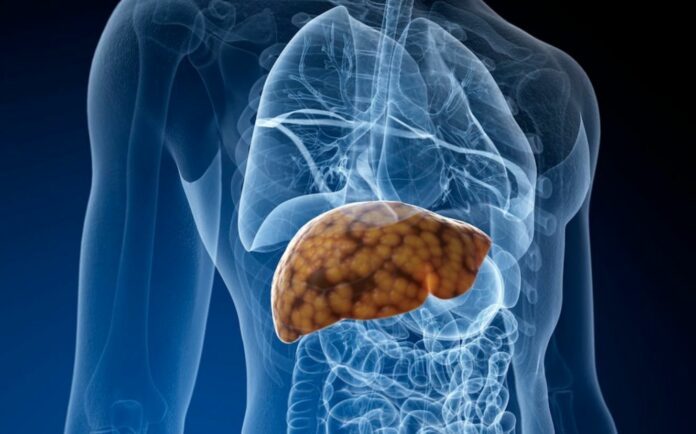
According to a new study, a Japanese diet can reduce the progression of non-alcoholic fatty liver disease in those who already have the condition.

According to the study, soy products, shellfish, and seaweed have the strongest links to slowed liver fibrosis progression. The Japanese diet encourages eating high-quality foods and consuming less sodium, sugar, and saturated fat.

According to a recent study, persons with non-alcoholic fatty liver disease (NAFLD) may be able to reduce the illness’s progression by adopting a Japanese-style diet.

136 patients with NAFLD were being treated at the Osaka Metropolitan University Hospital in Japan when the study’s authors followed their diet and the development of their illness.

Each person’s diet was evaluated by researchers based on how closely it adhered to the 12-component Japanese Diet Index or mJDI12. High mJDI12 scores were linked to a slowing of the NAFLD-related liver fibrosis development.

There are 12 different foods and dietary groups in the Japanese diet:

  • rice
  • Miso broth
  • pickles
  • soy-based goods
  • yellow and green vegetables
  • fruits
  • seafood
  • mushrooms
  • seaweed
  • emerald tea
  • coffee
  • pork and beef

About the Japanese diet, those who ate more soy, seafood, and seaweed experienced the greatest inhibition of the development of liver fibrosis.

The impact of food on muscle mass was also monitored by the researchers. They discovered that individuals who consumed more soy products did so in addition to having lower rates of fibrosis advancement.

What precisely is non-alcoholic fatty liver disease?

Although it doesn’t directly harm the liver, NAFLD is a condition in which fat deposits there can potentially affect how well the organ functions.

The risk of non-liver malignancies, such as colon cancer, chronic kidney disease, gastric reflux, obstructive sleep apnea, hypothyroidism, periodontitis, polycystic ovarian syndrome, psychiatric issues, and growth hormone issues, is increased in those with NAFLD.

To better understand how the disease progresses, we spoke with Dr. Muhammad Nadeem Aslam, an assistant research scientist in the Department of Pathology at the University of Michigan who was not involved in the study.

Utilizing excessive amounts of fat, especially saturated fat, processed carbohydrates like fructose, glucose, and sucrose. Also, consuming too many calories, causes an imbalance between fat accumulation and breakdown in the liver, with the result being fat buildup in the liver.

Dietitian for heart health Michelle Routhenstein, who was also excluded from the study, stated:

“Foods high in refined sugars, saturated fat, salt, or trans fat can all contribute to fatty liver disease. This is done by causing the body to become more oxidatively stressed and inflammatory.”

While fatty infiltration is typically tolerated, Dr. Aslam added that an excessive buildup of lipids in the liver. This includes triglycerides, free fatty acids, and cholesterol, which can cause cellular stress and the production of reactive oxygen species.

According to Rosenstein, some items that encourage NAFLD include hydrogenated oils, fried foods, drinks, soda, and processed foods.

What makes Japanese cuisine wholesome?

Fresh, unadulterated foods with little refined ingredients, saturated fats, and added sugar make up the majority of the Japanese diet.

Due to their diet’s high soy and fish content, previous studies have shown that those who follow the Japanese diet had a lower risk of cardiovascular disease and stroke.

The largest population of centenarians is found on the island of Okinawa, which is located in southernmost Japan. The extended life expectancy and decreased incidence of obesity among Japanese people may be due to their low-calorie, nutrient-dense diet.

According to studies, Japanese people have the lowest risk of developing age-related illnesses such as diabetes, cancer, arthritis, and Alzheimer’s.

Some advantages of the Japanese diet include the following:

It enhances digestion – Fiber-rich foods that help with digestion include fruits, vegetables, seaweed, soybeans, and soy products. Fruits and vegetables that have been pickled are a wonderful source of probiotics.

It is a nutrient-rich diet – Japanese cuisine naturally contains a lot of minerals, vitamins, and nutrients including omega-3 fats.

Natural low-calorie foods and the Japanese practice of eating until 80 percent full assist prevent overeating. Also, provide the calorie deficit necessary for weight loss, which contributes to maintaining a healthy weight.

The Japanese eating style, in addition to the food, aids in keeping good health. The senses are stimulated when food is consumed from a tiny bowl with numerous different dishes rather than a large plate. They adhere to the “flexible restraint” philosophy, which permits occasional small-portion consumption of snacks and treats.

The following three Japanese foods

The study’s top three foods each have their own advantages, but they also have at least one thing in common: they are low in fat. Dr. Aslam cited soybeans as an example of a plant protein that is high in fiber and low in saturated fat.

Given that soy is a complete protein that contains all necessary amino acids to support the synthesis of muscle proteins, soy is “associated with higher muscle mass,” according to Rosenstein.

“Seafood, especially fish, is a good source of vitamins D and B2 (riboflavin), as well as omega-3 fatty acids. In addition to being a fantastic source of minerals like iron, zinc, iodine, magnesium, and potassium, fish is also high in calcium and phosphorus, according to Dr. Aslam.

According to Routhenstein, seafood may have a suppressive influence on the evolution of fibrosis because of its anti-inflammatory and antioxidant qualities.

Japanese seaweed is a good source of vitamins, minerals, and polyphenols. Dr. Aslam continued, “In addition to vitamins, the majority of edible algae have a special blend of nutrients.

Additional foods that lower NAFLD

The Mediterranean diet is another eating plan with a good reputation for helping those with NAFLD. Lean meats, fruits, vegetables, nuts, legumes, whole grains, and other plant-based foods are highlighted.

According to Routhenstein, green tea is one food in the mJDI12 index that is particularly beneficial for NAFLD because of its antioxidant content.

It “is protective against fatty liver disease because it contains about 200-300 mg of epigallocatechin-3-gallate (EGCG) in one cup,” claimed Routhenstein.

Dr. Aslam noted that coffee beans high in antioxidants are also linked to a generally lower risk for NAFLD.

“Raspberries are rich in insoluble fiber that helps create a short chain fatty acid in the gut called butyrate which studies have shown to be helpful in the reversal and prevention of fatty liver disease,” Routhenstein noted.

Including Japanese food and culture in one’s diet

This study highlights the chance to take charge of your health by including therapeutic foods to help stop the advancement of fatty liver disease, according to Routhenstein.

Dr. Aslam voiced alarm over the fact that so many Americans continue to consume a diet that is “far below dietary guidelines recommendations for healthy dietary patterns.”

“The lack of these nutrient-dense foods in the daily diets can cause diet-related chronic diseases, such as cardiovascular disease, type 2 diabetes, obesity, and fatty liver disease,” claimed Dr. Aslam.

Dr. Aslam praised nutrient-rich diets, which are lower in sodium, sugar, and saturated fat:

“Nutrient-dense foods are those that are prepared with no or little added sugars, saturated fat, and sodium,” said Dr. Aslam. “These foods include vegetables, fruits, whole grains, seafood, eggs, beans, peas, and lentils, unsalted nuts and seeds, fat-free and low-fat dairy products, and lean meats and poultry.”

REFERENCES:

For Alzheimer’s disease medications that have been suggested by doctors worldwide are available here https://mygenericpharmacy.com/index.php?generic=192

Can Alzheimer’s be cured with a new genetic therapy?

Can Alzheimer’s be cured with a new genetic therapy?

There is presently no cure for Alzheimer’s disease, which is thought to be the root cause of dementia in 32 million individuals worldwide.

The majority of experts think that aberrant amyloid and tau protein buildups in the brain trigger alterations that lead to Alzheimer’s disease.

An experiment using a brand-new gene silencing treatment for Alzheimer’s disease that aims to reduce the body’s level of tau protein was carried out by a multidisciplinary team of researchers.

The most widely accepted explanation regarding the origins of Alzheimer’s disease is that it results from aberrant accumulations of the proteins amyloid and tau, which alter the brain. However, scientists are still unsure of the exact mechanism by which this disease develops.

Alzheimer’s disease, which is believed to afflict 32 million people worldwide, has no known cure, although doctors can treat its symptoms to enhance a patient’s quality of life.

A new gene silencing therapy for Alzheimer’s disease has now being tested by an international team of experts. The treatment turns off the tau protein-coding gene, which reduces the body’s production of the protein.

What impact does tau protein have on Alzheimer’s?

The core cells of the neurological system, called neurons, are where tau is most frequently found. Tau aids in maintaining the tube-like interior shape of nerve cells in a healthy brain.

Microtubules are structures that resemble tubes that aid in maintaining cell shape and guarantee that other proteins and chemicals move around the entire neuron with ease.

The tau protein in an Alzheimer’s patient’s brain separates from the microtubules and instead binds to other tau proteins inside the brain cell. As a result, the microtubules break down and aberrant tau protein accumulations occur.

These tau protein accumulations come together to form “tangles” within the brain cells. As a result, the neurons are unable to communicate with one another.

We spoke with Dr. David Merrill, an adult, and geriatric psychiatrist and the director of the Pacific Brain Health Centre at Providence Saint John’s Health Centre in Santa Monica, California, who was not involved in this study. “We know that tau tangles track with the progression of Alzheimer’s, meaning the worse that Alzheimer’s gets, the more tau tangles there are throughout more and more of the brain,” he said.

And ultimately, he continued, “those lead to neuron dysfunction and death.”

Blocking the gene that codes for tau

In this investigation, scientists developed a medication intended to silence the tau protein-encoding gene. The microtubule-associated protein tau (MAPT) gene is the one in question.

Antisense oligonucleotide BIIB080 is the name of the investigational medication. Small bits of RNA or DNA are used in this type of therapy to prevent a particular RNA from carrying out its intended function. In this instance, those are to act as guidelines for the creation of the tau protein.

Researchers included 46 patients with mild Alzheimer’s disease, with an average age of 66 years, in this phase 1 clinical research. The experiment was held between 2017 and 2020.

Throughout a 13-week treatment period, the trial compared four doses of the experimental medication injected into the nervous system through the spinal canal to a placebo.

Researchers discovered that 24 weeks after therapy, levels of both total tau and phosphorylated tau had decreased by more than 50% in trial participants in the treatment groups that had received the highest dose of the medication.

Over 90% of participants finished the post-treatment period, and 94% of those who received the drug and 75% of those who received a placebo reported mild or moderate side effects. The most frequent side effect of the experimental medication was headaches upon injection.

A ‘plausible’ therapy strategy

Dr. Merrill described this study’s ability to mute the expression of the gene that causes tau tangles in the brains of Alzheimer’s patients as “amazing” when asked about it.

Dr. David Merrill stated that this study “is the first step in demonstrating that this is a safe approach with a plausible biologic mechanism that can then be tested to see if it indeed does what we would expect, which is slow down the progression of Alzheimer’s disease and be a disease-modifying therapy that results in people’s cognition being better for longer.”

Non-participant in this study, Dr. Raphi Wald is a board-certified neuropsychologist at the Marcus Neuroscience Institute, established at Baptist Health South Florida’s Boca Raton Regional Hospital.

According to him, “a great deal of research is currently being conducted on preventing or destroying the abnormal proteins that appear on the brains of people with Alzheimer’s disease.”

Compared to those without the disease, people with Alzheimer’s tend to have higher levels of the two proteins tau and amyloid in their brains. The majority of Alzheimer’s research has been devoted to preventing these diseases from spreading throughout the brain. This research suggests what might be a useful strategy for doing that,” he said.

The Alzheimer’s Association’s senior director of scientific programs and outreach, Dr. Claire Sexton, commented on this study.

While Alzheimer’s disease anti-amyloid therapies have gotten a lot of attention, the drug development landscape is much bigger, with a variety of targets and approaches being researched, she said. This is a positive report on phase 1 research that targets tau, one of the main indicators of Alzheimer’s disease, using a gene silencing strategy.

What comes next?

Dr. Wald stated that when it comes to the next steps in this research, the most crucial factor with these treatments is how they impact the daily lives of those at risk for or dealing with Alzheimer’s disease.

“Reducing tau is not a guarantee that people will not go on to have worsening cognitive functioning,” he advised. According to Dr. Merrill, the next logical step would be a phase 2 experiment to assess side effect tolerance and safety.

He continued, “And then the actual phase 3 trial would be to really look at treatment efficacy.” “Does memory get better? Does Alzheimer’s patients’ memory deterioration slow down over time? I’d want to see this medication investigated in later-stage clinical trials to determine whether it improves or maintains memory function in Alzheimer’s.

Dr. Sexton emphasized that more research with varied populations will be required to adequately assess the safety, target engagement, and clinical effect in all populations because the study’s subjects were all white.

However, given the role of tau in not only Alzheimer’s but other dementias — known as tauopathies these results are a significant development and a further cause for optimism in the field,” she continued.

“The therapeutic study aimed against tau is funded by the Alzheimer’s Association Part the Cloud research grant programme, including a project by Dr. Ross Paterson at University College London. According to Dr. Sexton, the subject of his research is a unique substance that is intended to lessen tau formation in Alzheimer’s patients that is associated to dementia.

REFERENCES:

For Alzheimer’s disease medications that have been suggested by doctors worldwide are available here https://mygenericpharmacy.com/index.php?therapy=31

A blood thinner that doesn’t increase bleeding risk.

A blood thinner that doesn’t increase bleeding risk.

Anticoagulants are crucial for avoiding harmful blood clots, but they also raise the possibility of severe bleeding. If additional research confirms the potential of a novel molecule, blood thinners may no longer increase the risk of bleeding in the future.

The novel drug deliberately targets just one clotting pathway as opposed to all clotting pathways to prevent thrombosis, allowing clotting to proceed without a risk of bleeding or toxicity.

Blood thinners, often known as anticoagulants, work to dissolve and prevent blood clots, semi-solid blood cell clumps, and other things that might obstruct blood flow. However, anticoagulants sometimes function too effectively, which prevents clotting altogether and causes excessive bleeding from the inside or outside.

In a recent study, scientists from the Universities of British Columbia (UBC) and Michigan introduced a novel substance called MPI 8 that may one day make anticoagulants significantly safer.

At the location of an internal or external wound, blood clots often develop, stop the bleeding, and enable the body to start healing. Internal clots can fill the bloodstream or prevent blood flow to vital organs like the heart, brain, and lungs when they become loose. A heart attack, stroke, or pulmonary embolism may be the outcome.

What are Blood thinners?

Blood clots, which can result in a heart attack or stroke, can be avoided by taking blood thinners by mouth, vein, or skin. If you have heart issues like a valve disease or an erratic heartbeat, you could require them.

Blood clots can obstruct the heart, lungs, or brain from receiving blood. You might need to take blood-thinning medicine to stop this.

It’s critical to follow the directions on the label precisely. The drug won’t be as effective if you don’t take it regularly. Extreme bleeding can result from taking too much.

What blood thinners do?

To prevent blood cells from clumping together in the veins and arteries, several drugs thin the blood. Others work to stop blood clots by lengthening the time it takes for them to form. These are referred to as antiplatelet and anticoagulant medications, respectively.

People who have been given a heart disease diagnosis frequently receive anticoagulant prescriptions from their doctors. The word “coagulate” is a medical phrase that implies “to clot.” By prolonging the time it takes for your blood to clot, these blood thinners prevent blood clots.

Clots are prevented from developing by anticoagulants. Common blood thinners that prevent clotting include:

  • warfarin (Jantoven, Coumadin)
  • Lovenox, enoxaparin
  • heparin

Newer anticoagulants with reduced risk of consequences from bleeding include:

  • Pradaxa’s dabigatran
  • (Eliquis) apixaban
  • Xarelto (rivaroxaban)

Antiplatelet medications, on the other hand, stop blood cells, known as platelets, from congregating and creating clots. These include:

  • aspirin
  • (Plavix) clopidogrel
  • periantine dipyridamole
  • (Ticlid) ticlopidine

What blood thinner is best for you will be decided by your doctor. The dosage you receive will be closely watched, and a prothrombin time (PT) test may occasionally be performed. Your INR, or international normalised ratio, is determined by this blood test.

The INR measures how quickly your blood clots. A person’s medical history determines the optimum INR rate for them. You can stop yourself from bleeding excessively or clotting too quickly by staying within your INR range.

To stop a blood clot from developing, medications that are anticoagulant and antiplatelet are both utilized. To break a blood clot that has already formed, like in the case of deep vein thrombosis (DVT) or pulmonary embolism, for instance, a class of drugs known as thrombolytics may be utilized.

Creating MPI 8 to focus on blood clots

Dr. Jay Kizhakkedathu, the study’s principal author, said: “This is very, very interesting and exciting work.”

Dr. Kizhakkedathu remarked, “You know, we have been doing this for many years, but we finally were able to uncover a molecule which is a blood thinner, but which could help a lot of people.

The chemicals involved in blood coagulation that the researchers concentrated on included polyphosphate. Dr. James Morrissey, one of the study’s co-authors, had previously identified it as a prospective therapeutic target.

Dr. Morrissey said in a news release why the research team decided to focus on polyphosphate, saying it may be “a safer target to go after with an antithrombotic drug because it would just slow down these clotting reactions — even if we take out 100% of the action of the polyphosphate.”

However, it can be challenging to target a single molecule in the blood. According to Dr. Kizhakkedathu, polyphosphate is a negatively charged molecule electrically. It is polyanionic, which means that it has several pockets of negative charge. An anionic molecule, on the other hand, has a single negative charge.

MPI 8 stands for “Macromolecular Polyanion Inhibitor 8.”

“Ionic charges are present throughout our bodies. Nearly every surface in our body is polyanionic, including the surfaces of cells and proteins, according to Dr. Kizhakkedathu. We require highly specialised agents that can bind to polyphosphate, a very precise polyanion.

Because there are so many negatively charged anions in the blood, previous attempts to target polyphosphate with cations, positively charged compounds, were toxic because they bound indiscriminately with so many of them.

According to Dr. Kizhakkedathu, the scientists were able to pinpoint a class of molecules known as the MPIs that possessed “very special properties.” “However, it raises the charge density once it has located its target. It binds very tightly and specifically, he continued.

A breakthrough finding might help future research.

As of now, MPI 8 has been tested on mice by the study’s authors, who discovered that it effectively prevents blood clots without being harmful or increasing the risk of bleeding.

For MPI 8, UBC and the University of Michigan have submitted a patent application with the goal of moving on to studies with larger animals and ultimately humans.

The team’s discovery, according to Dr. Kizhakkedathu, “will a help a lot of people if it gets into the clinical trials and approved.”

REFERENCES:

For Blood thinner medications that have been suggested by doctors worldwide are available here https://mygenericpharmacy.com/index.php?therapy=47

Scientists use genetic rewiring to increase cells’ lifespan

Scientists use genetic rewiring to increase cells’ lifespan

Throughout the 20th and 21st centuries, human lifespans have increased, but those increases are slowing down, so researchers are still looking for ways to extend life.

Researchers are now focusing on genetics after examining how healthy meals, hygiene, and medical treatment have all contributed to the gains in lifespan.

By genetically rewiring the circuit that regulates aging, researchers in a recent proof-of-concept study nearly doubled the lifespan of yeast cells. Their research could lead to increased longevity in more advanced organisms, including perhaps even humans.

Can you extend your life? Everyone wants to live long, healthy lives. The National Institutes of Health (NIH) advise us that the best method to lengthen lifespan is to eat a healthy diet, get enough sleep, exercise frequently, have routine checkups with a doctor, and abstain from unhealthy habits like smoking and binge drinking alcohol.

Worms, mice, and even monkeys have lived longer thanks to research being done by scientists to slow down the aging process. Could they, however, do the same for people?

Now, by altering the genetic circuit that regulates aging, a team from the University of California, San Diego, has succeeded in extending the lifespan of a simple organism by about 80%.

The role of synthetic biology in cell ageing

The UC San Diego research team has been investigating the aging process of cells for several years and has found that cells undergo a series of chemical changes as they age, leading to their eventual degeneration and death. But they discovered that not all cells deteriorate in the same way, and this was the subject of their most recent study.

Before making changes to the aging circuits in the single-celled yeast Saccharomyces cerevisiae, they first tested their theories using computer models of cell aging.

They found that there were two ageing processes that the cells went through. For almost half of the cells, ageing was characterised by a loss in the stability of their DNA (nucleolar ageing); for the remaining cells, ageing was characterised by a decline in their mitochondria, the organelles that produce the cell’s energy (mitochondrial ageing).

Increasing lifespan via manipulating gene expression

The expression of two conserved transcriptional regulator molecules, which govern which genes are active in the cell, was altered to control the aging of the cells. Heme activator protein 4 (Hap4) is connected to mitochondrial function, while silent information regulator 2 (Sir2) promotes nucleolar decrease (resulting in DNA instability).

The researchers created a synthetic gene oscillator to rewire this system such that when one of these regulators is expressed and consequently active, it prevents the other from being expressed. They stopped the cells from progressing along either of the two ageing pathways by creating long-lasting oscillations between the two types of cellular degeneration in individual cells. These cells lived longer than usual.

Professor Nan Hao, the study’s principal author, and co-director of the Synthetic Biology Institute at UC San Diego, stated, “Our research serves as a proof-of-concept, demonstrating that, just as mechanical engineers can repair and improve our cars so they last longer, we can also apply the same engineering method to modify and improve our cells so they live longer. The key to this is how we went about doing it: by simulating the natural aging process on computers to inform the engineering of the system and increase longevity.

Life expectancy nearly quadrupled following genetic rewiring

The scientists forced the yeast cells to alternate between the two ageing pathways on a constant basis by engineering the gene oscillator. By doing this, they prevented the yeast cells from choosing their predetermined course of decline and death and slowed the cells’ ageing process.

The longevity of yeast cells that were artificially rewired and aged under the supervision of the artificial oscillator increased by 82% in comparison to control cells.

And genetic engineering did not appear to hurt them, according to Prof. Hao, told: “The yeast cells survive nicely with a fast growth rate.”

Application that might lengthen life

Theoretically, a similar strategy may be effective in human cells because all cells include gene regulatory circuits that are in charge of numerous physiological processes, including aging.

The goal might not just be to increase the lifespan of more complex species but also to increase the lifespan of particular cells inside those organisms to stave off degenerative diseases.

Prof. Hao issued a warning, noting that it is unknown whether lengthening life might have further effects on cells.

“That is a complex biological query. The length of the cell is not a property that has been selected through evolution, according to our current theory. First, cells must be capable of surviving in an unpredictable, harsh environment that is always changing.

“There is a chance that our long-lived modified cells won’t be as resilient to particular environmental pressures. In other words, extending longevity may lose some common functions, but it is only a theory,” he continued.

Implications for prolonging human healthy life years

There might be a promise for this strategy in people, according to Prof. Hao, “Since both of the two regulators have human equivalents, I think that human cells could benefit from the same approach. In actuality, it will be our next move.”

Aside from the study, Prof. Howard Salis, Principal Investigator at the Salis Lab at Penn State University, concurred:

The risk and morbidity of age-related diseases will decrease if the overall goal of these interventions is to preserve better cell states, according to the study.

Though this study demonstrates that it is possible to turn off the ageing process in a single-celled organism, it is still very early in the development of the technology, and many questions need to be resolved before it can be used on humans.

REFERENCES:

For Nerve cell medications that have been suggested by doctors worldwide are available here https://mygenericpharmacy.com/index.php?generic=614

Can activity snacking help people with type 1 diabetes?

Can activity snacking help people with type 1 diabetes?

Light-intensity, 3-minute walks every half-hour can help persons with type 1 diabetes maintain control of their blood sugar levels, according to research.

Sedentary lifestyles are linked to a higher risk of developing major illnesses, and they can make blood sugar management more challenging for those with type 1 diabetes.

While moderate- and high-intensity exercise can help people with type 1 diabetes, it can also cause sudden, dangerous drops in blood sugar levels.

Long stretches of inactivity are thought to be bad for everyone. People with type 1 diabetes should pay particular attention to it because it is linked to the dysregulation of insulin levels. However, for those with type 1 diabetes, excessive activity can result in sharp drops in blood sugar levels.

With safe, brief periods of light-intensity walking, people with type 1 diabetes can maintain blood sugar control, according to a recent study from the University of Sunderland in the UK. This is what the writers refer to as “exercise snacks.”

According to the study, taking a 3-minute walk after every 30 minutes of sedentary activity helped individuals maintain control over their blood sugar levels better than those who were inactive.

The researchers also discovered that the individuals were not at risk for unexpected dips in blood glucose levels due to the brief walking breaks.

A balanced diet vs prolonged periods of sitting

32 persons with type 1 diabetes participated in the trial, which had two sessions spread over two weeks.

Participants in the first exercise sat still for 7 hours. In the second, they took a brief 3-minute stroll after getting up every 30 minutes.

Participants wore a continuous glucose monitor for 48 hours following each treatment. Researchers asked that individuals follow their usual insulin regimens and exercise levels during that time. Additionally, they shared a common breakfast and lunch.

After the brief walks, people maintained an average blood sugar level of 6.9 millimoles per litre (mmol/L), according to the researchers. After the prolonged sitdowns, their blood sugar levels were higher, 8.2 mmol/L.

Blood sugar levels remained within the desired range for 14% longer in participants who consumed exercise “snacks” than in those who did not over the course of 48 hours of monitoring, during, and after the test period.

Walking to stay healthy

Dr. Sumera Ahmed, an assistant professor at Touro University California’s College of Osteopathic Medicine who was not involved in the study, said, “This study is interesting.”

“[I]t is encouraging to know that even frequent, low-intensity, short-duration exercises can aid in extending a person’s time in range who has type 1 diabetes. The prevention of hypoglycemia is more crucial, she said.

Dr. Ahmed further emphasized that people should find it simple to incorporate the study’s little strolls into their regular routines.

She also believed that the activity snacks’ mild effects would make it less likely that they would need to adjust their insulin dosages or carbohydrate intake, as could be necessary with more intense exercise.

Although the study’s seven-hour sessions, which included 14 brief walks, were appropriate for a trial, that is a lot of strolling for a typical day.

Anything more frequent than this may not be realistic or sustainable, according to Dr. Ahmed. “We need further studies to determine if the frequency of light intensity activities beyond the 30 minutes as noted in this study is beneficial,” he added.

Dr. Ana Maria Kausel, an endocrinologist who was also not a part of the study, stated: “I normally advise my patients to take a stroll after meals. Depending on the effort, some studies have indicated that those who walk a block can reduce their blood sugar by 10 mg/dl [7.2 mmol/L] of glucose.

This study shows that low-intensity walks can maintain normal blood sugar levels and are safer than walks of higher intensity.

Exercise and type 1 diabetes: Use caution

Dr. Ahmad noted that the type, intensity, timing, and duration of exercise all affect how persons with type 1 diabetes respond to physical activity in terms of blood glucose levels.

Therefore, she suggested, these people need to eat more carbohydrates or have their insulin doses adjusted before beginning an exercise programme.

Additionally, Dr. Kausel issued a warning: “Type 1 diabetics are especially sensitive to exercise. When engaging in physical activity, they must always exercise caution. All type 1 diabetics should ideally be wearing a continuous glucose monitor when working out.”

Less time spent seated

32 individuals in the study underwent two seven-hour sitting periods spread out over a two-week period.

Participants in one session sat still for the entire seven hours. Every 30 minutes during the other session, they had three-minute breaks from sitting to move around lightly.

Throughout and following each sitting session, participants wore a continuous glucose monitor (CGM) to monitor their blood sugar levels over the course of 48 hours. Everyone had a set breakfast and lunch, and they were instructed to maintain the same dietary regimen, level of physical activity, and insulin dosages throughout the trial.

What occurs in diabetes type 1?

An individual with type 1 diabetes has insufficient insulin production from their pancreas. A hormone called insulin permits glucose, often known as sugar, to enter the body’s cells, where it is used as a source of energy.

Without enough insulin, blood sugar levels rise and may eventually reach dangerous levels. Serious complications from type 1 diabetes, such as eye and foot issues, heart disease, stroke, kidney disease, and nerve damage, can develop if it is not addressed.

There is no known cure for type 1 diabetes, and with time, the pancreas’ capacity to generate insulin continues to deteriorate even more. Pancreatic islet transplantation, which might be able to swap out low-functioning islets with new ones from a healthy donor, is one of the treatments under investigation.

Those who have type 1 diabetes must take many doses of insulin daily and check their blood sugar levels to keep them within acceptable limits.

Hypoglycemia is the everyday main concern. Hypoglycemia symptoms include trembling, shakiness, rapid heartbeat, headaches, nausea, hunger, nervousness or irritability, restless sleep, weakness, and pale complexion.

Losing consciousness and entering a hypoglycemic coma are the worst possible outcomes for people with dangerously low blood sugar levels.

REFERENCES:

For Alzheimer’s disease medications that have been suggested by doctors worldwide are available here https://mygenericpharmacy.com/index.php?therapy=13

Important note on dementia affected by music.

Important note on dementia affected by music.

There is growing evidence that listening to music helps reduce anxiety and improve happiness in those who are living with dementia. What is it about music, though, that has such a strong impact on our brains? Does this effect last a long time, too?

You may have seen a video of an elderly person with dementia who, while not remembering their family members, starts playing the notes to a tune they used to know on the piano or violin, or who sways to the music while bringing back a flood of memories.

Many people’s questions concerning dementia, a neurological illness, are confused by this phenomenon. How can someone forget their kids’ names but recall something as difficult as a piece of classical music?

Our April podcast “In Conversation: Investigating the Power of Music for Dementia” set out to respond to of questions, including this one. Dr. Kelly Jakubowski, an assistant professor of music psychology at Durham University, and Beatie Wolfe, a musician, and spokesperson for the non-profit organization Music for Dementia, joined the discussion this month.

Health benefits of music

Music is a creative fusion of rhythm, harmony, and emotion expression, whether instrumental or lyrical. Its many health advantages have also been supported by numerous studies.

For instance, a 2013 study discovered that listening to music before stressful situations can assist the nervous system unwind and recover more quickly. In the same year, another study discovered that children in hospitals who were listening to music experienced less pain and anxiety.

In addition to its physiological advantages, research has shown that music has a good effect on cognitive health.

According to a recent study, persons between the ages of 62 and 78 may see a slower deterioration in cognitive function if they actively practice and listen to music. The ability of the brain to rewire itself, which is essential for learning and memory formation, was found to increase with participation in musical activities in particular parts of the brain.

In terms of actively learning music, a study from 2023 revealed that regular music training might offer the brain considerable functional advantages and help keep it young.

These findings suggest that music therapy may be an effective method for treating dementia, a condition that is characterized by a variety of symptoms, including memory loss and issues with thinking, language, and problem-solving.

Being in complete silence

However, the absence of sound and music—silence—has an impact on our health that is at least as great as that of sound and music. Silence can be soothing and restorative, reducing brain wave frequency while also lowering blood pressure, according to a 2020 study.

In fact, studies have shown that excessive noise and loud sounds are harmful to cognitive health. According to a 2022 study, dementia may have a particular risk factor for people who are exposed to loud noises regularly, such as noisy traffic.

Beatie, one of our guests, talked about her experiences recording her “Raw Space” album in the Bell Labs anechoic chamber, which was the world’s quietest room, and how it affected her.

“It was one of the most life-changing events I believe I’ve ever had, and I keep going back to it. Even now, it seems to have almost gained relevance. We are being barraged from every direction with social media and notifications, and all of these things that are hitting us are kind of frazzling us, as the world has simply become noisier, both literally in terms of sound as well as information, she added.

The engineers usually had to take breaks because it was so intense, but I was assured that I’d be able to stay in there for about 15 minutes since you can hear your blood racing through your veins. I ended up working for at least 100 hours, she claimed.

Recognising songs over names

Dr. Guite brought up the issue of persons with dementia remembering song lyrics but not their own children’s names and emphasized repetition and how music can simultaneously activate several brain regions and networks.

We’ve spoken about how music affects the brain globally, but the repeating of a child’s name occurs throughout a lifetime, whereas a song may only be played once a month or once a year. She questioned, “How can we explain that?

According to Dr. Jakubowski, procedural memory is related to the capacity to fill in the words of songs.

The ability to remember motor sequences, such as how to ride a bike, is an example of procedural memory, correct? People still have this kind of memory for the motor sequence of singing along to lyrics even though they may not have this kind of semantic memory for names and locations, she explained. This is likely because they have sung along to that song many times before, or at least have done so in their minds many times.

She said that the brain might preserve some of this form of memory, which might help to explain why some people with dementia are still able to sing along or play an old song on an instrument.

If a person had previously played the piano, they frequently could still play those well-known compositions rather late in the condition, according to the expert.

Observing how music affects dementia

In 2014, Beatie started a study called “The Power of Music” in a chain of care facilities run by the Priory Group in the UK.

The video and photos from that encounter make it clear how the dementia patients in such care homes begin to tap their feet, clap their hands, and sing along—some with their eyes gleaming.

She explained to us how it all began after she performed original English songs in a Portuguese elderly home. “In the case of my father-in-law, I was going to play just for him, but I wound up playing to this whole ward of about 100 people with dementia and Alzheimer’s, who were all sitting around the table listening to me play,

Except for this relative, none of them were fluent in English. And I was playing brand-new English tunes that they had no prior familiarity with. People were clapping, waking up, and singing along as much as they could, she continued.

Beatie was inspired by this to investigate the claim that music, whether you were familiar with it or not, had strong emotional effects. She was motivated by the neuroscientist Oliver Sacks, who wrote in his book Musicophilia that music appreciation was not necessary for its influence.

One particular song’s impact on the audience stood out when she performed original songs for residents of care homes in the U.K.

How long does music have an impact?

Dr. Jakubowski pointed out that while the acute health benefits of music are pretty clear, sustained exposure is required to discuss long-term benefits.

“You can’t anticipate that listening to music will always be beneficial years from now just because you listened to one song three years ago. It is more advantageous to engage with music more frequently than to hear it once and then never again”, according to her.

She also emphasized the different ways in which listeners might interact with music.

“Even listening to recorded music regularly offers long-term advantages for people with dementia—reducing agitation, decreasing apathy, boosting mood, occasionally enhancing [a] feeling of identity, etc. So, in my opinion, there are various ways to interact with music,” she said.

REFERENCES:

For Dimentia medications that have been suggested by doctors worldwide are available here https://mygenericpharmacy.com/index.php?therapy=31

Longer naps may increase the risk of obesity & hypertension

Longer naps may increase the risk of obesity & hypertension

According to research, those who nap during the day for longer than 30 minutes appear to be more likely to be obese and have high blood pressure.

They observed that persons with shorter naps are less likely to develop high blood pressure.

Longer naps, according to specialists, may play a role in these illnesses because they can disturb both eating and sleeping patterns at night.

More than 30-minute naps during the midday may raise blood pressure, increase body mass index, and worsen diabetes and heart-related diseases, according to research.

The prevalence of high blood pressure was lower among people who took what are known as “power naps,” which are midday sleep sessions lasting 30 minutes or fewer.

Researchers from Brigham and Women’s Hospital in Boston evaluated more than 3,000 adults from a Mediterranean population—where midday naps, known as “siestas,” are common—for a recent study that was published in the journal Obesity.

The duration of siestas and their association with metabolic syndrome and obesity were investigated by the researchers.

According to studies, those who take siestas of at least 30 minutes are more likely than those who don’t to have higher blood pressure, a higher body mass index, and other diseases linked to diabetes and heart disease.

Additionally, compared to people who did not take a siesta, those who took brief naps were less likely to exhibit elevated systolic blood pressure. “Not all siestas are the same,” said Marta Garaulet, Ph.D., MS, a senior study author and a visiting professor in the Brigham and Women’s Hospital Division of Sleep and Circadian Disorders. “The health effects of a nap can depend on the length of time, position of sleep, and other particular factors.”

Obesity and Naps

According to Garaulet, the group previously conducted research in the UK and discovered that siestas were linked to a higher risk of obesity. The next step was to examine siestas in a nation where afternoon naps were more prevalent in culture.

According to Garaulet, “in this case, Spain, as well as how the duration of siestas is related to metabolic health.” The group notes that there are more than 1 billion obese people in the world, which is a rising health risk.

In the course of metabolic processes, how people digest food has a connection to fat accumulation in the body. Researchers suggested that studying how habits, such as napping, alter certain metabolic pathways, could contribute in the understanding of how habits affect health.

Findings from the napping research

The group looked at information from 3,275 persons in the Murcia region of Spain.

Participants at the University of Murcia had their baseline metabolic parameters assessed, and information about their naps and other lifestyle elements was gathered. No siestas, shorter than 30 minutes, and more than 30 minutes were the categories into which the subjects were split.

In comparison to those who did not take siestas, subjects who took longer naps had higher body mass indices and were more likely to have metabolic syndrome (MetS).

The extended nap group exhibited greater waist circumference, fasting glucose levels, systolic blood pressure (SBP), and diastolic blood pressure values as compared to the no-siesta group. Longer siestas were linked to later nighttime eating and sleeping, more energy consumed during lunch, and smoking.

Sleep and obesity

A lot of study has been done on the relationship between sleep and obesity, according to Becca Krukowski, PhD, a professor at the University of Virginia School of Medicine.

In contrast, Krukowski noted, “This article adds knowledge about sleep and health risks in a cultural context where naps are promoted among healthy people, across the lifespan, while also considering other potentially related factors, such as nap length and eating patterns.”

According to Krukowski, it’s probable that the health issues led to the lengthier sleeps rather than the other way around. The direction of these correlations cannot be determined from this study because it is cross-sectional. It’s likely that obese people sleep less soundly at night and require longer naps as a result.

The study, according to Krukowski, might be a first step towards more illuminating research.

“Previous studies have shown that weight loss interventions improve sleep quality,” said Krukowski. It could be interesting to look at whether weight loss is impacted by sleep therapies, such as controlling nap length and increasing nocturnal sleep.

More study is required on napping

The authors of the study acknowledged that it’s possible that some factors—rather than siestas per se—might be a result of obesity rather than being caused by siestas, as evidenced by a prior investigation of data from the UK Biobank that found a causal link between napping and obesity, particularly abdominal obesity, which they refer to as the most harmful type.

The link between siestas and health indices was found to be mediated by a number of statistically relevant lifestyle factors, according to the authors.

They urge further investigation into whether a little siesta is preferable to a long one, especially for people who smoke, have bad habits like sleeping in late or delaying meals, or who have delayed sleep patterns.

The Brigham’s Division of Sleep and Circadian Disorders’ Frank Scheer, PhD, a senior neuroscientist and professor in the Medical Chronobiology Programme, commented on the study’s findings in a statement. “This study shows the importance of considering siesta length and raises the question of whether short naps may offer unique benefits,” he said. Numerous institutions are starting to recognise the advantages of quick naps, mostly for work productivity but also more and more for overall health.

REFERENCES:

For High blood pressure medications that have been suggested by doctors worldwide are available here https://mygenericpharmacy.com/index.php?therapy=8

Discover the causes of migraines during the menstrual cycle

Discover the causes of migraines during the menstrual cycle

According to a recent study, migraine attacks in cisgender women who are menstruating may be brought on by an increase in the peptide CGRP, which has been associated with migraines. The study found that this rise correlated with a drop in oestrogen that happens after menstruation.

In spite of the fact that these individuals may still experience migraine attacks, the study did not detect an increase in CGRP in those who used contraceptives or had undergone menopause.

For many years, scientists have understood that the onset of menstruation-related migraine attacks is connected to a decline in the hormone oestrogen. The exact workings of this relationship, nevertheless, are still unknown.

According to a recent study, levels of a peptide linked to migraines rise and fall over the menstrual cycle along with hormonal levels. Levels of calcitonin gene-related peptide, or CGRP, rise in response to the decline in estrogen that happens at the start of menstruation.

The pilot study may provide a critical hint about the origin of menstrual migraine, even if it is uncertain why a decrease in oestrogen can produce a release of CGRP.

Additionally, it might help to explain why menstrual migraine attacks happen during the menstrual cycle and why their frequency decreases after menopause.

Migraines during periods

The symptoms of a menstrual migraine are comparable to those of other migraine types without aura or other sensory abnormalities. They typically start 1 or 2 days after your menstruation starts.

Two types of menstrual migraine are frequently distinguished:

  • Menstrual migraine: This more frequent type can have aura symptoms, such vision abnormalities, or not. Other times of the month may see attacks of the migraine.
  • Pure menstrual migraines: These only happen before or after your menstruation starts.

Typical menstrual migraine signs include the following:

  • one side of the head typically experiences excruciating head ache.
  • nausea
  • vomiting
  • sensitivity to loud noises and light

Menstrual migraine attacks may be accompanied with premenstrual syndrome (PMS) symptoms as bloating, breast tenderness, nausea, and mood swings.

Treatment for menstrual migraines

There are many techniques to stop migraine pain or stop migraine attacks.

Many people believe that menstrual migraine is a distinct illness from other forms of migraine, and not all medications have FDA approval to treat both.

Over-the-counter (OTC) medications

Your physician could advise you to try an over-the-counter (OTC) pain reliever such ibuprofen (Advil, Midol). They could suggest that you take them on a regular basis, before the pain starts.

Your doctor might also advise that you take a diuretic if a physical test reveals that your salt levels are high.

Prescription drugs

To relieve and prevent general migraine headache, a wide variety of prescription medications are available.

Both preventative and abortive drugs are frequently started for migraineurs. A severe migraine attack can be stopped using abortion drugs.

Generally speaking, the following are some instances of treatments for migraine:

  • Preventative drugs
  • beta-blockers
  • anticonvulsants
  • Botox (onabotulinumtoxinA)
  • antagonists of CGRP

Note that frovatriptan is the only triptan licenced for prevention of menstrual migraine specifically. Find the best medication for your needs by speaking with your doctor.

Abortion-inducing drugs

  • blockers of calcium channels
  • drug ergotamine
  • Serotonin receptor agonist (SRA) and triptans

Some studies suggest that rizatriptan may be the most effective treatment for acute menstrual migraine attacks.

Your doctor might also advise switching to a birth control technique that uses a different hormone dose if you are using hormonal contraception.

Your doctor could advise you to try a treatment, such as a pill, to assist balance your hormone levels if you aren’t using hormonal birth control.

Natural solutions

Some vitamins and supplements have shown promise in preventing migraines that are brought on by hormones.

You should be aware that none of these treatments has been particularly investigated for menstrual migraine:

  • riboflavin, or vitamin B2,
  • Q10 coenzyme
  • magnesium
  • feverfew

Due to potential drug interactions, always consult your doctor before beginning any new therapy, including OTC medications or dietary supplements.

Exercise

Exercise Consistent exercise may reduce migraines brought on by hormones. Others might discover that exercising exacerbates their symptoms.

An analysis of papers published in 2019 found that aerobic exercise may shorten migraine attacks. An other study raises the possibility that regular exercise has a preventative impact.

To get the most out of your workouts, stay hydrated, eat a high-protein meal before you go, and warm up your muscles.

lowering tension

Migraine attacks can be triggered by stress, even a brief reduction in tension.

A 2014 study hypothesized that migraine attacks would be more likely to occur when stress levels drop from one day to the next. The “let-down” effect is what is meant by this. It may be beneficial to reduce overall tension and deal with it as soon as you become aware of it.

Although it may seem more difficult than it actually is to reduce stress and anxiety, there are practical steps you can take every day. When you wake up in the morning or right before bed, try doing some yoga or meditation.

Hormone levels affecting migraine

Hormone fluctuations can cause migraine episodes. Some medications, such as birth control pills, can also contribute to them.

Menstruation

The National Headache Foundation estimates that 60 percent of women who suffer from migraines also experience menstrual migraine attacks. This can occur anywhere from two days before and three days following the conclusion of the menstrual cycle.

When a person starts menstruating, migraines may start, although they can start at any moment. Through menopause and the reproductive years, your attacks may continue.

Menopause and the perimenopause

During perimenopause, decreasing levels of estrogen and other hormones, such as progesterone, might result in migraine headaches.

Perimenopause typically begins 4 years before menopause, however, it can start up to 8 or 10 years earlier.

Do you have a headache or a migraine?

Compared to regular headaches, migraine episodes are different. On one side of the head, they typically induce intense degrees of throbbing pain. It is possible to have a migraine “with aura” or “without aura.”

One or more of the following symptoms may be present in the 30 minutes prior to your attack if you have migraine with aura:

  • noticing lightening strikes
  • observing strange lines or dots
  • a passing loss of vision
  • The face or hands go numb
  • feeling of tingling in the hands or face
  • Speech changes
  • weakness
  • uncharacteristic alterations in flavour, fragrance, or touch

Other signs of migraine with aura include:

  • nausea
  • vomiting
  • sensitivity to sound or light
  • ache in the back of one or both ears.
  • one or both temples are hurting

Common headaches never start with an aura and usually hurt less than migraines.

There are numerous types of headaches, such as:

  • Headaches due to stress. Tension headaches can be brought on by high amounts of stress and worry. They might also be brought on by strained or tense muscles.
  • Headaches in clusters. These headaches are frequently confused with migraines. Usually affecting one side of the head, they can also involve other signs and symptoms like runny nose, watery eyes, and nasal congestion.

Migraines and birth control

Both Dr. Raffaelli and Dr. Afridi said that while it looks that using contraceptives may have an impact on migraine attacks, the results are complicated.

According to Dr. Afridi, several methods of contraception respond differently in terms of migraine. Desogestrel may help some people with migraines, according to some research, she continued.

The main component of the “mini-pill,” a progestogen-only contraceptive pill, is desogestrel. For women using oral contraceptives, according to Dr. Raffaelli, “about one-third of patients with migraine experience improvement, one-third experience worsening, and one-third experience no change.”

Oral contraceptives used in a 21-7 cycle, which involves using them for three weeks and then going without for one week, According to Dr. Raffaelli, this most frequently results in migraines getting worse.

REFERENCES:

For Menstrual cycle medications that have been suggested by doctors worldwide are available here https://mygenericpharmacy.com/index.php?cPath=24

The Risk of Depression May Rise If You Eat French Fries.

The Risk of Depression May Rise If You Eat French Fries.

According to a recent study, eating fried meals frequently is associated with greater rates of anxiety and sadness.

According to the study, eating fried foods frequently—especially fried potatoes—increases your risk of developing anxiety and depression by 12% and 7%, respectively.

This, according to experts, is due to a number of factors, such as disruption of the lipid metabolism, an increase in inflammation, and gut disruption.

Try boiling, poaching, or grilling your meal as an alternative to frying it to limit your intake of fried foods.

The two mental illnesses that are most common worldwide are anxiety and depression.

Fried foods make up a large portion of the Western diet and are becoming more popular everywhere. Consuming processed or fried foods, sweet goods, and alcoholic beverages have been related to an increased risk of depression, according to prior research.

Additionally, studies suggest that frying may alter the nutritious makeup of food and release toxic compounds. Acrylamide is produced when carbohydrates are fried, such as potatoes, and it has been connected to neurological problems, metabolic syndrome, and obesity.

Few research have looked into how acrylamide might impact anxiety and depression up until this point. Additional research into this connection may help shape public health initiatives and dietary treatments for mental health issues.

Researchers have recently looked into the relationship between eating fried meals and depression and anxiety. They discovered that eating fried food, particularly fried potatoes, is associated with a higher risk of developing anxiety and depression.

How the research was carried out?

The study, which covered 140,728 participants, found that eating regularly unhealthy fried foods increases one’s risk of anxiety and depression by 12% and 7%, respectively.

The pollutant known as acrylamide found in fried foods, according to the researchers, is “strongly associated” with an increased risk of anxiety and depression.

It has been established that this pollutant causes neuroinflammation and perturbs lipid metabolism, both of which have an impact on mental health.

Even though many who enjoy fried food may be disappointed by these findings, there is a positive aspect to them. We may be able to lower our risk of developing some mood disorders by paying closer attention to what we eat.

Examination of the impact of fried food

The researchers started by looking at data from 140,728 individuals in the UK Biobank. During an average follow-up period of 11.3 years, data on fried food consumption and the prevalence of anxiety and depression were collected.

The researchers found 12,735 cases of depression and 8,294 cases of anxiety towards the end of the study period. Overall, they discovered that compared to non-consumers, those who had more than one dish of fried food daily had a 12% higher risk of anxiety and a 7% higher risk of depression.

Males, younger people, and active smokers were most likely to consume fried food frequently. The researchers next looked into potential mechanisms explaining the association between fried foods and depression and anxiety.

They did this by watching how zebrafish were impacted over time by persistent exposure to acrylamide. They discovered that fish exhibited anxiety- and depression-like behaviour when exposed to low amounts of acrylamide.

Following additional tests, the researchers discovered that acrylamide decreased lipid metabolism, caused neuroinflammation, and decreased the blood-brain barrier’s permeability.

Relationship between food and mood

“As opposed to what is frequently portrayed, the relationship between food and mood is far more nuanced. However, there are undoubtedly dietary habits that seem to offer protection, according to Rohini Bajekal, a nutritionist and board-certified specialist in lifestyle medicine at Plant-Based Health Professionals.

“The results of this study are in line with what we would expect to see and are further confirmation of decades of research showing that fried and unhealthy foods in the typical Western diet increase the risk of common chronic diseases and mental health conditions,” says Rohini.

Fried meals contribute to inflammation in the body, which is linked to symptoms of anxiety and depression. This is one of the reasons why fried foods are linked to greater rates of anxiety and depression.

A 2017 study called the SMILES Trial, which Megan Hilbert, a registered dietitian at Top Nutrition Coaching, cites, shows that mental health outcomes were significantly better when a control group adhered to a diet rich in anti-inflammatory foods for 12 weeks.

Inflammation effects on body and brain

Because fried foods contain molecules called advanced glycation end products that stick to tissue, harm it, and promote inflammation, Hilbert claims that a diet high in fried foods contributes to neuroinflammation, or inflammation in the brain.

Although further research is needed on this subject, Hilbert points out that it is hypothesised that inflammation may reduce the release of dopamine and weaken the regions of the brain connected to rewards.

Fried meals also frequently lack fibre, phytonutrients, and healthy fats, all of which have been found to improve brain function. Your digestive system may then be impacted by this.

According to Hilbert, “a deficiency in these compounds can result in a breakdown in the communication between the gut and the brain.” The production of these neurotransmitters is thought to be influenced by abnormalities in our gut microbiota because upwards of 90 to 95% of our serotonin is created there. As a result, it is thought that these imbalances have a negative impact on our mood.

The primary toxin that may be harming mental health, according to the study’s authors, is acrylamide.

Hilbert says that when certain starchy foods are roasted, fried, or baked at high temperatures, a chemical called acrylamide can naturally occur. “Studies have shown that acrylamide is carcinogenic to animals and may be carcinogenic to humans.”

Hilbert emphasises the need of keeping in mind that the acrylamide concentrations utilised in animal experiments were at extremely high dosages.

Foods that promote mental wellness

We discussed whether there are any foods that can help or prevent depression and anxiety with Dr. Kelly Johnson-Arbor, Medical Toxicologist, Co-Medical Director, and Interim Executive Director at the National Capital Poison Centre, who was not involved in the study.

According to Dr. Johnson-Arbor, “There are no specific foods that have been proven to treat or prevent depression or anxiety.” However, compared to the “Western” diet, the Mediterranean diet, which emphasizes the consumption of fruits, vegetables, legumes, and whole grains, is linked to lower levels of C-reactive protein.

Lower levels of C-reactive protein may help prevent the onset of depression, anxiety, and other illnesses impacted by inflammation because they are linked to inflammation, the author continued.

Consequences

We discussed the ramifications of the study with Dr. Spiegel. He stated:

The results of this study suggest that eating more fried food, particularly potatoes, raises the level of acrylamides in the blood. Depression and anxiety may be brought on by the greater levels of this toxin, which affects how different types of nerve cells in the brain function. Among younger people, the effects are more obvious.

The key takeaway is to limit your intake of fried foods like French fries, hash browns, bacon, and others to special occasions. No more than one dish should be consumed per month, in my opinion. Consuming alcohol frequently may increase anxiety and depression as well as cause a number of other health issues, he said.

REFERENCES:

For Depression medications that have been suggested by doctors worldwide are available here https://mygenericpharmacy.com/index.php?therapy=6