Browsed by
Author: blogadmin

Cirrhosis: Important causes and symptoms you need to know.

Cirrhosis: Important causes and symptoms you need to know.

A late-stage liver condition called cirrhosis causes the liver to become irreversibly damaged when good liver tissue is replaced with scar tissue. Your liver cannot function correctly because of scar tissue.
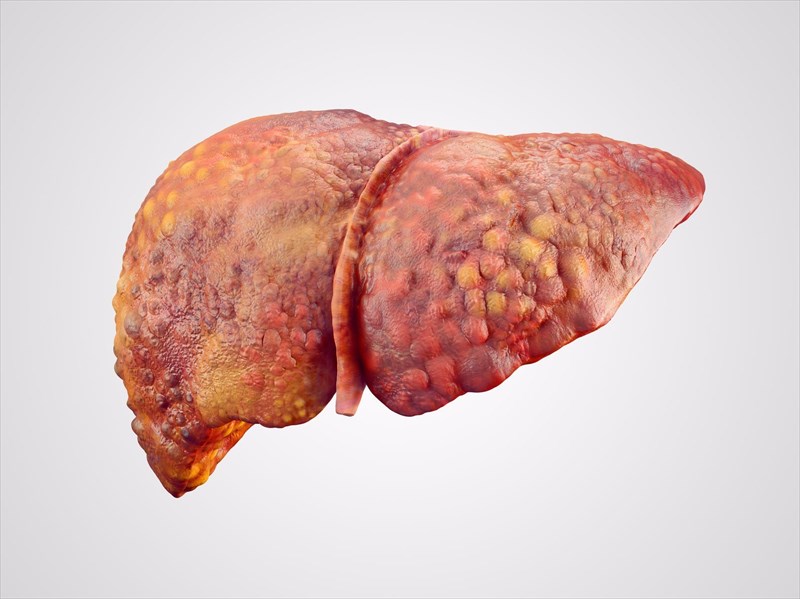
Numerous disorders and diseases of the liver harm healthy liver cells, leading to cell death and inflammation. Cell repair comes next, and the end outcome of the repair process is tissue scarring.

The scar tissue reduces the liver’s capacity to handle nutrients, hormones, medicines, and natural toxins and limits blood flow through the liver (poisons). Additionally, it reduces the liver’s ability to produce proteins and other chemicals. Over time, cirrhosis prevents the liver from functioning normally. Cirrhosis in its advanced stages is fatal.

The stages of cirrhosis

Technically speaking, cirrhosis symptoms can be divided into two stages: compensated cirrhosis and decompensated cirrhosis. It is feasible to transition from the decompensated to the compensated stage if discovered and treated in a timely manner.

  • Compensated cirrhosis. The asymptomatic stage is when there are no symptoms present. The liver may still have some scarring, but it hasn’t become severe enough to produce many, if any, symptoms.
  • Decompensated cirrhosis. The majority of the symptoms, including ascites and jaundice, manifest during this period. This level is really serious. In certain cases, you may be able to turn your diagnosis back to compensated if you’re able to control the cause of cirrhosis in the first place (for example, heavy drinking).

Symptoms of cirrhosis

At initially, you might not experience any symptoms. However, as time passes and the harm to your liver worsens, you can start to notice:

Additionally, you can bleed readily, bruise easily, and experience belly or leg swelling. Additionally, you might see modifications in your skin, like:

  • Jaundice (when your skin and eyes turn yellow) (when your skin and eyes turn yellow)
  • strong itching
  • Skin blood vessels that resemble a web of spiders
  • Your hands’ palms turning red or your nails turning white

You might have certain mental changes, such as memory or attention issues. It’s possible for women to cease getting their periods. Men may lose their desire for sex, begin to develop breasts, or experience some testicular atrophy.

Other signs you can experience include:

You might not have all of these symptoms, and some of these issues could also be indicators of other diseases.

Causes and risk of cirrhosis

Always, another liver condition or illness leads to the development of cirrhosis. If the cirrhosis’ underlying cause is not addressed, it will worsen and eventually your healthy liver cells won’t be able to keep up. You can begin to experience fatigue, the urge to skip meals, and unintentional weight loss. Your liver may eventually lose its ability to function well or at all.

Knowing the origin of your cirrhosis is crucial for determining the best course of treatment and preventing further progression. The most frequent reasons include:

  • Abuse of alcohol. It’s critical to seek assistance if you have a drinking issue. The liver is harmed by alcohol. Consult your physician. They might suggest a treatment centre for you.
  • Fatty liver disease without alcohol. Obesity increases your risk of developing this illness. If this illness is the source of your cirrhosis, losing weight and managing your blood sugar levels may help your liver health.
  • Hepatitis B or hepatitis C. The treatment for these illnesses can prevent further liver damage.

The following conditions can also result in cirrhosis:

  • Dysplastic fibrosis
  • health conditions that make it difficult for your body to metabolise sugar
  • Having too much iron in your body
  • Wilson’s illness, in which the liver accumulates too much copper
  • illnesses that trigger your immune system to assault liver cells
  • the bile duct, which transports digestive enzymes from your liver to your intestines, is blocked
  • certain gastrointestinal genetic disorders

How cirrhosis is diagnosed?

A thorough history and physical examination are the first steps in cirrhosis diagnosis. A thorough medical history will be taken by your doctor.

If you have a history of chronic alcohol abuse, hepatitis C exposure, autoimmune disease in your family, or any other risk factors, you should be as honest as you can about them.

The physical examination will search for indicators like:

  • eyes or skin that appear to be more yellow
  • flamboyant palms
  • Hand trembling
  • an enlarged spleen or liver
  • decreased vigilance

The extent of the liver damage can be determined via tests. Among the tests used to assess cirrhosis are:

  • an examination of anaemia using a complete blood count
  • blood testing for coagulation to determine how rapidly blood clots
  • tests for albumin, a protein produced in the liver,
  • testing for liver function
  • Alpha fetoprotein, a test for liver cancer

The following additional tests can assess the liver:

  • an upper endoscopy to check for the presence of esophageal varices
  • a liver ultrasound examination
  • an abdomen-related MRI
  • an abdominal CT scan
  • The most accurate test for cirrhosis is a liver biopsy.

Preventing cirrhosis

Hepatitis B or C risk can be decreased by engaging in barrier-method intercourse.

The Centers for Disease Control and Prevention (CDC) advises that all newborns and adults who are at risk, such as medical professionals and first responders, receive the hepatitis B vaccine.

Cirrhosis can be avoided or slowed down by eating a balanced diet, exercising regularly, and limiting or avoiding alcohol consumption. Other preventative strategies comprise:

  • Eliminating illicit drugs
  • discussing any drugs you take with your doctor, taking them as directed
  • getting tested for heptitis if you think you could be susceptible to it

REFERENCES:

For more details, kindly visit below.
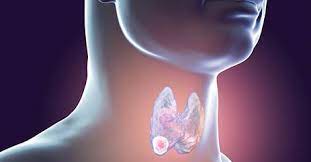
Recognizing potential signs and symptoms of throat cancer.

Recognizing potential signs and symptoms of throat cancer.

Cancer is a group of disorders in which the body’s aberrant cells uncontrolled proliferate and divide. Tumors are malignant growths made up of these cells. Oftentimes, when individuals refer to throat cancer, they imply cancer of the:

  • gullet
  • windpipe
  • thyroid hormone

Typically, doctors do not refer to throat cancer. Instead, they speak of head and neck malignancies. The National Cancer Institute (NCI) refers to these as:

  • Pharyngeal cancer is frequently referred to as oropharyngeal cancer together with oral cavity cancer.
  • throat cancer

Compared to other malignancies, throat cancer is rather rare. Oropharyngeal cancer represents around 2.8 percent of all cancer cases and 1.8 percent of all cancer-related deaths, according to the NCI. In the general population, there is a 1.2 percent probability of being diagnosed with one of these malignancies.

Around 0.7 percent of new cancer cases and 0.6 percent of cancer-related fatalities are caused by laryngeal cancer. This form of cancer is predicted to emerge in about 0.3 percent of people.

Types of throat cancer

Type will determine the course of treatment and prognosis for cancer. Which type of cancer cell is present will be revealed by a biopsy. Squamous cell carcinoma, which affects the flat cells lining the throat, is the most prevalent type of throat cancer.

There are two primary types of throat cancer:

Pharyngeal cancer

The pharynx, a hollow tube that extends from beyond the nose to the top of the windpipe, is where this cancer grows. The following are pharyngeal malignancies that manifest in the throat and neck:

  • nasopharynx cancer (upper part of the throat)
  • oropharynx cancer (middle part of the throat)
  • hypopharynx cancer (bottom part of the throat)

Laryngeal cancer

The larynx, or voice box, is where this cancer develops. Cancer may manifest in:

  • supraglottis (part of the larynx above the vocal cords)
  • glottis (part of the larynx around the vocal cords)
  • subglottis (part of the larynx below the vocal cords
  • hypolarynx (below the larynx)

Signs and symptoms of throat cancer

Typical warning signs and symptoms of throat cancer include:

  • alteration in your voice
  • difficulty swallowing (dysphagia)
  • slim down
  • unwell throat
  • a persistent want to swallow your food
  • prolonged and potentially bloody cough
  • neck lymph nodes that are enlarged
  • wheezing
  • ears hurt
  • hoarseness

Make an appointment with a doctor if any of these symptoms appear and persist.

Causes and risk of throat cancer

The risk factors for throat cancer can vary depending on the type, however the following are some things that could make you more likely to get laryngeal and oropharyngeal cancer:

  • smoking
  • high levels of alcohol use
  • consuming little fruit and veg
  • asbestos exposure, in cases of laryngeal cancer
  • chewing gutka and betel nut when suffering from oropharyngeal cancer
  • a large body mass
  • being more advanced, as these tumours typically develop beyond age 50
  • having inherited genetic disorders like Fanconi anaemia or dyskeratosis congenita
  • possessing specific human papillomavirus types (HPV)
  • Oral hygiene practises could be a factor.

According to the American Cancer Society, those who smoke and drink heavily are about 30 times more likely to acquire oropharyngeal cancer than those who don’t, and they’re also significantly more likely to develop laryngeal cancer (ACS).

Approximately 10% of men and 3.6% of women have oral HPV, a sexually transmitted disease, according to the Centers for Disease Control and Prevention (CDC). According to the CDC, HPV may be to blame for almost 70% of oropharyngeal cancer cases in the country.

Males are more prone than females to get laryngeal or oropharyngeal cancer. Statistics from the NCI show that while white individuals have a higher percentage overall, Black men have a far greater rate than both all females and men of other races.

According to a 2014 study, the disparity in laryngeal cancer survival rates between American males of colour and whites increased rather than decreased between 1975 and 2002. According to the study’s authors, possible causes include socioeconomic circumstances, a later stage of diagnosis, and a lack of access to effective therapy.

Preventing throat cancer

Although throat cancer cannot always be prevented, there are things you may take to lower your risk:

  • Avoid or give up smoking and using tobacco.
  • track your alcohol consumption
  • reduce your intake of added fats, sweets, and highly processed foods while consuming a nutrient-rich diet that emphasises fresh fruits and vegetables.
  • maintain a regular exercise schedule
  • To help lower your risk of developing an oral HPV infection, talk to your doctor about obtaining the HPV vaccine.

The NCI states that the highest risk factor for acquiring these malignancies is a combination of smoking and alcohol consumption. Thus, the two main approaches to prevent head and neck cancers are to limit alcohol use and quit smoking.

Treatment options for throat cancer

You’ll receive treatment from and have input from a variety of specialists, including:

  • a surgeon who specialises in cancer who performs operations like removing tumours
  • a radiation oncologist who uses radiation therapy to treat your cancer
  • a pathologist who analyses tissue samples taken from your biopsy
  • during a biopsy or surgery, an anesthesiologist will give anaesthetic and keep track of your health.

Options for treating throat carcinoma include:

  • surgery
  • radiation treatment
  • chemotherapy

Depending on the cancer’s stage and other considerations, your doctor may recommend a different course of treatment.

REFERENCES:

For more details, kindly visit below.
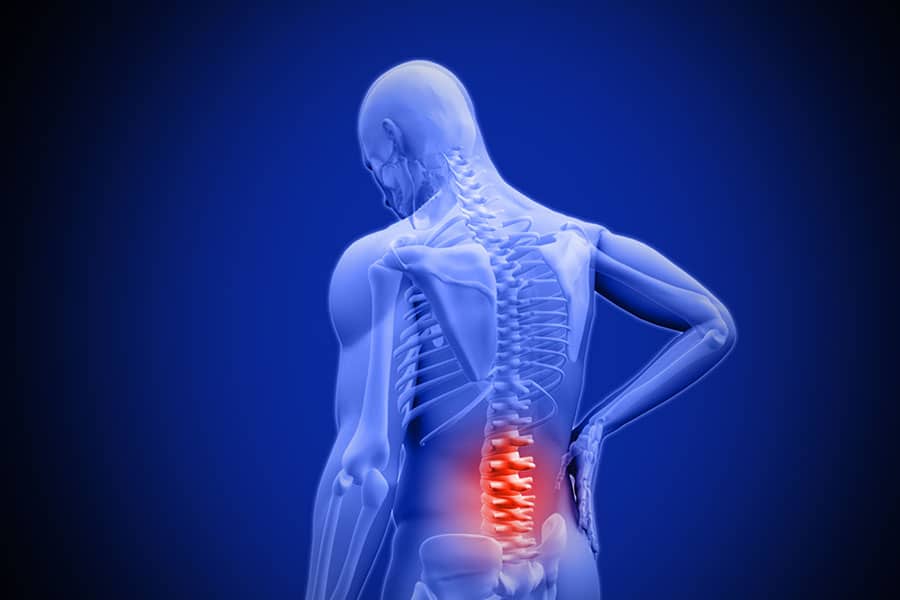
Thoughts on Lower back pain and its prevention.

Thoughts on Lower back pain and its prevention.

Lower back discomfort is a common condition. Most people will encounter it at some point in their lives. Lower back pain is the most typical handicap in the world and the most typical reason for missed work, according to a 2020 study.

The majority of lower back pain is brought on by an injury. Additionally, some medical disorders may be the cause. Most persons experience back discomfort for the first time between the ages of 30 and 50 (Reliable Source). This is partially caused by how the body changes as we get older.

The amount of fluid between your spine’s vertebrae decreases with age. As a result, spinal discs are more susceptible to irritation. Additionally, you lose some muscular tone, which increases the risk of back pain to injury.

This is why utilising proper body mechanics and building up your back muscles can help prevent lower back pain.

Lower back pain symptoms

There are several potential reasons of lower back pain, and these causes can produce a wide range of symptoms.

Among the most typical signs are:

  • ache after extended periods of relaxation or sitting
  • suffering when bending over or lifting something heavy
  • hip or gluteal pain that radiates
  • stiffness after initially waking up or after a period of idleness
  • weakness or numbness

Other, less prevalent but more severe symptoms exist. They consist of:

  • Back discomfort, as well as leg or foot pain
  • unintended loss of weight
  • fever
  • inadequate bowel control

If you suffer severe symptoms or your back discomfort persists for more than 72 hours, see a doctor.

Lower back pain causes

Lower back discomfort can have a variety of common reasons, such as underlying chronic illnesses.

Sprained or strained muscles

Excessive activity can stretch or damage the back’s muscles and ligaments. Sprains and strains can also be brought on by abrupt movements.

Lower back stiffness and soreness, as well as muscular spasms, are symptoms.

Herniated disc

Back disc injuries are common, and the risk gets worse as you get older. The discs’ outer layers may rip or herniate.

A slipped or ruptured disc is another name for a herniated disc. It happens when the disc’s cartilage presses up against the spinal cord or nerve roots. The cushion between the spinal vertebrae stretches beyond where it normally sits. Once a result, as the nerve root leaves the spinal cord and vertebrae, it may become compressed.

Trauma and aging-related degenerative changes are examples of potential causes. Herniated disc discomfort often lasts up to six weeks without therapy.

Sciatica

Legs and spine are connected via the sciatic nerve.

Sciatica can happen if a herniated disc squeezes the sciatic nerve. Leg or foot pain from sciatica may feel like pins and needles or burning.

Spinal stenosis

Your spine’s gaps narrow as a result of spinal stenosis, placing pressure on the spinal cord and spinal nerves. In many cases, deterioration of the discs between the vertebrae is linked to spinal stenosis. As a result, soft tissues like discs or bony spurs might compress the spinal cord or nerve roots.

Symptoms of pressure on the spinal nerves include:

  • numbness
  • weakness
  • cramping

These signs could appear anywhere on your body. Many persons with spinal stenosis find that standing or moving about makes their symptoms worse.

Unusual curves in the spine

The following conditions can result in atypical spine curves:

  • scoliosis
  • lordosis
  • kyphosis

These ailments are frequently present at birth and are typically identified for the first time in childhood or adolescence. The unique curve puts pressure on the following areas, which can lead to discomfort and bad posture:

Some individuals, though, might not exhibit any symptoms.

Other circumstances

Other health issues can also result in lower back pain. They frequently come with other symptoms. They consist of the following ailments, which are all connected to musculoskeletal pain:

  • Arthritis: Joint inflammation is referred to as arthritis.
  • fibromyalgia: Long-lasting pain and sensitivity in the muscles, tendons, and joints is known as fibromyalgia.
  • Spondylitis: Inflammation is brought on by the autoimmune condition spondylitis. It is an instance of arthritis.
  • Spondylosis: Another type of arthritis is spondylosis. The loss of typical spinal structure and function could result from this degenerative condition.

Although ageing is the main factor, each person will experience degradation in different places and at different rates. The following medical disorders can also result in lower back pain:

  • issues with the kidneys and bladder, including kidney infections
  • pregnancy
  • endometriosis
  • ovarian polyps
  • Uterine tumours
  • misaligned spinal cord
  • spinal abscesses
  • cancer, such as spinal cord cancer

How common is lower back pain?

Most people have lower back discomfort at some point in their lives—roughly four out of five people. It ranks among the top causes for people to seek medical attention.

Lower back discomfort is more common in certain persons than others. the following are risk factors for lower back pain:

  • Age: Back discomfort is more common in people over 30. Disks, the supple, rubbery tissue that supports the spine’s bones, deteriorate over time. Pain and stiffness may develop as the discs deteriorate and lose their strength.
  • Weight: Back discomfort is more common in people who are overweight, obese, or carry additional weight. Overweight people exert pressure on their discs and joints.
  • Overall health: Back strains and sprains can result from weak abdominal muscles that are unable to support the spine. Back discomfort is more common in people who smoke, drink too much alcohol, or lead sedentary lifestyles.
  • Work and lifestyle: Back injuries are more likely to occur in occupations and activities that involve heavy lifting or bending.
  • Structural issues: Conditions like scoliosis that alter the position of the spine can cause severe back pain.
  • Disease: Low back pain is more common in those with a family history of osteoarthritis, certain cancers, and other illnesses.
  • Mental health: Back pain can be brought on by worry and sadness.

REFERENCES:

For more details, kindly visit below.
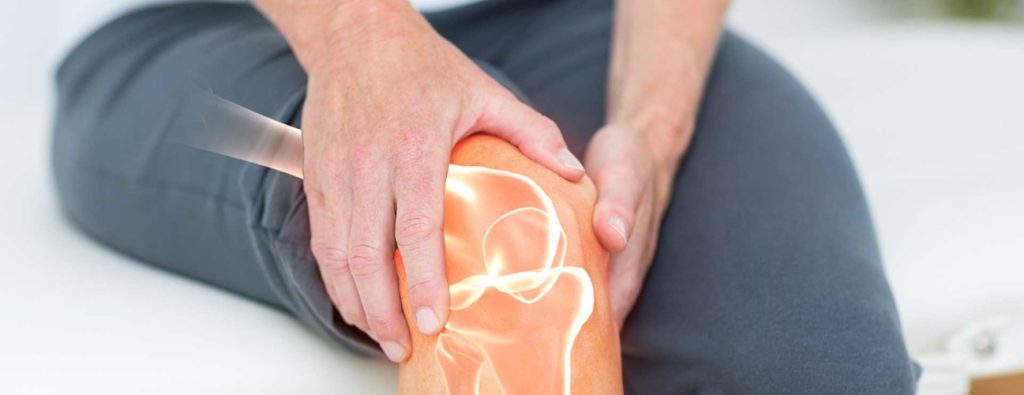
Different causes and ways to prevent Chronic Knee pain.

Different causes and ways to prevent Chronic Knee pain.

What is a chronic knee pan?

Long-lasting pain, swelling, or sensitivity in one or both knees is referred to as chronic knee pain. The symptoms you encounter can vary depending on the source of your knee discomfort. Chronic knee pain can result from a wide range of illnesses, and there are numerous therapies available. The effects of persistent knee discomfort will vary from person to person.

Causes of Knee pain

Knee discomfort can be brought on by mechanical issues, different types of arthritis, and other issues.

Injuries

A knee injury can impact not just the bones, cartilage, and ligaments that make up the joint itself, but also any ligaments, tendons, or bursae that surround your knee joint. The following are some of the more typical knee injuries:

  • ACL damage. One of the four ligaments that connect your shinbone to your thighbone, the anterior cruciate ligament (ACL), can be torn, resulting in an ACL injury. People who play basketball, soccer, or other sports requiring quick changes in direction are more likely to sustain an ACL damage.
  • Fractures. In falls or car accidents, the knee’s bones, particularly the patella (knee cap), can break. Additionally, patients with osteoporosis may occasionally suffer a knee fracture from a simple misstep.
  • Meniscus tear. Between your shinbone and thighbone, there is a firm, rubbery cartilage called the meniscus that serves as a stress absorber. If you suddenly twist your knee while standing on it, it may tear.
  • Knee bursitis. The bursae, the little sacs of fluid that cushion the outside of your knee joint so that tendons and ligaments may move easily across the joint, can become inflamed as a result of several knee injuries.
  • Tendonitis of the patella. The thick, fibrous fibres that connect muscles to bones through tendons experience irritation and inflammation due to tendinitis. The patellar tendon, which connects the kneecap (patella) to the shinbone and enables you to run, leap, and kick, can become injured and cause this irritation. Patellar tendinitis can occur in runners, skiers, bikers, and those who participate in jumping sports and hobbies.

Mechanical problems

The following are some instances of mechanical issues that might result in knee pain:

Slack body. A fragment of bone or cartilage may occasionally break off and float in the joint space due to damage or deterioration. It might not be a problem unless the loose body restricts the movement of the knee joints, in which case the result is similar to a pencil being stuck in a door hinge.

Syndrome of the iliotibial band. This happens when the thighbone’s outer surface is rubbed against by the iliotibial band, a firm band of tissue that runs from the outside of your hip to the outside of your knee. Iliotibial band syndrome is more common in cyclists and distance runners.

Displaced kneecap. This happens when the patella, a triangular bone covering the front of your knee, slides out of position, usually to the outside of your knee. In some circumstances, the kneecap may remain dislocated, allowing you to observe the dislocation.

Foot or hip ache. You can alter your gait to spare your bothersome joint if you experience foot or hip pain. However, this altered walk may put extra strain on your knees, leading to discomfort.

Arthritis types

There are more than 100 different kinds of arthritis. The following types are those most likely to impact the knee:

Osteoarthritis. Osteoarthritis, which is often referred to as degenerative arthritis, is the most prevalent kind of arthritis. It is a wear-and-tear ailment that develops when your knee cartilage ages and deteriorates from use.

Rheumatoid arthritis. The most crippling type of arthritis, is an autoimmune disorder that can damage virtually any joint in your body including your knees is Rheumatoid arthritis. Even though rheumatoid arthritis is a chronic condition, its severity can vary and it occasionally flares up.

Gout. When uric acid crystals accumulate in the joint, it leads to this kind of arthritis. Gout can affect the knee in addition to the big toe, which is where it most frequently occurs.

Pseudogout. Pseudogout, which is sometimes confused for gout, is brought on by calcium-containing crystals that form in the synovial fluid. It most frequently affects the knees.

Septic arthritis. Your knee joint may occasionally get infected, resulting in swelling, discomfort, and redness. When septic arthritis first manifests, a fever is frequently present, and there is typically no prior injury. The knee cartilage can suffer severe damage very fast as a result of septic arthritis. Consult your doctor straight away if you have knee pain along with any of the signs of septic arthritis.

Other issues

The phrase “patellofemoral pain syndrome” refers generally to discomfort felt between the kneecap and the thighbone underneath. It frequently affects athletes, young adults, particularly those whose kneecaps don’t track well in their grooves, and elderly persons, who typically get it as a result of kneecap arthritis.

Symptoms of chronic knee pain

Each person’s chronic knee pain symptoms are unique, and the severity of the pain is frequently influenced by its underlying cause. Symptoms of chronic knee discomfort include:

  • ongoing pain
  • when used, causes a severe, shooting pain
  • a mild searing pain

Chronic discomfort and swelling around the knee may also be a problem.

Risk factors

You may be more likely to experience knee issues if you have a number of risk factors, such as:

Excess weight. Even during routine activities like walking or climbing stairs, being overweight or obese puts more strain on your knee joints. By hastening the degeneration of joint cartilage, it also increases your risk of osteoarthritis.

Lack of strength or flexibility in the muscles. Injury risk to the knees might be increased by a lack of strength and flexibility. Your joints are stabilised and protected by strong muscles, yet a full range of motion is possible thanks to flexible muscles.

Certain activities or professions. Knees are more likely to be strained during some sports than others. Your risk of knee injuries is increased by activities like alpine skiing, which involves inflexible ski boots and the potential for falls, basketball, which involves hops and pivots, and running or jogging, which repeatedly pounds your knees. Construction and farming work, as well as other occupations that put repetitive strain on the knees, can raise your risk.

Previous injury. A prior knee injury increases your risk of suffering another knee injury.

Complications

Not all knee discomfort is severe. But if left untreated, some knee illnesses and injuries, including osteoarthritis, can cause disability, joint damage, and excruciating pain. Additionally, even a small knee injury increases your risk of suffering another one in the future.

REFERENCES:

For more details, kindly visit below.
Distinct ways to treat & prevent Salmonella Food poisoning.

Distinct ways to treat & prevent Salmonella Food poisoning.

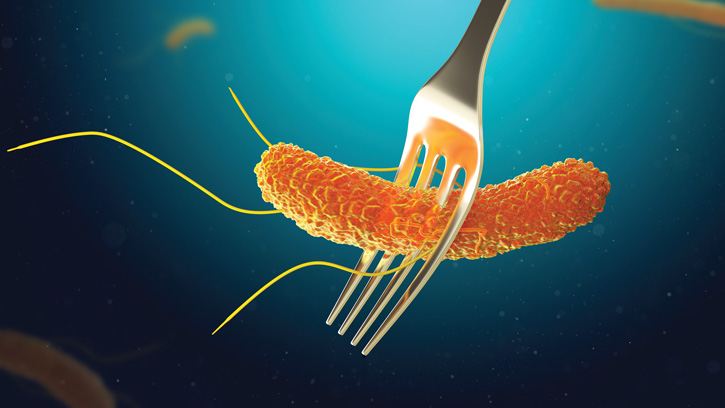
Salmonella food poisoning is caused by certain bacteria in the Salmonella bacterium group. Both humans and animals’ intestines contain these microorganisms. When consumed, contaminated food or water with infectious excrement can cause human infection.

The small intestine is frequently impacted by a salmonella infection. Salmonella enterocolitis or enteric salmonellosis are other names for it. One of the most typical types of food poisoning is this one.

Every year in the US, 19,000 patients with salmonella food poisoning are hospitalised. People under the age of 20 are more likely to experience it. The Salmonella bacterium develops better in warm conditions, thus it’s also more likely to happen in the summer.

What causes salmonella food poisoning?

Salmonella food poisoning is brought on by consuming food or drinking anything that has been contaminated with specific types of Salmonella bacteria. Typically, infection occurs when a person consumes raw or previously handled food.

Salmonella is frequently transferred when people don’t wash (or wash their hands incorrectly) after using the restroom. Additionally, handling pets, particularly reptiles and birds, might spread it. Salmonella bacteria are destroyed by thorough cooking or pasteurisation. Consuming foods that are uncooked, undercooked, or unpasteurized puts you at danger.

Common triggers of salmonella food poisoning include:

  • undercooked poultry such as turkey or chicken
  • beneath-cooked eggs
  • bottled juice or unpasteurized milk
  • tainted fresh produce, nuts, or fruits
  • Your chance of contracting salmonella can be influenced by a number of things, including:
  • having a foodborne illness caused by salmonella in the family
  • keeping a pet bird or reptile (they can carry Salmonella)
  • living in communal spaces like dorms or nursing homes, where you are frequently exposed to a large number of people and other people preparing your food
  • travelling to impoverished nations with subpar hygienic standards and inadequate sanitation

You are more susceptible to contracting Salmonella infection than most people if you have a compromised immune system.

Symptoms of salmonella

Salmonella food poisoning symptoms frequently appear fast, typically 8 to 72 hours after consuming contaminated food or drink. Aggressive symptoms may appear and may persist for up to 48 hours.

During this acute stage, typical symptoms include:

Diarrhea-related dehydration is a severe concern, particularly in young children and newborns. Even one day can cause serious dehydration in the very young. Death may result from this.

How to manage the symptoms of salmonella?

The most crucial step in managing salmonella symptoms is to stay hydrated by drinking plenty of water. You can stay hydrated by drinking things like:

  • Water.
  • sports beverages.
  • 100% fruit juice with additional water.
  • Broth.
  • Rehydration aids for the mouth (like Pedialyte).

Diarrhea in adults can be treated with over-the-counter drugs such loperamide (Imodium) and bismuth subsalicylate (Pepto-Bismol, Kaopectate). Children and newborns should not be given anti-diarrheal drugs without first consulting your paediatrician.

Treating salmonella food poisoning

The basic treatment for salmonella food poisoning consists of replenishing the electrolytes and fluids that are lost during diarrhoea. Adults should sip on ice cubes or drink water. Your paediatrician could advise rehydrating beverages for kids like Pedialyte.

Additionally, change your diet to just contain items that are simple to digest. Good choices include toast, rice, applesauce, and bananas. Stay away from dairy items and get lots of sleep. Your body can then fight the illness thanks to this. You may need to visit your doctor and obtain intravenous (IV) fluids if your nausea makes it difficult for you to drink anything. Infants and toddlers may also require IV fluids.

Antibiotics and medications to stop diarrhoea are typically not advised. Both the “carrier state” and the infection may be prolonged by these treatments. The time frame during and immediately following an infection during which you can spread the infection to another person is known as the “carrier state.” In order to control your symptoms, you should talk to your doctor about certain drugs. Your doctor might recommend antibiotics if the situation is serious or life-threatening.

Preventing salmonella food poisoning

Salmonella food poisoning can be avoided by:

  • Treat food with care. Prepare food to acceptable internal temperatures, and instantly put leftovers in the refrigerator.
  • Before and after cooking high-risk items, clean the counters.
  • Clean your hands completely (especially when handling eggs or poultry).
  • Separate utensils should be used for raw and cooked food.
  • Before cooking, keep food chilled.
  • Wear gloves or wash your hands properly after touching a reptile or bird you own.

People who work in the food service business who have salmonella should not come back to work until they have been free of diarrhoea for at least 48 hours.

Symptoms should disappear in two to seven days for healthy persons. The bacteria can, however, endure longer in the body. This implies that even if you don’t have any symptoms, you can still spread the Salmonella bacteria to other people.

REFRENCES:

For more details, kindly visit below.
What is the maturity period of infection called Norovirus?

What is the maturity period of infection called Norovirus?

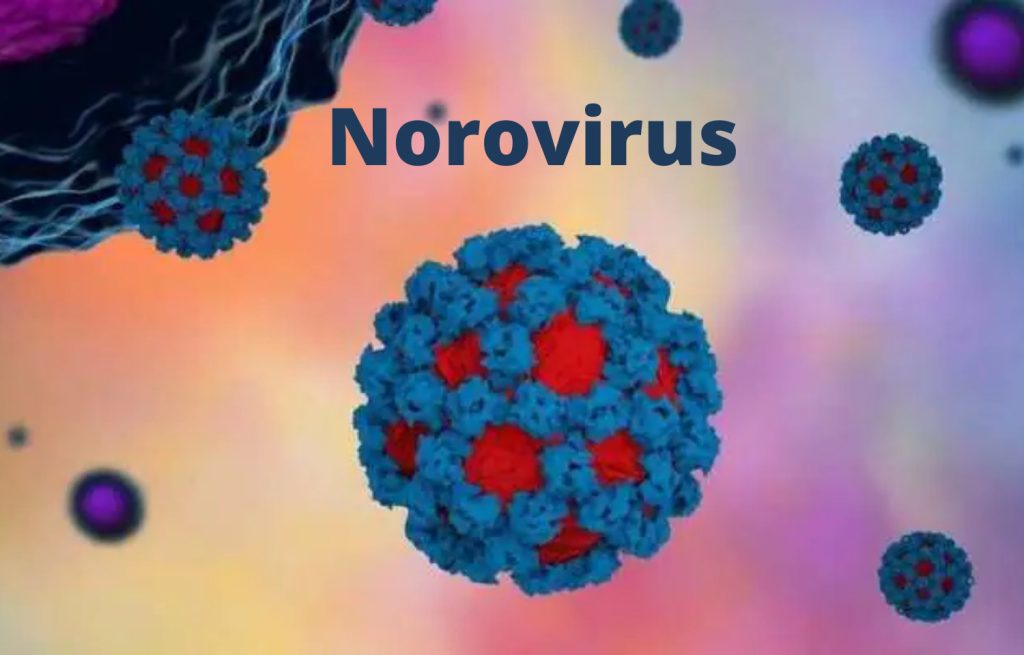
The stomach and intestinal virus known as norovirus is extremely contagious. Direct or indirect contact with an infected person is all that is necessary for it to spread. In crowded places like hospitals, schools, and daycare facilities, it can spread swiftly.

The majority of people have some knowledge with norovirus. It affects the stomach and digestive tract frequently. Since the norovirus can be acquired from consuming tainted food, it can potentially cause food poisoning. Regardless of how you obtain it, the outcomes remain the same.

Vomiting and watery, non-bloody diarrhoea are the norovirus’s signature signs and symptoms. These symptoms might appear anywhere between 12 and 48 hours after exposure and continue up to three days. The majority of patients fully recover.

There is no specific therapy other than rest and rehydration. Dehydration is the most important problem. The norovirus can be dangerous and even fatal in extremely young children, elderly people, and those who already have other health issues.

There are numerous norovirus strains, so having one doesn’t shield you from contracting it again. By washing your hands thoroughly and regularly, you can reduce the chance of spreading disease.

With 685 million cases worldwide each year, norovirus is estimated to be the most common cause of acute gastroenteritis. Gastroenteritis is an infection and inflammation of the gastrointestinal tract brought on by any infectious agent, such as bacteria or viruses. Up to 21 million infections are brought on by norovirus each year in the United States.

How contagious is Norovirus?

The virus can remain shed for up to 8 weeks. This indicates that there is a possibility that you could harm other people. Over time, it normally becomes less contagious.

Once you have been symptom-free for 48 hours, you can often go back to work or school. Workers in the food service industry are typically advised to wait 72 hours before handling food.

Norovirus causes

When you come into contact with the virus, everything begins. It can be hiding on the food you eat. Or perhaps you grip someone’s hand or touch a contaminated light switch before touching your mouth or nose. Those minute particles enter your body at that point.

As the particles go down your oesophagus, you are unaware of it. They enter your intestines after passing through your stomach. The intestines are where noroviruses thrive and appear to reproduce quickly. Your immune system is alerted to the existence of outside intruders in the interim. To eliminate them, it orders an army of antibodies.

Within one to three days, your antibodies will often declare victory over the infection. However, the virus may continue to leave your body for up to two weeks or more.

Symptoms of Norovirus

After being exposed to the virus, symptoms of infection typically appear somewhere between 12 and 48 hours later. They might be modest to really severe. Norovirus symptoms include, among others:

  • nauseous and dizzy
  • abdominal discomfort or cramps
  • diarrhoea
  • minimal fever
  • chills
  • headache
  • widespread body pain

The typical duration of symptoms is 24 to 72 hours. If symptoms continue after that or if you notice blood in your faeces, consult a doctor. Dehydration brought on by severe diarrhoea needs to be treated as a medical emergency. Dehydration symptoms and signs include:

  • throat and mouth are dry
  • reduced urine production or dark urine
  • newborns shouldn’t have a damp diaper for 6–8 hours.
  • no urine for children in 12 hours
  • darkened eyes
  • drowsiness and exhaustion
  • headache
  • dizziness
  • uncertainty and sluggishness
  • quick heartbeat

When a child sobs but doesn’t actually cry, they are likely severely dehydrated. Seek immediate medical attention. They may also appear picky and agitated.

Dehydration poses a serious risk to life, particularly for the following populations:

  • individuals with compromised immune systems
  • individuals with current medical conditions
  • the elderly and the young
  • beneficiaries of organ or stem cell transplants

According to estimates, the virus may occasionally—roughly 30% of the time—cause no symptoms at all. Children are particularly prone to this.

Norovirus maturity period

You most likely won’t be aware that you have a norovirus until after contact. You can catch it via eating contaminated food or from contacting a contaminated surface. It can also be acquired through interpersonal interactions. You can easily transfer it from your hands to your lips once they are clean.

The incubation period, also known as the interval between first encounter and the onset of symptoms, typically lasts between 12 to 48 hours, with 33 hours serving as the median.

Nausea could be your first indication that something is wrong. Watery diarrhoea, stomach pain, and sudden vomiting are possible side effects. If done within 48 to 72 hours of the onset of symptoms, the virus can be detected in a sample of your faeces, if necessary. Norovirus can occasionally be found in stool for up to 14 days or more.

You can spread the virus to others as long as it is still present in your stool. Given that the virus only needs a minimal amount to induce disease, doing so is simple. Even if you don’t have any symptoms, you can still spread the infection to other people.

REFERENCES:

For more details, kindly visit below.
General causes and symptoms of Tetanus you must know.

General causes and symptoms of Tetanus you must know.

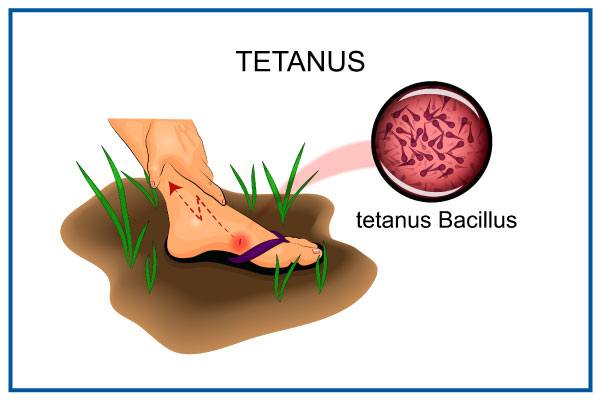
The dangerous infection known as tetanus, commonly known as lockjaw, is brought on by Clostridium tetani. This bacteria creates a toxin that damages the brain and neurological system and causes muscle stiffness. The neurotoxic produced when Clostridium tetani spores enter a wound prevents nerves from controlling muscular action.

The infection can ultimately be fatal and result in severe muscle spasms, significant breathing problems, and other symptoms. Tetanus therapy is available, however its efficacy varies. Getting the immunisation is the best method to prevent tetanus.

What is Tetanus?

A dangerous bacterial infection called tetanus damages the neurological system and causes the muscles all over the body to contract. Because the illness frequently produces muscle contractions in the jaw and neck, it is also known as lockjaw. It might later, nevertheless, spread to other bodily regions.

Without treatment, tetanus infection can be fatal. The Centers for Disease Control and Prevention (CDC) estimate that 10 to 20 percent of tetanus infections result in death.

Tetanus is a serious medical issue that requires prompt hospital care. Fortunately, tetanus can be avoided by using a vaccine. This vaccination does not, however, last indefinitely. To maintain immunity, booster vaccinations for tetanus are required every ten years.

Tetanus is uncommon in the United States thanks to the vaccine’s widespread accessibility. In other nations without robust immunisation regimens, it is more prevalent.

Symptoms of Tetanus

The incubation period, or the amount of time between an infection and the onset of symptoms, is typically 10 days. The incubation phase may last three to twenty one days.

Tetanus is most frequently known as generalised tetanus. Over the course of two weeks, signs and symptoms steadily intensify after a modest start. Usually, they begin at the jaw and work their way down the body.

Generalized tetanus symptoms and signs include:

Repeated, agonising, seizure-like spasms that linger for many minutes are a symptom of tetanus progression (generalized spasms). Typically, the fists are clinched, the knees stiffen, the neck and back arch, and the arms are dragged up to the body. Breathing issues could be brought on by neck and abdominal muscle tightness.

Minor occurrences that activate the senses, such as a loud noise, a physical contact, a draught, or light, might cause these severe spasms.

Other symptoms and indicators that may appear as the condition worsens include:

Localized Tetanus

Muscle spasms are a symptom of this uncommon type of tetanus that affects the area around a wound. Although it normally manifests in a less severe form, it can develop into generalised tetanus.

Cephalic Tetanus

This uncommon type of tetanus develops after a head injury. It causes the muscles in the face to weaken and the muscles in the jaw to spasm. Additionally, it may develop into widespread tetanus.

Causes of Tetanus

Tetanus is caused by a bacterium called Clostridium tetani. The bacteria’s spores can be found in dirt, animal droppings, and dust. Spores are tiny reproductive structures that some species create. They frequently withstand difficult environmental conditions, like extreme heat.

When these spores get into the bloodstream through a severe cut or wound, a person can get sick. Once inside the brain, the bacteria spores create tetanospasmin, a toxin that affects the neurological system.

The nerve signals travelling from your spinal cord to your muscles are blocked by this poisonous toxin. Serious muscle spasms may result from this.

Infection with tetanus has been linked to:

  • crush wounds
  • damage involving dead tissue
  • burns
  • puncture wounds from injuries, medication injections, tattoos, or body piercings (such as stepping on a nail)
  • wounds that are filthy, feces- or saliva-contaminated

It has a less common connection to:

  • creature bites
  • dental disease
  • mosquito bites
  • persistent infections and sores

Nobody can spread tetanus to another individual. Although the virus spreads globally, it is more prevalent in hot, humid locations with rich soil. It’s also more common in densely populated areas.

Prevention

Tetanus infections can be avoided through vaccination, but only if you get your booster shots on time. Children in the United States receive the tetanus vaccine as part of the diphtheria-tetanus-pertussis (DTap) vaccination series. This combination vaccine guards against tetanus, pertussis, and diphtheria. But it doesn’t offer everlasting defence.

At 11 or 12, children need to have a booster shot. Following that, adults require a Td booster shot (for tetanus and diphtheria) every 10 years. If you’re unsure whether you have all of your immunisations up to date, speak with your doctor.

The infection can also be avoided by giving wounds the proper care and cleanliness. Call your doctor and inquire about your risk of contracting tetanus if you sustain an injury outside and believe it has come into touch with soil.

Treatment for Tetanus

Your symptoms’ severity will determine how you are treated. Tetanus is routinely treated with a range of procedures and drugs, including:

  • medications like penicillin to get rid of the microorganisms inside your body
  • tetanus immune globulin (TIG) to eliminate the poisons that your body’s germs have produced
  • muscle relaxants to prevent spasms
  • a tetanus shot given along with the remedy
  • washing the wound to remove the bacterial source

Debridement, a surgical treatment, is occasionally done to remove contaminated or dead tissue. You could require a breathing tube or ventilator if you have trouble breathing and eating (a machine that moves air in and out of the lungs).

REFERENCES:

For more details, kindly visit below.
Risk factors involved with Primary immunodeficiency disease

Risk factors involved with Primary immunodeficiency disease

Immune deficiencies make it difficult for your body to fight off illnesses and infections. You are more likely to contract viruses and bacterial illnesses if you have this kind of condition.

Disorders of the immune system can be either inherited or acquired. You are born with a congenital, or primary, disease. A secondary or acquired disorder is one that develops later in life. Congenital disorders are less frequent than acquired disorders.

The following organs are part of your immune system:

  • spleen
  • tonsils
  • blood marrow
  • lymph glands

Lymphocytes are processed and released by these organs. These are T cells and B cells, two types of white blood cells. Antigen-based intruders are fought by B and T lymphocytes. B cells release antibodies that are tailored to the illness your body has identified. Some T cells eliminate abnormal or alien cells.

Your B and T cells may need to defend themselves against various antigens, for instance:

  • bacteria
  • viruses
  • melanoma cells
  • parasites

Your body’s capacity to fight itself against these antigens is interfered with by an immunodeficiency condition.

What is a weak immune system?

You are immunocompromised if your immune system is impaired. This indicates that, compared to healthy individuals, your body is less capable of fending off viruses or diseases.

A weakened immune system can momentarily be brought on by treatments like anticancer therapies and radiation therapy, despite the fact that it is primarily brought on by certain illnesses, starvation, and specific genetic problems.

A stem cell or organ transplant may also momentarily impair your immune system.

Signs of an immunodeficiency disorder

Immunodeficiency illnesses come in many different shapes and sizes. Each illness has distinct symptoms that may be recurrent or persistent. There are, however, a few red flags that suggest your immune system may be malfunctioning.

Those who suffer from immunodeficiency disorders frequently get infections of certain illnesses, such as:

  • red eye
  • sinus problems
  • thrush
  • colds
  • persistent gum disease (gingivitis)
  • pneumonia
  • Candida infections

Immunodeficiency condition sufferers may experience chronic stomach pain as well as weight loss over time. Your doctor may do an immunodeficiency disorder test if you notice that you are susceptible to illnesses and viruses, and that you have trouble recovering from them.

Types of immunodeficiency disorders

When the immune system is not functioning as it should, an immune deficiency disease or disorder develops. It is referred to as primary immunodeficiency disease if you are born with a deficiency that has a hereditary aetiology. Primary immunodeficiency disorders number over 200.

Primary immunodeficiency disorders include, for example:

  • common variable immunodeficiency (CVID)
  • severe combined immunodeficiency (SCID), which is also known as alymphocytosis
  • chronic granulomatous disease (CGD)

When your body is weakened by an external factor, such as a chemical or virus, secondary immunodeficiency problems develop. A secondary immunodeficiency condition can result from the following:

  • a lot of burns
  • chemotherapy
  • radiation
  • diabetic nephropathy
  • malnutrition

Secondary immunodeficiency disorders include, for example:

  • AIDS
  • immune system malignancies, such as leukaemia
  • immune-complex diseases, like viral hepatitis
  • multiple myeloma (cancer of the plasma cells, which produce antibodies)

Causes of immunodeficiency disorders

Numerous primary immunodeficiency diseases are inherited and are acquired from either one or both parents. Many of these immune system flaws are brought on by issues with the DNA, which serves as the body’s blueprint for genetic construction.

More than 300 different primary immunodeficiency illnesses have been identified so far, and new ones are constantly being discovered. Based on whatever immune system component is impacted, they can be roughly divided into six groups:

  • Lack of B cells and antibodies
  • defects in T cells
  • a combined lack of B and T cells
  • flawed phagocytes
  • Deficits in the complement
  • Unknown (idiopathic)

Risk factors

A larger risk of acquiring primary immunodeficiency disorders in oneself exists in those with a family history of such conditions. An additional immunodeficiency condition can result from anything that impairs your immune system. As an illustration, exposure to HIV-infected bodily fluids or organ excision and replacement are both potential causes.

Additionally, ageing can impair your immune system. Some of the organs that make or process white blood cells decrease and perform less effectively as you age. Proteins are essential for maintaining immunity. Your immune system may become weakened if you don’t consume enough protein.

While you sleep, your body also generates proteins that aid in the body’s ability to fight infections. Because of this, getting too little sleep can weaken your immune system. Additionally, cancer and chemotherapy medications can lower your immunity.

Prevention of immunodeficiency disorders

There is no method to prevent primary immunological illnesses because they are brought on by genetic alterations. However, there are precautions you can do to avoid infections if you or your child has a compromised immune system:

  • Maintain proper hygiene. Use a light soap to wash your hands after using the restroom and before eating.
  • Maintain good oral hygiene. At least twice a day, brush your teeth.
  • Proper diet, An illness can be avoided with a healthy, balanced diet.
  • Be active physically. Your whole health depends on maintaining a healthy lifestyle. Find out what activities are suitable for you by asking your doctor.
  • Get adequate rest. Try to get the same amount of sleep each night and try to go to bed and wake up at the same time each day.
  • Stress management. According to certain research, stress may weaken your immune system. Massage, meditation, yoga, biofeedback, or hobbies can help you manage your stress. Figure out what works for you.
  • Prevent exposure. Avoid crowds and persons who have colds or other diseases.
  • Consult your doctor regarding vaccines. Learn which ones you ought to have.

REFERENCES:

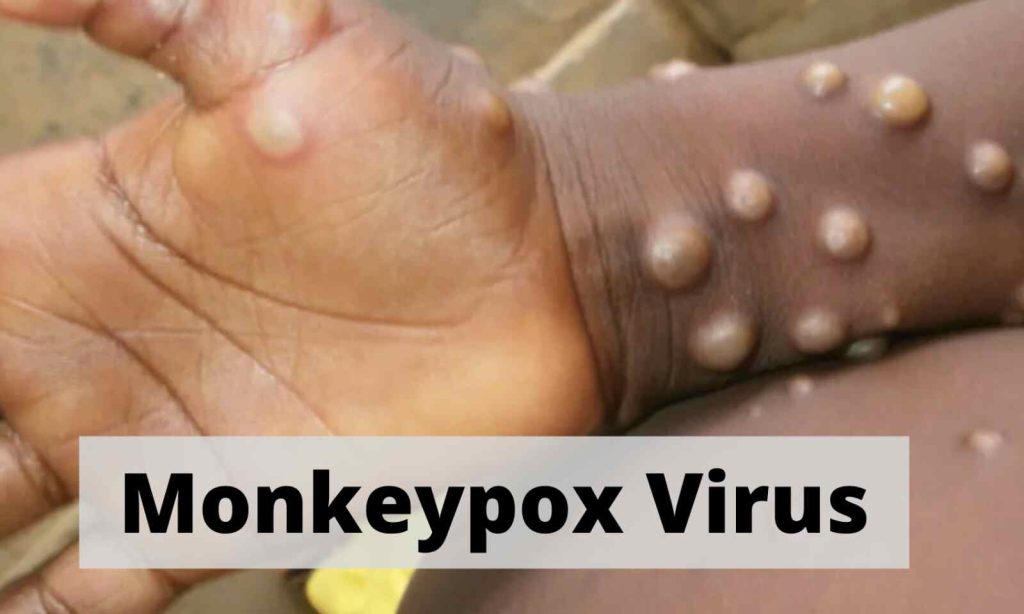
Lets observe Risky symptoms and complication of Monkeypox.

Lets observe Risky symptoms and complication of Monkeypox.

What Is Monkeypox?

A viral illness called monkey pox is comparable to smallpox. It results in a rash resembling a lesion, lymph node swelling, and fever. Your genitals, anus, and other regions may experience the lesions.

An additional zoonotic disease is monkeypox. This implies that it can spread from animals to people and vice versa. Additionally, it can spread from person to person. The West African virus and the Congo Basin virus are the two forms of monkeypox viruses.

Prior to 2022, central and western Africa was where monkeypox was most prevalent. However, as at the time of this article’s publication, cases of monkeypox brought on by the West African variant of the virus had been reported in 94 countries worldwide, including regions where it is not normally found.

How does the mpox virus spread?

MPX is brought on by the MPX virus. Close contact with an infected animal or person allows the virus to spread. Furthermore, it can spread when someone touches objects, such blankets, that have come into contact with an mpox patient.

People can contract the mpox virus through:

  • direct touch with the bodily fluids, scabs, or rashes of a person who has mpox.
  • prolonged close proximity to respiratory droplets from an infected person for more than four hours. This covers having sexual relations.
  • clothing, bedding, blankets, or other items that have come into contact with an infected person’s body fluids or rashes.
  • The mpox virus can infect a pregnant individual and then infect the foetus.

A person contracts mpox from an animal through:

  • Bites or scrapes from animals Wild
  • cultivated wild wildlife used for food
  • Items manufactured from diseased animals
  • direct exposure to the bodily fluids or rashes of animals that have the MPOV virus

Where is Mpox found?

The majority of mpox cases for many years were in Africa. It does, however, occasionally appear in other nations, such as the United States. The United States experienced the first mpox outbreak outside of Africa in the spring of 2003. Texas received a consignment from Ghana with diseased animals. The virus was transmitted by the sick rodents to domesticated prairie dogs, which ultimately infected 47 people in the Midwest.

Viruses that were formerly largely confined to certain regions can more easily spread worldwide as international travel becomes more widespread. A case of mpox was discovered in a resident of the United States who had come to the country from Nigeria in the summer of 2021. Then, in 2022, outbreaks spread beyond of Africa to areas in Europe, Australia, and the Americas.

Anyone can purchase mpox. The majority of cases in Africa involve children under the age of 15. The disease appears to be more prevalent in guys who have intercourse with men outside of Africa, although there are many cases in people who don’t fit that description.

Monkeypox symptoms

Monkeypox symptoms are comparable to smallpox symptoms. Typically, monkeypox symptoms are less severe. Symptoms of the monkeypox virus typically take 6 to 13 days to manifest after infection. But it might be anything between 5 and 21 days.

Early warning signs can include:

  • The most common first sign is a fever.
  • headache
  • muscular pain
  • back pain
  • fatigue
  • chills
  • Lymphadenopathy, another name for enlarged lymph nodes,

A rash often emerges 1 to 3 days after the fever does. Usually, the rash appears on your:

Before or after a fever and other flu-like symptoms, a rash may appear. Some individuals might only ever have a rash. Lesions that develop in the following order make up the rash brought on by monkeypox:

  • flat, brownish blemishes known as macules
  • papules, which are mildly elevated lesions
  • lumps or vesicles filled with a clear fluid
  • lumps or pustules with a yellowish fluid
  • scabs

The lesions scab over and fall off once they have healed. Monkeypox symptoms often last 2 to 4 weeks and go away on their own without medical intervention.

Potential complications of monkeypox

The following are potential side effects of monkeypox:

  • bronchopneumonia
  • sepsis
  • Encephalitis, another name for inflammation of the brain,
  • inflammation of the cornea, the eye’s transparent outer layer
  • further infections
  • Loss of eyesight may result from an infection in the cornea.

In extreme circumstances, the lesions may combine. A significant amount of skin loss could result from this.

How is monkeypox treated?

Currently, there is no cure for monkeypox. Monkeypox, on the other hand, has a self-limiting nature and can heal on its own. There are several drugs that can be used to contain an outbreak and stop the illness from spreading. They may consist of:

  • Influenza vaccine (smallpox vaccine)
  • Immune globulin against vaccinia
  • antibiotics for viruses (in animals)
  • Smallpox is treated with the antiviral tecovirimat (TPOXX).
  • Antiviral brincidofovir (Tembexa), used to treat both adult and child smallpox

Cidofovir, which is normally applied to treat cytomegalovirus-induced eye infections but has also been applied in some instances of monkeypox

With the use of over-the-counter or prescription medications like painkillers, topical creams, and oral antihistamines, other treatments aim to manage symptoms.

REFERENCES:

For more details, kindly visit below.
Key notes on Post-Lyme disease syndrome and its symptoms?

Key notes on Post-Lyme disease syndrome and its symptoms?

The bacterium Borrelia burgdorferi is the source of the contagious illness Lyme disease. Humans contract B. burgdorferi when a black-legged or deer tick bites them. After consuming infected mice, birds, or deer, the tick contracts the infection.

For the infection to be transmitted, a tick must have been attached to the skin for between 36 and 48 hours. Many Lyme disease patients have no recollection of being bitten by a tick. The first case of Lyme disease was identified in 1975 in the Connecticut village of Old Lyme. In both Europe and the US, it is the most prevalent infection transmitted by ticks.

The likelihood of contracting this sickness is higher in people who reside in or frequently visit forested areas. Additionally, visitors to woodland areas who own domesticated animals are more likely to contract Lyme disease.

Symptoms of Lyme disease

Similar to a mosquito bite, a tick bite may appear as a tiny, irritating lump on your skin. This doesn’t imply that you have an illness spread by ticks. Many people won’t even be aware they’ve been bitten by a tick.

Different Lyme disease symptoms exist. They typically appear in phases. However, the phases can mix. Additionally, not everyone exhibits the typical early-stage symptoms.

Stage 1

Typically, the first signs of Lyme illness appear 3 to 30 days following a tick bite. There aren’t many symptoms present at this stage of the disease. Early localised disease is what we refer to as.

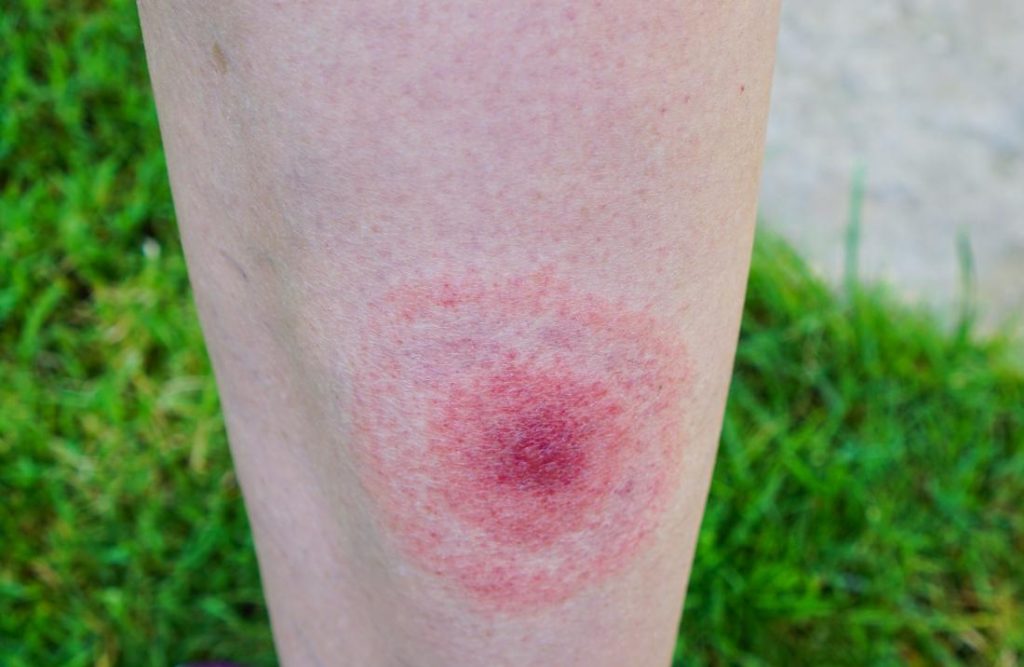
A rash is a typical Lyme disease symptom. However, it doesn’t always occur. The rash often begins as a single circle and slowly spreads from the tick bite site. The centre could grow distinct and resemble a target or bull’s-eye. Although the rash frequently feels warm to the touch, it normally isn’t uncomfortable or unpleasant.

Following additional stage 1 signs:

  • Fever and headache.
  • extreme exhaustion.
  • stiff joints.
  • Muscle discomfort and soreness.
  • lymph nodes with swelling.

Stage 2

The Lyme illness might worsen if left untreated. Within 3 to 10 weeks of a tick bite, the symptoms frequently manifest. Stage 2 is frequently more severe and pervasive. Early-disseminated disease is the term for it.

Stage 2 symptoms could also include those from stage 1 and the following:

  • many rashes on various body areas.
  • neck stiffness or discomfort
  • weakness in the facial muscles on one or both sides.
  • irregular heartbeats are brought on by immune system activation in the heart’s tissue.
  • Leg pain that originates in the back and hips and spreads.
  • Hands or feet suffering from pain, numbness, or weakness
  • edoema that hurts in the eye or eyelid tissues.
  • Immune system activation that results in discomfort or visual loss in the ocular nerves.

Stage 3

You might experience additional symptoms in the third stage along with previous stage symptoms. Late-disseminated disease is the term for this stage.

The most prevalent condition of this stage in the US is arthritis in big joints, especially the knees. Long-lasting discomfort, edoema, or stiffness is possible. The signs could also come and go. Symptoms of stage 3 typically appear 2 to 12 months after a tick bite.

Acrodermatitis chronic atrophicans is a skin ailment that can be brought on by the kind of Lyme disease that is prevalent in Europe. The tops of the feet and the backs of the hands develop discoloured, swollen skin. The elbows and knees may also be affected. In more severe cases, tissues or joints could be damaged.

After a tick bite, this skin condition may appear months or years later.

Post-Lyme disease syndrome

Post-Lyme disease syndrome or post-treatment Lyme disease syndrome is what happens if you receive antibiotic therapy for Lyme disease but still suffer symptoms.

According to a 2016 New England Journal of Medicine report, this syndrome affects 10 to 20 percent of individuals with Lyme disease. The reason is still a mystery.

Mobility and cognitive abilities may be impaired by the post-Lyme disease syndrome. The main goal of treatment is to reduce suffering from pain and discomfort. Though most people bounce back, it may take months or even years.

Post-Lyme disease syndrome symptoms

The signs and symptoms of post-Lyme disease syndrome are the same as those that appear at the beginning of the illness.

These signs could consist of:

Lyme disease causes

Borrelia burgdorferi is the bacteria that causes Lyme disease (rarely Borrelia mayonii). People contract B. burgdorferi when a black-legged tick, sometimes referred to as a deer tick, bites them.

The Northeastern, Mid-Atlantic, and North Central regions of the United States are where infected black-legged ticks spread Lyme disease, according to the Centers for Disease Control and Prevention (CDC). The disease is spread along the US Pacific Coast by Western Black-Legged Ticks.

Is Lyme disease contagious?

There is no proof that Lyme disease spreads among humans. Furthermore, the CDC states that there are no cases of Lyme disease transmission through breast milk.

Bacteria carried by black-legged deer ticks cause Lyme disease, which is an infection. Despite the fact that these bacteria are present in bodily fluids, there is no proof that Lyme disease may be passed from one person to another while sneezing, coughing, or kissing.

Additionally, there is no proof that Lyme disease may be spread through blood transfusions or through sexual contact.

REFERENCES:

For more details, kindly visit below.