Once-weekly insulin vs daily injection: Which is better?

Once-weekly insulin vs daily injection: Which is better?

The effectiveness of once-weekly and once-daily insulin therapy for type 2 diabetes was compared by researchers.

They discovered that the once-weekly medication icodec reduced blood sugar levels more successfully than the conventional once-daily injections.

Further research is required, according to experts, to validate the findings. A novel, once-weekly insulin regimen may revolutionize care for type 2 diabetics, finds a recent study.
In a Phase 3 experiment, researchers compared the effectiveness and safety of once-weekly insulin termed “icodec” with the conventional once-daily injection degludec in adults with type 2 diabetes.

A long-acting insulin medication called Degludec aids in controlling blood sugar levels.

After 26 weeks, they discovered that once-weekly icodec therapy reduced blood sugar levels more than once-daily degludec. The research was released in JAMA.

Icodec may have similar glucose-lowering effects to daily insulin injections, according to a recent study.

Adherence issues with daily insulin injections

In the US, there are more than 37 million diabetics. These persons have type 2 diabetes in 90–95% of cases.

The hormone insulin, which is produced by the pancreas, enables cells to utilise glucose as fuel. When cells no longer react to insulin as they should, type 2 diabetes develops and elevated blood sugar levels follow.

The eyes, kidneys, and heart are just a few of the organs that elevated blood sugar can harm over time. Therefore, either lifestyle changes or the use of drugs that do not lower blood sugar with insulin is required for treatment.

When non-insulin treatments are ineffective, it is currently recommended by guidelines that persons with type 2 diabetes take insulin-based therapies to reduce blood sugar levels.

Currently, type 2 diabetes medications based on insulin necessitate daily injections. However, patients may find it difficult to administer daily injections, which lowers adherence rates.

According to research, weekly injections increase adherence. According to one study, individuals who receive insulin treatments once per week follow their treatment plans for an average of 333 days as opposed to 269 days for patients who receive daily injections.

Insulin therapy non-compliance might have serious repercussions. According to research, persons with diabetes who do not stick to their insulin medication have a higher risk of dying and being admitted to the hospital.

Thus, raising adherence rates is essential to enhancing diabetes patients’ quality of life and health outcomes.

Which is more effective? Once-weekly vs. daily insulin injection.

The researchers gathered 588 participants for the study, with an average age of 58, from 11 nations, including the USA, Argentina, and China.

Over a third of the participants were women, and every participant was on non-insulin glucose-lowering medication.

They were thereafter randomly assigned to receive one of the following treatment plans for a total of 26 weeks during the study:

  • once every week icodec
  • monthly placebo
  • every day degludec
  • a single-dose placebo

In the end, the scientists discovered that icodec more effectively lowered haemoglobin A1c (HBA1c) levels than degludec.

A measurement of the average blood sugar levels over the previous three months is called HBA1c. Those with diabetes are advised to maintain levels of 6.5% or lower. People without diabetes typically have HBA1c values of less than 5.7%.

Participants in the icodec group had HBA1c values that dropped from an average of 8.6% to 7% after 26 weeks. HBA1c values in the degludec group decreased from an average of 8.5% to 7.2% over this time.

The study’s authors found no discernible differences in participants’ fasting blood sugar levels or body weight between those taking icodec and those taking degludec.

We enquired about the potential causes of icodec’s superior results in lowering HBA1c readings from Dr. Absalon Gutierrez, associate professor of endocrinology at McGovern Medical School at UTHealth Houston who was not engaged in the study.

Although we can’t be certain, it probably has to do with the patient’s compliance with the drug. According to how the trial was set up, it was significantly simpler to forget to administer the degludec injections than the icodec injections. According to Dr. Gutierrez, this is most likely the case in real life as well.

Side effects of icodec weekly insulin

The researchers also reported that from the beginning of the study until week 31, 5.8% of those using Degludec and 8.9% of those taking icodec suffered hypoglycemia. This is characterized by blood sugar levels that are below the normal range.

Additionally, during the duration of the experiment, 167 patients receiving degludec and 177 patients getting icodec both had adverse effects. According to the researchers, 46 and 60 incidents, respectively, were in the degludec group and the icodec group. This may have been caused by the use of insulin.

However, they pointed out that the majority of the incidents were minor, and that these included COVID-19, influenza, and diabetic retinopathy, an eye disorder that can impair vision in people with diabetes.

What are the research’s constraints?

The study’s shortcomings were listed by the researchers in their paper. They pointed out that because the trial only lasted 26 weeks, longer-term consequences are still undetermined.

They also stated that they did not gather information on patient-reported outcomes or data from continuous glucose monitoring.

Dr. Gutierrez stated: “Icodec exhibited higher hypoglycemia even though it worked somewhat better in decreasing HBA1c. Given that it can’t be titrated as regularly, this is to be expected. Additionally, the degludec titrations were not ideal according to the study’s design.

Dr. Lushun Wang, Senior Consultant Orthopaedic Surgeon and Medical Director of Arete Orthopaedic Clinic in Singapore and a non-participant in the study, was also interviewed by us:

“The trials’ duration can be extended further in order to guarantee dependable long-term efficacy and safety. To comprehend Icodec more fully, rigorous and in-depth testing should be conducted.

Data from continuous glucose monitoring may ensure a more thorough understanding of blood glucose control and its impact on the quality of life of the patient. In addition, the trial’s design used more Icodec injections than would be necessary for a daily regimen, which does not adequately reflect real-world use or any potential advantages for treatment adherence.

Effects of once weekly injection on diabetes

The researchers observed that by lowering the number of injections from at least 365 to 52 annually, icodec may increase treatment adherence and convenience for individuals with type 2 diabetes.

They went on to say that the “small absolute risk of hypoglycemia” should be outweighed by the ease and little additional glycemic advantage of once-weekly dosing.

Icodec’s practical design enables daily injections to be replaced with this once-weekly alternative, according to Dr. Wang. Its main benefit is from its capacity to deliver an insulin release that is steady and continuous over the course of a week. Hence minimizing swings in blood glucose levels. The improved HbA1c reduction seen in the studies is evidence that Icodec’s ability can result in better overall blood glucose control.

Dr. Guitierrez concurred that icodec insulin would be a viable choice for patients who struggle to take once-daily basal insulin as prescribed. To better understand the risk of hypoglycemia associated with using icodec in comparison to once-daily insulin injections, he pointed out that more research is required.

REFERENCES:

For Diabetes medications that have been suggested by doctors worldwide are available here https://mygenericpharmacy.com/index.php?therapy=13

MS severity: Genetic markers may lead to better treatment.

MS severity: Genetic markers may lead to better treatment.

Globally, 2.8 million people will have Multiple Sclerosis (MS) in 2020. The symptoms of MS can worsen over time and result in chronic problems, and the condition presently has no known cure.

The first genetic indicator of MS severity and progression has been identified by researchers at the University of California, San Francisco.

This discovery, according to scientists, may help in the creation of new medications that can delay the advancement of the illness.

Multiple sclerosis (MS), a condition of the central nervous system that affects mobility and vision, will impact roughly 2.8 million individuals worldwide by the year 2020.

MS presently has no known cure. Each person is uniquely affected by the illness, both in terms of when symptoms initially appear and how severe they are.

The severity of the illness can worsen as the body experiences a cycle of symptom flare-ups and remissions, resulting in persistent mobility problems, visual loss, and even partial or complete paralysis.

The first genetic signature connected to MS severity and progression has now been identified by researchers from the University of California, San Francisco.

This discovery, according to scientists, may help in the creation of new medications that can delay the advancement of the illness.

Research targets MS progression

The University of California, San Francisco’s Dr. Sergio Baranzini, professor of neurology and co-senior author of the study, explained that they chose to look for a genetic variation associated with faster MS progression because the disease develops differently in each patient after diagnosis.

“Neurological progression is a common feature in persons with MS, which is inexorable and independent of whether relapses are controlled or not,” he said.

“Some people have a very aggressive disease that can impact their mobility and neurological function in a few years, while others experience a much more benign course,” he said. We already knew that genetics has a significant influence on risk, but the wide range of outcomes revealed that genetics may also affect severity.

Data from The MultipleMS Consortium and The International Multiple Sclerosis Genetics Consortium (IMSGC), two sizable MS research consortiums, were used by Dr. Baranzini and his team.

For a genome-wide association study (GWAS), data from both groups were pooled to represent more than 12,500 MS patients.

From there, researchers combed through more than 7.5 million genetic variants before discovering one linked to accelerated disease progression in MS patients.

This particular mutation is situated between two genes named DYSF and ZNF638 that had no known association with MS. ZNF638 aids in the control of viral infections whereas DYSF aids in the restoration of damaged cells.

Possibility of new treatments for MS

Since there is currently no treatment for MS, doctors employ a variety of drugs to treat the symptoms, delay the disease’s course, and help avoid relapses.

The results of this study, according to Dr. Baranzini, will open the door for a new class of medicines that will treat progression and probably target the central nervous system.

Dr. Baranzini made the point that genetic information considerably reduces the risks associated with drug development because developing medicines represents a considerable risk for the pharmaceutical business, where only a tiny percentage of drugs reach the market.

“This discovery will set up several development programs that will target the unmet need of disease progression in MS,” he said.

“All relapse-controlling medications are immunomodulatory, which is consistent with the genetics of the more than 200 MS risk variations. The central nervous system should be the target of this new class of therapies, according to the genetics of illness severity.”

Dr. Baranzini explained that since it has been proven that genetics contribute to the severity of an illness, the IMSGC is currently preparing for a new genetic study including even more participants.

The researcher continued, “Our prior experience with disease susceptibility suggests that a larger study translates into more findings, and we are pleased to uncover new genetic variants that could aid in the development of more efficient treatments for MS.”

How is MS being treated right now?

The capacity to move, think, talk, and see clearly can all be significantly impacted by MS since it affects the brain and nerve system.

The majority of scientists concur that MS is caused by the body’s immune system wrongly attacking the central nervous system, even though the exact origin of MS is still unknown.

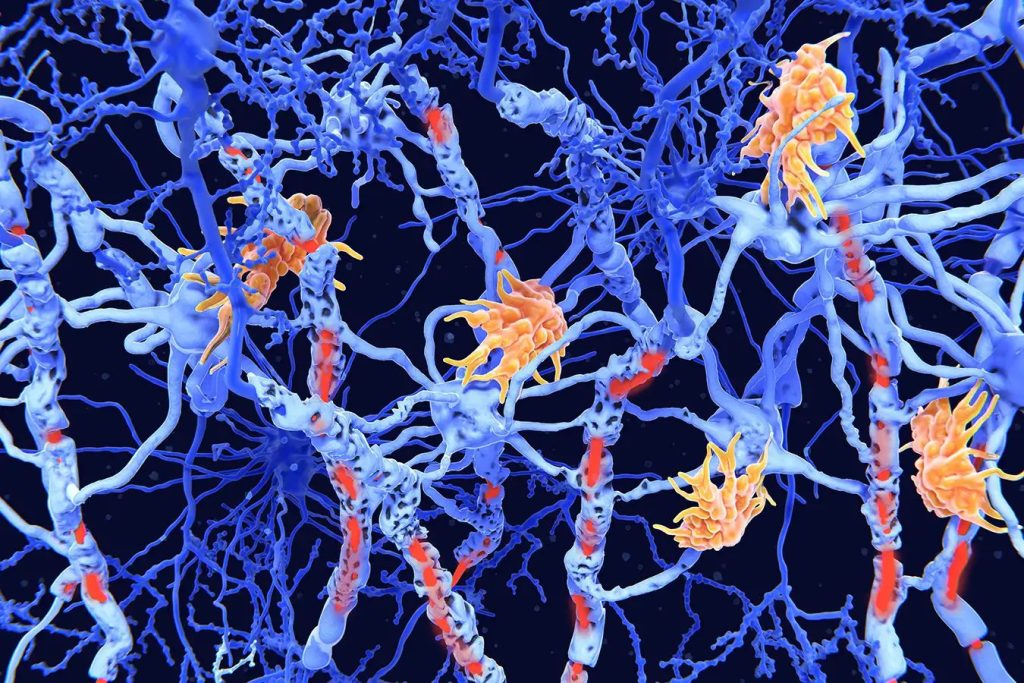
The myelin that wraps the nerve fibres in the brain and spinal cord is damaged by this onslaught. When myelin is destroyed, it is unable to protect the exposed nerve fibre, which prevents messages from travelling from the nerves to the brain.

Additional MS risk factors include:

  • age – between the ages of 20 and 50, most persons acquire a diagnosis
  • MS is more prevalent in women than in men.
  • an MS family history
  • smoking
  • a lack of vitamin B12 or vitamin D
  • exposure to specific viral illnesses, such as mononucleosis or the Epstein-Barr virus

Why the recent study is beneficial?

We discussed the significance of the study with Dr. Krupa Pandey, director of clinical research at the Neurosciences Institute in New Jersey, director of the Hackensack University Medical Centre MS Centre, and associate professor of neurology at the Hackensack Meridian School of Medicine who was not involved in the current investigation.

She said, “There are a few ways in which this study is helpful. Finding a connection between genes and the potential severity of a disease is a positive step.”

“It is also beneficial since it offers more proof that environmental variables, like smoking, truly do assist people with genetically susceptible diseases to get sicker. This is a fantastic illustration of how a disease may be affected by both nature and upbringing, said Dr. Pandey.

The expert went on to say that similar discoveries “may lead to future findings that can help us counsel patients on how to tailor not just medication regimens but modify lifestyle-related factors.”

“It is also helpful for companies looking at MS therapies [to] enroll patients with higher risks for progression to see if the drug is effective,” she said.

REFERENCES:

For Nerve damage medications that have been suggested by doctors worldwide are available here https://mygenericpharmacy.com/index.php?cPath=30

Coffee: Is it energy booster or just a placebo?

Coffee: Is it energy booster or just a placebo?

The neurological effects of caffeine and coffee consumption were compared by researchers. They discovered that drinking coffee, but not caffeine, enhances brain activity associated with higher-order cognitive function and visual processing.

Could the effects of coffee on enhancing focus and performance be a placebo effect? A recent study comparing the impact of drinking coffee vs only caffeine suggests that might be the case.

Coffee is frequently consumed first thing in the morning to combat fatigue, maintain alertness, and perform well. Approximately 49% of Americans who are 20 years of age and older and who drink coffee do it daily.

Several distinct chemicals in coffee have diverse effects on the brain. The most well-known of these substances, caffeine, is known to stimulate dopamine circuits that improve memory.

Coffee’s neurochemical effects on the brain are well established, but its psychological consequences are less well understood.

For instance, some study indicates that while coffee consumption may have an impact on cognitive function in non-regular drinkers, it has less of an impact on habitual drinkers due to tolerance development.

According to the same research, a significant portion of caffeine’s and coffee’s stimulating effects may be accounted for by the alleviation of withdrawal symptoms following brief abstinence.

It may be easier to comprehend why individuals consume coffee with the help of more research into how coffee affects the brain.

They discovered that the effects of caffeine and coffee on brain function altered “the connectivity of the default mode network.” This shows that caffeine or coffee consumption facilitated the shift from resting to working on tasks, according to a news release.

Active ingredients in coffee

Numerous bioactive substances found in coffee contribute to its potential for substantial health effects.

Many of these substances are antioxidants, which protect your cells from injury from dangerous free radicals.

The key components of coffee are listed below:

  • Caffeine. Caffeine, which is coffee’s primary active component, activates the central nervous system.
  • Acids chlorogenic. Some biological pathways, including blood sugar metabolism and high blood pressure, may benefit from these polyphenol antioxidants.
  • Cahweol and cafestol. These substances are abundant in unfiltered coffee and are present in the natural oil of coffee.
  • Trigonelline. Since this alkaloid molecule is unstable at high temperatures, it transforms into nicotinic acid, or niacin (vitamin B3), during roasting.

However, the concentrations of these ingredients in a cup of coffee can differ.

Effects of drinking coffee as opposed to only caffeine

47 participants who consumed at least one cup of coffee daily were chosen by the researchers for the study. 31 of them were female, and they were all around the age of 30.

Before taking part in the trial, each participant was instructed to refrain from consuming any caffeinated food or beverages for at least three hours.

The subjects were subjected to two fMRI scans in the lab: one before and one 30 minutes after ingesting caffeine or drinking a cup of coffee. Participants were instructed to unwind and allow their thoughts wander throughout the fMRI scans.

In the end, the researchers discovered that in the default mode network (DMN), both coffee and caffeine decreased functional connectivity.

According to the authors, “self-referential processes when participants are at rest” are connected to the DMN. Reduced DMN, according to the researchers, suggests a higher level of readiness to shift from resting to task-context processing.

They also observed that consumption of coffee, but not caffeine, markedly reduced brain connection between somatosensory and motor networks. This may help to explain why people report having better psychomotor function after consuming caffeinated coffee, according to the researchers.

The executive control and visual networks associated with visual processing and higher-level cognitive function, such as working memory, cognitive control, and goal-directed behaviour, were more active after coffee consumption but not caffeine.

Coffee consumption is a sensory experience.

The researchers hypothesised that the sensory experience of drinking coffee may be the cause of the different effects of ingesting caffeine and drinking coffee.

The additional effects of drinking coffee may be explained by the placebo effect, according to Armargo Couture, a registered dietitian nutritionist at Staten Island University Hospital in New York who was not involved in the study:

Because drinking a cup of coffee in the morning is the social custom in this culture, the placebo effect may be effective in this situation. In essence, many people connect their “morning coffee” with “waking up” and getting ready for the day.

“Many people regularly take their morning cup of coffee after getting out of bed before beginning the day, which naturally comes to be connected with being successful. The idiom “don’t talk to me until I’ve had my morning coffee” was coined because preparing for the day with a daily cup of coffee is a shared experience and the social norm, she continued.

However, Couture pointed out that other substances in coffee may potentially be the source of its additional effects.

“Coffee’s terpenes, cafestol and kahweol, and polyphenols, including chlorogenic acids, interact with different brain receptors to boost energy, elevate mood, and instill a motivational attitude. According to a study, coffee’s terpenes and polyphenols contain anti-inflammatory and antioxidant effects that have also been linked to a lower incidence of depression.

Study limitations for evaluating the effects of coffee

Dr. Teixeira pointed out that the study’s significant shortcomings include the absence of non-drinker or decaf-drinker groups as well as the absence of task-related fMRI data or cognitive tests.

“Rather of directly measuring cognitive function, the researchers used fMRI to examine brain connections. The lay media frequently misinterprets things like this, he said.

“It is also unclear how matched the coffee and caffeine groups were regarding sociodemographic and coffee and/or other caffeinated beverage consumption,” he continued.

We also received the following information from Dr. Gregory S. Carter, Ph.D., Associate Professor of Neurology and Head of the Sleep Medicine Section for the Department of Neurology at the University of Texas (UT) Southwestern Medical Centre.

The length of time between consuming coffee or other caffeinated beverages and the fMRI’s operation is the main restriction. The caffeine that has been dissolved takes 50–60 minutes to reach its peak blood concentration. The authors tested after 30 minutes, which is a little early especially when the blood-brain barrier’s relatively swift transit is taken into account.

The results are further constrained, according to Dr. Michael J. McGrath, Medical Director at the Ohana Luxury Alcohol Rehab and a board-certified psychiatrist who was not involved in the study, because the researchers did not examine whether the advantages coffee drinkers enjoy are caused by the alleviation of withdrawal symptoms.

Benefits of coffee consumption

According to Couture, “coffee may benefit your mindset towards goals while improving your working memory and cognition. It increased subjects’ executive control.”

She continued, “Those who struggle with executive dysfunction may find that consuming coffee helps by boosting motivation and working memory.

Dr. McGrath added that the findings demonstrate that some advantages of drinking coffee derive from sources other than caffeine. He pointed out that this suggests that consuming decaffeinated coffee in the morning may help increase alertness and focus.

REFERENCES:

For Energy booster medications that have been suggested by doctors worldwide are available here https://mygenericpharmacy.com/index.php?therapy=83

Is Mirikizumab useful for ulcerative colitis as per study?

Is Mirikizumab useful for ulcerative colitis as per study?

In a recent clinical trial, a novel drug being developed to treat ulcerative colitis showed promise.

Researchers found that those receiving the medication lebrikizumab experienced remission from ulcerative colitis twice as frequently as those taking a placebo.

The results, according to experts, are encouraging; nonetheless, more clinical trials are required because the medicine has not yet received approval from federal regulators.

Research in the New England Journal of Medicine found that people receiving the medication lebrikizumab experienced remission from ulcerative colitis almost twice as frequently as those taking a placebo.

Researchers examined the effectiveness and safety of lebrikizumab, a novel injectable drug being created to treat ulcerative colitis. The use of lebrikizumab in the US has not yet received approval from the Food and Drug Administration.

In comparison to those who took a placebo, participants reported having a better clinical response, endoscopic remission, and reduced urgency in bowel movements.

Clinical studies for a new medication for ulcerative colitis

52 weeks of treatment were spread across two phase 3 double-blind, placebo-controlled trials. 1,281 adults with ulcerative colitis who had moderate to severe inflammation participated in the experiment.

LUCENT-1, the first, ran for 12 weeks. Three participants received 300 mg of lebrikizumab for each one who received a placebo. 294 patients received a placebo, whereas 868 patients received lebrikizumab.

The maintenance phase, LUCENT-2, was continued with the participants who were deemed receptive. Rectal haemorrhage and stool frequency were measured by the researchers.

At the conclusion of the 12-week period, 179 placebo patients and 365 mirikizumab users both reported responsiveness.

Participants were given a 200 mg dose of mirikizumab or a placebo during the second stage, which is known as the maintenance phase.

Nearly 50% of those who got mirikizumab and 25% of those who received a placebo experienced remission by week 40 of the maintenance phase (or by week 52 of both phases combined).

Eli Lilly, a pharmaceutical corporation, supported the research.

Expert response to medication research for ulcerative colitis

Longer trials are being conducted to evaluate the safety and efficacy of mirikizumab over longer periods of time.

“This study shows that we have another tool for people with ulcerative colitis and that this might help those who do not respond to other medications,” said Dr. Ashkan Farhadi, a gastroenterologist at MemorialCare Orange Coast Medical Centre in California who was not involved in the study. However, I’m not giddy with excitement over the figures.

And before we can get this to the patients, it will be a while. The phase 4 trial comes first. We have the insurance companies to get through if that advances us to the next round, Farhadi said.

“These medicines are outrageously expensive, and insurance companies frequently need us to pass hurdles before receiving clearance. For instance, they might advise the patient to try several other medications first,” he continued.

“In general, I believe having additional tools is a good thing. However, the numbers do not now make this my top pick, said Farhadi.

Ulcerative colitis: What is it?

A chronic inflammatory bowel illness is ulcerative colitis.

It is regarded as an autoimmune condition that affects the lining of the colon and rectum and results in sores and ulcers.

The signs consist of:

  • Diarrhea
  • stool with blood in it
  • Continent pain

The condition ulcerative colitis cannot be cured. The Crohn’s & Colitis Foundation lists the following as treatments:

  • drugs that reduce inflammation
  • biologics
  • immunomodulators
  • a variety of drugs taken together
  • surgery

During a flare, doctors also advise sticking to a diet of soft, bland foods. They could advise cutting back on hot and high-fiber foods as well.

How drugs can treat ulcerative colitis?

According to the American Academy of Family Physicians, when ulcerative colitis patients take medication, remission occurs in about two-thirds of cases. 80 percent of them will continue to be in remission.

Dr. Arun Swaminath, chief of gastroenterology and director of the Inflammatory Bowel Programme at Northwell Lenox Hill Hospital in New York, who was not involved in the study, said, “This is very difficult to understand.” “Response rates for other autoimmune diseases, like rheumatoid arthritis, range from 80 to 90 percent. But because of ulcerative colitis, we cannot travel there. It’s possible that the reason why inflammatory bowel diseases (IBD) have such a high burden of inflammation.

The release of a new IBD drug always excites medical specialists. According to Swaminath, the mechanism of action for mirikizumab is distinct. Its physiological effects will be different from those of other drugs.

“There are some positives, such as the fact that this study enrolled many people in the severe category,” he continued. “It is challenging to determine how much the medication works when studies mostly include people in the moderate category. I was quite inspired to learn that participants with advanced illnesses still experienced success.

What’s coming up in medication research for ulcerative colitis?

A phase 3 experiment was the current investigation. According to the National Cancer Institute, phase 3 trials examine a new drug’s safety as well as how well it performs over a longer time frame than in earlier trials.

A phase 4 clinical trial would presumably follow the FDA’s approval of mirikizumab. Thousands of participants frequently participate in phase 4 trials.

The next phase “might answer some lingering questions” because so many more people will be involved, according to Swaminath. “For instance, while I read the paper, I pondered the situation of those who had previously taken Stelara. Does the fact that they were rejected from phase 3 indicate that they won’t be suitable candidates for this medication? In addition, there were two cases of induction-phase cancer and two cases of maintenance-phase cancer. Were those cancers prevalent at the time? To learn what transpires when the drug is administered to a big population, we must monitor the subsequent phase.

REFERENCES:

For Ulcerative colitis medications that have been suggested by doctors worldwide are available here https://mygenericpharmacy.com/index.php?therapy=69

Important signs to consider to avoid Colorectal cancer.

Important signs to consider to avoid Colorectal cancer.

The incidence of colorectal cancer, which ranks third among all cancers in the globe, is on the decline in older people and is largely avoidable. However, the prevalence of colorectal cancer among younger people is rising.

Seven risk factors that raise the likelihood of colorectal cancer in younger males have been found in a recent study. Men under 45 who are at increased risk should get screened for colorectal cancer, according to the authors.

Colorectal cancer is the third most prevalent cancer in the world, behind breast and lung cancer. Only lung cancer accounts for more fatalities. It is estimated that each year, more than 150,000 people in the United States alone receive a colorectal cancer diagnosis.

The median age of diagnosis for colorectal cancer is 66, and persons over the age of 45 are most likely to develop it. According to the American Cancer Society, widespread screening of adults over 50 and the removal of pre-cancerous growths known as polyps are contributing to a decline in colorectal cancer occurrences and deaths in older people.

Those under 45 have a low chance of developing colorectal cancer, the number of cases and fatalities in this age group has been rising since the 1990s.

Currently, a research of American veterans has identified certain elements that are linked to a higher risk of early-onset colorectal cancer in males. The authors contend that in some situations, targeted screening may aid in case prevention.

What exactly is colorectal cancer?

Cancer that starts in the colon or rectum is called colorectal cancer. These cancers may also be known as colon cancer or rectal cancer depending on where they first appear.

The majority of colorectal malignancies begin as polyps, which are growths on the colon’s inner lining. Even though not all polyps develop into cancer, some of them can over time.

In the United States, colorectal cancer ranks third among all cancers, excluding skin cancer, according to the American Cancer Society.

Causes of colorectal cancer risk

The researchers located 956 men between the ages of 35 and 49 who had received a non-hereditary colorectal cancer diagnosis between 2008 and 2015 from the National Veterans Affairs database in the United States. 600 of them satisfied the requirements for study inclusion.

These were then matched with 1,200 controls who underwent colonoscopies but did not develop colorectal cancer and 1,200 controls who had not.

For both cases and controls, the researchers examined sociodemographic and lifestyle characteristics, family and personal medical histories, physical measurements, vital signs, medications, and laboratory results. For people with colorectal cancer, data from the six to eighteen months before diagnosis were utilized to identify characteristics that might vary with the development of the disease.

Age, cohabitation, employment, BMI, malignancies in first- or second-degree relatives, comorbidities, alcohol use, hyperlipidemia, and usage of statins, non-steroidal anti-inflammatory medications (NSAIDs), or multivitamins were all examined to find risk variables.

From this, scientists discovered 15 variables that were each independently linked to a higher chance of developing colorectal cancer at an early stage. They singled out seven of these that offered equivalent precision and whose data are easily obtainable:

  • elder age (between the ages of 35 and 49)
  • NSAIDs (such as aspirin or ibuprofen) should not be regularly used.
  • no consistent statin use
  • usage of alcohol today
  • relatives in the first or second degree who have colorectal cancer
  • a greater burden of sickness

According to corresponding author Dr. Thomas F. Imperiale, a research scientist at the Regenstrief Institute, several characteristics raised risk more than others:

It was more significant to have a first- or second-degree family who had colorectal cancer. Non-steroidal anti-inflammatory drug use and statin use were two additional factors with a stronger impact.

Risk of colorectal cancer and lifestyle

The risk of colorectal cancer may be increased by a number of lifestyle variables, according to the Centres for Disease Control and Prevention (CDC). These consist of:

The study’s author, Dr. Bilchik, who was not involved in it, emphasized the importance of lifestyle factors:

According to this study, lifestyle choices have a significant impact on the development of colorectal cancer. For instance, taking statins is connected to elevated cholesterol, and food and alcohol have also been linked to a number of different cancers.

Screening for high-risk individuals

The researchers pointed out that although their study only included men, men are still twice as likely to develop colorectal cancer as women of any age. However, they are currently conducting research along these lines on female risk factors.

They emphasised that not all younger men should have colorectal cancer screenings, but those who are at higher risk may benefit.

“Only high-risk men between the ages of 35 and 44 should be screened. Guidelines now recommend colorectal cancer screening for men between the ages of 45 and 49 but do not specify how (i.e., which test),” Thomas F. Imperiale, M.D.

“The risk factors may be helpful in deciding whether noninvasive testing (with the faecal immunochemical test or with the multi-target stool DNA test) or a colonoscopy is more appropriate,” Dr. Imperiale said to us.

Additionally, he hoped that highlighting these risk factors will prompt males between the ages of 45 and 49 who are already eligible for screening to request testing.

The findings indicating that colorectal cancer screening is advised starting at age 45 are particularly pertinent to male veterans under the age of 35. Dr. Imperiale continued, “However, the results may also be valuable for persuading 45-49 year old male veterans that they should be examined.

How is colon cancer identified?

Your doctor would advise exams and testing to determine the cause if you have colorectal cancer symptoms or if a screening test result was abnormal.

The American College of Physicians advises colorectal cancer screening using one of the following methods for those with a typical risk of developing the disease:

  • a colonoscopy every ten years
  • every two years, a high sensitivity guaiac-based faecal occult blood test (gFOBT) or faecal immunochemical test (FIT)
  • FIT every two years in addition to flexible sigmoidoscopy every ten years.

People who have a higher risk of developing colorectal cancer should discuss the type and frequency of screening that is most appropriate for them with their doctor.

To determine your personal risk level, use this risk calculator. Additional testing is necessary to stage colorectal cancer and determine the best course of therapy if it is discovered.

Physical examination and medical history

To ascertain whether you have any risk factors, such as a family history of colorectal cancer, your doctor will inquire about your medical history. Additionally, the duration of your symptoms will be questioned of you.

During a physical examination, your abdomen will be felt for lumps or enlarged organs, and a digital rectal exam (DRE) may be performed.

A gloved finger is inserted into your rectum by the doctor during a DRE to look for any anomalies.

Stool tests

Tests to look for blood in your stool may be advised by your doctor. To the naked eye, blood in the faeces is not always obvious. These examinations aid in finding blood that cannot be seen.

These tests, such as a FOBT or FIT, are carried out at home with the aid of a kit that is provided. You can use the kit to gather one to three stool samples for testing.

A blood test

Blood tests may be required to look for colorectal cancer symptoms include anaemia, which is a condition when there are not enough red blood cells in the body.

Additionally, your doctor can request tests for liver function and tumour markers such carcinoembryonic antigen (CEA) and CA 19-9. Colorectal cancer cannot be identified by blood testing alone.

Signoidoscopy

Your doctor can view the interior of your sigmoid colon via a sigmoidoscopy, also known as a flexible sigmoidoscopy. If a colonoscopy is not possible for any reason, this less intrusive technique could be suggested instead.

Colonoscopy

A diagnostic colonoscopy is carried out as a result of symptoms you are experiencing or an anomaly discovered during a screening test. The test is performed to observe your colon and rectum in their entirety.

A colonoscope, which is put into the body through the anus, is used to perform it because it is a small, flexible tube with a camera on the end.

The colonoscope can be used to insert specialised tools that can be used to remove polyps and collect tissue samples for biopsies.

Proctoscopy

During a proctoscopy, the anus is used to introduce a proctoscope. To observe the interior of the rectum, a proctoscope is a short, rigid tube with a camera at one end. It is used to examine the rectum for cancer.

Biopsy

A biopsy is a lab test that looks at a tissue sample. Polyps or questionable spots are typically removed during a colonoscopy, but if necessary, they can also be removed surgically.

The tissue is delivered to a lab where a microscope is used to examine it. The samples might also be examined for gene alterations if cancer is discovered. To help categorise the malignancy, more lab tests could be carried out.

Imaging exams

Imaging examinations can:

  • view potential cancerous regions that are suspicious
  • determine the extent of the cancer’s spread
  • test the efficacy of the treatment

REFERENCES:

For Cancer disease medications that have been suggested by doctors worldwide are available here https://mygenericpharmacy.com/index.php?therapy=10

Insulin may boost cognition in cognitive disorder people.

Insulin may boost cognition in cognitive disorder people.

According to research, certain individuals with dementia-related illnesses may benefit from utilising intranasal insulin.

They claimed that those with Alzheimer’s disease and mild cognitive impairment seem to benefit most from the insulin therapy.

However, other medical professionals claimed that they believed the study to be defective and are not yet prepared to endorse insulin as a treatment for these illnesses.

According to a report published in the journal PLOS ONE, intranasal insulin may have some favourable cognitive effects, especially for those with Alzheimer’s disease and mild cognitive impairment.

Intranasal insulin and cognitive performance were studied in 29 research with 1,726 participants for a review and meta-analysis. The studies’ publications span the years 2001 and 2021.

The average insulin dosage was 40IU. The results of a single dose were investigated in ten trials. The other studies had a median duration of eight weeks and involved multiple doses over a longer period of time. The participants’ average age was around 53.

The subjects were categorised into four categories of disorders by the researchers:

  • illnesses of the mind, including schizophrenia, bipolar disorder, and major depressive disorder
  • Mild cognitive impairment with Alzheimer’s disease
  • metabolic conditions like diabetes
  • Other illnesses

Additionally, a pool of healthy, cognitively unimpaired people was used.

In persons with mental health illnesses, metabolic diseases, and other conditions, the researchers found no discernible difference in cognitive performance following dosages of intranasal insulin, according to their findings.

Participants who had mild cognitive impairment and Alzheimer’s disease showed considerable improvement, according to the researchers.

The potential link between insulin and brain function

According to Dr. Gayatri Devi, a neurologist at Northwell Lenox Hill Hospital in New York who was not involved in the study, “Patients with Alzheimer’s may have impaired glucose processing in the hippocampus (an area of the brain involved in human learning and memory).” Insulin administered intravenously may help with this and enhance cognition.

One explanation for why insulin can help with memory and cognition is that the brain’s memory centres are either defective or unable to handle sugar.

According to Dr. Shae Datta, co-director of NYU Langone’s Concussion Centre and director of cognitive neurology at NYU Langone Hospital-Long Island, “It could be plausible that the amount of insulin receptors in the memory centres in the brain become defective or are simply insufficient to handle sugar.

“Insulin replacement improves brain metabolism. resulting in the hypothesis that brain insulin resistance can cause cognitive problems, according to Datta, a researcher who was not involved in the study.

Intranasal insulin side effects include:

  • Hypoglycemia may cause heart attacks and strokes.
  • Irritation or rhinitis of the nose
  • Lightheadedness
  • Dizziness
  • Nausea
  • a nosebleed

The study’s authors came to the conclusion that intranasal insulin can be safely tolerated and may enhance memory by directly interacting with brain areas involved in the control of cognition.

Response to the study on insulin and cognitive decline

The researchers did say that additional study is required to comprehend therapy response.

Not all medical practitioners find the research to be compelling.

“Overall, I wasn’t impressed with the study,” said Dr. Clifford Segil, DO, a neurologist at Providence Saint John’s Health Centre in California who was not engaged in the study. “Intranasal insulin for diabetes has been tried, but it failed.”

“I find it unsettling to provide insulin to someone who shows no signs of diabetes. Giving insulin to a person who does not have diabetes carries the danger of hypoglycemia, he told us. This could make them more vulnerable to a heart attack or stroke.

Segil continued, “I think that it is good to repurpose medications as it can increase therapy options. But this research does not back up using this medication for memory loss. It was never employed in my practise.

“This is a meta-analysis, so a statistical compilation of multiple studies, most of them quite small,” Devi explained. “This is never as good a big double-blind placebo-controlled study as that would be crucial in patient-related decisions,” the author writes. However, each patient must be handled uniquely, and decisions about the best course of treatment must be made with that patient in mind.

Devi continued, “Intranasal insulin treatment for patients with biomarker-confirmed Alzheimer’s disease still needs a large placebo-controlled study.” Up to a third of individuals who were clinically diagnosed with Alzheimer’s did not have it on pathology, which was a concern in prior Alzheimer’s clinical studies.

REFERENCES:

For Mental disease medications that have been suggested by doctors worldwide are available here https://mygenericpharmacy.com/index.php?cPath=77_478

Increased risk of total mortality linked with loneliness.

Increased risk of total mortality linked with loneliness.

According to a comprehensive new meta-study, social isolation and loneliness both raise the risk of all-cause mortality.

Additionally, loneliness and social isolation are connected to an increased chance of passing away in cancer patients.

Social isolation, not loneliness, is linked to a higher mortality risk in people with heart disease. A link between social isolation, loneliness, and death has been confirmed by a recent study.

The authors looked into the connections between the two events and deaths from breast cancer, cardiovascular disease, and all other causes.

According to the extensive meta analysis, having a socially isolated lifestyle was linked to a 26% higher chance of dying from any cause than persons who did not have a socially isolated lifestyle.

Although the impact of loneliness was slightly less severe, it was nonetheless alarming: compared to those who were not lonely, those who were lonely for an extended period of time had a 14% increased chance of dying.

An increase in the probability of dying from any cause or from cancer was associated with both social isolation and loneliness. For those with cardiovascular illness, social isolation was likewise linked to an increased chance of passing away.

The meta-study examined the results of 90 distinct research with 2,205,199 participants.

Social isolation vs. loneliness

The study’s finding that social isolation had a bigger impact on mortality than loneliness is one of its more intriguing findings. The two ailments could appear to be similar. But they are not equivalent:

The term “social isolation” is used in the study to describe “an objective lack of (or limited) social contact with other people, and is characterized by a person having a small social network, having infrequent social contacts, or possibly living alone.”

On the other side, “loneliness” is “a subjective feeling of distress, emerging when there is a mismatch between desired and actual social relationships.”

For instance, it is possible to feel lonely in a group of people, even if those people are known, and it is also possible to be socially isolated without experiencing emotions of loneliness.

Effects of social isolation on health

According to Dr. Rosanne Freak-Poli, a senior research fellow in epidemiology at Monash University who was not involved in the study, “two landmark meta-analytical studies have identified that social isolation is a stronger risk factor for mortality than loneliness.”

Without being part in the study, Dr. Angelina R. Sutin, a professor at Florida State University’s College of Medicine, informed us that social isolation can be detrimental for at least a few reasons even when it does not result in loneliness in the individual.

One is that socially isolated person might not have somebody to drive them to the doctor regularly, either because they don’t have transportation or because some procedures call for an assistant.

People are not always aware of changes that are happening to them or when it is time to consult a doctor, Dr. Sutin continued.

Others may be better able to spot changes and obtain the care they require. Dr. Sutin noted that “delaying care can have significant consequences in both cases.”

According to Dr. Freak-Poli’s research, social isolation might lead to some of the harmful reactions linked with loneliness. According to her studies, social isolation and loneliness both have negative consequences on one’s health, including:

  • a high blood pressure level
  • elevated triglycerides
  • obesity and excess weight
  • a lower standard of living
  • unsound mental state

Someone who is socially isolated or lonely is more likely to engage in harmful lifestyle choices, which may exacerbate their situation and make them feel even more alone and alienated, said epidemiologist Dr. Rosanne Freak-Poli.

The impact of technology on social isolation

Our growing reliance on online connections is one reason for social isolation that is frequently brought up in discourse.

For some people, using devices can be socially isolating, while for others it can be a lifeline.

The difficulty now is figuring out when and how online interactions can be good, as well as who will get the most from real-world social interaction as opposed to virtual interaction, she continued.

Dr. Freak-Poli pointed out that the method of internet communication affects whether it is beneficial or harmful.

“Social media can have advantages if it is being used to directly and meaningfully communicate with people,” she said.

According to study, apps like Teams, Zoom, or FaceTime that allow users to see each other’s faces while speaking can increase social interaction, reduce loneliness, and improve overall wellbeing.

Social connections and relationships are beneficial to health

The current meta-study, according to Dr. Sutin, is “a nice summary of that literature and calls attention to the harmful effects of both loneliness and social isolation.”

Additionally, it provides more detailed evidence showing, among particular patient populations, social isolation and loneliness raise the risk of cause-specific mortality. The study emphasises the importance of relationships and social connection as well as the serious implications of not meeting social requirements, according to Dr. Sutin.

Dr. Freak-Poli remarked, “Since they are a part of the human condition, experiencing social isolation and loneliness are regrettably likely inevitable at some point in one’s life.”

Dr. Freak-Poli declared that she thought “initiating social interaction is an achievable goal.”

She claimed to have discovered that engaging in community events at least once a month and keeping in touch with five or more close family members or friends each month can have a significant positive impact on one’s health.

Health effects of severe loneliness

According to Dr. Sutin, loneliness can have a negative impact on health in a number of ways. She noted that lonely people frequently adopt harmful lifestyle habits like:

  • smoking
  • misuse of drugs
  • a rise in sedentary behaviour
  • abandoning activities that stimulate the mind

Dr. Sutin issued a warning that lonely persons “may also be less likely to participate in preventive care and screenings that can both prevent and detect disease at its earliest possible stage, when it is most likely to be treatable.”

We learned about the negative impacts of loneliness on mental health from Dr. Mary Louise Pomeroy, Ph.D., MPH, a postdoctoral research fellow at Johns Hopkins University:

“Loneliness is of particular concern for poor mental health (depression, stress, anxiety), which may lead to a higher risk of mortality through negative health behaviors, either directly (i.e., suicide) or indirectly (e.g., smoking as a social activity or to alleviate boredom or distress).”

Of course, being alone is unpleasant, and persistent stress has been related to a number of health problems.

Although the study’s authors concluded that social isolation posed a higher risk to health than loneliness did, they did not downplay the negative effects of chronic loneliness, which can have an impact on anyone.

Extreme versus infrequent loneliness

Dr. Freak-Poli made the observation that the study is focused on extreme loneliness. “For instance, from a health perspective, feeling lonely one day a week, even if it is regular, is not all that concerning.”

However, Dr. Freak-Poli said, “There is evidence that it is likely to have an impact on their health and well-being if they experience lonely three or more days a week over time. Other studies have shown that the COVID-19 pandemic was associated with an increase in loneliness.”

The majority, if not all, COVID-related social constraints, however, no longer apply depending on where you live. She also mentioned that, in contrast to pre-pandemic days, we are now more aware of how we communicate and socialise.

For instance, after getting perspective from their previously overly busy lives, some people may prefer to socialise less.

In spite of this, the U.S. Surgeon General has issued a warning about a “loneliness epidemic” and a recommendation on the value of social connection. According to Dr. Freak-Poli, she is not shocked.

“COVID-19 altered the way we live our daily lives and increased our awareness of interpersonal interactions. It is now impossible to ignore this awareness of human social interaction, she remarked.

Dr. Freak-Poli came to the conclusion that community services and programmes are gradually being reestablished, and that this may enable people who have recently experienced loneliness make social ties.

REFERENCES:

For Mental disease medications that have been suggested by doctors worldwide are available here https://mygenericpharmacy.com/index.php?cPath=77_478

People with blocked arteries may get stroke during exercise

People with blocked arteries may get stroke during exercise

Exercise may cause a stroke in patients with severely blocked arteries, according to research. The study, according to experts, is intriguing but they point out that it is based on a computer model.

They also point out that the majority of people who don’t have clogged arteries still benefit from exercise.

It turns out there is a purpose for the recommendations to visit a doctor before beginning new workout programs that are typically included with them.

In people with blocked or restricted carotid arteries, exercise may increase the risk of stroke. This is according to a recent study published in Physics of Fluids.

Even so, carotid stenosis, which is another name for this ailment, only affects about 3% of the general population.

According to the study, those who have moderate to severe artery blockage should exercise with caution. But the majority of people gain from regular exercise, which is advised for heart health.

The researchers also concluded that exercise is still helpful for preserving healthy blood flow in those who are in good health. Also, in those whose arteries are only mildly clogged.

Exercise increases heart rate and can increase stroke risk.

Researchers examined the relationship between exercise-induced heart rates and resting heart rates for the study.

They stimulated blood flow in carotid arteries in the following stages of stenosis using a computational model:

  • without obstruction
  • a little 30% obstruction
  • having a medium 50% obstruction

According to the research, exercise increased stress in the arteries’ obstructed region in persons with mild blockages. This increased the risk of stenosis rupture.

A stroke that is ischemic could result from this blockage once it enters the brain. But exercise helped the stimulated carotid in people with no stenosis or modest blockage.

Dr. Somnath Roy, Ph.D., an associate professor of mechanical engineering at the Indian Institute of Technology Kharagpur, India, is the study’s lead author. “Intense exercise shows adverse effects on patients with moderate or higher stenosis levels,” he stated in a statement.

It significantly raises the shear stress at the stenosis zone, raising the risk of the stenosis rupturing. The blood from the ruptured plaque may then reach the brain’s blood supply and result in an ischemic stroke.

The study team also suggested that a high heart rate would make it more likely for another stenosis to emerge.

How dangerous are blocked carotid arteries?

The brain and the tissues of the face are nourished by carotid arteries that are situated on either side of the neck.

A plaque that forms inside the inner carotid walls as a result of the accumulation of fat, cholesterol, and other particles can constrict the artery.

This narrowing, known as stenosis, is risky because it restricts blood flow and oxygen to the brain and may result in a stroke. Detecting it at an early stage of development might also be challenging.

In a healthy individual, the increased heart rate that comes with exercise stabilizes the drag force acting on the artery wall. This lowers the likelihood of stenosis.

The authors of the study noted that for those already dealing with stenosis, the outcome might be different.

Exercise truly increases the risk of stroke?

According to Dr. Adi Iyer, a neurosurgeon and interventional neuroradiologist at Providence Saint John’s Health Centre in California, medical professionals have long recognized that having a greater resting heart rate increases a person’s chance of having a stroke.

Iyer argued that the study’s suggested link between exercise-induced elevated heart rate and stroke in individuals with moderate or severe carotid stenosis is novel “and still remains unclear.”

This study used computer modeling, which is not a perfect representation of actual human physiology. For instance, the circle of Willis, a system of collateral circulation in the human brain, joins the arteries that run from the left to right and front to back of the brain.

The stroke risk for actual patients will eventually be determined by the patency of these collaterals and a host of other variables, according to neurosurgeon Dr. Adi Iyer.

Iyer stated that “temporary weakness or numbness on one side of the face or body, or even temporary vision loss from one eye. This can be the most common signs of a narrowed carotid artery.”

“Patients should seek physicians’ recommendations on lifestyle modifications, including exercise regimens when there is a moderate or severe blockage in the carotid artery,” Iyer advised.

Patients should seek surgical consultations because there are now several extremely effective. Minimally invasive procedures are available to them for unblocking their obstructed carotid arteries.

Exercise with clogged arteries should be avoided.

Exercise is frequently advised to avoid cardiovascular disease, according to study author Dr. Somnath Roy, PhD, associate professor in the Department of Mechanical Engineering at the Indian Institute of Technology Kharagpur in India.

According to existing research, exercise-induced faster pulse rate reduces pressure on the arterial wall and delays the development of stenotic occlusion. Through our numerical projections, “we have seen similar characteristics for healthy arteries.”

The oscillatory shear index (WSS) showed increased oscillation levels for artery models with advanced stenosis or constriction, according to Roy.

The likelihood of additional stenosis advancement and extremely high shear stress may increase with higher levels of these oscillations.

If levels are very high, stenotic plaque may begin to fracture and form blood clots or emboli (a foreign body blocking an artery). This may travel to the brain, obstruct weaker blood arteries, and trigger a stroke.

“By using computer simulations based on physiologically relevant data, the authors have described the impact of higher heart rates on hemodynamics in healthy and stenosed carotid arteries. According to Dr. Joseph C. Maroon, clinical professor, vice chairman, and Heindl scholar in neuroscience at the University of Pittsburgh’s Department of Neurosurgery, “It is not clinical research.

“I find the observations interesting. They are arguing that stenotic lesions that are 50% or more likely to be obstructive of blood flow may be more likely to cause a heart attack or stroke.

According to Roy, the research team intends to examine the consequences of high heart rates at additional arterial models. This includes coronary artery, aorta, and others, in subsequent studies.

How stenosis is impacted by exercise?

As seen in the study, patients with moderate or more severe stenosis may experience negative effects from vigorous activity.

“Although flow volume is not reduced until an artery has 90% or greater stenosis. The suggestion is that the shear and flow disturbances caused by a 50% narrowing of an artery can disrupt the lining of the artery (the intima). Also, precipitate clotting and obstruction despite a normal flow,” Maroon said.

This is a crucial finding that requires confirmation and more research. It’s crucial to take into account any potential variations between a computer model and a human heart rate while learning more about the connection between exercise and stenosis.

“Substantial variability in human heart rate (as compared to a computer model) can occur during different-impact workouts, sports, and isometric exercises,” said Dr. Sandra Narayanan, a board-certified vascular neurologist, and neuro-interventional surgeon at the Pacific Stroke & Neurovascular Centre at the Pacific Neuroscience Institute in Santa Monica, California.

The length of sustained heart rate elevation and its detrimental effects on cerebrovascular risk in individuals with moderate-to-severe carotid artery stenosis are related. Although further research is required to fully understand this relationship.

Additionally, Narayanan said it would be useful to determine whether a particular activity is more likely to increase lifestyle risk. Also, if the risk is more closely linked to tachycardia and is independent of cause.

Conclusion

In patients with severely clogged carotid arteries, an elevated heart rate can result in a stroke, claims a recent study.

However, carotid stenosis is not very common in the general populace. Exercise keeps the blood flowing normally in patients with no or little obstruction.

For the majority of people, regular exercise continues to provide some of the best protection against heart disease. The relationship between exercise-induced heart rate and stenosis has to be further studied.

For individuals with moderate or more severe stenosis levels, experts advise walking, yoga, and balance exercises.

REFERENCES:

For Stroke medications that have been suggested by doctors worldwide are available here https://mygenericpharmacy.com/index.php?cPath=77_99

Time constraint breakfast might improve blood sugar levels.

Time constraint breakfast might improve blood sugar levels.

When someone restricts their daily meals to the first 6 to 8 hours of the day, this practise is known as early time-restricted feeding.

This eating behaviour may help stabilise variations in blood glucose levels and reduce the chance of developing prediabetes, according to research.

According to experts, one reason early time-restricted feeding is successful is because it enables people to engage in physical activity even after they have completed eating for the day.

The blood glucose variations can be improved by early time-restricted eating (TRE). This is supported by a study that was presented today at the annual conference of the Endocrine Society.

Researchers indicate that this type of intermittent fasting can lessen the amount of time that blood glucose levels are above normal levels in their findings, which have not yet been published in a peer-reviewed journal.

According to a press release from Dr. Joanne Bruno, a study author and endocrinology fellow at NYU Langone Health in New York, “our research shows that just one week of following this diet strategy reduces fluctuations in blood sugar levels and reduces the time that the blood sugar is elevated above normal levels.”

This indicates that early time-restricted meals may be a useful strategy for people with prediabetes or obesity to maintain their blood sugars in a normal range and stop them from developing type 2 diabetes, she continued.

How prediabetes eating schedules were examined?

A type of eating called early time-restricted feeding limits meals to just the first six to eight hours of the day.

The researchers created a study in which they contrasted early time-restricted eating with a typical diet pattern to investigate the effects of this approach of dieting on blood glucose levels.

Ten participants with prediabetes or obesity were randomly assigned to the regular eating pattern group, where they consumed 50% of their calories after 4 p.m., or the early time-restricted feeding group, where they consumed 80% of their calories before 1 p.m.

After following this diet for 7 days, they switched to the other strategy for the following week.

Throughout the whole research, individuals wore continuous glucose monitors. Additionally, they had tests of their glucose tolerance before the trial started, as well as on days 7 and 14.

The subjects’ weight remained constant during the whole two-week study, according to the researchers. When compared to the regular eating pattern, the early time-restricted feeding method of eating resulted in a lower amount of time spent over the normal blood glucose range.

Dr. Bruno explained that eating the majority of calories earlier in the day shortens the duration that blood sugar is raised and enhances metabolic health.

If early time-restricted feeding could be utilised as a successful intervention technique for preventing obesity, the experts suggested more research is required.

Time-restricted eating advantages

The study’s results, according to Dr. Pouya Shafipour, a family and obesity medicine specialist at Providence Saint John’s Health Centre in California, are not unexpected and corroborate his own advice to patients.

Since 2015, I have advocated for time-restricted eating. I also began using it myself. According to studies, time-restricted meals and prolonged fasting can improve insulin sensitivity and lower blood sugar levels. Thus, it either puts the body into or increases the state of ketosis that we enter in the evening. So in a sense, ketosis improves blood sugar control by reducing highs and lows, peaks and valleys in blood sugar. Family and obesity physician Dr. Pouya Shafipour

One type of intermittent feeding is early time-restricted feeding. Other examples include the 5:2 diet, which calls for eating regularly five days a week but consuming only 500 to 600 calories on two of those days.

The 16:8 diet is an additional strategy that calls for 16 hours of fasting and 8 hours of eating.

Advantages of eating breakfast

Dr. Marilyn Tan, an endocrinologist at Stanford University in California, claims that having time to exercise after eating may be an advantage of consuming the majority of calories earlier in the day.

We consume the majority of our calories during dinnertime, at least in America. We frequently eat our largest meal of the day at that time, then sit down in front of the TV or computer to watch something, before going to bed and sleeping for eight hours. Therefore, after that, we really don’t have a chance to exercise and increase our insulin sensitivity, she explained.

We don’t fully understand how moving that time-restricted feeding to earlier in the day improves metabolic benefit. The fact that humans are more active throughout the day is one possibility, though. Therefore, she continued, “If people are moving about more and engaging in greater physical activity soon after eating, that may improve the glycemic response”.

This study indicates that a considerable effect may not only result from a time restriction but also from the timing of that restriction. There hasn’t been a significant randomized trial, but there have been other studies looking at this and suggesting that exercising early in the day offers additional metabolic advantages, doctor of endocrinology Marilyn Tan said

Time-restricted eating can be advantageous for cardio-metabolic health, but it should only be carried out under a doctor’s supervision, according to Dr. Anne Peters, an endocrinologist at Keck Medicine of USC in California.

Advice for eating well

When it comes to dieting, the Centres for Disease Control and Prevention (CDC) advises finding a strategy that can be adhered to for life.

A smart place to begin is with a plan that emphasises healthy eating and is also something that can be maintained.

The CDC offers 12 recommendations for eating well. They involve planning ahead for periods of the day when snacking can be alluring, including right after a long day at the office.

Time-restricted eating is one of the simplest diets to follow, especially for people who are busy, according to Tan’s clients.

Because you’re not as focused on the meal content, per se, as you are on the timing, many of my patients find this to be one of the most maintainable diets, she said. “And honestly, time-restricted feeding works out better for those who are busy since you don’t have to think about your meals throughout the day. Many patients actually discover that having this small window of time to eat is far easier and more enduring than adhering to many highly strict diets.”

Tan continued, “You don’t have to concentrate so much on the macronutrient breakdown of the food. “Although a ketogenic diet, for example, may be quite helpful in the short term at helping people lose a lot of weight, maintaining that kind of diet over the long run is very challenging. Whereas with time-restricted eating, all you’re actually doing is changing when you eat. For long-term safety, I don’t see any pressing issue as long as you talk to your doctor about when to take your medications and how much to take before starting a diet.”

REFERENCES:

For Diabetes medications that have been suggested by doctors worldwide are available here https://mygenericpharmacy.com/index.php?therapy=13
A trial of fecal transplant offers hope for liver illness.

A trial of fecal transplant offers hope for liver illness.

Fecal transplants may be a successful treatment for persons with end-stage chronic liver disease. This is according to research from Europe.

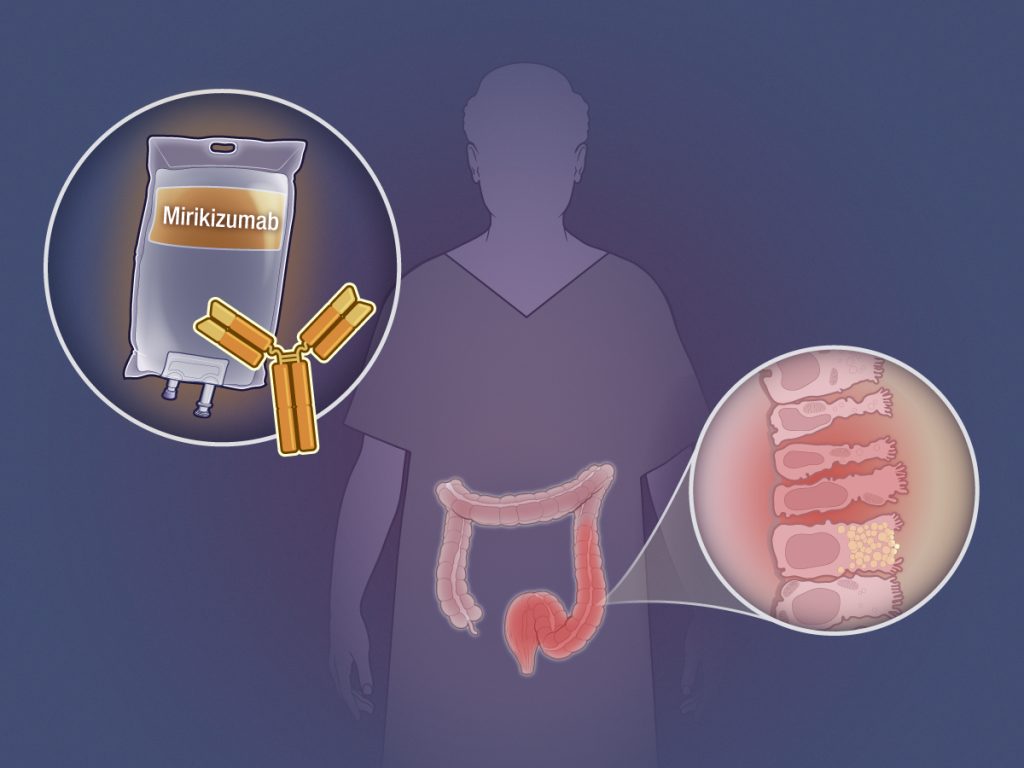
The “good” bacteria from a healthy donor are used to replace the “bad” bacteria in the gut microbiome.

The use of fecal transplant pills to treat C. difficile infection is authorized in the US. Numerous more potential uses for fecal transplantation exist in addition to cirrhosis studies.

For those with chronic liver disease, a new study into fecal transplants may change the game. After promising results from the first experiment, known as the PROFIT trial. A team led by King’s College London is about to start a clinical trial there known as the PROMISE trial.

Today at the 2023 EASL (European Association for the Study of the Liver) Congress in Vienna, Austria, the results of the PROFIT experiment. These have not yet been published in a peer-reviewed publication, were presented.

Although fecal transplants are safe and effective, there are other therapy choices for cirrhosis patients. According to the trial’s researchers, who believe their data will open up more possibilities.

Using a capsule to deliver a fecal transplant

Gastroenterologist and internal medicine specialist Dr. Daniel Freedberg is a member of the Peggy Lillis Foundation’s scientific advisory council and an assistant professor of medicine and epidemiology at Columbia University’s Mailman School of Public Health in New York.

Records of fecal transplants date back centuries, according to Freedberg, who is not a participant in the clinical trial, who spoke to us.

“More recently, we have two decades of experience using faecal transplants for recurrent Clostridioides difficile (C. difficile) infection,” the doctor said. “Faecal transplants transfer stool from a healthy person to a sick person. The theory is that the injured gut bacteria will be replaced by normal, healthy bacteria, aiding in the recovery of health. Faecal transplants can be performed orally, colonoscopically, upper endoscopically, or through an enema. Faecal transplants can be delivered in all of these ways with success.”

The PROFIT trial’s researchers discovered that patients preferred taking a tablet to the other, more invasive techniques. Even though each one may be successful.

Patients told researchers that they would rather take pills than undergo an endoscopy to provide the fecal transplant, according to Debbie Shawcross, chief investigator of the PROMISE trial and professor of hepatology at Kings College London.

She noted that for patients with cirrhosis who have exhausted all other therapy choices, “the ‘capsules,’ as they are sometimes called. This have no taste or smell as the name suggests, may offer new hope.”

The “bad” bacteria that is present in the bodies of persons with cirrhosis of the liver may be effectively replaced by taking the capsules. These are filled with freeze-dried stool rich in “good” bacteria, according to the research.

While further research is required, fecal transplants may one day be a viable alternative to liver transplantation for some patients.

Trial of faeces transplant will be expanded

There will be 300 individuals with liver disease participating in the new experiment, which will begin in the UK. The current trial is different from the last one in that there are 300 participants instead of 32, a larger study sample. Half of the patients will ingest freeze-dried fecal matter capsules, or “crapules,” instead of having an endoscopy. The other half will take a placebo.

Fortunately, the ‘capsules’ don’t taste or smell as their name might imply. This kind of treatment is far less invasive than an endoscopy, which is advantageous to patients.

Over 21 days, the participants will take five capsules of medication (either FMT or placebo). Each at intervals of 91 days (every three months).

In contrast to the prior study, which only tracked patients for 90 days, the current trial permits the researchers to evaluate participants over 2 years. This provides for a more thorough investigation of the medication’s impact.

A healthy donor is used to provide the feces, who is then thoroughly examined for bacterial and parasite diseases, Covid-19 and other infections, as well as their risk factors.

Samples of blood, feces, and urine will also be taken at the time of recruitment and again after three, six, and twelve months. Following that, the samples will be examined for a variety of biomarkers,. This includes cytokine production, indicators of barrier integrity, a global metabolite profile, and fecal proteomics.

REFERENCES:

For Liver disease medications that have been suggested by doctors worldwide are available here https://mygenericpharmacy.com/index.php?generic=192