What are the list of worst food for constipation?

What are the list of worst food for constipation?

Many foods have been found to aggravate or precipitate constipation. Regularity can be encouraged by altering your diet and consuming fewer of these meals.
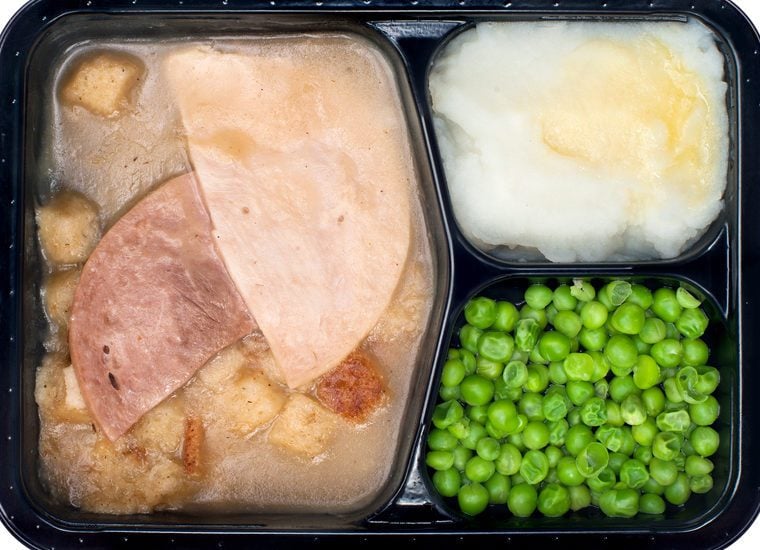
Constipation, which is typically understood to mean having fewer than three bowel motions per week, is a common issue. In reality, it affects up to 27% of adults and is accompanied by symptoms including bloating and gas. It is more likely to affect you as you age or become less physically active.

While some meals can worsen constipation, others can help ease it or lessen the risk of it.

Can foods cause constipation?

A single, particular food will rarely directly induce constipation in healthy individuals. Yet, some diets can exacerbate it. Certain meals may have an effect on a person’s symptoms if they have persistent constipation.

Most people will experience occasional constipation at some point in their lives. However, chronic constipation, which is persistent, affects 2-27 percent of the population.

People are more prone to develop constipation, per the National Health Service (NHS), if they:

  • are expecting
  • regularly taking laxatives
  • consume a fiber-free diet
  • not enough fluids are consumed
  • suffer anxiety, despair, or stress
  • typically not active

Constipation can also be brought on by a variety of intestinal problems, including:

  • Inflammatory bowel disease (IBS)
  • an increase of microorganisms in the small intestine
  • inflammation of the colon (IBD)
  • diverticulosis

In addition, some drugs and supplements, such as opioids, antacids, and iron supplements, might have constipation as a side effect.

Foods that may cause or worsen constipation

Several foods that may worsen or cause constipation will be covered in the sections that follow.

Alcohol

Constipation is frequently cited as possibly being caused by alcohol. This is due to the fact that excessive alcohol consumption can increase the amount of fluids lost through urine, leading to dehydration.

Constipation is frequently associated with inadequate hydration, which can result from either not drinking enough water or losing too much of it through urine.

The direct connection between drinking alcohol and constipation could, sadly, not be proven by investigations. In addition, after a night of drinking, some people claim to experience diarrhoea rather than constipation.

It’s likely that different people experience different affects. Try to follow up each serving of alcohol with a glass of water or another non-alcoholic beverage to counteract the potential drying and constipating effects of alcohol.

Gluten-containing foods

Grains like wheat, barley, rye, spelt, kamut, and triticale contain the protein gluten. After consuming gluten-containing meals, some people may become constipated. Moreover, some persons are gluten intolerant. This is a disorder known as celiac disease or gluten sensitivity.

Gluten causes the immune system of a person with celiac disease to attack their intestines, seriously damaging it. Because to this, those who have this condition must eat a gluten-free diet.

An estimated 0.5–1% of people worldwide are thought to have celiac disease, however many may be unaware of it. One of the common symptoms is chronic constipation. Eliminating gluten can help the gut feel better and mend.

Irritable bowel syndrome (IBS) and non-celiac gluten sensitivity (NCGS) are two more conditions in which a person’s gut may react to wheat. Despite not being gluten intolerant, people with several medical disorders seem to be sensitive to wheat and other grains.

Before eliminating gluten from your diet if you believe it is the cause of your constipation, be careful to consult a medical practitioner to rule out celiac disease.

Processed grains

White bread, white rice, and white pasta are examples of processed grains and goods that are lower in fibre and may cause greater constipation than whole grains.

This is due to the removal of the grain’s bran and germ during processing. In particular, fibre, a nutrient that gives stool volume and promotes movement, is present in bran.

A higher fibre intake has been associated with a lower incidence of constipation in numerous studies. In fact, a recent study found that for every additional gramme of fibre ingested daily, constipation risk decreased by 1.8%.

Consequently, gradually reducing their intake of processed grains and substituting them with whole grains may be beneficial for persons who experience constipation.

Milk and other dairy goods

At least for some people, dairy appears to be another frequently occurring cause of constipation. Children and young adults seem to be at the greatest risk, probably because of a sensitivity to the proteins in cow’s milk.

According to a review of studies published over a 26-year period, some kids with persistent constipation got better when they stopped drinking cow’s milk.

Children with persistent constipation, ages 1 to 12, were given cow’s milk to drink for a while in a recent study. Soy milk was then used in place of cow’s milk for a while after that.

When soy milk was substituted for cow’s milk in the study’s group of 13 kids, nine of them got relief from constipation.

Red meat

For three primary reasons, eating red meat may make constipation worse. First off, it doesn’t have much fibre, which gives stools bulk and aids in movement.

Second, by substituting for higher-fiber foods in the diet, red meat may indirectly lower a person’s total daily fibre intake. This is particularly true if you overindulge in meat at a meal, which limits how much fiber-rich produce, beans, and whole grains you may have at the same time.

As a result of this scenario, daily fibre intake would be generally lower, thereby raising the risk of constipation. In addition, red meat often has higher fat content than other meats like poultry and fish, and high-fat diets take longer for the body to digest. It’s possible that doing this will make constipation even more likely in some circumstances.

Fast or fried food

Constipation risk may also be boosted by eating a lot of or frequently fried or fast food.

For the same reason that red meat might inhibit digestion, these foods frequently have high fat content and low fibre content. A person’s diet may also substitute fast food snacks like chips, cookies, chocolate, and ice cream for more fiber-rich options like fruits and vegetables.

By lowering the total quantity of fibre ingested each day, this can further raise the risk of constipation. It’s interesting how many people think chocolate is one of the main reasons they get constipated.

Additionally, the high salt concentration of fried and fast foods can reduce the water content of the stool, drying it out, and making it more difficult to pass through the body.

This occurs as a result of consuming excessive amounts of salt because your body absorbs water from your intestines to help balance out the excess salt in your bloodstream.

Persimmons

Popular fruits from Eastern Asia called persimmons might cause constipation in certain people.

There are many types, but the most fall into one of two categories: sweet or astringent. In instance, tannins, a substance known to lessen stomach secretions and contractions and inhibit bowel motions, are abundant in astringent persimmons.

Hence, excessive persimmon consumption, especially of astringent types, should be avoided by those who have constipation.

REFERENCES:

  • https://www.medicalnewstoday.com/articles/list-of-foods-that-cause-constipation
  • https://www.healthline.com/nutrition/8-foods-that-cause-constipation
  • https://www.womenshealthmag.com/food/a19995215/worst-foods-for-constipation/
  • https://www.verywellhealth.com/foods-to-avoid-when-you-are-constipated-1944831
  • https://www.webmd.com/digestive-disorders/ss/worst-foods-for-constipation?

For more details, kindly visit below.
Explore the easy hacks to deal with depression.

Explore the easy hacks to deal with depression.

As sneaky as it is unpredictable, depression may be. You could be surprised by it at any time. even when everything appears to be going according to plan and when everything is “wonderful.”

You might be asking yourself, “How can I feel so horrible when I have so much to be grateful for?” while you try to make sense of this. Worst yet, “I have no business feeling depressed,” Such ideas are not constructive. These just serve to reinforce guilt feelings, which are depression’s best buddy and partner.

Your relationships, your job, and your entire feeling of self-worth can all be affected by clinical depression. It has a powerful punch. Fortunately, there are resources out there that can aid in your resistance.

Preventative care is of course the most significant (therapy, a positive support system, getting enough sleep and exercise, etc.). But, the following are some spot-on, urgent steps you can take if you find yourself in the middle of a depressive episode. All of these “tools” won’t be able to cure depression, but they might at least help clear things up a little.

Symptoms of depression

In a depressive episode, the individual experiences significant difficulties in personal, family, social, educational, occupational, and/or other important areas. The symptoms generally differs in terms of severity and natured which is based on individual occupation, gender, and age group. Depression symptoms can vary from mild to severe and can include:

  • Changes in appetite
  • Loss of energy or increased fatigue
  • Increase in purposeless physical activity or slowed movements or speech
  • weight loss or weight gain
  • Trouble sleeping or sleeping too much
  • Feeling sad or having a depressed mood
  • Feeling worthless or guilty
  • Difficulty thinking, concentrating or making decisions
  • Thoughts of death or suicide
  • Loss of interest or pleasure in activities once enjoyed

Furthermore, medical conditions such as thyroid problems, brain tumors, and vitamin deficiencies can mimic depression symptoms, so it is important to rule out general medical causes.

Hacks to relieve depression

Activate your body.

Moving your body is the fastest technique to combat depression feelings right now. Of course, exercising may be the last thing you feel like doing when you’re depressed. It need not be difficult, though; any kind of physical exercise will do.

Just performing 20 jumping jacks or shaking your body for a minute or more can have an impact. Our thoughts and bodies are intertwined; if we let our bodies take the lead, the mind will probably follow.

Answer the phone.

Dial a number. a buddy. an associate. With one exception, any kind of social connection can be extremely therapeutic. Make sure the individual you are connected with is a positive support who feeds you rather than drains you.

If you are unable to phone, you can still text someone to feel connected. If you have no one to contact or text, go online and pick one of the many support groups or chat rooms to meet people going through similar experiences to you. Human connection has the ability to heal.

Determine possible triggers.

Even though a depressed episode can appear to occur suddenly and without “good reason,” there usually is an outside trigger. It could be a difficult conversation or experience that you haven’t yet processed, or it could be a self-defeating mindset, which is more harder to recognise.

You can respond, “But nothing happened, and I wasn’t even thinking about anything at the time,” in response to this. The second is impossible. We are constantly thinking. Our thoughts never go away, whether we are debating the meaning of existence or choosing which shoes to wear.

Negative ideas might blend in with the background. Like the sirens you hear so frequently, you stop noticing them. Worst-case scenarios involve these pessimistic thoughts developing into strongly held self-beliefs. For instance, skewed, unfavourable thoughts may surface if you failed a test or lost your job, such as “I failed because I’m not smart enough” or “I’ll never find another job again.” It doesn’t matter what you believe or feel, it still might not be real. It is our responsibility to recognise these thoughts before they take control and to resist them.

Reject the provoking thought.

Lies are one of depression’s greatest strengths. Never trust them.

Once the negative concept has been located, question its veracity. Ask yourself: How do you know that, for instance, when you tell yourself, “I’ll never find another work again”? The future cannot be predicted. Instead, in response to the statement, “I’m not smart enough,” you might provide evidence to the contrary, such as a list of all the times you performed well or your accomplishments to date.

Also, avoid generalising. Simply because you lost one job or failed one test does not mean that you will never find another one or pass another test. Whatever depression tells you, ignore it!

Remain in the current moment.

When depression has you in its tight grip, it might be difficult to think clearly. The prefrontal cortex, a better developed region of the brain that governs cognitive processes like rational thought, can frequently lose control to the limbic system, which governs emotions.

Here, mindfulness can be useful. This does not imply that you must sit and practise meditation for 20 minutes (although practising meditation is one of the best ways to cultivate mindfulness). Catching a negative idea and immediately changing your attention to something physical in the present, like your breath or the noises or odours around you, sometimes be all it takes. Being aware is more than just a trendy concept; it will benefit you all your life.

Take refuge in a good movie.

We all need to occasionally step outside of our thoughts. Of course, in a non-destructive manner. One of the things to do is to watch a fantastic movie. Avoid tearjerkers and instead pick a comedy or at least an upbeat movie. Only a few examples of comedic and/or lighter movies that you can add to your toolkit for battling sadness are provided below.

REFERENCES:

  • https://www.psychologytoday.com/us/blog/nurturing-self-compassion/202006/6-depression-hacks
  • https://www.webmd.com/depression/ss/slideshow-easy-habits-improve-mental-health?
  • https://www.wondermind.com/article/how-to-deal-with-depression/
  • https://www.blurtitout.org/2016/06/14/managing-depression-hacks-hints-difficult-days/?doing_wp_cron=1676625387.6235940456390380859375

For more details, kindly visit below.

When should a person worry about fatigue?

When should a person worry about fatigue?

A generalised sense of exhaustion or lack of energy is referred to as fatigue. It differs from merely feeling sleepy or drowsy. You lack both energy and motivation when you are exhausted. Sleepiness may be a sign of exhaustion, but the two are not the same.

Many medical disorders, ranging in severity from moderate to serious, frequently exhibit fatigue as a symptom. It also happens naturally as a result of some lifestyle decisions, including not exercising or eating poorly.

See your doctor if your weariness doesn’t go away with adequate rest and nourishment or if you think it might be brought on by a physical or mental health condition. They can collaborate with you to identify the root cause of your exhaustion and address it.

What causes fatigue?

Fatigue may have a variety of causes. They can be categorised into three broad groups:

  • lifestyle elements
  • physical state of health
  • mental illness problems

lifestyle elements

Your activities and other lifestyle decisions could be to blame for your exhaustion. For instance, the following can cause fatigue:

  • physical effort
  • absence of exercise
  • absence of sleep
  • being obese or overweight
  • Stressful emotional times
  • boredom
  • grief
  • taking specific drugs, including sedatives or antidepressants
  • frequent alcohol consumption
  • utilising illegal narcotics, like cocaine
  • overdosing on caffeine
  • not maintaining a healthy diet

Physcial health issues

Fatigue is a common symptom of many medical problems. Examples comprise:

  • anaemia
  • arthritis
  • fibromyalgia
  • syndrome of protracted weariness
  • illnesses like the common cold and flu
  • A condition called Addison’s disease that can mess with your hormone levels
  • thyroid underactivity, or hypothyroidism
  • Overactive or hyperthyroidism thyroid
  • disturbances of sleep, such as insomnia
  • disorders of eating, including anorexia
  • autoimmune conditions
  • enlarged heart failure
  • cancer
  • diabetes
  • renal illness
  • liver illness
  • persistent pulmonary obstruction (COPD)
  • emphysema

Difficulties with mental health

Fatigue can result from issues with mental health as well. As an illustration, exhaustion is a typical sign of anxiety, sadness, and seasonal affective disorder.

Medical conditions

Fatigue is a symptom of thousands of diseases and ailments. The following are a few of the most typical causes of fatigue:

  • Illness and infection: Multiple sclerosis, kidney disease, cancer, and kidney disease are just a few illnesses that might make you tired. Moreover, illnesses like mononucleosis, HIV, and the flu can manifest as fatigue.
  • Mental health issues: The exhaustion brought on by despair or anxiety may make doing daily tasks challenging or impossible.
  • Autoimmune disorders: Several autoimmune diseases, such as diabetes, lupus, and rheumatoid arthritis, have fatigue as a symptom.
  • Hormone imbalances: Issues with your endocrine system (the glands that produce hormones in your body) might make you feel exhausted.
  • The most prevalent reason of weariness is hypothyroidism.
  • Persistent illnesses such as fibromyalgia and chronic fatigue syndrome (CFS, also known as myalgic encephalomyelitis or CFS) result in extreme, persistent exhaustion.
  • Cardiovascular disorders such as heart disease, postural orthostatic tachycardia syndrome (POTS), chronic obstructive pulmonary disease (COPD), emphysema, and congestive heart failure all commonly present with fatigue.
  • Deficiencies: Fatigue is frequently brought on by anaemia and other vitamin deficiencies (such as vitamin D or vitamin B12). Fatigue can result from dehydration since the body needs a lot of fluids to function.
  • Fatigue is one of several symptoms that can result from weight issues and eating disorders such anorexia, bulimia, obesity, and underweight.

When is it time to see your doctor?

If you’re experiencing exhaustion and any of the following, you should schedule a visit with your doctor:

  • I cannot think of anything that could explain your weariness.
  • have a body temperature that is higher than usual
  • having lost weight that isn’t being explained
  • feel incredibly sensitive to cooler climates
  • regularly experience sleep difficulties
  • you think you might be depressed

Make an appointment with your doctor if your weariness has persisted for two weeks or more and you’ve tried unsuccessfully to address the most frequent lifestyle factors, such as lack of sleep, bad eating habits, and stress.

Your fatigue may occasionally be brought on by a significant medical problem. If you develop weariness and any of the following symptoms, visit the hospital right away:

  • abdominal bleeding
  • throwing up blood
  • terrible headache
  • suffering from chest discomfort
  • fainting sensations
  • unsteady heartbeat
  • breathing difficulty
  • significant discomfort in your pelvis, back, or abdomen
  • Having suicidal or harmful thoughts
  • thoughts of hurting someone else

You should also visit your doctor if you frequently feel weary even after getting a good night’s sleep, lack motivation to start the day, or find it difficult to do tasks that are usually simple. These could be indications of depression or a sleep issue.

Your doctor will attempt to rule out any problems during your examination, such as adverse drug reactions. In order to ascertain whether the exhaustion is caused by a particular condition, such as anaemia, hypothyroidism, or liver inflammation, he or she may also request blood testing (hepatitis). If your doctor cannot identify a cause, do not be shocked. I’ve discovered that most of the time, rest and a good night’s sleep help people recover from exhaustion.

REFERENCES:

  • https://my.clevelandclinic.org/health/symptoms/21206-fatigue
  • https://www.healthline.com/health/fatigue
  • https://www.health.harvard.edu/staying-healthy/when-should-you-worry-about-fatigue

For more details, kindly visit below.
Bacterial vs. viral conjunctivitis: What is the difference?

Bacterial vs. viral conjunctivitis: What is the difference?

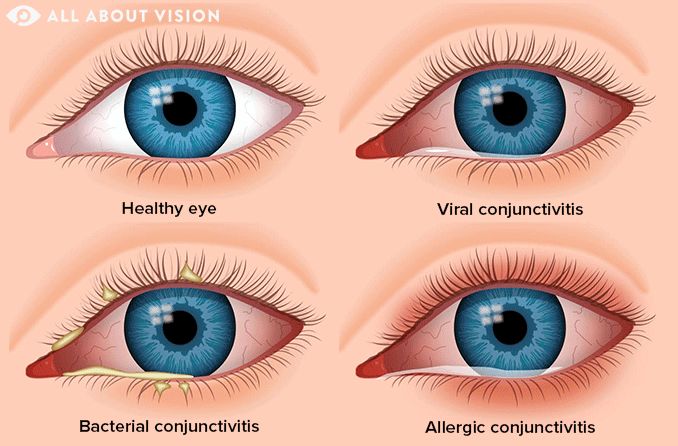
Eye redness, weeping, and discharge are signs of conjunctivitis caused by both bacterial and viral infections. The eyelids may stay together due to a heavier discharge brought on by bacterial conjunctivitis, though. It could also result in eyelid pain and edoema.

Differentiating between bacterial and viral conjunctivitis can be challenging. However, those who develop viral conjunctivitis typically have either experienced a viral disease themselves or have just come into touch with someone who has. This can aid medical professionals in differentiating.

While both types of conjunctivitis can improve on their own, bacterial conjunctivitis may require antibiotic eye drops. Fewer common bacterial conjunctivitis strains can spread quickly and necessitate immediate medical attention.

Viral conjunctivitis

The conjunctiva, a thin membrane lining the inner surface of the eyelids and the white area of the eyeball, becomes inflamed as a result of conjunctivitis, sometimes known as “pink eye,” an eye infection. Conjunctiva serves as a defence against infections and keeps the eye moist.

The conjunctiva itself, however, can occasionally become infected. Doctors refer to the ailment as viral conjunctivitis when a virus is to blame. Viral conjunctivitis can be brought on by a number of viruses.

  • respiratory infections are brought on by the adenovirus
  • Herpes simplex virus (HSV), which can lead to genital herpes or cold sores
  • Virus called varicella-zoster, which causes chickenpox
  • Measles is brought on by the rubeola virus.
  • picornaviruses

The conjunctiva can become infected by a virus, which can then multiply and cause symptoms like:

  • Having red eyes or eyelids
  • scorching and itching
  • tears or a watery sputter
  • the impression of something strange in the sight
  • sensitivity to light

Adenovirus is the most typical cause of viral conjunctivitis. While suffering from a typical cold, some people can get conjunctivitis. The symptoms of a cold typically go away on their own without medical intervention. It could take 14–30 days for viral conjunctivitis to go away.

Bacterial conjunctivitis

When bacteria invade and irritate the conjunctiva, bacterial conjunctivitis develops. This form of conjunctivitis is more likely to affect certain individuals, such as:

  • children
  • older people
  • wearers of contact lenses
  • individuals with compromised immune systems

The most typical bacterial species that cause bacterial conjunctivitis in kids are:

  • the influenza virus
  • pneumococcal streptococcus
  • Catarrhal Moraxella

Staphylococcal bacteria are the most frequent species to cause the disease in adults. These germs can enter the eye via:

  • interaction with an individual suffering from bacterial conjunctivitis
  • touch with items that the affected person has used in the past
  • exposure to respiratory droplets from sneezes or coughs
  • alterations in the conjunctival bacteria

Similar to viral conjunctivitis, bacterial conjunctivitis can also cause the following symptoms:

  • eyelids clump together because to a thick green or yellow discharge
  • edoema of the cornea
  • Painful and swollen eyelids
  • reduced vision

Viral pink eye vs. bacterial pink eye

Viral pink eye can be contracted when someone sneezes or coughs and the droplets come into contact with your eyes, or it can spread from the nose to the eyes.

Pink eye caused by bacteria exists. Usually, the bacteria enters your eyes through your skin or respiratory system. Additionally, bacterial pink eye can develop if you:

  • Use dirty hands to contact your eyes.
  • application of bacteria-contaminated cosmetics
  • sharing private goods with a pink eye sufferer

When an upper respiratory infection, such as a cold (virus) or sore throat, first develops, both types of pink eye frequently follow (virus or bacteria).

The same general signs and symptoms are present in both bacterial and viral pink eye, including:

  • White of the eyes are pink or crimson.
  • tearing
  • itchiness or scratchiness in the eyes
  • swelling
  • burning or annoyance
  • eyelids or lashes that are crusted, especially in the morning
  • fluid coming from the eye

Here are several methods for determining the sort of pink eye you have.

Viral pink eye:

  • typically begins in one eye but can progress to the other
  • begins with a respiratory illness or cold
  • produces ocular discharge due to water

Pink eye due to bacteria:

  • can begin with an ear infection or respiratory infection
  • one or both eyes are affected
  • causes the eyes to clump together and produce a thick discharge (pus).

A sample of the discharge from your eye can be taken by your doctor and sent to a lab for testing to determine whether you have a bacterial or viral infection.

Treating pink eye

The majority of bacterial and viral pink eye illnesses will clear up on their own in a few days to two weeks. In the meanwhile, treat the symptoms as follows:

  • To avoid dryness, use artificial tears or lubricating eye drops. (Eliminate the bottle once your infection has subsided to prevent self-reinfection.)
  • To reduce swelling, apply warm, moist compresses or cold packs to your eye.
  • Use a wet washcloth or tissue to wipe away the discharge from your eyes.

Your doctor may recommend the following medications if your pink eye is more severe:

  • Antiviral medications may be effective in treating viral pink eye brought on by the herpes simplex or varicella-zoster virus.
  • Pink eye caused by germs can be cleared up with the aid of antibiotic eye drops or ointment.

Once pink eye has cleared completely, follow these instructions to prevent reinfection:

  • If you used eye makeup or cosmetic implements while you were afflicted, throw them away.
  • Discard any disposable contact lenses and pink eye treatment you used.
  • Clean and sanitise cases, glasses, and hard contact lenses.

Pink eye prevention

Pink eye spreads quickly. To prevent acquiring or spreading the infection:

  • Use an alcohol-based hand sanitizer or often wash your hands with soap and warm water throughout the day. Before and after using eye drops or inserting contact lenses, wash your hands. If you come into contact with an infected person’s eyes, clothes, or other private items, you should also wash your hands.
  • Avoid rubbing or touching your eyes.
  • Share personal stuff like towels, blankets, pillowcases, cosmetics, and makeup brushes sparingly.
  • After using them, wash your sheets, towels, and washcloths in hot water.
  • Clean your glasses and contact lenses thoroughly.
  • Stay at home from work or school if you have pink eye until your symptoms subside.

REFERENCES:

  • https://www.healthline.com/health/how-long-does-pink-eye-last
  • https://www.medicalnewstoday.com/articles/bacterial-vs-viral-conjunctivitis
  • https://www.insider.com/guides/health/conditions-symptoms/viral-vs-bacterial-pink-eye

For more details, kindly visit below.
Latest signs to identify you may have Spinal Stenosis.

Latest signs to identify you may have Spinal Stenosis.

Narrowing of the gaps in your spine is known as spinal stenosis. Although it doesn’t always result in symptoms, it can nonetheless lead to pain and weakness. Exercise and other forms of therapy can be helpful. Your upper body is supported and stabilised by the column of bones known as your spine, allowing you to twist and turn.

Spinal nerves, which make up the spinal cord, carry signals from the brain to the rest of the body. The surrounding bone and tissues typically shield the nerves. Walking, balance, and sensation can all be impacted by spinal nerve injury or dysfunction.

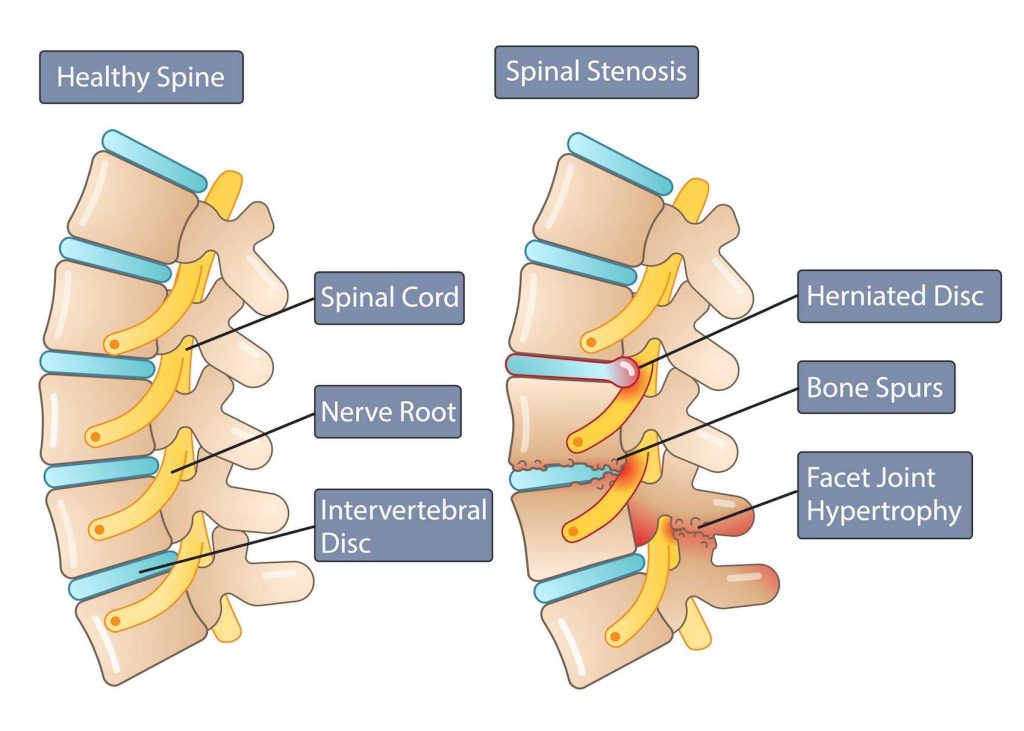
Spinal stenosis is a disorder in which the spinal cord is compressed when gaps in the spine constrict. Usually, this procedure happens gradually. Anywhere along the spine can experience it.

If the narrowing is not severe, there won’t be any symptoms. However, too much constriction may put pressure on your nerves and result in issues. Spinal stenosis comes in a number of different forms. They consist of:

  • spinal stenosis in the lower back, or lumbar
  • cervical spinal stenosis, a neck condition
  • foraminal stenosis, which damages the holes in your bones (foramen)
  • dual spinal stenosis, a condition in which at least two places of the spine are affected

Symptoms of spinal stenosis

When spinal stenosis first appears, you might or might not have any symptoms. The spinal canal constriction typically happens gradually and gets worse with time. Although spinal stenosis can develop anywhere along the spinal column, the neck and lower back are common locations. Each person experiences different symptoms, which can come and go.

Spinal stenosis in the lower back (lumbar) symptoms include:

  • the lower back hurts. A dull aching or sensitivity to an electric-like or searing sensation can all be used to describe pain. Pain may ebb and flow.
  • Sciatica. This pain starts in your buttocks, travels down your leg, and may even reach your foot.
  • Leg heaviness that could result in cramps in one or both legs.
  • tingling or numbness (“pins and needles”) in the foot, leg, or buttocks
  • weakness in the foot or the leg (as the stenosis worsens).
  • Standing still for a long time, walking, or going downhill might all make the pain worse.
  • Leaning, bending slightly forward, going upwards, or sitting down all cause lessening of the pain.
  • a lack of bowel or bladder control (in severe cases).

Neck (cervical) spinal stenosis symptoms include:

  • neck ache
  • tingling or numbness in the foot, leg, or arm. (Anywhere below the location of the nerve compression may experience symptoms).
  • Arm, hand, leg, or foot weakness or clumsiness.
  • difficulties with balance.
  • loss of hand function, such as having issues
  • loss of hand function, such as the inability to write or button clothing.
  • a lack of bowel or bladder control (in severe cases).

The following are signs of thoracic (abdominal) spinal stenosis:

Spinal stenosis causes

Aging is the most typical cause of spinal stenosis. The tissues and bones in your spine may begin to thicken as you age, squeezing the nerves.

Spinal stenosis may also be influenced by specific medical problems. They consist of:

  • Achondroplasia: Achondroplasia is a form of dwarfism that prevents the spine’s and other elements of the body’s bones from developing normally.
  • Ankylosing spondylitis: This kind of arthritis affects the spine and results in persistent inflammation. The development of bone spurs may result.
  • Congenital spinal stenosis: Congenital spinal stenosis occurs when you’re born with a spinal canal that’s inherently narrow.
  • Calcium deposits build up on the ligament that runs across the spinal ligament column in a condition known as ossification of the posterior longitudinal ligament (OPLL).
  • Osteoarthritis: This condition causes the cartilage that protects your joints to deteriorate. In addition to causing bone spurs to develop in the spine, the disorder may also impair the cartilage that separates the vertebrae.
  • Paget’s disease of the bone: A chronic disorder that makes bones weaker and larger than normal is Paget’s disease of the bone.
  • Rheumatoid arthritis: Rheumatoid arthritis involves persistent inflammation, which can cause bone deterioration and the development of bone spurs.
  • Scoliosis: Scoliosis is a spine curvature that is abnormal. It may be brought on by specific genetic disorders, anomalies of the nervous system, or unidentified factors.
  • Spinal injuries: Bone fractures and slipped (herniated) discs can result in vertebrae or bone fragments pressing against the spinal nerves.
  • Spinal tumours: These tissue growths may form in the spinal canal, set off an inflammatory response, and alter the bone in the region.

How is spinal stenosis diagnosed?

Your healthcare professional will examine you physically, inquire about your symptoms, and go over your medical history. Your doctor may feel your spine while performing a physical examination, pressing on various areas to determine whether doing so produces pain. In order to determine whether different spinal postures cause pain or other symptoms, your doctor may ask you to bend in various directions. Your healthcare professional will assess your balance, walk pattern, and arm and leg strength.

Imaging tests will be performed on your spine to inspect it and identify the precise location, nature, and severity of the issue. Imaging investigations could consist of:

  • MRI: To produce cross-sectional images of the spine, magnetic resonance imaging (MRI) uses radio waves and a strong magnet. The spinal cord, discs, nerves, and any malignancies are all clearly visible in MRI pictures.
  • Computed tomography (CT) or CT myelogram: A CT scan is a collection of X-rays that produces cross-sectional images of the spine. To more clearly see the spinal cord and nerves, a contrast dye is added during a CT myelogram.
  • X-rays: X-rays employ a limited amount of radiation and can identify changes in bone structure, such as loss of disc height and development of bone spurs that are decreasing the space in the spine.

Treatments for spinal stenosis

Treatment options for stenosis vary on the nature of the disease, where it is located, and how severe the symptoms are. Your doctor might advise trying some self-care solutions first if your symptoms are minor. Your doctor might advise physical therapy, medication, and ultimately surgery if these don’t help and your symptoms get worse.

Among the self-help options are:

  • Apply heat: Heat is typically a better option for osteoarthritis pain. Heat promotes blood flow, which eases painful joints and relaxes muscles. Use caution when utilising heat; don’t raise the temperature too high to avoid getting burned.
  • Apply cold: If heat isn’t relieving your problems, try using cold instead (an ice pack, frozen gel pack, or frozen bag of peas or corn). Ice is often administered for 20 minutes on, 20 minutes off. Ice helps to lessen inflammation, soreness, and swelling.
  • Exercise: As long as you first consult with your healthcare professional, exercise is beneficial for pain relief, building back muscles that support your spine, increasing flexibility, and improving balance.

Non-surgical treatments include:

  • Oral medications
  • Physical therapy:
  • Steroid injections
  • Decompression procedure

Spinal stenosis surgery

Surgery is typically only undertaken after all other treatment options have failed due to the complexity of spinal stenosis and the delicate nature of the spine. Fortunately, surgery is not usually necessary for those with spinal stenosis. However, discuss your surgical alternatives with your doctor if:

  • You can’t do or enjoy daily tasks because of your symptoms, and you no longer have the quality of life you want.
  • Pressure on the spinal cord is the root of your discomfort.
  • Walking and keeping your equilibrium have becoming challenging.
  • You have issues with your sexual function or have lost control of your bowels or bladder.

Can spinal stenosis be prevented?

You can’t completely prevent spinal stenosis because the majority of its causes are age-related “wear and tear” ailments like osteoarthritis and the loss of bone and muscle mass. However, there are steps you may do to reduce your risk or stop the progression, such as:

  • Maintain a healthy diet and a healthy weight.
  • Avoid smoking. If you currently smoke, stop. Ask your doctor for help quitting if you need it.
  • Maintain a straight spine.
  • Exercise. Stay active, but avoid painful exercises. Before beginning a home fitness regimen, consult with your doctor or physical therapist. Oversleeping might be more detrimental than beneficial.

Also bear in mind that, despite the fact that there is no “cure” for spinal stenosis, the condition’s symptoms can be effectively managed using nonsurgical or surgical methods.

REFERENCES:

  • https://www.healthline.com/health/spinal-stenosis
  • https://www.mayoclinic.org/diseases-conditions/spinal-stenosis/symptoms-causes/syc-20352961
  • https://www.webmd.com/back-pain/ss/slideshow-spinal-stenosis
  • https://my.clevelandclinic.org/health/diseases/17499-spinal-stenosis

For more details, kindly visit below.
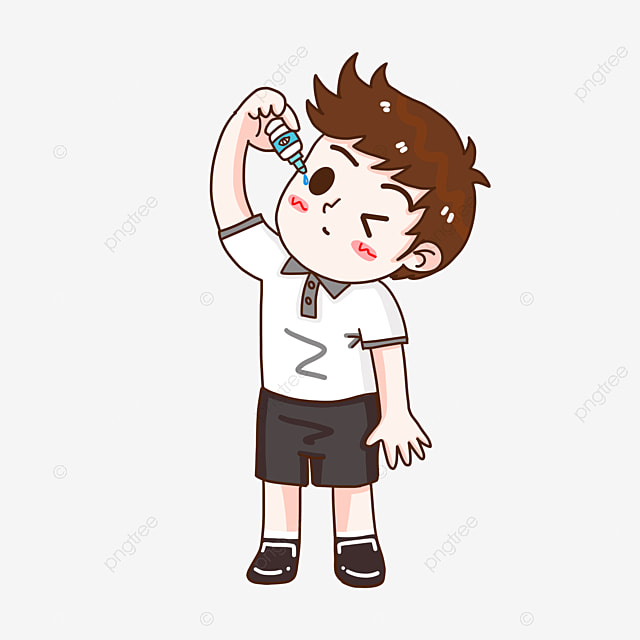
Eyedrops Could Prevent Nearsightedness in Kids

Eyedrops Could Prevent Nearsightedness in Kids

According to new research, eye drops frequently administered before to eye tests may prevent toddlers from becoming nearsighted.

Eye muscles are relaxed and the pupils are dilated with atropine eye drops. Myopia, or nearsightedness, could be avoided in youngsters by using a low concentration, according to research published in the Journal of the American Medical Association.

Most Americans—about one-third of them—are nearsighted. Due to people spending more time indoors and staring at screens, The Wall Street Journal predicted the number will rise to about 60% in 30 years. Myopia that is too severe can cause cataracts, glaucoma, and retinal detachment.

Myopia, according to physicians, happens when the eyeball lengthens and light entering the eye can no longer reach the retina in the rear of the eye. The necessity for spectacles or contact lenses, which work by reflecting light back onto the retina, results from this.

According to Nimesh Patel of Harvard Medical School, who was not involved in the study, atropine drops prevent people from seeing what is right in front of them. The exact mechanism by which the drops prevent nearsightedness is unknown, he claimed.

What is Myopia (Nearsightedness )?

Myopia, a disease that affects many people, causes near objects to appear clear while far distant objects to appear blurry. It happens when light rays incorrectly bend (refract) due to the shape of the eye or specific portions of the eye. Light rays are focused in front of the retina, which is where they should be directed to illuminate the retina, the nerve tissue at the rear of the eye.

Between the ages of 20 and 40, nearsightedness typically becomes more stable after developing during childhood and adolescence. As a rule, myopia runs in families.

Nearsightedness can be verified by a simple eye checkup. You can use eyeglasses, contact lenses, or refractive surgery to correct your hazy vision.

How can eye drops improve vision in myopia?

Myopia sufferers cannot experience an immediate eyesight improvement from eye drops. However, studies have shown that over time, low-dose atropine eye drops can enhance vision. They can thereby stop the progression of myopia in youngsters. These drops can help slow the progression of myopia, lowering the risk of progressive myopia, a condition that can impair vision.

Children who have progressive myopia, or nearsightedness, need a stronger prescription at each checkup. High myopia is frequently developed in people with progressive myopia. Furthermore, when individuals become older, this may increase the chance of problems that could endanger their vision. The progression of myopia can occasionally be slowed down by using methods like myopia control contact lenses or spectacles.

Although these are excellent choices, some kids could feel uncomfortable wearing these specialised lenses. It might be simpler for these kids to receive atropine eye drops everyday just before bed.

Additionally, some eye specialists could suggest a combination of low-dose atropine eye drops along with myopia-controlling contacts or spectacles. This may be a comprehensive strategy for managing myopia.

Importance to slow down myopia progression

The likelihood of having good vision in the future can be increased by stopping the growth of myopia. Millions of kids run the risk of acquiring excessive myopia, which will cause permanent visual loss.

When myopia grows to -6.00 D or higher (severe myopia), a person may be at risk for:

  • a breach in the retina known as retinal tears
  • The retina separates from the back of the eye in a retinal detachment.
  • A disorder known as glaucoma that can harm the visual nerve
  • A cataract is a clouding of the eye’s natural lens.
  • Myopia-related macular ageing
  • A separation of the vitreous gel from the retina is known as a posterior vitreous detachment.
  • Damage to the optic nerve is called optic neuropathy.

What are atropine eye drops?

Eye drops containing atropine have long been used in medical offices. They enlarge the pupil while also paralysing the eye’s accommodating mechanism.

For pupil dilatation, eye doctors typically employ 1% atropine eye drops in their offices. Children need a lesser dose, such as 0.01%, 0.025%, or 0.05% concentration, to control their myopia.

It is unclear how exactly atropine inhibits the progression of myopia. Atropine generally has a better effect on controlling myopia at higher concentrations. Studies are being conducted to determine the best dose and protocol.

Side effects of atropine eye drops

The small amount of atropine in the eye drops used to treat myopia shouldn’t have a significant impact on the eyes’ ability to concentrate. It has been demonstrated that atropine doses used in paediatric myopia treatment only slightly impact pupil size and up-close vision.

The following are side effects of atropine eye drops:

Can eye drops improve vision in other eye conditions?

Presbyopia

The FDA has approved eye drops for presbyopia that use the medication pilocarpine, which constricts the pupil. This enables a brief improvement in vision by extending the field of vision.

Dry eye

People with dry eyes can use certain eye drops to regulate and replace their tears. Some patients’ eyesight may be improved by these drops by preserving a steady tear film, which is necessary for high visual acuity.

REFERENCES:

  • https://www.allaboutvision.com/eye-care/eye-drops/can-eye-drops-improve-vision/
  • https://www.pediatricophthalmologypa.com/eye-library-5/atropine-for-the-treatment-of-near-sightedness-myopia-in-children/
  • https://www.webmd.com/eye-health/news/20230214/eyedrops-could-prevent-nearsightedness-in-kids

For more details, kindly visit below.
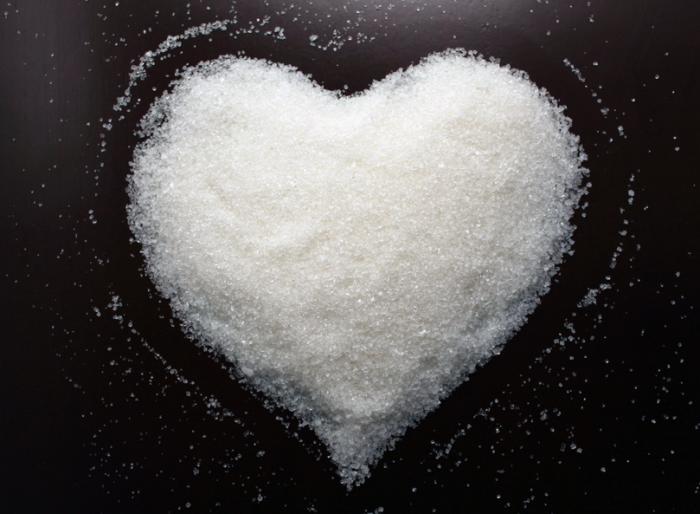
Heart related diseases linked to specific kinds of sugars.

Heart related diseases linked to specific kinds of sugars.

According to a recent study, the type of sugar you consume may have a greater impact on your risk of developing heart disease than the quantity of sugar you consume.

Researchers from the University of Oxford in the UK found that eating foods high in “free sugars” dramatically increased the risk of heart disease and stroke. They discovered that the risk rose in proportion to how much more free sugar a person consumed.

Free sugars are all sugars that have been intentionally added to food by a producer, cook, or consumer. Also, sugars that are naturally found in honey, syrups, and unsweetened fruit juice. Those naturally found in entire fruits and vegetables are not considered to be free sugar.

How much sugar is permitted?

What quantity of additional sugar is appropriate if 24 tablespoons daily is too much? Since sugar is not a necessary nutrient in your diet, it is difficult to say. There is no official sugar RDA set by the Institute of Medicine, which establishes RDAs for other nutrients.

The American Heart Association advises against exceeding the daily added sugar calorie limits for men and women, respectively. A respectively 100 calories (about 6 teaspoons or 24 grammes) and 150 calories (roughly 9 teaspoons or 36 grammes). That equates to roughly one 12-ounce soda can’s worth of liquid.

Taking sugar alternatives into account

Consuming excessive amounts of sugar can increase the risk of stroke and heart disease. This results in high blood pressure, inflammation, weight gain, diabetes, and fatty liver disease.

According to Dr. Elizabeth H. Dineen, an integrative cardiologist with the UCI Health Susan Samueli Integrative Health Institute, “it looks wise to limit the use of artificial sweeteners” in light of the cardiovascular events observed among research participants.

Dr. Ailin Barseghian El-Farra, an integrative cardiologist with the institute, adds that these findings “can help open a dialogue with patients about their dietary consumption of sugars, as well as artificial sweeteners, and their associated risk for coronary heart disease and cerebrovascular events.” Neither doctor took part in the investigation.

Over 100,000 French people were monitored for approximately nine years as part of the NutriNet-Santé project. When they first began, the participants’ average age was 42, and over 80% of them were women. Everyone was prompted to share information on their diet, health, physical activity, level of education, smoking status, and line of work.

They recorded all food and drinks consumed within a 24-hour period every six months. This provides thorough breakdown of their overall consumption of artificial sweeteners. Also, the consumption of other foods and nutrients, such as fruit, vegetables, dairy, and meat.

Impact on your heart

In a study that was published in 2014 in JAMA Internal Medicine, Dr. Hu and his coworkers discovered a link between a high-sugar diet and an increased risk of dying from heart disease. Over the course of the 15-year trial, those who consumed between 17% and 21% of their calories as added sugar had a 38% higher chance of dying from cardiovascular disease than those who only consumed 8% of their calories in this way.

According to Dr. Hu, the risk of heart disease is essentially inversely proportional to the amount of added sugar consumed.

Monitoring the intake of sweeteners

According to the study, 37% of individuals drank diet Coke or another type of artificial sweetener on average, which works out to 42 milligrammes per day or around one packet of sweetener. The average daily intake of artificial sweeteners among people who consumed more of them was nearly double at 78 milligrammes, or about 7 ounces of diet soda.

Overall, those who used the most artificial sweeteners were younger, had higher body mass indices (BMI). They were more likely to smoke, were less active, and didn’t follow a diet to control their weight. Curiously, they ate fewer calories, drank less alcohol, and consumed less fibre, fruit, and vegetables, as well as saturated and polyunsaturated fats. However, they consumed more sodium, red and processed meats, and dairy foods.

Researchers also kept tabs on the health of the participants, including physical examinations, medical procedures, and cardiovascular occurrences. This includes heart disease, heart attacks, and strokes.

Researchers found that those who consumed the most artificial sweeteners, particularly aspartame, acesulfame potassium, and sucralose, had a 9% higher risk for cardiovascular disease and an 18% greater risk for stroke or other cerebrovascular disease when compared to participants who ate none. This was true even after taking into account differences in age, sex, physical activity, education, smoking, and family history of heart disease.

The same authors’ previous spring PLoS ONE study revealed increased artificial sweetener intake. Additionally risk for cancer was linked to  aspartame and acesulfame-K.

Sugar and Other Health Problems

Studies have shown a connection between sugar consumption and animal models of hypertension. According to a human study, people with diabetes who use diuretics have a higher risk of coronary heart disease (CHD) if they consume a lot of sugar in their diet.

Consuming sugar can improve one’s body’s ability to store and use carbohydrate energy. This improvement, however, only happens at levels of physical activity and exercise intensity that are connected to endurance performances lasting at least 30 minutes. The main sources of energy for muscular contraction are blood glucose, liver glycogen, and muscle glycogen. The consumption of sugar can quickly restore blood glucose levels to normal when these substances reach dangerously low levels, which can lead to weariness. Consuming sugar has no effect on performance for the majority of low- to moderate-intensity tasks, such as walking or household chores.

The link between dietary sugar and cognition and behaviour has garnered a lot of attention. Two theories served as the foundation for the notion that sugar and hyperactivity are related. The first was a potential allergic reaction, and the second was the possibility of functional reactive hypoglycemia in hyperactive children. Both of these concepts remain unproven, and a meta-analysis of 16 randomised studies in hyperactive children revealed that cutting back on sugar in the diet had no positive impact on hyperactivity levels.

REFERENCES:

  • https://www.healthline.com/health/diabetes/diabetes-and-stroke
  • https://www.webmd.com/stroke/news/20230214/heart-disease-stroke-linked-specific-kinds-of-sugar-study
  • ucihealth.org/blog/2022/09/sugar-substitutes-may-boost-heart-disease-stroke-risk
  • https://www.ahajournals.org/doi/full/10.1161/01.CIR.0000019552.77778.04

For more details, kindly visit below.
Innovative ways to manage the migraine naturally.

Innovative ways to manage the migraine naturally.

The excruciating headache pain associated with migraines is not unknown to all fo us, but did you know that one in seven people also suffer from them. Out of every four migraine sufferers are female, and that migraine is the leading cause of disability among youths?

You’d think that modern medicine would have found a cure for migraine by now given how widespread it is. Also, how many people are affected worldwide, but alas, this is still a problem.

There are many various medications that doctors can recommend to treat or prevent symptoms. However, there are also several highly effective non-drug alternatives that can assist manage this crippling condition.

Drug free approach for migraine

There may be valid reasons to avoid drugs if you can, despite the fact that they can be a useful tool.

Due to adverse effects, some medications are not safe to take during pregnancy or while nursing. Also, some have negative drug interactions with those used to treat other conditions. This means that not everyone can take migraine treatments.

It makes perfect sense to investigate alternative methods to lessen the suffering of migraine episodes given that they can be pricey and non-drug alternatives can offer effective control over the illness.

Let’s go over some of the most important methods for treating migraines naturally, as determined by the most recent scientific findings.

Discover your occurrences

Most likely, you’ve already heard that certain things might trigger migraine attacks in certain people. However, do you know what it is that triggers your migraines? The first step in creating non-drug measures to minimise your exposure and lessen migraine attacks is being aware of what for you turns the switch.

Stress and anxiety, irregular sleep patterns, menstruation, hunger and skipping meals, dehydration, chocolate, alcohol, excessive caffeine use, loud noises, bright lights, exhaustion, too much physical activity, changes in the weather and altitude, and strong odours and smoke are some of the most common trigger factors.

Although we cannot completely avoid all triggers, knowing your particular trigger and minimising your exposure to it—or attempting to avoid a mixture of triggers—can have a good impact.

Drop some pounds

In addition to the many additional health advantages of losing a few pounds, research have shown that doing so can aid in the avoidance of migraines.

Altering one’s diet may result in weight loss, which may help people avoid migraine attacks. This is due to the possibility that fat could cause migraines in some persons.

Typical instances of meals that can cause migraines include:

  • refined meats
  • alcohol
  • chocolate
  • caffeine

By keeping a symptom journal and scanning for patterns, people might attempt to pinpoint potential migraine causes.

Recognize and treat linked conditions

We are aware that conditions like worry, stress, and depression are linked to a rise in migraine attacks. A migraine can be treated and managed by determining whether you have any of these linked conditions and treating them.

Developing natural relaxation techniques can be a useful migraine management tool because stress and worry can be major migraine triggers. Try numerous methods for stress reduction and mindfulness, CBT, or stress management. There are several apps available today for meditation that can be helpful.

More than 80% of migraine sufferers claim that stress is a migraine trigger, according to the American Headache Society. You may experience a reduction in migraine frequency by learning better stress management techniques.

Nerve stimulation devices and acupuncture

Devices that stimulate the central or peripheral nervous system are available and have been shown to have some beneficial impacts on migraine outcomes. Neuromodulation treatments are generally regarded as safe, but keep in mind that not everyone is a good candidate for them. To learn more, consult your physician. If you prefer anything else, acupuncture has shown some encouraging outcomes in some individuals.

With acupuncture, very small needles are injected into specific points on your skin to promote relief from a wide range of medical ailments.

In a 2020 randomised controlled research, it was discovered that manual acupuncture, administered over the course of 20 sessions, was superior to sham acupuncture, administered over the course of normal treatment, in terms of avoiding migraines in patients with a history of episodic migraine without aura. The needles are not put as deeply during a procedure called sham acupuncture.

Nutritional supplements

Natural supplements including magnesium, coenzyme Q10 (CoQ10), and riboflavin (vitamin B2) have been shown to be effective in treating migraines. Once more, discuss with your doctor whether these strategies would be beneficial for you.

It’s crucial to keep in mind that not every intervention for treating migraines will be effective for everyone and that both drug and non-drug treatments should be taken into consideration.

The idea is to educate yourself as much as you can on the condition and spread awareness among everyone who can—not just migraine sufferers themselves, but also their friends and relatives.

Even while we may not be able to eradicate migraine worldwide, by working together, we can raise awareness of the condition and help the local community better manage migraine victims.

REFERENCES:

  • https://www.georgeinstitute.org.au/profiles/six-ways-to-manage-migraine-without-drugs
  • https://www.healthline.com/health/natural-ways-to-reduce-migraines
  • https://www.webmd.com/migraines-headaches/5-ways-to-get-rid-of-headache
  • https://www.medicalnewstoday.com/articles/322814

For more details, kindly visit below.
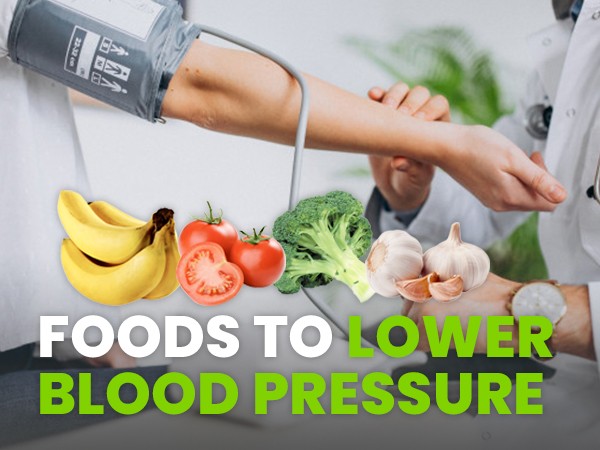
Latest list of foods that can lower blood pressure?

Latest list of foods that can lower blood pressure?

All individuals with high blood pressure, including those using blood pressure-lowering medication, are advised to maintain a heart-healthy diet. It may be especially beneficial to consume foods rich in minerals like magnesium and potassium.

High blood pressure, also known as hypertension, is the most prevalent risk factor for heart disease that may be avoided.

A person with high blood pressure is one who has a systolic blood pressure (SBP) reading of 130 mm Hg or higher. Also, a diastolic blood pressure (DBP) reading of more than 80 mm Hg, or both. High blood pressure affects more than 1 billion individuals worldwide.

Blood pressure medications, such as ACE inhibitors (angiotensin-converting enzyme) inhibitors, are frequently utilised. However, making dietary changes and other lifestyle adjustments can help lower blood pressure to healthy levels. It can also minimise your risk of developing heart disease.

For decreasing blood pressure and maintaining ideal levels, a balanced diet is crucial. According to research, consuming some foods in your diet, particularly those high in certain nutrients like potassium and magnesium, lowers your blood pressure.

Numerous studies have revealed that some foods help lower high blood pressure. We examine several foods that could be beneficial and how to eat them. Generally speaking, a serving is what the United States Department of Agriculture (USDA) defines as:

  • 1 cup of fruit or vegetables, either raw or cooked
  • 100% fruit juice in one cup
  • two cups of leafy salad greens, raw
  • a cup and a half of dry fruit

The USDA suggests eating about 2 cups of fruit and 3 cups of vegetables per day for most people, however this varies slightly by sex and age.

Citrus fruits

Citrus fruits, such as grapefruit, oranges, and lemons, may significantly reduce blood pressure. They include a wealth of vitamins, minerals, and plant chemicals that may help maintain the health of your heart. This decreases the risk factors for heart disease like high blood pressure.

A 5-month study including 101 Japanese women found a strong correlation between daily lemon juice consumption and walking and decreases in SBP. The result was attributable to the citric acid and flavonoid content of lemons.

Consuming orange and grapefruit juice has also been linked in studies to lower blood pressure. However, before including this fruit in your diet, speak with your doctor because grapefruit and grapefruit juice may interact with common blood pressure-lowering drugs.

Fatty seafood such as salmon

Omega-3 fats, which offer considerable advantages for heart health, are a good source in fatty fish. These fats may lower blood pressure by reducing inflammation and oxylipin levels, which are substances that constrict blood vessels.

Increased consumption of fatty fish rich in omega-3 has been associated in research to decrease blood pressure readings.

Those with the greatest blood levels of omega-3 fats had considerably lower SBP and DBP than those with the lowest levels of these fats, according to a study of 2,036 healthy individuals. A decreased risk of hypertension has also been linked to higher omega-3 intake.

Green leafy vegetables

The high nitrate content of leafy green vegetables helps control blood pressure.

Consuming at least 1 cup of green leafy vegetables each day may help lower blood pressure and lower the chance of developing cardiovascular disease, according to some study.

Leafy greens include, for instance:

  • cabbage
  • greens, collard
  • kale
  • dandelion greens
  • spinach
  • Swiss chard

Berries

Berries have a number of remarkable health advantages, including the potential to lower risk factors for heart disease like high blood pressure. Antioxidants, such as anthocyanins, the pigments that give berries their vivid colour, are abundant in berries.

Anthocyanins have been demonstrated to raise blood levels of nitric oxide and decrease the synthesis of blood vessel-restricting molecules, which may aid in lowering blood pressure. However, to corroborate these proposed pathways, more human study is required.

lentils and beans

Fiber, magnesium, and potassium are just a few of the minerals found in beans and lentils that help control blood pressure. Eating beans and lentils may help lower high blood pressure levels, according to numerous research.

In comparison to other diets, beans and lentils significantly lowered SBP and average blood pressure in persons with and without hypertension, according to an analysis of 8 trials including 554 participants.

Dark chocolate

Flavonoids, an antioxidant, are found in cacao, a component of dark chocolate. According to the AHA, flavonoids may assist in lowering blood pressure. It does point out that a person might not be able to eat enough flavonoids from dark chocolate for it to have appreciable advantages.

According to the AHA, a modest quantity of chocolate every so often can be a healthy addition to a diet. However, it suggests that people eat it for enjoyment rather than for health.

Kiwis

According to a 2015 study, eating kiwis on a regular basis may help control modestly elevated blood pressure.

For 8 weeks, people who had 3 kiwis daily exhibited a greater decrease in systolic and diastolic blood pressure than those who consumed 1 apple daily. The authors of the study speculate that this might be because of the bioactive compounds in kiwis.

Kiwis contain a lot of vitamin C. According to an earlier study, people’s blood pressure levels significantly decreased after taking 500 mg of vitamin C daily for roughly 8 weeks.

Oats

Oats include beta-glucan, a type of fibre that may be good for blood pressure and heart health.

Beta-glucan and avenanthramide C, both contained in oats, have been shown in a 2020 rodent study to lower levels of malondialdehyde, a sign of oxidative stress in hypertensive rats. These findings imply that components found in oats may help lower blood pressure and safeguard the heart in other ways.

Fermented food

Probiotics are good bacteria that are abundant in fermented foods and may help control blood pressure.

Researchers looked at information on 11,566 Korean people who are 50 years of age or older from 2020. The findings imply that menopausal women who consumed fermented soy foods had a lower incidence of hypertension. For men, it didn’t seem to be the case, though.

Experts recommend that people restrict their salt intake because it raises the risk of high blood pressure. Even though salt-fermented vegetables have a high sodium content, a 2017 study did not indicate that consuming them increased the risk of high blood pressure.

Organic yoghurt

Fermented dairy products include yoghurt. Data from individuals with and without high blood pressure were analysed in a 2021 study to see whether there was a connection between fermented dairy products and hypertension.

The participants with high blood pressure who ate more yoghurt had reduced systolic and arterial blood pressure compared to the non-participants.

Spices and herbs

Strong chemicals found in some herbs and spices may help blood arteries relax and lower blood pressure.

Animal and human studies have demonstrated the potential for a number of herbs and spices to lower blood pressure, including celery seed, cilantro, saffron, lemongrass, black cumin, ginseng, cinnamon, cardamom, sweet basil, and ginger.

Research suggests that including foods like leafy greens, berries, beans, lentils, seeds, fatty fish, citrus fruits, and carrots in your meals and snacks may help you achieve and keep your blood pressure readings at an ideal range.

Incorporating a couple of the foods suggested in this article into your diet may be beneficial if you have high blood pressure or want to maintain healthy blood pressure.

REFERENCES:

  • https://www.webmd.com/hypertension-high-blood-pressure/ss/slideshow-hypertension-low-bp-foods?
  • https://www.healthline.com/nutrition/foods-high-blood-pressure
  • https://www.medicalnewstoday.com/articles/322284
  • https://www.medicalnewstoday.com/articles/322284
  • https://khealth.com/learn/hypertension/foods-that-lower-blood-pressure/

For more details, kindly visit below.
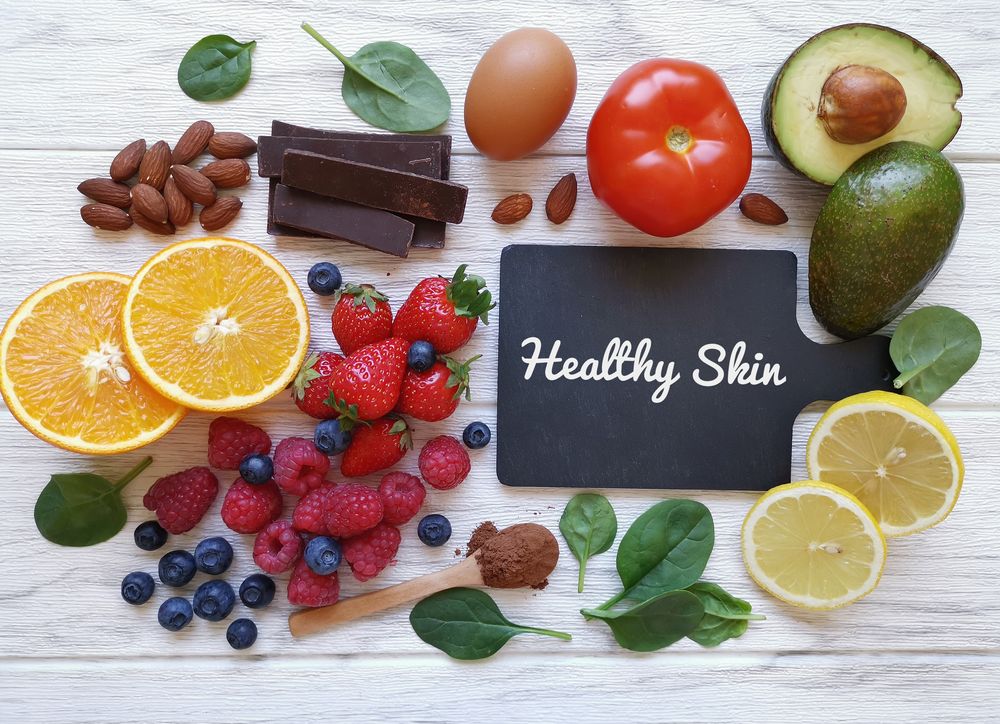
What are the foods that keeps healthy and supple skin?

What are the foods that keeps healthy and supple skin?

Numerous foods contain antioxidants, vitamins, and minerals that can assist to improve the health of your skin.

Studies reveal that plant-based diets can actually assist enhance skin elasticity and hydration since they are particularly rich in nutrients that support the skin, such as vegetables, fruits, nuts, seeds, and beans. They might possibly aid in lessening wrinkle visibility.

There isn’t a special superfood for healthy skin. Instead, what matters is your entire nutritional pattern. The greatest method to encourage healthy skin is to consume a diet high in plants and oily fish in moderation.

It is becoming more and more obvious that what you eat has a substantial impact on the health and ageing of your skin as scientists understand more about diet and the body.

What makes food good for your skin?

Vitamin C, vitamin E, beta-carotene, and polyphenols are a few elements found in plant-based meals that serve as antioxidants. These antioxidants maintain the structural support of the skin, lessen inflammation, and protect against oxidation. They also have a lot of beans, fruits, vegetables, coffee, and tea.

Polyunsaturated fats, found in foods like nuts, seeds, and fatty seafood, are essential for maintaining good skin. These fats, which comprise omega-3 and omega-6 fatty acids, may lessen inflammation, which could aid in the treatment of skin diseases like atopic dermatitis, psoriasis, and acne.

According to one study, eating a diet high in plant-based foods is linked to less face wrinkles, whereas eating a diet high in red meat and snack foods is linked to more facial wrinkles. Therefore, it makes sense to consume less ultra-processed foods and more plant-based foods.

The best foods and beverages for your skin

Fatty fish

Salmon, mackerel, and herring are all good sources of fat for maintaining healthy skin. They are abundant in omega-3 fatty acids, which are crucial for preserving the health of the skin.

Omega-3 fatty acids are essential for maintaining healthy, thick, supple skin. In actuality, a lack of omega-3 fatty acids can lead to dry skin. Since inflammation can result in redness and acne, fish’s omega-3 fats help to alleviate it. They may even lessen your skin’s sensitivity to UV rays from the sun.

According to some research, fish oil supplements may aid in the treatment of inflammatory and autoimmune skin disorders like lupus and psoriasis.

Avocados

Healthy fats are abundant in avocados. These fats help your body in various ways, including with skin health. It’s crucial to consume enough of these fats to maintain skin supple and hydrated. A high consumption of total fat, specifically the good fats found in avocados, was linked to more elastic, springy skin, according to a study involving over 700 women.

Additionally, preliminary research suggests that avocados contain substances that could help shield your skin from solar damage. Wrinkles and other ageing symptoms can be brought on by UV damage to your skin.

Vitamin E, a vital antioxidant that aids in preventing oxidative damage to your skin, is another crucial nutrient that can be found in abundance in avocados. The majority of Americans do not consume enough vitamin E.

Walnuts

Walnuts are a great food for healthy skin because of a variety of factors. They are a good source of vital fatty acids, which your body needs but cannot produce on its own.

In fact, they contain more omega-3 and omega-6 fatty acids than the majority of other nuts. An excessive intake of omega-6 fatty acids may encourage inflammation, including skin diseases like psoriasis.

Omega-3 fatty acids, on the other hand, reduce inflammation throughout your body, especially in your skin. Omega-3 fatty acid sources are few compared to omega-6 fatty acid sources in the Western diet.

Walnuts have a healthy balance of these fatty acids, which may assist them combat any potential inflammatory reactions to too much omega-6.

Sunflower seeds

Nutrients that are excellent for the skin can be found in abundance in nuts and seeds. Sunflower seeds are a great illustration.

Sunflower seeds include 5.5 grammes of protein, 49% of the daily value (DV) for vitamin E, 41% of the DV for selenium, and 14% of the DV for zinc in one ounce (28 grammes).

The sweet potato

A nutrient called beta carotene is present in plants. It performs as a provitamin A, which means your body can change it into vitamin A. Oranges and vegetables including spinach, carrots, and sweet potatoes contain beta carotene.

One half-cup (100 grammes) serving of baked sweet potatoes contains enough beta carotene to supply more than six times the DV for vitamin A, making them a great source. By serving as a natural sunblock, carotenoids like beta carotene aid in maintaining the health of your skin.

This antioxidant is absorbed into your skin after consumption and aids in shielding your skin’s cells from UV radiation. This may lessen the risk of skin cancer, cell death, and wrinkled, dry skin.

Yellow or red bell peppers

Bell peppers are a great source of beta carotene, which your body turns into vitamin A, just like sweet potatoes are. The amount of vitamin A in one cup (149 grammes) of finely chopped red bell pepper is equivalent to 156% of the DV.

Additionally, they are among the greatest sources of vitamin C. The production of the collagen protein, which maintains skin strong and firm, depends on this vitamin.

149 gram or one cup of bell peppers contain an astounding 211% of the daily value (DV) for vitamin C. Eating a lot of vitamin C was associated to a lower chance of developing wrinkles and dry skin as people age in a significant observational research involving women.

Broccoli

Zinc, vitamin A, and vitamin C are just a few of the vitamins and minerals abundant in broccoli that are crucial for healthy skin.

Additionally, it has lutein, a pigment that functions similarly to beta carotene. Lutein aids in preventing oxidative skin damage, which can lead to dryness and wrinkles in the skin. But sulforaphane, a unique substance found in broccoli florets, also packs a powerful potential punch. Even some varieties of skin cancer may be resistant to it’s effects.

Sulforaphane is also an effective solar damage preventative. It functions in two ways: by scavenging dangerous free radicals and activating additional defence mechanisms within your body.

Tomatoes

The main carotenoids, including lycopene, and vitamin C are all present in tomatoes. It has been demonstrated that beta carotene, lutein, and lycopene can shield your skin from UV damage. They might also aid in avoiding wrinkles.

Tomatoes are a great meal for preserving good skin since they are high in carotenoids. Think about combining foods like tomatoes that are high in carotenes with a source of fat, such cheese or olive oil. Your body absorbs more carotenoids if you are fat.

Soy

Isoflavones, a class of plant compounds found in soy, have the ability to either imitate or prevent the effects of oestrogen in your body. Your skin may benefit from isoflavones, among other regions of your body.

In a small research of middle-aged women, it was discovered that consuming soy isoflavones daily for 8–12 weeks decreased fine lines and increased skin suppleness. Soy may benefit postmenopausal women with skin dryness issues and may boost collagen production, which keeps skin strong and supple.

These isoflavones not only help to shield your body’s internal cells from harm but also your skin from UV radiation, which may lower your risk of developing some types of skin cancer.

Dark chocolate

Here’s one more justification, in case you needed it: On your skin, cocoa has some pretty amazing properties. Participants in one study reported fuller, more moisturised skin after taking an antioxidant-rich cocoa powder daily for 6–12 weeks.

Additionally, their skin had greater blood flow, which carries more nutrients to the skin, and was less scratchy and scaly, as well as less vulnerable to sunburn.

Another study discovered that consuming 20 grammes of high-antioxidant dark chocolate daily could increase your skin’s ability to withstand more than twice as much UV radiation before burning.

Similar outcomes, including changes in the appearance of wrinkles, have been seen in several other investigations. Keep in mind, nevertheless, that at least one study did not discover any appreciable effects.

Green tea

Your skin may benefit from green tea’s ability to prevent ageing and damage. Catechins, potent substances included in green tea, have been shown to benefit skin health in a number of ways. Green tea, like a number of other foods high in antioxidants, can help shield your skin from UV damage.

One 12-week study involving 60 women discovered that drinking green tea on a regular basis could cut sunburn redness by up to 25%. Additionally, green tea enhanced their skin’s elasticity, thickness, roughness, and moisture content.

Water

Without mentioning the advantages of staying well hydrated, no list regarding skin health would be complete.

A wise decision is to constantly drink lots of water. Since water makes up up to 64% of skin cells, it significantly affects the health and appearance of your skin. While a severe dehydration can cause dry skin, several research suggest that drinking enough water has favourable effects on typical skin physiology.

Above list does not contain all of the food that can help in improving skin health.

Your skin’s health can be dramatically impacted by what you consume. Make sure you’re receiving the necessary nutrients to keep your skin protected. The foods on this list are excellent choices for maintaining the strength, radiance, and health of your skin.

REFERENCES:

  • https://www.webmd.com/beauty/ss/slideshow-skin-foods?
  • https://www.healthline.com/nutrition/12-foods-for-healthy-skin
  • https://www.goodrx.com/well-being/diet-nutrition/foods-good-for-skin

For more details, kindly visit below.