Browsed by
Category: Women’s health

Does ovulating & menstruating women need more Progesterone?

Does ovulating & menstruating women need more Progesterone?

Progesterone
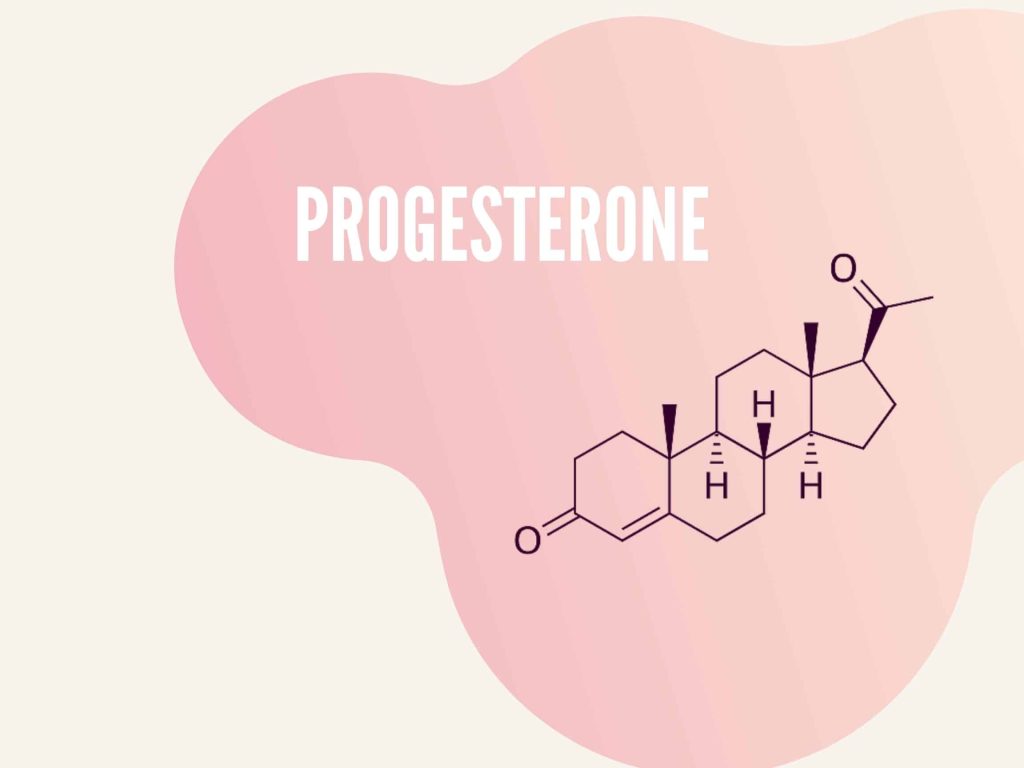
The menstrual cycle, pregnancy, and embryogenesis of humans and other species are all influenced by the endogenous steroid and progestogen hormone known as Progesterone. It is a member of the class of steroid hormones known as progestogens and is the primary progestogen in the body.

Estrogen is typically a component of hormone replacement treatment, which is used to alleviate menopause symptoms and lower the chance of contracting certain diseases. Estrogen can, however, also lead to an unnatural thickening of the uterine lining and raise the risk of uterine cancer.

The danger of getting uterine cancer is reduced and this thickening is prevented by progesterone. In women of reproductive age who have previously ceased menstruating after experiencing regular periods, progesterone is also used to induce menstruation (period).

There is no reliable scientific evidence to support the use of progesterone supplements or other over-the-counter medications for infertility, menopausal symptoms, or any other condition.

Progesterone levels in over-the-counter medications may differ from those listed on the label. FDA approval is not necessary for these goods. With a healthcare professional, go over the use of prescription progesterone products. Don’t mistake progesterone for pregnenolone or wild yam, either. They are not equivalent.

How to consume Progesterone?

Progesterone is available to us in an oral pill form. Typically, one dose is given in the evening or right before bed. Progesterone is typically used on a rotating regimen, which alternates 10–12 days of progesterone use with 16–18 days without the drug. When exactly to take progesterone will be specified by your doctor.

Take progesterone at roughly the same time every evening to help you remember to take it. Ask your doctor or pharmacist to explain any instructions on your prescription label that you are unsure about following. Progesterone should be taken as prescribed. Never take it in larger or less amounts or more frequently than directed by your doctor.

Side effects

Common side effects observed while medicating with progesterone are:

  • headache
  • muscle, joint, or bone pain
  • tiredness
  • problems urinating
  • mood swings
  • irritability
  • excessive worrying
  • sneezing
  • cough
  • vaginal discharge
  • runny nose
  • vomiting
  • diarrhea
  • constipation
  • breast tenderness or pain
  • upset stomach

Inform the doctor if any of these conditions persist or get worse. There are also some severe side effects which must be informed to the doctor right away if observed such as:

  • seizures
  • stomach pain or swelling
  • severe dizziness or faintness
  • slow or difficult speech
  • weakness or numbness of an arm or leg
  • sharp chest pain
  • coughing up blood
  • leg swelling or pain
  • depression
  • hives
  • skin rash
  • itching
  • difficulty breathing or swallowing
  • swelling of the face, throat, tongue, lips, eyes, hands, feet, ankles, or lower legs
  • breast lumps
  • migraine headache
  • loss of vision or blurred vision
  • bulging eyes

Other negative effects of progesterone are possible. If you experience any strange issues while taking this medicine, contact your doctor right away.

Precautions before using Progesterone

There are certain medical conditions or interaction of drugs in a human body in which intake of Progesterone must be limited or avoided in order to prevent complications, such as:

  • If you have any of the following allergies: peanuts, oral contraceptives (birth control pills), hormone replacement treatment, progesterone, or any other drugs, let your doctor and pharmacist know right once.
  • Please let your doctor know if you are taking any herbal supplements, especially St. John’s wort.
  • Inform your physician if you experience or have previously experienced any of the following: unexplained vaginal bleeding between periods; a miscarriage where some tissue was left in the uterus; cancer of the breasts or of the female reproductive organs; seizures; migraine headaches; asthma; diabetes; depression; blood clots in the legs, lungs, eyes, brain, or anywhere else in the body; stroke or ministroke; vision issues; or liver, kidney, heart, or gallbladder.
  • Inform your doctor if you are expecting, intend to get pregnant, or are nursing a baby. Call your doctor if you become pregnant while taking progesterone.
  • Inform your doctor or dentist that you are taking progesterone if you are having surgery, including dental surgery.
  • Progesterone may cause you to feel lightheaded or sleepy. Prior to understanding how this drug affects you, avoid using machinery or driving a car. Take your regular dose of progesterone at bedtime if it does cause you to feel woozy or sleepy.
  • Progesterone may make you feel faint when you stand up too rapidly from a resting position, which is something you should be aware of. When you first begin taking progesterone, this is more typical. Get out of bed gradually, resting your feet on the floor for a few minutes before standing up, to avoid this issue.

Progesterone need fo ovulatioin and menstruation

  • Lower progesterone before ovulation

Progesterone levels are low at the beginning of the menstrual cycle (during the period) and they stay low throughout the follicular phase.

  • Increased progesterone after ovulation

After ovulation, progesterone predominates among the hormones (the luteal phase). The area on the ovary where the follicle that housed the ovulated egg collapsed, known as the corpus luteum, produces progesterone. In the middle of the luteal phase, progesterone levels reach their highest. If conception is unsuccessful, the corpus luteum begins to degrade 9 to 10 days after ovulation, which lowers progesterone levels and signals the onset of the period.

REFERENCES:

For more details, kindly visit below.

Is Idrofos good for Osteoporosis in postmenopausal women?

Is Idrofos good for Osteoporosis in postmenopausal women?

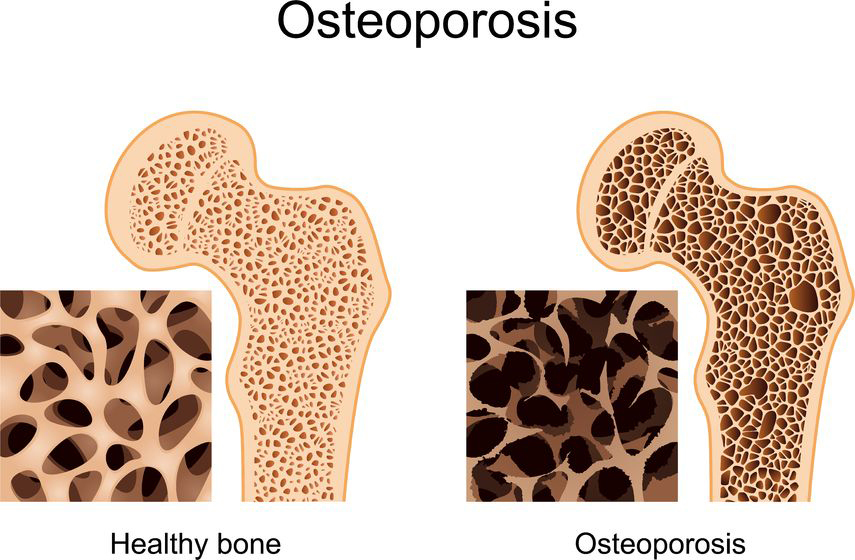
Osteoporosis

Osteoporosis makes bones weak and brittle, so fragile that even minor stressors like coughing or bending over can break them. The hip, wrist, and spine are the most typical sites for osteoporosis-related fractures.

The living tissue that makes up bones is continually being destroyed and rebuilt. When the production of new bone is inadequate to replace the loss of existing bone, osteoporosis develops.

Symptoms of Osteoporosis

Early on in the process of bone loss, there are often no symptoms. However, after osteoporosis has compromised your bones, you may experience the following signs and symptoms:

  • vertebral fracture or collapse resulting in back pain
  • height decline with time
  • a hunched position
  • bone that fractures far more easily than anticipated

Causes of Osteoporosis

New bone is created and old bone is broken down as your bones are constantly being renewed. Your bone mass increases when you’re young because your body produces new bone more quickly than it destroys old bone. The majority of people reach their peak bone mass by age 30 after this process slows down in their early 20s. Bone mass decreases more quickly with ageing than it is gained.

Your bone mass from your youth has a bearing on how likely you are to acquire osteoporosis. Peak bone mass varies by ethnic group and is partially hereditary. Your likelihood of developing osteoporosis as you age decreases in direct proportion to your peak bone mass. It is a measure of how much bone you have in the body.

Idrofos

Ibandronate is a medical drug available to us under the generic name Idrofos which belongs to a class of medication called Bisphosphonates. This medicine is used to treat a condition (Osteoporosis) in women where the bone gets thinner and week which could break more easily. This medicine is generally used in women who have reached a change in life i.e. end of menstrual period called menopause

How to use?

Ibandronate is available to us in a form of pill that must be taken by mouth before morning breakfast or as per your doctor’s prescription. It is usually taken once a month daily. The dosage and length of the treatment is based on your medical condition, response to the treatment and other medicine that you may be taking for the same or different reason.

Swallow the tablet whole rather than chewing or crushing it in your mouth as it may release all the drug in your mouth which increases the risk of side effects. Your doctor may start you with a low dose which will increase gradually. Do not increase your dose or take it more often than prescribed as this may also increase the risk of side effects without any improvement in your condition. Discuss all the other medicines that you might be taking along with Ibandronate for the same or different reasons. Follow the medical prescription carefully and inform your doctor in case of any exception or confusion.

Side effects

Common side effects observed while medicating with Ibandronate are diarrhea, pain in arms/legs, mild flu symptoms or upset stomach may occur. Inform your doctor if these conditions persist or get worse.

There are some serious side effects which must be informed to the doctor right away if observed such as increased or severe bone/joint/muscle pain, new or unusual hip/thigh/groin pain, jaw pain, vision changes, etc. 

There are also some severe allergic reactions involved with these medications which require immediate medical attention if observed such as rash, itching/swelling (especially of the face/tongue/throat), trouble breathing, severe dizziness, new/severe/worsening heartburn, chest pain, difficult or painful swallowing, severe stomach/abdominal pain, black/tarry stools, vomit that looks like coffee grounds, etc.

REFERENCES:

For more details, kindly visit below.
What is PCOS(Polycystic Ovary Syndrome)?

What is PCOS(Polycystic Ovary Syndrome)?

In women of reproductive age, polycystic ovary syndrome (PCOS) is a hormonal disorder. There may be infrequent or prolonged menstruation in women with PCOS, or an excess of male hormones (androgen). Numerous small collections of fluid (follicles) may develop in the ovaries and the eggs may not be regularly released.

With PCOS, women produce more male hormones than normal. Because of this hormone imbalance, they skip menstrual periods and are less likely to get pregnant.

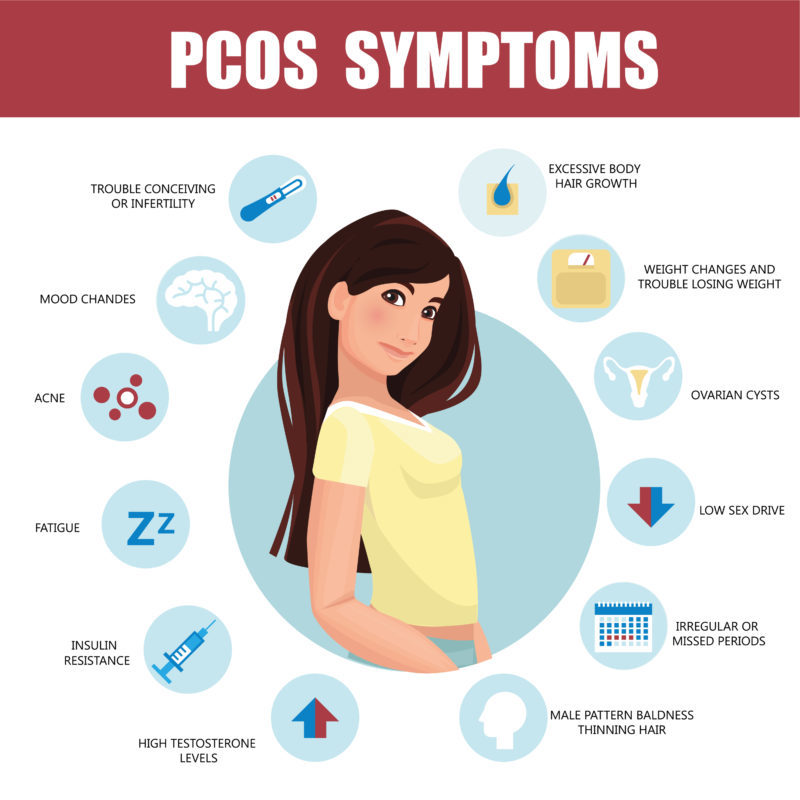
PCOS is a “syndrome,” or group of symptoms that affects the ovaries and ovulation. Its three main features are:

  • cysts in the ovaries
  • high levels of male hormones
  • irregular or skipped periods

Affect of Hormone on PCOS.

Your reproductive hormones are out of balance if you have PCOS. You may not have your period on time or not get it if this occurs.

You make hormones to make different things happen in your body. Menstrual cycles are affected by some, as well as your ability to have a baby. Some hormones that play a role in PCOS are:

  • Androgens: Men often call them male hormones, but women also have them. They tend to be more abundant in women with PCOS.
  • Insulin: This hormone regulates your blood sugar levels. With PCOS, your body may not react correctly to insulin.
  • Progesterone: You may not have enough of this hormone, as a result of PCOS. A period might not come for a long time or you might not be able to predict when it will come.

Are there any symptoms of PCOS?

Missed, irregular, infrequent, or prolonged periods are the most common symptoms of PCOS. In addition to causing hair loss, excess androgens can cause acne and hair growth in places you don’t want it. There are several other side effects such as:

  • Mood changes
  • Pelvic pain
  • Darkened skin or excess skin (skin tags) on the neck or in the armpits
  • Weight gain around your middle

What Are the Causes of PCOS?

As per studies and report, a health professional do not know all the reason of PCOS occurence in a female body. The disorder is generally genetical i.e. passed on from mother or sister. It might also be caused by problems with insulin production which will affect the ability of the ovaries to ovulate. The exact cause of PCOSof however unknown to anyone. All the possible factors are stated above.

Can PCOS be linked with any complications?

When you have PCOS and your androgen levels are too high, you have a higher risk of complications. Among these complications are:

  • Pregnancy problem: In some cases, ovarian cysts can interfere with ovulation. An egg is released each month from one of your ovaries. You can’t become pregnant if a healthy egg is not available to be fertilized by a sperm. Having PCOS may not prevent you from getting pregnant. To make it happen, you may have to take medicine and work with a fertility specialist.
  • Metabolic Syndrome: The presence of these symptoms increases the risk of cardiovascular disease. Symptoms include high triglycerides, low HDL (“good”) cholesterol, high blood pressure, and high blood sugar.
  • Insulin disorder and diabetes: A high level of insulin resistance may cause your body to make too many androgens. A person who has insulin resistance has trouble absorbing blood sugar from their muscles, organs, and other tissues. Thus, your bloodstream can become too sugary. Your heart and nervous system can be affected by this disease, which is called diabetes.
Hormonal alterations in PCOS and its influence on bone metabolism in:  Journal of Endocrinology Volume 232 Issue 2 (2017)

There could be other Complications associated with PCOS that include:

  • High risk of Uterine cancer
  • Inflammation of liver
  • Depression
  • Sleep disorder
  • Anxiety, etc.

REFERENCES:

For more details, kindly visit below.