Browsed by
Category: Heart disease

How metabolic syndrome may increase the risk of Gout?

How metabolic syndrome may increase the risk of Gout?

Obesity, type 2 diabetes, high cholesterol, and cardiovascular disease all seem to be more common in people with metabolic syndrome(MetS). This may make them more likely to develop in tandem.

The syndrome is a group of risk factors that have been linked to an elevated risk of acquiring additional disorders rather than a single, separate disease.
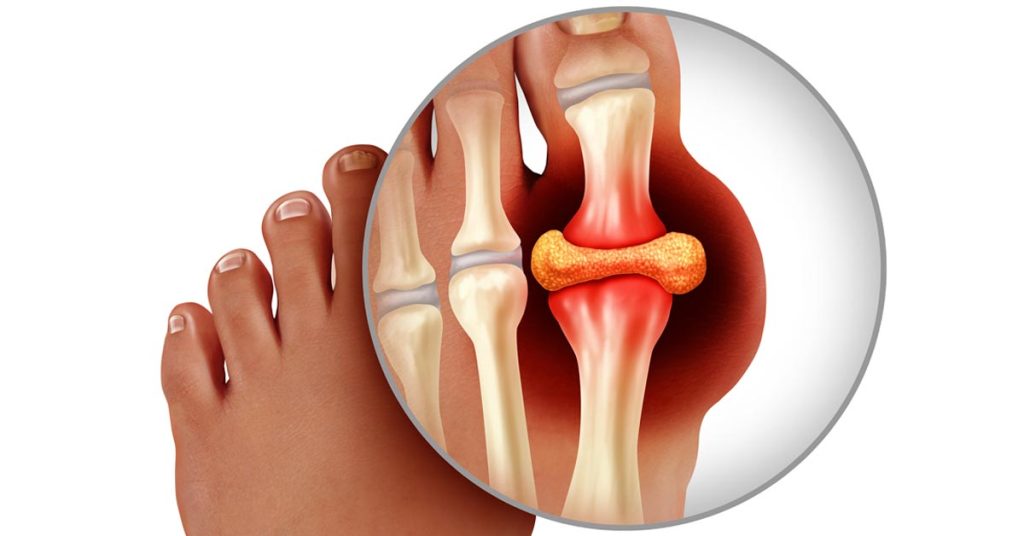
Metabolic syndrome have a higher risk of developing gout, according to research from the Sungkyunkwan University School of Medicine in South Korea. Its a kind of arthritis that causes pain and swelling in the joints.

A recent study as per the journal Arthritis & Rheumatology, examined over 1.3 million men between the ages of 20 and 39 who had health examinations. The relationship between modifications in the participants’ METs and the onset of gout was examined.

They identified those who had gout using a database of diagnoses. Also, they utilised a statistical model to examine the connection between changes in metabolic syndrome and the onset of gout.

They found that males with metabolic syndrome or those who developed MetS had a higher risk of developing gout. Men who had high triglyceride levels and abdominal obesity—two factors associated with MetS—were at a substantially higher risk.

What is metabolic syndrome (MetS)?

A clinician may suspect metabolic syndrome if a patient displays at least three of the following five signs and symptoms:

  • Specifically, a waist size of more than 40 inches for men and more than 35 inches for women is considered central, visceral, abdominal obesity.
  • 100 mg/dL or more for fasting blood sugar.
  • values of 130/85 mm/Hg or above for blood pressure.
  • Blood triglyceride values of 150 mg/dL or higher.
  • levels of high-density lipoprotein (HDL) cholesterol at or below 50 mg/dL for women and 40 mg/dL or less for men.

What is gout?

An extremely painful, inflammatory, and inflexible form of arthritis known as gout causes the joints to become stiff.

The metatarsophalangeal joint, which is situated at the base of the big toe, is typically affected. An excessive buildup of uric acid in the body is the source of the disorder.

Researchers find

18,473 males in the recent study experienced gout. Compared to people having MetS, people having metabolic syndrome had a nearly four-fold increased risk of developing gout.

The researchers also noted that a participant’s probability of developing gout quadrupled if they had MetS. Yet, the likelihood of developing gout was practically cut in half for those who recovered from MetS.

High triglyceride levels and abdominal obesity were found to have the highest associations with gout risk. This is as per reports of metS factors.

Comparison was made for those in their 20s, 30s, and those who were underweight or had a normal weight. People with underweight were more likely to experience a connection between changes in MetS and gout.

This is the first extensive study to look at the relationship between alterations in the metabolic syndrome and the risk of gout. According to the study, young persons’ chance of developing gout can be greatly decreased by avoiding MetS or recovering from it.

Reports as per studies

Recent epidemiologic studies have revealed that, when compared to controls, those with hyperuricemia and gout had a higher prevalence of the metabolic syndrome.

In a cross-sectional research of 21,544 participants who completed work-related health examinations, those with serum urate levels 9 mg/dL had about a five-fold greater chance of developing metabolic syndrome. This is compared to those with serum urate levels 7 mg/dL.

Ford et al used data from the National Health and Nutrition Examination Surveys (NHANES) from 1999 to 2002. They conducted a cross-sectional analysis of 1370 children and adolescents to ascertain the relationship between serum urate and metabolic syndrome.

In the lowest to highest quartiles of serum urate, risk of metabolic syndrome was 1.0%, 3.7%, 10.3%, and 21.1%, respectively. The top quartile of urate had a roughly 15-fold higher risk of metabolic syndrome than the lowest two quartiles.

When comparing data from 1988-1994 to 1999-2006, NHANES also revealed that the prevalence of gout and metabolic syndrome were rising continuously and at comparable rates.

Rashad Barsoum, MD, FRCP, FRCPE, emeritus professor of medicine at Cairo University, and Rheumatology Advisor talked about the epidemiologic link between gout and metabolic syndrome. It is still disputed whether hyperuricemia is a surrogate marker or a confounding risk factor, but the statistical correlation does not suggest causality, he says, despite the significant evidence linking it to the metabolic syndrome.

Action to reduce risks

The findings of this study, according to Mitchell, “should at the very least act as a wake-up call for the children. Diabetes and hypertension are no longer considered “diseases of the elderly.”

“Gout is merely one of the numerous additional hazards that come with these chronic illnesses. In addition to lowering quality of life, early onset of these diseases may also shorten lifespans. This is over the next few decades, according to the expert.

To “promote the findings of this study to the general public and build a gout prevention programme,” Trinh made a number of recommendations, stating that the following actions may be taken:

Make educational materials that describe the connection between MetS and gout, such as pamphlets, posters, and infographics. Also, the information in these materials must to cover lifestyle modifications for managing MetS.

Join up with medical professionals including primary care doctors and endocrinologists to promote gout prevention strategies and share information about the study’s findings.

Use social media: Share information about the study’s findings and encourage healthy lifestyle choices. By using social media sites like Facebook, Twitter, and Instagram, this can be done.

To inform those who have MetS about the connection between the condition and gout and to offer advice on how to treat it with lifestyle changes, hold workshops or webinars for them.

To promote gout prevention practises to a larger audience, work with neighbourhood organisations like wellness centres or municipal health agencies.

REFERENCES:

  • https://www.medicalnewstoday.com/articles/gout-combining-2-existing-drugs-doubles-treatment-success-in-new-study
  • https://www.rheumatologynetwork.com/view/rheumatoid-arthritis-year-in-review-2022
  • https://www.rheumatologyadvisor.com/home/topics/gout/examining-the-connection-between-gout-and-metabolic-syndrome/
  • https://rheumatology.medicinematters.com/gout/cardiovascular-disease/metabolic-syndrome-gout-risk/23767656

For more details, kindly visit below.

Can Insomnia Increases the Risk of Heart Attack?

Can Insomnia Increases the Risk of Heart Attack?

Not only is getting enough sleep crucial for your energy levels, but also for the health of your heart. Discover the link between heart health and sleep.

Sleep is not an indulgence. It is essential for health. Your body can mend itself while you sleep. Also, getting adequate restful sleep enables you to go about your day properly.

Sleep gives the body the chance to recover and replenish, and it is crucial for almost every element of physical health. Insufficient or interrupted sleep can increase the risk of cardiovascular conditions such heart disease, heart attacks, diabetes, and stroke. It can also affect blood pressure and increase the likelihood of heart attacks.

As a result, getting enough sleep can contribute to living a heart-healthy lifestyle. Also, for those with heart issues and may help prevent harm to the cardiovascular system in healthy individuals.

How much sleep do I need?

Adults typically require at least 7 hours of sleep per night. 1 The majority of American adults—more than 1 in 3—state that they don’t receive the necessary amount of sleep. 2 While this could be alright for a day or two, chronic sleep deprivation can cause serious health issues and exacerbate some already existing conditions.

Health conditions linked to lack of sleep

People who sleep for fewer than 7 hours a night are more likely to report having health issues, such as asthma attacks, heart attacks, and depression. The risk of heart disease, heart attacks, and stroke is increased by certain of these medical conditions. These health issues consist of:

  • Elevated blood pressure. Your blood pressure lowers when you are sleeping normally. Your blood pressure will be higher for a longer time if you have sleep issues. One of the major dangers for heart disease and stroke is high blood pressure. One in three individuals in America, or 75 million people, have excessive blood pressure.
  • Diabetes type 2. Diabetes is a condition that can harm your blood vessels because it causes blood sugar levels to rise. According to several research, having adequate restful sleep may enhance people’s ability to control their blood sugar.
  • Obesity. Unhealthy weight gain might be a result of sleep deprivation. Children and teenagers need more sleep than adults do, therefore this is particularly true for them. Lack of sleep may have an impact on the area of the brain that manages hunger.

How Sleep Deprivation Affect Heart Health?

There is strong evidence that sleep disorders, such as sleep deprivation and fragmented sleep, are harmful to heart health.

The body needs time to rest in order to heal itself. The non-rapid eye movement (NREM) sleep stages are characterised by a slowed heart rate, decreased blood pressure, and stable breathing. These modifications lessen the heart’s workload, allowing it to recover from the strain it experiences while awake.

Without enough sleep each night, a person doesn’t spend enough time in the deep NREM sleep stages that are good for the heart. Those who experience frequent interruptions to their sleep may experience the same issue.

Chronic sleep loss has been associated with a variety of cardiac issues, including high blood pressure, high cholesterol, heart attacks, obesity, diabetes, and stroke.

Blood pressure during sleep

Blood pressure decreases by about 10% to 20% when you sleep normally and healthily. Research has shown that this practise, known as nocturnal dipping, is important for cardiovascular health.

Poor sleep is linked to non-dipping, which is when a person’s blood pressure doesn’t drop at night due to lack of sleep or sleep interruptions. According to studies, having high nocturnal blood pressure is associated with generalised hypertension (high blood pressure).

In fact, studies have shown that high blood pressure during the night is much more indicative of heart issues than high blood pressure during the day. Non-dipping has been linked to an increased risk of heart attack and stroke. Reduced blood supply to the brain and kidney issues have also been connected to it.

Many studies have shown that sleep loss has the effect of raising daytime blood pressure, however not everyone is affected equally. In middle-aged people, the connection between sleep deprivation and high blood pressure is strongest. Individuals who have other hypertension risk factors, work long hours in stressful occupations, or have chronically poor sleep patterns are more likely to have elevated blood pressure.

Coronary Heart Disease and Sleep

The most common cause of death in the US is coronary heart disease. It is sometimes referred to as coronary artery disease and occurs when atherosclerotic atherosclerosis, or plaque buildup in the arteries, causes them to harden and narrow. The heart’s capacity to receive enough blood and oxygen is decreased as a result.

Lack of sleep has been linked to atherosclerosis, according to research. White blood cells, which are produced by the immune system and accumulate in the arteries as a result of inflammation, lead to the formation of plaque. Chronic inflammation is sparked by a lack of sleep, and this chronic inflammation makes the arteries harder and leads to plaque buildup.

It is also thought that the effects of sleep on blood pressure affect how sleep loss affects coronary heart disease. The arteries are strained by hypertension, which reduces their ability to carry blood to the heart and makes heart disease more likely.

Heart failure and sleep

Heart failure occurs when there is insufficient blood flow from the heart to provide the body with the oxygen and blood it requires to function. Strong correlations between sleep issues and heart failure were observed in an observational research including more than 400,000 persons.

People in that study had a higher chance of developing heart failure if they slept for fewer than seven hours per night. Heart failure was also more prevalent in individuals who had other signs of poor sleep, such as symptoms of insomnia, daytime sleepiness, snoring, and an evening personality. One’s risk of developing heart failure increases with the number of these symptoms of poor sleep they experience.

A Heart Attack and Sleep

When the blood supply to the heart is cut off, a heart attack—also referred to as a myocardial infarction—occurs. Due to the harm that results from the heart not receiving enough oxygen, heart attacks are sometimes fatal.

Lack of sleep increases the risk of heart attacks. According to one study, those who slept for fewer than six hours per night had a 20% increased risk of having a heart attack. NREM sleep aids the heart in slowing down and recovering, whereas REM sleep is more stressful and active. The balance of these stages can get off if you don’t get enough sleep, which raises your risk of having a heart attack.

Heart attacks may occur if sleep disturbances occur, according to some research. Frequent sleep disturbances can create cardiac stress and may result in a heart attack because both heart rate and blood pressure might suddenly jump upon awakening.

Stroke and sleep

A stroke occurs when the brain’s blood supply is interrupted, depriving brain cells of oxygen and resulting in cell death. Ischemic strokes happen when an artery is blocked by a blood clot or plaque. A mini-stroke, also known as a transient ischemic attack (TIA), merely includes a momentary blockage.

Lack of sleep has been linked in studies to a higher chance of suffering a stroke. Lack of sleep raises blood pressure, and high blood pressure is thought to be the main contributor to stroke risk. Insufficient sleep may also make it simpler for blockages to happen and result in mini-strokes or strokes by promoting the building of plaque in the arteries.

Sleep and Heart Rate

The heart rate normally decreases throughout NREM sleep stages and then increases as you get ready to wake up.

A poor night’s sleep, particularly sudden awakenings, can cause a sudden increase in heart rate. According to research, those who have trouble sleeping are more prone to experience irregular heartbeats. These factors suggest that sleep deprivation and heart palpitations may be related.

Also, a research of senior citizens revealed that those who frequently experience nightmares are far more likely to report having an abnormal pulse. When a person’s sleep is disrupted by a nightmare, their heart rate may rise, and they may awaken feeling as though their heart is racing.

Chest Pain and Sleep

There are several causes of chest pain. Angina is a type of chest pain brought on by inadequate blood flow via blood arteries. Heart problems are unrelated to non-cardiac chest pain, such as heartburn or a muscle injury.

Studies have found a link between sleep deprivation and chest discomfort, and they also show that when sleep is disrupted, a fast rise in blood pressure and heart rate can result in angina.

Even non-cardiac chest pain may be related to sleep. Sleep disturbances are a common symptom of heartburn and acid reflux, which may increase the likelihood that these people will experience chest pain in the middle of the night.

Undiagnosed chest discomfort and poor sleep have also been linked in numerous studies. High incidence of symptoms like sleeplessness are present in those with persistent, unexplained chest discomfort. This connection may be related to stress and anxiety, including panic attacks, which are emotional responses that may be more frequent in persons with poor sleep, however its exact nature is unknown.

REFERENCES:

For more details, kindly isit below.

How can consuming eggs protect the heart?

How can consuming eggs protect the heart?

A few eggs each day are usually okay for most people. However for some groups, the sum might be different.

Popular and incredibly healthy, eggs are a nutritional source of protein, fat, vitamins, minerals, and antioxidants. Many people consume eggs frequently, if not daily, in regions of the world. As they are economical and conveniently accessible.

You might have heard at some time that eating eggs raises your risk of developing heart disease, which is the top cause of mortality worldwide. This myth has been spread for many years by medical and nutrition associations as well as health official. This has caused some people to avoid eating eggs.

Without a doubt, eggs contain more cholesterol than many other foods. They do, however, also contain a wealth of advantageous bioactive substances and other disease-preventing elements. According to the study, eating one to three eggs each week reduces cardiovascular disease risk by 60%.

In fact, the study discovered that people who consume four to seven eggs a week have a 75% decreased risk of acquiring cardiovascular disease. However, sociodemographic, lifestyle, and clinical characteristics was taken into account. They only discovered a protective impact for consuming one to three eggs each week. The authors came to the conclusion that eating eggs may have a preventive effect against cardiovascular disease.

Do eggs raise cholesterol levels?

Egg consumption may not increase your risk of heart disease or its risk factors, such as inflammation, artery stiffness, and elevated cholesterol levels. Reported by recent observational studies and meta-analyses.

Similar results are noted in a few randomised controlled trials (RCTs). They are regarded as the gold standard of scientific research due to their capacity to minimise bias.

For instance, a small RCT discovered that consuming 2 eggs or a 1/2 cup (118 mL) of liquid eggs for breakfast had no appreciable impact on blood cholesterol levels when compared to a high-carb, egg-free breakfast.

Eating 6 to 12 eggs per week did not have a negative impact on total blood cholesterol levels or risk factors for heart disease, according to RCTs in adults with diabetes. Instead, high density lipoprotein (HDL) cholesterol was elevated.

Good cholesterol is referred to as HDL. Higher HDL levels are good because they eliminate other forms of cholesterol from the blood. Low density lipoprotein(LDL) cholesterol is referred to as the bad cholesterol since it increases your chance of developing heart disease.

Overall, there are still questions regarding the precise way that eggs affect cholesterol and risk of heart disease and death. Further human research are required, most experts agree, in order to better answer these queries.

How many eggs is it safe to eat per day?

It’s becoming more and more obvious that different people are at different risk when it comes to eating too many eggs. However, we continue to understand more about how eggs interact with cholesterol and chronic diseases.

The number of eggs you can consume safely each day depends on a number of variables. This includes your genetics, family history, egg preparatrion, your general diet, and even where you reside.

Furthermore take into account the total quantity of cholesterol in your diet from sources other than eggs. You might have more place for eggs in your diet if it has a reasonably low cholesterol content. Nonetheless, it could be better to reduce your egg consumption if your diet is higher in cholesterol.

Some study indicates that 1-2 eggs per day can be safe for a healthy adult with normal cholesterol levels. Also, no substantial underlying heart disease risk factors is recorded. It might even be advantageous to your heart health and be healthy.

According to a research, eating up to three eggs per day increased LDL and HDL levels and LDL-to-HDL ratio. Nonetheless, experts may be hesitant to advise eating more than two eggs every day, with many still advising sticking to one.

Eating 2–7 eggs per week helped maintain high HDL cholesterol levels and decreased the risk of metabolic syndrome, according to a study on Korean people. A daily egg intake of two or more did not, however, provide the same level of protection.

Metabolic syndrome include weight increase around the midsection, high blood pressure, high blood sugar, and high blood fat levels. They work together to raise the risk of chronic illnesses like diabetes and heart disease.

Are eggs good for heart health?

Health, in Dr. Zivkovic’s opinion, is dependent on one’s overall diet rather than just a few specific foods.

Can eggs be a component of a heart-healthy diet that is consistent with heart disease prevention? Completely. Do they represent the best option for everyone? No.”

It is accurate to say that eggs are a good source of selenium, vitamin B12, and vitamin B2, all of which are cardioprotective, according to Routhenstein. She continued by saying that the vitamin B2 and B12 they contain can aid in bringing homocysteine levels back to normal, as high levels can contribute to artery plaques. The selenium in eggs, according to Routhenstein, also aids in preventing oxidative stress, a major factor in heart disease.

However, according to Dr. Zivkovic, interventional studies have shown that eggs “do not increase total cholesterol, and can, in fact, boost the cholesterol efflux capacity of HDL [cholesterol] particles.”

But for some people who are at risk for heart disease, the high cholesterol and choline content of eggs may be an issue, according to Routhenstein. So, while eggs may be allowed in a heart-healthy diet, the intake should be kept to a minimum. To reduce risk as much as possible, the entire diet should be examined.

Risk could vary for different groups

It’s crucial to remember that some evidence still suggests that eating a few eggs a day is unsafe for the majority of healthy adults, especially for certain demographics.

One study found a marginally increased risk of heart attacks among nearly 200,000 US veterans who ate just 1 egg daily. The effect was greater in people who were overweight or diabetic, indicating that general health state affects the number of eggs that are safe to consume.

Similarly, eating 2-4 eggs per week may significantly increase dietary cholesterol intake in adults from Europe and Korea and raise risk of heart disease, particularly in those with diabetes.

Using a sample of more than 100,000 U.S. adults, another study discovered that older persons who consumed more than 5–6 eggs per week had a 30% higher chance of developing heart disease. Yet, there is no assurance that the elevated risk is brought on by eggs alone.

Regardless of egg consumption, the risk of heart disease rises with age because of factors including fat accumulation and artery hardening. Hence, while determining how many eggs are acceptable to consume, it’s necessary to take your general situation and health status into account.

If you have high levels of LDL cholesterol, are overweight or obese, suffer from a chronic illness like diabetes, or have a family history of heart disease, it may be better to limit your egg consumption to one 1 per day to 4-5 per week.

It can be challenging to independently assess so many diverse risk variables. So, the best approach to determine how many eggs are safe to consume each day or week may be to consult with a doctor, dietician, or other qualified healthcare expert directly.

Is better to eat only egg whites?

One big egg typically has 200 mg of cholesterol. In the yolk, the cholesterol is concentrated. As a result, some individuals consume only egg whites in order to consume less cholesterol while still obtaining an excellent supply of lean protein.

Despite the yolk’s high cholesterol level, you shouldn’t completely ignore it. The egg’s yolk is also the component that is rich in iron, vitamin D, carotenoids, and other nutrients.

Several of the health-promoting properties of eggs, including decreased inflammation, elevated HDL cholesterol levels, and enhanced metabolic health, are assumed to be a result of these bioactive substances.

Health benefits of eggs

Eggs are inexpensive, adaptable, a fantastic source of lean protein, and simple to make. In addition, they provide numerous health advantages that go beyond the discussion of their cholesterol content. Eggs are particularly:

  • Rich in minerals and vitamins. especially the B vitamins, selenium, and choline.
  • Abundant in antioxidants. Antioxidants aid in defending the cells in your body against the harm wrought by free radicals and their connected chronic illnesses, such as cancer and heart disease.
  • Believed to enhance several heart disease biomarkers. They include inflammatory indicators like interleukin-6 and C-reactive protein levels in the blood.
  • Filling and could support weight loss. Eggs may be more satisfying than breakfast foods high in carbohydrates, such as cereal, because they include a lot of lean protein. This may help you feel fuller for longer and consume less calories throughout the day.

Finally, there are numerous tasty methods to prepare eggs. They go well with breakfast burritos, frittatas, and omelettes that are loaded with vegetables. They can also be cooked by just boiling, frying, or poaching. Or you can add them to shakshuka, stir-fries, sauces, baked products, salad dressings, and more.

The only restrictions on egg preparation are those imposed by your creativity and palate.

REFERENCES:

  • https://www.medicalnewstoday.com/articles/cardiovascular-disease-eating-eggs-weekly-lower-risk
  • https://www.healthline.com/nutrition/how-many-eggs-should-you-eat
  • https://medicaldialogues.in/mdtv/cardiology/videos/can-eating-1-3-eggs-per-week-help-protect-the-heart-106965
  • https://www.bhf.org.uk/informationsupport/heart-matters-magazine/news/behind-the-headlines/eggs-and-heart-disease
  • https://scitechdaily.com/how-eating-eggs-can-protect-against-heart-disease-and-improve-heart-health/

For more details, kindly visit below.

Lets explore the myths about heart attack.

Lets explore the myths about heart attack.

Several misconceptions exist regarding both cardiac failure and atrial fibrillation (AFib). Even their names can be unclear to you. Yet, you can manage either heart failure or AFib with treatment and still live a full life.

Heart failure affects 6.2 million adults in the United States. You might believe you are an expert in heart failure given how widespread it is, but let’s test your knowledge. It’s time to dispel the top five heart failure myths and misconceptions I encounter.

We’ve learned a lot about what causes heart attacks and how to avoid them during the past ten years. Yet if you don’t actively follow medical news, there’s a chance you can have misconceptions about heart disease’s risk factors or actual symptoms. Here are some widely held, false beliefs. You will have the knowledge you need to set the best course for a healthy heart with your doctor if you can replace these beliefs with facts.

MYTH 1: Those with heart problems should avoid strenuous activity.

“Being sedentary is unwise for the great majority of persons with heart disease. It may result in blood clots in the legs and a deterioration of general health “Dr. Richard T. Lee, a cardiologist and co-chief editor of the Harvard Heart Letter, adds. The heart muscle is strengthened by exercise, the blood supply to the brain and internal organs is improved, and overall health and wellbeing are enhanced.

What you can do: See your doctor about the best type and quantity of exercise for you. Most people are able to walk, and doing so regularly is excellent for your heart.

MYTH 2: You can eat anything if you take a medication to decrease your cholesterol.

There are two sources of cholesterol in the bloodstream: some is produced by the liver and some is obtained from particular foods. The amount of cholesterol produced by the liver is decreased with statins.

As a result, your blood cholesterol levels fall, resulting in less cholesterol being deposited in your arteries. If you take a statin and continue to consume meals high in saturated fat and cholesterol. The medication will not work as well as it should, and your cholesterol level may even increase.

MYTH 3: Having greater blood pressure as you age is acceptable.

Age-related increases in blood pressure are common, but just because they are “normal” doesn’t mean they are healthy for you. Age-related stiffening of arterial walls is the cause. The heart must pump harder due to stiff arteries. The result is a vicious circle.

With time, the artery walls become damaged from blood pounding against them. When the heart muscle is overused, it loses efficiency and must work more to pump blood to the body. The arteries are further harmed by this, and fat is encouraged to enter the artery walls. This is how having high blood pressure raises the possibility of having a heart attack or stroke.

MYTH 4: If you take diabetes medicine, you won’t develop heart disease.

Medication for diabetes lowers blood sugar levels. Microvascular problems (complications affecting the smaller blood vessels), such as renal disease, eyesight loss, erectile dysfunction, and nerve damage, can be avoided by maintaining normal blood sugar levels.

Yet, the big blood arteries that develop inflammation and illness and raise the risk of heart attack and stroke are less affected by blood sugar regulation. According to Dr. Alan Malabanan, a diabetes specialist at the Brigham and Women’s Hospital, which is connected with Harvard, “These vessels benefit more from decreasing cholesterol and blood pressure.”

Take your diabetic medication as prescribed to avoid microvascular problems. Do everything you can to reduce your blood pressure and high cholesterol, give up smoking, and lose any additional weight. Your risk of heart disease and stroke will decrease as a result of these actions.

MYTH 5: By taking vitamins and supplements, you can reduce your risk of developing heart disease.

Reduced risk of heart disease is attributed to the antioxidant vitamins E, C, and beta carotene. Clinical studies on the use of these vitamins as supplements, though, either failed to demonstrate a benefit or were carried out in such a way that no conclusions could be made. According to the American Heart Association, there is no scientific support for the use of these vitamins to treat or prevent cardiovascular disease.

What you can do: The body absorbs and uses vitamins and minerals best when they are obtained from foods, for unknown reasons. Avoid store-bought supplements and consume a wide range of nutritious meals of every type to guarantee you obtain the vitamins and minerals you require.

MYTH 6: Quitting smoking won’t lower your risk of heart disease if you’ve smoked for a long time.

No matter your age, how long you’ve smoked, or how many cigarettes a day you’ve smoked, the advantages of quitting begin the moment you do. Your chance of having a heart attack will be 50% lower one year after quitting, and will be the same as it would have been if you had never smoked after ten years.

What you can do is get assistance to stop smoking. To successfully quit smoking, many people use stop smoking aids like nicotine patches, gum, or medications.

MYTH 7: Heart disease primarily affects men.

Since 1984, heart disease has been the leading cause of death for more women than men. Similar to how heart disease is the number one killer of males, it is the top cause of death for women over 65.

What you can do: Regardless of whether you are a man or a woman, request that your physician perform a baseline heart checkup that involves measuring your blood pressure and cholesterol.

MYTH 8: You should consume as little fat as you can if you have heart disease.

It is true that you should consume a diet low in trans, partly hydrogenated, and saturated fats. Yet, some types of fat, especially the unsaturated fats found in vegetable oils and other foods, are advantageous. In actuality, consuming salmon and other fish strong in omega-3 fatty acids twice a week helps reduce the risk of heart disease.

What you can do: Incorporate fatty fish, almonds, olive oil, and low-fat dairy items in your diet. If you consume meat, be sure the cuts are lean and take the skin off of any fowl you consume.

MYTH 9: A little heart attack is of no great concern.

“Your heart’s ability to operate normally can recover from a little heart attack. Even so, it can go unnoticed. The fact that you have significant heart disease and that your next heart attack could be fatal is a major warning flag, however “Dr. Lee notes.

What you can do: Reduce your risk of heart attack by maintaining a healthy weight, cholesterol level, and blood pressure, quitting smoking, and visiting your doctor frequently to check for any changes in risk factors.

MYTH 10: Bypass surgery or angioplasty and stenting “repair” your heart.

Chest pain (angina) can be effectively treated with angioplasty and bypass surgery, which also enhances quality of life. Yet, they do not stop atherosclerosis, the underlying illness. Without addressing the factors that cause atherosclerosis, fatty plaque will continue to build up in the arteries, which could result in a recurrence of angina or, worse, a heart attack or stroke.

What you can do: After angioplasty or bypass surgery, it’s critical to address the issues that necessitated the procedure, such as high blood pressure or cholesterol, a poor diet, smoking, or inactivity.

REFERENCES:

  • https://www.health.harvard.edu/heart-health/10-myths-about-heart-disease
  • https://www.heartfailurematters.org/understanding-heart-failure/myths-and-facts-about-heart-failure/
  • https://scrubbing.in/5-common-myths-about-heart-failure/
  • https://www.webmd.com/heart-disease/heart-failure/myths-heart-failure-afib

For more details, kindly visit below.
Latest way for an individual to prevent stroke.

Latest way for an individual to prevent stroke.

Certain stroke risk factors are uncontrollable. But, there are other risk factors that you may change, including as your blood pressure, cholesterol, and many aspects of your lifestyle.

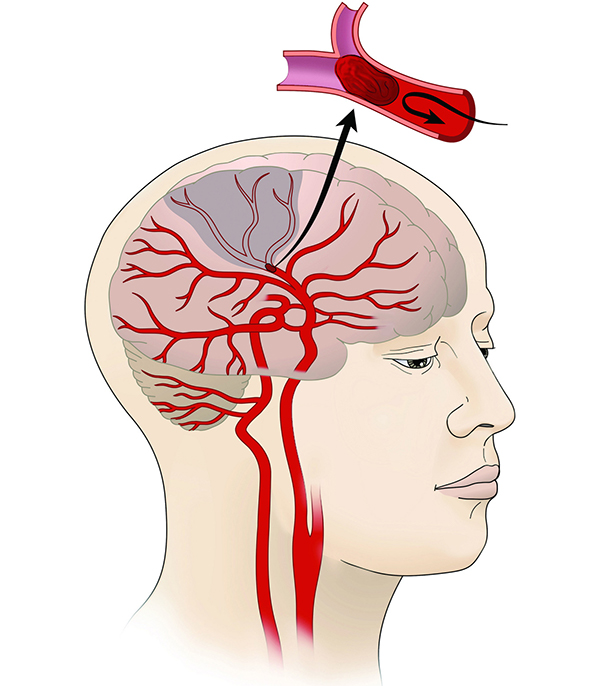
When a blood vessel that supplies the brain with blood and oxygen becomes clogged or disrupted, a stroke occurs. Brain cells can start to deteriorate if they don’t receive enough blood and oxygen.

In the US, stroke is the main factor in adult long-term disability. It’s also the fifth greatest cause of death. You can, however, take precautions to lessen your risk of having a stroke.

There are two main categories for strokes:

  • Ischemic stroke: When a blood clot forms or enters a blood vessel, an ischemic stroke happens. It prevents the brain from receiving oxygen and blood. This group includes around 80% of strokes.
  • Hemorrhagic stroke: When a blood vessel inside or close to the brain bursts, it causes a hemorrhagic stroke.

Another term you may be familiar with is a transient ischemic attack (TIA). It’s sometimes referred to as a “mini stroke,” and it occurs when blood flow to a portion of the brain is momentarily interrupted. The majority of TIA symptoms go away within 24 hours, however seeking medical assistance is still crucial.

Steps to lower your risk of a stroke

There are two types of risk factors for stroke: those you can manage and those you can’t.

Among the unavoidable risk factors are:

  • genetic influences (such as a family history of certain diseases or conditions that increase the risk for stroke)
  • gender (stroke is more common in men until age 80; women have a higher lifetime risk) 
  • age (the older you are, the bigger the danger) (the older you are, the greater the risk)
  • ethnicity (Black Americans are more prone to get a stroke)

Yet, many of the risk factors for stroke can be managed, or at least positively impacted, to lower your risks. Changing key aspects of your lifestyle and receiving appropriate medical care can both reduce your risk.

Control your blood pressure

A significant risk factor for stroke is high blood pressure, or hypertension. In fact, high blood pressure is a significant contributing factor in 90% of all strokes. Your risk of stroke increases with increasing blood pressure.

The recommended blood pressure is 120/80 millimetres of mercury (mm Hg). Even a little bit higher blood pressure readings are associated with an increased risk of stroke.

Age doesn’t make blood pressure control any simpler. In fact, 2/3 of persons are classified hypertensive by the age of 65.

Losing weight, engaging in regular exercise, and cutting back on salt consumption all contribute to good blood pressure regulation. In order to lower their blood pressure and lessen the strain on their blood vessels, some patients may also need to take prescription drugs.

According to estimates, maintaining healthy blood pressure can prevent roughly 40% of all strokes.

Manage blood sugar

Stroke risk is significantly increased by diabetes. In fact, stroke causes 20% or more of deaths in adults with diabetes, and prediabetes also increases the risk of stroke.

Diabetes is closely related to other health issues like high blood pressure, obesity, and high cholesterol that raise the risk of stroke.

Stroke risk can be decreased by managing diabetes with lifestyle adjustments like exercise and a low-sugar diet. Some people might additionally require medication to help them maintain healthy blood sugar levels.

Enhance blood cholesterol levels

Lowering LDL levels is only one aspect of good blood cholesterol management. The importance of raising HDL levels cannot be overstated.

In actuality, the two affect stroke types differently. High levels of LDL cholesterol increase the risk of an ischemic stroke, but low levels of HDL cholesterol increase the risk of a hemorrhagic stroke.

Olive oil, avocados, salmon, and nuts are examples of foods high in healthy fats and proteins that may help balance these levels. Statins might be necessary for some persons to lower cholesterol and minimise their risk of developing artery plaque. Plaque can either grow into a complete obstruction or fragment and create a clot.

End your smoking habit

Smokers are 2 to 4 times more likely than non-smokers to suffer from an ischemic stroke, especially among African Americans. In fact, smoking plays a role in around 15% of all stroke deaths that occur each year in the United States.

The good news is that the advantages of quitting smoking begin immediately and last over time. Your chance of developing a stroke as a result of smoking will almost be eliminated within two to four years of stopping.

But giving up might be challenging. Behavioral therapy, counselling, and even some drugs or drug-replacement therapies are offered as forms of support.

Be mindful of your weight.

Obesity and being overweight are major risk factors for stroke. They are also directly related to other health issues, such as diabetes and high blood pressure, which raise your risk of developing a stroke.

A person who is overweight has a 22% higher risk of stroke than someone who is of a healthy weight. Obesity increases risk by 64% for those individualsReliable Source.

Regular exercise and calorie restriction are two healthy weight-management strategies. But some folks won’t find those modifications sufficient. You might be given weight-loss drugs or treatments by your doctor.

Regular exercise

As was already indicated, exercise can help reduce some of the major stroke risk factors. Blood sugar and blood pressure are both reduced by it. Moreover, it can aid in weight loss or healthy weight maintenance.

Yet regardless of the additional advantages, regular exercise is a good habit that can lower your risk of stroke. In actuality, those who routinely exercise have a lower risk of stroke and those who do suffer a stroke have a lower mortality rate than those who don’t exercise.

Even if you are not trying to reduce weight, try to exercise most days of the week at a moderate level. This exercise doesn’t have to consist of nonstop treadmill walking. Think about other options like swimming, gardening, and dance.

Consider sleep seriously.

Poor sleep is clearly linked to a higher risk of stroke, according to a growing body of research.

It is well recognised that sleep deprivation contributes to problems like exhaustion, memory loss, anxiety, and depression. Yet, a lack of sleep may also make you more susceptible to having a stroke.

Insomnia, excessive daytime sleepiness, sleep apnea, and other sleep disorders have all been associated to stroke. However, having a stroke might make sleep problems worse, raising your risk of having another stroke.

But there is such a thing as too much of a good thing. In reality, studies confirm that getting more than 9 hours of sleep per night significantly increases the risk of stroke.

Emphasis on diet

A healthy diet can have a favourable effect on a variety of problems that increase your risk of stroke in addition to helping you lose weight. For illustration:

Your blood pressure may be lowered by consuming less sodium. Increasing your intake of heart-healthy fats, such as those found in fish and oils, may lower your cholesterol.

It may be simpler to manage your blood sugar levels if you limit your sugar intake.

Moreover, you are not required to concentrate on calorie counting. Focus on consuming more wholesome foods, such as fresh fruits, vegetables, whole grains, legumes, fish, and chicken. Limit your consumption of– processed meals, red meat, and simple carbohydrates.

Working closely with your doctor will help you understand how to lower your risk factors as much as possible if you have a higher than average risk of having a stroke.

Thankfully, many of the methods for preventing stroke can also improve other aspects of your health and potentially lower your risk of contracting other illnesses.

But there isn’t a single, effective strategy for preventing stroke. Ultimately, the best long-term effects on your health can be achieved by combining these tactics to address your specific risk factors.

REFERENCES:

  • https://www.healthline.com/health/stroke/stroke-prevention
  • https://www.cdc.gov/stroke/prevention.htm
  • https://www.health.harvard.edu/womens-health/8-things-you-can-do-to-prevent-a-stroke
  • https://www.everydayhealth.com/stroke/guide/prevention/

For more details, kindly visit below.
Heart related diseases linked to specific kinds of sugars.

Heart related diseases linked to specific kinds of sugars.

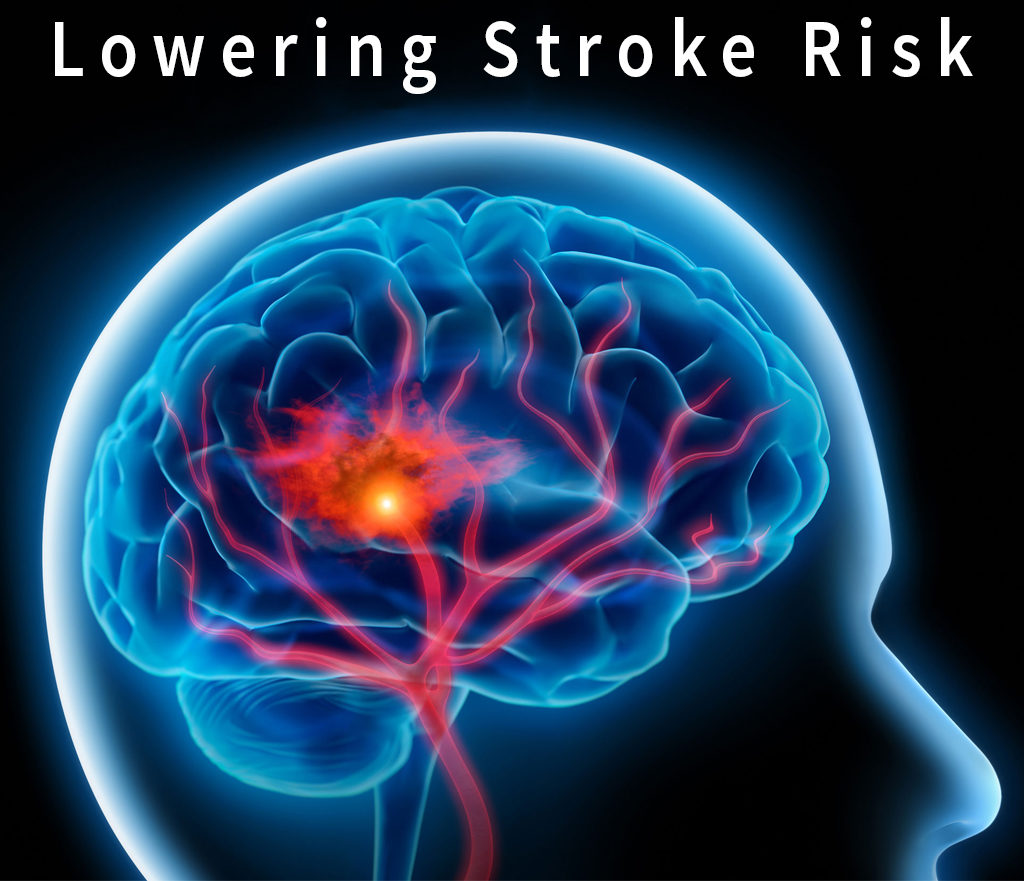
According to a recent study, the type of sugar you consume may have a greater impact on your risk of developing heart disease than the quantity of sugar you consume.

Researchers from the University of Oxford in the UK found that eating foods high in “free sugars” dramatically increased the risk of heart disease and stroke. They discovered that the risk rose in proportion to how much more free sugar a person consumed.

Free sugars are all sugars that have been intentionally added to food by a producer, cook, or consumer. Also, sugars that are naturally found in honey, syrups, and unsweetened fruit juice. Those naturally found in entire fruits and vegetables are not considered to be free sugar.

How much sugar is permitted?

What quantity of additional sugar is appropriate if 24 tablespoons daily is too much? Since sugar is not a necessary nutrient in your diet, it is difficult to say. There is no official sugar RDA set by the Institute of Medicine, which establishes RDAs for other nutrients.

The American Heart Association advises against exceeding the daily added sugar calorie limits for men and women, respectively. A respectively 100 calories (about 6 teaspoons or 24 grammes) and 150 calories (roughly 9 teaspoons or 36 grammes). That equates to roughly one 12-ounce soda can’s worth of liquid.

Taking sugar alternatives into account

Consuming excessive amounts of sugar can increase the risk of stroke and heart disease. This results in high blood pressure, inflammation, weight gain, diabetes, and fatty liver disease.

According to Dr. Elizabeth H. Dineen, an integrative cardiologist with the UCI Health Susan Samueli Integrative Health Institute, “it looks wise to limit the use of artificial sweeteners” in light of the cardiovascular events observed among research participants.

Dr. Ailin Barseghian El-Farra, an integrative cardiologist with the institute, adds that these findings “can help open a dialogue with patients about their dietary consumption of sugars, as well as artificial sweeteners, and their associated risk for coronary heart disease and cerebrovascular events.” Neither doctor took part in the investigation.

Over 100,000 French people were monitored for approximately nine years as part of the NutriNet-Santé project. When they first began, the participants’ average age was 42, and over 80% of them were women. Everyone was prompted to share information on their diet, health, physical activity, level of education, smoking status, and line of work.

They recorded all food and drinks consumed within a 24-hour period every six months. This provides thorough breakdown of their overall consumption of artificial sweeteners. Also, the consumption of other foods and nutrients, such as fruit, vegetables, dairy, and meat.

Impact on your heart

In a study that was published in 2014 in JAMA Internal Medicine, Dr. Hu and his coworkers discovered a link between a high-sugar diet and an increased risk of dying from heart disease. Over the course of the 15-year trial, those who consumed between 17% and 21% of their calories as added sugar had a 38% higher chance of dying from cardiovascular disease than those who only consumed 8% of their calories in this way.

According to Dr. Hu, the risk of heart disease is essentially inversely proportional to the amount of added sugar consumed.

Monitoring the intake of sweeteners

According to the study, 37% of individuals drank diet Coke or another type of artificial sweetener on average, which works out to 42 milligrammes per day or around one packet of sweetener. The average daily intake of artificial sweeteners among people who consumed more of them was nearly double at 78 milligrammes, or about 7 ounces of diet soda.

Overall, those who used the most artificial sweeteners were younger, had higher body mass indices (BMI). They were more likely to smoke, were less active, and didn’t follow a diet to control their weight. Curiously, they ate fewer calories, drank less alcohol, and consumed less fibre, fruit, and vegetables, as well as saturated and polyunsaturated fats. However, they consumed more sodium, red and processed meats, and dairy foods.

Researchers also kept tabs on the health of the participants, including physical examinations, medical procedures, and cardiovascular occurrences. This includes heart disease, heart attacks, and strokes.

Researchers found that those who consumed the most artificial sweeteners, particularly aspartame, acesulfame potassium, and sucralose, had a 9% higher risk for cardiovascular disease and an 18% greater risk for stroke or other cerebrovascular disease when compared to participants who ate none. This was true even after taking into account differences in age, sex, physical activity, education, smoking, and family history of heart disease.

The same authors’ previous spring PLoS ONE study revealed increased artificial sweetener intake. Additionally risk for cancer was linked to  aspartame and acesulfame-K.

Sugar and Other Health Problems

Studies have shown a connection between sugar consumption and animal models of hypertension. According to a human study, people with diabetes who use diuretics have a higher risk of coronary heart disease (CHD) if they consume a lot of sugar in their diet.

Consuming sugar can improve one’s body’s ability to store and use carbohydrate energy. This improvement, however, only happens at levels of physical activity and exercise intensity that are connected to endurance performances lasting at least 30 minutes. The main sources of energy for muscular contraction are blood glucose, liver glycogen, and muscle glycogen. The consumption of sugar can quickly restore blood glucose levels to normal when these substances reach dangerously low levels, which can lead to weariness. Consuming sugar has no effect on performance for the majority of low- to moderate-intensity tasks, such as walking or household chores.

The link between dietary sugar and cognition and behaviour has garnered a lot of attention. Two theories served as the foundation for the notion that sugar and hyperactivity are related. The first was a potential allergic reaction, and the second was the possibility of functional reactive hypoglycemia in hyperactive children. Both of these concepts remain unproven, and a meta-analysis of 16 randomised studies in hyperactive children revealed that cutting back on sugar in the diet had no positive impact on hyperactivity levels.

REFERENCES:

  • https://www.healthline.com/health/diabetes/diabetes-and-stroke
  • https://www.webmd.com/stroke/news/20230214/heart-disease-stroke-linked-specific-kinds-of-sugar-study
  • ucihealth.org/blog/2022/09/sugar-substitutes-may-boost-heart-disease-stroke-risk
  • https://www.ahajournals.org/doi/full/10.1161/01.CIR.0000019552.77778.04

For more details, kindly visit below.
Lets Explore the types of Cardiomyopathy and its treatment.

Lets Explore the types of Cardiomyopathy and its treatment.

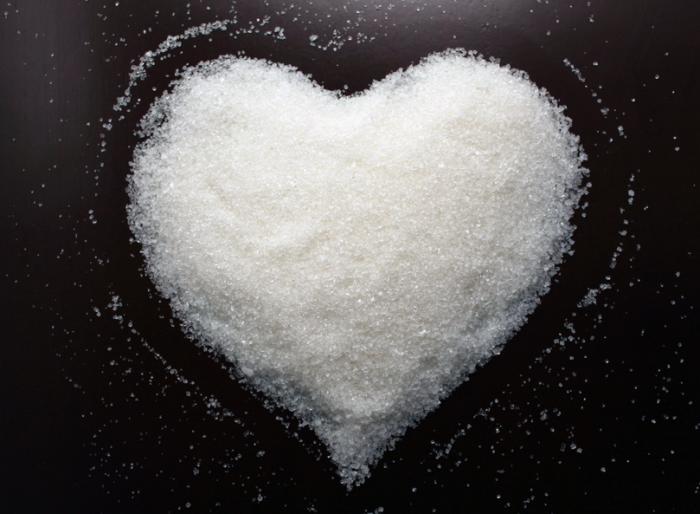
Cardiomyopathy is a condition that affects the heart muscle that gets worse with time and can be fatal. As the heart muscle ages, it becomes less effective in pumping blood.

Cardiomyopathy can be brought on by a genetic trait that is inherited or it can develop as a result of a number of different medical disorders, including heart disease, hyperthyroidism, or alcohol abuse.

Weakness, lightheadedness, shortness of breath, elevated blood pressure, and fluid retention, or edoema, are among the symptoms. Cardiomyopathy can be treated with lifestyle modifications, medicines, and surgery.

Cardiomyopathy is a condition that progressively affects the heart muscle, or myocardium. The heart muscle typically weakens and becomes less capable of properly pumping blood to the rest of the body.

Cardiomyopathy comes in a variety of forms and is brought on by a number of conditions and medications, including coronary heart disease. Heart failure, an irregular pulse, and other consequences can result from cardiomyopathy.

It’s crucial to receive medical care and continue receiving it. They can lessen the risk of heart disease or heart failure.

Types of Cardiomyopathy

Cardiomyopathy comes in a variety of forms, including the following:

Dilated

Heart palpitations and shortness of breath are two symptoms of cardiomyopathy. The most prevalent type of the condition is dilated cardiomyopathy. Adults between the ages of 20 and 60 are the typical victims.

Although the disease frequently begins in the left ventricle, it can later spread to the right ventricle as well. Additionally, the atria’s structure and operation might be impacted by dilated cardiomyopathy.

Hypertrophic

A hereditary disorder known as hypertrophic cardiomyopathy causes the heart muscle fibres to develop abnormally, thickening or “hypertrophying” as a result. The thickening restricts blood flow and stiffens the heart’s chambers. Additionally, it may raise the chance of electrical disturbances, called arrhythmias.

It is the second most prevalent kind of cardiomyopathy in children, according to the Children’s Cardiomyopathy Foundation. Before the age of one year, a diagnosis is made in around one-third of the affected children.

Restrictive

When the tissues in the ventricles stiffen and cannot properly fill with blood, restrictive cardiomyopathy develops. It might eventually result in cardiac failure. It is more prevalent in elderly persons and may be brought on by infiltrative disorders, such as amyloidosis, which involve the buildup of aberrant substances in physiological tissues.

Arrhythmogenic

In arrhythmogenic cardiomyopathy, the healthy tissues of the right ventricle are replaced by fibrotic and fatty tissue, which may lead to irregular heart beats. This procedure may occasionally take place in the left ventricle as well.

Arrhythmogenic cardiomyopathy increases the risk of sudden cardiac mortality, particularly in young individuals and sports, according to study published in the journal Circulation Research. It is a genetic inherited disorder.

Other types of cardiomyopathy

The majority of the following forms of cardiomyopathy fall under one of the previous four categories, however each has different causes or side effects:

Peripartum cardiomyopathy. Cardiomyopathy peripartum can happen before, during, or after pregnancy. This uncommon kind happens in the final month of pregnancy or within five months after delivery when the heart weakens. Postpartum cardiomyopathy is the term sometimes used to describe it after delivery. This dilated cardiomyopathy variant poses a serious risk to life. One instance raises your chances for subsequent pregnancies.

Alcoholic Cardiomyopathy. Alcoholic cardiomyopathy is caused by consuming excessive amounts of alcohol over time, which can weaken your heart and make it less effective at pumping blood. Additionally, your heart may grow. It’s a type of dilated .cardiomyopathy

Ischemic cardiomyopathy. Ischemic cardiomyopathy happens when coronary artery disease prevents your heart from pumping blood to the rest of your body. Heart muscle blood vessels constrict and become clogged. The cardiac muscle cannot receive oxygen as a result. The most common cause of heart failure is ischemic cardiomyopathy. Alternatively, any form of cardiomyopathy that is unrelated to coronary artery disease is referred to as nonischemic cardiomyopathy.

Noncompaction cardiomyopathy. The medical term for this is spongiform cardiomyopathy. It is a rare condition that manifests at birth and is brought on by faulty heart muscle development during pregnancy. Any stage of life may experience a diagnosis.

Pediatric cardiomyopathy. Pediatric cardiomyopathy is the term used to describe cardiomyopathy that affects children.

Idiopathic cardiomyopathy. Idiopathic cardiomyopathy indicates the reason is unknown.

Symptoms of cardiomyopathy

Early on in the development of cardiomyopathy, there may be neither indications nor symptoms. However, when the illness worsens, several indications and symptoms, such as:

  • a lack of breath during exercise or even while at rest
  • Legs, ankles, and feet swelling
  • abdominal bloating brought on by a fluid buildup
  • Cough when seated
  • difficulty falling asleep flat
  • Fatigue
  • fast, hammering, or fluttering heartbeats
  • chest pressure or discomfort
  • Unsteadiness, fainting, and dizziness

If not treated, symptoms and signs frequently worsen. It depends on the individual whether the illness becomes worse swiftly or gradually.

Causes and risk factors

There are certain well-established risk factors for cardiomyopathy, albeit its exact aetiology is not always known. For instance, disorders that cause the heart to inflame or sustain damage can raise a person’s risk of cardiomyopathy.

Cardiomyopathy can also be brought on by heart failure, which can happen as a result of a heart attack or other medical issues.

Additional risk elements consist of:

  • a history of cardiomyopathy, sudden cardiac death, or heart illness in the family
  • blood pressure is high.
  • cardiovascular disease
  • The diseases sarcoidosis and amyloidosis, which can harm the heart
  • viruses that affect the heart
  • diabetes
  • drinking disorder

After giving birth, certain women may be at an increased risk for cardiomyopathy.

Research from 2016 indicates, cardiomyopathy risk is also increased by HIV and HIV therapies. Heart failure and dilated cardiomyopathy in particular are risks that are increased by HIV.

Talk to your doctor if you have HIV about obtaining frequent testing to monitor the condition of your heart. Additionally, you ought to make an effort to maintain an active and heart-healthy diet.

Diagnosis of cardiomyopathy

To confirm cardiomyopathy, doctors will do a physical examination and diagnostic procedures. They may employ one or more of the diagnostic tests listed below:

  • Chest X-ray: A chest X-ray can assist diagnose some medical disorders by revealing whether the heart has enlarged.
  • Electrocardiogram (EKG): A heart’s electrical activity, including how quickly it beats, is measured by an electrocardiogram (EKG). Additionally, it demonstrates if the heart rhythm is normal or irregular.
  • Echocardiogram: An echocardiogram produces a moving image of the heart using sound waves. It displays the heart’s size and shape.
  • Cardiac catheterization: This procedure examines the blood flow through the heart’s chambers.

How is cardiomyopathy treated?

Treatment for cardiomyopathy focuses on controlling your symptoms. The course of the disease is also slowed by treatment. You will get routine examinations to monitor the condition of your heart.

Your healthcare provider might advise:

Medication: Heart drugs can increase blood flow, address underlying issues, or manage symptoms. You may use beta blockers like propranolol (Inderal), blood thinners like warfarin (Coumadin), or drugs to decrease cholesterol.

Arrhythmia-treating equipment: Pacemakers and implantable cardioverter defibrillators (ICDs) are used to treat erratic heartbeats. Your heartbeat is monitored by these gadgets. When an arrhythmia begins, they send electrical impulses to your heart.

Devices that improve blood flow: Some gadgets make your heart’s blood-pumping process more effective. Devices used in cardiac resynchronization therapy (CRT) regulate the heart’s left and right side contractions. Your heart is assisted in pumping blood with a left ventricular assist device (LVAD).

Surgery: Your doctor might advise heart surgery if you have serious symptoms or underlying heart issues. Open heart surgery or a heart transplant are typically only suggested by healthcare professionals after all other options have failed to provide relief.

REFERENCES:

For more details, kindy visit below.

Helpful things you must know about Coronary Artery Disease.

Helpful things you must know about Coronary Artery Disease.

When the coronary arteries grow too thin or cholesterol blockages form in the walls), also known as coronary heart disease(CAD). The blood channels that carry blood and oxygen to the heart are known as the coronary arteries.

When cholesterol deposits on the arterial walls form plaques, CAD frequently results. These plaques can either produce inflammation and hardening of the blood vessel walls, which reduces blood flow to the heart and causes the arteries to constrict. Sometimes clots can impede blood flow, leading to major medical issues.

The network of blood vessels that supplies the surface of the heart with oxygen is made up of coronary arteries. The heart may not get enough oxygen-rich blood if these arteries are small, especially during exercising.

Forms of coronary artery disease

A heart attack can sometimes result from CAD. It is the most prevalent kind of heart disease in the United States, where it causes more than 655,000 fatalities annually, according to the Centers for Disease Control and Prevention.

Coronary artery disease primarily comes in two different forms:

Stable Ischemic heart disease

The chronic form is this. Your coronary arteries gradually tighten over a long period of time. Your heart receives less blood that is rich in oxygen with time. Even if you may experience certain symptoms, you can manage the illness on a daily basis.

Acute coronary syndrome

This is a medical emergency in its abrupt form. A blood clot is created when the plaque in your coronary artery abruptly bursts, obstructing blood flow to your heart. A heart attack is caused by this sudden obstruction.

How common is coronary artery disease?

Coronary artery disease affects a lot of people. In the US, there are about 18 million persons who have coronary artery disease. That almost equals the population of Houston, Chicago, Los Angeles, and New York City all together.

In the United States, coronary artery disease claimed 360,900 lives in 2019. That number of individuals could more than seven times fill Yankee Stadium.

What Causes CAD?

Plaque, which is made up of cholesterol, fat, and other chemicals, can begin to form on the blood vessel walls as early as childhood. It accumulates over time. This results in “atherosclerosis,” which doctors refer to as the hardening and narrowing of arteries.

Plaque may rupture or shatter in some circumstances. As a result, platelets, which are blood cells, will attempt to close the artery and create a blood clot.

This accumulation hinders the free passage of blood through the arteries, much like muck in a clogged drainpipe. The heart receives nourishment and oxygen through the blood. It might cause chest pain and shortness of breath if you don’t get enough (Angina).

The heart can weaken if it doesn’t get enough oxygen. An erratic heartbeat may result from this (arrhythmia). It may also result in heart failure, which is the inability of the heart to adequately pump blood throughout the body to satisfy needs.

You may experience a heart attack if a plaque enlarges to the point where it obstructs blood flow to the heart muscle. However, the smaller plaques that rupture are typically the cause of heart attacks.

Coronary artery disease symptoms

Early on, you might not exhibit any signs. However, when the plaque keeps accumulating and restricts blood flow to the heart muscle, you could start to feel out of breath or exhausted, especially when you exercise.

Chest pain, often known as angina, is the most typical sign of CAD. Some individuals mistake it for indigestion or heartburn. Your chest may feel uncomfortable if you have angina. The feeling could also be felt in your back, shoulders, arms, or jaw.

You could feel:

  • Tightness
  • Discomfort
  • Pressure
  • Heaviness
  • Squeezing
  • Burning
  • Aching
  • Numbness
  • Fullness

Call for emergency medical help if you experience any of the symptoms listed below.

  • chest pain, especially in the centre or left side, that lasts for a short while or that disappears then reappears. It may feel like discomfort, squeezing, pressure, or fullness. Some individuals mistake it for heartburn or indigestion.
  • Any discomfort in your upper torso. One or both arms, the shoulders, the neck, the jaw, or the upper section of the stomach could be affected.
  • breathlessness with or without discomfort in the chest
  • nausea or vomiting coupled with feeling faint, woozy, or cold

What puts you at Risk?

As you age or if it runs in your family, you are more prone to develop coronary artery disease (CAD). However, you may control a variety of additional risk factors, such as:

  • High triglyceride and cholesterol levels
  • elevated blood pressure
  • Smoking
  • Diabetes syndrome
  • Overweight and obesity
  • inadequate exercise
  • Anger, sadness, and stress
  • unsound diet
  • excess booze
  • Slumber apnea

Prevention

Keeping blood cholesterol levels under control can lower a person’s risk of developing CAD. Think about the following to improve blood cholesterol levels:

  • being more active physically
  • reducing alcohol consumption
  • eschewing tobacco
  • consuming a diet lower in salt, sugar, and saturated fats

Those who already have CAD should make careful to keep these factors under control by according to their doctor’s advice.

REFERENCES:

For more details, kindly visit below.
Important causes of Stroke you need to know about.

Important causes of Stroke you need to know about.

What is a stroke?

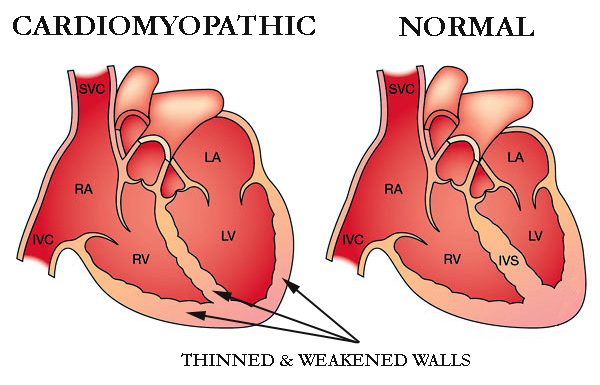
A stroke happens when a blood vessel in the brain bursts and bleeds or when the blood supply to the brain is cut off. Blood and oxygen cannot reach the brain’s tissues because of the rupture or obstruction.

Stroke is a primary cause of death in the US, according to the Centers for Disease Control and Prevention (CDC). More than 795,000 Americans experience a stroke each year. Brain tissue and cells are damaged and start to die within minutes of being oxygen-deprived.

Strokes often come in three different forms:

  • Temporary ischemia. A blood clot causes a transient ischemic attack (TIA), which normally resolves on its own.
  • Ischemic stroke. It involves an obstruction in the artery brought on by a clot or plaque. The signs and problems of an ischemic stroke may persist permanently or linger longer than those of a TIA.
  • Hemorrhagic stroke. A blood vessel that seeps into the brain either bursts or leaks, which is the source of the condition.

Strokes are often fatal. According to the American Heart Association (AHA), there were 37.6 age-adjusted deaths for every 100,000 stroke diagnosis in 2017. This fatality rate is 13.6% lower than it was in 2007 thanks to medical advances in the treatment of strokes.

How does a stroke affect my body?

What a heart attack is to your heart, strokes are to your brain. When you suffer a stroke, a portion of your brain loses blood flow, preventing that part of your brain from receiving oxygen. The afflicted brain cells become oxygen-starved and quit functioning correctly without oxygen.

Your brain cells will perish if you deprive them of oxygen for too long. If enough brain cells in a particular region perish, the damage is irreversible, and you risk losing the abilities that region used to regulate. Restoring blood flow, however, might stop that kind of harm from occurring or at least lessen how bad it is. Time is therefore very important when treating a stroke.

What causes a stroke?

Hemorrhagic and ischemic strokes can occur for a variety of reasons. Blood clots are typically the cause of ischemic strokes. These can occur for a number of causes, including:

  • Atherosclerosis.
  • bleeding issues.
  • Heart fibrillation (especially when it happens due to sleep apnea).
  • Heart problems (atrial septal defect or ventricular septal defect).
  • ischemia microvascular disease (which can block smaller blood vessels in your brain).

There are other more causes of hemorrhagic strokes, including:

  • High blood pressure, especially when it is present for an extended period of time, when it is extremely high, or both.
  • Hemorrhagic strokes can occasionally result from brain aneurysms.
    brain cancer (including cancer).
  • diseases like moyamoya disease can weaken or result in unexpected abnormalities in the blood vessels in your brain.

Related conditions

A person’s likelihood of having a stroke can also be influenced by various other ailments and elements. These consist of:

  • a drinking disorder.
  • elevated blood pressure (this can play a role in all types of strokes, not just hemorrhagic ones because it can contribute to blood vessel damage that makes a stroke more likely).
  • High triglycerides (hyperlipidemia).
  • Migraine headaches (they can resemble stroke symptoms, and sufferers of migraines, particularly those who experience auras, also have an increased lifetime chance of developing a stroke).
  • diabetes type 2.
  • smoking and using other tobacco products (including vaping and smokeless tobacco).
  • drug addiction (including prescription and non-prescription drugs).

Stroke symptoms

Damage to brain tissues results from reduced blood supply to the brain. The body components that are regulated by the brain damage-related areas show signs of a stroke.

The better the prognosis for someone experiencing a stroke, the earlier they receive treatment. Because of this, being aware of the symptoms of a stroke will help you take prompt action. Some signs of a stroke include:

  • paralysis
  • Arm, face, or leg numbness or weakness, especially on one side of the body
  • difficulty communicating or comprehending others
  • muddled speech
  • Lack of clarity, disorientation, or responsiveness
  • abrupt behavioural alterations, particularly increased agitation
  • visual issues, such as double vision or difficulty seeing with one or both eyes that are blurry or blacked out
  • loss of coordination or balance
  • dizziness
  • strong headache that appears out of the blue
  • seizures
  • dizziness or vomiting

Any stroke victim needs to see a doctor right away. Call your local emergency services as soon as you suspect that you or someone else is experiencing a stroke. Early intervention is essential to avoiding the following consequences:

  • brain injury
  • long-term impairment
  • death

Don’t be scared to seek emergency medical assistance if you believe you have seen the symptoms of a stroke because it’s best to be extra careful while dealing with a stroke.

Risk factors for stroke

You are more prone to stroke if you have certain risk factors. Risk factors for stroke include the following, according to the National Heart, Lung, and Blood InstituteTrusted Source:

  • Diet
  • Inactivity
  • heavy drinking
  • Tobacco use

Personal history

You have no control over a number of stroke risk factors, including:

  • Family background. Some families have an increased risk of stroke due to inherited health issues including high blood pressure.
  • Sex. Strokes can affect both men and women, although in all age categories, women are more likely to experience them than men, according to the CDCTrusted Source.
  • Age. The probability of having a stroke increases with age.
  • Ethnicity and race. Compared to other racial groups, African Americans, Alaska Natives, and American Indians are more likely to experience a stroke.

REFERENCES:

For more details, kindly visit below.
Is it possible to have Angina with normal blood pressure?

Is it possible to have Angina with normal blood pressure?

What is Angina?

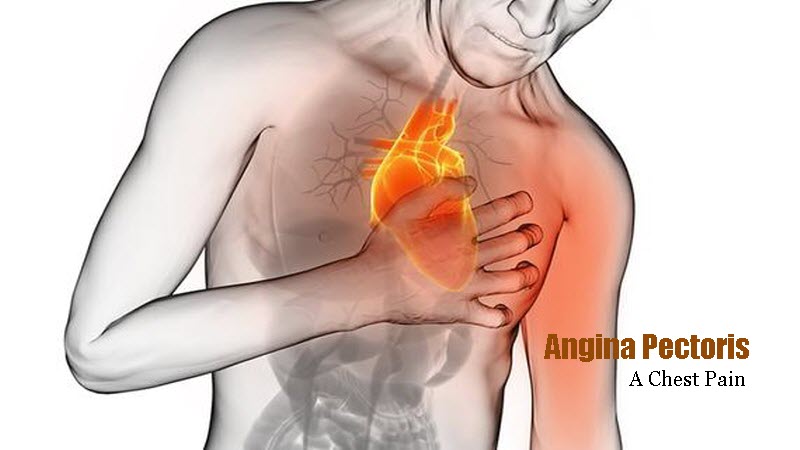
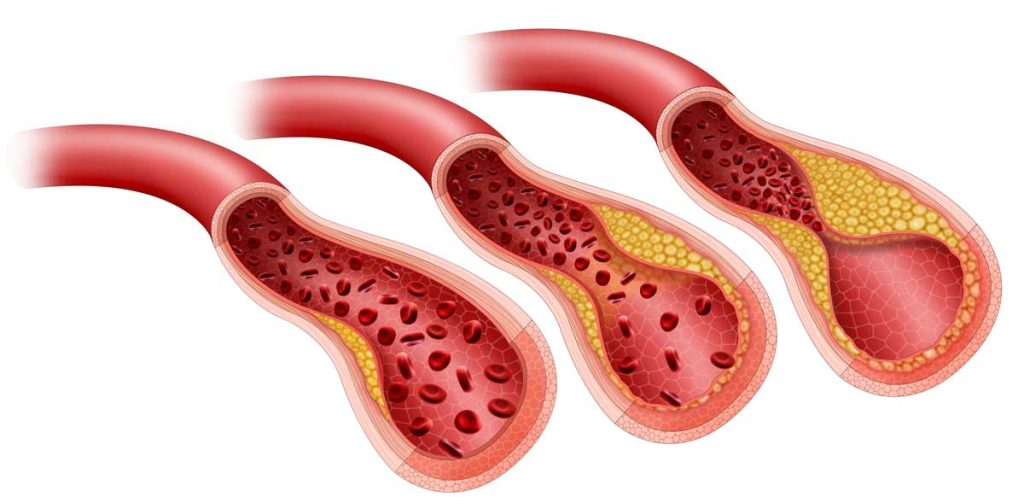
Angina is tightness, squeezing, pressure, or pain in the chest. It occurs when an area of the heart muscle receives less blood oxygen than usual. It is not a disease but a symptom. Angina usually happens due to ischemia, when one or more of the coronary arteries becomes narrow or blocked. It is often a symptom of coronary heart disease (CHD).

Alone, angina is not life threatening, but it can resemble the symptoms of a heart attack, and it is a sign of heart disease. Receive medical attention if angina occurs unexpectedly, does not go away, or does not respond to rest or medication.

What does angina feel like?

Most angina sufferers describe having pressure or pain in the chest. Or they describe a heaviness or squeezing in their chest. Some claim that it has the sensation of dyspepsia. Others claim that putting angina into words is difficult.

Usually, the pain starts behind your breastbone. You might not always be able to pinpoint the particular source of the pain. Your upper torso may experience upper chest pain or discomfort as well. Your neck, jaw, shoulders, arms, back, and belly are a few of these.

Other symptoms, referred to as “angina analogues,” can be brought on by a lack of oxygen to your heart. You may not feel any of these symptoms in your chest, such as:

Types of Angina

Enduring angina

When the heart is working harder than usual, such as during exercise, stable angina develops. Normally, it lasts for five minutes.

It has a predictable rhythm and might last for weeks, months, or even years. The symptoms can typically be reduced with rest or medicine.

Erratic angina

Unstable angina has no set rhythm and typically strikes while you’re at rest. Atherosclerosis, which involves a blockage preventing blood from reaching the heart, is the primary cause.

The pain may develop with time and linger for more than five minutes. Medication and rest may not be enough to reduce the symptoms.

Angina that is unstable can signal a possible heart attack. Anyone experiencing sudden angina should seek emergency medical attention.

Angina microvascular

Coronary microvascular disease can cause microvascular angina (MVD). The tiniest coronary arteries are impacted by this.

In addition to chest pain, a person may feel:

  • low energy and weariness
  • issues with sleep
  • breathing difficulty
  • Stable angina is more transient than microvascular angina. It frequently lasts for more than ten minutes. Trustworthy Source and occasionally takes more than 30 minutes.

Angina variant

Rare variant angina Prinzmetal angina is the name some doctors give to this condition, which can occur when the body is at rest, usually in the early morning or late at night.

It takes place when the coronary arteries spasm. Cold exposure, stress, medications, smoking, or cocaine usage are examples of potential triggers. Although the illness is chronic, medicines can help manage it.

What causes angina?

Angina is brought on by myocardial ischemia, which is reduced blood supply to the heart. Your coronary arteries may develop a number of issues that hinder your heart from getting adequate blood. These consist of:

Coronary artery disease: The most frequent cause of angina is coronary artery disease. When plaque (a fatty, waxy substance) accumulates in your coronary arteries, which carry blood to your heart, it causes heart disease. Your heart receives less blood as a result of these arteries’ narrowing or hardening (atherosclerosis).

Coronary microvascular disease: Compared to men and individuals designated male at birth, women and people assigned female at birth (AFAB) had a higher prevalence of coronary microvascular disease (AMAB). Small blood veins that branch off of your coronary arteries suffer damage to their walls.

Coronary artery spasm: Your coronary arteries repeatedly contract (tighten) and then relax during a coronary artery spasm. Your heart’s blood supply is momentarily restricted by these spams. Even without coronary artery disease, you can experience coronary spasms. Regular CAD testing may not be able to diagnose this, and it may be necessary to conduct specialised testing that not all hospitals offer.

Angina with normal blood pressure?

Even though the coronary arteries themselves are healthy, angina can occasionally develop when parts of the heart muscle are not getting enough oxygen.

The following conditions can cause angina without having coronary artery disease:

  • extremely low blood pressure, which may happen in shock as a result of bleeding
  • severe anaemia
  • extremely active effort
  • a lot of mental stress (as in broken heart syndrome)
  • significant hyperthyroidism
  • persistent tachycardia
  • significant hypertension (high blood pressure)
  • severely enlarged ventricles
  • significant aortic stenosis

These disorders typically affect sicker people, and angina is typically just one symptom among many. Therefore, the absence of classic CAD is unlikely to mislead the healthcare professionals caring for these patients into a false sense of complacency.

REFERENCES:

For more details, kindly visit below.