Browsed by
Category: Heart disease

Helpful things you must know about Coronary Artery Disease.

Helpful things you must know about Coronary Artery Disease.

When the coronary arteries grow too thin or cholesterol blockages form in the walls), also known as coronary heart disease(CAD). The blood channels that carry blood and oxygen to the heart are known as the coronary arteries.
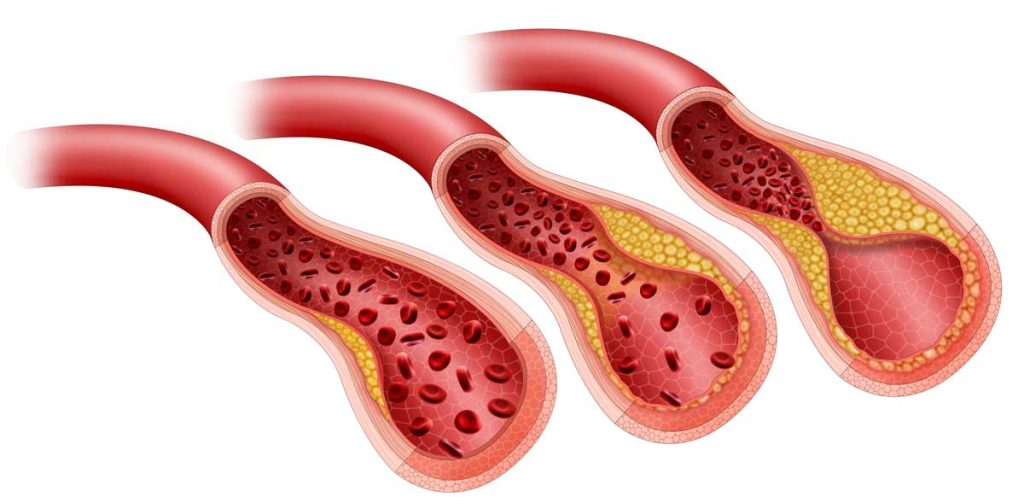
When cholesterol deposits on the arterial walls form plaques, CAD frequently results. These plaques can either produce inflammation and hardening of the blood vessel walls, which reduces blood flow to the heart and causes the arteries to constrict. Sometimes clots can impede blood flow, leading to major medical issues.

The network of blood vessels that supplies the surface of the heart with oxygen is made up of coronary arteries. The heart may not get enough oxygen-rich blood if these arteries are small, especially during exercising.

Forms of coronary artery disease

A heart attack can sometimes result from CAD. It is the most prevalent kind of heart disease in the United States, where it causes more than 655,000 fatalities annually, according to the Centers for Disease Control and Prevention.

Coronary artery disease primarily comes in two different forms:

Stable Ischemic heart disease

The chronic form is this. Your coronary arteries gradually tighten over a long period of time. Your heart receives less blood that is rich in oxygen with time. Even if you may experience certain symptoms, you can manage the illness on a daily basis.

Acute coronary syndrome

This is a medical emergency in its abrupt form. A blood clot is created when the plaque in your coronary artery abruptly bursts, obstructing blood flow to your heart. A heart attack is caused by this sudden obstruction.

How common is coronary artery disease?

Coronary artery disease affects a lot of people. In the US, there are about 18 million persons who have coronary artery disease. That almost equals the population of Houston, Chicago, Los Angeles, and New York City all together.

In the United States, coronary artery disease claimed 360,900 lives in 2019. That number of individuals could more than seven times fill Yankee Stadium.

What Causes CAD?

Plaque, which is made up of cholesterol, fat, and other chemicals, can begin to form on the blood vessel walls as early as childhood. It accumulates over time. This results in “atherosclerosis,” which doctors refer to as the hardening and narrowing of arteries.

Plaque may rupture or shatter in some circumstances. As a result, platelets, which are blood cells, will attempt to close the artery and create a blood clot.

This accumulation hinders the free passage of blood through the arteries, much like muck in a clogged drainpipe. The heart receives nourishment and oxygen through the blood. It might cause chest pain and shortness of breath if you don’t get enough (Angina).

The heart can weaken if it doesn’t get enough oxygen. An erratic heartbeat may result from this (arrhythmia). It may also result in heart failure, which is the inability of the heart to adequately pump blood throughout the body to satisfy needs.

You may experience a heart attack if a plaque enlarges to the point where it obstructs blood flow to the heart muscle. However, the smaller plaques that rupture are typically the cause of heart attacks.

Coronary artery disease symptoms

Early on, you might not exhibit any signs. However, when the plaque keeps accumulating and restricts blood flow to the heart muscle, you could start to feel out of breath or exhausted, especially when you exercise.

Chest pain, often known as angina, is the most typical sign of CAD. Some individuals mistake it for indigestion or heartburn. Your chest may feel uncomfortable if you have angina. The feeling could also be felt in your back, shoulders, arms, or jaw.

You could feel:

  • Tightness
  • Discomfort
  • Pressure
  • Heaviness
  • Squeezing
  • Burning
  • Aching
  • Numbness
  • Fullness

Call for emergency medical help if you experience any of the symptoms listed below.

  • chest pain, especially in the centre or left side, that lasts for a short while or that disappears then reappears. It may feel like discomfort, squeezing, pressure, or fullness. Some individuals mistake it for heartburn or indigestion.
  • Any discomfort in your upper torso. One or both arms, the shoulders, the neck, the jaw, or the upper section of the stomach could be affected.
  • breathlessness with or without discomfort in the chest
  • nausea or vomiting coupled with feeling faint, woozy, or cold

What puts you at Risk?

As you age or if it runs in your family, you are more prone to develop coronary artery disease (CAD). However, you may control a variety of additional risk factors, such as:

  • High triglyceride and cholesterol levels
  • elevated blood pressure
  • Smoking
  • Diabetes syndrome
  • Overweight and obesity
  • inadequate exercise
  • Anger, sadness, and stress
  • unsound diet
  • excess booze
  • Slumber apnea

Prevention

Keeping blood cholesterol levels under control can lower a person’s risk of developing CAD. Think about the following to improve blood cholesterol levels:

  • being more active physically
  • reducing alcohol consumption
  • eschewing tobacco
  • consuming a diet lower in salt, sugar, and saturated fats

Those who already have CAD should make careful to keep these factors under control by according to their doctor’s advice.

REFERENCES:

For more details, kindly visit below.
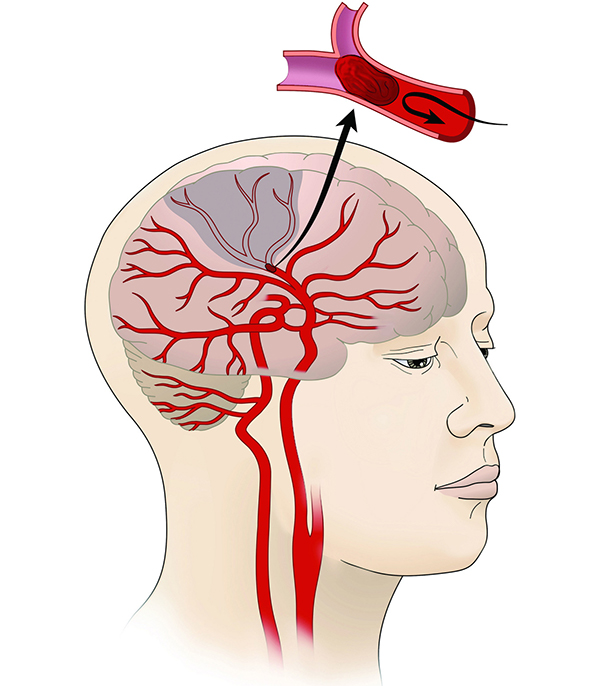
Important causes of Stroke you need to know about.

Important causes of Stroke you need to know about.

What is a stroke?

A stroke happens when a blood vessel in the brain bursts and bleeds or when the blood supply to the brain is cut off. Blood and oxygen cannot reach the brain’s tissues because of the rupture or obstruction.

Stroke is a primary cause of death in the US, according to the Centers for Disease Control and Prevention (CDC). More than 795,000 Americans experience a stroke each year. Brain tissue and cells are damaged and start to die within minutes of being oxygen-deprived.

Strokes often come in three different forms:

  • Temporary ischemia. A blood clot causes a transient ischemic attack (TIA), which normally resolves on its own.
  • Ischemic stroke. It involves an obstruction in the artery brought on by a clot or plaque. The signs and problems of an ischemic stroke may persist permanently or linger longer than those of a TIA.
  • Hemorrhagic stroke. A blood vessel that seeps into the brain either bursts or leaks, which is the source of the condition.

Strokes are often fatal. According to the American Heart Association (AHA), there were 37.6 age-adjusted deaths for every 100,000 stroke diagnosis in 2017. This fatality rate is 13.6% lower than it was in 2007 thanks to medical advances in the treatment of strokes.

How does a stroke affect my body?

What a heart attack is to your heart, strokes are to your brain. When you suffer a stroke, a portion of your brain loses blood flow, preventing that part of your brain from receiving oxygen. The afflicted brain cells become oxygen-starved and quit functioning correctly without oxygen.

Your brain cells will perish if you deprive them of oxygen for too long. If enough brain cells in a particular region perish, the damage is irreversible, and you risk losing the abilities that region used to regulate. Restoring blood flow, however, might stop that kind of harm from occurring or at least lessen how bad it is. Time is therefore very important when treating a stroke.

What causes a stroke?

Hemorrhagic and ischemic strokes can occur for a variety of reasons. Blood clots are typically the cause of ischemic strokes. These can occur for a number of causes, including:

  • Atherosclerosis.
  • bleeding issues.
  • Heart fibrillation (especially when it happens due to sleep apnea).
  • Heart problems (atrial septal defect or ventricular septal defect).
  • ischemia microvascular disease (which can block smaller blood vessels in your brain).

There are other more causes of hemorrhagic strokes, including:

  • High blood pressure, especially when it is present for an extended period of time, when it is extremely high, or both.
  • Hemorrhagic strokes can occasionally result from brain aneurysms.
    brain cancer (including cancer).
  • diseases like moyamoya disease can weaken or result in unexpected abnormalities in the blood vessels in your brain.

Related conditions

A person’s likelihood of having a stroke can also be influenced by various other ailments and elements. These consist of:

  • a drinking disorder.
  • elevated blood pressure (this can play a role in all types of strokes, not just hemorrhagic ones because it can contribute to blood vessel damage that makes a stroke more likely).
  • High triglycerides (hyperlipidemia).
  • Migraine headaches (they can resemble stroke symptoms, and sufferers of migraines, particularly those who experience auras, also have an increased lifetime chance of developing a stroke).
  • diabetes type 2.
  • smoking and using other tobacco products (including vaping and smokeless tobacco).
  • drug addiction (including prescription and non-prescription drugs).

Stroke symptoms

Damage to brain tissues results from reduced blood supply to the brain. The body components that are regulated by the brain damage-related areas show signs of a stroke.

The better the prognosis for someone experiencing a stroke, the earlier they receive treatment. Because of this, being aware of the symptoms of a stroke will help you take prompt action. Some signs of a stroke include:

  • paralysis
  • Arm, face, or leg numbness or weakness, especially on one side of the body
  • difficulty communicating or comprehending others
  • muddled speech
  • Lack of clarity, disorientation, or responsiveness
  • abrupt behavioural alterations, particularly increased agitation
  • visual issues, such as double vision or difficulty seeing with one or both eyes that are blurry or blacked out
  • loss of coordination or balance
  • dizziness
  • strong headache that appears out of the blue
  • seizures
  • dizziness or vomiting

Any stroke victim needs to see a doctor right away. Call your local emergency services as soon as you suspect that you or someone else is experiencing a stroke. Early intervention is essential to avoiding the following consequences:

  • brain injury
  • long-term impairment
  • death

Don’t be scared to seek emergency medical assistance if you believe you have seen the symptoms of a stroke because it’s best to be extra careful while dealing with a stroke.

Risk factors for stroke

You are more prone to stroke if you have certain risk factors. Risk factors for stroke include the following, according to the National Heart, Lung, and Blood InstituteTrusted Source:

  • Diet
  • Inactivity
  • heavy drinking
  • Tobacco use

Personal history

You have no control over a number of stroke risk factors, including:

  • Family background. Some families have an increased risk of stroke due to inherited health issues including high blood pressure.
  • Sex. Strokes can affect both men and women, although in all age categories, women are more likely to experience them than men, according to the CDCTrusted Source.
  • Age. The probability of having a stroke increases with age.
  • Ethnicity and race. Compared to other racial groups, African Americans, Alaska Natives, and American Indians are more likely to experience a stroke.

REFERENCES:

For more details, kindly visit below.
Is it possible to have Angina with normal blood pressure?

Is it possible to have Angina with normal blood pressure?

What is Angina?

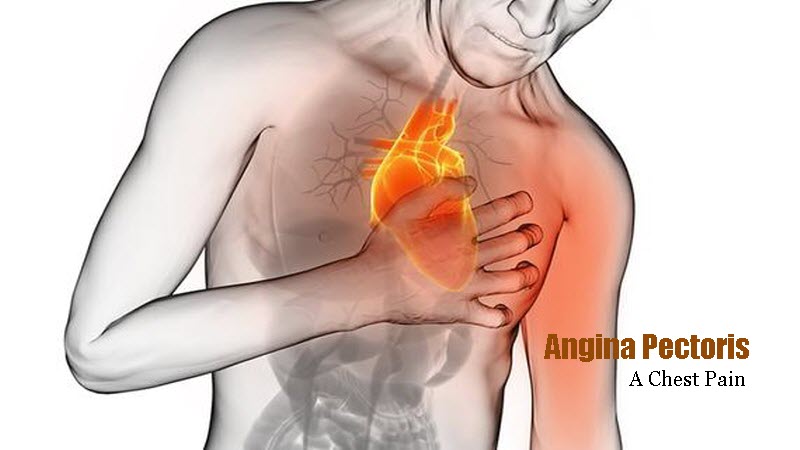
Angina is tightness, squeezing, pressure, or pain in the chest. It occurs when an area of the heart muscle receives less blood oxygen than usual. It is not a disease but a symptom. Angina usually happens due to ischemia, when one or more of the coronary arteries becomes narrow or blocked. It is often a symptom of coronary heart disease (CHD).

Alone, angina is not life threatening, but it can resemble the symptoms of a heart attack, and it is a sign of heart disease. Receive medical attention if angina occurs unexpectedly, does not go away, or does not respond to rest or medication.

What does angina feel like?

Most angina sufferers describe having pressure or pain in the chest. Or they describe a heaviness or squeezing in their chest. Some claim that it has the sensation of dyspepsia. Others claim that putting angina into words is difficult.

Usually, the pain starts behind your breastbone. You might not always be able to pinpoint the particular source of the pain. Your upper torso may experience upper chest pain or discomfort as well. Your neck, jaw, shoulders, arms, back, and belly are a few of these.

Other symptoms, referred to as “angina analogues,” can be brought on by a lack of oxygen to your heart. You may not feel any of these symptoms in your chest, such as:

Types of Angina

Enduring angina

When the heart is working harder than usual, such as during exercise, stable angina develops. Normally, it lasts for five minutes.

It has a predictable rhythm and might last for weeks, months, or even years. The symptoms can typically be reduced with rest or medicine.

Erratic angina

Unstable angina has no set rhythm and typically strikes while you’re at rest. Atherosclerosis, which involves a blockage preventing blood from reaching the heart, is the primary cause.

The pain may develop with time and linger for more than five minutes. Medication and rest may not be enough to reduce the symptoms.

Angina that is unstable can signal a possible heart attack. Anyone experiencing sudden angina should seek emergency medical attention.

Angina microvascular

Coronary microvascular disease can cause microvascular angina (MVD). The tiniest coronary arteries are impacted by this.

In addition to chest pain, a person may feel:

  • low energy and weariness
  • issues with sleep
  • breathing difficulty
  • Stable angina is more transient than microvascular angina. It frequently lasts for more than ten minutes. Trustworthy Source and occasionally takes more than 30 minutes.

Angina variant

Rare variant angina Prinzmetal angina is the name some doctors give to this condition, which can occur when the body is at rest, usually in the early morning or late at night.

It takes place when the coronary arteries spasm. Cold exposure, stress, medications, smoking, or cocaine usage are examples of potential triggers. Although the illness is chronic, medicines can help manage it.

What causes angina?

Angina is brought on by myocardial ischemia, which is reduced blood supply to the heart. Your coronary arteries may develop a number of issues that hinder your heart from getting adequate blood. These consist of:

Coronary artery disease: The most frequent cause of angina is coronary artery disease. When plaque (a fatty, waxy substance) accumulates in your coronary arteries, which carry blood to your heart, it causes heart disease. Your heart receives less blood as a result of these arteries’ narrowing or hardening (atherosclerosis).

Coronary microvascular disease: Compared to men and individuals designated male at birth, women and people assigned female at birth (AFAB) had a higher prevalence of coronary microvascular disease (AMAB). Small blood veins that branch off of your coronary arteries suffer damage to their walls.

Coronary artery spasm: Your coronary arteries repeatedly contract (tighten) and then relax during a coronary artery spasm. Your heart’s blood supply is momentarily restricted by these spams. Even without coronary artery disease, you can experience coronary spasms. Regular CAD testing may not be able to diagnose this, and it may be necessary to conduct specialised testing that not all hospitals offer.

Angina with normal blood pressure?

Even though the coronary arteries themselves are healthy, angina can occasionally develop when parts of the heart muscle are not getting enough oxygen.

The following conditions can cause angina without having coronary artery disease:

  • extremely low blood pressure, which may happen in shock as a result of bleeding
  • severe anaemia
  • extremely active effort
  • a lot of mental stress (as in broken heart syndrome)
  • significant hyperthyroidism
  • persistent tachycardia
  • significant hypertension (high blood pressure)
  • severely enlarged ventricles
  • significant aortic stenosis

These disorders typically affect sicker people, and angina is typically just one symptom among many. Therefore, the absence of classic CAD is unlikely to mislead the healthcare professionals caring for these patients into a false sense of complacency.

REFERENCES:

For more details, kindly visit below.

Important factors you need to know about heart attack.

Important factors you need to know about heart attack.

What is a Heart attack?

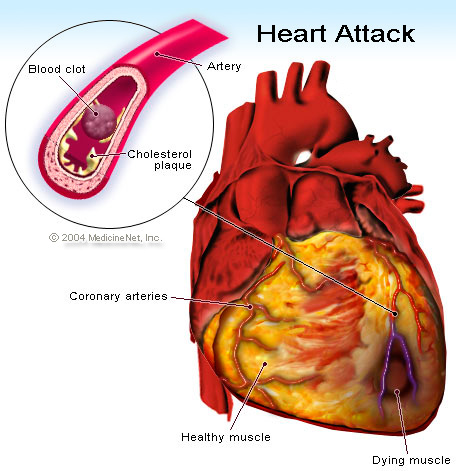
A heart attack, also known as a myocardial infarction, is a very hazardous ailment that develops when the blood supply to your heart muscle is cut off. A blockage in one or more of your heart’s arteries is typically the cause of the poor blood flow, which can happen for a variety of reasons.

The injured cardiac muscle will start to deteriorate without blood flow. A heart attack might result in lasting cardiac damage and perhaps death if blood flow isn’t rapidly restored.

A person who is having a heart attack, also known as a myocardial infarction, will experience symptoms such as discomfort in their chest and other body areas. Early detection and timely treatment of a heart attack are essential and can save a person’s life.

Cardiovascular arrest, in which the heart entirely stops beating, is not the same as a heart attack. Both situations are medical emergencies, and cardiac arrest can result from a heart attack if it is left untreated.

What does a heart attack feel like?

Blood flow to a portion of your heart ceases or is significantly reduced during a heart attack, which damages or kills that portion of your heart muscle. Your heart’s complete pumping cycle may be interfered with if a section of your heart is incapable of pumping because it is dying from a lack of blood flow. Blood flow to the rest of your body is reduced or even stopped as a result, which can be fatal if it is not immediately fixed.

Symptoms of a heart attack

It is essential to detect the warning signs as soon as possible and call emergency services because heart attacks can be fatal.

These signs include:

  • chest pain, pressure, or tightness that you can feel in your chest.
  • widespread discomfort in the arms, neck, jaw, or back
  • a sensation of weight or crushing pressure in the chest
  • a sensation resembling indigestion or heartburn
  • nausea, and occasionally vomiting
  • clammy and perspiration
  • breathing difficulty
  • feeling faint or disoriented
  • Anxiety can occasionally feel like a panic attack.
  • wheezing or coughing if there is an accumulation of lung fluid

The order and length of the symptoms might vary; they may linger for several days or appear and disappear quickly.

The following could also happen:

  • Hypoxemia: This refers to low blood oxygen levels.
  • Pulmonary edoema: Liquid builds up in and around the lungs in pulmonary edoema.
  • Cardiogenic shock: This occurs when the blood flow from the heart is insufficient for the rest of the body to function properly, causing an abrupt drop in blood pressure.

Sometimes heart attacks affect men and women in distinct ways.

Heart attack causes

Coronary heart disease is the main reason why people have heart attacks. In the arteries that provide blood to the heart, plaque accumulates in this area. Atherosclerosis is another name for the widespread accumulation of plaque in arteries.

Heart attacks come in two primary categories.

  • When plaque on the artery’s inner wall ruptures, cholesterol and other chemicals are released into the bloodstream, resulting in type I heart attacks. As a result, the artery may become blocked by a blood clot.
  • Type II heart attacks do not completely block an artery, but the heart does not receive the amount of oxygen-rich blood that it requires.

Heart attacks can also result from:

  • damaged blood vessels
  • spasms of blood vessels
  • abuse of drugs
  • hypoxia, low blood oxygen levels

Heart attack risk factors

You may be at risk for a heart attack due to a number of circumstances. Some elements, such as age and family history, are unchangeable. On the other hand, you can alter the risk variables that you have control over.

Risk factors that can be altered and those you can influence include:

  • smoking
  • elevated cholesterol
  • obesity
  • inadequate exercise
  • high stress levels
  • prediabetes
  • consuming a diet heavy in saturated and trans fats
  • excessive alcoholic beverage use
  • sleep apnea

Most ethnic and racial groups in the US die from heart disease, which is also the most common cause of heart attacks.

According to the CDC, it is responsible for 23.7 percent of all fatalities in white non-Hispanic Americans and 23.5 percent in black non-Hispanic Americans. Both numbers are slightly higher than the 23.4 percent population level overall.

According to the National Institute on Aging, if you’re over 65 years old, you’re at a higher chance of having a heart attack than someone who is younger. For women, in particular, this is true.

Additionally, your chance of having a heart attack may be increased if your family has a history of diabetes, high blood pressure, high cholesterol, or obesity.

Treatments

A procedure may be suggested by your doctor if you’ve suffered a heart attack (surgery or nonsurgical). These treatments can provide pain relief while lowering the risk of having another heart attack.

Typical practises include:

  • Stent. A stent is a wire mesh tube that doctors implant into the artery after angioplasty to keep it open.
  • Angioplasty. A balloon angioplasty or plaque removal procedure can unblock a clogged artery. It’s significant to highlight that angioplasty is no longer often used by medical professionals.
  • Heart bypass Surgery. Your doctor will reroute the blood around the obstruction during a bypass procedure.
  • Heart valve surgery. In valve replacement or repair surgery, doctors fix or swap out leaking valves to support the heart’s pumping action.

To treat your heart attack, your doctor may also prescribe one or more of the following drugs:

  • aspirin
  • additional medications to dissolve clots
  • As blood thinners, antiplatelet and anticoagulants
  • drugs that reduce pain
  • nitroglycerin
  • medicine for blood pressure
  • beta-blockers

With a heart attack, timing is everything when seeking medical attention. The more quickly blood flow can be restored to the damaged area of your heart, and the more likely a favourable outcome is, the sooner you receive treatment after experiencing a heart attack.

Heart attack prevention

There are some simple activities you can take to help keep your heart healthy, even if there are many risk factors that you cannot control. Here are a few instances:

  • Consume a nutritious, balanced diet. As much as you can, try to include nutrient-dense foods in your diet. Lean proteins, whole grains, fruit, vegetables, low-fat dairy, nuts, and seeds should be your primary focus. Limit your intake of fried, fatty foods as well as simple sugar-containing items like soda, baked pastries, and white bread.
  • Regular exercise: For the best heart health, try to engage in 150 minutes or more of physical activity each week.
  • Give up smoking. If you smoke, think about discussing starting a smoking cessation programme with your doctor. Smoking is a big contributor to heart disease, therefore giving it up can help lower your risk.
  • Reduce your alcohol consumption. When it comes to alcohol and heart health, moderation is crucial. Two drinks a day for men and one drink a day for women is considered light to moderate alcohol use.
  • Get a cholesterol assessment. Consult your doctor about the steps you should take to lower your LDL cholesterol and triglycerides if they are higher than they should be.
  • Control diabetes. Take your diabetes medications as directed by your doctor, and monitor your blood sugar levels frequently.
  • Consult your physician. Work closely with your doctor to follow your treatment plan, which should include taking your medications, if you have a heart condition.
  • All of these actions are crucial for reducing your risk of heart disease and potential heart attacks. If you are worried about your chance of having a heart attack, talk to your doctor.

REFERENCES:

For more details, kindly visit below.