Arthritis Survival Guide: Manage Joint Pain & Stay Active for Life
Arthritis Symptoms, Causes & Joint Pain Treatment Guide
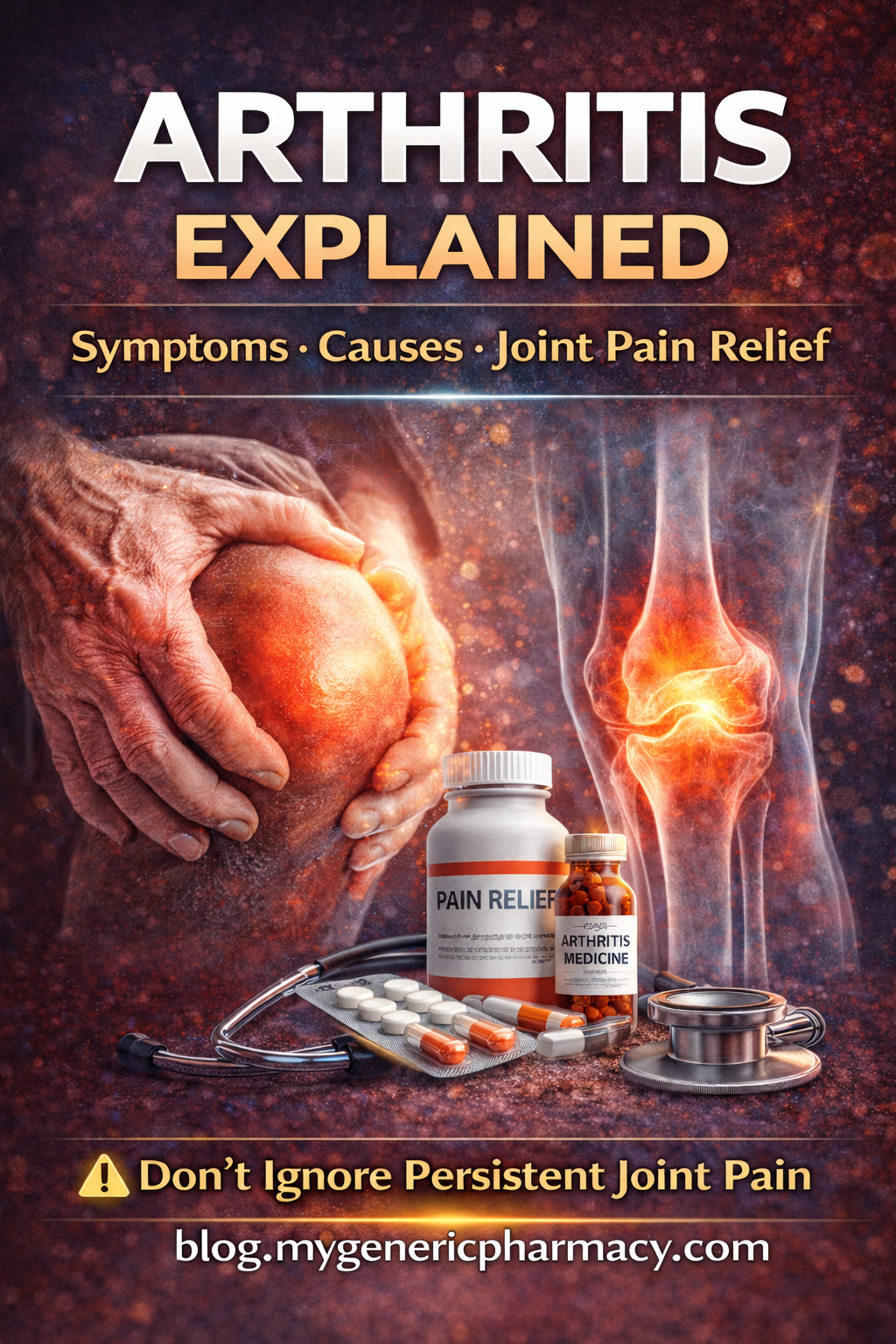
Discover the basics of arthritis, including its causes, symptoms, and effective management strategies. Discover treatments and lifestyle tips to reduce joint pain.
Living with arthritis can feel like an uphill battle. The stiffness, the aching joints, the frustration of not being able to do what you once did—it takes a toll. But here’s the truth that often gets buried under medical jargon: arthritis doesn’t have to mean an end to an active life. Millions of people with arthritis run marathons, tend gardens, chase grandchildren, and wake up each morning ready to embrace the day.
This survival guide isn’t about miracle cures. It’s about practical, proven strategies to manage joint pain, protect your mobility, and keep doing what you love—for life.
Know Your Enemy: Understanding Your Arthritis Type
Before you can win the battle, you need to know what you’re fighting. Arthritis isn’t one disease; it’s over 100 different conditions. Your survival strategy depends on your specific type.
Osteoarthritis (OA) is mechanical wear-and-tear. Cartilage gradually erodes, leading to bone rubbing on bone. It typically affects weight-bearing joints like knees, hips, and spine, plus hands. Pain worsens with activity and improves with rest.
Rheumatoid Arthritis (RA) is autoimmune. Your immune system attacks joint linings, causing inflammation that can destroy cartilage and bone. It often affects both sides of the body symmetrically and comes with fatigue, morning stiffness lasting over 30 minutes, and systemic symptoms.
Other types include psoriatic arthritis (with skin psoriasis), gout (sudden severe attacks from uric acid crystals), and ankylosing spondylitis (primarily affecting the spine).
Knowing your type guides everything—from which medications work best to which exercises help versus harm.
The Morning Routine: Starting Your Day Right
Mornings are often the hardest. Joints stiffen overnight, and that first step out of bed can feel like walking on broken glass.
The 15-Minute Morning Protocol:
- Wake up slowly. Don’t bolt upright. Stretch in bed like a cat—point and flex your feet, make circles with your ankles, and gently bend your knees.
- Hit the heat. A warm shower or bath is nature’s muscle relaxant. Heat increases blood flow, loosens stiff joints, and soothes aching muscles. Keep the water warm, not scalding.
- Move gently. After your shower, do a few gentle range-of-motion exercises. Shoulder rolls, neck stretches, arm circles. This “warms up” the joints for the day ahead.
- Take medications on time. If you take anti-inflammatories or other arthritis meds, consistency matters. Set an alarm if needed.
Movement Is Medicine: Exercise That Protects Joints
When joints hurt, the natural instinct is to stop moving. That’s exactly the wrong thing to do. Movement strengthens the muscles that support joints, reduces stiffness, and helps control weight, which directly reduces joint stress.
Best Exercises for Arthritis
Low-impact cardio:
- Swimming and water aerobics (buoyancy takes pressure off joints)
- Stationary cycling (smooth, controlled motion)
- Elliptical trainers (less impact than walking)
- Walking on soft, even surfaces
Strength training:
Strong muscles act as shock absorbers for joints. Focus on:
- Quadriceps for knee support
- Core muscles for back and hip stability
- Grip-strengthening exercises for hand arthritis
Range of motion:
- Gentle stretching daily
- Yoga or tai chi (modified as needed)
- Full joint movement through a comfortable range
The Golden Rule: If an exercise causes sharp pain, stop. Modify or try something else. Some discomfort is normal when starting; sharp pain is not.
Weight Management: The Single Most Powerful Tool
If you have osteoarthritis, especially in the knees or hips, weight loss is the most effective non-drug treatment available.
Every pound of body weight puts 4 pounds of pressure on your knees. Lose 10 pounds, and you’ve removed 40 pounds of force from those aching joints every time you take a step.
Studies show that losing just 5-10% of body weight can significantly reduce pain and improve function. For a 200-pound person, that’s 10-20 pounds—an achievable goal with enormous payoff.
Combine portion control with anti-inflammatory eating (more on that below), and you’ve got a powerful pain-fighting combination.
Anti-Inflammatory Eating: Fuel for Joints
What you eat directly affects how you feel. While no diet cures arthritis, certain foods can reduce inflammation and ease symptoms.
Foods to Embrace
- Fatty fish (salmon, mackerel, sardines): Omega-3s reduce inflammation
- Colorful fruits and vegetables: Antioxidants fight oxidative stress
- Olive oil: Contains anti-inflammatory compounds
- Nuts and seeds: Vitamin E and healthy fats
- Whole grains: Fiber reduces inflammatory markers
- Beans and legumes: Plant protein with anti-inflammatory benefits
Foods to Limit
- Processed foods and fast food: Promote inflammation
- Sugary drinks and sweets: Spike blood sugar, increase inflammation
- Red and processed meats: Linked to higher inflammation
- Refined carbohydrates: White bread, pastries
- Excessive alcohol: Can trigger flares, especially in gout
Special Diet Considerations
- Gout: Strictly limit purine-rich foods (organ meats, shellfish, red meat, beer)
- Inflammatory arthritis: Some find relief eliminating nightshades (tomatoes, peppers, eggplant)—though evidence is mixed
Pain Management Without Pills
Medications have their place, but relying solely on pills is a losing strategy. Build a toolkit of non-drug approaches:
Heat therapy: Warm showers, heating pads, paraffin wax for hands. Best for stiffness and chronic aches.
Cold therapy: Ice packs wrapped in thin towels. Best for acute flares and swollen joints. Apply 15-20 minutes at a time.
Topical treatments: NSAID gels (diclofenac), capsaicin cream, lidocaine patches. These target pain locally with fewer systemic side effects.
Assistive devices: Jar openers, long-handled grippers, raised toilet seats, canes. These aren’t signs of weakness—they’re tools that preserve energy and protect joints.
Mind-body techniques: Meditation, deep breathing, guided imagery. Pain is physical, but how you perceive it is partly psychological. Calming the mind helps calm the pain.
Protecting Joints in Daily Life
Small changes in how you move can dramatically reduce joint stress:
- Use larger joints: Carry bags on your shoulder rather than gripping with fingers
- Distribute weight: Use two hands instead of one
- Avoid tight grips: Build up pen handles, use tools with thick grips
- Respect pain: If an activity hurts, find another way or ask for help
- Pace yourself: Alternate heavy tasks with light ones; take breaks before exhaustion
When to Seek Help
Self-management works, but you can’t do it alone. Build a healthcare team:
- Rheumatologist: For accurate diagnosis and medication management
- Physical therapist: For personalized exercise programs
- Occupational therapist: For daily living strategies
- Orthopedic surgeon: For joint replacement consideration when appropriate
Seek immediate help if: A joint is suddenly hot, red, and severely painful (possible infection), or if you have unexplained fever with joint symptoms.
The Emotional Side: Living Well Mentally
Chronic pain wears you down. Depression and anxiety are common in arthritis—not character flaws, but consequences of living with constant discomfort.
- Acknowledge the grief. It’s normal to mourn the loss of abilities.
- Stay connected. Isolation worsens both pain and mood.
- Find your tribe. Support groups—online or in-person—connect you with people who truly understand.
- Consider counseling. CBT and other therapies help develop coping skills.
Looking Ahead: Hope for the Future
Arthritis research is advancing rapidly. New biologic medications are transforming rheumatoid arthritis outcomes. Surgical techniques for joint replacement improve every year. Regenerative medicine (stem cells, PRP) shows promise, though more research is needed.
The future is bright, but you don’t have to wait for it. With the right strategies, you can manage your arthritis today—and keep living the life you love.
References:
- Arthritis Foundation. Arthritis Management Strategies.
- Mayo Clinic. Arthritis: Diagnosis and Treatment.
- CDC. Physical Activity for Arthritis.
- National Institute of Arthritis and Musculoskeletal and Skin Diseases. Arthritis Basics.
Medications that have been suggested by doctors worldwide are available on the link below
https://mygenericpharmacy.com/category/arthritis
Disclaimer: This article is for educational purposes only. Consult your healthcare provider before starting any new treatment or exercise program.