Feel-Good Chemistry: How Dopamine Powers Your Brain’s Reward System
Dopamine is often called the “feel-good” chemical—but its role in the brain goes far beyond just pleasure. It is a powerful neurotransmitter that influences motivation, reward, learning, and even movement. Understanding how dopamine works can help you improve your mental well-being, productivity, and overall health.
What Is Dopamine?
Dopamine is a neurotransmitter—a chemical messenger that transmits signals between nerve cells in the brain. It plays a central role in the brain’s reward system, which helps reinforce behaviors necessary for survival.
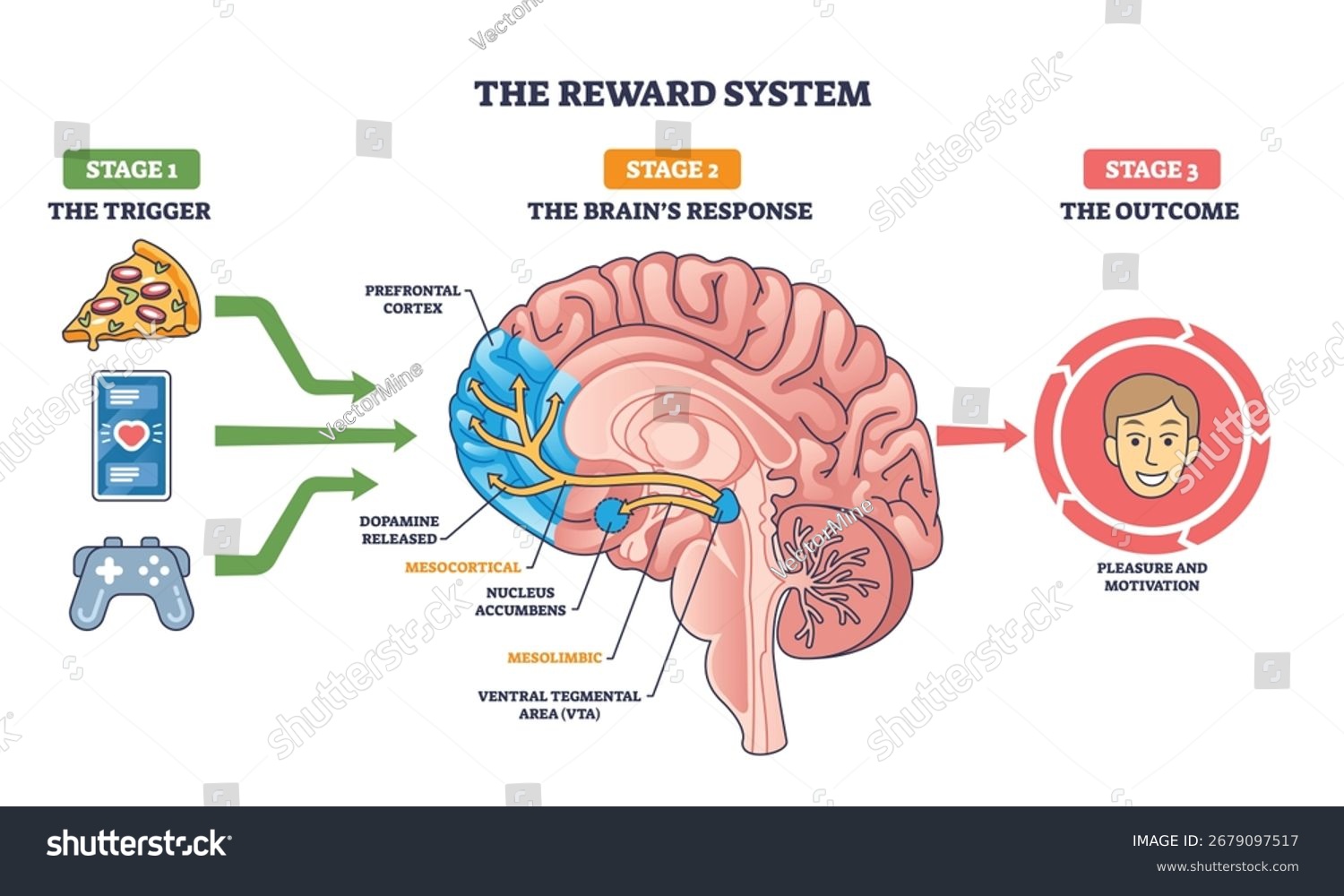
Whenever you do something enjoyable—like eating your favorite food or achieving a goal—dopamine is released, making you feel good and encouraging you to repeat that behavior.
How Dopamine Powers the Brain’s Reward System
The brain’s reward system is a network of structures that regulates pleasure and motivation. Dopamine is the key driver behind this system.
How It Works
- You perform an action (e.g., eating, exercising)
- Dopamine is released in the brain
- You feel pleasure or satisfaction
- Your brain remembers the behavior and encourages repetition
This loop is essential for learning and habit formation.
Functions of Dopamine
Dopamine affects multiple aspects of your physical and mental health:
1. Pleasure and Reward
It creates feelings of enjoyment and satisfaction.
2. Motivation and Focus
Dopamine drives you to pursue goals and stay productive.
3. Learning and Memory
It helps reinforce behaviors and supports cognitive function.
4. Movement Control
Dopamine is essential for smooth, coordinated muscle movements.
What Happens When Dopamine Levels Are Imbalanced?
Both low and high dopamine levels can cause problems.
Low Dopamine Levels
- Lack of motivation
- Fatigue
- Depression
- Difficulty concentrating
Low dopamine is associated with conditions like Parkinson’s disease and depression.
High Dopamine Levels
- Impulsivity
- Addiction
- Anxiety
- Aggressive behavior
Excess dopamine activity has been linked to Schizophrenia.
Natural Ways to Boost Dopamine
You don’t need medication to support healthy dopamine levels. Simple lifestyle changes can help.
1. Eat Dopamine-Boosting Foods
Include:
- Protein-rich foods (eggs, fish, chicken)
- Bananas
- Nuts and seeds
- Dairy products
These foods contain tyrosine, an amino acid that helps produce dopamine.
2. Exercise Regularly
Physical activity naturally increases dopamine levels and improves mood.
3. Get Enough Sleep
Sleep helps regulate dopamine receptors and maintain balance.
4. Set and Achieve Small Goals
Completing tasks triggers dopamine release and builds motivation.
5. Limit Sugar and Processed Foods
Too much sugar can disrupt dopamine balance over time.
Dopamine and Addiction: A Critical Link
Dopamine plays a major role in addiction. Activities like social media use, gaming, and substance use can overstimulate the reward system.
Over time, the brain may require more stimulation to feel the same level of pleasure—leading to dependency.
Why Dopamine Matters for Your Health
A balanced dopamine system is essential for:
- Emotional well-being
- Productivity and focus
- Healthy habits
- Physical coordination
When dopamine functions properly, it helps you stay motivated, happy, and mentally sharp.
Final Thoughts
Dopamine is much more than a “feel-good” chemical—it’s a key driver of behavior, motivation, and brain function. By understanding and supporting your dopamine system through healthy habits, you can improve both your mental and physical health.
References:
https://www.webmd.com/mental-health/what-is-dopamine
https://my.clevelandclinic.org/health/articles/22581-dopamine
https://pmc.ncbi.nlm.nih.gov/articles/PMC11469830/
Medications that have been suggested by doctors worldwide are available on the link below
https://mygenericpharmacy.com/category/products/anti-depression