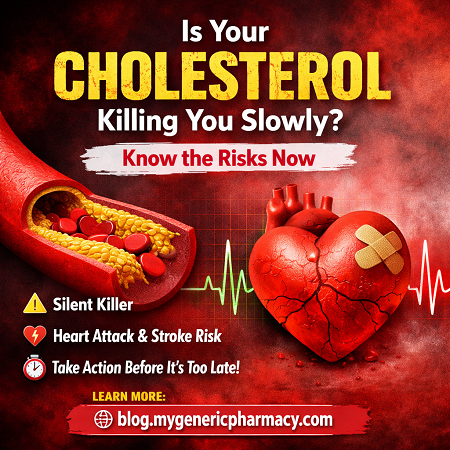
Is Your Cholesterol Killing You Slowly? Know the Risks Now
Cholesterol often gets a bad reputation, but the truth is more nuanced. Your body needs cholesterol to build cells and produce hormones. However, when levels become too high—especially the wrong type—it can quietly damage your health. Over time, high cholesterol increases the risk of serious conditions like heart disease and stroke. Because it rarely shows symptoms, many people don’t realize the danger until it’s too late.
🧬 What Is Cholesterol and Why Does It Matter?
Cholesterol is a waxy substance found in your blood. It travels through your bloodstream in two main forms:
- Low-Density Lipoprotein (LDL) – often called “bad cholesterol.”
- High-Density Lipoprotein (HDL) – known as “good cholesterol.”
LDL cholesterol can build up in your arteries, forming plaques that narrow blood flow. In contrast, HDL helps remove excess cholesterol from your bloodstream. Therefore, maintaining a healthy balance between the two is essential for cardiovascular health.
⚠️ The Silent Danger of High Cholesterol
High cholesterol is often referred to as a “silent killer” because it usually has no obvious symptoms. Nevertheless, it can lead to a condition called atherosclerosis, where arteries become clogged and hardened.
Over time, this can result in:
- Heart attacks
- Strokes
- Peripheral artery disease
According to the World Health Organization, elevated cholesterol is a major risk factor for cardiovascular diseases, which are the leading cause of death worldwide.
🚨 Key Risk Factors You Should Know
Several lifestyle and genetic factors can raise cholesterol levels. Understanding these risks helps you take early action.
Common risk factors include:
- Unhealthy diet high in saturated fats
- Lack of physical activity
- Smoking
- Obesity
- Diabetes
- Family history of high cholesterol
In addition, age plays a role. Cholesterol levels tend to rise as you get older, making regular monitoring even more important.
🥗 How Diet Impacts Cholesterol
What you eat directly affects your cholesterol levels. Diets high in processed foods, trans fats, and sugary drinks can increase LDL cholesterol.
Heart-friendly foods include:
- Oats and whole grains
- Fruits and vegetables
- Nuts and seeds
- Fatty fish rich in omega-3 fatty acids
On the other hand, reducing fried foods, red meat, and packaged snacks can significantly improve your cholesterol profile.
🏃♀️ Lifestyle Changes That Make a Difference
Improving your lifestyle is one of the most effective ways to control cholesterol naturally.
Simple steps you can take:
- Exercise for at least 30 minutes most days
- Quit smoking
- Limit alcohol consumption
- Maintain a healthy weight
Moreover, consistent habits are more effective than short-term efforts. Even small changes, when sustained, can lead to long-term benefits.
💊 When Medication Is Needed
In some cases, lifestyle changes alone may not be enough. Doctors may prescribe medications such as Statins to lower LDL cholesterol. These medications work by reducing the amount of cholesterol your liver produces. However, they should always be taken under medical supervision.
🩺 Importance of Regular Check-Ups
Since high cholesterol often has no symptoms, regular blood tests are crucial. A simple lipid profile can measure your cholesterol levels and help detect problems early. The Centers for Disease Control and Prevention recommends that adults check their cholesterol levels every 4–6 years, or more frequently if they have risk factors.
🌟 Final Thoughts
High cholesterol may not cause immediate symptoms, but its long-term effects can be life-threatening. The good news is that it’s manageable—and often preventable. By making healthier lifestyle choices, monitoring your levels, and seeking medical advice when needed, you can protect your heart and overall well-being. In conclusion, don’t wait for warning signs. Take control of your cholesterol today to ensure a healthier tomorrow.
📚 References
- World Health Organization – Cardiovascular diseases and cholesterol risk factors
- Centers for Disease Control and Prevention – Cholesterol guidelines and prevention
- American Heart Association – Understanding cholesterol and heart health
- National Heart, Lung, and Blood Institute – Cholesterol management and treatment guidelines
Medications that have been suggested by doctors worldwide are available on the link below
https://mygenericpharmacy.com/category/products/disease/heart-disease