Browsed by
Month: March 2026

Fungal Infections Explained: Symptoms, Causes, and the Best Treatment Options

Fungal Infections Explained: Symptoms, Causes, and the Best Treatment Options

Introduction: What Are Fungal Infections?

Fungal infections are caused by microscopic organisms called fungi that thrive in warm, moist environments. While many fungi are harmless, certain types can multiply excessively and cause infections ranging from mild skin irritations to serious systemic diseases. Understanding these infections is the first step toward effective prevention and treatment.

Common Types of Fungal Infections

Athlete’s Foot (Tinea Pedis)

This infection affects the feet, particularly between the toes. Symptoms include itching, burning, stinging, and cracked, peeling skin. It spreads in warm, damp environments like locker rooms and swimming pools.

Ringworm (Tinea Corporis)

Despite its name, ringworm has nothing to do with worms. It appears as circular, red, itchy patches with clearer skin in the center. It’s highly contagious and spreads through direct contact with infected people, pets, or contaminated objects.

Jock Itch (Tinea Cruris)

Affecting the groin and inner thighs, jock itch causes intense itching, redness, and a ring-shaped rash. It’s more common in men and athletes who sweat heavily.

Yeast Infections (Candidiasis)

Caused by Candida yeast, these infections can affect:

  • Vaginal area: Itching, burning, thick white discharge
  • Mouth (thrush): White patches on the tongue and inner cheeks
  • Skin folds: Red, moist rash under breasts, belly, or armpits

Nail Fungus (Onychomycosis)

Thickened, discolored (yellow, brown, or white), brittle nails that may separate from the nail bed. More common in toenails than in fingernails.

Scalp Ringworm (Tinea Capitis)

Affects children primarily, causing scaly patches, itching, and hair loss. Requires oral prescription medication.

What Causes Fungal Infections?

Fungi thrive in specific conditions:

  • Warm, moist environments – Sweaty shoes, locker rooms, humid weather
  • Poor hygiene – Infrequent washing or drying
  • Weakened immune system – HIV, cancer treatment, diabetes, steroids
  • Tight, non-breathable clothing – Traps moisture
  • Shared surfaces – Towels, shoes, gym equipment, shower floors
  • Close contact – With infected people or animals (pets can carry ringworm)
  • Antibiotic use – Kills beneficial bacteria, allowing yeast to overgrow

Risk Factors

Anyone can get fungal infections, but the risk increases with:

  • Diabetes or obesity
  • Weakened immunity
  • Excessive sweating
  • Poor circulation
  • Living in warm, humid climates
  • Participating in sports (especially wrestling, swimming)

Prevention Strategies

Personal Hygiene

  • Keep skin clean and dry – Especially after bathing or sweating
  • Wear moisture-wicking fabrics – Cotton underwear, breathable socks
  • Change socks and underwear daily – More often if sweating heavily
  • Dry completely – Between toes and in skin folds

Environmental Precautions

  • Wear flip-flops in public showers, locker rooms, and pool areas
  • Avoid sharing towels, combs, shoes, or nail clippers
  • Disinfect surfaces – Regularly clean shower floors and gym equipment
  • Wash bedding and towels in hot water

General Health

  • Manage blood sugar – Diabetics are more susceptible
  • Maintain a healthy weight – Reduces skin folds where fungi thrive
  • Eat a balanced diet – Supports immune function

Treatment Options

Over-the-Counter (OTC) Medications

Mild fungal infections often respond to topical treatments:

  • Clotrimazole, miconazole, terbinafine creams – For athlete’s foot, jock itch, ringworm
  • Antifungal powders and sprays – Keep feet dry, prevent recurrence
  • Clotrimazole vaginal inserts – For yeast infections
  • Selenium sulfide shampoos – For dandruff (caused by yeast)

Prescription Treatments

When OTC options fail, or the infection is severe:

  • Stronger topical antifungals – Prescription-strength creams
  • Oral antifungal pills – Terbinafine, itraconazole, fluconazole for nail fungus or widespread infections
  • Antifungal lozenges or liquid – For oral thrush
  • Intravenous antifungals – For serious systemic infections (hospital setting)

Treatment Duration

  • Skin infections: 2-4 weeks of consistent treatment
  • Nail fungus: 3-6 months (nails grow slowly)
  • Stop treatment early? No—completing the full course prevents recurrence

When to See a Doctor

Consult a healthcare provider if:

  • Infection spreads or worsens despite OTC treatment
  • You have diabetes or weakened immunity
  • Infection covers large areas of the body
  • You develop fever, chills, or fatigue (possible systemic infection)
  • Nails are involved (harder to treat)
  • Symptoms keep returning

Complications of Untreated Infections

Left untreated, fungal infections can:

  • Spread to other body parts
  • Become chronic and harder to treat
  • Cause secondary bacterial infections (from scratching)
  • Lead to cellulitis – Serious skin infection requiring hospitalization
  • In immunocompromised: Spread to the bloodstream (life-threatening)

Myths and Facts

❌ Myth: Only dirty people get fungal infections.
✅ Fact: Fungi affect people of all hygiene levels. Sweat and warmth—not dirt—attract fungi.

❌ Myth: Nail fungus will go away on its own.
✅ Fact: Nail fungus rarely resolves without treatment and typically worsens over time.

❌ Myth: All itchy rashes are fungal.
✅ Fact: Eczema, psoriasis, and contact dermatitis can mimic fungal infections. Proper diagnosis matters.

❌ Myth: You can cure fungal infections with vinegar or bleach.
✅ Fact: Home remedies may soothe symptoms but rarely eliminate fungi. Medical antifungals are proven effective.

Conclusion: Take Fungal Infections Seriously

Fungal infections are common, treatable, and preventable. Most clear with proper hygiene and OTC medications. However, persistent, spreading, or recurrent infections warrant medical attention. Early treatment prevents complications and keeps you comfortable.

Remember: fungi love warm, moist environments—deny them those conditions, and you’ll significantly reduce your risk.


References:
[1] Centers for Disease Control and Prevention. Fungal diseases.
[2] Cleveland Clinic. Fungal infections: Types, symptoms, treatment.
[3] Mayo Clinic. Yeast infection (vaginal).
[4] American Academy of Dermatology. Ringworm: Diagnosis and treatment.
[5] WebMD. Fungal infections: Types and treatments.

Medications that have been suggested by doctors worldwide are available on the link below
https://mygenericpharmacy.com/category/disease/fungal-infection


Disclaimer: This article is for educational purposes only. Consult a healthcare provider for proper diagnosis and treatment of fungal infections.

Healthy, Radiant Skin: The Ultimate Guide to Skincare That Works

Healthy, Radiant Skin: The Ultimate Guide to Skincare That Works

Introduction: Why Skin Care Matters

Your skin is your body’s largest organ—a living, breathing barrier that protects you from environmental damage, regulates temperature, and reflects your overall health. Yet despite its importance, skin care is often misunderstood, oversimplified, or buried under marketing hype. The truth is, effective skin care doesn’t require a 12-step routine or expensive products. It requires understanding your skin’s needs and consistency in meeting them.

Know Your Skin Type

Before choosing products, identify your skin type—this determines what your skin needs :

Skin TypeCharacteristicsWhat It Needs
NormalBalanced, not too oily or dryMaintenance, protection
OilyShiny, enlarged pores, prone to acneOil control, lightweight hydration
DryFlaky, tight, rough textureRich moisturizers, gentle cleansing
CombinationOily in T-zone (forehead, nose, chin), dry elsewhereBalanced products, targeted care
SensitiveEasily irritated, red, itchyFragrance-free, soothing ingredients

The Essential Three-Step Routine

Dermatologists agree that most people need only three basic steps for healthy skin :

1. Cleanse (Morning and Evening)

Cleansing removes dirt, oil, makeup, and pollutants. Choose a gentle, pH-balanced cleanser that doesn’t strip your skin’s natural moisture barrier. Avoid harsh soaps that leave skin feeling tight or squeaky.

2. Moisturize (Morning and Evening)

Moisturizers hydrate and seal in moisture. Even oily skin needs hydration—look for oil-free, non-comedogenic (won’t clog pores) formulas. Dry skin benefits from richer creams with ingredients like ceramides and hyaluronic acid.

3. Protect (Morning Only)

Sunscreen is non-negotiable. UV radiation causes premature aging, dark spots, and skin cancer. Use broad-spectrum SPF 30+ daily, even when cloudy or indoors. Reapply every 2 hours when outdoors.

The Role of Active Ingredients

Once basics are covered, targeted ingredients address specific concerns :

For Anti-Aging

  • Retinoids (retinol, tretinoin): Boost collagen, speed cell turnover
  • Vitamin C: Antioxidant, brightens, protects from environmental damage
  • Peptides: Support collagen production
  • Niacinamide (vitamin B3): Improves elasticity, evens tone

For Acne-Prone Skin

  • Salicylic acid (BHA): Exfoliates inside pores
  • Benzoyl peroxide: Kills acne-causing bacteria
  • Adapalene: Prescription-strength retinoid for acne

For Hyperpigmentation

  • Vitamin C: Fades dark spots
  • Kojic acid, azelaic acid, tranexamic acid: Brightening agents
  • Hydroquinone: Prescription lightener (short-term use only)

For Dry or Sensitive Skin

  • Ceramides: Restore skin barrier
  • Hyaluronic acid: Attracts moisture
  • Centella asiatica (cica), oatmeal: Soothe irritation

Beyond Products: Lifestyle Factors

Hydration

Drink adequate water—dehydrated skin looks dull and feels tight. Aim for 6-8 glasses daily, more if active or in dry climates.

Nutrition

What you eat shows on your skin:

  • Antioxidant-rich foods: Berries, leafy greens, and nuts protect from damage
  • Healthy fats: Omega-3s (salmon, walnuts, flaxseed) support the skin barrier
  • Limit sugar and processed foods: Promote inflammation and breakouts

Sleep

During sleep, skin repairs damage and regenerates cells. Chronic sleep deprivation increases cortisol, which breaks down collagen and triggers breakouts.

Stress Management

Stress triggers inflammation and can worsen acne, eczema, and psoriasis. Incorporate stress-reducing activities: exercise, meditation, adequate rest.

Avoid Smoking and Limit Alcohol

Smoking accelerates aging by damaging collagen and constricting blood vessels. Alcohol dehydrates and dilates pores.

When to See a Dermatologist

Consult a dermatologist if you experience:

  • Persistent acne not responding to over-the-counter treatments
  • Skin growths that change, bleed, or grow rapidly
  • Severe eczema, psoriasis, or rosacea
  • Unexplained rashes or skin changes
  • Hair loss or nail problems

Building Your Routine: Start Simple

Morning:

  1. Gentle cleanser (or water rinse)
  2. Vitamin C serum (optional)
  3. Moisturizer
  4. Sunscreen

Evening:

  1. Cleanser (double cleanse if wearing makeup)
  2. Treatment (retinoid, acne treatment, or brightening serum)
  3. Moisturizer (richer at night)

Introduce new products one at a time and patch test first. Give products 4-6 weeks to show results.

Conclusion: Consistency Over Perfection

Healthy skin isn’t about achieving perfection—it’s about consistent care that respects your skin’s unique needs. A simple routine performed daily beats an elaborate one performed sporadically. Protect, hydrate, and nourish your skin, and it will serve you well for life.


References:
https://www.berlindermatology.com/blog/the-ultimate-guide-to-skincare-achieving-healthy-radiant-skin
https://www.mayoclinic.org/healthy-lifestyle/adult-health/in-depth/skin-care/art-20048237
https://www.aad.org/public/everyday-care/skin-care-secrets/routine/healthier-looking-skin
https://www.webmd.com/beauty/skin-care-basics

Medications that have been suggested by doctors worldwide are available on the link below
https://mygenericpharmacy.com/category/products/skin-care


Disclaimer: This article is for educational purposes. Consult a dermatologist for personalized skin care advice.

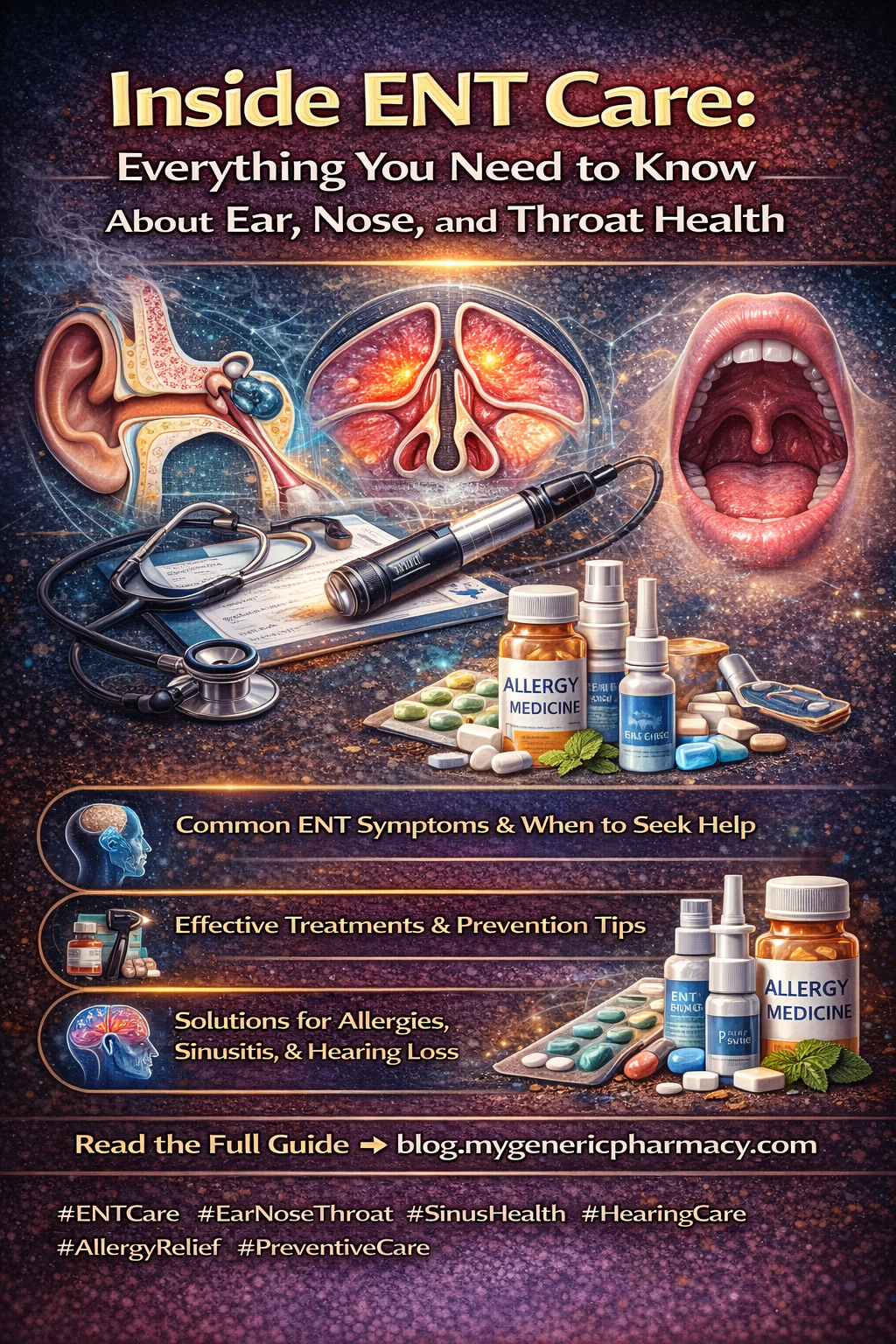
Inside ENT Care: Everything You Need to Know About Ear, Nose, and Throat Health

Inside ENT Care: Everything You Need to Know About Ear, Nose, and Throat Health

Introduction: The Connected World of ENT

The ears, nose, and throat are not isolated structures—they form an interconnected system that affects how we hear, breathe, speak, and maintain balance. ENT care, formally known as otolaryngology-head and neck surgery, focuses on diagnosing and treating disorders in this vital region. Understanding these connections helps you recognize when symptoms warrant professional attention.

Why Ears, Nose, and Throat Are Connected

The ears, nose, and throat share anatomical and functional links:

  • Eustachian tubes connect the middle ear to the throat, equalizing pressure
  • Sinuses drain into the nasal cavity
  • The throat houses the voice box (larynx) and connects to both breathing and swallowing passages.
  • Balance organs in the inner ear communicate withthe eyes and muscles via the brain.

This interconnectedness means a problem in one area often affects another. For example, a cold (nose) can lead to ear infections, and acid reflux (throat) can cause a chronic cough or hoarseness.

Common Ear Conditions and Treatments

Hearing Loss

Hearing loss affects millions worldwide and can be:

  • Conductive: Problems in the outer or middle ear (wax, fluid, eardrum perforation)
  • Sensorineural: Damage to the inner ear or auditory nerve (aging, noise exposure)
  • Mixed: Combination of both

Treatment options: Hearing aids, cochlear implants, and medical management of underlying causes.

Ear Infections (Otitis Media)

Particularly common in children, ear infections occur when fluid builds up behind the eardrum. Symptoms include ear pain, fever, and temporary hearing loss. Treatment may involve observation, antibiotics, or ear tube surgery for recurrent cases.

Tinnitus

Ringing, buzzing, or roaring in the ears affects 10-15% of adults. While not curable, management strategies include sound therapy, hearing aids, and addressing underlying causes

Vertigo and Balance Disorders

Inner ear problems like Benign Paroxysmal Positional Vertigo (BPPV) or Ménière’s disease cause spinning sensations. Treatment ranges from repositioning maneuvers to medication and lifestyle changes.

Common Nose and Sinus Conditions

Chronic Sinusitis

Inflammation of sinuses lasting >12 weeks causes facial pressure, congestion, and reduced smell. Treatment includes nasal sprays, antibiotics for bacterial infections, and functional endoscopic sinus surgery (FESS) for persistent cases.

Allergic Rhinitis

Hay fever affects millions, causing sneezing, congestion, and itchy eyes. Management involves allergen avoidance, antihistamines, nasal steroids, and immunotherapy (allergy shots)

Nasal Obstruction

DeA deviatedeptum or enlarged turbinates can block breathing. Septoplasty or turbinate reduction surgery may be recommended when medical management fails.

Common Throat and Voice Disorders

Tonsillitis and Pharyngitis

Sore throats from viral or bacterial infections are common. Recurrent tonsillitis (multiple episodes yearly) may warrant tonsillectomy.

Laryngitis and Voice Disorders

Hoarseness lasting >3 weeks requires evaluation. Causes include vocal cord nodules, polyps, or paralysis. Voice therapy or surgery may be needed

Swallowing Difficulties (Dysphagia)

Difficulty swallowing can result from neurological conditions, structural abnormalities, or GERD. Evaluation may include barium swallow studies or endoscopy.

Sleep Apnea

This serious condition causes breathing interruptions during sleep. ENT specialists evaluate and treat upper airway obstruction with CPAP, oral appliances, or surgery.

Pediatric ENT: Special Considerations

Children frequently need ENT care for:

  • Ear infections (the most common reason for pediatric ENT visits)
  • Enlarged tonsils and adenoids are causing breathing or sleep problems
  • Speech delays related to hearing loss
  • Feeding difficulties

Early intervention prevents developmental delays and improves outcomes.

When to See an ENT Specialist

Consider consulting an ENT if you experience:

  • Hearing loss or persistent ear pain
  • Chronic sinus infections (4+ per year)
  • Sore throat lasting >2 weeks
  • Hoarseness >3 weeks
  • Difficulty swallowing
  • Lump in neck lasting >2 weeks
  • Recurrent tonsillitis
  • Dizziness affecting daily life
  • Snoring with witnessed breathing pauses

Conclusion: Your Partners in Health

ENT specialists bridge the gap between primary care and complex head and neck disorders. From common ear infections to life-threatening cancers, these physicians provide comprehensive care for conditions affecting how we interact with the world. If you’re experiencing persistent symptoms involving your ears, nose, or throat, don’t wait—an ENT evaluation could be the first step toward relief and recovery.


References:
https://www.hopkinsmedicine.org/health/wellness-and-prevention/ear-nose-and-throat-facts
https://www.frederickhealth.org/news/2020/october/what-you-need-to-know-about-ear-nose-throat-heal/
https://www.medanta.org/patient-education-blog/the-secrets-of-your-ears-nose-and-throat-with-an-ent-specialist
https://my.clevelandclinic.org/health/articles/24635-otolaryngologist

Medications that have been suggested by doctors worldwide are available on the link below
https://mygenericpharmacy.com/category/eye-care


Disclaimer: This article is for educational purposes only. Consult an ENT specialist for medical advice specific to your condition.