Inside ENT Care: Everything You Need to Know About Ear, Nose, and Throat Health
Introduction: The Connected World of ENT
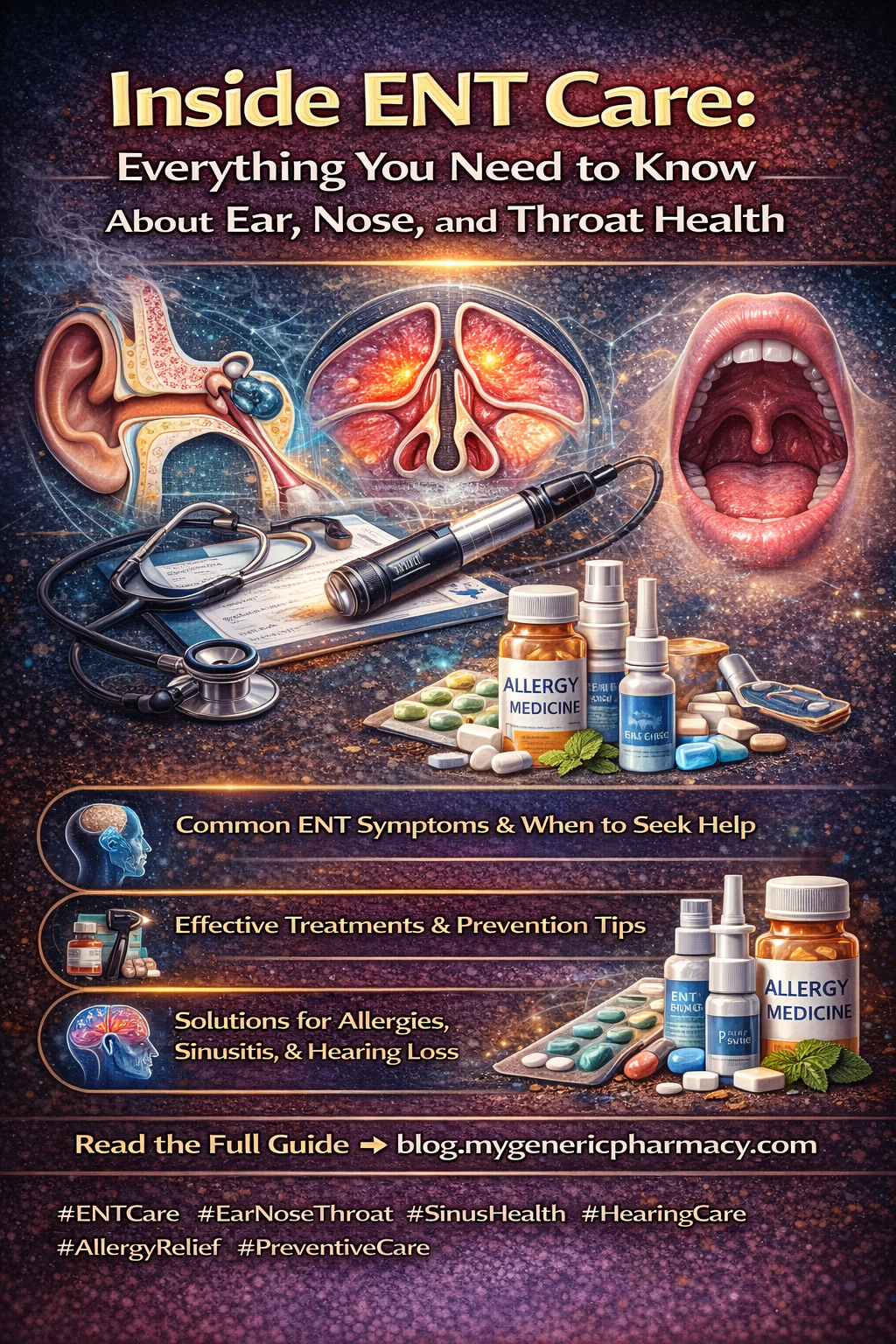
The ears, nose, and throat are not isolated structures—they form an interconnected system that affects how we hear, breathe, speak, and maintain balance. ENT care, formally known as otolaryngology-head and neck surgery, focuses on diagnosing and treating disorders in this vital region. Understanding these connections helps you recognize when symptoms warrant professional attention.
Why Ears, Nose, and Throat Are Connected
The ears, nose, and throat share anatomical and functional links:
- Eustachian tubes connect the middle ear to the throat, equalizing pressure
- Sinuses drain into the nasal cavity
- The throat houses the voice box (larynx) and connects to both breathing and swallowing passages.
- Balance organs in the inner ear communicate withthe eyes and muscles via the brain.
This interconnectedness means a problem in one area often affects another. For example, a cold (nose) can lead to ear infections, and acid reflux (throat) can cause a chronic cough or hoarseness.
Common Ear Conditions and Treatments
Hearing Loss
Hearing loss affects millions worldwide and can be:
- Conductive: Problems in the outer or middle ear (wax, fluid, eardrum perforation)
- Sensorineural: Damage to the inner ear or auditory nerve (aging, noise exposure)
- Mixed: Combination of both
Treatment options: Hearing aids, cochlear implants, and medical management of underlying causes.
Ear Infections (Otitis Media)
Particularly common in children, ear infections occur when fluid builds up behind the eardrum. Symptoms include ear pain, fever, and temporary hearing loss. Treatment may involve observation, antibiotics, or ear tube surgery for recurrent cases.
Tinnitus
Ringing, buzzing, or roaring in the ears affects 10-15% of adults. While not curable, management strategies include sound therapy, hearing aids, and addressing underlying causes
Vertigo and Balance Disorders
Inner ear problems like Benign Paroxysmal Positional Vertigo (BPPV) or Ménière’s disease cause spinning sensations. Treatment ranges from repositioning maneuvers to medication and lifestyle changes.
Common Nose and Sinus Conditions
Chronic Sinusitis
Inflammation of sinuses lasting >12 weeks causes facial pressure, congestion, and reduced smell. Treatment includes nasal sprays, antibiotics for bacterial infections, and functional endoscopic sinus surgery (FESS) for persistent cases.
Allergic Rhinitis
Hay fever affects millions, causing sneezing, congestion, and itchy eyes. Management involves allergen avoidance, antihistamines, nasal steroids, and immunotherapy (allergy shots)
Nasal Obstruction
DeA deviatedeptum or enlarged turbinates can block breathing. Septoplasty or turbinate reduction surgery may be recommended when medical management fails.
Common Throat and Voice Disorders
Tonsillitis and Pharyngitis
Sore throats from viral or bacterial infections are common. Recurrent tonsillitis (multiple episodes yearly) may warrant tonsillectomy.
Laryngitis and Voice Disorders
Hoarseness lasting >3 weeks requires evaluation. Causes include vocal cord nodules, polyps, or paralysis. Voice therapy or surgery may be needed
Swallowing Difficulties (Dysphagia)
Difficulty swallowing can result from neurological conditions, structural abnormalities, or GERD. Evaluation may include barium swallow studies or endoscopy.
Sleep Apnea
This serious condition causes breathing interruptions during sleep. ENT specialists evaluate and treat upper airway obstruction with CPAP, oral appliances, or surgery.
Pediatric ENT: Special Considerations
Children frequently need ENT care for:
- Ear infections (the most common reason for pediatric ENT visits)
- Enlarged tonsils and adenoids are causing breathing or sleep problems
- Speech delays related to hearing loss
- Feeding difficulties
Early intervention prevents developmental delays and improves outcomes.
When to See an ENT Specialist
Consider consulting an ENT if you experience:
- Hearing loss or persistent ear pain
- Chronic sinus infections (4+ per year)
- Sore throat lasting >2 weeks
- Hoarseness >3 weeks
- Difficulty swallowing
- Lump in neck lasting >2 weeks
- Recurrent tonsillitis
- Dizziness affecting daily life
- Snoring with witnessed breathing pauses
Conclusion: Your Partners in Health
ENT specialists bridge the gap between primary care and complex head and neck disorders. From common ear infections to life-threatening cancers, these physicians provide comprehensive care for conditions affecting how we interact with the world. If you’re experiencing persistent symptoms involving your ears, nose, or throat, don’t wait—an ENT evaluation could be the first step toward relief and recovery.
References:
https://www.hopkinsmedicine.org/health/wellness-and-prevention/ear-nose-and-throat-facts
https://www.frederickhealth.org/news/2020/october/what-you-need-to-know-about-ear-nose-throat-heal/
https://www.medanta.org/patient-education-blog/the-secrets-of-your-ears-nose-and-throat-with-an-ent-specialist
https://my.clevelandclinic.org/health/articles/24635-otolaryngologist
Medications that have been suggested by doctors worldwide are available on the link below
https://mygenericpharmacy.com/category/eye-care
Disclaimer: This article is for educational purposes only. Consult an ENT specialist for medical advice specific to your condition.