From Bloating to Acid Reflux: The Ultimate Guide to Digestive Health
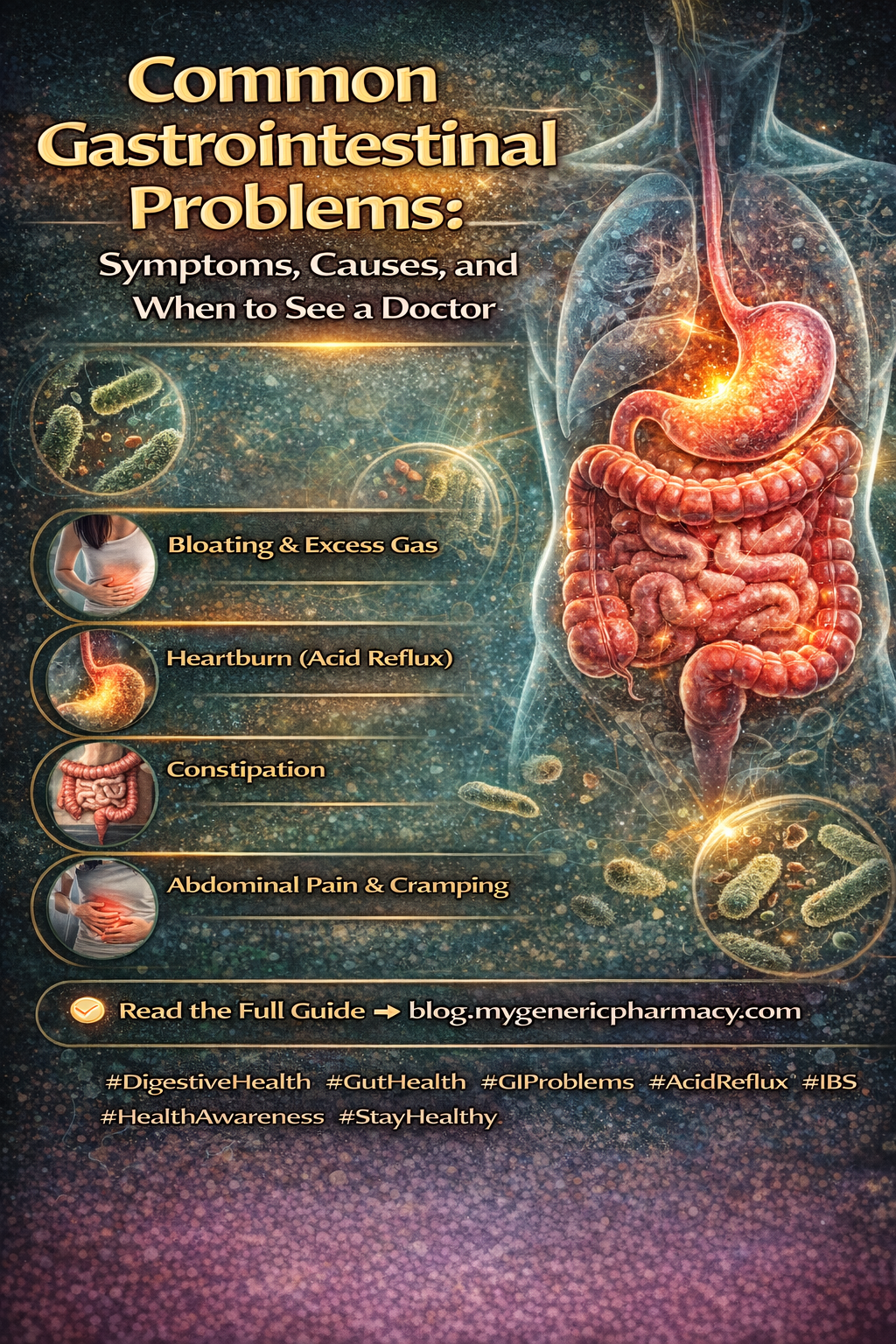
Common Gastrointestinal Problems: Symptoms & Causes: Experiencing bloating, pain, or indigestion? Learn the symptoms, causes, and treatment options for common gastrointestinal problems and when to see a doctor.
We have all been there—that uncomfortable bloating after a big meal, the sudden cramp that comes out of nowhere, or the persistent heartburn that just won’t quit. For many, these moments are fleeting. However, for an increasing number of people, digestive discomfort is becoming the norm rather than the exception. Gastrointestinal (GI) issues are on the rise globally, fueled by our modern lifestyles, stress, and diet.
Your gut is more than just a food processor; it’s a complex system often called the “second brain” due to its direct line of communication with your head. When something is off in your digestive tract, it’s often your body’s first warning sign that something needs attention . This guide will help you understand common GI problems, their causes, and how to get your digestive health back on track.
What Exactly is a Gastrointestinal Problem?
A gastrointestinal disease is any condition affecting the digestive tract, which runs from your mouth to your rectum. These problems generally fall into two categories :
- Functional GI Diseases: In these cases, the GI tract looks normal upon examination but doesn’t function properly. The muscles or nerves aren’t working in harmony. Irritable Bowel Syndrome (IBS) is a classic example, where the gut is highly sensitive, and motility is off.
- Structural GI Diseases: Here, the bowel itself is abnormal, and the problem is visible. This includes conditions with inflammation or damage, like Inflammatory Bowel Disease (IBD) —which covers Crohn’s disease and ulcerative colitis—as well as hemorrhoids, diverticular disease, and polyps.
Common Culprits: Symptoms You Shouldn’t Ignore
Digestive issues can manifest in many ways. While occasional discomfort is normal, persistent symptoms warrant attention. Common signs of a GI problem include :
- Persistent abdominal pain or cramping
- Excessive gas and bloating
- Heartburn or acid reflux (a burning sensation in the chest)
- Changes in bowel habits: Diarrhea, constipation, or alternating between the two
- Unexplained nausea or vomiting
- Blood in the stool or black, tarry stools
If you experience severe pain, vomiting blood, or notice blood in your stool, seek immediate medical attention.
Why Are Gut Problems Becoming So Common?
The rise in GI issues isn’t a mystery; it’s a direct result of modern living.
- The Modern Diet: We are eating more ultra-processed foods, refined sugars, and unhealthy fats while consuming less fiber. This combination can alter your gut microbiome (the community of good bacteria), increase inflammation, and starve the beneficial bacteria that keep your gut lining healthy.
- Chronic Stress: Your brain and gut are directly connected. When you’re stressed, your body diverts energy away from digestion, which can slow down gut motility, increase sensitivity to pain, and worsen conditions like IBS.
- Overuse of Medications: Common over-the-counter pain relievers like ibuprofen and aspirin (NSAIDs) are “extremely caustic to the intestinal lining” and can lead to ulcers and bleeding when taken too often. Antibiotics, while life-saving, can also wipe out the good bacteria in your gut.
5 Healthy Habits for a Happier Gut
The good news is that you have significant control over your digestive health. It’s less about trendy cleanses and more about consistent, healthy habits.
1. Eat a Fiber-Forward, Gut-Friendly Diet
Aim for a Mediterranean-style plate: half filled with colorful vegetables, a quarter with high-fiber whole grains (like oats or quinoa), and a quarter with lean protein. Fiber is crucial. Soluble fiber (found in oats, apples, and beans) feeds good gut bacteria, while insoluble fiber (found in leafy greens and nuts) adds bulk to stool to prevent constipation. Increase your fiber intake slowly and with plenty of water to avoid bloating.
2. Hydrate Strategically
Water is essential for digestion. It softens stool and helps fiber do its job. A good rule of thumb is to aim for pale-yellow urine throughout the day. Try starting your morning with 1-2 glasses of water to help stimulate a bowel movement.
3. Get Moving
Regular physical activity isn’t just for your heart; it’s great for your gut. Even a 10-20 minute walk after meals can reduce bloating and help with blood sugar control. It’s one of the best ways to support gut motility and reduce constipation.
4. Prioritize Sleep and Stress Management
Your gut needs rest to repair and regulate. Irregular sleep can disrupt the hormones and rhythms that control digestion. Since the gut-brain axis is a two-way street, managing stress is vital. Simple practices like 5 minutes of deep breathing before a meal can activate the “rest and digest” mode and improve digestion.
5. Listen to Your Body—And Don’t Mask Symptoms
Pay attention to what your body is telling you. If you constantly rely on antacids or anti-diarrheals to mask symptoms, you could be hiding an underlying issue like celiac disease, an ulcer, or an inflammatory condition. “When symptoms repeat, they’re trying to tell you something,” explains gastroenterologist Dr. Manjusha Das. “The earlier we investigate, the easier it is to treat”.
Prevention is the Best Medicine
Your digestive health is a cornerstone of your overall well-being. You don’t need complicated protocols to protect it. Focus on whole foods, manage your stress, stay active, and stay hydrated. And remember, if you’re 45 or older, schedule that routine colonoscopy. It doesn’t just detect colon cancer; it can prevent it by removing pre-cancerous polyps before they become a problem
If you’ve been suffering from persistent bloating, pain, or irregular bowel habits for more than two weeks, it’s time to consult a healthcare provider. Your gut will thank you.
Reference:
https://my.clevelandclinic.org/health/articles/7040-gastrointestinal-diseases
https://www.niddk.nih.gov/health-information/digestive-diseases
https://livgastro.in/patient_education/the-most-common-digestive-issues-and-how-to-prevent-them/
https://www.acog.org/womens-health/faqs/problems-of-the-digestive-system
Medications that have been suggested by doctors worldwide are available on the link below
https://mygenericpharmacy.com/category/products/disease/ulcers-and-indigestion